
Dating App Safety Guide: How to Report Scams and Abuse Quickly


Ready to transform your online dating experience? At OnlineDatingSuccess.org, we're dedicated to helping you navigate the world of digital romance with confidence. But even the most promising connections can harbor hidden dangers. That's why we've created a crucial resource: our Dating app safety reporting guide. Learn how to quickly and effectively report scams and abuse, ensuring your safety and empowering you to build meaningful relationships free from fear. Discover the strategies you need to stay secure and find lasting love – explore our guide now!
- Understanding Dating App Safety Features
- Reporting Scams and Abuse on Popular Dating Apps
- Beyond the App: Reporting to External Authorities
- Protecting Yourself Online: Proactive Safety Measures
- Dating App Safety Reporting: Frequently Asked Questions (FAQ)
- Frequently Asked Questions
- Final Reflection: Navigating the Digital Dating Landscape Safely
- Take Control: Secure Your Online Dating Experience
Understanding Dating App Safety Features
Online dating offers exciting possibilities for connection, but it's crucial to prioritize your safety and well-being. Navigating the digital dating world requires awareness of potential risks and a proactive approach to safeguarding yourself. This comprehensive guide focuses on recognizing red flags, identifying scams, and understanding the reporting mechanisms available on various dating apps to ensure you can quickly and effectively report abuse and scams. We'll empower you with the knowledge and tools to create a safer online dating experience, helping you build meaningful connections while minimizing potential harm.
This guide serves as your essential resource for understanding your rights and options when encountering problematic situations on dating apps. Learning to effectively report abuse and scams is a crucial step towards a positive and safe online dating journey. Remember, your safety is paramount, and taking proactive measures is key to a successful and secure experience.
Identifying Red Flags of Abuse
Identifying potential abuse early is crucial for your safety. Abuse can manifest in various forms, including emotional manipulation, verbal harassment, threats, and even financial exploitation. It's important to be vigilant and recognize warning signs. Some common red flags include:
- Controlling Behavior: Excessive texting, constant demands for your attention, attempts to isolate you from friends and family, or monitoring your online activity.
- Gaslighting: Making you question your own sanity or perception of events. They might deny things they said or did, making you feel confused and uncertain.
- Threats and Intimidation: Direct or indirect threats of violence, harassment, or the sharing of private information.
- Financial Exploitation: Requests for money, gifts, or loans under false pretenses. This can range from small requests escalating to significant financial demands.
- Sudden Changes in Behavior: Extreme shifts in mood, tone, or behavior that are unexplained or inconsistent.
- Pressure to Meet Offline Too Quickly: An insistent push to meet in person before you feel comfortable, often ignoring your boundaries.
Recognizing Common Dating App Scams
Dating apps unfortunately attract individuals with malicious intent. Understanding common scams will help you avoid becoming a victim. Here are a few prevalent types of scams:
- Catfishing: Using fake profiles with stolen photos and fabricated identities to lure victims. These individuals often create a false sense of connection to gain trust before requesting money or personal information.
- Romance Scams: Building a seemingly genuine romantic relationship to gain the victim's trust and then manipulate them into sending money or sharing sensitive data. These scams often involve elaborate stories and emotional manipulation.
- Phishing Scams: Attempts to obtain personal information, such as usernames, passwords, or credit card details, under false pretenses. They might claim to need your information for verification or to access a "special" feature.
- Fake Investment Opportunities: Promises of high returns on investments through seemingly legitimate opportunities. These are often fraudulent schemes designed to steal your money.
Understanding Your Legal Rights in Online Dating
Knowing your legal rights is vital in navigating potentially abusive or illegal situations. While specific laws vary by jurisdiction, you generally have recourse if you experience harassment, threats, or financial exploitation. It's advisable to:
- Document Everything: Keep records of all communications, including screenshots, emails, and messages. This documentation is crucial if you decide to file a report with the dating app or law enforcement.
- Report to the Dating App: Most dating apps have robust reporting mechanisms. Utilize these features to flag abusive profiles or suspicious activity. Detailed reports with evidence are more effective.
- Contact Law Enforcement: If you've experienced serious threats, harassment, or financial fraud, contact your local law enforcement agency to file a police report. They can provide guidance and support.
- Seek Legal Advice: If you're facing legal issues related to online dating, consulting with an attorney is highly recommended. They can advise you on your rights and options.
Remember, reporting is a crucial step in creating safer online dating environments for everyone. Don't hesitate to seek help and support if you need it. Your safety and well-being are paramount.
Reporting Scams and Abuse on Popular Dating Apps
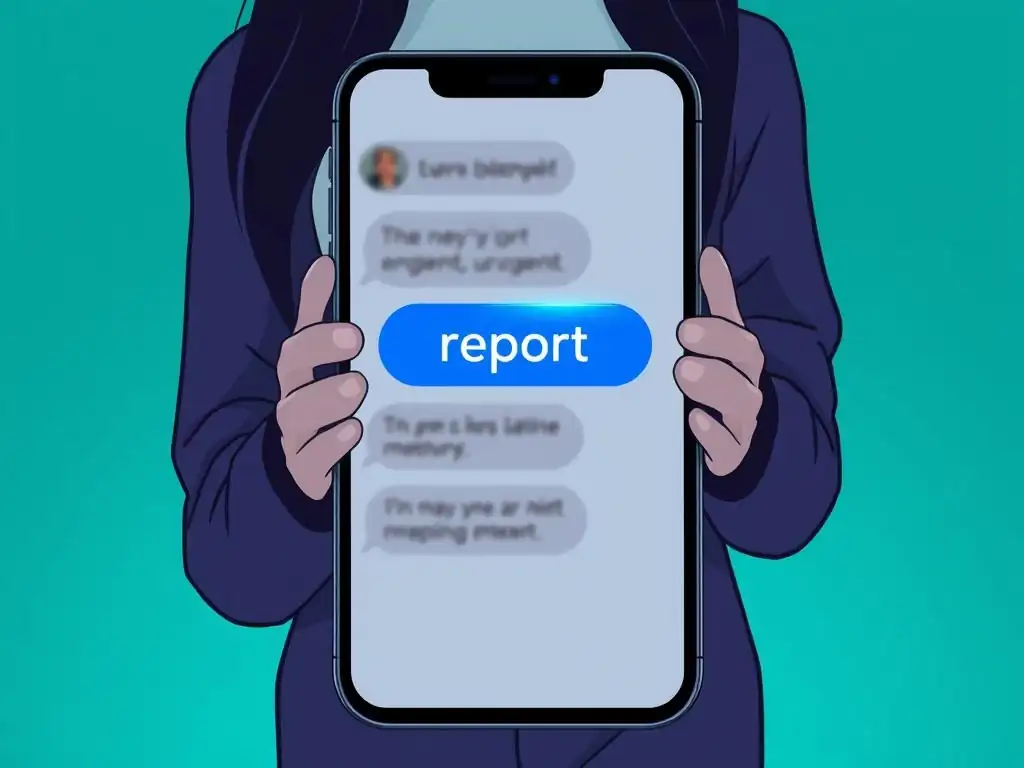
This section details how to report scams and abusive behavior on some of the most popular dating apps. Remember, your safety is paramount. Don't hesitate to report anything that makes you feel uncomfortable, unsafe, or threatened. Prompt reporting helps dating apps maintain safer environments for everyone. This guide focuses on the reporting process itself; always prioritize your personal safety first. Knowing how to effectively utilize the reporting mechanisms available is crucial for mitigating risks associated with online dating.
Reporting on Tinder
Tinder provides several avenues for reporting concerning behavior. The process is generally straightforward, but the specific steps might vary slightly depending on your device (iOS or Android) and app version. However, the core functionality remains consistent.
First, locate the profile of the individual you wish to report. Look for a three-dot icon (often an ellipsis: "...") or a "flag" icon 🚩 near their profile information. Tapping this icon usually brings up a menu of reporting options. Tinder offers various reporting categories, such as:
- Spam/Fake Profile: Use this if the profile appears to be fake, automated, or promoting scams. Provide as much detail as possible, including screenshots if available.
- Harassment/Abuse: This category covers threats, offensive messages, inappropriate images, or any behavior that makes you feel unsafe or uncomfortable. Again, concrete evidence is extremely helpful.
- Impersonation: If someone is pretending to be someone else, this is the appropriate option.
- Other: If none of the above categories fit, select "Other" and provide a detailed explanation of the issue.
After selecting the appropriate category, Tinder typically asks for additional information, such as specific examples of the offensive behavior. The more detail you provide, the better equipped Tinder's moderation team will be to investigate and take action. Remember to be factual and avoid emotional language.
Reporting on Bumble
Bumble's reporting system is similarly designed to prioritize user safety. The process is intuitive and user-friendly.
Similar to Tinder, locate the profile of the person you want to report. You'll typically find a reporting option indicated by an icon (often a flag 🚩 or an exclamation mark ❗) within the profile or chat interface. Clicking on this icon will open a reporting menu. Bumble's categories usually include:
- Inappropriate Photos/Videos: This is for sexually explicit content or other images that violate Bumble's community guidelines.
- Spam/Fake Profile: This is used to report profiles that appear to be fake, bots, or involved in scam attempts.
- Harassment: Use this option for any form of harassment, including verbal abuse, threats, or stalking behavior.
- Violation of Terms of Service: Report any behavior that violates Bumble's terms of service, which are clearly outlined in their user agreement.
Bumble, like Tinder, often requires additional information to support your report. Screenshots, specific examples, and concise explanations are all highly beneficial. Provide as much context as you can to help Bumble's team understand the situation completely. Accurate and detailed reporting significantly increases the chances of a successful resolution.
Reporting on Hinge
Hinge's approach to safety and reporting is comparable to other leading dating apps. The goal is to provide users with a safe and positive experience.
To report a user on Hinge, navigate to their profile. A report button, often represented by a flag icon 🚩 or a similar symbol, is typically located near their profile information or within the messaging interface. Once you select the report option, you'll be presented with a range of reporting categories that might include:
- Inappropriate Content: This covers offensive or harmful content, including sexually explicit material or hate speech.
- Spam or Scam: Report profiles suspected of being fake, bots, or involved in fraudulent activities.
- Harassment or Abuse: This category is for any form of harassment, intimidation, or abusive behavior.
- Impersonation: Use this if someone is pretending to be someone else.
Similar to the other apps mentioned, Hinge will likely ask for further details to support your report. Providing specific examples, timestamps, and screenshots will greatly assist Hinge's moderation team in investigating and addressing the issue. Clear and concise reporting is crucial for effective action. Remember, reporting is a vital tool for maintaining a safe online dating environment.
Reporting on OkCupid
OkCupid provides several avenues for reporting inappropriate behavior and scams. Their reporting system is designed to be straightforward, allowing users to quickly flag concerning profiles or messages. When reporting a user, OkCupid encourages users to provide as much detail as possible, including screenshots of messages, profile information, and a clear explanation of why the report is being filed. This detailed information helps OkCupid's moderation team assess the situation accurately and take appropriate action.
The types of reports typically accepted include harassment, scams (such as phishing attempts or financial fraud), hate speech, and violations of OkCupid's terms of service. The process generally involves selecting the appropriate reporting option from the user's profile or message thread and then submitting the report with supporting evidence. OkCupid usually sends a confirmation message acknowledging receipt of the report, though the platform doesn't typically provide updates on the investigation's progress. Remember to keep a copy of your report and any supporting evidence for your records.
While OkCupid strives to address reports promptly, response times can vary depending on the volume of reports received and the complexity of the issue. It's crucial to remember that reporting is a proactive step towards creating a safer online dating environment for everyone. By reporting suspicious activity, you contribute to a more responsible and trustworthy platform. Furthermore, understanding OkCupid's specific reporting mechanisms empowers users to protect themselves and others from potential harm.
Reporting on Other Dating Apps
Reporting mechanisms vary significantly across different dating apps. While the core principles remain similar—providing detailed information and evidence—the specific steps and options available often differ. For instance, some apps, like Tinder, utilize in-app reporting buttons directly within user profiles or message threads. Others, like Bumble, may offer a dedicated help center or support email address for reporting issues. It's essential to thoroughly review each app's help section or terms of service to understand their specific reporting procedures. Many apps provide multiple reporting categories, allowing users to select the most appropriate option (e.g., harassment, spam, fake profile, etc.).
Remember to always include relevant screenshots, timestamps, and a clear description of the incident. The more information you provide, the better equipped the app's moderation team will be to investigate and address the situation. Unfortunately, response times and the transparency of the investigation process can vary widely among different platforms. Some apps may provide updates on the status of the report, while others may only send a confirmation email acknowledging receipt. It's crucial to remain patient and persistent if you've experienced abuse or encountered a scam.
Don't hesitate to contact the app's customer support if you haven't received a response within a reasonable timeframe. Remember that reporting is a crucial step in safeguarding your online dating experience and fostering a safer community for all users. Proactive reporting contributes to a more secure and positive environment for everyone using online dating apps. Thorough understanding of each app's reporting protocols is key to effectively addressing safety concerns and protecting yourself from potential harm. Always prioritize your safety and well-being; if you feel threatened or unsafe, consider contacting local law enforcement.
Once you've reported suspicious activity or abuse through the dating app's internal mechanisms, it's crucial to understand your options for reporting to external authorities. This is especially important for serious issues like financial scams, threats of violence, or persistent harassment that transcends the app's platform. Taking these steps can help protect you and potentially prevent others from becoming victims. Remember, your safety and well-being are paramount. This section provides a guide for navigating these external reporting processes. Effective reporting is key to improving online dating safety and holding perpetrators accountable.
Reporting to Law Enforcement
Law enforcement agencies are equipped to handle serious crimes and threats related to online dating. If you've experienced or witnessed:
- Threats of violence or physical harm
- Stalking or harassment that extends beyond the dating app
- Identity theft or financial fraud related to your online dating interactions
- Sexual assault or exploitation
You should immediately contact your local police department or the appropriate authorities in your jurisdiction. Be prepared to provide as much information as possible, including:
- The dating app's name and any relevant usernames or profile information of the perpetrator.
- Screenshots of messages, photos, or other evidence of the abuse or harassment.
- Details of any financial transactions or losses incurred.
- Any other relevant information that could assist in the investigation.
Remember to keep all communication records and evidence safe. The process might involve filing a police report and cooperating with investigators. Law enforcement agencies are trained to handle these sensitive situations with empathy and professionalism. They can provide support and take appropriate legal action. Reporting to law enforcement is a crucial step in ensuring accountability and preventing future harm. Don't hesitate to seek help if you're unsure about the process. Many jurisdictions offer victim support services to guide you through the steps.
Reporting to the FTC
The Federal Trade Commission (FTC) is a valuable resource for reporting online scams and fraud, particularly financial scams encountered through dating apps. If you've been a victim of a financial scam, such as:
- Romance scams involving requests for money or gift cards
- Phishing attempts disguised as dating app communications
- Identity theft resulting from sharing personal information online
You should file a complaint with the FTC. The FTC maintains a comprehensive database of consumer complaints, which helps identify patterns of fraudulent activity and assists law enforcement in investigations. Reporting to the FTC helps build a larger picture of online dating scams, leading to improved prevention strategies and better protection for users. The process is relatively straightforward and can be done online through their website.
Providing detailed information about the scam, including dates, amounts involved, and any communication records, will significantly strengthen your report. The FTC can offer guidance and resources to help you recover from financial losses and protect yourself from future scams. Their proactive approach to consumer protection is a crucial component in combating online fraud.
Reporting Cyberbullying and Harassment
Cyberbullying and harassment can take many forms, from persistent unwanted messages to public shaming and doxxing. While you should report these incidents to the dating app itself, you might also consider reporting persistent cyberbullying or harassment to other relevant platforms or organizations. For example, if the harassment extends to other social media platforms, you can report it to those platforms directly. Many platforms have robust reporting mechanisms designed to address such issues.
Furthermore, some organizations specialize in providing support and resources to victims of online harassment. These organizations often offer advice, advocacy, and assistance in navigating the reporting process. They can provide crucial emotional support and guidance during a difficult time.
The type of support offered can vary widely, ranging from helplines to legal assistance. Remember, you are not alone in facing cyberbullying, and seeking help is a sign of strength. The goal is to create a safer online environment for everyone, and reporting is a vital step in achieving this goal.
Protecting Yourself Online: Proactive Safety Measures
This section focuses on proactive steps you can take to minimize your risk of encountering scams and abuse on dating apps. Remember, prevention is key when it comes to online dating safety. A proactive approach significantly reduces your vulnerability. This isn't about living in fear, but about making informed choices to protect yourself. Think of these measures as building a robust digital shield around your online dating experience.
Securing Your Dating App Profile
Your profile is your first line of defense. Avoid revealing too much personal information upfront. This includes your full name, exact address, workplace, and even your precise location. While some apps require location sharing for matching purposes, be mindful about the level of detail you provide. Instead of specifying your street address, consider using a broader area.
Using a professional headshot is recommended, but avoid images that reveal too much about your surroundings or daily routines. Consider using a pseudonym or a nickname initially, especially if you are testing a new app. Remember, less is more when it comes to profile information, especially in the early stages of online interactions. Think about what information a potential scammer could use to target you and avoid including it.
Consider using a strong, unique password for each dating app. Avoid reusing passwords from other accounts, as a compromise on one platform could compromise your safety on others. Many apps offer two-factor authentication (2FA); strongly enable this feature. 2FA adds an extra layer of security, making it significantly harder for unauthorized users to access your account, even if they obtain your password.
Regularly review your privacy settings on each app. These settings control what information is visible to other users and often allow you to manage notification preferences and control who can contact you. Stay updated on the app's security features and utilize them effectively. Reporting suspicious activity is crucial, even if you're unsure.
Practicing Safe Online Communication
Once you start communicating with matches, maintain a healthy level of caution. Never share sensitive personal information, such as bank account details, social security numbers, or passport information, with someone you've only met online. This is a major red flag for potential scams. Before meeting in person, verify the identity of your match as much as possible.
Video calls can be a useful tool to confirm that the person you're speaking with is who they claim to be. Be wary of overly flattering or overly persistent messages. If someone is pressuring you to meet in person quickly or share personal details before you feel comfortable, it’s a warning sign. Trust your instincts; if something feels off, it probably is.
Avoid sharing explicit photos or videos. This can be used for blackmail or harassment. Keep your conversations on the dating app itself, at least initially. Moving to other platforms too quickly can make you more vulnerable. Document all interactions, including screenshots of messages, if you feel uneasy. This documentation can be invaluable if you need to report abuse or scams later. Remember, building trust takes time. Don't rush the process. It's better to be cautious than to regret it later. This applies across all platforms and communication methods.
Verifying Profiles to Avoid Scammers
Dating app scams are sadly common. Learning to identify potential scammers is crucial for your safety. Be wary of profiles that seem too good to be true. Pictures that look professional or unrealistic are a major red flag. Similarly, profiles with very little information or inconsistent details should raise concerns.
Reverse image search any photos from the profile to see if they appear elsewhere online. This can help determine if the images are stolen or used in other fraudulent profiles. Pay close attention to the language used in their profile and messages. Watch out for grammatical errors, inconsistencies in their story, or requests for money or financial assistance.
If someone asks for money, gift cards, or other financial assistance, immediately report them to the dating app and block them. This is a classic scam tactic. Don't engage further; simply report and block. Scammers often create elaborate stories to gain your trust and manipulate you into sending them money.
They may claim to be in a difficult situation or need help with an emergency. Never send money to someone you've only met online, regardless of their story. Remember, legitimate relationships don't involve financial transactions in the early stages. Be alert and protect your financial wellbeing; your safety and financial security are paramount.
Building a Safe Online Dating Experience
Building a safe online dating experience requires a proactive approach, going beyond simply reporting issues after they arise. It's about establishing a secure foundation from the very beginning of your online dating journey. This involves carefully curating your profile, being mindful of the information you share, and understanding the inherent risks associated with online interactions. Remember, your safety is paramount.
One crucial aspect of building a safe online dating experience is creating a profile that minimizes your vulnerability. Avoid sharing overly personal information, such as your exact address, workplace, or full name, especially in your initial profile. Instead, focus on highlighting your personality and interests in a way that attracts genuine connections without revealing too much too soon.
Many successful daters use creative pseudonyms or nicknames while still conveying their personality. Think about the information you'd be comfortable sharing with a stranger in a public setting – that's a good benchmark for your online profile. Consider using a profile picture that doesn't give away too much about your daily life or location.
Furthermore, be cautious about the information you share during initial conversations. Avoid divulging sensitive financial details or revealing identifying information about your family and friends. Remember, you're engaging with strangers, and it's crucial to proceed with caution. Take your time getting to know someone before sharing personal details. A slow and steady approach reduces the likelihood of encountering malicious individuals. Pay attention to red flags. If someone is overly persistent, asks for money, or pressures you to meet in person quickly, it's essential to exercise caution and consider blocking them.
Beyond profile management and communication, understanding the features offered by dating apps themselves is key. Most reputable dating platforms offer robust safety features such as blocking and reporting mechanisms. Familiarize yourself with these features and don't hesitate to use them if you feel uncomfortable or unsafe.
Many apps also provide resources and guides on safe dating practices; taking the time to review these resources can significantly improve your online safety. Remember, your well-being is the priority, and utilizing all available safety features empowers you to control your online dating experience. Don't feel pressured to continue interacting with someone who makes you feel uneasy; your comfort and safety are paramount.
Dating App Safety Reporting: Frequently Asked Questions (FAQ)

This section addresses common questions users have about reporting safety concerns on dating apps. Understanding the process is crucial for protecting yourself and others. Remember, reporting suspicious activity is a proactive step towards a safer online dating experience.
Information to Include in a Report
When reporting a scam or instance of abuse on a dating app, providing comprehensive information is critical for a swift and effective response. The more detail you can offer, the better equipped the app's moderators are to investigate and take appropriate action. Think of it as providing evidence in a case. Here's a breakdown of what to include:
- User's Profile Information: This includes their username, profile picture (if possible, take a screenshot), and any other identifying information visible on their profile. Note any inconsistencies you observe, such as age discrepancies or photos that seem fake.
- Communication Details: Include screenshots of all messages exchanged with the user. This documentation is essential. Pay close attention to red flags like requests for money, overly personal questions early in the conversation, or inconsistent stories. Note the dates and times of the communication.
- Specific Incident Description: Clearly and concisely describe the event that prompted you to report the user. Did they ask for money? Did they engage in abusive behavior? Were they harassing or threatening? Be specific and factual.
- Evidence of Harm: If you experienced financial loss, emotional distress, or any other form of harm, clearly outline the consequences of the interaction. This will strengthen your report.
- Other Relevant Information: Include any additional details that might be relevant, such as links to external websites or social media profiles mentioned by the user.
Consider this example: Let's say a user repeatedly asked for money under the guise of a "medical emergency." Your report should include screenshots of the messages detailing these requests, their profile information, and a clear statement describing the financial harm you experienced or narrowly avoided. The more detail you provide, the stronger your report will be.
Response Times from Dating Apps
Response times from dating apps vary significantly depending on the platform, the severity of the report, and the volume of reports they're currently handling. While some apps aim for immediate action, others may take several days or even weeks to investigate.
Here's a table summarizing expected response times (based on general observations and may not be representative of all apps):
| App Type | Typical Response Time (for serious reports) | Factors Affecting Response Time |
|---|---|---|
| Large, Established Apps | 24-72 hours | Report volume, complexity of investigation, weekend/holiday impact |
| Smaller/Niche Apps | 2-7 days (or longer) | Limited staff, resources, and potentially less robust reporting systems |
It's crucial to remember that even a delayed response doesn't necessarily indicate inaction. Many apps have dedicated teams working to review reports and address safety concerns effectively. However, if you haven't received any updates after a reasonable amount of time (e.g., two weeks for a serious report), consider contacting the app's customer support again.
Process After Submitting a Report
After submitting a report, it's important to understand what happens next. While the specifics vary by dating app, the general process usually involves:
- Review and Investigation: Your report is reviewed by the app's moderation team. They will assess the evidence you provided and determine the appropriate course of action.
- Action Taken (if applicable): Depending on the investigation's outcome, the app may take several actions, including:
- Warning the reported user: A warning might be issued, outlining the policy violation.
- Suspending the reported user's account: Temporary or permanent suspension could be implemented.
- Banning the reported user: The user might be permanently banned from the platform.
- Notification (or lack thereof): You may or may not receive a notification about the outcome of your report. Some apps provide updates, while others maintain confidentiality for various reasons.
- Further Steps: If the app's action is insufficient or you feel your safety is still at risk, consider reporting the incident to law enforcement.
Remember, reporting is a powerful tool. By actively participating in the process, you contribute to creating a safer online dating environment for everyone. Don't hesitate to report any suspicious activity; your safety and the safety of others are paramount.
Action if the App Doesn't Respond
If you've reported abusive behavior or a scam through your dating app's internal reporting system and haven't received a satisfactory response, or any response at all, don't despair. There are several steps you can take to escalate the issue and potentially get the help you need. First, document everything. Save screenshots of the abusive messages, profile information of the offender, and any evidence of financial transactions if a scam is involved. Keep records of the dates and times you submitted your reports to the app. This detailed documentation is crucial if you need to pursue further action.
Next, consider contacting the app directly through alternative channels. Many apps have customer support email addresses or phone numbers, often found in their FAQ section or help center. Clearly explain the situation, referencing your previous reports and attaching the supporting documentation you've compiled. Be polite but firm in your request for action. If you're still not getting a response, or the response is inadequate, it’s time to explore other avenues.
Remember, many dating apps are part of larger companies. If the app itself isn't responsive, you might try contacting the parent company directly. Their contact information may be publicly available on their website. Finally, reporting the issue to relevant authorities, such as the Federal Trade Commission (FTC) for fraud or your local law enforcement for harassment, is a critical step.
These agencies have the resources to investigate and take appropriate action against perpetrators. Don't hesitate to seek help from these sources; your safety and well-being are paramount. The lack of response from the app should not deter you from seeking justice and protection.
Legal Options for Victims of Online Dating Abuse or Fraud
Experiencing abuse or fraud on a dating app can be incredibly distressing, and knowing your legal options is crucial for your recovery and protection. If you've been a victim of online dating abuse, which includes harassment, stalking, threats, or doxing, you may have grounds to pursue legal action. This could involve filing a restraining order, pursuing a civil lawsuit for damages, or reporting the crime to law enforcement.
The specific legal recourse available will depend on the nature and severity of the abuse, as well as your location and the laws in your jurisdiction. It's highly recommended to consult with an attorney specializing in domestic violence or cybercrime to understand your rights and options.
Similarly, if you've been the victim of online dating fraud, such as being scammed out of money or personal information, you have legal avenues to explore. Reporting the fraud to the FTC is a critical first step. The FTC maintains a database of reported scams and works to investigate and prosecute perpetrators.
You may also be able to file a police report with your local law enforcement agency. Furthermore, you should contact your bank or financial institution immediately to report the fraudulent transactions and potentially dispute the charges. Depending on the circumstances and the amount of money involved, you might also be able to pursue a civil lawsuit against the perpetrator to recover your losses.
Remember to gather and preserve all evidence related to the fraud, including communication records, transaction details, and any other relevant information. Seeking legal counsel is strongly advised to navigate the complexities of the legal system and maximize your chances of recovering your losses and achieving justice. Don't hesitate to seek help; you are not alone.
Frequently Asked Questions
What should I do if I encounter a scammer on a dating app?
If you suspect a scam, immediately report the user to the dating app's support team. Gather any evidence like screenshots of messages and profiles, and then block the user. Contact law enforcement if you've experienced financial loss.
How do I report abusive behavior on a dating app?
Most dating apps have a reporting mechanism within the app itself. Use this to report any harassment, threats, or inappropriate behavior. Document the abuse with screenshots and preserve any communication.
What kind of information should I include in my safety report?
Your report should include details about the abusive behavior, the user's profile information (username, photos), and any evidence you have, such as screenshots or messages. Be as specific and detailed as possible.
Are my reports confidential?
Dating app policies vary, but generally, reports are treated confidentially. However, remember that law enforcement might be contacted depending on the severity of the issue, especially in cases of potential criminal activity.
What happens after I submit a safety report?
The dating app will review your report and take appropriate action. This could include banning the user, deleting their profile, or contacting law enforcement. You might receive an update on the status of your report, but the process can take time.
The rise of dating apps has revolutionized romance, but it's crucial to remember that this convenience comes with inherent risks. The ease of connection also presents opportunities for exploitation, highlighting the urgent need for robust safety protocols and readily available reporting mechanisms. Ignoring this reality leaves users vulnerable, and understanding how to protect yourself is no longer optional; it's essential.
The impact of online dating safety on our collective well-being is profound. We're witnessing a shift in social norms, where digital interactions are increasingly intertwined with our personal lives. The potential for emotional and financial harm is very real, and the stories of those who have experienced scams or abuse are a stark reminder of the importance of vigilance. The internet is a powerful tool, but it's a tool that can be used for good or ill. We must be mindful of the risks and take steps to protect ourselves.
This quote, though not directly about dating apps, speaks to the broader responsibility we all share in creating a safer online environment.
You now possess the knowledge to navigate the digital dating world with greater confidence. Remember the steps outlined in this guide – from identifying red flags to utilizing reporting features – and empower yourself to create a safer experience. Don't hesitate to report suspicious activity; your actions can help protect others and contribute to a more responsible online dating community. Take control of your online safety, and let your journey be one of connection, not exploitation.
Take Control: Secure Your Online Dating Experience
Thank you for taking the time to learn about staying safe while online dating! We hope this guide has provided you with the knowledge to navigate the platform confidently. Let's put that knowledge into practice.
- Report any suspicious behavior immediately. Don't hesitate—your safety is paramount. Reporting helps keep the platform safe for everyone.
- Share this guide with friends and family who also use dating apps. Helping others stay safe is a powerful way to build a stronger online community.
- Consider joining a support group or online forum dedicated to online dating safety. Connecting with others and sharing experiences can be invaluable.
What's the most important safety tip you'll remember when using dating apps in the future?