
Be a Dating App Hero: Report Scammers and Help Create a Safer Community


Welcome to OnlineDatingSuccess.org, where we empower you to navigate the world of online dating with confidence and achieve meaningful connections. Are you tired of encountering dishonest profiles and frustrating experiences? Then delve into our essential Dating app scammer reporting guide – a crucial resource in the fight against online dating scams. Learn how to identify red flags, protect yourself, and contribute to a safer online dating community for everyone. Discover practical strategies to build a successful profile, communicate effectively, and ultimately find the relationship you deserve. Let's build a better online dating experience together!
- Understanding Dating App Scams: Identifying Red Flags & Recognizing Scam Tactics
- Dating App Scammer Reporting Guide: A Step-by-Step Process
- Protecting Yourself from Dating App Scammers: Prevention Strategies
- The Impact of Reporting: Contributing to a Safer Online Dating Community
- Frequently Asked Questions
- Final Reflection: Building a Safer Digital Love Landscape
- Unmask the Danger: Become a Dating App Guardian
Understanding Dating App Scams: Identifying Red Flags & Recognizing Scam Tactics
Online dating offers incredible opportunities to connect with others and build meaningful relationships. However, it's crucial to be aware of the potential dangers lurking within these platforms. This guide, focused on becoming a "Dating App Hero," will equip you with the knowledge and tools to identify and report scammers, contributing to a safer online dating environment for everyone.
We'll explore common scam tactics, helping you recognize red flags and understand how to protect yourself from financial exploitation, emotional manipulation, and identity theft. Learning to identify and report these malicious activities is not just about protecting yourself; it's about fostering a community where genuine connections can thrive.
By understanding the methods used by scammers, you empower yourself and help create a safer space for all online daters. This "Dating app scammer reporting guide" will provide you with the essential information to navigate online dating with confidence and contribute to a healthier digital dating landscape.
Recognizing Common Scam Profiles: Types of Fake Profiles and Their Characteristics
Dating app scammers often create meticulously crafted fake profiles to lure unsuspecting victims. Recognizing these profiles is the first step in protecting yourself. These profiles often share several common characteristics:
- Stock Photos or Heavily Edited Images: Be wary of profiles using generic stock photos or images that look overly polished and professionally edited. Legitimate profiles often feature a variety of photos showcasing the person's personality and lifestyle.
- Inconsistent Information: Look for discrepancies in the profile information. For example, a stated occupation might not align with the photos, or the location might be inconsistent with other details.
- Limited Personal Information: Scammers often keep their profiles vague, avoiding specific details about their lives and avoiding personal questions.
- Overly Perfect Profiles: Be skeptical of profiles that seem too good to be true. Everyone has flaws; a profile that presents an idealized image might be a red flag.
- Sudden Intense Interest: Beware of individuals who express intense romantic interest very quickly, showering you with compliments and promises without ever having met you in person.
Understanding these common traits allows you to quickly identify potential scams and avoid engaging with suspicious profiles. Remember, if something feels off, trust your instincts.
Spotting Phishing Attempts & Suspicious Links: Identifying Phishing Emails and Malicious Links
Scammers often use phishing attempts to gain access to your personal information. These attempts can come in the form of emails, messages within the dating app, or links leading to fake websites. Here's how to identify them:
- Suspicious Links: Never click on links from unknown senders or links that look suspicious. Legitimate dating apps and services will never ask for your login credentials via email or a link.
- Urgent Requests: Phishing attempts often create a sense of urgency, pressuring you to act quickly without thinking. Take your time and carefully consider any requests for personal information.
- Grammar and Spelling Errors: Many phishing emails contain grammar and spelling errors, indicating a lack of professionalism and authenticity.
- Generic Greetings: Be wary of emails or messages that use generic greetings instead of addressing you by your name.
Always verify the legitimacy of any link before clicking on it. If you are unsure, contact the dating app's customer support directly. Protecting your personal information is paramount to online safety.
Identifying Financial Scams and Extortion Attempts: Examples of Financial Scams on Dating Apps
Financial scams are a significant concern in online dating. Scammers often use various tactics to extort money from their victims. These can include:
- Emergency Requests: Scammers may claim to be in a financial emergency, needing money for medical bills, travel expenses, or other urgent situations.
- Investment Opportunities: They might offer seemingly lucrative investment opportunities that turn out to be fraudulent.
- Gift Card Scams: Scammers frequently request gift cards as a form of payment, making it nearly impossible to recover the money.
- Fake Charities: They might solicit donations for fake charities or organizations.
Remember, a legitimate relationship will never involve financial requests, especially early on. If someone asks for money, it's a major red flag. Always report such incidents to the dating app and the appropriate authorities. Protecting your finances is crucial for your overall safety and well-being.
Dating App Scammer Reporting Guide: A Step-by-Step Process
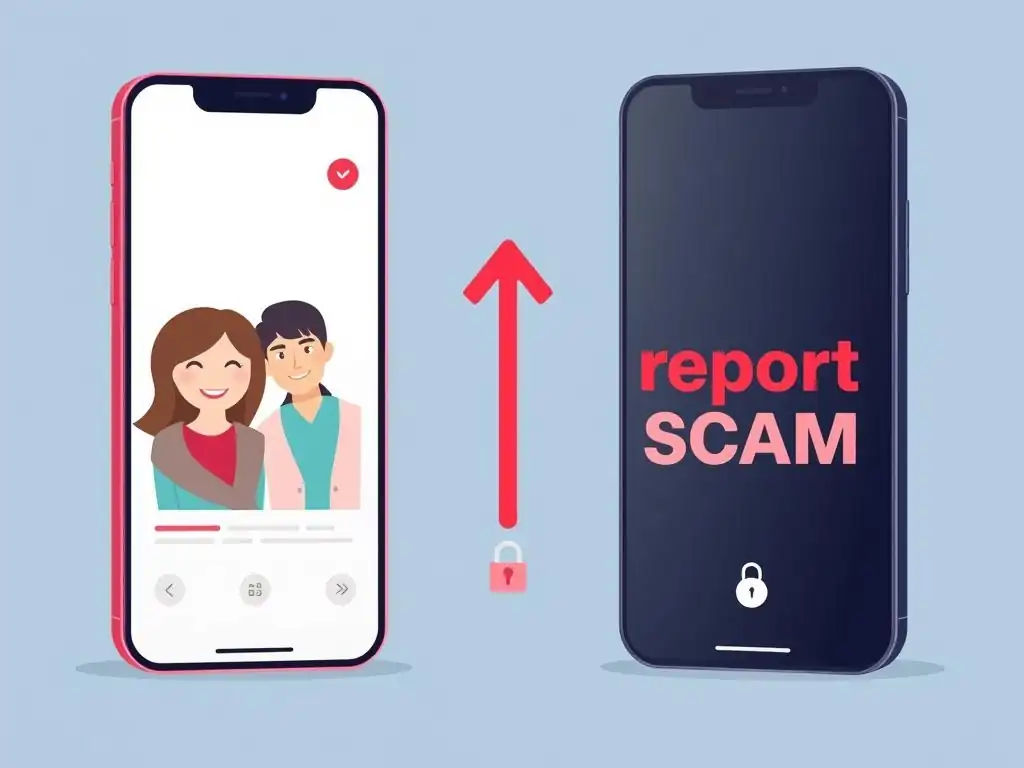
This section provides a comprehensive guide on how to report scammers on dating apps, helping you contribute to a safer online dating environment. We'll cover reporting directly to the app, gathering crucial evidence, and escalating to law enforcement when necessary. Remember, reporting is crucial – your actions can prevent others from falling victim to the same scams. This guide serves as your comprehensive Dating app scammer reporting guide.
Reporting Scammers Directly to the Dating App: Reporting Procedures for Tinder, Bumble, and Hinge
Reporting directly to the dating app is the first and often most effective step. Each platform has its own reporting mechanism, but the general process is similar. Here's a breakdown for three popular apps:
Tinder: Within the Tinder app, locate the profile of the suspected scammer. Look for a report button, often represented by a flag 🚩 or an exclamation point !. Select this option and follow the prompts. Tinder usually allows you to provide details about the suspicious behavior, including screenshots of messages and any financial transactions requested. Be thorough and descriptive in your report; the more information you provide, the better the chances of the scammer being banned.
Bumble: Bumble also offers an in-app reporting system. The process is similar to Tinder. Find the report option within the user's profile and provide as much detail as possible. Bumble actively encourages users to report suspicious activity, so your report will likely be taken seriously. Remember to include timestamps and any evidence you have gathered.
Hinge: Hinge's reporting process is similar to other apps. Locate the report button on the user's profile and describe the suspicious activity. Hinge's focus on building meaningful connections means they take safety seriously, so a detailed report is crucial for effective action. Clearly articulate the nature of the scam attempt.
It's vital to remember that prompt reporting is key. Don't delay; report suspicious behavior as soon as you identify it. This helps protect other users from potential harm.
Gathering Evidence Before Reporting: Essential Evidence to Collect for a Scam Report
Before reporting a scammer, meticulously gather evidence. This significantly increases the chances of a successful report and helps law enforcement if you choose to involve them. The following types of evidence are highly valuable:
- Screenshots of conversations: Capture all suspicious messages, especially those requesting money, gifts, or personal information. Include timestamps to show the timeline of interactions.
- Profile screenshots: Take screenshots of the scammer's profile, including their photos, bio, and any other identifying information. This documents their appearance and online presence.
- Transaction records: If the scammer attempted to solicit money, save all transaction records, including payment receipts or bank statements. This is crucial evidence of financial fraud.
- Social media links: If the scammer provided links to their social media profiles, note these down. This can help verify their identity and potentially reveal other suspicious activity.
- IP address (if possible): While obtaining an IP address requires technical expertise, it can be extremely helpful in tracking down the scammer. This is usually a task best left to law enforcement.
Remember, the more evidence you have, the stronger your report will be. This comprehensive approach is essential for a robust Dating app scammer reporting guide.
Reporting to Law Enforcement: When and How to Report Dating App Scams to Law Enforcement
While reporting to the dating app is the first step, you should consider reporting to law enforcement if:
- You've suffered financial loss: If you've sent money or provided financial information and suffered a loss, report it to your local police department and potentially the FBI's Internet Crime Complaint Center (IC3).
- You've been threatened or harassed: If the scammer has engaged in threatening or harassing behavior, contact your local authorities immediately. This is a serious matter requiring urgent attention.
- You have significant evidence: If you have gathered substantial evidence, such as transaction records, screenshots, and other incriminating information, reporting to law enforcement is advisable.
When reporting to law enforcement, be prepared to provide all the evidence you've collected. Be clear and concise in your explanation of the situation. They will likely guide you through the process of filing a formal complaint. Remember, your cooperation is crucial in helping law enforcement combat online dating scams and hold perpetrators accountable. This detailed information completes our Dating app scammer reporting guide.
Protecting Yourself from Dating App Scammers: Prevention Strategies
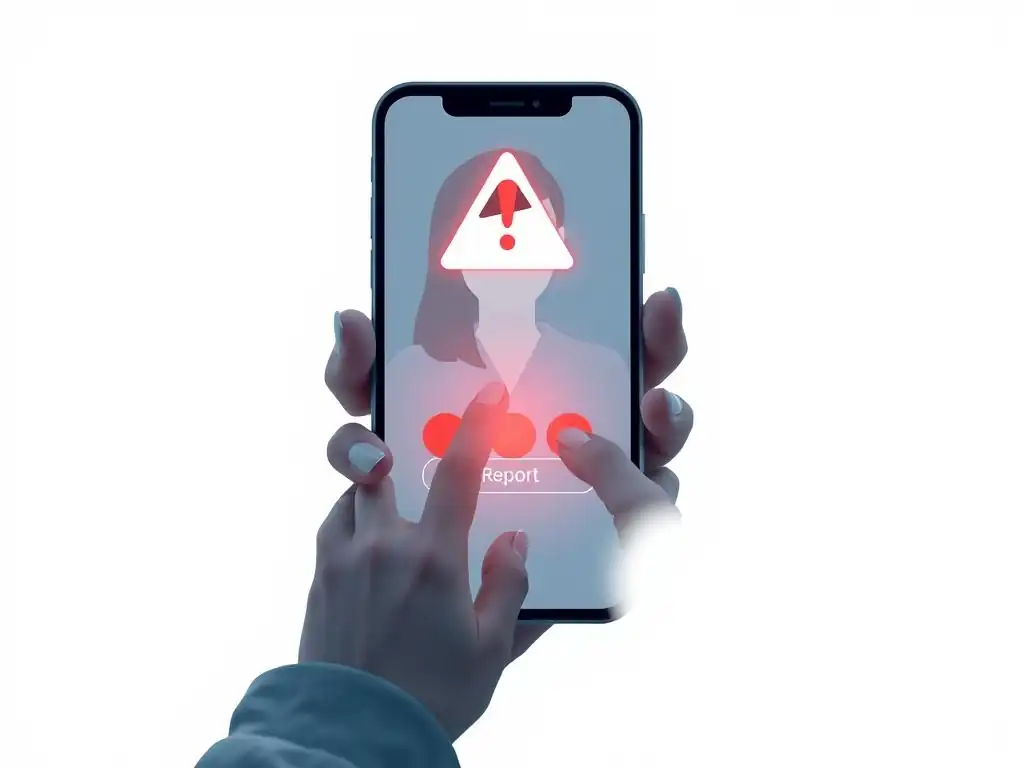
This section focuses on proactive measures you can take to minimize your risk of encountering dating app scammers. Remember, prevention is the best defense. A proactive approach significantly reduces your vulnerability and helps foster a safer online dating environment for everyone. This guide provides practical, actionable steps to enhance your safety while navigating the world of online dating. We'll explore secure communication, responsible information sharing, and the cultivation of healthy online habits.
Secure Communication Practices: Safe Communication Methods on Dating Apps
Effective communication is key to a positive online dating experience, but it's also crucial for safety. Avoid sharing personal information prematurely. Scammers often try to move conversations off the app quickly to avoid detection. Instead, utilize the app's built-in messaging system as long as possible. This allows the platform to monitor interactions and potentially identify suspicious behavior.
Here are some specific communication strategies to employ:
- Be wary of overly enthusiastic profiles: If someone seems too good to be true, they probably are. Red flags include overly flattering profiles, immediate declarations of love, and requests for money or personal information early in the conversation.
- Video calls are your friend: Propose a video call early in the communication process. This is an excellent way to verify the identity of your match and build trust. A scammer will often avoid this.
- Reverse image search: If you have concerns about the authenticity of someone's profile pictures, perform a reverse image search to see if the images appear elsewhere online. This can help you identify potential fake profiles.
- Don't reveal too much too soon: Avoid sharing sensitive information such as your full address, workplace details, or financial information until you've met in person and established a high level of trust. This is paramount for your safety and security.
Avoiding Sharing Personal Information: Protecting Your Privacy on Dating Apps
Protecting your privacy is paramount when using dating apps. Never share sensitive information, such as your full name, address, workplace, financial details, or social security number, with someone you haven't met in person and thoroughly vetted. Scammers often use this information to commit identity theft or other crimes.
Consider these points:
- Use a separate email address: Create a dedicated email address specifically for your online dating activities. This helps to separate your personal and dating communications, enhancing your privacy and security.
- Be cautious about location sharing: Avoid sharing your precise location until you've established a strong connection and plan to meet in person. Even then, meet in a public place.
- Limit personal details on your profile: Keep your profile information concise and avoid revealing too many details that could be used to identify you or locate you. Focus on your interests and personality traits.
- Regularly review your privacy settings: Familiarize yourself with the privacy settings of the dating apps you use and adjust them to your comfort level. This allows you to control the information visible to other users.
Building Healthy Online Dating Habits: Establishing Safe Online Dating Practices
Developing healthy online dating habits is crucial for a positive and secure experience. This involves being mindful of your interactions, maintaining healthy boundaries, and knowing when to seek help.
Here’s how to build those healthy habits:
- Trust your instincts: If something feels off, it probably is. Don't hesitate to end contact with someone who makes you uncomfortable. Your safety is the priority.
- Meet in public places: When you decide to meet someone in person, always choose a public and well-lit location. Let a friend or family member know where you're going and who you're meeting.
- Tell a friend about your dates: Share details of your dates with a trusted friend or family member. This provides an extra layer of safety and accountability.
- Report suspicious activity: If you encounter suspicious behavior or a potential scammer, report them to the dating app immediately. This helps protect other users and contributes to a safer online dating community. This is a vital step in combating dating app scams.
Remember, by implementing these prevention strategies, you significantly reduce your vulnerability to dating app scams and contribute to a safer online dating environment for everyone. Stay vigilant, trust your instincts, and prioritize your safety above all else.
The Impact of Reporting: Contributing to a Safer Online Dating Community
Reporting suspicious activity on dating apps isn't just about protecting yourself; it's a crucial step in fostering a safer online environment for everyone. Your reports directly contribute to a collective effort to reduce the prevalence of scams and harassment, making the online dating experience more positive and trustworthy for all users. Think of it as a community effort – each report strengthens the collective defense against malicious actors.
The more reports dating apps receive, the more effectively they can identify and ban fraudulent profiles, leading to a significant decrease in scam attempts. This creates a ripple effect, enhancing the overall safety and security of the platform and encouraging more genuine interactions. By actively participating in reporting, you're not only protecting yourself but also helping to build a healthier and more secure community for others to enjoy.
How Your Reports Help Other Users: The Collective Impact of Reporting Scams
The impact of your single report might seem insignificant, but consider the cumulative effect. Each report provides valuable data points that dating apps use to identify patterns and trends in scammer behavior. For example, a single report flagging a profile with unusually generic photos and a suspiciously elaborate backstory might seem like a minor incident. However, when combined with numerous similar reports, a clear pattern emerges, allowing the app to identify and remove a potentially prolific scammer.
This prevents countless other users from falling victim to the same scam. This collective intelligence approach is vital for combating sophisticated scams that adapt quickly. By reporting, you are contributing to a larger database that assists the app's algorithms in better identifying and preventing future scams. This ultimately leads to a safer environment for everyone, reducing the risk and emotional distress experienced by users who might otherwise become victims.
The Role of Dating Apps in Combating Scams: Dating App Responsibility in Scam Prevention
Dating apps have a significant responsibility in proactively combating scams and ensuring user safety. While user reporting plays a vital role, the apps themselves need robust systems in place to detect and prevent fraudulent activity. This includes employing sophisticated algorithms to identify suspicious profiles based on various factors, such as unusual activity patterns, inconsistent information, and the use of known scam tactics.
Furthermore, apps should provide clear and accessible guidelines on how to identify and report scams, along with educational resources to help users understand common scam techniques. Transparency is key; apps should openly communicate their efforts in combating scams and share statistics on the number of profiles removed and scams prevented. Regular updates to their security measures, including improved verification processes and enhanced user reporting tools, are also essential.
A proactive and transparent approach from dating apps is crucial in creating a truly safe and trustworthy online dating experience. The more responsible and responsive the apps are, the more effective the collective effort to combat online dating scams becomes.
Resources for Further Assistance: Helpful Organizations and Support Groups
If you've been a victim of an online dating scam, know that you're not alone, and help is available. Several organizations offer support and resources for individuals dealing with online fraud and harassment. These organizations can provide guidance on what steps to take next, from reporting the incident to law enforcement to recovering any financial losses.
They also offer emotional support and counseling to help you cope with the emotional aftermath of a scam. Furthermore, many online communities and support groups exist where individuals can share their experiences, offer advice, and provide mutual support. Connecting with others who have faced similar situations can be incredibly helpful in navigating the emotional challenges and feeling less isolated.
Remember, seeking help is a sign of strength, and these resources are available to assist you in recovering and moving forward. Taking this step is crucial for your well-being and contributes to creating a more supportive community for victims of online dating scams.
Frequently Asked Questions
How do I identify a potential scammer on a dating app?
Be wary of profiles with limited information, unrealistic photos, or those who quickly ask for money or personal details. Look for inconsistencies in their stories and be cautious of overly flattering or romantic messages.
What kind of scams are common on dating apps?
Common scams include advance-fee fraud, catfishing, romance scams, and extortion. Scammers often try to manipulate your emotions to get money or personal information.
Where can I report a suspected scammer?
Report suspicious profiles directly to the dating app itself using their built-in reporting features. You can also report to the relevant authorities like the FTC or your local police department if you've been a victim of a crime.
What information should I include when reporting a scammer?
Include as much information as possible, including the scammer's profile details, screenshots of messages, and details of any financial transactions. The more evidence, the better.
What steps can I take to protect myself from dating app scams?
Always verify the identity of your matches, never send money or personal information to someone you've only met online, and trust your instincts. If something feels off, it probably is.
Final Reflection: Building a Safer Digital Love Landscape
The fight against dating app scams isn't just about protecting individual users; it's about building a safer online community for everyone. The sheer volume of fraudulent activity on dating platforms underscores the urgent need for collective action. We can no longer afford to be passive bystanders in the face of these crimes.
The pervasiveness of dating app scams has profoundly impacted how we approach online relationships, fostering a climate of distrust and caution. It's disheartening to see how easily vulnerable individuals can be targeted, their hopes and emotions exploited for financial gain. The best way to find yourself is to lose yourself in the service of others.
- Mahatma Gandhi. This quote, while seemingly unrelated at first glance, speaks to the power of collective action. By reporting scams, we're not just protecting ourselves, but we're actively contributing to a safer environment for others, embodying the spirit of service and community.
You hold the power to make a difference. Don't let the fear of scams silence your voice or deter you from finding genuine connections. Take the time to learn the red flags, report suspicious activity, and encourage others to do the same. By actively participating in creating a safer digital dating landscape, you are not only protecting yourself but also empowering others to navigate the online dating world with greater confidence and security. Let's work together to build a future where online dating is a positive and safe experience for everyone.
Unmask the Danger: Become a Dating App Guardian
Thank you for learning how to identify and report dating app scammers! You've gained valuable knowledge to protect yourself and others. Let's put this knowledge into action.
- Report suspicious profiles immediately: This is the most crucial step—don't hesitate to report anything that seems suspicious. This helps create a safer online community for everyone.
- Share this article with your friends and family: Spread awareness of scammer tactics and empower others to stay safe online. A safer online dating community benefits us all.
- Continuously update your knowledge of online safety: Staying vigilant is key! Regularly learning about new scams is the best defense against evolving threats.
What's one small step you can take today to help create a safer online dating experience for everyone?