
Online Dating Safety: Avoid Scammers and Find Genuine Connections

Welcome to OnlineDatingSuccess.org, your guide to navigating the exciting yet sometimes treacherous world of online dating. Are you ready to ditch the frustrating swipes and find genuine connections? Then you've come to the right place. We'll equip you with the knowledge and strategies you need to create a compelling profile, communicate effectively, and most importantly, stay safe. This starts with understanding crucial online dating safety tips, and we've got the expert advice you need to avoid scams and build meaningful relationships. Dive in and discover how to make online dating work for you.
- Understanding Online Dating Risks and Safety Precautions
- Identifying Potential Scammers: Key Indicators and Warning Signs
- Safe Online Dating Practices: Building Trust and Avoiding Scams
- Reporting Scammers and Protecting Yourself
- Resources for Safe Online Dating
-
Frequently Asked Questions
- How can I spot a scammer on an online dating site?
- What information should I never share on an online dating app?
- How can I stay safe when meeting someone I met online for the first time?
- What are some red flags to watch out for in online dating conversations?
- What should I do if I think I'm being scammed?
- Final Reflection: Navigating the Digital Landscape of Love
- Unlock Your Safe & Successful Dating Journey
Understanding Online Dating Risks and Safety Precautions
Navigating the world of online dating offers incredible opportunities to connect with like-minded individuals and potentially find lasting relationships. However, it's crucial to acknowledge the inherent risks involved. This article focuses on enhancing your online dating safety, equipping you with the knowledge and tools to avoid scams and build genuine connections.
The rise of online dating has unfortunately also led to an increase in fraudulent activities, targeting vulnerable individuals seeking companionship. Understanding these risks, recognizing common scams, and implementing robust safety measures are essential for a positive and secure online dating experience. We'll explore practical strategies to protect your personal information, secure your online accounts, and ultimately, help you focus on building authentic relationships rather than falling prey to malicious actors.
This guide will empower you to confidently engage in online dating while prioritizing your safety and well-being. Remember, a safe and secure online dating journey is the foundation for a potentially fulfilling and meaningful connection.
Recognizing Common Online Dating Scams and Red Flags
Online dating scams often follow similar patterns. Recognizing these red flags can significantly reduce your risk. Scammers frequently employ manipulative tactics to gain your trust and extract money or personal information. Some common red flags include:
- Requests for Money or Financial Assistance: Be wary of anyone who quickly asks for financial help, especially if you haven't met them in person. Legitimate relationships don't start with financial transactions. 💔
- Inconsistencies in Their Profile or Story: Discrepancies in their profile photos, age, location, or life story should raise suspicion. Do thorough background checks where possible. 🕵️♀️
- Excessive Compliments and Rapid Progression: Be cautious of individuals who shower you with excessive praise and profess deep feelings within a short period. Genuine connections develop gradually. ❤️🩹
- Pressure to Move the Relationship Offline Quickly: Resist pressure to meet in person before you feel comfortable and have had sufficient time to get to know them virtually. Prioritize your safety. 🔒
- Poor Grammar and Spelling: While not always an indicator, consistently poor grammar and spelling can be a sign of a fake profile or a scammer from another country. 📝
- Avoidance of Video Calls: A persistent refusal to engage in video calls should raise a red flag. Legitimate daters are usually happy to have a video chat to confirm their identity and build trust. 📹
- Unusual or Vague Professions: Be skeptical of profiles with vague or unrealistic job descriptions, especially if they involve high-earning potential or international work. 🤔
- Use of Stock Photos: A profile using generic stock photos is a strong indicator of a fake profile. Reverse image search their photos to verify their authenticity. 📸
Protecting Your Personal Information: Online Dating Safety Tips
Protecting your personal information is paramount. Never share sensitive details like your full address, social security number, bank account information, or place of work with someone you've only met online until you've met in person and established trust. Here are some crucial steps to safeguard your privacy:
- Use a Separate Email Address: Create a dedicated email address specifically for online dating to maintain separation between your personal and dating communications. This helps prevent unwanted emails from flooding your primary inbox. 📧
- Be Mindful of What You Share: Avoid posting identifying information on your profile, such as your workplace, home address, or even the specific neighborhood you live in. 🤫
- Reverse Image Search Profile Pictures: Use a reverse image search to verify the authenticity of photos. This can help detect fake profiles using stolen images. 🔎
- Limit Personal Information on Social Media: Review your social media privacy settings and limit the information accessible to the public. Avoid linking your dating profile directly to your other social media accounts. 🌐
- Meet in Public Places: When you decide to meet someone in person, always choose a well-lit, public place for your first date. Let a friend or family member know where you're going and who you're meeting. 🗣️
Securing Your Accounts: Password Management and Privacy Settings for Online Dating Safety
Strong passwords and secure privacy settings are essential for protecting your online dating accounts from unauthorized access.
- Use Strong, Unique Passwords: Utilize strong, unique passwords for each of your online dating accounts. Consider using a password manager to help generate and securely store your passwords. 🔑
- Enable Two-Factor Authentication (2FA): Whenever possible, enable 2FA on your dating profiles. This adds an extra layer of security, requiring a second verification step beyond your password. 🛡️
- Regularly Review Your Privacy Settings: Familiarize yourself with the privacy settings of each dating platform you use and regularly review them to ensure they're configured to your preferences. Adjust settings as needed to limit the visibility of your personal information. ⚙️
- Be Aware of Phishing Attempts: Be vigilant about phishing attempts, such as emails or messages claiming to be from your dating site requesting personal information. Never click on suspicious links or provide sensitive data in response to unsolicited requests. 🎣
Remember, staying safe online requires vigilance and proactive measures. By implementing these strategies, you can significantly reduce your risk and enjoy a more positive and secure online dating experience.
Identifying Potential Scammers: Key Indicators and Warning Signs
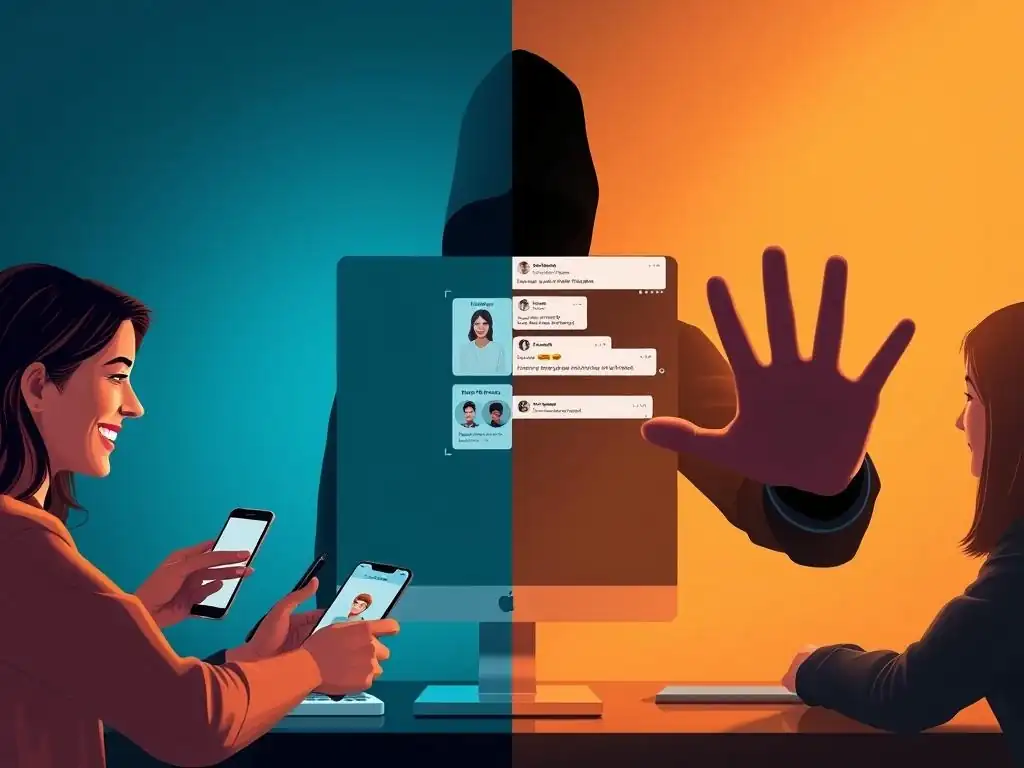
This section focuses on equipping you with the knowledge to identify potential scammers in the online dating world. Navigating the complexities of online dating requires vigilance, and understanding the common tactics employed by scammers is your first line of defense in ensuring your online dating safety. Remember, your safety and well-being are paramount. Let's delve into the crucial indicators that can help you discern genuine profiles from deceptive ones. The goal is not to instill fear, but to empower you with the tools to make informed decisions and protect yourself.
Spotting Fake Profiles: Common Tactics Used by Online Dating Scammers
Scammers often employ sophisticated techniques to create convincing fake profiles. They invest time and effort into crafting believable personas, hoping to lure unsuspecting individuals. Here are some common tactics to watch out for:
- Stock Photos: A profile using generic or easily accessible stock photos is a major red flag. A quick reverse image search can often reveal the photo's true origin. Legitimate profiles usually feature a variety of personal photos, showcasing different aspects of the person's life.
- Limited or Vague Information: Profiles lacking detailed information, with vague descriptions or inconsistent details, should raise suspicion. Be wary of profiles that avoid providing specifics about their lives, work, hobbies, or family. Genuine profiles usually offer a more nuanced and detailed picture of the person.
- Perfection is Suspicious: Be cautious of profiles that portray an idealized version of themselves, showcasing only positive attributes without any flaws or imperfections. Real people have imperfections; a flawless profile might indicate fabrication.
- Inconsistencies in Profile Information: Pay close attention to any discrepancies between the information provided in the profile and the person's communication style or other details revealed during conversations. These inconsistencies can be a telltale sign of a fake profile.
- Missing Social Media Links: While not always a definite indicator, the absence of links to social media profiles (Facebook, Instagram, etc.) can be a warning sign, especially if the profile claims a strong online presence. It makes it harder to verify their identity.
Remember, a combination of these indicators is more significant than any single one. A profile exhibiting multiple red flags should be approached with extreme caution.
Analyzing Communication Patterns: Suspicious Behaviors and Language
Beyond the profile itself, communication patterns can reveal a scammer's true intentions. Pay close attention to the following:
- Overly Romantic Language: Excessive flattery and declarations of love within a short period are classic scammer tactics. Genuine connections develop gradually, not instantaneously.
- Pressure for Quick Commitment: Scammers often try to rush the relationship, pushing for quick commitments or personal information. They might pressure you to move the conversation off the dating platform to other platforms, like email or messaging apps, to avoid the platform's protections.
- Requests for Money or Financial Assistance: This is a major red flag. Legitimate individuals won't ask for money or financial help, especially in the early stages of a relationship. This is a common tactic of romance scams.
- Vague or Evasive Answers: If the person consistently avoids answering direct questions or provides vague responses, it might indicate they are hiding something. Inconsistencies in their stories should prompt further investigation.
- Grammar and Spelling Errors: While not always indicative of a scammer, a significant number of errors, especially in profiles claiming high education levels, might suggest a lack of authenticity.
- Inconsistent Communication Styles: Notice if their communication style changes drastically depending on the context or platform. This could indicate multiple personas or a lack of genuine engagement.
Analyzing communication patterns requires careful observation and attention to detail. Trust your instincts; if something feels off, it likely is.
Evaluating Profiles for Inconsistencies: Online Dating Safety Checks
Before engaging with anyone online, conduct thorough background checks. While complete verification is impossible, these steps can significantly reduce your risk:
- Reverse Image Search: Use a reverse image search tool to check if the profile pictures are genuine and haven't been lifted from other sources.
- Social Media Verification: If social media links are provided, verify the accounts' authenticity. Do they align with the information on the dating profile?
- Check for Multiple Profiles: See if the same person appears on multiple dating platforms with slightly different profiles.
- Look for inconsistencies in their story: Pay attention to any contradictions or changes in their narrative over time. This might reveal a lack of authenticity.
- Trust your intuition: If something feels wrong, don't ignore your instincts. Err on the side of caution and prioritize your safety.
Remember, your online dating safety is your responsibility. By carefully observing profiles and communication patterns, and performing these checks, you can significantly reduce your risk of encountering scammers and increase your chances of finding genuine connections. The effort you invest in these safety measures is a worthwhile investment in your well-being.
Safe Online Dating Practices: Building Trust and Avoiding Scams
This section focuses on proactive strategies to enhance your online dating safety and minimize the risk of encountering scammers. Remember, your safety and well-being are paramount. These tips, combined with a healthy dose of skepticism, will significantly improve your chances of finding genuine connections. The goal is to navigate the online dating world confidently and protect yourself from those who seek to exploit it.
Verifying Identities: Strategies for Confirming Profiles and Authenticity
Verifying the authenticity of online dating profiles is crucial for online dating safety. While complete verification is impossible, several strategies can significantly reduce your risk. Scammers often use stolen photos and fabricated information. Therefore, a multi-pronged approach is necessary.
First, reverse image search any photos provided. Use a search engine's image search function to see if the images appear elsewhere online, potentially revealing a different identity or context. Inconsistencies between a profile's claims and information found through image searches should raise red flags.
Second, look for inconsistencies within the profile itself. Do the details seem too perfect? Are there grammatical errors or inconsistencies in their story? Do their photos appear professionally taken, suggesting they may be using stock images or images from someone else’s profile? These are all potential indicators of a fake profile.
Third, engage in cautious communication. Don't reveal too much personal information too early in the process. Avoid giving out your full name, address, or work details until you've established a level of trust. A scammer will often try to rush the relationship and push you to share personal information quickly.
Finally, consider using the reporting features provided by the online dating platform. If you suspect a profile is fake or fraudulent, report it to the platform's administrators. They are often equipped to handle these types of issues and investigate suspicious accounts. Remember, reporting suspicious activity is a vital part of online dating safety.
Slow and Steady Communication: Building Trust Gradually in Online Dating
Building trust is a gradual process, and online dating is no exception. Rushing into a relationship can make you vulnerable to scams. Instead, prioritize slow and steady communication.
Start with general conversations. Engage in lighthearted discussions, getting to know their interests and personality. Be wary of anyone who immediately professes deep feelings or asks for personal financial information early on. Genuine connections take time to develop.
Verify information they share, even seemingly insignificant details. A scammer will often be inconsistent with the information they share, so verifying their details will help you determine their authenticity.
Video calls can be a helpful tool to verify their identity and build trust. Seeing and hearing the person can help to determine if they are who they say they are. Don't feel pressured to video chat if you're uncomfortable, but it can be a good step towards verifying their authenticity. However, always prioritize your safety and comfort level.
Avoid sharing sensitive personal information such as your address, financial details, or workplace information until you've met in person and feel comfortable doing so. This is a critical aspect of online dating safety.
Protecting Your Financial Information: Avoiding Financial Scams in Online Dating
Financial scams are a significant risk in online dating. Scammers often employ elaborate schemes to extract money from their victims. Protecting your financial information requires vigilance and caution.
Never send money to someone you've only met online, regardless of their reasons. Legitimate relationships do not require financial transactions. This is a critical aspect of online dating safety. If someone asks for money, it's a major red flag.
Be wary of unsolicited requests for financial assistance. Scammers often create elaborate stories to justify their need for money, playing on your empathy and generosity. Be skeptical and don't be afraid to question their requests.
Avoid sharing your banking details, credit card information, or any other sensitive financial data with anyone you've met online. This information should be kept strictly confidential.
If you suspect you've been targeted by a financial scam, contact your bank immediately and report the incident to the appropriate authorities. This is crucial for mitigating any financial losses and preventing further scams. Remember, your financial safety is as important as your personal safety when engaging in online dating. 💰
Meeting in Person Safely: Tips for First Dates and Online Dating Safety
Meeting someone you've connected with online for the first time can be exciting, but it's crucial to prioritize your safety. Remember, online profiles can be misleading, and it's essential to take precautions to protect yourself. The thrill of a potential connection shouldn't overshadow your well-being. Let's explore some practical strategies to ensure a safe and positive first date experience.
First and foremost, always choose a public place for your first meeting. A busy coffee shop, a popular restaurant, or a well-lit park during the day are all excellent options. Avoid secluded locations or inviting someone to your home or theirs for a first encounter. This significantly reduces the risk of potential harm. Think of it this way: the more people around, the safer you'll be.
Secondly, tell a friend or family member about your plans. Share the person's name, profile picture, where you're meeting, and what time you expect to be back. This simple step provides an extra layer of security and allows someone to check in on you if they don't hear from you. Consider sharing your live location with a trusted contact through a location-sharing app – a small price to pay for peace of mind.
Another crucial aspect is maintaining control during the date. If at any point you feel uncomfortable or unsafe, trust your instincts and leave. Don't worry about being polite; your safety is paramount. Have a pre-arranged escape plan, such as having a friend call you with a fake emergency, or having your own transportation readily available. Remember, a successful date is one where you feel safe and respected.
Furthermore, avoid excessive alcohol consumption. Impaired judgment can make you vulnerable, so stay in control of your intake. Staying sober allows you to make sound decisions and react appropriately to any unexpected situations.
Finally, trust your gut. If something feels off, it probably is. Don't dismiss your intuition; it's often a valuable warning sign. Remember, genuine connections are built on trust and respect, and a healthy relationship should never make you feel threatened or unsafe. Prioritizing your safety is not being cynical; it's being smart and responsible when navigating the world of online dating. By following these online dating safety tips, you significantly increase your chances of a positive and safe experience. Remember, a little preparation goes a long way in ensuring a fulfilling and worry-free first date.
Reporting Scammers and Protecting Yourself
This section focuses on the crucial steps you should take after encountering suspicious activity or a potential scam on an online dating platform. Taking action is vital not only for your personal safety and financial security but also to help prevent others from falling victim to the same scams. Remember, reporting suspected scams is a proactive step toward improving online dating safety for everyone. The more reports platforms receive, the better equipped they are to identify and remove fraudulent profiles.
Reporting Suspicious Activity to Online Dating Platforms
Most reputable online dating platforms have robust reporting mechanisms in place. Don't hesitate to use them! Detailed reports significantly increase the likelihood of a scammer's profile being removed. When reporting, be as specific as possible. Include the following information whenever available:
- Username/Profile Link: This directly identifies the scammer's profile for the platform's moderators.
- Screenshots: Visual evidence, such as screenshots of suspicious messages, profile details, or requests for money, is invaluable. This concrete evidence strengthens your report.
- Dates and Times: Precise timestamps help investigators track patterns of activity and identify potential connections between multiple reports.
- Detailed Description of the Scam: Clearly explain the scammer's approach, their requests, and any red flags you encountered. Use specific examples to illustrate the behavior. For example: "The user claimed to be a doctor working overseas and repeatedly requested gift cards."
- Any Financial Transactions: If you've sent money or shared financial information, document this thoroughly. This information is crucial for potential legal action.
Remember, even if the scammer has already deleted their profile, reporting the incident is still essential. Your report contributes to a larger database that helps platforms improve their safety measures and protect other users. Many platforms also offer helpful resources and support for victims of online dating scams. Utilize these resources if you need assistance or further guidance.
Reporting Scammers to Law Enforcement: Online Dating Safety Procedures
While online dating platforms play a crucial role in removing scammer profiles, reporting to law enforcement is equally important, especially if you've experienced financial loss or significant emotional distress. Law enforcement agencies are equipped to investigate these crimes and potentially prosecute offenders. When contacting law enforcement, be prepared to provide:
- Your Personal Information: This includes your full name, address, and contact information.
- Details of the Scam: Provide a comprehensive account of your interactions with the scammer, including dates, times, and all communication methods.
- Evidence: Gather all available evidence, including screenshots, emails, and any financial transaction records.
- The Dating Platform's Name: This information will help investigators to contact the platform for further assistance in their investigation.
Filing a police report creates an official record of the crime. This is not only important for potential prosecution but also for building a case if you decide to pursue civil action to recover any financial losses. Don't be discouraged if the investigation seems slow. These cases often require time and resources to investigate thoroughly.
Moving Forward After a Scam: Protecting Yourself and Reclaiming Your Confidence
Experiencing an online dating scam can be incredibly upsetting. It's crucial to prioritize your emotional well-being and take steps to protect yourself from future scams.
- Emotional Recovery: Allow yourself time to process your emotions. Talking to a trusted friend, family member, or therapist can be incredibly helpful. Remember that you are not alone and that it's not your fault you were targeted.
- Financial Security: Review your financial accounts carefully and monitor for any unauthorized activity. Contact your bank or financial institutions immediately if you suspect any fraudulent transactions.
- Online Safety Practices: Review and strengthen your online safety habits. Be cautious about sharing personal information, avoid sending money to anyone you've only met online, and be wary of overly enthusiastic or overly persistent profiles.
- Dating Platform Selection: Choose reputable dating platforms with strong safety features and active moderation policies. Read reviews and compare platforms before signing up.
Remember, regaining your confidence takes time. Focus on self-care, surround yourself with supportive people, and don't let this experience deter you from finding genuine connections. Learning from this experience can empower you to navigate online dating with greater awareness and safety in the future. With increased vigilance and awareness, you can significantly reduce your risk and build more positive and genuine relationships.
Resources for Safe Online Dating
This section provides a comprehensive overview of resources available to enhance your online dating safety. Navigating the world of online dating requires vigilance, and utilizing the right tools and information can significantly reduce your risk of encountering scams and fraudulent profiles. Remember, your safety and well-being are paramount. These resources are designed to empower you to make informed decisions and protect yourself throughout your online dating journey. This section focuses specifically on leveraging external resources to bolster your online dating safety practices, complementing the advice provided elsewhere in this article on recognizing and avoiding scammers.
Trusted Online Dating Safety Websites and Organizations
Several reputable organizations and websites offer valuable information and resources dedicated to online dating safety. These resources often provide in-depth guides, articles, and support networks to help users navigate the potential risks associated with online dating. They frequently update their information based on evolving online threats. Relying on these trusted sources helps you stay informed about the latest scams and best practices for protecting your personal information.
Here’s what you should look for when choosing a resource:
- Credibility: Look for organizations with a proven track record and a strong reputation for providing accurate and reliable information.
- Up-to-date Information: Online scams are constantly evolving, so make sure the resource you're using is regularly updated.
- Comprehensive Coverage: A good resource should cover a wide range of safety topics, including profile creation, communication strategies, and recognizing red flags.
- User Reviews: Check online reviews to see what other users have to say about the resource's effectiveness and helpfulness.
Remember to always critically evaluate the information you find online, even from trusted sources. Cross-reference information from multiple sources to ensure accuracy and completeness.
Online Dating Safety Apps and Tools
Beyond websites and organizations, several apps and tools can enhance your online dating safety. These range from apps that help verify profiles to tools that scan for suspicious activity. These technological solutions offer an extra layer of protection, augmenting your own due diligence and awareness. However, it's crucial to remember that no single app or tool guarantees complete safety; they should be viewed as supplementary tools to your overall safety strategy.
Here are some examples of the types of apps and tools available (note that specific app names are omitted to avoid endorsement and because the availability of such tools may change frequently):
| App/Tool Type | Functionality | Benefits | Considerations |
|---|---|---|---|
| Profile Verification Apps | Verify the authenticity of profiles using various methods, such as ID checks. | Increased confidence in the authenticity of potential matches. | May not be foolproof; scammers can still find ways to circumvent verification. |
| Scam Detection Tools | Analyze communication patterns and profile information for potential red flags. | Early warning system for potentially fraudulent profiles or communication attempts. | Accuracy may vary; false positives are possible. |
| Privacy-Focused Apps | Enhance privacy settings and control the information shared on dating platforms. | Greater control over personal information and reduced risk of data breaches. | May limit the functionality of the dating platform itself. |
| Secure Messaging Systems | Offer end-to-end encrypted messaging to protect conversations from interception. | Increased privacy and security of your communication. | May not be available on all dating platforms. |
Remember to always exercise caution and use your best judgment. No technology can completely eliminate the risks of online dating, but these tools can significantly reduce them when used responsibly and in conjunction with careful attention to the advice in this article and elsewhere on OnlineDatingSuccess.org. Staying informed and proactive is key to a safe and successful online dating experience.
Frequently Asked Questions
How can I spot a scammer on an online dating site?
Scammers often use vague profiles, request money or personal information quickly, and avoid video calls. Be wary of anyone who seems too good to be true or pressures you for personal details.
Never share your full address, bank details, social security number, or other sensitive personal information until you've met in person and feel completely safe. Protect your privacy.
How can I stay safe when meeting someone I met online for the first time?
Always meet in a public place for your first date. Let a friend or family member know where you're going and who you're meeting. Trust your instincts: if something feels wrong, leave.
What are some red flags to watch out for in online dating conversations?
Be cautious of anyone who is inconsistent in their stories, avoids video calls, or pressures you into a relationship quickly. Pay close attention to their communication style.
What should I do if I think I'm being scammed?
If you suspect you're being scammed, stop all communication immediately. Report the profile to the dating site and consider contacting the authorities. Protect yourself and your information.
The rise of online dating has fundamentally reshaped how we connect, but this brave new world comes with inherent risks. Protecting yourself from scams and fostering genuine connections requires vigilance and a proactive approach to online safety. The ease and accessibility of online dating platforms shouldn't overshadow the importance of prioritizing your well-being and security.
The impact of online dating extends far beyond individual experiences; it's woven into the fabric of modern relationships and societal expectations. The constant evolution of scams and deceptive tactics underscores the need for continuous education and awareness. As we navigate this increasingly digital landscape, we must remember that genuine connection requires trust, built on transparency and respect. The best and most beautiful things in the world cannot be seen or even touched - they must be felt with the heart.
- Helen Keller. This quote, while not directly about online dating, speaks to the core of what we seek in relationships: authentic connection, which can be jeopardized by online predators.
You, the reader, now hold the knowledge to navigate the complexities of online dating safely and effectively. Take the time to review the safety tips discussed, and remember that your safety and well-being are paramount. Don't let fear prevent you from finding love, but let awareness empower you to make informed choices. Embrace the potential for genuine connection while safeguarding yourself from those who would exploit the vulnerability inherent in seeking love online. Your journey to finding a meaningful relationship starts with prioritizing your safety.
Unlock Your Safe & Successful Dating Journey
Thank you for learning about online dating safety! We hope this guide has given you the confidence to navigate the online dating world. Now it's time to put your knowledge into practice.
Here's how to get started:
- Craft a captivating profile that showcases the real you. Highlight your passions and values—authenticity attracts genuine connections.
- Engage with profiles that interest you, remembering to proceed cautiously and trust your instincts.
- Share this article with friends who are also exploring online dating—let's build a safer community together!
Ready to create your most successful online dating experience yet? What's the first step you'll take to build a confident and safe online dating profile?