
Dating App Security Settings: A StepbyStep Guide to Enhanced Privacy

Ready to transform your online dating experience from frustrating to fulfilling? At OnlineDatingSuccess.org, we empower you to navigate the world of online dating with confidence. But first, let's tackle a crucial element often overlooked: your safety. Dive into our comprehensive Online dating safety settings guide and discover how to master your privacy settings, minimizing risks and maximizing your chances of finding a genuine connection. Learn the crucial steps to protect yourself and unlock a safer, more rewarding online dating journey.
- Understanding Online Dating Safety Settings: A Comprehensive Guide
-
Step-by-Step Guide to Secure Your Dating App Profile
- Step 1: Secure Your Account with a Strong Password and Two-Factor Authentication
- Step 2: Carefully Manage Your Profile Visibility Settings
- Step 3: Managing Location Sharing Preferences
- Step 4: Reviewing and Adjusting Notification Settings
- Step 5: Understanding and Utilizing App-Specific Security Features
- Advanced Online Dating Safety Tips for Enhanced Privacy
- Regularly Reviewing and Updating Your Security Settings
-
Frequently Asked Questions
- How can I improve my privacy settings on dating apps?
- What information should I avoid sharing on my dating profile?
- How can I report inappropriate behavior or harassment on dating apps?
- Are dating apps safe? What precautions should I take?
- What should I do if I feel unsafe after meeting someone from a dating app?
- Final Reflection: Protecting Your Heart in the Digital Age
- Secure Your Love Life: Take Control of Your Dating App Privacy Now!
Understanding Online Dating Safety Settings: A Comprehensive Guide
Navigating the world of online dating requires more than just a captivating profile picture and witty opening lines. In today's digital landscape, where personal information is constantly at risk, understanding and implementing robust security settings is paramount to a safe and positive online dating experience. This comprehensive guide will walk you through the essential safety features available on most popular dating apps, empowering you to take control of your privacy and protect yourself from potential scams and unwanted interactions.
We'll explore how to adjust your privacy settings to minimize exposure to malicious actors, and ultimately, how to foster a more secure and enjoyable online dating journey. This guide is crucial for anyone seeking meaningful connections online, offering practical steps to enhance your safety and build trust within the digital dating sphere.
Ignoring these essential precautions can lead to unwanted attention, privacy breaches, or even more serious consequences. Let's delve into the specifics of securing your online dating profile and ensuring a safer experience.
The Importance of Privacy in Online Dating
Online dating inherently involves sharing personal information, making privacy a crucial aspect of your safety. Failing to prioritize your privacy can expose you to unwanted contact, harassment, catfishing, or even identity theft. The level of information you disclose directly impacts your vulnerability. Consider these points:
- Photo Sharing: Avoid posting photos that reveal your home address, workplace, or other easily identifiable locations. Use diverse photos that don't show consistent backgrounds.
- Personal Information: Be extremely cautious about sharing sensitive information like your full name, address, workplace, phone number, or financial details. Never share these details with someone you haven't met in person and thoroughly vetted.
- Location Services: Many apps use location services to suggest matches nearby. Carefully consider the level of access you grant to your location. Restricting this information can significantly reduce the risk of unwanted in-person encounters.
- Profile Information: While a detailed profile can attract matches, avoid oversharing. Keep your information concise and focused on key aspects of your personality and preferences.
- Communication: Be wary of sharing personal information through the app's messaging system. If someone pressures you to move to a different communication platform early in the process, exercise caution.
Identifying Vulnerable Settings on Popular Dating Apps
Different dating apps offer varying levels of control over your privacy settings. Understanding these settings and how to adjust them appropriately is crucial for minimizing your risk. While specific settings vary across platforms, common vulnerabilities include:
- Public Profile Visibility: Many apps allow you to control who can see your profile. Restricting visibility to only those who have matched with you significantly reduces the chance of unwanted attention.
- Location Sharing: As mentioned previously, limiting location sharing to a broader area, or disabling it entirely, is a key step in protecting your privacy.
- Photo Approval: Some apps allow you to approve photos before they are visible on your profile. This gives you an extra layer of control and prevents potentially compromising images from being displayed.
- Blocking and Reporting: Familiarize yourself with the app's blocking and reporting features. These are essential tools for dealing with inappropriate behavior or harassing users. Use them proactively to maintain a safe online environment.
- Account Verification: While not a direct privacy setting, account verification can help deter fake profiles and improve the overall safety of the platform. Consider verifying your account if the app offers this feature.
Remember, online dating safety is an ongoing process. Regularly review and update your privacy settings to reflect your comfort level and the evolving nature of online threats. By proactively managing your online presence and utilizing available safety features, you can significantly increase your chances of having a positive and secure online dating experience.
Step-by-Step Guide to Secure Your Dating App Profile
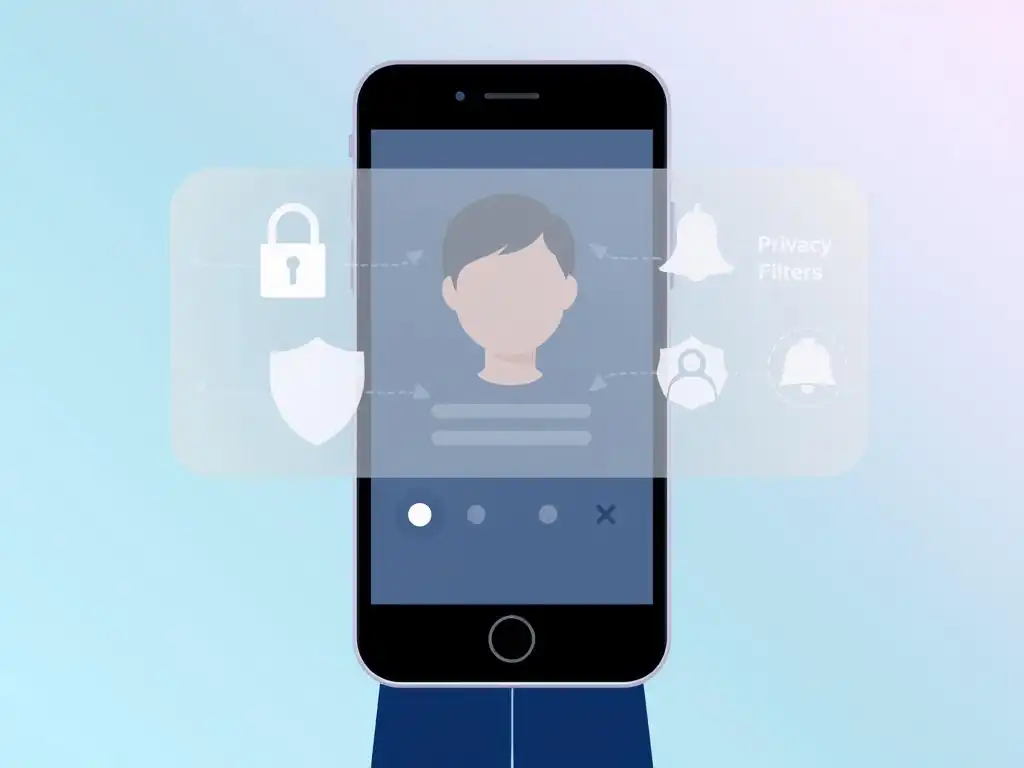
This section provides a detailed, step-by-step guide to bolstering your online dating safety. We'll explore crucial settings on popular dating apps to enhance your privacy and minimize the risk of unwanted contact or scams. Remember, proactive safety measures are key to a positive online dating experience. This guide focuses on enhancing your online dating safety settings, offering practical steps for improved security.
Step 1: Secure Your Account with a Strong Password and Two-Factor Authentication
A strong password is your first line of defense. Avoid easily guessable passwords like birthdays or pet names. Instead, create a complex password that includes a mix of uppercase and lowercase letters, numbers, and symbols. Aim for at least 12 characters for optimal security. Think of a passphrase – a memorable phrase that's difficult to crack. For example, "MyDogLovesBlueCheese23!" is much stronger than "password123".
Beyond a strong password, enable two-factor authentication (2FA) whenever possible. 2FA adds an extra layer of security by requiring a second verification method, such as a code sent to your phone or email, in addition to your password. This significantly reduces the chances of unauthorized access, even if someone obtains your password. Many dating apps offer this feature; check your app's settings menu under "Security" or "Privacy." Activating 2FA is a simple yet highly effective way to improve your online dating safety.
Step 2: Carefully Manage Your Profile Visibility Settings
Your profile visibility settings control who can see your profile information. By carefully managing these settings, you can significantly reduce unwanted attention and potential risks. Different dating apps may use slightly different terminology, but the core concepts remain the same. This section will cover common settings and their implications for your online dating safety.
Controlling Who Can See Your Profile
Most dating apps allow you to control who can see your profile. Options often include:
- Everyone: Your profile is visible to all users on the app. This maximizes your visibility but also increases the risk of unwanted contact.
- People I've Liked/Matched With: Your profile is only visible to those you've already expressed interest in, or who have matched with you. This significantly restricts visibility.
- Mutual Connections Only: If the app integrates with your social media, you can limit visibility to users who share mutual connections. This is a good option for added security and a sense of community.
- Custom Settings: Some apps allow more granular control, letting you specify age ranges, distance limitations, and other criteria for who can see your profile. Take advantage of these advanced settings to tailor your visibility to your comfort level.
Limiting Profile Access for Specific Users
Beyond general visibility, many apps offer options to block specific users. If you encounter someone who makes you uncomfortable or violates the app's terms of service, immediately block them. This prevents them from viewing your profile, contacting you, or seeing your activity on the app. Blocking is a crucial tool for maintaining your online safety and well-being. Remember, your safety and comfort are paramount.
Adjusting Privacy Settings for Photos and Videos
Your photos and videos are a significant part of your dating profile. Protecting them is crucial for maintaining your privacy and security. Consider these settings:
| Setting | Description | Security Level |
|---|---|---|
| Who can see my photos? | Control who can view your profile pictures. Options usually include "Everyone," "Matches Only," or "People I've Liked." | High |
| Who can download my photos? | Determine if other users can download or save copies of your photos. Restricting this prevents unauthorized distribution of your images. | High |
| Who can see my videos? | Similar to photos, control who can view any videos you've uploaded to your profile. | High |
| Photo Approval | Some apps allow you to approve each photo before it's visible on your profile. This gives you extra control over what others see. | Medium |
| Private Photo Albums | If available, use private albums to share photos with only specific matches, adding another layer of privacy to your online dating experience. | Medium |
Remember to regularly review and update your privacy settings. Dating app policies and features can change, so staying informed is essential for maintaining your online dating safety. Prioritize your security and comfort—it's worth the extra effort.
Step 3: Managing Location Sharing Preferences
Sharing your precise location with strangers online can be a significant risk. Many dating apps offer location-based matching, which can be convenient, but it's crucial to understand and control the level of access you grant. Over-sharing your location can make you vulnerable to stalking, harassment, or even physical harm. Therefore, carefully managing this setting is paramount to your online dating safety.
Remember, your safety is the priority, and limiting location data sharing is a crucial step in maintaining it. Consider the trade-off between convenience and security; often, a slightly less convenient experience is far preferable to potential danger. Think about the information you're comfortable revealing and adjust your settings accordingly. Don't feel pressured to share more than you're comfortable with.
Restricting Location Data Sharing
Most dating apps allow you to control the precision of your location data. Instead of sharing your exact address, consider only sharing your city or a broader region. This significantly reduces the risk of someone pinpointing your home or workplace. Some apps allow you to turn off location services entirely, limiting the app's ability to track your movements.
This might limit your matching options, as some algorithms rely on proximity, but it greatly enhances your privacy. Always review the app's privacy policy to understand exactly how it uses and protects your location data. This is a key aspect of informed consent and helps you make responsible choices about your online safety. Remember to check these settings periodically, as app updates might reset your preferences.
Utilizing Anonymous Location Features (if available)
Some dating apps offer features designed to enhance user anonymity, including options to mask your precise location. Explore these features carefully; they can offer a significant boost to your safety without completely disabling location-based matching. These features often involve a trade-off; you might match with fewer people, but those you do match with will have less precise information about your whereabouts.
This is a valuable compromise for many users prioritizing safety. If such features aren't readily apparent, check the app's help section or frequently asked questions (FAQ) for more information. Don't hesitate to contact the app's support team if you need clarification on how these privacy features work.
Step 4: Reviewing and Adjusting Notification Settings
Dating app notifications can be helpful, but they can also be overwhelming and potentially intrusive. Unwanted notifications can be a source of stress and even a security risk if they reveal personal information or expose you to unwanted contact. Therefore, carefully curating your notification settings is a critical step in maintaining your online dating safety and mental well-being.
Filtering Unwanted Notifications
Many dating apps allow you to customize notification preferences. You can filter out notifications for certain types of interactions, such as likes, messages, or profile visits. This helps you manage the volume of notifications and reduces the likelihood of being bombarded with unwanted attention. Consider turning off notifications for features you don't frequently use. This minimizes distractions and reduces the risk of accidentally revealing information through your phone's notification bar. Remember, you are in control of your notifications, and you have the right to a peaceful digital experience.
Blocking and Reporting Abusive Users
If you encounter abusive or harassing behavior on a dating app, don't hesitate to utilize the app's blocking and reporting features. These tools are designed to protect users from unwanted contact and to help dating app providers identify and remove abusive individuals from their platforms. Blocking a user prevents them from contacting you directly. Reporting abusive behavior, with detailed descriptions and screenshots if possible, alerts the app's moderators and can help prevent others from experiencing similar harassment.
Remember, you are not alone, and reporting such behavior is a vital step in making online dating safer for everyone. Documenting abusive interactions can also be helpful if you need to escalate the issue to law enforcement. Prioritize your safety and well-being; don't tolerate abusive behavior.
Step 5: Understanding and Utilizing App-Specific Security Features
Online dating apps are constantly evolving, and so are their security features. Understanding and leveraging these features is crucial for maximizing your online dating safety. Each app offers a unique set of tools designed to protect user data and prevent unwanted interactions. These range from simple blocking and reporting functions to more sophisticated privacy controls. Don't assume you know everything an app offers; take the time to explore its settings thoroughly.
Many users overlook these functionalities, leaving themselves vulnerable to potential risks. Proactive engagement with your app's security features is a vital component of a comprehensive online dating safety strategy. Remember, your safety is your responsibility, and taking a few minutes to explore these features can significantly reduce your risk. Think of it as an investment in your peace of mind and safety.
Reviewing App's Privacy Policy for Security Measures
Before diving into the app's settings, it's essential to familiarize yourself with the app's privacy policy. This document outlines how the app collects, uses, and protects your personal data. Pay close attention to sections detailing data encryption, data sharing practices with third parties, and the app's procedures for handling security breaches.
A transparent and comprehensive privacy policy is a good indicator of an app's commitment to user safety. Conversely, vague or overly complex language may signal a lack of transparency and potentially raise concerns. Understanding the privacy policy empowers you to make informed decisions about your data and helps you identify potential vulnerabilities.
Don't hesitate to compare privacy policies across different apps to find one that best aligns with your privacy preferences. This proactive approach allows you to choose platforms that prioritize your security and handle your data responsibly. Remember, reading the fine print can save you from potential future headaches.
Utilizing built-in reporting mechanisms
Most dating apps provide robust reporting mechanisms to address inappropriate behavior or suspicious profiles. These mechanisms are often easy to access – typically found within individual user profiles or through a dedicated "report" or "flag" button. Don't hesitate to use these tools if you encounter harassment, offensive messages, or profiles that seem fake or scam-related.
Reporting suspicious activity helps the app's moderators identify and remove harmful users, contributing to a safer environment for everyone. Furthermore, promptly reporting incidents can prevent others from falling victim to the same abuse. Think of reporting as an act of community building—you're actively participating in creating a safer space for online dating.
The more users report inappropriate behavior, the more effective these mechanisms become in protecting the community. By utilizing these built-in tools, you are not only protecting yourself but also contributing to the overall safety of the online dating platform. This collaborative approach is essential for fostering a positive and secure online dating experience.
Advanced Online Dating Safety Tips for Enhanced Privacy
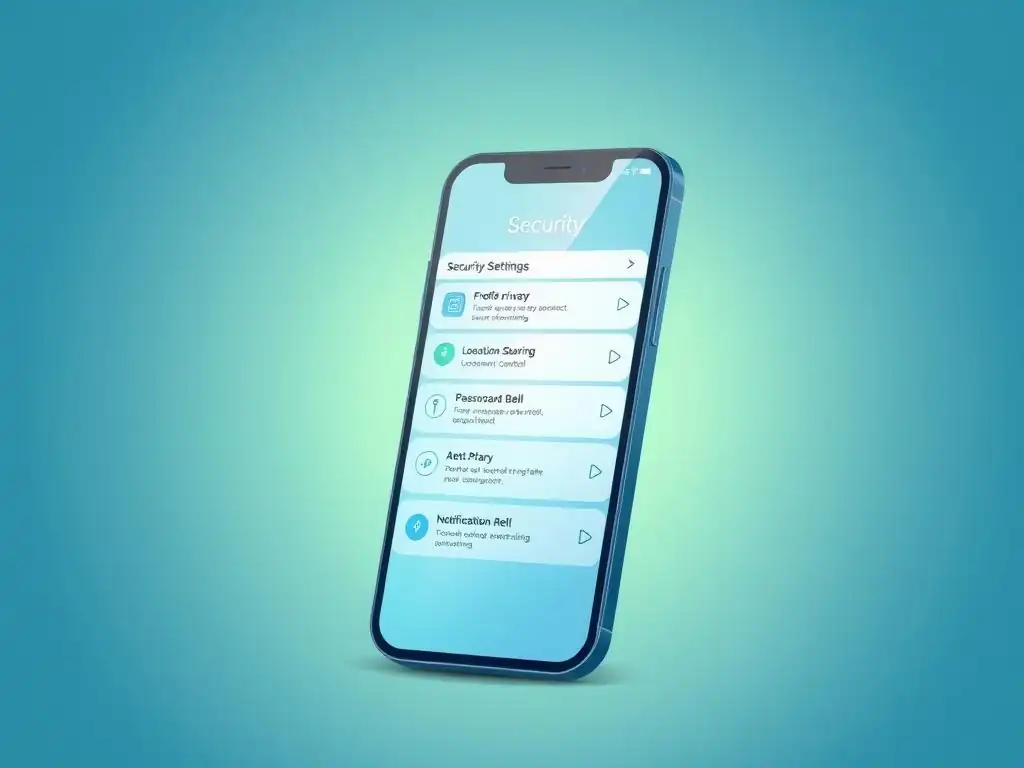
This section delves into strategies beyond the basic app settings to bolster your online dating safety. While configuring your privacy settings within dating apps is crucial (as covered in previous sections), proactive measures and heightened awareness are equally important for mitigating risks and protecting your personal information. This involves a multi-layered approach to online dating safety, encompassing both technical and behavioral aspects.
Protecting Your Personal Information Beyond App Settings
Beyond the app's built-in features, consider these additional steps to safeguard your personal information:
- Reverse Image Search: Before meeting anyone you've connected with online, perform a reverse image search of their profile pictures. This helps verify their identity and check for inconsistencies or potential impersonation. A simple Google Image search or using specialized reverse image search engines can reveal if the images are used elsewhere online, potentially indicating a fake profile.
- Limit Information Sharing: Avoid sharing overly personal details early in the dating process. This includes your full address, workplace, exact location, and financial information. Even seemingly innocuous details can be pieced together to create a comprehensive profile of your life, making you vulnerable to stalking or other harmful activities.
- Use a Separate Email Address: Create a dedicated email address solely for online dating interactions. This prevents spam and unwanted emails from cluttering your personal inbox and helps maintain a level of separation between your online dating life and other aspects of your online presence.
- Be Wary of External Links: Exercise caution when clicking on links shared by potential matches. Malicious links can lead to phishing websites or malware downloads. If you're unsure about a link, it’s best to avoid clicking it altogether.
- Regularly Review Your Privacy Settings: Dating apps frequently update their privacy settings. Make it a habit to regularly review and adjust your settings to ensure they align with your comfort level. A proactive approach to managing your privacy is key to staying safe online. Don't rely solely on the default settings; customize them to reflect your personal preferences.
Recognizing and Avoiding Dating Scams
Dating scams are unfortunately prevalent. Understanding common tactics is crucial for protecting yourself. Here are some red flags to watch out for:
- Requests for Money: A consistent pattern in many dating scams involves requests for money, often under a guise of emergency, investment opportunity, or unexpected expenses. Legitimate relationships don't involve financial transactions early on. Be extremely wary of anyone asking for money, regardless of how convincing their story may seem.
- Inconsistency in Communication: Pay close attention to inconsistencies in their communication style, profile details, or stories. These discrepancies can be indicators of a fake profile or a scammer trying to manipulate you.
- Unrealistic Promises: Be cautious of individuals who make extravagant promises or claim to have extraordinary circumstances, such as incredible wealth or a sudden need to leave the country. These are often tactics used to lure victims into scams.
- Pressure to Move Off-Platform: Scammers often try to quickly move the conversation off the dating app to other communication channels, such as email or text messaging, to avoid the app's safety measures and monitoring systems. This should raise a significant red flag.
- Lack of Video Calls: A reluctance to engage in video calls can be a sign that the person is not who they claim to be. Legitimate relationships often involve video calls to build trust and verify identity.
Remember, your safety and security are paramount. Trust your instincts. If something feels off, it probably is. By combining careful attention to detail with a proactive approach to online safety, you can significantly reduce your risk of encountering scams and enhance your overall online dating experience. Prioritizing your safety will allow you to focus on building genuine connections. 🕵️♀️💖
Regularly Reviewing and Updating Your Security Settings
Regularly reviewing and updating your online dating app security settings is crucial for maintaining your privacy and safety. Think of it as a yearly car check-up – you wouldn't drive without ensuring your brakes and tires are in good shape, right? The same principle applies to your online dating profile. Neglecting your security settings leaves you vulnerable to potential risks. This section details best practices for proactively managing your privacy on these platforms.
Maintaining Consistent Privacy Practices
Maintaining consistent privacy practices isn't a one-time task; it's an ongoing process. Think of it like brushing your teeth – you do it every day to maintain good oral hygiene. Similarly, routinely checking and adjusting your privacy settings is vital for your online safety. Here’s a suggested schedule and checklist:
- Weekly Check: Briefly review your privacy settings to ensure nothing has been accidentally changed or updated by the app itself. Pay particular attention to your profile visibility and who can contact you.
- Monthly Deep Dive: Conduct a more thorough review, examining all aspects of your privacy settings. This includes reviewing your connected accounts, location sharing permissions, and notification preferences.
- Quarterly Comprehensive Audit: This is your chance to completely reassess your security and privacy strategy. Consider whether your comfort level with certain settings has changed and adjust accordingly. Are you sharing too much information? Are there new features you should be using to enhance your safety?
Here's a sample checklist you can adapt to your specific needs:
| Setting | Weekly Check | Monthly Deep Dive | Quarterly Audit | Notes |
|---|---|---|---|---|
| Profile Visibility | ✅ | ✅ | ✅ | Adjust based on comfort level; consider limiting visibility to matches. |
| Messaging Permissions | ✅ | ✅ | ✅ | Who can message you? Restrict to matches or approved contacts. |
| Location Sharing | ✅ | ✅ | ✅ | Minimize or disable location sharing unless absolutely necessary. |
| Connected Accounts | ✅ | ✅ | Review and disconnect unnecessary linked accounts. | |
| Notification Preferences | ✅ | ✅ | Manage notification types and frequency to avoid unwanted attention. |
Remember, proactive management is key. Consistent vigilance is your best defense against unwanted attention and potential scams. Don't let complacency compromise your online dating safety.
Staying Informed About App Updates and Security Patches
Dating apps frequently release updates and security patches to address vulnerabilities and enhance user safety. Staying informed about these updates is crucial for maintaining a secure online dating experience. Ignoring updates can leave your account exposed to potential risks, such as data breaches or malware.
- Enable Automatic Updates: Most apps offer an option to automatically download and install updates. Enabling this feature ensures you always have the latest security protections. This is the simplest way to ensure you are always using the most up-to-date version of the app.
- Read Release Notes: Before updating, take a moment to read the release notes. They often highlight security improvements and bug fixes. Understanding these changes empowers you to make informed decisions about your online safety.
- Monitor App Security News: Stay informed about the overall security landscape of online dating apps. Reputable cybersecurity websites and blogs often report on security vulnerabilities and best practices. This will help you understand the evolving risks and how to mitigate them.
By staying proactive and informed, you significantly reduce your risk and maintain a safer online dating experience. Remember, your safety is paramount. Don't hesitate to take advantage of the security features offered by the app and stay updated on any important changes.
Frequently Asked Questions
How can I improve my privacy settings on dating apps?
Many apps allow you to control who can see your profile, limit your visibility to people within a certain distance, and block specific users. Review your app's settings and adjust accordingly. Regularly update your privacy preferences.
What information should I avoid sharing on my dating profile?
Never share your full address, workplace, or phone number directly on your profile. Avoid posting photos that reveal identifying details about your location or lifestyle. Keep personal information private until you've met someone in person and built trust.
How can I report inappropriate behavior or harassment on dating apps?
Most dating apps have a built-in reporting system. Use this feature to report any harassment, abusive messages, or suspicious activity. You can also block users to prevent further contact. Document all interactions for potential future reference.
Are dating apps safe? What precautions should I take?
Dating apps can be safe if you take the necessary precautions. Always meet in public places for first dates, let a friend know your plans, and trust your instincts. Never share sensitive personal information until you are certain about the other person.
What should I do if I feel unsafe after meeting someone from a dating app?
If you feel unsafe, remove the person's contact information immediately, and reach out to a trusted friend or family member. You can also report the incident to the dating app and consider contacting law enforcement if necessary.
Final Reflection: Protecting Your Heart in the Digital Age
The ease and convenience of online dating are undeniable, but so are the inherent risks. Navigating the digital landscape of romance requires vigilance, a proactive approach to privacy, and a commitment to safeguarding personal information. This guide has highlighted the crucial steps you can take to enhance your security, but true safety is an ongoing process, not a destination.
The impact of online dating on our social fabric is profound, shaping how we connect, build relationships, and even define intimacy. The ease of access also brings a heightened vulnerability, making the careful consideration of privacy settings not just a technical matter, but a crucial aspect of self-respect and emotional well-being. The price of liberty is eternal vigilance,
a quote often attributed to Benjamin Franklin, rings particularly true in the context of online dating. Protecting your personal information is not just about preventing identity theft; it's about protecting your emotional safety and maintaining control over your digital footprint.
You now possess the knowledge to navigate the complexities of dating app security. Take the time to review your settings, understand the implications of each choice, and prioritize your safety. Remember, your digital well-being is paramount. Don't just swipe; be informed, be proactive, and be safe. Your journey to finding meaningful connections deserves the protection you're capable of providing.
Secure Your Love Life: Take Control of Your Dating App Privacy Now!
Thank you for learning how to secure your dating app experience! You've gained valuable knowledge to significantly improve your online safety. Let's put that knowledge into action. Here's how:
- Immediately review and adjust your privacy settings on all your dating apps. Pay close attention to features like location sharing, photo verification, and who can message you—even small changes can make a big difference!
- Share this article with friends who might find this information helpful. Let's work together to create a safer online dating community!
- Consider exploring additional online safety resources from reputable sources to further enhance your digital well-being. This is an ongoing process, and staying informed is key.
What's one specific privacy setting you'll adjust right now to boost your online dating safety?