
Your Safety First: How to Use Reporting Features Effectively on Dating Apps

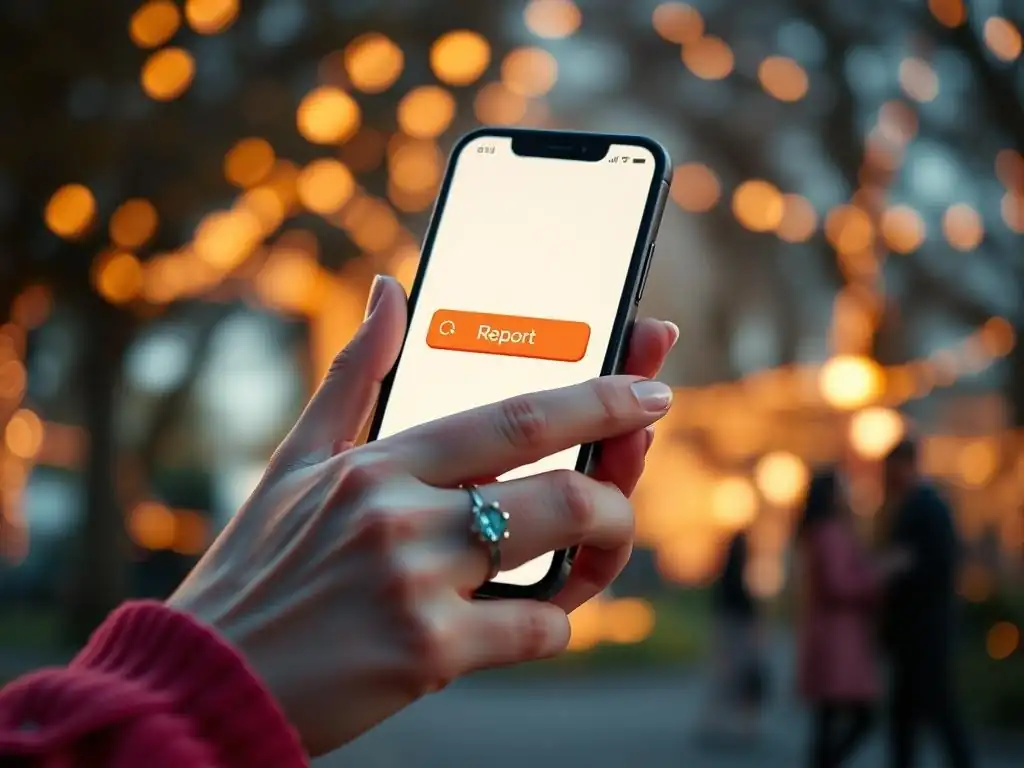
Ready to transform your online dating experience? At OnlineDatingSuccess.org, we're dedicated to helping you navigate the world of digital romance with confidence. But before you dive into finding "the one," it's crucial to prioritize your safety. This is why we've created a comprehensive Dating app safety reporting guide, equipping you with the knowledge to stay secure and report any suspicious activity effectively. Discover how to harness the power of reporting features and build a safer, more fulfilling online dating journey. Let's get started!
- Understanding Dating App Safety Reporting: A Comprehensive Guide
-
Effective Use of Dating App Reporting Mechanisms: A Step-by-Step Guide
- Accessing the Reporting Feature: Locating the Report Button on Popular Dating Apps
- Gathering Evidence: Screenshots, Messages, and Profile Information
- Writing a Detailed Report: Providing Clear and Concise Information
- Choosing the Right Reporting Category: Selecting the Appropriate Option
- Following Up After Reporting: What to Expect from the Dating App
- Beyond Reporting: Additional Safety Measures for Online Dating
- Resources and Support: Where to Find Help and Further Information
- Frequently Asked Questions
- Final Reflection: Empowering Safety in the Digital Dating World
- Take Control: Secure Your Online Dating Experience
Understanding Dating App Safety Reporting: A Comprehensive Guide
Navigating the world of online dating can be exciting, but it's crucial to prioritize your safety and well-being. This comprehensive guide focuses on effectively utilizing the reporting features available on most dating apps. Understanding how to identify and report inappropriate behavior is key to fostering a safer online dating experience for everyone.
We'll explore how to recognize red flags, understand different types of misconduct, and highlight the importance of reporting to protect yourself and the wider online dating community. This guide serves as your ultimate "Dating app safety reporting guide," empowering you to take control of your online safety and build positive connections without compromising your security. Remember, a safe and respectful online dating environment is a shared responsibility.
Recognizing Red Flags: Identifying Potentially Harmful Behavior on Dating Apps
Identifying potentially harmful behavior is the first step towards ensuring your safety on dating apps. Many red flags can indicate a user's intent to cause harm or engage in inappropriate conduct. These can range from subtle inconsistencies to overtly aggressive messages. It's crucial to trust your instincts; if something feels off, it likely is.
Some common red flags include:
- Inconsistent information: Discrepancies in profile information, such as age, profession, or location, should raise concerns. Users who are vague or avoid answering direct questions might be hiding something.
- Pressure for quick offline meetings: Users who persistently pressure you to meet offline before establishing trust and communication is a serious warning sign. Legitimate connections develop gradually.
- Aggressive or threatening language: Any form of verbal abuse, threats, or intimidation should be reported immediately. This includes overtly sexual or inappropriate comments.
- Requests for financial assistance: Be wary of users who ask for money, gifts, or other financial assistance, especially early in the interaction. This is a classic sign of a scam.
- Suspicious links or attachments: Do not click on suspicious links or open attachments sent by users you don't know well or trust. These could contain malware or lead to phishing scams.
- Excessive flattery or unrealistic promises: Be cautious of users who shower you with excessive compliments or make unrealistic promises, as this could be a manipulation tactic.
Understanding Different Types of Misconduct: Harassment, Scams, and Impersonation
Dating apps, while designed for connection, can unfortunately be breeding grounds for various forms of misconduct. Understanding the different types of harmful behavior is crucial for effective reporting.
Here's a breakdown of common issues:
- Harassment: This includes any unwanted or unwelcome behavior that creates a hostile or intimidating environment. This can range from offensive messages to stalking behavior. Examples include: repeated unwanted messages, threats, insults, and sharing private information without consent.
- Scams: These are deceptive schemes designed to defraud users. Common scams involve requests for money, fake charity appeals, or investment opportunities. Be aware of users who seem too good to be true and ask for financial help early in the relationship.
- Impersonation: Some users create fake profiles using stolen photos and identities. This can be used to deceive users into relationships or scams. Be wary of profiles with limited information or those that seem too perfect.
The Importance of Reporting: Protecting Yourself and the Community
Reporting inappropriate behavior is not just about protecting yourself; it's about contributing to a safer online dating environment for everyone. When you report misconduct, you help dating app platforms identify and address harmful users, preventing them from potentially harming others.
The benefits of reporting include:
- Protecting yourself: Reporting helps create a safer space for you to interact and connect with others.
- Protecting others: By reporting, you prevent other users from becoming victims of the same harmful behavior.
- Improving app safety: Your reports help dating apps improve their safety measures and algorithms.
- Holding perpetrators accountable: Reporting contributes to holding individuals accountable for their actions.
Remember, reporting doesn't have to be daunting. Most dating apps have clear and easy-to-use reporting mechanisms. Use them – your safety and the safety of the community depend on it. Don't hesitate to report even seemingly minor incidents; they could be early signs of a larger problem.
Effective Use of Dating App Reporting Mechanisms: A Step-by-Step Guide
This section provides a practical, step-by-step guide on how to effectively utilize the reporting features available on most dating apps. Understanding and employing these mechanisms is crucial for your online dating safety and contributes to a safer environment for everyone. This guide focuses on enhancing your ability to report scams and harassment, empowering you to navigate the online dating world with increased confidence. Remember, reporting suspicious activity is not just about protecting yourself; it's about helping to create a more trustworthy online dating community. This Dating app safety reporting guide will equip you with the tools you need.
Finding the report button can sometimes feel like a scavenger hunt. However, most dating apps place it in a relatively consistent location. It's often found within the profile or message view of a user. Look for icons that generally resemble a flag 🚩, an exclamation mark (! ), or a three-dot menu (…).
Here's a general breakdown, but remember, app interfaces change, so always check the app's help section if you are having trouble:
- Popular App A: Typically, you'll find the report option within the user's profile, often represented by a three-dot menu (...) located in the upper right corner. Selecting this menu usually reveals options such as "Report," "Block," and "Unmatch."
- Popular App B: This app usually has a report button within the chat interface. After selecting the message thread you want to report, a small icon (often a flag 🚩) or a menu (three dots ...) will appear, offering the reporting option.
- Popular App C: Similar to App A, App C often places the report option within the user's profile, but it's usually a dedicated "Report" button, clearly visible near the top or bottom of the profile page.
Remember to always familiarize yourself with the specific location of the report button on each dating app you use. Proactive awareness is a key element of online dating safety.
Gathering Evidence: Screenshots, Messages, and Profile Information
Before submitting a report, gathering sufficient evidence is paramount. This strengthens your report and increases the likelihood of a successful outcome. Think of it like building a case; the more concrete evidence you provide, the stronger your case will be.
Here's what you should collect:
- Screenshots: Take screenshots of all relevant messages, profile details (especially profile pictures showing any inconsistencies), and any other information that supports your claim. Screenshots serve as irrefutable visual proof.
- Messages: If possible, save the full text of the concerning messages. This includes the date and time stamps, which are crucial for establishing a timeline.
- Profile Information: Note the user's username, profile picture, and any other identifying information. This allows the app to quickly locate the reported account.
- Additional Details: Any additional information you have that might be helpful (e.g., links to external websites mentioned in the communication, location data if available, etc. ).
Remember, the more detailed your evidence, the more effective your report will be. It’s better to have too much evidence than not enough.
Writing a Detailed Report: Providing Clear and Concise Information
Once you've gathered your evidence, it's time to write your report. A well-written report increases the chances of your concerns being addressed effectively. Avoid emotional language and stick to the facts. Be clear, concise, and provide all the necessary information.
Here's a suggested structure for your report:
- Clear Summary: Begin with a concise summary of the issue. State clearly what happened and why you are reporting the user. For example: "I am reporting user [username] for sending inappropriate and sexually suggestive messages."
- Detailed Description: Provide a detailed description of the events, including dates, times, and specific examples. Refer to the evidence you've collected. For example: "On [date] at [time], the user sent me the following message [insert screenshot or text of message]."
- Evidence Attachment: Attach all the evidence you've gathered – screenshots, messages, and profile information. Most apps allow you to upload multiple files.
- Requested Action: Clearly state what action you want the app to take. This might include banning the user, deleting their profile, or issuing a warning.
By following these steps and providing comprehensive information, you significantly increase the effectiveness of your report. Remember, your safety and the safety of other users are paramount. Reporting helps create a safer online dating environment for everyone.
Choosing the Right Reporting Category: Selecting the Appropriate Option
Selecting the correct reporting category is crucial for ensuring your report is addressed efficiently. Most dating apps offer a range of options, from "Spam" and "Harassment" to "Inappropriate Photos" and "Catfishing." Take your time to carefully review the available categories. Don't rush the process; choosing the most accurate option will significantly impact the app's response time and the effectiveness of their investigation. For instance, reporting a profile that seems fake under the "Harassment" category might delay the process, as it's not directly related to harmful behavior.
However, if the fake profile is actively soliciting money or engaging in other fraudulent activities, choosing "Scam" or a similar category is more appropriate. Consider the specific nature of the issue. Was it a single inappropriate message, or a pattern of abusive behavior? Was the content sexually explicit, or simply offensive?
The more detail you provide in your selection and subsequent report, the better equipped the app's moderators will be to take appropriate action. Remember, accurate categorization is the first step towards a swift and effective resolution. Consider the nuances of each category; for example, "Impersonation" might be better than "Fake Profile" if you can prove the account is pretending to be someone else specifically. Understanding the distinctions between these options will greatly improve your reporting effectiveness.
Following Up After Reporting: What to Expect from the Dating App
After submitting your report, don't expect immediate results. Dating apps often have a backlog of reports to process, and investigations can take time. While many apps provide an automated acknowledgment of your report, a thorough investigation might take several hours, or even days, depending on the severity of the issue and the app's resources. While waiting, avoid further contact with the reported user. This is vital to prevent escalation and to allow the app's team to conduct their investigation without interference.
Some apps allow you to check the status of your report, while others don't provide updates. If you haven't received any communication within a reasonable timeframe (e.g., a week for serious issues), it's acceptable to contact the app's support team for an update, but be patient and polite in your communication. Remember, the app's safety team is working to protect its users, and your patience contributes to their ability to manage a high volume of reports effectively. It's also important to understand that the app may not always disclose the outcome of their investigation due to privacy concerns.
However, you should expect some form of acknowledgment, either a direct communication or a change in the reported user's status (e.g., account suspension or ban). Keep a record of your report, including screenshots and any communication you have with the app's support team. This documentation can be useful if you need to escalate the issue further or report it to external authorities. Ultimately, understanding the process and managing expectations is key to effectively utilizing the dating app reporting mechanisms.
Beyond Reporting: Additional Safety Measures for Online Dating

This section expands on utilizing reporting features, emphasizing that reporting is just one piece of a larger safety strategy. Proactive measures significantly reduce your risk of encountering scams or harassment. Think of reporting as your last line of defense; these preventative steps are your first line of offense. A comprehensive approach to online dating safety is crucial for a positive and secure experience. This "Dating app safety reporting guide" will help you understand how to protect yourself.
Protecting Your Personal Information: Safeguarding Your Privacy Online
Sharing too much personal information too soon is a major vulnerability in online dating. Avoid revealing sensitive details like your full address, workplace address, exact location, or full name in your profile or early messages. Scammers often use this information to target you for financial fraud or even physical harm. Instead, focus on building rapport gradually. Consider using a different email address specifically for online dating, distinct from your primary personal email. This adds an extra layer of protection against unwanted spam or phishing attempts.
Remember, your profile is a public-facing representation of yourself. Be mindful of the photos you choose—avoid images that reveal identifying information about your home or workplace. Think carefully about what information you share in your bio; vague descriptions are preferable to precise details that could be used against you. Always be wary of requests for financial assistance, particularly from individuals you haven't met in person. This is a common tactic used by romance scammers. Trust your instincts; if something feels off, it probably is. Report suspicious behavior immediately, using the reporting features provided by the dating app.
Verifying Profiles: Tips for Identifying Fake Accounts
While dating apps have verification systems, they aren't foolproof. Learning to spot fake profiles is a crucial skill for online dating safety. Be suspicious of profiles with very few photos, generic or stock images, or profiles that seem too good to be true. Look for inconsistencies in their profile information, grammatical errors in their bio, or a lack of personal details. A profile that boasts unrealistic accomplishments or financial status might be a red flag.
Reverse image searching photos from suspicious profiles can help determine if they're being used elsewhere online. If the same photo appears on multiple dating profiles or other websites, it's a strong indication of a fake account. Pay close attention to the quality of communication. If someone is overly complimentary or avoids answering direct questions, it might be a sign of a fake profile. Furthermore, be wary of profiles that consistently initiate conversations with generic, impersonal messages. Genuine connections usually involve more personalized interactions. Always report any profiles you believe to be fake, using the app's reporting mechanism.
Safe Communication Practices: Avoiding Risky Conversations
Safe communication is paramount to online dating safety. Avoid sharing sensitive personal information through direct messaging on the app or via other platforms until you've met in person and built trust. Be cautious of individuals who pressure you to move conversations off the app quickly, especially to less secure messaging services. This tactic often masks malicious intent.
Remember that your interactions should always feel comfortable and respectful. If someone is making you feel uneasy, uncomfortable, or threatened, end the conversation and report them immediately. Don't feel obligated to respond to every message or continue a conversation that makes you feel unsafe. Always prioritize your well-being.
It's better to err on the side of caution and end a potentially risky interaction than to risk your safety. A comprehensive understanding of the dating app's reporting features and proactive measures like these are vital components of a robust "Dating app safety reporting guide". Prioritize your safety; it's never worth compromising.
Utilizing Two-Factor Authentication: Enhancing Account Security
Two-factor authentication (2FA) is a crucial safety net in the world of online dating. It adds an extra layer of protection beyond your password, significantly reducing the risk of unauthorized access to your profile and personal information. Think of it as a digital security guard, always vigilant. Enabling 2FA on your dating apps means that even if someone manages to obtain your password, they still won't be able to log in without a second verification code sent to your phone or email. This effectively blocks many common hacking attempts.
Many dating apps offer 2FA as a standard security feature, often found within the settings or privacy sections of the app. The process usually involves selecting "two-factor authentication" or a similar option, then choosing your preferred verification method (SMS text message or email). You'll then receive a unique code each time you attempt to log in from a new device or browser. This simple step dramatically improves your account's security.
Remember, enabling 2FA is not just about preventing account hijacking; it also safeguards your personal data from falling into the wrong hands, protecting you from potential scams and harassment. Taking this proactive measure demonstrates a commitment to your online safety and well-being. Don't underestimate the power of this simple, yet highly effective, security tool.
It’s a small step that can significantly reduce your vulnerability to online threats. Consider it a vital component of your comprehensive online dating safety strategy. The peace of mind it provides is invaluable.
Resources and Support: Where to Find Help and Further Information
Navigating the world of online dating requires vigilance, and unfortunately, encountering scams or harassment is a possibility. Knowing where to turn for help is crucial for your safety and well-being. This section provides information on reporting mechanisms and support organizations dedicated to assisting victims of online dating abuse. Remember, you are not alone, and seeking help is a sign of strength, not weakness. This guide aims to empower you with the knowledge and resources to navigate these challenging situations effectively. Effective use of reporting features, combined with seeking external support, significantly enhances your online dating safety.
Reporting Cybercrime to Law Enforcement: Knowing Your Options
Reporting cybercrime, including online harassment and scams encountered on dating apps, can seem daunting. However, law enforcement agencies are increasingly equipped to handle these cases. The first step is identifying the relevant authorities. In many countries, this might involve contacting your local police department or a specialized cybercrime unit. It's vital to gather as much evidence as possible before making a report. This includes screenshots of conversations, profile information of the offender, transaction details (if applicable), and any other relevant documentation.
Remember to keep detailed records of all interactions, including dates, times, and platforms used. Some law enforcement agencies have dedicated online reporting portals, making the process more streamlined. While not every instance of online harassment will result in a criminal prosecution, reporting incidents contributes to a larger database that helps law enforcement agencies identify patterns and prosecute offenders. The process may involve providing a statement and cooperating with investigations. Understanding your options and knowing where to report empowers you to take control of your safety.
Support Organizations: Finding Help for Victims of Online Harassment
Beyond law enforcement, many support organizations offer invaluable assistance to victims of online harassment and scams. These organizations provide a safe space to share experiences, receive emotional support, and access practical advice. Many offer confidential counseling services, legal guidance, and resources for managing the emotional fallout of online abuse. These groups often specialize in specific areas, such as domestic violence or cyberbullying, ensuring targeted support for your unique situation.
Seeking support from these organizations can be crucial in recovering from the emotional distress caused by online harassment and building resilience for future online interactions. Finding a supportive community can significantly aid your healing process and help you regain confidence in online interactions. Research organizations in your area or online that cater to victims of online abuse. Remember, these resources are available to help you navigate this challenging experience.
Staying Informed: Keeping Up-to-Date on Online Dating Safety
The landscape of online dating safety is constantly evolving, with new scams and harassment tactics emerging regularly. Staying informed is crucial to protecting yourself. Following reputable online safety organizations, reading articles and blogs on dating app safety, and participating in online communities dedicated to online safety can provide valuable insights. Regularly reviewing the safety features and reporting mechanisms of the dating apps you use is also essential.
Many apps update their policies and features frequently, and staying abreast of these changes can significantly enhance your protection. By proactively seeking information and adapting your practices, you can significantly mitigate risks and build a safer online dating experience. Remember, continuous learning is key to staying ahead of emerging threats and maintaining a safe online presence. Proactive vigilance is a significant contributor to successful and safe online dating.
Frequently Asked Questions
What should I report on dating apps?
You should report any behavior that violates the app's terms of service, including harassment, threats, spam, scamming, or inappropriate content. Reporting keeps the platform safe for everyone.
How do I report a user on a dating app?
Most apps have a report button usually located on the user's profile or within the messaging interface. Follow the app's specific instructions; they often involve selecting a reason for reporting.
What happens after I submit a report?
The app's safety team will review your report. They may take action such as banning the user, deleting content, or contacting law enforcement if necessary. You might not receive a direct update.
What if I feel unsafe after reporting someone?
If you feel immediately unsafe, contact your local emergency services. You should also consider blocking the user on the app and reaching out to a trusted friend or family member for support.
Are my reports confidential?
While the specifics vary by app, your reports are generally handled confidentially. The app will protect your identity to the extent possible during the investigation process, but this cannot always be guaranteed.
Final Reflection: Empowering Safety in the Digital Dating World
The ability to report unsafe behavior on dating apps is no longer a luxury; it's a necessity. The rise of online dating has brought incredible opportunities for connection, but it has also unfortunately created new avenues for harassment and abuse. Understanding and effectively utilizing reporting features is crucial for creating safer online spaces for everyone.
The impact of effective reporting extends far beyond individual experiences; it shapes the very landscape of online dating. By reporting incidents, we contribute to a collective effort to hold platforms accountable and foster environments where users feel empowered to seek help and report concerns without fear of retribution. The only way to fight injustice is to expose it.
This quote underscores the importance of our collective action in creating a safer digital world. My own experiences researching this topic have highlighted the critical need for clear, accessible, and effective reporting mechanisms, and the profound impact reporting can have on both individual safety and the overall online dating experience.
Now, it's your turn. Take a moment to reflect on your own online safety practices. Are you familiar with the reporting features on the apps you use? Do you feel confident in your ability to report unsafe behavior? If not, take the time to learn more. Empowering yourself with knowledge is the first step towards creating a safer and more positive experience in the world of online dating. Let's work together to build a community where everyone can connect with confidence and security.
Take Control: Secure Your Online Dating Experience
Thank you for learning about online dating safety! We hope you found our advice helpful. Now, let's put your new knowledge into practice.
Here are some actionable steps you can take:
- Report suspicious profiles immediately. Your safety is our top priority. Reporting helps create a safer online dating environment for everyone.
- Share this article with your friends who use dating apps. Help spread awareness and empower others to prioritize their safety.
- Review your dating app's privacy settings. Ensure you're using all available features to protect your personal information.
What steps will you take today to improve your online dating safety?