
Safety First: Understanding the Security Features Designed for You

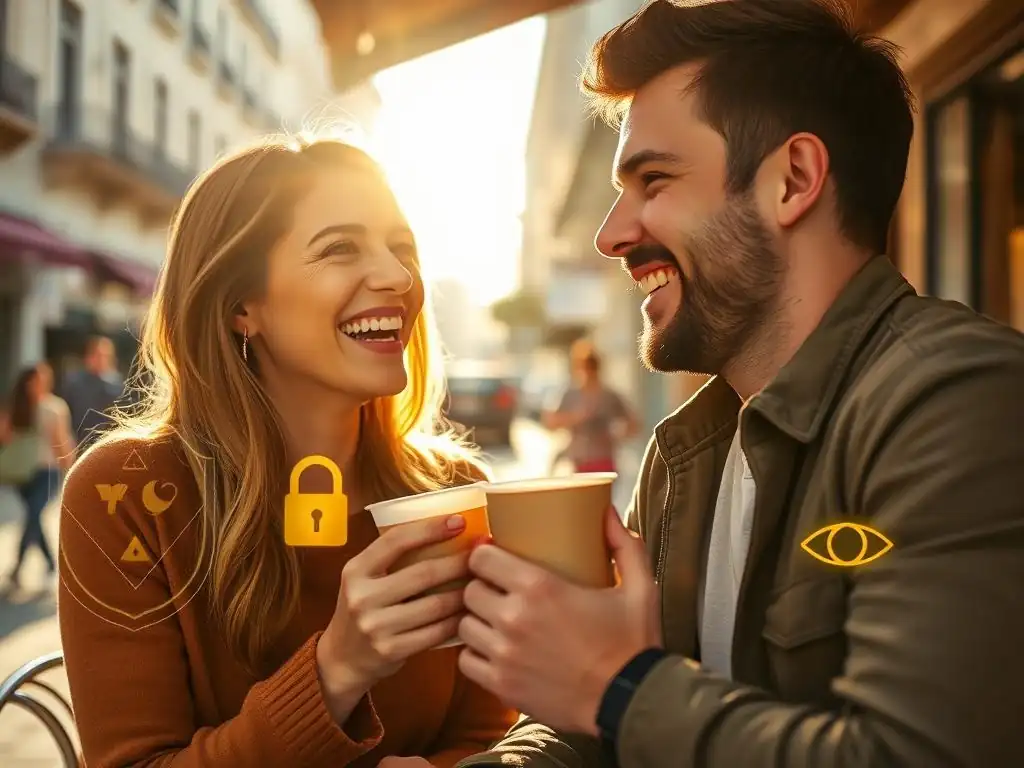
Ready to unlock the secrets to a safer and more rewarding online dating experience? At OnlineDatingSuccess.org, we're dedicated to helping you navigate the world of online romance with confidence. This isn't just about finding a match; it's about finding a meaningful connection while prioritizing your well-being. Learn how to leverage online dating safety features to protect yourself and build genuine relationships—discover the crucial information you need to stay safe and secure in our insightful guide, "Safety First: Understanding the Security Features Designed for You." Let's dive in!
- Online Dating Safety Features: A Comprehensive Guide
- Enhancing Your Online Dating Safety: Beyond App Features
-
Frequently Asked Questions
- What safety features should I look for on online dating sites?
- How can I protect my personal information while online dating?
- What should I do if I feel unsafe or uncomfortable during an online interaction?
- Are online dating sites responsible for my safety?
- How can I verify the authenticity of a profile on a dating site?
- Final Reflection: Securing Connections in the Digital Age
- Unlock Your Dating Confidence: Take Control of Your Online Safety
Online Dating Safety Features: A Comprehensive Guide
Navigating the world of online dating can be exciting, but it's crucial to prioritize your safety and security. This guide explores the various safety features built into many popular dating apps and websites, empowering you to make informed decisions and protect yourself from potential risks. Understanding these features is the first step towards building meaningful connections while minimizing the chances of encountering scams or harmful individuals.
We will delve into the specifics of privacy settings, profile management, and how to identify potential red flags, ultimately helping you enjoy the online dating experience with confidence and peace of mind. Remember, your safety is paramount, and being proactive is key to a positive and secure online dating journey. Let's explore how to harness the power of these safety features to create a safer online dating experience.
Understanding Your Dating App's Privacy Settings
Online dating platforms offer a range of privacy settings designed to help you control the information you share and who can see it. Mastering these settings is essential for maintaining your safety and privacy. Effective use of these features significantly reduces your vulnerability to scams and unwanted contact. Let's examine the key aspects of privacy management within these apps.
Protecting Your Personal Information: Email, Phone Number, and Location
Many dating apps allow you to control the visibility of your personal contact information. You can choose to display your email address, phone number, and location (either generally or precisely) or keep them completely hidden from other users. Think carefully about the level of information you're comfortable sharing. Sharing too much personal data early on increases your risk. Consider starting with limited information and only revealing more as you build trust with someone. Remember that even seemingly innocuous information can be used to piece together a more complete picture of your life and location. Always prioritize your personal safety.
Controlling Profile Visibility: Who Can See Your Photos and Information?
Most dating apps allow you to adjust who can view your profile. You can often choose from options such as "everyone," "people I've liked," or "connections only." Carefully consider which setting best aligns with your comfort level. A more restrictive setting can significantly limit unwanted attention. Additionally, some apps allow you to block specific users, preventing them from viewing your profile or contacting you. Utilize these blocking features whenever you feel uncomfortable or unsafe.
Managing Notifications and Communication Preferences
Dating apps often provide granular control over notifications and communication preferences. You can customize which types of notifications you receive (e.g., new matches, messages, likes) and from whom. You can also choose to only allow communication from people you've matched with or those who meet specific criteria. This helps to filter out unwanted messages and reduce the volume of potentially unwanted contact. Consider turning off notifications during times when you don't want to be disturbed or when you're in a situation where you can't easily respond.
Recognizing and Avoiding Suspicious Profiles: Red Flags to Watch For
While dating apps strive to maintain safe environments, it's crucial to be vigilant and recognize potential red flags that might indicate a suspicious profile or a scammer. Being aware of these warning signs can help you avoid dangerous situations and protect yourself from harm. Let's explore some common indicators of suspicious activity.
Identifying Fake Profiles: Common Tactics Used by Scammers
Scammers often use fake profiles to target unsuspecting users. Common tactics include using stolen photos, inconsistent information in their profiles, and generic or overly flattering descriptions. Be wary of profiles with limited information or those that seem too good to be true. Always cross-reference profile information with other online sources, if possible, to help verify authenticity. Look for inconsistencies in their details and be cautious of anyone who seems overly eager to move the conversation off the platform quickly.
Spotting Catfishing Attempts: How to Verify Authenticity
Catfishing involves creating a fake online persona to deceive others. Be aware that individuals might use photos that aren't their own or misrepresent their age, occupation, or other personal details. Be cautious of profiles with very few photos or those where the photos appear professionally taken or edited. If something seems off, don't hesitate to ask for more information or video chat to verify the person's identity. A genuine person will usually be happy to comply.
Recognizing Potential Scammers: Warning Signs and Behaviors
Scammers often employ various tactics to manipulate their victims, such as asking for money, gifts, or personal information. Be wary of anyone who consistently pushes for a quick relationship, avoids video calls or meeting in person, or asks for financial assistance. Never share sensitive information like your bank details, social security number, or home address with someone you've only met online. Trust your instincts; if something feels wrong, it probably is. Remember that genuine connections develop gradually and organically.
Utilizing Built-in Reporting Mechanisms: Reporting Suspicious Activity
Most reputable online dating platforms provide robust reporting mechanisms designed to help maintain a safe environment for their users. Understanding how to utilize these tools is crucial for your safety and the safety of others. These features are typically easily accessible, often found within individual user profiles or through a dedicated "Report" or "Flag" button. Don't hesitate to use them! Even if you're unsure if something is truly suspicious, it's always better to err on the side of caution.
The platforms employ teams dedicated to reviewing these reports, and swift action can prevent potential harm. Remember, reporting suspicious activity isn't just about protecting yourself; it's about contributing to a safer online dating community for everyone. By actively participating in reporting, you're helping to create a space where people feel more comfortable and confident in their interactions. Your report could make a significant difference in someone else's experience.
Reporting Inappropriate Behavior: Harassment, Abuse, and Threats
Online harassment, abuse, and threats are unfortunately prevalent in some online spaces. Dating apps are not immune. If you encounter any form of inappropriate behavior, from unwanted sexual advances to verbal abuse or threats of violence, immediately utilize the reporting features available on the platform. Provide as much detail as possible, including screenshots of messages, dates and times of interactions, and the user's profile information. Many platforms offer the option to block the offending user, which will prevent further contact.
Remember, you are not alone and you do not deserve this treatment. Taking action by reporting these incidents is a vital step in protecting yourself and holding perpetrators accountable. The platforms take these reports seriously and will investigate them thoroughly. Do not hesitate to seek additional support from friends, family, or relevant authorities if you feel unsafe or threatened.
Reporting Fake Profiles: Helping Maintain a Safe Online Environment
Fake profiles are a significant concern in online dating. These profiles are often created with malicious intent, ranging from catfishing to scamming. If you suspect a profile is fake – perhaps the photos seem too perfect, the biography is inconsistent, or the user's behavior seems odd – report it immediately. Look for inconsistencies in the profile information or unusual communication patterns.
For example, a sudden request for money or personal information should raise a red flag. Providing detailed information about why you suspect the profile is fake will assist the platform in their investigation. By reporting fake profiles, you're contributing to a more authentic and trustworthy online dating experience for everyone. Your vigilance helps to reduce the presence of fraudulent accounts and protects others from potential harm.
Reporting Scamming Attempts: Protecting Yourself and Others
Scamming attempts are a serious issue in online dating. These attempts can range from relatively minor financial scams to elaborate schemes designed to exploit individuals emotionally and financially. If you encounter a user who is asking for money, gifts, or personal financial information, report them immediately. Be wary of users who quickly express strong feelings or who pressure you into making financial decisions. These are common red flags of scam attempts.
Remember, legitimate relationships do not rely on financial transactions. Document any suspicious communication you receive and report it to the platform, providing as much detail as possible. Additionally, familiarize yourself with common scamming tactics to better identify and avoid them. Protecting yourself and others from these scams is vital for maintaining a safe and positive online dating experience. Your actions can help prevent others from falling victim to similar scams.
Enhancing Your Online Dating Safety: Beyond App Features

This section delves into proactive steps you can take to bolster your online dating safety, extending beyond the features offered directly by dating apps. While apps provide crucial initial layers of protection, your personal actions significantly impact your overall security. Understanding and implementing these practices is key to mitigating risks and fostering a safer online dating experience. We’ll explore password management, information protection, and secure browsing habits to empower you to navigate the online dating world with confidence.
Strong Password Practices: Creating Unbreakable Passwords
Creating strong, unique passwords is foundational to online safety. Weak passwords are easily cracked, leaving your accounts vulnerable. A strong password should be at least 12 characters long, combining uppercase and lowercase letters, numbers, and symbols. Avoid using easily guessable information like birthdays, pet names, or common words. Consider using a passphrase – a longer, memorable phrase that incorporates unusual words and symbols – for even greater security. For example, instead of "password123," use "MyBlueCatLoves#Sunshine2024". This seemingly random combination is far more difficult to crack.
Password Managers: Streamlining Password Security
Managing numerous unique passwords can be challenging. Password managers are tools designed to generate, store, and manage your passwords securely. These applications encrypt your passwords, making them inaccessible to unauthorized users, even if your device is compromised. Many password managers offer features like two-factor authentication (2FA) for an additional security layer. Choosing a reputable password manager can significantly simplify password management while enhancing your overall security posture. This frees you from the burden of remembering complex passwords, reducing the temptation to reuse passwords across different platforms.
Two-Factor Authentication (2FA): Adding an Extra Layer of Security
Two-Factor Authentication (2FA) adds a crucial layer of security to your online accounts. Even if someone gains access to your password, they'll still need a second verification factor, usually a code sent to your phone or email, to log in. This significantly reduces the risk of unauthorized access.
Enable 2FA on all your online dating profiles and other important accounts. This simple step can drastically reduce your vulnerability to account takeovers and subsequent identity theft. Many apps offer 2FA options via authenticator apps or SMS codes; explore the security settings of your preferred dating platforms to activate this critical feature.
Protecting Your Personal Information Online: Best Practices
Protecting your personal information is paramount in online dating. Sharing too much personal data too early can expose you to risks. Avoid sharing sensitive details like your full address, place of work, or financial information until you've established trust with someone you've met online. Remember, even seemingly harmless information can be used to piece together a more complete picture of your life, potentially putting you at risk.
Avoiding Phishing Attempts: Recognizing and Avoiding Scams
Phishing attempts are a common tactic used by scammers to obtain your personal information. These attempts often involve fake emails or messages that appear to be from legitimate sources, such as dating apps or banks. They typically try to trick you into clicking on malicious links or revealing your login credentials. Be wary of unsolicited messages requesting personal information or financial details. Always verify the authenticity of any communication before responding, especially those requesting sensitive data. Legitimate dating platforms will rarely request such information directly via email or message.
Secure Browsing Habits: Protecting Yourself from Malware and Viruses
Maintaining secure browsing habits is crucial for protecting yourself from malware and viruses. Avoid clicking on suspicious links, especially those in unsolicited emails or messages. Use a reputable antivirus program and keep it updated. Regularly scan your computer for malware and viruses. Be cautious about downloading files from unknown sources, and always ensure your operating system and browser are up-to-date with the latest security patches. These simple practices greatly reduce your risk of infection and data compromise.
Regularly Updating Software: Maintaining System Security
Regularly updating your software, including your operating system, browser, and apps, is essential for maintaining system security. Software updates often include security patches that address vulnerabilities that could be exploited by malicious actors. Enabling automatic updates can ensure that your systems are always protected against the latest threats. Staying current with software updates is a simple yet highly effective measure to enhance your online security while dating. This proactive approach helps minimize your risk of falling victim to cyberattacks.
Safe Communication Strategies: Protecting Your Identity and Privacy
Effective communication is key to successful online dating, but it's crucial to prioritize your safety while connecting with potential matches. Protecting your personal information is paramount to avoiding scams and ensuring your well-being throughout the online dating journey. Remember, the information you share online can be easily misused, so caution is always advised.
Avoiding Sharing Personally Identifiable Information (PII)
One of the most significant aspects of online dating safety involves carefully managing the information you disclose. Avoid sharing Personally Identifiable Information (PII) until you've established a strong level of trust with your match. PII includes, but is not limited to, your full name, address, workplace, phone number, social security number, and financial details. Instead of directly revealing such information, consider using safer alternatives.
For example, instead of revealing your exact workplace, you could mention your industry or the general area where you work. Similarly, avoid providing your full address; suggest a general location for first meetings. Remember, building trust takes time, and rushing this process can put you at risk. Think of it like this: you wouldn't give your bank details to a stranger on the street, so why would you do so online?
Proceed with caution and only share information when you feel entirely comfortable and confident in the other person's intentions. This measured approach significantly reduces your vulnerability to potential harm. The golden rule is to err on the side of caution; if you are unsure, don’t share it.
Verifying the Identity of Your Matches: Tips for Safe Interactions
While online dating apps implement various security measures, it's essential to take proactive steps to verify the identities of your matches. Don't solely rely on the profile information provided. Engage in conversations that help you gauge the authenticity of their profile. Ask open-ended questions that require more than a simple "yes" or "no" response.
This approach helps you assess their communication style and identify any inconsistencies or red flags. You can also subtly try to verify certain details they've mentioned. For example, if they mention a specific hobby, you could casually ask a question about it to see if their knowledge aligns with their claims. Moreover, be wary of profiles with limited information or those that seem too good to be true.
Scammers often create elaborate profiles to lure victims, so be vigilant and don't hesitate to question anything that seems suspicious. Remember, a cautious approach is always better than regret. Taking these steps can help you identify potential red flags and protect yourself from fraudulent profiles.
Meeting in Public Places: Prioritizing Safety During In-Person Encounters
Once you've built a rapport and feel comfortable meeting in person, prioritize safety by choosing public places for your first few encounters. Avoid meeting at someone's home or in secluded areas. Opt for well-lit, populated locations, such as cafes, restaurants, or parks during daylight hours. Always inform a friend or family member about your plans, including the time, location, and the person you're meeting.
Share your match's profile information with them as well, so they have context should anything go wrong. During the meeting, be mindful of your surroundings and trust your instincts. If at any point you feel uncomfortable or unsafe, politely excuse yourself and leave. Your safety should always be your top priority.
Remember, a successful date is one where you feel safe and comfortable. Don’t feel pressured to meet up if you have any doubts or concerns. Your intuition is a powerful tool; trust it and prioritize your safety above all else. The initial meeting is crucial; ensure it's in a setting that allows you to feel confident and secure.
Frequently Asked Questions
What safety features should I look for on online dating sites?
Many reputable sites offer verified profiles, report/block features, and privacy settings to control who sees your profile. Look for sites that clearly outline their safety measures.
How can I protect my personal information while online dating?
Avoid sharing sensitive information like your full address, workplace, or financial details early on. Use strong, unique passwords and be wary of suspicious links or requests.
What should I do if I feel unsafe or uncomfortable during an online interaction?
Immediately block and report the user to the dating site's moderators. You can also save screenshots as evidence and contact the platform's support team.
Are online dating sites responsible for my safety?
While sites implement safety features, they cannot guarantee your complete safety. Personal responsibility is crucial; trust your instincts and prioritize your well-being.
How can I verify the authenticity of a profile on a dating site?
Look for profile verification badges offered by the platform. You can also engage in cautious conversation to assess their genuineness before sharing personal information or meeting in person.
Final Reflection: Securing Connections in the Digital Age
The rise of online dating has fundamentally reshaped how we connect, but this convenience comes with inherent risks. Understanding and utilizing the safety features available is no longer a luxury; it's a necessity for navigating this increasingly digital landscape. Ignoring these tools leaves individuals vulnerable, highlighting the urgent need for proactive safety measures.
The impact of online dating safety features extends far beyond individual protection; it shapes the very culture of online interaction. The constant evolution of these features reflects a growing societal awareness of the potential dangers, and a commitment to fostering safer online environments. The only way to truly build trust is through transparency and accountability,
a sentiment that applies equally to both dating platforms and their users. This ongoing dialogue between developers and users is crucial for continuous improvement and the creation of a more secure space for everyone.
Now, consider your own online interactions. Are you actively utilizing the safety features available to you? Do you understand their limitations and how to supplement them with your own responsible online behavior? Take a moment to review your practices and make a conscious effort to prioritize your safety. Your digital well-being is not a passive endeavor; it requires active participation and vigilance. Embrace the tools available, and let's collectively work towards a safer and more positive online dating experience for all.
Unlock Your Dating Confidence: Take Control of Your Online Safety
Thank you for taking the time to learn about online dating safety! We hope this article has equipped you with the knowledge to navigate the online world with greater confidence. Let's put that knowledge into practice.
- Prioritize your privacy: Review and adjust the privacy settings on your dating profiles. This is a crucial step to protect your personal information.
- Share this advice: Help your friends stay safe online by sharing this information with them.
- Join the discussion: What other safety tips have you found helpful? Share your experiences and insights in the comments below!
Ready to create a safer and more fulfilling online dating experience?