
The Dangers of Online Dating: Real Risks and How to Avoid Them

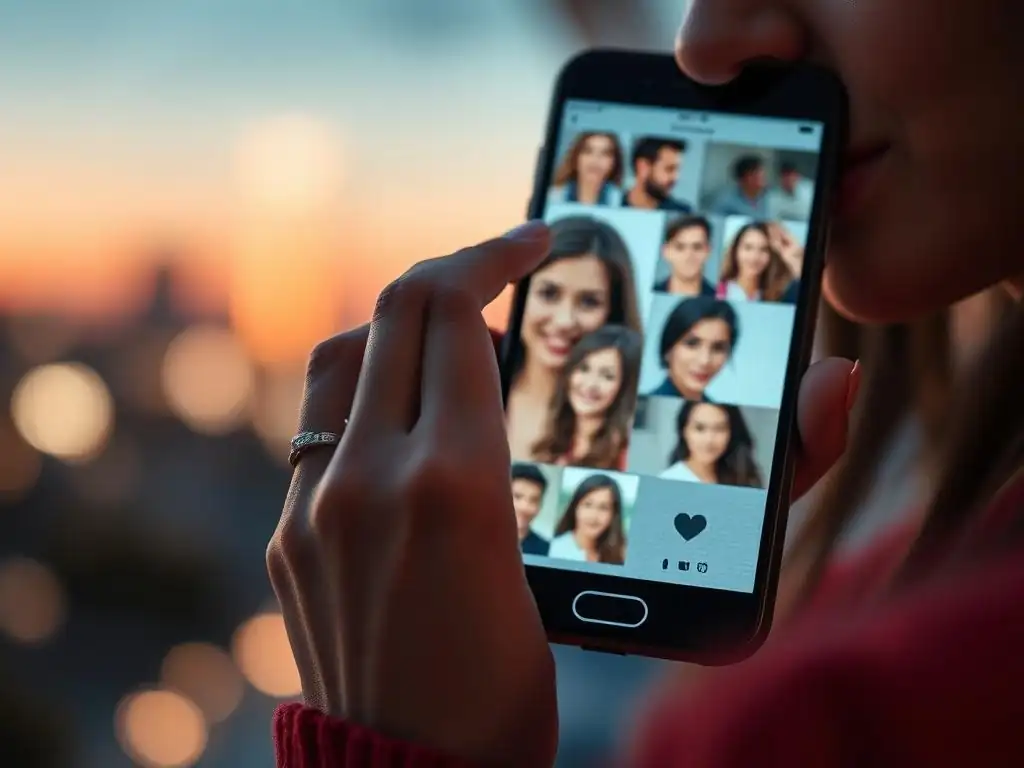
Ready to unlock the secrets to a safe and successful online dating experience? At OnlineDatingSuccess.org, we understand the challenges—and the incredible rewards—of navigating the world of online romance. But before you dive in, it's crucial to know the risks. This article on online dating safety tips will equip you with the knowledge and strategies to avoid scams and build genuine connections, ensuring your journey is both exciting and secure. Discover how to protect yourself and find the love you deserve—let's get started!
- Understanding the Risks of Online Dating: Protecting Yourself
-
Online Dating Safety Tips: Practical Strategies for Safe Online Dating
- Protecting Your Personal Information: Best Practices for Online Dating
- Safe Communication Strategies: Avoiding Risky Interactions Online
- Verifying Profiles and Background Checks: Tools and Techniques for Online Dating Safety
- Setting Boundaries and Maintaining Healthy Communication in Online Dating
- Recognizing and Reporting Online Dating Abuse and Harassment
-
Building Safer Online Dating Habits: Long-Term Strategies
- Creating a Secure Online Dating Profile: Privacy Settings and Information Sharing
- Utilizing Online Dating Platforms' Safety Features: Reporting Mechanisms and Blocking Options
- Managing Your Online Presence: Protecting Your Reputation and Digital Footprint
- Seeking Support and Resources: Help for Victims of Online Dating Abuse
- Staying Safe While Meeting Offline: Transitioning from Online to In-Person Interactions
- Legal and Ethical Considerations in Online Dating: Rights and Responsibilities
-
Frequently Asked Questions
- What are some of the biggest safety risks involved in online dating?
- How can I verify the identity of someone I meet online?
- What are some tips for safe in-person meetings?
- How can I protect my personal information while online dating?
- What should I do if I feel threatened or harassed by someone I met online?
- Final Reflection: Navigating the Digital Landscape of Love
- Take Control: Secure Your Online Dating Journey
Understanding the Risks of Online Dating: Protecting Yourself
Navigating the world of online dating can be exciting, offering the potential to connect with like-minded individuals and build meaningful relationships. However, it's crucial to acknowledge the inherent risks involved. This article serves as a comprehensive guide to understanding these dangers and equipping you with the knowledge and strategies to protect yourself while searching for love online.
We'll explore common scams, manipulative tactics, and practical steps you can take to ensure your safety and well-being throughout your online dating journey. This is not about scaring you away from online dating – it's about empowering you to make informed decisions and navigate this digital landscape confidently and safely.
Remember, a proactive approach to online safety is key to a positive and rewarding online dating experience. Let's dive into the crucial aspects of online dating safety, focusing on practical tips to help you avoid potential pitfalls and create a safer environment for yourself.
Identifying Potential Scammers and Fraudsters Online
Online dating platforms, while offering incredible opportunities for connection, unfortunately also attract individuals with malicious intentions. Identifying potential scammers requires vigilance and awareness of common tactics. Scammers often employ a range of deceptive strategies, from creating fake profiles with stolen photos and fabricated backgrounds to employing emotional manipulation to gain your trust and ultimately, your money or personal information.
One common red flag is a profile that seems too good to be true – someone incredibly attractive, successful, and seemingly perfect with limited or vague information. They might be overly complimentary in their initial messages, showering you with affection and promises before you've even met. Another telltale sign is a rapid escalation of the relationship; they express strong feelings very quickly and may pressure you into sharing personal information or sending money under various pretexts, such as needing financial assistance for an emergency or investment opportunity. Be wary of individuals who consistently avoid video calls or in-person meetings, citing various reasons. Remember, legitimate relationships develop gradually, and genuine connection requires time and trust. Always verify information provided in profiles and be cautious of requests for financial assistance or sensitive personal data.
Recognizing Red Flags in Online Dating Profiles and Communication
Beyond identifying outright scammers, it's equally important to recognize subtler red flags in profiles and communication that might signal a potentially dangerous or unhealthy relationship. Inconsistencies in a person's profile information, such as discrepancies between their written description and their photos, should raise concerns. Be alert to profiles lacking personal details or those with overly generic or impersonal descriptions. Pay attention to the language used in their messages; overly flattering or excessively romantic language early in communication can be a warning sign. Avoid individuals who are excessively secretive or avoid answering direct questions about their life.
Additionally, watch for manipulative communication styles, such as gaslighting, guilt-tripping, or attempts to isolate you from friends and family. These behaviors are indicative of unhealthy and potentially abusive relationships. Trust your instincts; if something feels off, it likely is. Prioritize your safety and well-being above all else.
The Emotional Manipulation Tactics Used in Online Dating Scams
Emotional manipulation is a cornerstone of many online dating scams. Scammers are adept at exploiting vulnerabilities and leveraging emotions to achieve their goals. They often employ techniques like love bombing, where they shower you with excessive affection and attention to quickly build trust and dependence. This is followed by a gradual shift in their behavior, introducing requests for financial assistance or other forms of support.
They might create a sense of urgency or pressure you into making quick decisions, playing on your empathy and good nature. Gaslighting, a form of manipulation where they deny or distort your reality, is another common tactic. They might make you question your own perceptions and feelings, making you doubt your judgment and increasing your reliance on them.
Be aware of these tactics and remember that genuine relationships are built on mutual respect, trust, and healthy communication. If you experience any of these manipulative behaviors, it's crucial to distance yourself from the individual and seek support from trusted friends, family, or professionals. Your emotional well-being is paramount.
Dangers of Sharing Personal Information Too Early in Online Dating
Sharing personal information too early in online dating can expose you to a range of risks, from minor inconveniences to serious threats to your safety and well-being. It's crucial to remember that the person you're communicating with online is essentially a stranger, regardless of how charming or engaging they may seem. Building trust takes time, and prematurely revealing sensitive details can severely compromise your security.
One of the most common dangers is catfishing. Catfishing involves someone creating a fake online profile to deceive others. They might use stolen photos, fabricated biographical details, and even assume a completely false identity. If you reveal your address, workplace, or other identifying information too early, you're making yourself vulnerable to stalking or other forms of harassment. A catfish might use this information to track your movements, contact your friends and family, or even attempt to meet you in person with malicious intent.
Beyond catfishing, prematurely disclosing personal information increases your risk of identity theft. Sharing your full name, date of birth, social security number, or financial details can make you a target for identity thieves who can use this information to open fraudulent accounts, take out loans in your name, or even file fraudulent tax returns. This can have devastating financial and legal consequences, taking years to rectify.
Furthermore, sharing personal information online can lead to harassment and stalking. Even seemingly harmless details, like your place of work or the name of your school, can be used to track your routine, locate you, or even target you for harassment. This can range from unwanted phone calls and messages to more serious threats and even physical violence. Remember, the internet leaves a digital footprint, and information shared online can be difficult to remove completely.
Finally, consider the risk of emotional manipulation. Sharing personal details, especially those related to your vulnerabilities or past traumas, can be used against you by manipulative individuals. Someone might use this information to gain your trust, exploit your emotions, and ultimately control or abuse you. This is particularly relevant in online dating, where emotional connections can form quickly, even without in-person interaction.
Protecting your personal information is a key component of safeguarding your emotional well-being in the online dating world. Proceed with caution and prioritize your safety. Remember, building trust is a gradual process that should never compromise your personal security.
Online Dating Safety Tips: Practical Strategies for Safe Online Dating

This section focuses on providing concrete, actionable steps to enhance your online dating safety. Navigating the world of online dating requires vigilance and awareness. By implementing these strategies, you can significantly reduce your risk and increase your chances of a positive experience. Remember, your safety is paramount.
Protecting Your Personal Information: Best Practices for Online Dating
Sharing personal information online carries inherent risks. Protecting your privacy is crucial for online dating safety. Avoid revealing sensitive details like your full address, workplace, or exact location in your profile or early messages. Instead, use general location references (e.g., "near downtown") and avoid disclosing identifying information until you've established trust and met in person.
Consider these practical steps:
- Use a dedicated email address: Create a separate email account specifically for online dating to keep your personal inbox secure. This prevents unwanted emails from flooding your primary account and keeps your personal and dating life separate.
- Be cautious with photos: Don't post photos that reveal too much personal information. Avoid images showing your license plate, house number, or workplace. Even seemingly innocuous details can be pieced together by malicious individuals.
- Limit social media connections: Don't automatically link your dating profile to your primary social media accounts. This can expose a wealth of personal information to strangers.
- Regularly review your privacy settings: Familiarize yourself with the privacy settings on your dating app or website and adjust them to your comfort level. This includes controlling who can see your profile, message you, and access your information.
- Beware of phishing attempts: Be vigilant about suspicious emails or messages requesting personal information. Legitimate dating sites will never ask for your banking details, passwords, or social security number via email.
Remember, it's better to err on the side of caution. Sharing less information upfront protects your privacy and helps build trust organically.
Safe Communication Strategies: Avoiding Risky Interactions Online
Effective communication is key to a safe and positive online dating experience. However, some interactions can be risky. Be aware of warning signs and take steps to protect yourself.
- Avoid sharing intimate details too early: Refrain from sharing sensitive personal information, such as financial details or traumatic experiences, until you've met in person and built a strong level of trust.
- Trust your instincts: If something feels off or makes you uncomfortable, don't hesitate to end the conversation or block the user. Your intuition is a powerful tool.
- Be wary of overly persistent or pushy individuals: Healthy relationships are built on mutual respect and boundaries. If someone is constantly pressuring you or ignoring your boundaries, it’s a red flag.
- Report suspicious behavior: Most dating platforms have reporting mechanisms. Use them to report any inappropriate or harassing behavior you encounter.
- Video calls can help build trust (but use caution): While video calls can be a good way to verify someone's identity before meeting in person, ensure you're in a safe and private environment. Never share your location during a video call.
| Warning Sign | Description | Response |
|---|---|---|
| Excessive flattery/idealization | Over-the-top compliments and unrealistic expectations. | Be skeptical and proceed with caution. |
| Pressure for quick commitment | Pushing for a relationship before you're ready or ignoring your boundaries. | Set clear boundaries and don't feel pressured. |
| Inconsistent information | Discrepancies in their profile, stories, or behavior. | Verify information and be wary of inconsistencies. |
| Requesting financial assistance | Asking for money, gifts, or loans under any pretext. | Report immediately. This is a common scam tactic. |
| Avoiding in-person meetings | Making excuses to avoid meeting in person, despite expressing strong interest. | Be wary and don't pressure them, but don't continue the conversation. |
Verifying Profiles and Background Checks: Tools and Techniques for Online Dating Safety
While you can't completely eliminate risk, taking steps to verify profiles and conduct background checks can significantly improve online dating safety. Remember that online information isn't always accurate, but these techniques can help.
- Reverse image search: Use a reverse image search engine (like Google Images) to check if a profile picture appears elsewhere online. This can help detect fake profiles using stolen images.
- Social media checks (with caution): If you're comfortable, discreetly search for the person on social media platforms like Facebook, LinkedIn, or Instagram to cross-reference information and get a sense of their online presence. Be mindful of privacy implications.
- Utilize professional background check services (optional): For serious relationships, consider using a reputable background check service. This is a more thorough method but comes at a cost. Remember to respect privacy laws and only conduct checks with the individual's consent.
Remember, even with verification, it's crucial to meet in public places for your first few dates and inform a trusted friend or family member about your plans. Prioritizing your safety is always the best approach.
Using these online dating safety tips empowers you to navigate the online dating world with confidence and minimize potential risks. Remember, building trust and taking proactive steps are essential for a safe and positive experience.
Setting Boundaries and Maintaining Healthy Communication in Online Dating
Setting healthy boundaries is crucial for a positive and safe online dating experience. It's about protecting your emotional well-being and ensuring your interactions remain respectful and consensual. This means establishing clear limits from the outset and communicating them assertively but kindly.
For example, you might specify your comfort level with sharing personal information, the frequency and type of communication you prefer (e.g., text versus calls), and your expectations regarding meeting in person. Don't feel pressured to reveal more than you're comfortable with, even if the other person seems eager or insistent. Remember, you have the right to say no at any point.
Effective communication is key to setting and maintaining these boundaries. Be direct and honest about your needs and preferences. For example, instead of passively accepting unwanted advances, clearly state that you're not comfortable with certain behaviors or topics. Phrases like, "I'm not ready to share that yet," or "I'd prefer to keep our conversations focused on [topic]," can be very effective.
If someone repeatedly ignores your boundaries, it's a significant red flag. Don't hesitate to end the interaction immediately. Learning to say no, and to mean it, is a powerful tool in online dating safety. It’s about protecting your emotional space and recognizing that your feelings and well-being are paramount.
Remember, healthy communication isn't just about expressing your needs; it's also about actively listening to and respecting the boundaries of others. This reciprocal respect forms the foundation of a safe and positive online dating experience. Practicing assertive communication, even if it feels uncomfortable initially, empowers you to navigate the online dating world with greater confidence and security.
Recognizing and Reporting Online Dating Abuse and Harassment
Online dating, while offering opportunities for connection, also presents a risk of abuse and harassment. Recognizing the signs is the first step toward protecting yourself. Abuse can manifest in various forms, from subtle manipulation and gaslighting to overt threats and intimidation. This can include controlling behaviors, such as excessive texting or calls, attempts to isolate you from friends and family, or constant criticism and belittling.
Harassment may involve unwanted sexual advances, persistent messaging despite requests to stop, or the sharing of private information without consent. Remember that any behavior that makes you feel uncomfortable, unsafe, or threatened is unacceptable. Even seemingly minor incidents can escalate, so it's vital to address them promptly.
If you experience online dating abuse or harassment, reporting it is crucial. Many dating platforms have mechanisms for reporting inappropriate behavior, usually through a dedicated button or link on user profiles. Document all instances of abuse, including screenshots of messages, emails, or other forms of communication. Consider blocking the abuser on the platform and reporting their behavior to the authorities if the abuse is severe or involves threats of violence.
Reaching out to a trusted friend, family member, or therapist can provide vital emotional support. Several organizations offer specialized support for victims of online harassment and abuse, providing guidance and resources to help you navigate this challenging situation. Remember, you are not alone, and seeking help is a sign of strength, not weakness.
Prioritizing your safety and well-being is paramount. Taking steps to report and address abuse not only protects you but also helps to create a safer online dating environment for everyone. Reporting helps platforms improve their safety measures and holds abusers accountable for their actions.
Building Safer Online Dating Habits: Long-Term Strategies

Online dating safety isn't a one-time fix; it's an ongoing process of building healthy digital habits. Think of it like learning to drive – you need continuous practice and awareness to stay safe. This section focuses on cultivating long-term strategies to minimize risks and maximize your online dating experience. Remember, proactive measures are key to mitigating the dangers inherent in online interactions. Consistent vigilance is your best defense against potential threats.
Creating a Secure Online Dating Profile: Privacy Settings and Information Sharing
Your online dating profile is your first impression, but it's also a potential vulnerability. Over-sharing can attract unwanted attention, putting your safety at risk. Think carefully about what information you reveal. Avoid posting your full name, exact address, workplace, or any details that could easily be used to identify you offline. Many platforms offer privacy settings; learn how to use them effectively.
For example, restrict who can see your photos or send you messages. Consider using a nickname or a slightly altered version of your name to protect your identity. Don't share personal information, such as your social security number or bank details, under any circumstances. Remember, less is more when it comes to online dating profiles. A vague location, such as "near downtown," is far safer than stating your precise street address.
The level of detail you choose to share should always be guided by caution and a healthy dose of skepticism. Think about how this information could be misused. Would a stranger be able to use this information to locate you? Could this information be used to access other accounts or systems you use? Protecting your privacy proactively is a crucial part of online dating safety.
Utilizing Online Dating Platforms' Safety Features: Reporting Mechanisms and Blocking Options
Most reputable online dating platforms provide various safety features designed to protect users. Familiarize yourself with these tools and use them proactively. Learn how to report suspicious behavior or profiles. Many platforms have robust reporting mechanisms that allow you to flag inappropriate content or users who violate their terms of service. Don't hesitate to report anything that makes you uncomfortable, even if it seems minor. Your report could help protect other users.
Blocking users is another essential tool. If someone is making you feel harassed or unsafe, block them immediately. This prevents them from contacting you further. Remember, utilizing these features is not just about protecting yourself; it's about contributing to a safer online dating environment for everyone. This collective responsibility is crucial in mitigating risks and improving the overall online dating experience.
Managing Your Online Presence: Protecting Your Reputation and Digital Footprint
Your online dating safety extends beyond the dating platform itself. Consider your overall online presence. Be mindful of the information you share on social media, as potential matches might search for you online. Review your privacy settings on other platforms, limiting access to personal information. Avoid posting details about your daily routine or travel plans that could make you vulnerable.
Regularly review your online activity and consider deleting any content that could compromise your safety or privacy. Building and maintaining a responsible online presence is a key component of online dating safety. Remember, your digital footprint is a reflection of you, and managing it carefully is essential for protecting your well-being while online dating. A responsible online presence significantly contributes to a safer and more positive online dating experience. This proactive approach can help you avoid potential threats and build healthier, more secure relationships.
Seeking Support and Resources: Help for Victims of Online Dating Abuse
Experiencing abuse in the context of online dating can be incredibly isolating and emotionally damaging. It's crucial to remember that you are not alone and that help is available. Many resources exist to support victims of online dating abuse, offering a lifeline during difficult times. These resources range from helplines and support groups to legal aid and therapy services.
The first step is often the hardest—reaching out. The shame and embarrassment associated with online dating abuse can prevent victims from seeking help, but it's essential to overcome these feelings. Confiding in a trusted friend, family member, or therapist can provide invaluable emotional support and guidance. Talking about your experiences can help you process what you've been through and begin the healing process. Remember, acknowledging the abuse is the first step towards recovery.
Several organizations specialize in supporting victims of online abuse, providing confidential and empathetic assistance. These organizations often offer a range of services, including counseling, legal advice, and safety planning. They can help you understand your rights, navigate the legal system if necessary, and develop strategies to protect yourself from further harm. The expertise of these organizations can be invaluable in helping you rebuild your life and regain a sense of safety and control.
Beyond formal organizations, online communities and support groups can offer a sense of connection and understanding. Sharing your experiences with others who have gone through similar situations can be incredibly validating and empowering. These online spaces can provide a safe environment to express your feelings, receive support, and learn from others' experiences. Finding a community where you feel comfortable and understood can be a crucial part of your healing journey. Remember to prioritize your safety and well-being when engaging in online support groups. Always be cautious about sharing personal information.
Finally, seeking professional help, such as therapy or counseling, is a vital step in recovering from online dating abuse. A therapist can provide a safe and confidential space to explore your emotions, develop coping mechanisms, and work through the trauma you have experienced. They can also help you develop strategies to prevent future abuse and build healthier relationships.
Therapy is not a sign of weakness; it's a testament to your strength and commitment to your well-being. Prioritizing your mental health is crucial in overcoming the lasting effects of online dating abuse and moving forward with your life. Remember, healing takes time, and seeking professional support is a powerful step towards a brighter future.
Staying Safe While Meeting Offline: Transitioning from Online to In-Person Interactions

Meeting someone online can be exciting, but transitioning to in-person interactions requires extra caution. Remember, the online persona isn't always a complete reflection of reality. Taking proactive steps to ensure your safety is crucial. This section focuses on minimizing risks during this critical phase of online dating, providing you with concrete strategies to navigate this transition safely and confidently. Effective online dating safety tips are paramount here.
Planning Safe First Dates: Choosing Public Places and Sharing Your Location
The first meeting is the most crucial. Always opt for well-lit, public places for your initial date. Avoid secluded areas or private residences, especially for first encounters. Think bustling cafes, popular restaurants, or even a daytime event like a museum visit. These locations offer inherent safety and reduce the risk of isolating yourself with a stranger. Furthermore, always share your date plans with a trusted friend or family member.
Provide them with the date's name, location, time, and contact information. Consider using a location-sharing app so they can track your whereabouts in real-time. This simple act can be a lifesaver in unforeseen circumstances. Remember, being proactive with your safety demonstrates responsibility and respect for yourself. It's better to err on the side of caution. These online dating safety tips are not just suggestions; they're essential precautions.
Trusting Your Instincts: Recognizing Warning Signs During In-Person Meetings
Your intuition is your most powerful tool. If something feels off, it probably is. Don't dismiss uneasy feelings or ignore red flags. Pay close attention to your date's behavior. Are they overly controlling, aggressive, or dismissive of your boundaries? Do they pressure you into activities you're uncomfortable with? Do they exhibit inconsistencies between their online persona and their in-person behavior?
These are all warning signs that you should not ignore. Trust your gut; your safety comes first. If you feel threatened or unsafe at any point, remove yourself from the situation immediately. Have an escape plan ready—a pre-arranged signal with your friend, a nearby taxi, or a safe place to retreat to. Prioritizing your safety is not being paranoid; it's being prepared. These are crucial online dating safety tips for protecting your well-being.
Creating a Support Network: Sharing Your Plans and Checking In With Friends and Family
Building a support network is integral to safe online dating. Share your dating plans with trusted friends or family members. Let them know who you're meeting, where you're going, and when you expect to be back. Regular check-ins can provide an extra layer of security. Consider using a pre-arranged check-in system—a simple text message or phone call at a specific time.
This way, if something goes wrong, someone will know and can take action. Having this network in place offers peace of mind and provides a safety net in case of unexpected events. Remember, open communication and shared awareness are key components of responsible online dating. These online dating safety tips emphasize the importance of building a strong support system to enhance your overall safety. Don't hesitate to lean on your network for support and guidance.
Legal and Ethical Considerations in Online Dating: Rights and Responsibilities
Online dating, while offering exciting possibilities for connection, also presents a unique landscape of legal and ethical considerations. Understanding your rights and responsibilities is crucial for a safe and positive experience. Neglecting these aspects can lead to significant personal and legal consequences. This section explores the key legal and ethical dimensions you should be aware of to navigate online dating responsibly.
Understanding Online Dating Laws and Regulations: Reporting Illegal Activities
Many jurisdictions have laws addressing online harassment, stalking, fraud, and identity theft—all potential risks within the online dating sphere. Knowing how to identify and report illegal activities is paramount to your safety and well-being. For instance, receiving unsolicited explicit images (revenge porn) is a crime in many places. Similarly, financial scams, where individuals are defrauded under false pretenses of romance, are increasingly common.
It's crucial to understand the specific laws in your area concerning online interactions. Each platform also has its own terms of service and reporting mechanisms. Familiarize yourself with these resources. If you encounter illegal activity, such as threats, harassment, or financial fraud, immediately report it to the platform and the relevant law enforcement authorities.
Retain all evidence, including screenshots, messages, and transaction records, as this will be essential for any investigation. Remember, reporting is not just about protecting yourself; it helps create a safer online dating environment for everyone. Don't hesitate to seek legal advice if you are unsure how to proceed.
Protecting Your Intellectual Property: Images, Personal Information, and Online Identity
Your online dating profile is a representation of you, and protecting your intellectual property within this context is vital. This includes safeguarding your images, personal information, and online identity from misuse. Unauthorized use of your photos can lead to reputational damage, emotional distress, and even identity theft. Similarly, sharing too much personal information can make you vulnerable to scams or stalking.
Consider the following protective measures:
- Image usage: Use images that you are comfortable with being publicly available. Avoid using images that reveal sensitive information about your location or lifestyle. Consider using images that are not readily available elsewhere online.
- Personal information: Avoid sharing highly sensitive information like your full address, place of work, or financial details. Be cautious about the information you share, even seemingly innocuous details can be pieced together to create a comprehensive profile.
- Online identity: Be mindful of the information you share online, both on dating apps and other social media platforms. Inconsistent information across different platforms can raise red flags.
Ethical considerations are just as important as legal ones. Respectful and responsible behavior should underpin all your interactions. This includes treating others with kindness, honesty, and consideration. Remember that everyone you interact with online is a real person with feelings.
Some key ethical considerations include:
- Honesty and transparency: Be honest about who you are and what you're looking for. Avoid misleading representations of yourself.
- Respectful communication: Treat others with respect, even if you're not interested in pursuing a relationship. Avoid sending unsolicited messages or engaging in aggressive or disrespectful behavior.
- Consent: Always obtain consent before sharing intimate images or engaging in any sexual activity. Respect the boundaries of others.
- Ghosting: While it's not illegal, ghosting (disappearing without explanation) is generally considered unethical. If you're no longer interested, communicate respectfully.
By understanding and adhering to both the legal and ethical guidelines surrounding online dating, you can significantly enhance your safety and create a more positive and fulfilling experience. Remember, responsible online dating benefits everyone.
Frequently Asked Questions
What are some of the biggest safety risks involved in online dating?
Online dating safety risks include catfishing, where someone misrepresents their identity; meeting strangers in person too quickly without proper vetting; and sharing personal information too readily, potentially leading to stalking or identity theft.
How can I verify the identity of someone I meet online?
You can try to verify someone's identity by reverse image searching their photos, checking their social media profiles for consistency, and having video calls before meeting in person. Don't rely solely on what they tell you.
What are some tips for safe in-person meetings?
Always meet in a public place for your first few dates. Let a friend or family member know where you're going, who you're meeting, and when you expect to be back. Trust your instincts; if something feels off, leave.
How can I protect my personal information while online dating?
Avoid sharing sensitive details like your full address, workplace, or financial information early on. Be cautious about clicking on unverified links, and use strong, unique passwords for your dating profiles and accounts.
What should I do if I feel threatened or harassed by someone I met online?
If you feel threatened or harassed, block the person immediately on all platforms. Save any evidence of their behavior (messages, screenshots). Report them to the dating platform and consider contacting the police if necessary.
The ease and accessibility of online dating have revolutionized modern romance, yet this convenience comes at a cost. The potential for exploitation, harassment, and even physical danger remains a stark reality for many users. Ignoring these risks is not an option; understanding them is crucial for navigating the digital dating world safely and successfully.
The pervasive nature of online dating has fundamentally altered how we approach relationships, blurring the lines between the virtual and the real. It's a landscape constantly evolving, demanding vigilance and awareness. The impact extends beyond individual experiences; it shapes societal perceptions of trust, intimacy, and consent. The internet is a powerful tool, but like any tool, it can be used for good or ill. It's our responsibility to use it wisely.
This quote underscores the need for responsible online behavior, especially within the context of dating.
You, the reader, now hold the knowledge to make informed choices. Don't let fear paralyze you, but let awareness empower you. Take the time to implement the safety tips discussed, to trust your instincts, and to prioritize your well-being above all else. The journey to finding love should be one of joy and excitement, not fear and uncertainty. Embrace the possibilities of online dating, but do so with caution, clarity, and a commitment to your own safety.
Take Control: Secure Your Online Dating Journey
Thank you for learning about online dating safety! You're now equipped to navigate the digital dating world confidently. Let's put your knowledge into practice.
- Prioritize your safety: Regularly review and update your online dating profiles, sharing only essential information. Avoid posting photos that reveal too much about your daily life or location. This is crucial for your safety.
- Schedule a quick check-in: Always let a trusted friend or family member know your dating plans, including your destination and expected return time.
- Join the conversation: Share your safety tips and experiences in the comments below. What strategies have worked best for you?
What's one small step you can take today to improve your online dating safety?