
Spotting Fake Profiles: How Reverse Image Search Can Save You Heartache


Welcome to OnlineDatingSuccess.org, your guide to navigating the exciting—and sometimes treacherous—world of online dating. Are you ready to build authentic connections and find lasting love? Then you're in the right place! But first, let's address a crucial element of online dating safety: detecting fake profiles. Our new article on Fake dating profile detection reveals how a simple reverse image search can save you heartache and potential scams. Discover the secrets to identifying fraudulent profiles and creating a safer, more rewarding online dating experience. Dive in and learn how to protect yourself—your journey to finding love starts here!
- Understanding the Rise of Fake Dating Profiles
- The Power of Reverse Image Search in Fake Profile Detection
- Step-by-Step Guide: Detecting Fake Profiles Using Reverse Image Search
- Beyond Reverse Image Search: Additional Fake Profile Detection Techniques
- Protecting Yourself from Online Dating Scams
-
Frequently Asked Questions
- How can I tell if a dating profile is fake?
- What is a reverse image search, and how does it help with fake dating profile detection?
- Are all profiles with stock photos fake?
- Besides reverse image searches, what other methods can I use to detect fake profiles?
- What should I do if I suspect a dating profile is fake?
- Final Reflection: The Enduring Fight Against Online Deception
- Unmask the Truth: Take Control of Your Online Safety
Understanding the Rise of Fake Dating Profiles
Online dating has revolutionized how people connect and form relationships. Millions utilize these platforms daily, seeking companionship, love, or even just casual connections. However, this digital landscape isn't without its shadows. The rise of fake dating profiles presents a significant challenge to the authenticity and safety of online interactions.
This article focuses on "Fake dating profile detection," specifically exploring how the powerful tool of reverse image search can help you identify fraudulent accounts and protect yourself from heartache and potential financial loss. We'll delve into the prevalence of fake profiles, discuss common warning signs, and highlight the serious consequences of interacting with them. Understanding these risks is the first step towards navigating the online dating world safely and confidently. The goal is to empower you with the knowledge and tools to make informed decisions and build genuine connections.
The Prevalence of Catfishing and Fraudulent Accounts
The prevalence of fake profiles on dating sites and apps is unfortunately substantial. While precise figures are difficult to obtain due to the clandestine nature of these activities, anecdotal evidence and reports from dating platforms themselves suggest a significant problem. Many accounts are created for malicious purposes, ranging from simple catfishing (using false identities and photos) to more sophisticated scams aimed at extracting money or personal information.
These fraudulent accounts often employ highly polished profiles, using stolen or manipulated images and fabricated biographical details to appear believable. The sheer volume of users on these platforms makes it difficult for dating sites to effectively police every profile, creating a breeding ground for deceitful actors. Furthermore, the ease of creating multiple accounts and the anonymity offered by the internet make it challenging to track and prevent this activity.
The constant evolution of scamming techniques adds another layer of complexity, demanding users remain vigilant and informed. The consequences of engaging with these fake profiles can be devastating, both emotionally and financially.
Identifying Common Signs of a Fake Profile
Recognizing a fake dating profile often involves paying close attention to detail and trusting your instincts. Several red flags should raise your suspicion. For instance, a profile lacking personal details, using generic or stock photos, or having inconsistent information across different sections is a major warning sign. Be wary of profiles that seem too good to be true, boasting unrealistic accomplishments or possessing an overly perfect appearance.
Additionally, examine the profile's communication style. Avoid those who are overly eager to move the conversation off the platform, are evasive about personal details, or are constantly making excuses for not meeting in person. A quick reverse image search can immediately reveal if the profile picture is stolen from another source.
Look for inconsistencies: Does the profile picture appear in multiple places online, possibly associated with different names or identities? Analyzing these elements will significantly improve your ability to identify fake accounts before you become a victim. Remember, your safety and well-being are paramount.
The Financial and Emotional Risks of Fake Profiles
Interacting with fake dating profiles carries significant risks, both emotional and financial. Emotionally, the deception can be incredibly damaging, leading to feelings of betrayal, frustration, and loss of self-esteem. The time and emotional investment you make in a relationship built on lies can be devastating. Financially, the risks are even more severe. Scammers often employ elaborate schemes to extract money from their victims, using manipulative tactics and emotional blackmail.
These scams can range from small amounts of money to significant financial losses, causing long-term economic hardship. Moreover, sharing personal information with a fake profile can lead to identity theft and other serious security breaches. Protecting yourself from these risks requires a proactive approach, including thorough profile verification, cautious communication, and a healthy skepticism towards overly perfect profiles. Remember, genuine connections are built on trust and transparency – anything less should be treated with extreme caution.
The Power of Reverse Image Search in Fake Profile Detection

Reverse image search is a powerful tool in your arsenal for combating fake dating profiles. It allows you to quickly and easily determine if a profile picture is genuine or stolen from another source. This simple technique can save you significant time, emotional investment, and potential heartbreak by helping you identify deceptive profiles early on.
By verifying profile images, you significantly reduce the risk of encountering scammers or engaging with individuals who aren't who they claim to be. The effectiveness of this method lies in its ability to expose inconsistencies and reveal the true origin of images, thus flagging potentially fraudulent profiles. This is crucial in the context of fake dating profile detection, allowing you to make informed decisions about who you interact with online.
What is Reverse Image Search and How Does it Work?
Reverse image search is a technique that allows you to find instances of an image across the internet, rather than searching for images based on keywords. You upload an image (typically a profile picture) to a search engine specifically designed for this purpose, and the engine then searches its vast database for matches. These matches can reveal where else the image appears online, providing crucial clues about its authenticity.
For example, if you reverse-search a profile picture and find it associated with a stock photo website, a model's portfolio, or a completely different online profile, it's a strong indicator that the image is being used deceptively. The process works by analyzing the image's unique digital fingerprint – a complex algorithm that identifies the image even if it's been slightly altered (e.g., cropped, resized, or slightly edited). This sophisticated technology makes reverse image searching an incredibly effective method for fake dating profile detection.
Think of it like this: Imagine a unique barcode on every picture. Reverse image search engines read that barcode and find all the places that same barcode (image) exists. This allows you to track down the original source and determine if the image is being used legitimately on the dating profile. The speed and ease of this process make it an invaluable tool for anyone serious about online dating safety.
Utilizing Google Images, TinEye, and Yandex Images for Verification
Several excellent reverse image search engines are available, each with its own strengths:
- Google Images: The most widely used option, Google Images offers a simple and intuitive interface. To perform a reverse image search, simply upload the image directly or paste the image URL. Google will then display visually similar images and websites where the image appears. This is a great starting point for most users due to its accessibility and extensive database.
- TinEye: TinEye is known for its particularly robust reverse image search capabilities, especially in identifying even slightly modified versions of an image. It excels at finding older images and those that have undergone minor edits, making it particularly useful for fake dating profile detection where subtle alterations are common.
- Yandex Images: A powerful Russian search engine, Yandex Images offers a comprehensive reverse image search function and often provides results not found on other platforms. This can be helpful in uncovering images that might have been less widely distributed.
It's recommended to use a combination of these engines for the most thorough verification. Each engine indexes different parts of the internet, so using multiple services increases the likelihood of uncovering any inconsistencies or evidence of deception. Using multiple engines provides a more comprehensive and reliable analysis, enhancing your ability to detect fake profiles.
Best Practices for Conducting Effective Reverse Image Searches
To maximize the effectiveness of your reverse image searches, follow these best practices:
- High-Resolution Images: Use the highest resolution image possible. Lower-resolution images can yield fewer results and may not provide enough detail for accurate identification.
- Multiple Searches: As mentioned previously, always use multiple search engines (Google Images, TinEye, Yandex Images) to broaden your search and increase the chance of finding relevant results.
- Analyze Results Carefully: Don't just look at the visual similarities; examine the websites and contexts where the image appears. Is it on a stock photo site? A model's portfolio? Another dating profile? These details are crucial in determining the image's authenticity.
- Be Aware of Limitations: While reverse image search is a powerful tool, it's not foolproof. Some scammers may use highly modified images or images that haven't been widely distributed online. However, even in these cases, a reverse image search can still provide valuable clues.
By diligently employing reverse image search and following these best practices, you can significantly improve your safety and reduce your chances of encountering fake profiles during your online dating journey. Remember, vigilance is key in the realm of online safety, and utilizing tools like reverse image search empowers you to take control of your online interactions and protect yourself from potential harm. This proactive approach is vital for successful and safe online dating experiences.
Step-by-Step Guide: Detecting Fake Profiles Using Reverse Image Search
This section provides a practical, step-by-step guide to using reverse image search for fake dating profile detection. We'll walk you through the process, highlighting key indicators of fraudulent profiles and empowering you to make informed decisions about who you interact with online. Remember, your safety and well-being are paramount in the world of online dating.
Step 1: Locate Suspicious Images on the Dating Profile
Before you begin your reverse image search, you need to identify the images you want to investigate. Focus on profile pictures that seem too perfect, or those that evoke a sense of unease. Look for the following red flags:
- Unnaturally perfect photos: Images that appear professionally edited, with flawless skin and lighting, can be a warning sign. Real people rarely have photos that are that perfect.
- Stock photos: A quick glance might reveal a picture you've seen before, perhaps on a stock photography website. These are easily identifiable through reverse image search.
- Inconsistencies in photos: Discrepancies in appearance across multiple photos (e.g., different hairstyles, eye color, or body type) might indicate the use of multiple images from different sources.
- Limited or no personal photos: A profile with very few photos or only group shots, making it difficult to identify the individual, can be suspicious.
- Photos that are too good to be true: Are they showcasing an extravagant lifestyle that seems improbable? This could be a sign of a fake profile designed to impress.
Remember, trust your gut. If something feels off about a photo, it's worth investigating further. A thorough evaluation of the visual content is the first crucial step in fake dating profile detection.
Step 2: Upload the Image to a Reverse Image Search Engine
Once you've identified a suspicious image, the next step is to use a reverse image search engine. Several reliable options are available, each with its own strengths. These engines work by comparing the image you upload to their vast databases of images across the web. This allows them to identify where else the image has appeared online.
The process is usually straightforward:
- Navigate to a reputable reverse image search engine.
- Upload the image from the dating profile. You can usually do this by dragging and dropping the image or selecting it from your computer.
- Wait for the search results to load. The time it takes depends on the size of the image and the engine's current load.
Step 3: Analyze the Search Results for Inconsistencies
Analyzing the search results is the most critical part of the process. Look for the following indicators that the image might be fraudulent:
- Multiple appearances on different dating sites: This is a major red flag. If the same image appears on numerous dating profiles, it's highly likely that the profile is fake and the person is using the same pictures to create multiple profiles.
- Appearance on stock photo websites: This confirms that the image is not original and was taken from a stock photo library. This is a clear sign of a fake profile.
- Appearance on unrelated websites: The image might appear on websites completely unrelated to dating, suggesting that it was taken from somewhere else entirely.
- Low-resolution results: If the reverse image search only returns low-resolution versions of the image, it may indicate that the image was manipulated or taken from a less reputable source.
- No results at all: This isn't always a definitive sign of a fake profile, but it can be suspicious, especially if the image seems too perfect or professional. It could indicate that the image is unique but possibly still fake.
By carefully examining the search results, you can significantly improve your ability to spot fake profiles and protect yourself from potential heartache and scams. Remember, thorough investigation is key to safe and successful online dating.
Step 4: Cross-Reference Information with the Dating Profile

Once you've performed a reverse image search and identified potential matches or inconsistencies, the next crucial step is to meticulously cross-reference the information you've uncovered with the details provided in the dating profile itself. This comparative analysis is key to identifying discrepancies that might signal a fake profile. For instance, if the reverse image search reveals the profile picture belongs to a model or actor, but the profile claims a mundane occupation like "elementary school teacher," this is a significant red flag. Similarly, discrepancies in age, location, or even stated hobbies should raise your suspicion.
Pay close attention to details like the background of the photos – does it match the location stated in the profile? Does the clothing style align with the person's claimed profession or lifestyle? Even minor inconsistencies can add up to a compelling case for a fake profile. Remember, consistency is key; a fabricated profile is more likely to contain conflicting information.
Thoroughly compare the information obtained from the reverse image search with every detail available on the dating profile to build a comprehensive picture. This careful comparison is a far more effective method of fake dating profile detection than relying on intuition alone. Don't hesitate to note down any inconsistencies, no matter how small they may seem. These seemingly minor discrepancies often serve as crucial pieces of the puzzle.
Step 5: Additional Verification Methods Beyond Reverse Image Search
While reverse image search is a powerful tool in fake dating profile detection, it's not a foolproof solution. Consider it one piece of a larger verification puzzle. Supplementing your reverse image search with other verification methods significantly improves your chances of identifying fraudulent profiles. One effective approach is to search for the profile's username or name across multiple social media platforms. A quick search on platforms like Facebook, Instagram, or Twitter can help reveal inconsistencies or confirm whether the person's online presence aligns with their dating profile.
Another important step is to be wary of profiles that lack personal details or have overly generic descriptions. Authentic profiles usually provide a degree of personal information and showcase genuine interests. Additionally, be cautious of profiles with low-quality or suspiciously edited photos. While everyone has bad photos, several photos that are clearly edited or heavily filtered might indicate an attempt to conceal identity.
Finally, be wary of profiles that aggressively push for quick meetings or ask for financial assistance. These are classic red flags of potential scams. By combining reverse image search with these additional verification methods, you can create a layered approach to assessing the authenticity of online dating profiles and significantly reduce your risk of encountering fake profiles. Remember, your safety is paramount; always err on the side of caution.
Beyond Reverse Image Search: Additional Fake Profile Detection Techniques
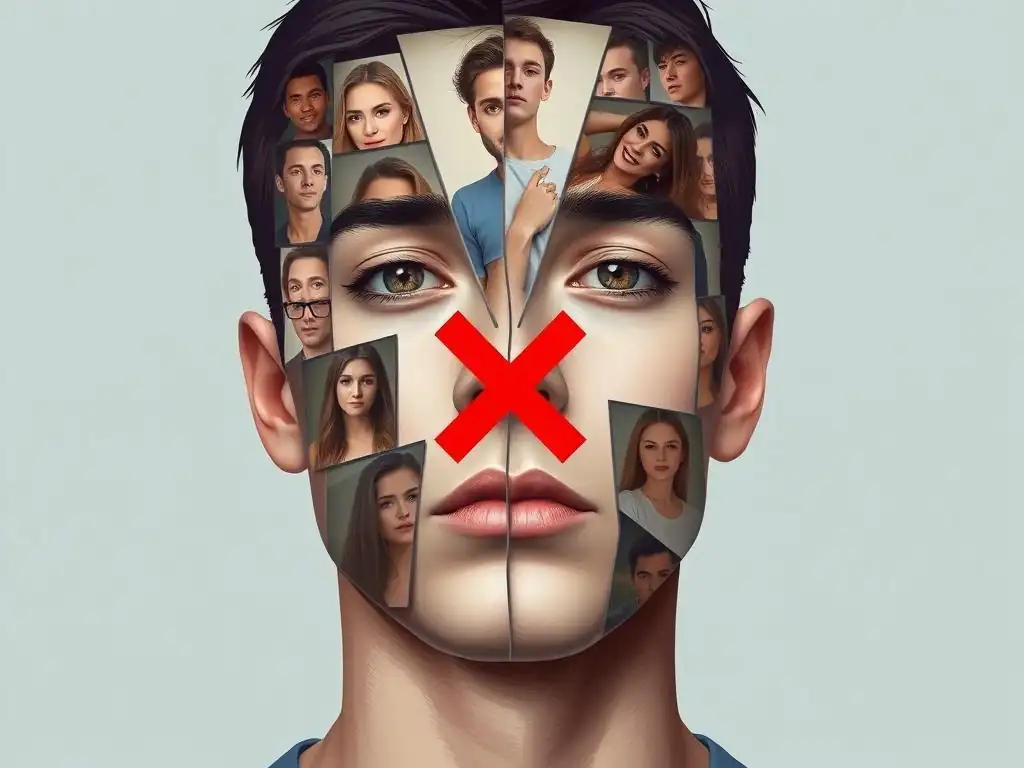
Reverse image search is a powerful tool in your arsenal against fake dating profiles, but it's not a foolproof solution. Many scammers are savvy enough to use slightly altered images or images not readily available online. Therefore, supplementing your reverse image searches with other verification methods is crucial for effective fake dating profile detection. This section will explore additional techniques to help you identify potentially fraudulent profiles and protect yourself from heartache. Remember, your safety and well-being are paramount.
Examining Profile Photos for Red Flags
A picture may be worth a thousand words, but a fake profile picture can tell you a whole lot more about a potential scammer. Pay close attention to details that might indicate manipulation or fakery.
Several key indicators should raise your suspicion:
- Too perfect: Unnaturally flawless photos, often with professional-quality lighting and posing, can be a red flag. Real people have blemishes, wrinkles, and imperfections. A picture that's too perfect often suggests a stock photo or a heavily edited image.
- Inconsistencies: Look for inconsistencies between multiple photos. For example, if someone has several photos, check for discrepancies in things like background, lighting, or even the person's appearance (hairstyle, clothing). Significant differences can hint at a fabricated profile.
- Photos from professional stock sites: Become familiar with common stock photo sites. Many scammers use images from these sites, which are easily identifiable through reverse image searches.
- Lack of variety: A profile with only one or two photos, especially those that are overly posed or glamorous, could indicate a lack of genuine content. Authentic profiles usually have a mix of casual and more formal pictures.
- Reverse image search limitations: Even if a reverse image search doesn't yield immediate results, don't dismiss the profile entirely. The image might have been slightly altered, or it might be a less-common image not indexed by major search engines. Use this as a reason to further investigate other aspects of the profile.
Analyzing Profile Biographies for Inconsistencies and Red Flags
The written content of a dating profile can reveal just as much, if not more, about its authenticity than the pictures. Examine the biography carefully for inconsistencies and red flags.
Here's what to look for:
- Generic language: Vague, overly positive, or cliché-filled bios often signal a lack of effort and could indicate a fake profile. Authentic profiles tend to be more specific and personal.
- Grammatical errors and inconsistencies: Frequent grammatical errors or inconsistencies in writing style can suggest the profile was hastily created or translated from another language.
- Unrealistic expectations: Bios that contain unrealistic expectations or promises (e.g., "looking for my soulmate," "I'm a successful entrepreneur with a big heart") should raise suspicion. Genuine individuals tend to be more realistic in their descriptions.
- Lack of detail: A profile lacking specific details about hobbies, interests, or daily life could indicate a lack of authenticity. Authentic profiles usually offer a glimpse into the individual's life and personality.
- Contradictions: Look for contradictions within the biography itself, or between the biography and other aspects of the profile (photos, age, location).
Consider the overall tone and style of the biography. Does it feel genuine and relatable, or forced and unnatural? Trust your instincts – if something feels off, it probably is.
Evaluating Communication Patterns for Deception
Even if a profile seems legitimate, communication patterns can expose a fake. Pay close attention to the way the person interacts with you.
Here are some warning signs:
- Pressuring for quick meetings: If someone pressures you to meet in person quickly, without taking the time to get to know you, it could be a red flag. Legitimate daters generally prefer to build a connection before meeting offline.
- Avoids video calls: A consistent refusal to engage in video calls despite your requests should raise suspicion. Scammers often avoid video calls because they cannot convincingly maintain a false identity.
- Inconsistent stories: Pay attention to inconsistencies in their stories or explanations. If their narratives change or don't add up, it might be a sign of deception.
- Overly romantic or flattering language: Excessive flattery or overly romantic language, especially early in the communication, can be a tactic used by scammers to gain your trust quickly.
- Requests for money or financial assistance: This is a clear sign of a scam. Legitimate daters will never ask for money or financial assistance.
Remember, your safety is paramount. If you encounter any of these red flags, trust your instincts and proceed with caution. Don't hesitate to report suspicious profiles to the dating platform. Using a combination of reverse image search and these additional techniques will significantly improve your chances of spotting fake profiles and protecting yourself from online dating scams.
Verifying a dating profile's authenticity often extends beyond a simple reverse image search. Cross-referencing information with social media platforms can provide a crucial second layer of verification, significantly enhancing your ability to spot fake profiles. This involves carefully examining the profile's claimed identity against their purported social media presence.
Inconsistencies are a major red flag. For example, if a profile claims to be a successful lawyer but their LinkedIn profile shows no professional experience, or their Facebook page shows a vastly different lifestyle than what's depicted on the dating app, this warrants further investigation. Remember, many scammers create elaborate fake personas, but inconsistencies often slip through the cracks.
A thorough social media check should involve more than just a cursory glance. Pay close attention to the details. Does the profile picture on the dating site match their profile pictures across various social media platforms? Do their posts and activity align with their stated profession and lifestyle?
Look for inconsistencies in age, location, or even the names of friends and family members mentioned. A discrepancy in any of this information could indicate a fabricated profile. Be mindful, however, that some individuals may maintain a different online persona across platforms—this isn't automatically a sign of a fake profile. The key is to look for significant and unexplained inconsistencies, rather than minor differences in presentation.
Furthermore, consider the age and activity of the social media accounts themselves. A newly created account with limited activity or engagement, particularly when linked to a dating profile claiming a long-term established identity, is suspicious. Established profiles usually have a history of activity, engagement, and connections. A lack of this history could suggest an attempt to build a false sense of credibility quickly. Remember that social media profiles aren't foolproof either.
Sophisticated scammers may create seemingly legitimate social media accounts to support their fake dating profiles. Therefore, while social media verification is an essential tool, it should be used in conjunction with other fake profile detection techniques for a more comprehensive approach. Always trust your intuition; if something feels off, it probably is. Prioritizing your safety and well-being is paramount.
Protecting Yourself from Online Dating Scams
This section focuses on proactive measures you can take to minimize your risk of encountering fake profiles and falling victim to online dating scams. Remember, prevention is key when it comes to online safety. While reverse image search is a powerful tool, it's just one piece of the puzzle. A multi-layered approach is far more effective in protecting yourself.
Implementing Safe Online Dating Practices
Beyond reverse image searching, several crucial practices significantly reduce your vulnerability to fake profiles and scams. These practices are not difficult to implement, but their consistent application can make a world of difference.
First, always be cautious. Don't rush into anything. Take your time getting to know someone online before sharing personal information or meeting in person. A scammer will often pressure you to move quickly, so resisting this pressure is a vital defense mechanism.
Second, verify information independently. Don't solely rely on what's presented on the profile. If someone claims to be a doctor, for example, try searching for their name and profession online to see if you can corroborate their claims. This applies to any profession or significant life detail they share.
Third, be wary of inconsistencies. Do their photos look professionally done or overly edited? Do their stories seem too good to be true? Do they avoid answering direct questions or provide vague answers? These are all red flags that could indicate a fake profile.
Fourth, limit personal information sharing. Never share sensitive details like your full address, social security number, or bank account information with someone you've only met online. Even seemingly harmless information could be used against you.
Finally, trust your instincts. If something feels off, it probably is. Don't hesitate to block and report a suspicious profile, even if you can't definitively prove it's fake. Your gut feeling is often a reliable indicator of potential danger. Remember, your safety and well-being are paramount.
Reporting Suspicious Profiles to the Dating Platform
If you suspect a profile is fake, reporting it to the dating platform is crucial. Most reputable platforms have robust reporting mechanisms in place to help identify and remove fraudulent accounts. Take advantage of these features. The more people report suspicious activity, the better the platform can protect its users.
The reporting process usually involves selecting a "report" or "flag" option on the profile in question. You'll often be given a selection of reasons for your report, such as "suspicious photos," "suspicious behavior," or "potential scam." Provide as much detail as possible in your report, including specific examples of why you believe the profile is fake.
This detailed information significantly aids the platform's investigation and removal process. The more evidence you provide, the higher the likelihood of the profile being removed and preventing others from falling victim to the same scam. This contributes directly to the overall improvement of online dating safety and the detection of fake dating profiles.
Think of reporting suspicious profiles as a form of community responsibility. By actively participating in this process, you help create a safer online dating environment for everyone.
Seeking Support and Resources if You've Been Scammed
Unfortunately, even with the best precautions, some individuals still fall victim to online dating scams. If you've been scammed, it's crucial to remember that you're not alone. Many resources are available to offer support and guidance during this difficult time.
First, contact the dating platform immediately. Inform them of the situation and provide any evidence you have. They may be able to assist in recovering lost funds or taking action against the scammer.
Second, report the scam to the appropriate authorities. This may include your local police department or the Federal Trade Commission (FTC). Providing them with as much detail as possible, including communication records and financial transactions, can help them investigate the scam and potentially bring the perpetrator to justice.
Third, seek emotional support. Being scammed can be emotionally devastating, so don't hesitate to reach out to friends, family, or a mental health professional for support. Talking about your experience can help you process your emotions and move forward. Remember, seeking help is a sign of strength, not weakness.
Finally, learn from the experience. Analyze what happened and identify areas where you could have been more cautious. Use this experience to improve your online safety practices and prevent future scams. While it’s painful, learning from the experience can empower you to navigate online dating with greater confidence and awareness. Remember, you are not responsible for the actions of a scammer; you are responsible for your own safety and well-being.
Frequently Asked Questions
How can I tell if a dating profile is fake?
There are several red flags, including inconsistent photos, lack of personal information, and suspiciously perfect profiles. Using a reverse image search is a great first step to verify profile pictures.
What is a reverse image search, and how does it help with fake dating profile detection?
A reverse image search uses a picture to find its origin and other places it appears online. This can reveal if a profile picture is stolen from another website or social media account, indicating a potentially fake profile.
Are all profiles with stock photos fake?
Not necessarily. Some people genuinely use stock photos, but it's a major red flag. If the profile lacks other details or seems otherwise suspicious, it warrants further investigation.
Besides reverse image searches, what other methods can I use to detect fake profiles?
Look for inconsistencies in their story, limited personal information, an excessive number of generic compliments, and requests for money or personal details early on. Be wary of profiles that seem "too good to be true."
What should I do if I suspect a dating profile is fake?
Report the profile to the dating site immediately. Block the user and avoid further contact. Do not share personal information or send money.
Final Reflection: The Enduring Fight Against Online Deception
The ease with which fake profiles proliferate online underscores a critical need for digital literacy and proactive safety measures. The rise of sophisticated deepfakes and AI-generated imagery only exacerbates the problem, making the simple act of verifying a profile picture a crucial first step in protecting ourselves from potential harm.
The pervasiveness of fake dating profiles speaks volumes about the anxieties and vulnerabilities inherent in online interactions. We crave connection, and this desire can make us susceptible to manipulation. The emotional toll of discovering a fabricated identity can be devastating, leaving lasting scars on trust and self-esteem. The internet is a powerful tool, but it's also a wild west. We need to be equipped with the tools to navigate it safely.
This quote highlights the importance of equipping ourselves with the knowledge and skills to protect ourselves in this increasingly complex digital landscape.
You now possess a powerful tool – the ability to reverse image search – to help you navigate the online dating world (and other online interactions) with greater confidence and safety. Take the time to verify profiles, not just relying on words and promises. Don't let the fear of rejection prevent you from taking proactive steps to protect yourself. Remember, your safety and well-being are paramount. Use this knowledge to build healthier, more authentic connections online, and empower yourself to create a safer digital experience for yourself and others.
Unmask the Truth: Take Control of Your Online Safety
Thank you for learning about protecting yourself from fake online profiles. We hope you feel empowered to navigate online dating with more confidence. Ready to apply what you've learned?
- Always perform a reverse image search on any profile that interests you. This is your most effective defense against deception. Don't skip this crucial step!
- Share this article with friends and family who also use online dating sites. Help spread awareness and keep everyone safer.
- Create a personalized online dating safety checklist—summarize what you've learned and adapt it to your own experiences.
Now, which dating profile will you investigate first?