Ethical Considerations in Online Dating
Navigating the digital dating landscape requires more than a great profile picture. At OnlineDatingSuccess.org, we believe that ethical behavior—rooted in honesty, respect, and empathy—is the foundation for meaningful connections. This category explores the moral dilemmas, safety practices, and mental health impacts of modern matchmaking. Whether you are new to apps or a seasoned swiper, understanding these principles will help you build healthier relationships while protecting yourself and others. Dive into our expert guidance on consent, bias, privacy, and algorithm awareness to become a more deliberate and responsible dater.
Addressing Bias and Discrimination in Dating Apps 🌍
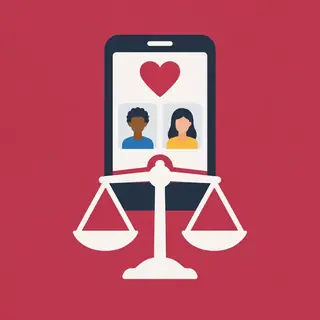
Dating apps are not neutral platforms; they often replicate societal biases around race, body type, age, and disability. This subcategory examines how filters, sorting algorithms, and user behavior can lead to exclusionary practices. You’ll learn how to recognize your own unconscious preferences, challenge discriminatory swiping patterns, and advocate for more inclusive app design. We also provide actionable steps to report racist or ableist content, ensuring that your online dating experience—and that of others—is respectful and equitable.
Expect concrete examples of algorithmic bias, such as “ethnic sorting” features, and practical scripts for confronting friends who express prejudiced views. By addressing these issues head-on, you contribute to a safer community where everyone has a fair chance at love. Remember, ethical dating starts with seeing the whole person, not a stereotype.
Consent and Online Dating: What it Looks Like 💬
Consent in online dating extends far beyond physical intimacy—it includes respectful conversation, sharing of photos, and even the pace of communication. This section defines enthusiastic, ongoing consent in a digital context, distinguishing it from assumed or coerced agreement. You’ll learn how to ask for consent before sexting, sending explicit images, or meeting in person, and how to gracefully accept a “no” without pressure or guilt.
We also cover red flags of consent violations, such as guilt-tripping after rejection or demanding personal details early on. Practical examples show you how to set boundaries clearly and how to check in with a match before escalating any interaction. Consent is not a one-time checkbox; it’s a continuous dialogue that builds trust and safety.
Responsible Use of Dating Apps for Mental Wellbeing 🧠
The dopamine-driven design of dating apps can lead to burnout, anxiety, and low self-esteem. Here, we explore how to use these platforms mindfully without letting them dominate your emotional state. You’ll discover strategies for setting time limits, curating your feed, and recognizing when a break is necessary. We also discuss the psychological impact of rejection, ghosting, and endless swiping, offering coping mechanisms grounded in self-compassion.
Expect guidance on creating a “digital detox” routine that still lets you stay active, plus tips for reframing matches as opportunities rather than validations. By prioritizing your mental health, you become a more present and genuine partner, reducing the likelihood of hostile or desperate interactions. Responsible usage means dating on your terms, not the algorithm’s.
The Ethics of Profile Curation vs. Misrepresentation 🎭
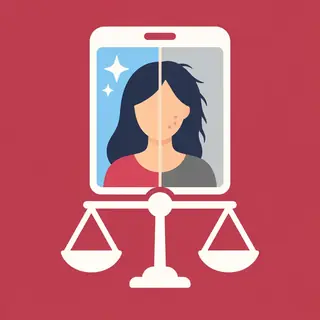
Crafting a profile involves highlighting your best traits, but where does self-promotion cross into deception? This subcategory breaks down the ethical line between flattering photos and outright filters, and between “slightly older” age ranges and lies. You’ll learn how to present yourself authentically while still showcasing your personality—without resorting to catfishing or exaggerated hobbies that waste everyone’s time.
We analyze common misrepresentations (height, income, relationship status) and their consequences on trust and first-date shock. Ethical curation means using accurate, recent photos and honest descriptions of your lifestyle. By being truthful from the start, you attract matches who appreciate the real you, leading to higher-quality connections and fewer painful surprises.
Honesty vs. Privacy in Online Dating 🤫
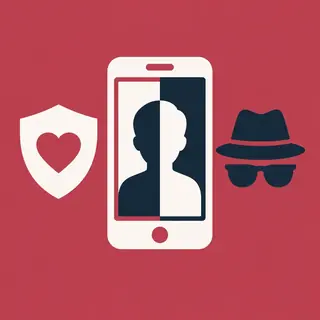
Striking the balance between openness and guarding your personal information is tricky. This section addresses what you should share early on (hobbies, core values) versus what to keep private (home address, workplace, financial details). Honesty does not mean full disclosure; it means being truthful about who you are while protecting your safety. We cover how to respond to probing questions and when to politely decline.
You’ll also learn about the ethics of “lying by omission,” such as not mentioning children or recent divorces until later. While privacy is your right, deliberate omission can feel deceptive. We offer a framework for deciding what to reveal and when, ensuring your dates feel respected without sacrificing your boundaries.
The Impact of Algorithms on Dating Choices 📊
Behind every swipe is an algorithm that learns your preferences and shapes your pool of potential partners. This subcategory demystifies how matching engines work—using your behavior, not your stated preferences, to rank profiles. You’ll understand the trade-offs of passive vs. active browsing, and how the system may reinforce “type” biases that limit your chances of meeting someone unexpected.
We discuss how to outsmart algorithms by varying your swiping patterns, clearing filters, and turning off location radius temporarily. More importantly, we examine the ethical responsibility of app designers to avoid manipulative dark patterns, such as hiding matches to keep you engaged. Awareness of these mechanics empowers you to make deliberate choices rather than automated ones.
The Future of Ethical Online Dating Practices 🔮
As technology evolves, so do the ethical challenges—from AI-generated profiles to deepfake videos and virtual reality dates. This forward-looking section explores emerging trends and proposes standards for transparency, verification, and user welfare. You’ll learn about current efforts to implement ID checks, photo proof, and “zero ghosting” policies, plus how you can support apps that prioritize ethics over engagement metrics.
Expect a discussion on the potential of blockchain-based reputation systems and voluntary “ethical dating” pledges. We also consider the role of regulators and user advocacy groups in holding platforms accountable. By staying informed, you help shape a future where online dating is safe, respectful, and genuinely fulfilling for all.
Frequently Asked Questions
How can I tell if a dating app is discriminating against me?
Monitor your match rates across different demographics you filter for. If you notice a systematic lack of matches from certain groups despite active use, the app may be using biased ranking signals. You can also read transparency reports or user reviews for complaints. Most importantly, adjust your own filters to be more inclusive and report any offensive content you encounter.
What is the best way to ask for consent before sexting?
Use direct, low-pressure language like, “I’m really enjoying our conversation—would you be comfortable if we talked about more intimate topics?” or “Can I send you a photo?” Make it clear that a “no” is perfectly fine. After sending, wait for a verbal acknowledgment before continuing. Avoid assuming that silence means yes, and always check in afterward to ensure they were comfortable.
Is it okay to lie about my height or age on my profile?
No, intentional misrepresentation violates the trust that online dating relies upon. Small exaggerations like adding an inch might seem harmless, but they set a precedent for dishonesty. When you meet in person, the discrepancy will likely be noticed and cause hurt feelings. Present your accurate stats—confidence and honesty are far more attractive than inflated numbers.
How do I balance privacy with honesty in early conversations?
Share your hobbies, values, and general life situation honestly, but delay revealing your workplace, home address, or financial specifics until trust builds. If asked for private details, say, “I prefer to keep that private for now—I’m happy to talk about it once we know each other better.” This is honest because you’re not lying; you’re setting a boundary.
Can I outsmart a dating app’s algorithm to get better matches?
Yes, vary your swiping behavior by occasionally swiping right on profiles outside your usual type, clearing all filters, and logging in at different times. Don’t overuse the app daily, as the algorithm may push your profile down to increase retention. Also, complete your bio fully and connect your Instagram—these signals often boost your visibility.