The Authentic Attraction: Why Your True Self Is Your Best Asset Online
😊 Ditch the filters and embrace authenticity! This article reveals why genuine self-expression is key to online dating success. Discover powerful online…
Read article
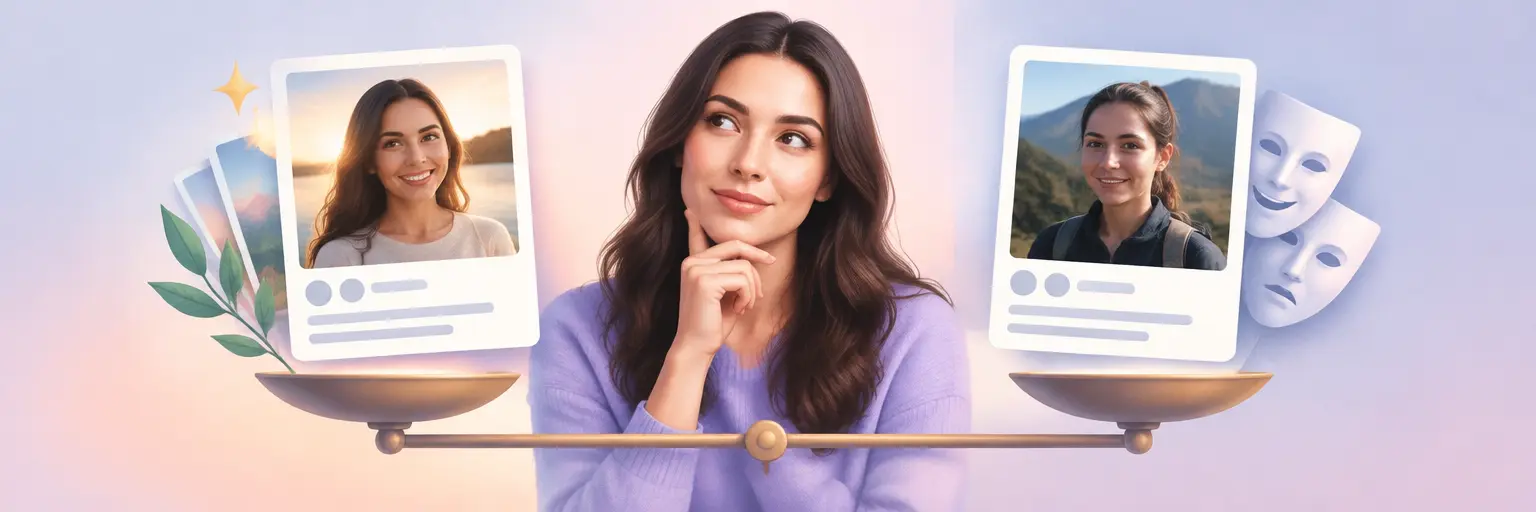
Crafting an online dating profile is your digital first impression, but where do you draw the line between putting your best foot forward and outright deception? Profile curation is the art of highlighting your genuine strengths—choosing flattering photos and sharing your authentic passions—while misrepresentation crosses into fabricating details, using outdated images, or hiding significant aspects of your life. The ethical sweet spot lies in strategic honesty: showcasing your true self in the most appealing light without distorting reality. 🎭 Success in online dating hinges on trust, and studies show that 70% of daters feel deceived when a profile exaggerates physical appearance—a betrayal that erodes connection before a first coffee. Instead, focus on authentic storytelling: mention your love for hiking if you genuinely hit the trails, rather than claiming athleticism you don’t practice. Remember, the goal is to attract someone who values the real you, not a phantom. Ethical curation boosts your long-term match quality, reduces awkward in-person surprises, and builds a foundation of mutual respect. Need help balancing polish with transparency?

😊 Ditch the filters and embrace authenticity! This article reveals why genuine self-expression is key to online dating success. Discover powerful online…
Read article
😊 Authenticity in online dating isn't just morally right; it's strategically brilliant. Genuine self-expression attracts compatible partners, fostering deeper connections and more…
Read article
🤔 Tired of catfishing and fake profiles? Our guide, "The Honesty Pledge," reveals how to craft an Authenticity online dating profile that…
Read article
🤔 Tired of dating deception? Our guide offers honest online dating profile tips to foster genuine connections. Learn how transparency and authenticity…
Read article
😊 In the competitive world of online dating, honesty is your secret weapon. A truthful profile boosts your chances of success; authenticity…
Read article
🤔 Navigate the world of online dating with confidence and integrity. This article provides ethical online dating advice, empowering you to build…
Read article
🤔 Crafting an authentic online dating profile is key. Authenticity attracts genuine connections, while a facade repels potential partners. Learn how to…
Read article
😊 In today's online dating world, authenticity reigns supreme. This article reveals how honest online dating profile tips translate to increased attraction…
Read article
🤔 Tired of catfishing and misleading profiles? Our guide offers honest online dating profile tips to help you build authenticity, attract genuine…
Read article
😊 Ditch the filters! Online dating authentic profile tips: Embrace your imperfections. Authenticity attracts the right person—someone who loves you, flaws and…
Read article
🤔 Authenticity attracts! Learn how ethical online dating profile enhancements can boost your profile without misrepresentation. Discover responsible ways to use filters…
Read article
🤔 In online dating, building trust is paramount. A strong profile showcasing authenticity is key. Effective communication and safety measures foster trust,…
Read articleIn the digital dating landscape, your profile is your first impression—a carefully crafted snapshot of who you are. But where does honest self-presentation end and deceptive misrepresentation begin? This subcategory explores the moral fine line between showcasing your best self and crossing into territory that undermines trust, authenticity, and long-term relationship success. For users of OnlineDatingSuccess.org, mastering this balance isn’t just ethical; it’s strategic. Profiles that ring true attract compatible matches, while exaggerated ones often lead to disappointment, ghosting, or outright rejection.
Understanding why you curate is the first ethical checkpoint. Most people naturally highlight positive traits—using flattering angles, selecting your most adventurous photos, or emphasizing your humor. This is healthy self-marketing, akin to dressing well for a first date. However, when enhancement slips into fabrication—using decade-old photos, listing a fake job title, or claiming hobbies you’ve never tried—you’re setting a trap for both yourself and your match. Research shows that perceived misrepresentation directly correlates with lower trust and faster relationship dissolution once discovered.
Ethical curation isn’t about perfection; it’s about strategic authenticity. Choose photos from the last six months, describe your lifestyle honestly but with enthusiasm, and let your quirks shine. The goal is to attract someone who appreciates the real you, not a fantasy that will crumble upon meeting. Remember, online dating success thrives on connection, and connection is built on a foundation of credible self-presentation.
Recognizing the slippery slope is crucial. Deceptive practices include catfishing (using someone else’s identity), significantly altering your age, marital status, or income, and misrepresenting your physical appearance through extreme filters or outdated images. These actions are rarely harmless—they waste another person’s time, emotional energy, and sometimes financial resources. Even “small” lies, like claiming you’re 5’10” when you’re 5’7”, signal a willingness to deceive, which is a major relational red flag.
Another subtle but common issue is omission. For instance, failing to mention you have children, are recently divorced, or live far away is a passive form of misrepresentation. While you don’t need to list every detail upfront, withholding foundational facts that would affect a match’s decision to proceed is ethically questionable. Clear, early disclosure on key deal-breakers demonstrates respect for the other person’s autonomy and reduces the likelihood of painful surprises later.
Effective profile curation is an art. Start by listing your non-negotiable values and interests, then find truthful, compelling ways to express them. Use specific anecdotes over generic adjectives—instead of saying “I love travel,” mention “I’m planning a solo trek through Patagonia next spring.” This adds depth without exaggeration. For photos, include a mix of close-ups, full-body shots, and candid moments, all from the last year. This demonstrates confidence in your present self while giving viewers a realistic sense of your appearance and lifestyle.
Language matters too. Avoid superlatives like “always” or “never” unless they’re genuinely true. When writing your bio, read it aloud and ask: “Would my best friend recognize me from this?” If not, revise. Ethical curation also means being open to feedback—if a date says your profile didn’t match reality, listen with curiosity, not defensiveness. Continuous self-reflection keeps your presentation aligned with who you actually are, fostering healthier matches from the start.
Deception doesn’t just harm the person deceived—it degrades your own dating outcomes. When you misrepresent yourself, you attract matches based on a false premise. This leads to mismatched expectations, awkward first dates, and high levels of both parties’ disappointment. For example, if you claim to be an avid hiker but actually prefer lounging, you’ll attract outdoor enthusiasts who’ll feel cheated when you cancel hiking dates. This cycle often results in repeated failed connections and growing frustration with online dating.
Conversely, honest curation attracts higher-quality, more compatible partners. People who appreciate your true self are more likely to engage in meaningful conversations, show empathy, and invest in the relationship. While being authentic might reduce the sheer volume of matches, the quality and conversion rate—from message to date to relationship—improves dramatically. In the long run, ethical profiles save you time, energy, and heartbreak, making you more successful in building lasting partnerships.
To stay on the right side of the line, adopt a “truthful but polished” policy. Review your profile monthly to ensure details remain accurate—your job, city, living situation, and relationship goals can change. When uploading photos, ask: “Could a friend confirm this is me within the past year?” If uncertain, replace it. Use filters minimally; a subtle brightness tweak is fine, but skin-smoothing or face-altering apps cross into misrepresentation. Also, be transparent about your dating intentions—whether seeking casual or serious—to avoid bait-and-switch scenarios.
Another guideline is to disclose major life factors early, but tactfully. You don’t need to reveal your entire life story in the first message, but mentioning key aspects (e.g., “I have two kids from a previous marriage” or “I’m currently in a career transition”) in your profile or initial conversation sets a tone of honesty. Finally, consider using video calls before meeting in person—this offers a real-time glimpse that reduces the chance of surprises and reinforces your genuine presentation.
Yes, especially if the photo is more than a year old and your appearance has changed significantly. While everyone wants to look good, posting outdated images misleads potential matches about your current appearance. The ethical approach is to use recent photos that accurately represent your present self, even if they’re slightly less flattering. This builds trust and prevents awkward encounters where a match feels tricked upon meeting you.
No, you don’t need to advertise every imperfection—that’s not what authenticity means. Ethical curation involves highlighting your strengths while remaining truthful about key facts and deal-breakers. It’s perfectly acceptable to omit trivial details like a messy apartment or a minor hobby you don’t pursue often. Focus on being honest about your identity, values, appearance, and lifestyle, not on self-deprecation.
Trust your instincts. If their photos seem overly edited, their stories don’t add up, or they avoid video calls, gently ask clarifying questions. For example, “Your profile says you’re a pilot—what’s the most interesting route you’ve flown?” If answers remain vague, consider ending the conversation. You’re not obligated to continue with someone who violates your ethical standards; prioritize your safety and peace of mind.
In rare cases, people misrepresent to protect their privacy or safety, such as using a nickname instead of a full legal name. However, deception about core attributes like age, appearance, marital status, or intentions is never justified. Such lies undermine the entire purpose of connecting with someone authentically. If you feel you must lie, it’s a sign your profile needs revision, not your integrity.
Ask a close friend to review your profile and give honest feedback. Often, we develop blind spots about how we present ourselves online. Additionally, after a few dates, ask for gentle, anonymous feedback via the dating app’s “report” feature or a mutual connection. If multiple people mention discrepancies, it’s time to revise. Regular self-assessment keeps your profile aligned with your true self.