
Protecting Your Privacy: The Future of Secure Online Dating

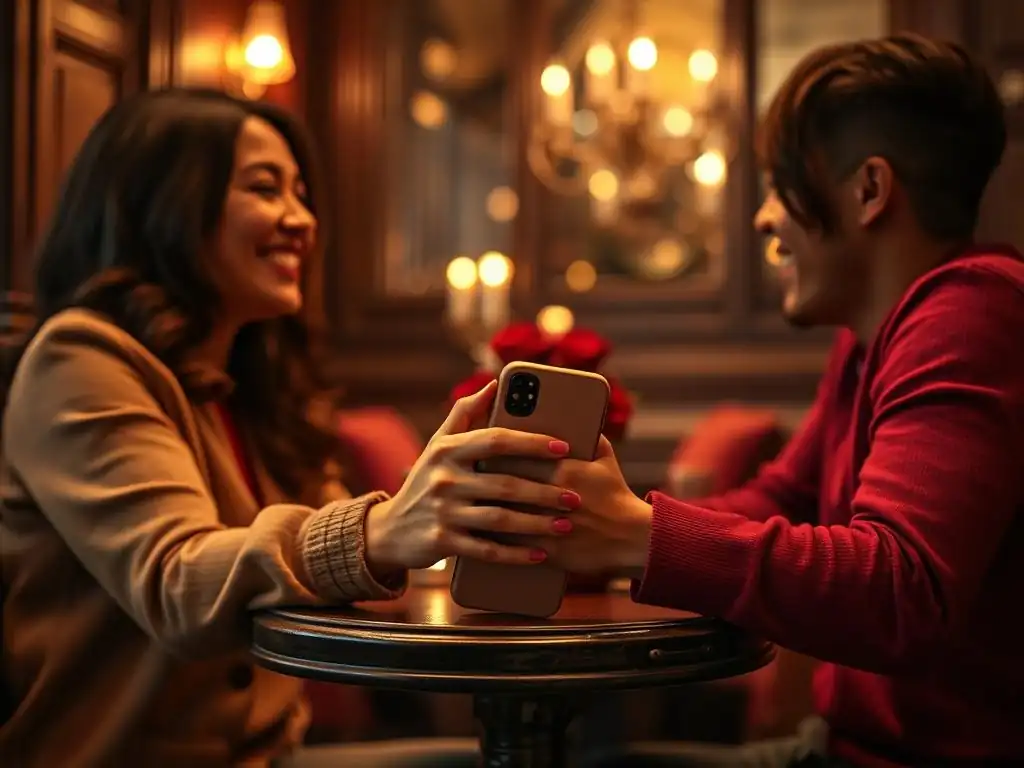
Welcome to OnlineDatingSuccess.org, your guide to navigating the exciting yet complex world of online dating! Are you ready to unlock your dating potential but concerned about online safety? We understand. That's why we've dedicated ourselves to providing practical advice and actionable strategies for building meaningful connections while prioritizing your well-being. Discover essential online dating privacy safety tips in our latest article, "Protecting Your Privacy: The Future of Secure Online Dating," and learn how to confidently create a safe and successful online dating experience. Let's begin your journey to finding genuine connections—securely!
- Understanding Online Dating Privacy Risks
- Enhancing Your Online Dating Privacy Settings
- Best Practices for Safe Online Dating
- The Future of Secure Online Dating: Emerging Technologies
- Staying Ahead of the Curve: Continuous Learning and Awareness
-
Frequently Asked Questions
- How can I protect my personal information on dating apps?
- What are some red flags to watch out for regarding online dating safety?
- How can I verify the authenticity of someone's profile on a dating site?
- What steps should I take to maintain my privacy while using online dating sites?
- Are there any resources available to help me stay safe while online dating?
- Final Reflection: Navigating Love and Security in the Digital Age
- Secure Your Love Life: Take Control of Your Online Privacy Now!
Understanding Online Dating Privacy Risks
Navigating the exciting world of online dating requires a keen awareness of potential privacy risks. The digital landscape, while offering incredible opportunities to connect with others, also presents unique challenges to protecting your personal information. This article delves into the crucial aspects of online dating privacy and safety, offering practical tips to help you build meaningful connections while safeguarding your identity and personal data.
Understanding the potential threats and implementing preventative measures is key to ensuring a positive and secure online dating experience. We'll explore various strategies for protecting your privacy, from securing your personal information to sharing photos responsibly, ultimately empowering you to take control of your online safety and build a more ethical and secure dating journey.
This is especially critical given the increasing sophistication of online scams and data breaches targeting dating platforms. The future of ethical online dating hinges on responsible practices and proactive measures from users themselves, making this information not just relevant, but essential.
Data Breaches and Identity Theft in Online Dating
Data breaches are a significant concern in the online dating world. Millions of user profiles are stored on dating platforms, containing sensitive personal information like names, ages, locations, and even financial details (depending on the platform's payment methods). A single security lapse can expose this information to malicious actors, leading to identity theft, financial fraud, and even harassment.
For example, a 2022 report [specific information pending] highlighted a significant increase in data breaches targeting smaller, less secure dating apps. These breaches often result in the leak of personal data which is then used for various illegal activities. The emotional distress caused by such incidents can be considerable, extending beyond the immediate financial implications.
Protecting yourself requires understanding the inherent risks and choosing platforms with strong security protocols and transparent privacy policies. It is crucial to regularly review your privacy settings and be aware of any suspicious activity on your accounts. The consequences of a data breach can be severe, emphasizing the importance of proactive security measures.
Protecting Your Personal Information: Email, Phone Number, and Address
Sharing personal details like your email address, phone number, and home address on dating profiles requires careful consideration. While some information might be necessary for communication, oversharing can increase your vulnerability to scams, stalking, and harassment. Consider using a dedicated email address for online dating, separate from your personal or work email, to limit the risk of spam and unwanted contact.
Similarly, avoid sharing your full phone number immediately; instead, use the platform's internal messaging system initially. Sharing your home address should be avoided altogether until you have established trust and met in person in a safe, public place. Remember, a scammer can use seemingly innocuous information to piece together a more complete picture of your life, potentially leading to serious consequences.
Prioritizing your safety and privacy means being cautious about the information you disclose, even seemingly harmless details. A gradual approach to sharing personal information is always recommended, building trust and security before revealing sensitive details.
Photos are a crucial part of online dating profiles, helping you showcase your personality and attract potential matches. However, sharing photos online carries inherent risks. Avoid posting photos that reveal too much personal information, such as images showing your house number, workplace, or frequent locations. Using photos that are easily searchable online, such as those already posted on social media, can also increase your vulnerability.
Be mindful of the background in your photos and ensure they don't inadvertently reveal sensitive information about your life. Consider using photos that are specific to online dating, avoiding images that could be easily found elsewhere online. Furthermore, be wary of individuals who request explicit photos or pressure you to share more personal images than you are comfortable with.
This is a clear red flag and should be addressed immediately. Protecting your image online is as important as protecting your personal information; responsible photo sharing contributes significantly to a safer online dating experience. Remember, your safety and comfort are paramount.
Location Privacy and Geotagging Concerns on Dating Apps
Dating apps often rely on location services to connect users in close proximity. This functionality, while convenient for finding nearby matches, presents significant privacy risks. The precise location data shared with the app can be exploited in several ways. For instance, a malicious actor could use this information to stalk or harass a user, knowing their home address or regular haunts. Even seemingly innocuous features, such as displaying a user's general location on a map, can compromise their safety. A user might inadvertently reveal their workplace or other sensitive locations to potential matches they haven't vetted thoroughly.
The problem is compounded by the fact that many users are unaware of the extent of location data being collected and shared. App privacy policies often contain complex legal jargon that is difficult for the average person to understand, making it challenging to assess the true implications of granting location access. Furthermore, the level of transparency varies significantly across different dating apps, with some providing clearer explanations than others. This lack of consistency makes it difficult for users to make informed decisions about their privacy settings.
It's crucial to carefully review the privacy settings of any dating app before providing location access. Many apps allow users to limit the precision of their location data, sharing only a broader geographical area instead of their exact coordinates. Users should also be mindful of the information they share in their profiles, avoiding details that could easily be used to pinpoint their location, such as mentioning specific landmarks or businesses. Remember, even seemingly harmless details can, when combined with location data, expose you to unnecessary risks. Being proactive about managing your location settings is a vital step in protecting your online dating privacy.
Consider the potential consequences of sharing your exact location with strangers before granting access. The peace of mind gained from prioritizing privacy far outweighs the minor convenience of hyper-precise location-based matching. Think carefully before sharing your location – your safety depends on it! 🕵️♀️
Enhancing Your Online Dating Privacy Settings

This section delves into practical strategies for bolstering your privacy while navigating the world of online dating. Protecting your personal information is paramount, and understanding the tools available to you is the first step towards safer and more secure online interactions. We'll explore specific privacy settings and security features to help you maintain control over your data and minimize risks. Remember, proactive privacy management is key to a positive online dating experience. This is crucial for your online dating privacy safety tips strategy.
Privacy Settings on Popular Dating Apps: Tinder, Bumble, Hinge
Understanding the privacy settings within popular dating apps is critical. Each platform offers a range of customization options, allowing you to tailor your profile visibility and control the information shared with potential matches. Let's examine some key settings:
- Tinder: Tinder allows you to control who can see your profile. You can choose to only show your profile to people who you've already liked. You can also control your distance settings, limiting the range within which your profile appears to other users. Furthermore, Tinder offers a "Show Me on Tinder" setting, enabling you to temporarily pause your profile visibility. Regularly reviewing and adjusting these settings is a crucial part of responsible online dating.
- Bumble: Similar to Tinder, Bumble provides options to control your profile's visibility and discovery. You can manage your distance settings, and choose to only appear to people you've already connected with. Bumble also offers a "Travel Mode" feature which allows you to temporarily change your location settings, useful for those who travel frequently and wish to maintain privacy while exploring new dating pools. Keeping your Bumble profile updated reflects your dedication to online dating privacy safety tips.
- Hinge: Hinge emphasizes meaningful connections, and its privacy settings reflect this. You can control who can see your profile, including the ability to limit visibility to only people you've liked or interacted with. Hinge also allows you to control the information displayed on your profile, allowing you to selectively share details you feel comfortable revealing. This granular control is a significant advantage for users prioritizing online dating privacy safety tips.
Remember to check the privacy settings on each app periodically, as updates and changes may occur. Staying informed and actively managing your privacy settings is a continuous process.
Managing App Permissions: Access to Contacts, Location, and Photos
Many dating apps request access to your contacts, location, and photos. While these permissions often facilitate the app's functionality, granting unrestricted access can compromise your privacy. Carefully consider the implications before granting such permissions.
- Contacts: Allowing access to your contacts allows the app to identify mutual connections, which can be helpful but also raises privacy concerns. If you're uncomfortable sharing your entire contact list, it's best to deny this permission. Consider the potential security implications before granting access.
- Location: Precise location sharing can be a significant privacy risk. While some apps use location to suggest nearby matches, oversharing your location can make you vulnerable. Consider using the app's least precise location settings, or only sharing your location when actively using the app. This is a key component of online dating privacy safety tips.
- Photos: Granting access to your photos allows the app to utilize your images for your profile. However, be mindful of the app's terms of service regarding the use and storage of your photos. Ensure the app has strong security measures in place to protect your images from unauthorized access or misuse.
Consider the trade-offs between app functionality and privacy. If an app requires excessive permissions, carefully weigh the benefits against the potential risks to your personal information.
Two-Factor Authentication (2FA) for Enhanced Security
Two-factor authentication (2FA) adds an extra layer of security to your online dating accounts. This method typically involves verifying your identity using a second factor, such as a code sent to your phone or email, in addition to your password. This significantly reduces the risk of unauthorized access, even if your password is compromised.
Enabling 2FA is a simple yet highly effective way to enhance your online dating security. Most dating apps offer 2FA as an option within their security settings. Look for this feature and enable it immediately. This is a crucial part of any comprehensive strategy for online dating privacy safety tips. Actively monitoring your account activity and reporting any suspicious behavior is also recommended. The proactive approach to security is invaluable in the ever-evolving landscape of online dating.
Regular Password Updates and Strong Password Practices
Regularly updating your passwords is crucial for maintaining online dating privacy. Think of your passwords as the keys to your digital life; changing them frequently minimizes the risk of unauthorized access, even if a breach occurs elsewhere. Aim to update your passwords at least every three months, or even more frequently if you suspect any compromise. This simple act significantly reduces the window of opportunity for malicious actors. Remember, using the same password across multiple platforms is a major security vulnerability. If one platform is compromised, all your accounts are at risk.
Beyond frequency, the strength of your password is paramount. Avoid easily guessable passwords like birthdays, pet names, or sequential numbers. Instead, opt for complex passwords that combine uppercase and lowercase letters, numbers, and symbols. A strong password should be at least 12 characters long, and ideally longer.
Consider using a password manager to generate and securely store complex passwords for each of your online dating profiles and other online accounts. These tools not only create strong passwords for you but also help you avoid the temptation of reusing passwords. Many password managers offer features like two-factor authentication (2FA), adding an extra layer of security to your accounts. Investing in a reputable password manager is a worthwhile investment in your online safety and privacy.
Think of it as an insurance policy against potential data breaches and identity theft. Remember, a strong, regularly updated password is your first line of defense against unwanted access to your personal information on online dating platforms. Neglecting this critical aspect significantly increases your vulnerability.
Consider using a passphrase instead of a password. A passphrase is a longer string of words that are easier to remember but significantly harder to crack than a shorter password. For example, instead of "P@$$wOrd123", you could use "MyFavoriteBookIsTheHobbit1937". The added length and complexity make it much more resistant to brute-force attacks. However, even with a strong passphrase, regular updates remain essential for maintaining optimal security.
Best Practices for Safe Online Dating
This section delves into practical strategies for enhancing your online dating safety and privacy. Navigating the digital world of romance requires vigilance, and implementing these best practices will significantly reduce your risk. Remember, your safety and well-being are paramount. We'll explore crucial steps to protect your personal information and build trust in the online dating sphere. The goal is to enjoy the experience while minimizing potential threats. Let's examine some key areas:
Verifying Profiles and Identifying Potential Scammers
One of the most important aspects of online dating safety revolves around verifying the authenticity of profiles. Many platforms offer features to help you do this, but active vigilance is key. Scammers often employ sophisticated techniques to create convincing fake profiles. Therefore, being proactive is crucial for protecting yourself.
Several red flags can indicate a potentially fake profile. These include:
- Photos that are too perfect: Professional-looking photos with unrealistic lighting or overly polished appearances can be a warning sign. Be wary of profiles with only one or two pictures, especially if they’re all professionally taken.
- Inconsistent information: Check for contradictions in the profile information. Does the age, location, or profession match up with other details? Discrepancies can be a sign of deception.
- Vague or generic descriptions: Profiles lacking specific details or filled with clichés might be masking a lack of authenticity. Look for profiles that provide concrete examples and specific interests.
- Requests for money or financial assistance: This is a major red flag. Legitimate daters will not ask for money early in the relationship. Report such profiles immediately to the dating platform.
- Overly enthusiastic or intense communication: Be cautious of individuals who express intense feelings or make grand promises early on. This could be a tactic to manipulate you.
Remember, if something feels off, trust your instincts. It's always better to err on the side of caution. By carefully scrutinizing profiles and being aware of these warning signs, you can significantly reduce your chances of encountering a scammer. Take your time, don't rush into anything, and always verify information when possible.
Communicating Safely: Avoiding Sharing Sensitive Information Early On
Protecting your personal information is vital during the initial stages of online dating. Avoid sharing sensitive details, such as your full address, workplace, or financial information, until you've met in person and established a level of trust. Even then, proceed cautiously.
Here's a breakdown of what to avoid sharing early on:
- Full address: Never disclose your full address in online communications. Meet in public places for initial dates.
- Workplace information: Sharing your workplace can compromise your safety and privacy.
- Financial details: Never share bank account information, credit card numbers, or other financial details.
- Social Security number: This is highly sensitive information and should never be shared online.
- Family details: While sharing some information about your family is fine, avoid revealing excessively personal details, especially about children.
Instead of sharing precise details, you can utilize more general descriptions. For example, instead of stating your exact location, you might say, "I live in the [city/region] area." This allows you to maintain a sense of privacy while still engaging in conversation. Remember, building trust takes time; don't rush the process. Prioritize your safety and security.
Meeting in Public Places for First Dates: Safety Precautions
Meeting in person for the first time can be exciting, but safety should always be your top priority. Always choose a well-lit, public place for your first date. This allows you to maintain control and ensures that others are nearby if needed. Let a friend or family member know where you're going, who you're meeting, and when you expect to be back.
Here are some additional safety precautions to consider:
- Choose a well-populated, public place: A busy restaurant, coffee shop, or park during the day are good options. Avoid secluded areas.
- Plan your own transportation: Avoid having your date pick you up, especially for the first meeting. This allows you to leave whenever you feel uncomfortable.
- Tell someone your plans: Inform a trusted friend or family member about your date, including the location, time, and the person's name and contact information.
- Have an exit strategy: Plan a way to leave discreetly if you feel uneasy. Have a friend call you with a fake emergency, or have a prearranged signal with a friend to indicate that you need help.
- Trust your instincts: If something feels wrong, don't hesitate to leave. Your safety is more important than politeness.
Remember, a safe and enjoyable online dating experience is possible with careful planning and awareness. By taking these precautions, you can significantly improve your safety and enjoy the experience without compromising your personal information or security. Always prioritize your well-being and trust your intuition.
Online Dating Privacy Safety Tips: Protecting Yourself from Online Harassment
Online harassment is a serious concern in the world of online dating, and unfortunately, it's a risk many users face. Protecting yourself requires a multi-faceted approach, combining proactive measures with reactive strategies. Understanding the various forms harassment can take is the first step towards building a safer online dating experience. This can range from subtle, persistent messaging that makes you uncomfortable, to outright threats and abusive language. Remember that even seemingly innocuous comments can escalate into harassment if ignored or dismissed. Your safety and well-being are paramount.
One crucial aspect of online dating privacy safety is carefully controlling what personal information you share. Avoid divulging your full name, address, workplace, or other identifying details until you've established trust with someone. Even then, proceed with caution. Sharing too much too soon can make you vulnerable to stalking or other forms of harassment. Consider using a different phone number or email address specifically for online dating to further protect your privacy. This creates a layer of separation between your personal life and your online dating profile.
Many platforms offer privacy settings that allow you to control who can see your profile, message you, or access your information. Take advantage of these features! Carefully review the privacy settings of each dating app or website you use and adjust them to your comfort level. This is a proactive step that significantly minimizes the risk of unwanted contact. Regularly checking and updating these settings ensures you maintain control over your online presence and helps prevent unwanted attention.
If you experience online harassment, document everything. Save screenshots of messages, emails, and any other evidence of abusive behavior. This documentation is crucial if you decide to report the harassment to the dating platform or law enforcement. Reporting incidents not only protects you but also helps create a safer environment for other users. Most reputable dating sites have clear reporting mechanisms in place; utilize them.
Finally, remember that you are not alone. If you are experiencing online harassment, reach out to friends, family, or a support group. Talking about your experiences can be incredibly helpful and empowering. There are also numerous resources available online and offline that can provide guidance and support. Prioritizing your mental and emotional well-being is just as important as protecting your personal information. Remember, your safety and peace of mind are paramount. Taking proactive steps to protect your privacy and knowing how to respond to harassment can significantly improve your online dating experience.
The Future of Secure Online Dating: Emerging Technologies
The landscape of online dating is rapidly evolving, demanding innovative solutions to address growing privacy concerns. The increasing prevalence of data breaches and scams necessitates a proactive approach to safeguarding user information and fostering trust. This section explores emerging technologies poised to revolutionize online dating privacy and safety, offering users a more secure and ethical experience. We'll examine how these technologies are contributing to the evolution of "online dating privacy safety tips" and shaping the future of secure online dating.
Blockchain Technology and Data Encryption for Enhanced Privacy
Blockchain technology, known for its decentralized and secure nature, offers a promising solution for enhancing user privacy in online dating. Imagine a system where user data isn't stored centrally on a vulnerable server, but rather distributed across a network of nodes. This significantly reduces the risk of large-scale data breaches. Furthermore, cryptographic techniques like end-to-end encryption can protect sensitive information exchanged between users, ensuring confidentiality.
This approach is not without its challenges. Implementing blockchain technology requires significant technical expertise and investment. Scalability and transaction speed can also be limiting factors. However, ongoing research and development are addressing these issues, making blockchain a viable option for a more secure future of online dating. For example, some platforms are exploring the use of blockchain to verify user identities and prevent the creation of fake profiles, a major source of concern for many users. This contributes directly to improved "online dating privacy safety tips" by making it harder for malicious actors to operate.
AI-Powered Scam Detection and Profile Verification Systems
Artificial intelligence (AI) is playing an increasingly important role in combating fraudulent activities and enhancing profile verification in online dating. AI algorithms can analyze user profiles, communication patterns, and other data points to identify potential scams and fake accounts with remarkable accuracy. These systems can flag suspicious behavior, such as unusual messaging patterns or requests for financial assistance, alerting users and platform administrators to potential threats.
Beyond scam detection, AI can also assist in verifying user identities. By cross-referencing profile information with other publicly available data, AI systems can help confirm the authenticity of user details, reducing the risk of catfishing and other deceptive practices. The development and implementation of these AI-powered systems are critical for improving online dating safety and building trust amongst users. The constant improvement of these algorithms directly impacts the effectiveness of "online dating privacy safety tips" by providing real-time protection. For instance, AI could analyze images for inconsistencies or signs of manipulation, significantly improving profile verification accuracy.
Anonymous Communication Protocols for Secure Messaging
Anonymous communication protocols, such as those based on the principles of onion routing, can provide a higher level of privacy for users exchanging messages within online dating platforms. These protocols mask the IP addresses and other identifying information of users, making it more difficult to track their communication patterns.
While offering significant privacy benefits, anonymous communication protocols also present challenges. They can be computationally intensive, potentially slowing down message delivery. Furthermore, the anonymity they provide can be exploited by malicious actors, making it more challenging to identify and prevent abusive behavior. Therefore, striking a balance between privacy and security is crucial.
Careful consideration of the implementation and oversight of these protocols is essential to maximizing their benefits while minimizing potential risks. The development and implementation of robust anonymous communication protocols are key elements in refining "online dating privacy safety tips" and protecting users in the digital realm. A thoughtful approach can ensure safe and private communication without sacrificing accountability.
Decentralized Dating Platforms: Fostering User Control and Privacy
Decentralized dating platforms represent a significant shift in how online dating prioritizes user privacy and data control. Unlike traditional centralized platforms, which hold vast amounts of user data on their servers, decentralized platforms leverage blockchain technology and distributed ledger systems. This means user data isn't stored in a single, vulnerable location, reducing the risk of large-scale data breaches and unauthorized access. Users gain greater control over their personal information, deciding what data to share and with whom. This enhanced transparency and user agency are key benefits in the pursuit of online dating privacy safety tips.
The shift towards decentralization offers several advantages for users concerned about their online dating privacy. For example, users can encrypt their personal data, making it unreadable without the correct decryption key, thus safeguarding sensitive information like photos and contact details. Furthermore, the immutable nature of blockchain technology ensures that once data is recorded, it cannot be easily altered or deleted without detection, providing an additional layer of security and accountability.
This is a crucial aspect in building trust and fostering safer online interactions. The ability to verify the authenticity of profiles, through verifiable credentials stored on the blockchain, also helps combat the issue of fake profiles, a significant concern for many online daters. This contributes directly to the overall safety and security of the online dating experience.
However, the adoption of decentralized dating platforms is not without its challenges. The technical complexity of blockchain technology can present a barrier to entry for both users and developers. User education and intuitive interface design are critical for widespread adoption.
Furthermore, the scalability of decentralized systems remains a concern, as handling a large number of users and transactions efficiently requires significant technical advancements. The lack of regulation and standardization in the decentralized dating space also poses challenges, potentially leading to inconsistencies in data privacy and security practices across different platforms. Addressing these challenges will be crucial in ensuring the successful and widespread implementation of decentralized platforms as a solution for enhanced online dating privacy.
This necessitates a collaborative effort between developers, policymakers, and users to establish clear guidelines and best practices for data privacy and security within the decentralized dating ecosystem. Ultimately, the success of this technology hinges on its ability to deliver a user-friendly and secure experience that effectively addresses the concerns surrounding online dating privacy safety tips.
Staying Ahead of the Curve: Continuous Learning and Awareness
Staying informed is crucial for navigating the ever-evolving landscape of online dating and maintaining your privacy. The threat landscape is dynamic; new scams and privacy breaches emerge constantly. Therefore, proactive learning is not a one-time task but an ongoing commitment to your online safety. Think of online dating privacy safety tips as a continuously updated skillset, requiring regular refinement.
Staying Informed about Online Dating Security Threats
Understanding the types of threats you face is the first step in mitigating risk. This includes awareness of common scams, such as phishing attempts designed to steal your login credentials or financial information. These often arrive disguised as seemingly legitimate messages from dating sites or even potential matches. Be wary of unsolicited requests for money or personal details, especially outside the platform's secure messaging system.
Another significant threat is the misuse of personal data. Many dating platforms collect extensive user information, and breaches can expose sensitive details like your location, employment, and even financial information. Staying updated on data breach news related to popular dating apps is vital. Knowing which platforms have experienced breaches in the past can help you make more informed choices about where you choose to create a profile. Furthermore, understanding how data is collected and used by various platforms empowers you to make informed decisions about sharing personal information.
Regularly review your privacy settings on all dating platforms you use. These settings often allow you to control the visibility of your profile information, limiting what potential matches can see. For example, you might choose to hide your exact location or your workplace to reduce the risk of unwanted attention or stalking.
Reporting Suspicious Activity and Protecting Your Account
Proactive reporting is a vital component of online dating privacy safety. If you encounter suspicious profiles, messages, or activities, report them immediately to the dating platform's support team. This helps the platform identify and address threats, protecting other users. Don't hesitate to report even seemingly minor incidents; collective reporting helps build a safer online environment.
Strengthening your account security is equally important. Use strong, unique passwords for each dating platform, avoiding easily guessable combinations. Consider using a password manager to help you generate and securely store complex passwords. Enable two-factor authentication (2FA) whenever available. This adds an extra layer of security, requiring a second verification step (often a code sent to your phone) before you can log in, even if someone obtains your password. Regularly review your account activity for any unauthorized login attempts. Many platforms provide email notifications for such events. Promptly change your password if you detect suspicious activity.
Advocating for Stronger Privacy Regulations in Online Dating
Individual responsibility is crucial, but robust legal frameworks are equally important. Advocate for stronger privacy regulations in the online dating industry. This involves supporting legislation that demands greater transparency from dating platforms regarding data collection and usage practices. Informed consumers who actively demand better privacy protections will drive positive change.
We need stricter rules around data security and user consent. Platforms should be held accountable for data breaches and the misuse of personal information. Furthermore, support for initiatives that promote ethical data handling within the online dating sector is crucial.
This includes supporting organizations and movements that are pushing for increased transparency and accountability in the online dating industry. Remember, your voice matters; by actively engaging in these discussions, you contribute to a safer and more secure online dating experience for everyone. This collective effort towards improved online dating privacy safety tips is essential for building a more trustworthy and secure digital environment for all users.
Resources and Tools for Enhancing Online Dating Privacy Safety
Staying informed about online dating privacy and safety is crucial, and thankfully, numerous resources and tools are available to help. Understanding and utilizing these resources can significantly reduce your risk and enhance your online dating experience. This isn't just about avoiding scams; it's about protecting your personal information and maintaining your peace of mind.
One valuable resource is reputable online safety guides and articles. Many organizations dedicated to digital safety offer detailed information on protecting your privacy online, including specific advice tailored to online dating. These resources often cover topics such as creating strong passwords, recognizing phishing attempts, and understanding the privacy settings of various dating platforms. They provide practical, actionable steps to help you build a safer online presence. It's essential to regularly consult these updated resources, as online threats and scams are constantly evolving.
Beyond general online safety guides, some dating apps themselves offer built-in privacy features. Explore the settings within your chosen platform to understand the level of control you have over your personal information. This might include options to limit who can see your profile, control your location sharing, or block specific users. Familiarizing yourself with these features is a proactive way to manage your privacy and safety. Remember, the level of privacy features varies significantly between different platforms, so careful comparison is essential before choosing a dating app.
Furthermore, consider using privacy-enhancing tools and technologies. This can include virtual private networks (VPNs) to mask your IP address and encrypt your internet traffic, adding an extra layer of security when using public Wi-Fi. Password managers can also be incredibly beneficial, helping you create and manage strong, unique passwords for each of your online accounts, reducing the risk of account compromise. While not specifically designed for online dating, these broader privacy tools contribute significantly to a safer online experience.
Finally, remember the importance of continuous learning. Online threats are constantly evolving, requiring you to stay updated on the latest safety measures and best practices. Subscribe to newsletters from reputable cybersecurity organizations, follow experts in the field on social media, and regularly review your online privacy settings and practices. Proactive vigilance is your best defense against online threats in the ever-changing landscape of online dating. This commitment to ongoing education is an investment in your personal safety and well-being.
Frequently Asked Questions
How can I protect my personal information on dating apps?
Avoid sharing sensitive details like your full address, workplace, or financial information early on. Use a unique username and strong password, and be cautious about sharing photos that reveal too much about your location.
What are some red flags to watch out for regarding online dating safety?
Be wary of anyone who is vague about their personal details, pressures you to meet quickly, or asks for financial assistance. Report any suspicious behavior immediately to the dating app and/or law enforcement.
How can I verify the authenticity of someone's profile on a dating site?
Reverse image search their photos, look for inconsistencies in their profile information, and be cautious of profiles with limited information or stock photos. Never solely rely on what is presented in a profile.
What steps should I take to maintain my privacy while using online dating sites?
Use strong passwords, enable two-factor authentication, review the app's privacy settings, and limit the personal information you share. Be mindful of what information you're sharing publicly.
Are there any resources available to help me stay safe while online dating?
Yes, many organizations offer advice on online safety. Consult resources like the FTC or your local law enforcement for additional safety tips and resources. Many dating apps also provide their own safety guides and features.
The erosion of online privacy is a pervasive threat, and the romantic pursuit of connection online is no exception. The seemingly innocent act of swiping left or right can expose us to significant risks, from identity theft to emotional manipulation, unless we actively prioritize our digital security. This reality underscores the urgent need for informed and proactive measures to safeguard our personal information within the increasingly popular world of online dating.
The impact of data breaches and privacy violations on individuals' trust and emotional well-being is profound and far-reaching. The ease with which personal data can be harvested and misused in the online dating sphere necessitates a shift in cultural attitudes towards digital responsibility. We must move beyond a passive acceptance of risk and embrace a proactive approach to protecting ourselves. The price of liberty is eternal vigilance,
and this holds true in the digital realm as much as it does in any other aspect of life. This vigilance requires constant learning and adaptation as technology evolves and new threats emerge.
Consider the information you share, the platforms you use, and the precautions you take. You deserve to find love and connection online without compromising your safety and security. Take the time to research privacy settings, utilize strong passwords, and be mindful of the information you reveal to potential matches. By actively engaging with the principles outlined in this article, you can navigate the world of online dating with greater confidence and control, ensuring that your journey towards connection is both fulfilling and secure.
Secure Your Love Life: Take Control of Your Online Privacy Now!
Thank you for exploring the crucial topic of online dating safety and privacy. We hope you feel empowered to navigate the digital world of romance with confidence. Ready to apply what you've learned?
- Immediately prioritize your privacy settings on all dating apps. Review and adjust access permissions to safeguard your personal information. This is the first step toward a safer online dating experience.
- Create a dedicated email address solely for online dating to better manage your communications. This added layer of security helps protect your personal inbox from unwanted messages.
- Share this article with friends and family – let's build a safer online dating community together!
What privacy setting adjustments will you make today to enhance your online dating safety?