Bumble's Empowerment Focus: How to Make Meaningful Matches
😊 Unlock your dating potential with Bumble! This excerpt reveals key Bumble profile tips for success, focusing on crafting a profile that…
Read article
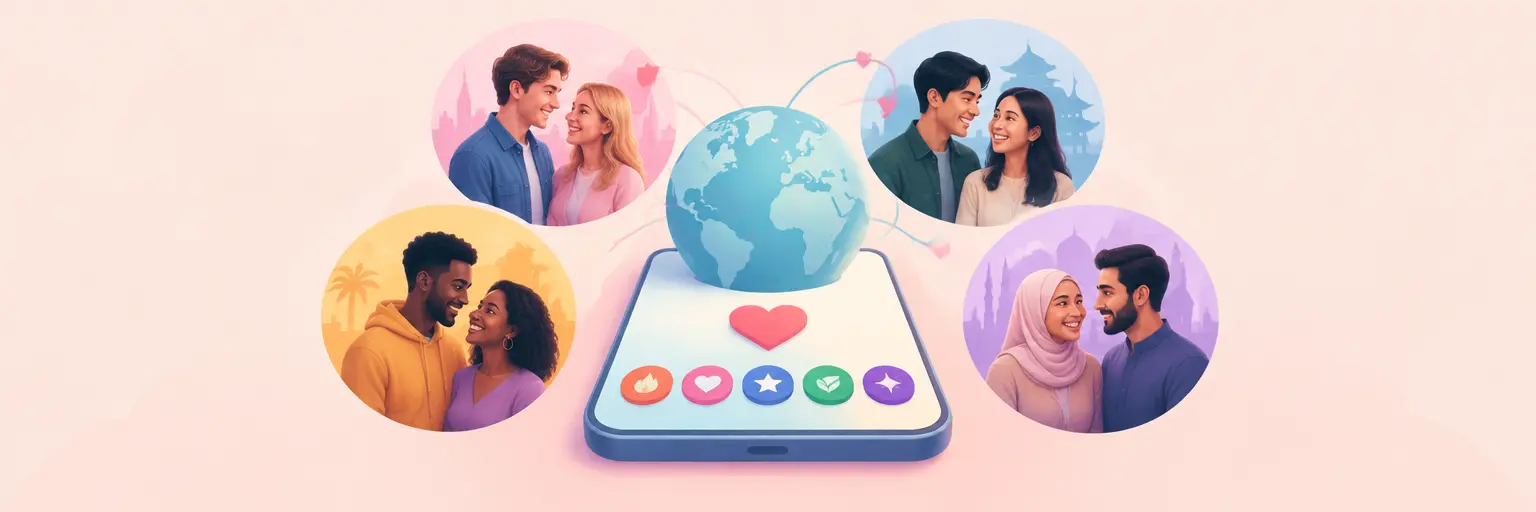
Navigating the world of online dating is rarely one-size-fits-all, and different dating app cultures can dramatically shape your experience and success. From the fast-paced, swipe-heavy vibe of Tinder to the story-driven, long-term focus of Hinge, each platform carries its own unwritten social rules, user expectations, and communication styles. Understanding these subtle yet powerful differences is your secret advantage—it helps you tailor your profile, choose the right icebreakers, and avoid frustrating mismatches. Whether you’re a seasoned swiper or new to the scene, learning to decode and adapt to each digital tribe will boost your matches and lead to more meaningful connections. Get ready to transform from a passive participant into a savvy navigator of the modern dating ecosystem.

😊 Unlock your dating potential with Bumble! This excerpt reveals key Bumble profile tips for success, focusing on crafting a profile that…
Read article
🤔 Unlock your dating potential! This article explores various subscription models across popular dating apps, helping you choose the best dating app…
Read article
😊 Mastering dating app communication styles is key to online dating success. Each platform fosters unique interactions; learn to adapt your approach…
Read article
🤔 Master the art of online dating! This article decodes the unspoken rules governing popular dating apps, helping you navigate the digital…
Read article
🤔 Mastering dating app communication styles is key. Each platform fosters unique interactions; learn to adapt your approach for optimal connection and…
Read article
🤔 Believe it or not, lasting love can bloom even on hookup-focused apps. Learn how to navigate these platforms strategically to find…
Read article
😊 Navigate the world of online dating with confidence! Our "Positive dating app mindset tips" help you approach matches with optimism, resilience,…
Read article
🤔 Dating app culture pressure can feel overwhelming. This guide helps you decipher the unspoken rules of different platforms, fostering confidence and…
Read article
🤔 Mastering online dating requires understanding the unique user demographics of each platform. This article reveals key differences in age, relationship goals,…
Read article
🤔 Navigate the world of online dating safely! This article provides essential dating site scam prevention tips, helping you identify red flags…
Read article
🤔 Discover how age, location, and other demographics drastically shape the culture and user experience on different dating apps. Understanding this dating…
Read article
🤔 Stop chasing unrealistic dating app fantasies. This article provides practical advice on setting achievable goals and managing expectations for a positive…
Read articleOnline dating is not a one-size-fits-all experience. Each platform—from Tinder and Bumble to Hinge and niche apps like Farmers Only or Feeld—has its own unwritten rules, user expectations, and social etiquette. Understanding these different dating app cultures is essential for crafting a profile that resonates, starting conversations that lead somewhere, and avoiding frustration. On OnlineDatingSuccess.org, we break down these nuanced digital ecosystems so you can navigate them with confidence, increase your match rate, and build genuine connections. Below, we dive into the most distinctive cultural traits across popular platforms, helping you choose the right app for your dating goals and adapt your approach accordingly.
Tinder’s culture is built around quick judgments and swiping volume. Users typically prioritize physical attraction and convenience over deep compatibility checks, making it a hub for casual dating, hookups, and short-term interactions. The app’s low-friction interface encourages snap decisions, so your profile must stand out instantly with a clear, high-quality photo and a witty one-liner. Expectations are often lower regarding long-term commitment, but that doesn’t mean serious relationships can’t emerge—just know that the initial culture leans playful and spontaneous. To succeed here, keep your bio concise, use openers that acknowledge the swiping environment, and be prepared for more dead-end chats. Understanding this culture helps you avoid taking rejections personally and lets you adjust your energy to match the platform’s rhythm.
For those seeking exclusivity, Tinder can feel overwhelming due to its sheer volume of users and fleeting attention spans. The culture also varies by geography—urban areas tend to have more fast-paced, less serious interactions, while smaller regions might see more genuine intent. If you prefer being selective, Tinder’s “Super Likes” and “Boosts” offer ways to signal deeper interest, but the underlying culture remains speed-driven. Recognizing these nuances allows you to filter matches more effectively, set your own boundaries, and decide whether this platform aligns with your dating objectives. Many users find success by treating Tinder as a numbers game with clear communication about intentions from the first message, reducing misunderstandings and wasted time.
Hinge deliberately cultivates a culture of meaningful connection over mindless swiping. Its interface prompts users to comment on specific photos or prompts, encouraging thoughtful engagement rather than superficial likes. The app’s tagline—“designed to be deleted”—sets the expectation that users are seeking serious, long-term partnerships, not casual flings. As a result, profiles tend to be more detailed, with prompts revealing hobbies, values, and humor. This culture rewards authenticity and effort; generic openers rarely get responses. You’ll find more people asking about your weekend plans or favorite travel spots rather than sending low-effort “hey.” To thrive on Hinge, invest time in crafting a profile that shows your personality, use prompts to spark conversation, and be prepared to move from chat to a real date faster than on casual-focused apps.
The Hinge culture also values politeness and clarity. Users appreciate when you directly state what you’re looking for, whether that’s marriage-minded dating or simply exploring a potential partnership. Unlike Tinder’s disposable matches, Hinge users often have longer text exchanges and are more willing to give a conversation a chance even if initial attraction isn’t perfect. This creates a slower, more deliberate pace that can be refreshing for those tired of ghosting. However, it also means standards for conversation quality are higher—grammar, thoughtfulness, and active listening matter. By embracing this culture, you signal that you’re serious about finding a compatible partner, which attracts like-minded individuals and dramatically improves your overall online dating experience.
Bumble’s defining cultural feature is its women-first messaging rule: only women can initiate conversations in heterosexual matches. This shifts power dynamics and fosters a more respectful, deliberate atmosphere. Men learn to craft profiles that invite questions, while women feel safer from unsolicited messages. The culture emphasizes equality, with clear anti-harassment policies and a strong community standard against rude behavior. This attracts users who appreciate structure and emotional intelligence, making it a popular choice for those seeking both casual dates and serious relationships. On the flip side, the 24-hour response window adds urgency; if a match doesn’t engage quickly, the connection expires, which encourages prompt, thoughtful communication. Understanding this etiquette—like using an engaging opener rather than a simple “hi”—is key to success.
Bumble also offers modes like BFF and Bizz, creating a culture that extends beyond romantic dating, reinforcing the platform’s focus on holistic social connections. The app’s respectful vibe means ghosting is less common, but expectations still vary—some users are there for casual chats, others for long-term commitment. It’s crucial to read profile cues (e.g., “looking for a partner” vs. “here for a good time”) to align your approach. For men, this culture requires patience and creativity in your profile, since you can’t control the first move. For women, it offers a unique opportunity to set the tone. Overall, Bumble’s culture rewards clarity, kindness, and mutual effort, making it a top choice for daters who value agency and communication.
Niche dating apps—like Raya for creatives, Farmers Only for rural singles, or Feeld for open-minded relationships—create microcultures based on identity, interests, or lifestyle. On these platforms, your profile’s primary job is to signal belonging: your photos, bios, and prompt answers should reflect the specific community you’re joining. For instance, on Raya, exclusivity is key, with an application process that filters for influence or artistic merit; culture here values discretion, creativity, and networking. Farmers Only, in contrast, focuses on traditional values, rural living, and straightforward communication. Feeld normalizes polyamory and kink, so directness about desires is expected. Unlike big apps, niche cultures often have stronger social cohesion—users are more invested and willing to engage deeply because they share a core trait.
Success on niche apps depends on authentic self-presentation. Trying to be someone you’re not will backfire, as the community is small and interconnected. For example, on a religious app like Upward or JDate, mentioning your faith practices is essential, while on a professional app like The League, displaying career ambition is a plus. These cultures also have unique etiquette—like sending a first message referencing a shared interest rather than generic praise. The trade-off is a smaller pool but higher-quality matches with aligned values. If you’re struggling on mainstream apps, identifying your most defining attributes and selecting a niche platform can dramatically improve your experience, as you’ll be interacting with people who already speak your cultural language, reducing friction and increasing mutual understanding.
Dating app culture is not just platform-specific but also geographically and culturally influenced. In the United States, Tinder and Bumble dominate, with direct communication and a casual tone. In Japan, however, apps like Pairs and Tapple emphasize introversion, slower pacing, and community-based matching—users often prioritize stability and long-term intentions over spontaneity. European countries like Spain and Italy lean into expressive, flirtatious styles, while Scandinavian countries prefer egalitarian and low-pressure interactions. Latin American users on apps like Happn value passion and family orientation, often moving to dates quickly. These cultural nuances affect everything from how soon you should ask for a phone number to what emojis you use. Being aware of these differences is crucial for travelers, expats, or anyone matching internationally, as misreading cultural cues can lead to frustration or accidental offense.
Additionally, age and urban-rural divides shape app culture. Younger users (18-25) often prioritize social validation and gamified experiences, while those over 30 lean toward efficiency and serious partnership. Urban centers foster fast-paced, high-volume matching, whereas rural areas see lower competition but higher expectations for reliability. On global apps like Tinder, you may match with people from vastly different backgrounds, so it’s wise to ask about cultural norms rather than assume. By adapting your language, timing, and openness to regional habits, you show respect and increase your attractiveness. Understanding these layers—platform, niche, and geography—allows you to craft a strategy that works for your specific context, making your online dating journey more productive and enjoyable.
Assess your primary intention: if you want casual fun, Tinder or Bumble casual mode work well. For serious relationships, Hinge or eHarmony are better. If you have a specific niche interest, choose a themed app. Read user reviews and test each app for a week to see how the interactions feel. Clarity about your goal is the first step to cultural alignment.
Yes, but adapt it to each culture. For example, on Tinder, keep it short and playful; on Hinge, add more prompt-based depth. Using identical wording may come across as lazy or mismatched. Adjust photos and bios to highlight what’s valued in each app’s community, such as humor for Tinder, sincerity for Hinge, or interests for niche apps.
First, clarify your own expectations—are you looking for casual or serious? If the other person’s pace differs (e.g., they’re slow on Bumble but you expected quick replies), gently ask about their timeline. If they’re ignoring cultural norms like respectful openers, unmatch politely. Trust your comfort level and move on rather than forcing a connection.
Before chatting with international matches, learn basic cultural etiquette: timing for messages, formality levels, and acceptable emojis. Ask questions about their local dating scene. Be patient and humble—mistakes happen. Most importantly, avoid stereotyping; treat each person as an individual while respecting broad trends. Clear communication about expectations prevents misunderstandings.
Yes, often because the community is smaller and members feel invested. For instance, on Feeld, consent and direct communication are non-negotiable; on Raya, discretion is key. Always read the app’s guidelines and observe how other users interact. A good rule is to mirror the tone and explicitness level of the profiles you see, and ask before making assumptions.