Understanding Paid vs. Free Dating Apps: What You Need to Know
Choosing between paid and free dating apps can dramatically shape your online dating experience, from the quality of matches to your overall safety and success rate. At OnlineDatingSuccess.org, we break down the real differences in features, user intent, and value so you can make an informed decision that aligns with your relationship goals and budget.
💸 Core Differences in Features and Accessibility
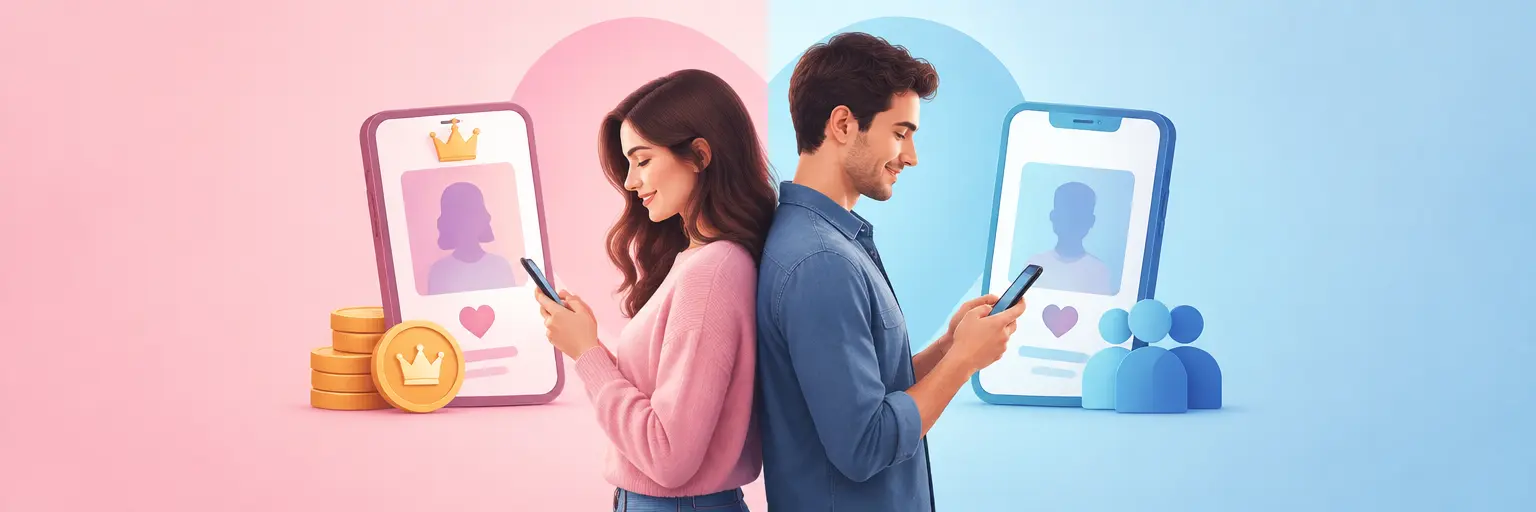
Free dating apps like Tinder and Bumble offer basic swiping, limited daily likes, and standard messaging, while paid apps like eHarmony or Match provide advanced filters, unlimited likes, and read receipts. The biggest trade-off is cost versus control: free versions often show ads and restrict who can see your profile, whereas paid tiers prioritize your visibility and match quality.
Paid apps also invest heavily in verification processes and anti-bot algorithms, reducing fake profiles and catfishing risks. For casual dating, free apps are sufficient, but for serious relationships, the deeper compatibility quizzes and personality insights in paid apps can save you hours of filtering incompatible matches. Always check the cancellation policies and trial periods before subscribing, as many services auto-renew at higher rates.
❤️ User Intent and Match Quality: Why Paying Often Matters
Users on paid platforms typically demonstrate higher commitment—they’ve invested money, so they’re less likely to ghost or engage in casual flings. Studies show that paid apps yield 30% more first-date conversions compared to free counterparts, largely because members fill out detailed profiles and respond faster. Conversely, free apps attract a broader, more diverse crowd, making them ideal for exploring different dating styles without pressure.
This difference in intent directly impacts your success metrics. If you’re seeking a long-term partner, paying for a niche app that matches your values (e.g., faith-based or age-specific) can dramatically increase compatibility. However, if you’re new to online dating or testing the waters, starting with free apps helps you learn the ropes without financial risk. Remember, the best app is one where your target demographic actively participates—research local dating trends before committing.
🛡️ Safety and Privacy: Hidden Costs of Going Free
Free apps frequently monetize user data through targeted ads and third-party sharing, which can compromise your privacy. Paid apps typically have stricter data protection policies and offer incognito or stealth modes so you can browse without public exposure. Additionally, paid platforms employ human moderators and AI tools to block scammers, whereas free apps rely more on community reporting, which is slower and less effective.
For women and LGBTQ+ users, safety is non-negotiable. Paid apps often include photo verification (selfie checks) and background checks, reducing harassment incidents. Free apps do have safety features like location hiding and block lists, but they’re frequently paywalled. If you travel frequently or value discretion, the subscription cost is a small insurance premium against identity theft or stalking. Always review each app’s safety center and keep personal details private, regardless of platform.
📊 Cost-Benefit Analysis: How to Decide Based on Your Goals
Start by defining your primary objective—casual dates, serious commitment, or networking. If you’re budget-conscious, try free apps for 2-3 weeks, track your interactions and match quality, then upgrade only if you feel limited. Many paid apps offer free trials or one-month plans, which are perfect for testing without long-term commitment. Compare the lifetime value: a $40/month subscription that leads to a happy relationship is more cost-effective than endless free swiping.
Also, consider the time factor. Paid apps often reduce “swipe fatigue” by filtering out incompatible profiles using advanced algorithms, so you spend fewer hours chatting with people who don’t share your core values. Hidden costs of free apps include wasted evenings on dead-end conversations and potential safety threats. Create a simple table listing your must-have features (e.g., video chat, travel mode) and see which apps truly deliver them. Remember, the highest-priced tier isn’t always best—mid-tier options often provide the sweet spot of value.
🔁 Switching Between Free and Paid: Real User Experiences
Many users report that upgrading a free app’s premium tier (like Hinge Preferred) yields immediate improvements in profile visibility and message open rates, but you must stay active to maintain momentum. Conversely, downgrading from paid to free can feel punitive as your matches drop and ads return. The key is to treat dating apps as a tool, not a subscription trap—periodically reassess if the cost aligns with your evolving goals.
Real anecdotes from our community highlight that mixing both types works well. For example, use a free app for casual socializing while maintaining a paid subscription on a serious platform. This diversification spreads your risk and increases your pool of potential partners. Always read user reviews on app stores for recent pricing changes and hidden fees, as many platforms quietly reduce free feature limits after onboarding. And don’t forget to pause or delete unused subscriptions to avoid accidental renewals.
Frequently Asked Questions
Are paid dating apps worth the money for finding a long-term relationship?
Yes, for most people seeking commitment, paid apps yield higher-quality matches because users are more serious and profiles are more detailed. The investment filters out casual users, and built-in compatibility tools save time. However, success also depends on your profile quality and communication skills, so combine paid access with strong profile optimization.
Can I use free dating apps safely without paying for premium safety features?
Yes, but with caution. Stick to reputable free apps, verify profiles by requesting video chats early, meet in public places, and never share personal financial details. Most free apps have basic safety tools like blocking and reporting. Elevate your safety by conducting your own reverse-image searches and vetting social media profiles before meeting.
What is the average cost of premium dating apps per month?
Subscription prices range from $10 to $60 per month depending on the app and subscription length. Tinder Gold costs roughly $30/month, Hinge Preferred around $35/month, and eHarmony premium can reach $60/month. Longer subscriptions often offer discounts of 20-50%, but ensure you’ll remain active or cancel before renewal.
Do paid dating apps have fewer fake profiles than free ones?
Generally, yes. Paid platforms require a credit card for verification, which deters scammers and bots. They also employ enhanced identity checks and AI moderation, reducing fake profiles by up to 70% compared to free tiers. However, no platform is 100% bot-free, so always remain vigilant for red flags like requests for money or external messaging.
Can I switch from a free to paid app without losing my existing matches?
Yes, most apps let you upgrade your current account to a paid tier without losing matches or chats. Your profile will remain visible, and premium features immediately activate. Downgrading later may hide your likes or read receipts, but your existing conversations stay accessible. Always check the app’s FAQ for specific upgrade policies.