
Understanding the Different Communication Styles on Each App

Tired of endless swipes and disappointing dates? At OnlineDatingSuccess.org, we understand the challenges of navigating the online dating world. Unlock the secrets to finding genuine connections with our expert advice. Discover how understanding dating app communication styles can transform your online dating experience – from crafting compelling profiles to mastering the art of effective messaging. Ready to ditch the dating struggles and find your perfect match? Let's dive in!
-
Dating App Communication Styles: A Platform-by-Platform Guide
- Tinder Communication: Quick, Casual, and Often Superficial
- Bumble Communication: Women-Led Interactions and More Direct Approaches
- Hinge Communication: Meaningful Connections and Detailed Profiles Drive Conversation
- OkCupid Communication: In-depth Profiles Encourage Thoughtful Messaging
- Raya Communication: High-End Dating and More Formal Communication
- Decoding Dating App Communication: Understanding the Nuances
- Optimizing Your Communication for Success on Each App
- From Initial Message to First Date: Navigating App-Specific Communication
-
Frequently Asked Questions
- What are some common dating app communication styles?
- How can I tailor my communication style to a specific dating app?
- What are some red flags to watch out for in dating app communication?
- How important is grammar and spelling in dating app communication?
- How can I keep conversations engaging on dating apps?
- Final Reflection: Navigating the Digital Dating Landscape Through Communication
- Unlock Your Dating App Success: Master the Messaging Game!
Dating App Communication Styles: A Platform-by-Platform Guide
Navigating the world of online dating can feel like learning a new language for each app you use. While the goal – finding a meaningful connection – remains consistent, the way people communicate and the overall tone of interactions vary drastically depending on the platform. This guide delves into the nuances of communication styles across popular dating apps, equipping you with the knowledge to tailor your approach for better results and safer interactions.
Understanding these differences is crucial for maximizing your success and avoiding common pitfalls. Mastering the art of communication on each app significantly increases your chances of forming genuine connections, rather than wasting time on superficial exchanges.
This article will explore the distinct communication cultures of three prominent dating apps: Tinder, Bumble, and Hinge, providing insights into the typical interaction patterns and offering practical tips to navigate each platform effectively. Remember, adapting your communication style to the platform's specific culture is key to making a positive impression and finding compatible matches.
Tinder Communication: Quick, Casual, and Often Superficial
Tinder, known for its swipe-based interface, often fosters a culture of quick, casual communication. Many users approach Tinder with a mindset focused on quantity over quality, leading to a higher volume of short, superficial interactions. Messages frequently consist of simple greetings, compliments on appearance, or generic opening lines. The fast-paced nature of the app means responses aren't always guaranteed, and conversations can fizzle out quickly. Successful communication on Tinder often involves being concise, engaging, and highlighting your personality quickly to capture attention in a crowded inbox.
It's common to see a high volume of 'hey' or 'hi' messages. While not inherently bad, these lack originality and struggle to spark engaging conversation. More successful users often incorporate humor, ask intriguing questions, or reference something specific from the profile to break the ice. This shows you've taken the time to look beyond the surface and are genuinely interested.
| Successful Tinder Communication Strategies | Unsuccessful Tinder Communication Strategies |
|---|---|
| Using a captivating opening line referencing something specific from their profile. | Generic opening lines like "Hey" or "Hi." |
| Asking engaging questions that go beyond surface-level topics. | Sending multiple messages without receiving a response. |
| Keeping messages concise and to the point. | Writing lengthy, rambling messages. |
| Using humor appropriately. | Being overly forward or aggressive. |
Bumble Communication: Women-Led Interactions and More Direct Approaches
Bumble's unique feature – requiring women to initiate contact – often results in a more direct and less superficial communication style compared to Tinder. Because women control the conversation's trajectory, men tend to put more effort into their opening messages, aiming for higher quality interactions. This leads to a potentially more meaningful experience, though it also means more pressure on the initial message to make a strong impression. Women, in turn, often value thoughtful and genuine messages that demonstrate genuine interest in their profiles.
The pressure to initiate can sometimes lead to women being more selective and less responsive to generic or uninspired messages. Therefore, demonstrating genuine interest and effort is crucial. This can involve going beyond simple compliments and asking thoughtful questions that show you've actually read their profile. The overall tone tends to be more focused on potential long-term connections.
Hinge Communication: Meaningful Connections and Detailed Profiles Drive Conversation
Hinge, often considered a more "relationship-oriented" app, encourages more in-depth communication. Detailed profiles and prompts often provide ample conversation starters, fostering more meaningful and less superficial interactions. Users are more likely to engage in longer, more substantial conversations focused on shared interests and values. The app's design encourages a more deliberate approach to dating, leading to a lower volume of messages, but a higher percentage of quality interactions.
The emphasis on detailed profiles allows for more targeted and personalized communication. Instead of relying on generic opening lines, successful Hinge users often reference specific details from a profile prompt or photo to initiate conversation. This demonstrates genuine interest and shows effort, setting the stage for a more engaging and potentially lasting connection. The longer, more detailed responses are expected and appreciated on this platform. Consider this a higher-quality, but potentially slower-paced, communication environment.
Key Differences Summarized
Here's a quick comparison table to highlight the key differences in communication styles across the three apps:
| App | Communication Style | Typical Message Length | Focus |
|---|---|---|---|
| Tinder | Quick, Casual, Superficial | Short | Quantity over quality |
| Bumble | Direct, Women-led | Moderate | Quality interactions |
| Hinge | Meaningful, In-depth | Long | Meaningful connections |
OkCupid Communication: In-depth Profiles Encourage Thoughtful Messaging
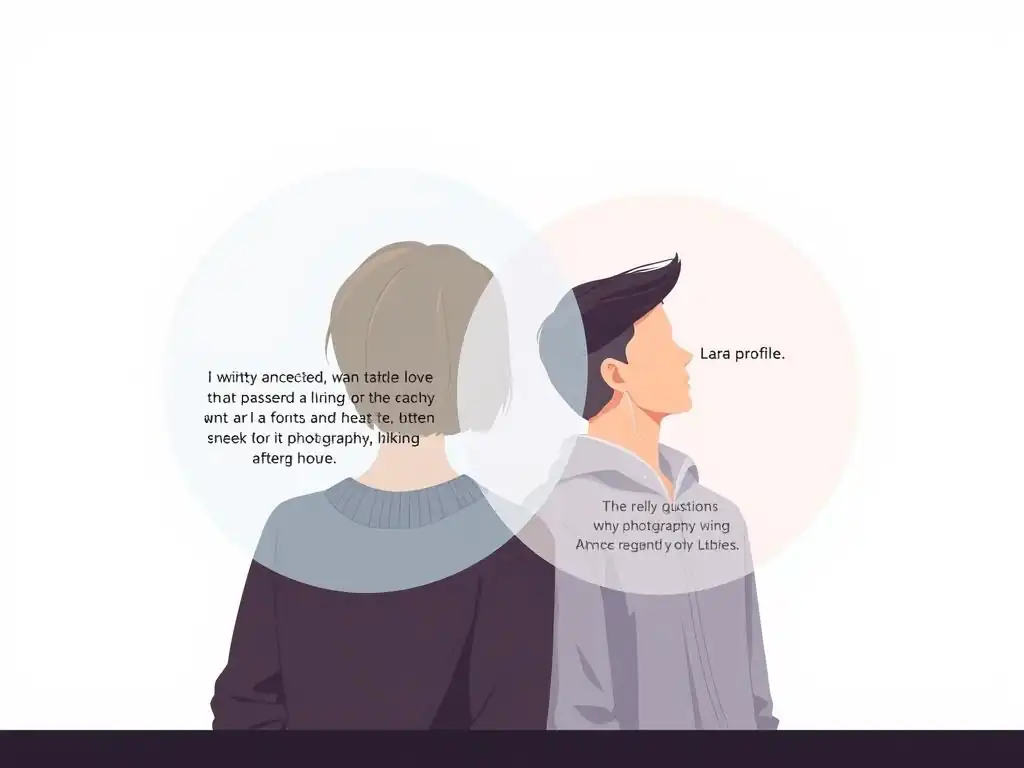
OkCupid, known for its detailed profile questionnaires, fosters a communication style that prioritizes thoughtful engagement. Users invest time crafting comprehensive profiles, revealing their values, interests, and dating goals. This detailed approach naturally translates into more substantive conversations. Instead of superficial "hey" messages, OkCupid users tend to initiate conversations referencing specific aspects of a potential partner's profile, demonstrating genuine interest and sparking deeper connections. This creates an environment where meaningful interactions are more common than fleeting exchanges.
The app's algorithm also plays a role, matching users based on compatibility, increasing the likelihood of shared interests and facilitating more engaging conversations. Successfully navigating OkCupid communication involves leveraging the information provided in profiles. Take the time to read carefully, find common ground, and craft opening messages that show you've put in the effort. Avoid generic greetings; instead, personalize your message, referencing a specific detail from their profile to demonstrate genuine interest.
This thoughtful approach significantly increases your chances of a positive response and fosters more fulfilling interactions. Remember, the depth of the profile encourages a more thoughtful and less superficial approach to communication. This is a key differentiator from other apps that prioritize speed and immediate gratification. Take advantage of this feature to build meaningful connections.
Raya Communication: High-End Dating and More Formal Communication
Raya, often described as an exclusive dating app for celebrities and influencers, cultivates a communication style reflecting its high-end user base. Expect a more formal and refined approach compared to other platforms. Users on Raya generally prioritize quality over quantity, leading to fewer messages but more substantial conversations. The emphasis is on building genuine connections rather than engaging in casual exchanges. Because of the vetting process and the perceived exclusivity, users tend to be more discerning and less prone to sending generic or superficial messages.
Successful communication on Raya demands a sophisticated and respectful approach. Avoid casual language or overly familiar tones. Instead, focus on initiating conversations with thoughtful and well-crafted messages that demonstrate respect for the other person's time and the app's sophisticated environment. Think of it as a more professional networking environment, where first impressions are critical.
The expectation is that conversations will be less frequent but of higher quality, potentially leading to more meaningful relationships. This requires patience and a willingness to invest time in crafting thoughtful messages that reflect your personality and intentions. Remember, the exclusivity of Raya demands a level of decorum and sophistication in communication that surpasses that of other dating apps. This formal approach isn't about being stiff or unfriendly, but rather about demonstrating respect and genuine interest in building a meaningful connection.
Decoding Dating App Communication: Understanding the Nuances
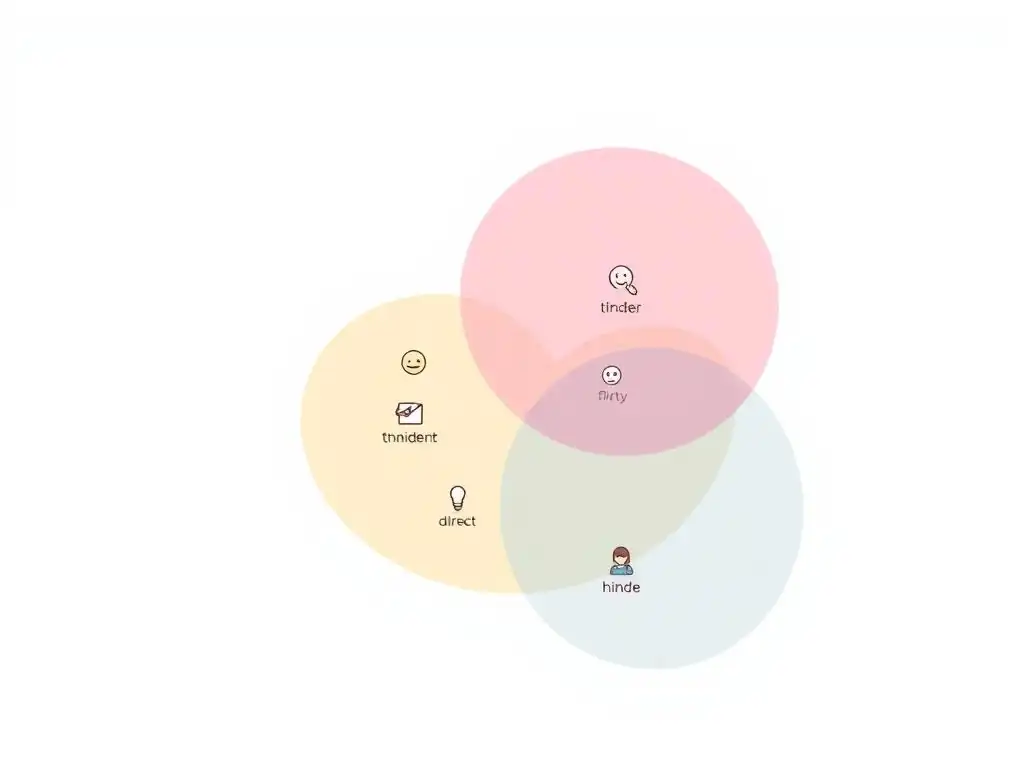
This section delves into the intricacies of communication on various dating apps, recognizing that each platform fosters a unique conversational atmosphere. Understanding these nuances is crucial for maximizing your chances of successful connections. The way people communicate on Tinder, for example, often differs significantly from the style prevalent on Hinge or Bumble. This difference isn't just about the user base; it's also shaped by the app's features and design. Mastering these communication styles is key to navigating the "dating app communication styles" landscape effectively.
The Role of App Features in Shaping Communication Styles
The features of a dating app significantly influence how users interact. Consider these examples:
- Tinder's swipe-based system: This encourages a more superficial initial assessment, leading to shorter, more direct messages. Users often prioritize quick wit and engaging openers due to the high volume of potential matches. Success here hinges on grabbing attention immediately. The limited character space for initial messages further emphasizes brevity and impact. Think of it as a fast-paced, high-stakes game of first impressions.
- Hinge's prompt-based profiles: These prompts encourage more thoughtful self-expression and provide richer context for initiating conversations. Messages on Hinge tend to be more considered and less reliant on generic openers. Users often reference specific prompts in their messages, indicating a degree of engagement with the profile beyond the photos. This approach allows for more meaningful connections from the start.
- Bumble's woman-initiated contact: This dynamic shifts the power dynamic and often results in more confident and direct messages from women. Men, in turn, might need to be more receptive and engaging to maintain the conversation. The time limit for initiating contact adds an element of urgency and encourages more decisive communication.
The table below summarizes these key differences:
| App | Communication Style | Key Features Influencing Style | Success Strategy |
|---|---|---|---|
| Tinder | Brief, direct, witty | Swipe-based, limited messaging space | Catchy openers, engaging personality |
| Hinge | Thoughtful, prompt-focused | Detailed profiles, answer prompts | Reference prompts, show genuine interest |
| Bumble | Woman-initiated, confident | Women initiate, time-limited contact | Be responsive, engaging, show respect |
Analyzing Profile Information for Effective Messaging
Before sending that first message, thoroughly analyze the potential match's profile. Don't just look at the photos; pay close attention to their bio, prompts, and interests. This information provides valuable clues about their personality, values, and communication preferences.
For instance, if someone's profile showcases a love for hiking and outdoor activities, referencing this in your opening message demonstrates genuine interest and provides a natural conversation starter. Avoid generic greetings like "Hey" or "Hi." Instead, craft a personalized message that shows you've taken the time to understand their profile. A well-crafted opening message can significantly increase your chances of receiving a positive response.
Interpreting Responses and Avoiding Misunderstandings
Even with the most carefully crafted message, misinterpretations can occur. Pay attention to the tone and content of the response. A short, simple reply might indicate disinterest, while a lengthy, engaging response suggests a positive connection. However, remember that individual communication styles vary. Some people are naturally more concise than others.
Avoid making assumptions based on limited interaction. If you're unsure about the meaning of a response, it's always best to clarify. Asking a direct question or expressing your understanding of their response can prevent misunderstandings and build rapport. Remember, clear and respectful communication is crucial for building meaningful connections, regardless of the dating app you're using. Patience and empathy are key to navigating the complexities of online dating communication.
Optimizing Your Communication for Success on Each App
Understanding the nuances of communication on different dating apps is crucial for maximizing your chances of finding a meaningful connection. Each platform attracts a unique user base with its own established communication norms and expectations. Ignoring these differences can lead to missed opportunities or, worse, negative experiences. This section will explore how to adapt your communication style to thrive on various popular apps. Mastering this skill is key to effective dating app communication styles.
Tailoring Your Messaging to Each Platform's Culture
The tone and style of your messages should vary depending on the app's overall atmosphere. For instance, apps known for their focus on casual encounters, like Tinder, often encourage more direct and playful interactions. A simple, witty opener can work wonders here, whereas a long, detailed message might be overwhelming. Conversely, apps like Hinge, which emphasize deeper connections, benefit from more thoughtful and engaging messages that showcase your personality and interests. Consider these examples:
- Tinder: "I noticed your love for [shared interest]. Any recommendations for a good [related activity] spot around here?" (Short, playful, and invites interaction.)
- Hinge: "Your answer about [prompt] really resonated with me. I've had a similar experience with [relate your experience]. What's your favorite thing about [topic related to prompt]?" (Thoughtful, engaging, and promotes conversation.)
- Bumble: Remember, women initiate on Bumble. Your profile needs to be compelling enough to spark their interest. High-quality photos and a well-written bio are paramount. When responding to a message, be prompt, engaging, and respectful.
This approach demonstrates awareness of the dating app communication styles prevalent on each platform, significantly increasing your response rate and the quality of your interactions. Consider the platform's user demographics and advertised purpose – this understanding informs the best communication strategy.
Crafting Engaging Opening Lines for Different Apps
The first message is crucial. It sets the tone for the entire interaction. A generic or uninspired opener often leads to being ignored. Instead, personalize your message, referencing something specific from their profile. This shows you've taken the time to get to know them, even before initiating contact.
| App | Example Opening Line | Why it Works |
|---|---|---|
| Tinder | "That photo of you [doing activity] is amazing! I'm a huge fan of [activity] too." | Specific, complimentary, and opens the door to shared experiences. |
| Hinge | "Your answer to the [prompt] question really caught my eye. I [relate to their answer]." | Shows genuine interest and encourages deeper conversation. |
| Bumble | (As the recipient, your response should be equally thoughtful and engaging). | First impressions matter even more, given the initiation is on the woman. |
| OkCupid | "I saw we both love [shared interest]. What's your favorite [related topic]?" | Leverages the app's matching algorithm to create a natural conversation starter. |
Remember, authenticity is key. Avoid canned lines or overly suggestive messages. Focus on genuine engagement and building a connection. The goal is to spark interest and encourage a meaningful exchange, demonstrating your understanding of effective dating app communication styles.
Maintaining Healthy Boundaries and Avoiding Red Flags
While navigating the world of online dating, prioritizing personal safety and establishing healthy boundaries is crucial. This involves recognizing and avoiding red flags in communication.
- Excessive Pressure: Be wary of individuals who pressure you to share personal information too quickly, meet up in person before you're comfortable, or engage in inappropriate conversations.
- Inconsistency: If their messages are inconsistent or they frequently cancel plans, it's a sign of disinterest or potential unreliability.
- Controlling Behavior: Any attempts to control your actions, opinions, or choices should be considered a major red flag.
- Negativity: Constantly complaining, criticizing, or being overly negative can be draining and unhealthy.
- Lack of Respect: Disrespectful language, tone, or behavior should never be tolerated.
Remember, your safety and well-being are paramount. Trust your instincts. If something feels off, it probably is. Prioritize your own comfort and security throughout the dating process. This mindful approach contributes to successful navigation of dating app communication styles while safeguarding your personal well-being.
Dating app communication styles vary wildly depending on the platform. Understanding these nuances is crucial for maximizing your chances of success. This section explores the subtle differences and offers strategies for effective communication on popular dating apps. Mastering these variations can significantly improve your online dating experience and lead to more fulfilling connections.
Transitioning Conversations from the App to Other Platforms
Successfully transitioning a conversation from a dating app to a more personal platform like phone calls or texting is a pivotal step. Many users find this transition point challenging. The initial spark ignited within the app's constrained environment must be carefully nurtured and moved to a space allowing for richer, more nuanced communication. This requires a delicate balance of enthusiasm and respect for the other person's boundaries.
One effective strategy is to gauge interest before suggesting a move to another platform. Look for cues like extended conversations, frequent responses, and questions that delve deeper than surface-level interactions. Phrases like, "It's been fun chatting here, but I'd love to hear your voice sometime. Are you free for a quick call later this week?" work well. Avoid abrupt transitions; instead, subtly lay the groundwork by expressing a desire for more personal interaction.
Another crucial aspect is respecting the other person's preferences. Some individuals are comfortable transitioning quickly, while others prefer a more gradual approach. Always be mindful of their comfort level and adapt your approach accordingly. If they seem hesitant, don't push it. Respect their pace and continue building rapport within the app until they're ready. Remember, forcing the transition can hinder your chances of creating a meaningful connection. Patience and respect are key to successful transitions. The goal is to build rapport and trust, not to rush the process.
Setting Expectations and Maintaining Realistic Goals
Setting realistic expectations is paramount for successful online dating. Many individuals fall into the trap of idealizing potential partners based on limited information presented on dating apps. This can lead to disappointment and frustration when reality doesn't match the idealized image. Maintaining realistic goals involves acknowledging the limitations of the app and focusing on building genuine connections rather than chasing an unrealistic "perfect" match.
For example, avoid focusing solely on superficial aspects like photos. Engage in meaningful conversations to understand their personality, values, and interests. Remember that dating apps provide a snapshot, not a complete picture. Be open to diverse personalities and avoid pre-conceived notions. A successful approach involves managing expectations around timelines and the dating process itself. Understand that finding a compatible partner takes time and effort. Don't get discouraged by initial setbacks and celebrate small victories along the way.
Moreover, understanding each app's user base and its inherent communication styles can significantly influence your expectations. Some platforms are known for their fast-paced, superficial interactions, while others foster deeper, more meaningful connections. Adjust your approach and expectations accordingly. This nuanced understanding will drastically improve your experience and increase your chances of forming lasting connections. Remember, the goal is to build genuine relationships, not just accumulate matches. Prioritize quality over quantity. Focus on creating meaningful connections, even if it takes longer.
Frequently Asked Questions
What are some common dating app communication styles?
Different apps attract different personalities. Tinder often sees more casual, quick exchanges, while Hinge users tend towards more thoughtful, detailed messages. Bumble, with women initiating, often features more direct and confident communication.
How can I tailor my communication style to a specific dating app?
Observe the app's overall tone and user base. On apps like Tinder, brevity and humor might be effective. On apps like Hinge or Bumble, showing genuine interest and asking thought-provoking questions is key. Adapt your style to match the platform's culture.
What are some red flags to watch out for in dating app communication?
Be wary of excessive flattery, pressure to meet quickly, or avoidance of direct questions. Inconsistencies in their profile versus their messages, or a lack of genuine interest in you are also major red flags. Trust your gut feeling.
How important is grammar and spelling in dating app communication?
Good grammar and spelling demonstrate respect and attention to detail. While perfection isn't necessary, clear and concise writing shows you care about communication and making a good impression. It reflects your personality and professionalism.
How can I keep conversations engaging on dating apps?
Ask open-ended questions that encourage more than just "yes" or "no" answers. Share interesting details about yourself, but avoid oversharing. Find common ground and build on shared interests to create a natural flow. Be present and responsive.
Understanding the nuances of communication across different dating apps is no longer a niche skill; it's a necessity for navigating the modern dating world. The sheer variety of platforms, each with its own unique user base and cultural norms, demands a flexible and adaptable approach to online interaction. Failure to recognize these differences can lead to misinterpretations, missed connections, and ultimately, a frustrating experience.
The impact of app-specific communication styles extends far beyond the individual user experience. It shapes the very fabric of how we connect, form relationships, and even perceive ourselves in the digital age. The pressure to present a curated version of oneself, the brevity enforced by character limits, and the inherent anonymity of some platforms all contribute to a complex and often contradictory landscape. The medium is the message,
Marshall McLuhan famously stated, and in the context of dating apps, this couldn't be truer. The platform itself fundamentally alters the nature of the communication, influencing everything from tone and style to the very expectations of interaction.
Consider the lessons learned within this article, and apply them to your own digital dating journey. Don't just swipe; observe, adapt, and communicate intentionally. Experiment with different approaches on various platforms, paying close attention to the subtle cues and unspoken rules that govern each space. By becoming a more conscious and skilled communicator in the digital realm, you'll not only increase your chances of finding meaningful connections but also gain a deeper understanding of the evolving nature of human interaction itself. Embrace the challenge, and let your communication skills be your guide in this exciting, ever-changing world.
Unlock Your Dating App Success: Master the Messaging Game!
Congratulations on taking the first step towards mastering app-based communication! You've already learned how to tailor your messages to resonate with each platform's unique user base. Now, let's put that knowledge into practice.
- Craft a captivating first message: Forget the generic "hey"—instead, personalize your opening message based on their profile. This is your secret weapon for standing out from the crowd.
- Experiment with different approaches: Try varying your communication style depending on the app. A playful approach might work wonders on one platform, while a more direct style might be more effective on another. Keep a record of what works best for you!
- Share your successes (and challenges) with us! Let's build a supportive community where we can learn from each other's experiences. What's your favorite opening message strategy?
So, which dating app will you conquer first, and what's your winning opening message strategy?