
The Ultimate Guide to Reverse Image Search for Online Dating Safety


Dive into the world of successful online dating, where finding genuine connections is more than just luck. We're here to equip you with the knowledge and strategies you need to thrive in the digital dating landscape. But first, let's address a critical aspect of online safety: Have you ever wondered about the power of a simple online dating reverse image search? This powerful tool can be your secret weapon against scams and fake profiles. Discover how it can transform your dating experience and help you build meaningful, authentic connections. Let’s explore the ultimate guide to staying safe online.
- Understanding Online Dating Reverse Image Search: Protecting Yourself from Catfishing
- How to Perform a Reverse Image Search: A Step-by-Step Guide
- Advanced Techniques for Online Dating Reverse Image Search Verification
- Interpreting Reverse Image Search Results: What to Look For
- Beyond Reverse Image Search: Additional Safety Measures for Online Dating
- Conclusion: Staying Safe in the World of Online Dating
-
Frequently Asked Questions
- What is a reverse image search, and why is it important for online dating?
- How do I perform a reverse image search?
- Can a reverse image search guarantee a profile is genuine?
- What should I do if a reverse image search reveals inconsistencies?
- Are there any other safety measures I should take besides reverse image searching?
- Final Reflection: Protecting Your Heart in the Digital Age
- Unlock Safer Connections: Take Control of Your Online Dating Safety
Understanding Online Dating Reverse Image Search: Protecting Yourself from Catfishing
Online dating offers exciting possibilities for connection and romance, but it also presents unique risks. One of the most prevalent dangers is catfishing—where individuals create fake profiles using stolen or manipulated photos and identities to deceive others. This comprehensive guide focuses on leveraging the power of reverse image search as a crucial tool for online dating safety.
We'll explore how this simple yet effective technique can help you verify the authenticity of profiles, identify potential red flags, and ultimately protect yourself from emotional and financial harm. Learning to use reverse image search effectively is a proactive step towards building safer and more meaningful connections in the digital dating world.
By understanding how to spot inconsistencies and verify identities, you can significantly reduce your vulnerability to online dating scams and build trust with potential partners. This guide provides a practical, step-by-step approach, equipping you with the knowledge and confidence to navigate the online dating landscape safely and successfully.
What is Reverse Image Search and Why is it Crucial for Online Dating?
Reverse image search is a powerful tool that allows you to identify the origin and usage of an image online. Instead of searching with text, you search with an image. You upload a picture (like one from a dating profile) to a search engine, and the engine returns results showing where else that image appears on the internet. This is crucial in online dating because it allows you to verify if the photos a person is using are genuinely theirs or if they've been taken from another source, potentially indicating a fake profile.
Think of it as a digital fact-checker for online dating profiles. Many catfishing attempts rely on stolen photos; a reverse image search can quickly expose these deceptions. For example, you might find the same photo used on multiple dating profiles, on stock photo websites, or even associated with a completely different person's social media account. This simple action can save you from investing time and emotional energy in a relationship built on a foundation of lies.
The process is straightforward and readily accessible through major search engines like Google, Bing, and TinEye, offering a critical layer of protection in your online dating journey. Utilizing this tool is a proactive measure to protect your well-being and ensure authenticity in your interactions. 🕵️♀️
Identifying Potential Red Flags in Online Dating Profiles
Beyond reverse image searching, several other red flags can indicate a potentially fake profile. These often complement the information revealed by a reverse image search, painting a clearer picture of authenticity. For example, a profile with limited or inconsistent information, blurry or low-quality photos (besides those that fail a reverse image search), and an unwillingness to video chat can all be warning signs. Pay attention to inconsistencies in the profile narrative.
Do their claims about their profession, hobbies, or location check out with readily available information? Be wary of profiles that seem too good to be true; perfection is often a red flag. Also, look for overly generic or emotionally manipulative language in their messages. A sudden declaration of deep feelings after only a few interactions should raise suspicion.
Remember, a thorough profile review, coupled with a reverse image search, provides a more comprehensive assessment of the profile's authenticity. Trust your instincts; if something feels off, it probably is. It's always better to err on the side of caution. ⚠️
How Catfishing Impacts Online Dating Experiences
Catfishing can have profoundly negative consequences on online dating experiences. The emotional toll is significant; discovering that someone you've developed feelings for is not who they claimed to be can lead to feelings of betrayal, heartbreak, and even depression. Beyond the emotional impact, catfishing can also lead to financial scams. Victims may be manipulated into sending money, gifts, or personal information under false pretenses. The loss of trust in online dating can be considerable, making it difficult to form genuine connections in the future.
Moreover, catfishing can erode confidence and self-esteem, leaving individuals hesitant to engage in online dating again. The experience can create a sense of vulnerability and paranoia, making it challenging to navigate the online dating world safely and confidently. Understanding the potential impact of catfishing is crucial in taking proactive steps to protect yourself and build safer online dating experiences. 💖
How to Perform a Reverse Image Search: A Step-by-Step Guide
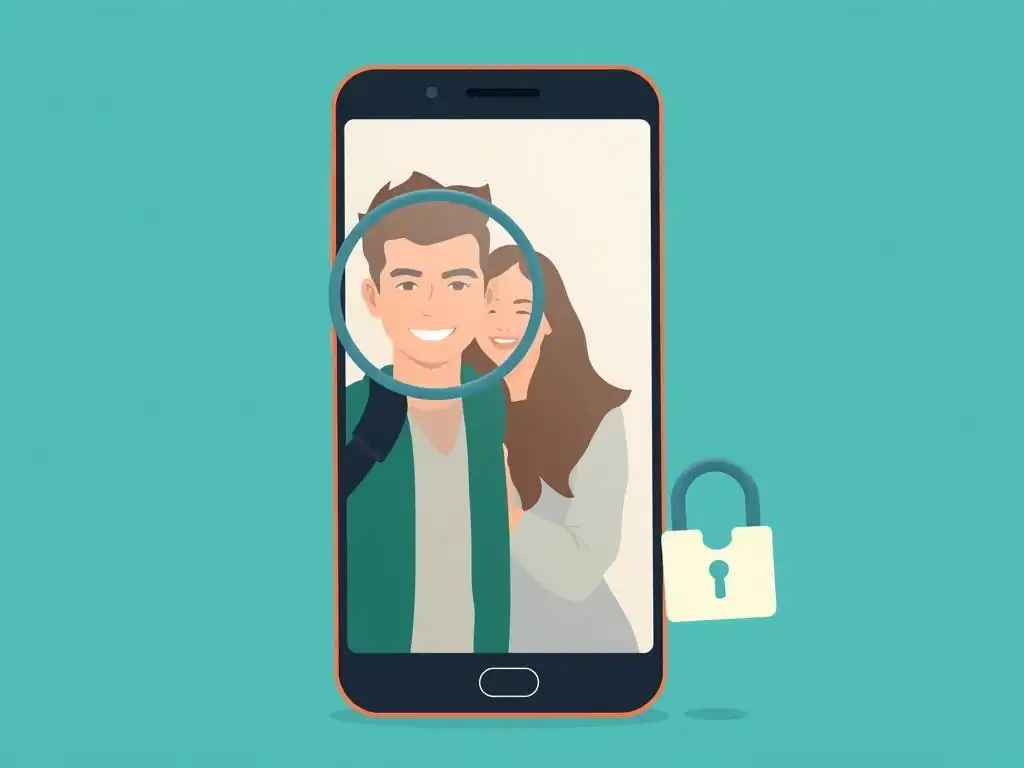
This section provides a practical, step-by-step guide on how to conduct a reverse image search, a crucial tool for verifying the authenticity of online dating profiles and protecting yourself from potential scams. Remember, your safety is paramount in the world of online dating. A simple reverse image search can be a powerful first step in confirming the identity of someone you're connecting with.
Using Google Images for Reverse Image Search
Google Images is arguably the most widely used reverse image search engine, readily accessible and user-friendly. Here's how to use it effectively:
- Navigate to Google Images: Open your web browser and go to
images.google.com. - Click the Camera Icon: You'll see a camera icon in the search bar. Click on it.
- Upload the Image: You have two options: You can either paste the image URL directly into the search bar or click "Upload an image" to select the image file from your computer. This image could be a profile picture from a dating app or website.
- Review the Results: Google will display a series of images visually similar to the one you uploaded. Carefully examine these results. Do they show the same person in different contexts? Do the images lead to multiple social media profiles or websites? Note any discrepancies.
- Analyze the Context: Pay close attention to where the images appear. Are they connected to the person's claimed identity? Do the images appear on legitimate websites or on suspicious sites known for stock photos or fake profiles?
Remember to always be critical and thorough in your analysis. Even a slight inconsistency can be a red flag. For example, if a profile picture shows a person in a specific location, but the reverse image search reveals the same picture used on multiple dating profiles with different location claims, this is a major warning sign.
Utilizing Other Reverse Image Search Engines (TinEye, Yandex, etc.)
While Google Images is a powerful tool, utilizing other reverse image search engines can broaden your search and uncover additional information. Different engines may index different websites and databases, leading to unique results. Consider using TinEye and Yandex Images, two popular alternatives.
TinEye boasts a large database and is particularly effective at identifying images used across multiple websites. Its interface is straightforward, allowing you to upload an image or paste a URL just like Google Images. Yandex, a Russian search engine, often indexes images not found in Western databases, potentially revealing information otherwise missed.
By using multiple engines, you significantly increase your chances of identifying any inconsistencies or deceptive practices. The more sources you consult, the more comprehensive your verification process will be. Think of it as cross-referencing your findings; multiple sources confirming the same information strengthen your confidence, while conflicting information raises serious concerns. This layered approach to online dating safety is crucial.
Analyzing Search Results: Identifying Inconsistencies and Potential Deception
The analysis of reverse image search results is the most critical stage. Even experienced users can miss subtle signs of deception. Here's a breakdown of what to look for:
| Potential Red Flag | Description | Example |
|---|---|---|
| Stock Photos/Generic Images | The image is a commonly used stock photo, indicating a potentially fake profile. | A picture of a smiling person in a generic professional setting used on many dating profiles. |
| Inconsistent Locations/Backdrops | The image's background or location doesn't match the person's claimed location. | A profile claiming to live in New York City using a picture taken in Paris. |
| Images from Multiple Dating Profiles | The same image appears on several different dating profiles, suggesting a potential catfish. | The same profile picture appearing on multiple dating sites under different names. |
| Low-Resolution Images | Poor image quality can make it difficult to verify authenticity and may indicate a deliberately obscured image. | A blurry or pixelated image that resists clear identification. |
| Reverse Image Search Yields No Results | This can be suspicious, though it's not always indicative of deception. It may mean the image is very new or from an obscure source. Investigate further. | An image that returns no results on any reverse image search engine. |
Remember, a lack of definitive proof is also a red flag. If you cannot confirm the person's identity through reverse image search and other verification methods, proceed with extreme caution. Your safety and well-being should always be your top priority. Online dating should be an enjoyable experience, and taking these precautions can significantly contribute to a safer and more positive journey.
Advanced Techniques for Online Dating Reverse Image Search Verification
This section delves into more advanced techniques to verify the authenticity of profiles using reverse image searches, going beyond simply identifying the image's origin. Remember, a successful online dating experience hinges on prioritizing safety and building trust. These methods enhance your ability to spot inconsistencies and potential red flags. Effective use of reverse image search, coupled with these advanced techniques, significantly reduces your risk in the online dating world.
Cross-Referencing Profile Information with Image Search Results
Simply finding where an image originates isn't enough. A crucial next step is to cross-reference the information gleaned from your reverse image search with the dating profile details. Does the person in the image match the profile's description? Are the claimed age and appearance consistent? Discrepancies should raise a red flag.
For example, if the reverse image search reveals the image is from a stock photo website, but the profile claims the photo is a recent personal snapshot, this is a major inconsistency. Similarly, if the image search leads to a blog post or news article featuring a person of a different age or profession than stated on the dating profile, further investigation is warranted. Pay close attention to even minor details; inconsistencies, however small, can indicate deception.
Thorough cross-referencing minimizes the chances of falling victim to a fraudulent profile. Remember, consistent information across multiple sources strengthens the credibility of the profile.
Many individuals reuse their profile pictures across various social media platforms. Expanding your search beyond general image search engines to include social media platforms like Facebook, Instagram, and Twitter can yield valuable additional information. This is a powerful way to verify a profile's authenticity. Searching for the image directly on these platforms can reveal the image's original context and provide further details about the person.
For instance, you might find the same image used on a personal Facebook page with a different name, location, or other identifying information. This could indicate a fake profile or someone using a stolen identity. Even if the name matches, comparing the information on the social media profile with the dating profile can reveal inconsistencies. This method helps you build a more complete picture of the individual and assess the validity of the online dating profile. Remember to always respect privacy and avoid unauthorized access to private accounts.
Even if the image itself isn't directly found on social media, you can still leverage metadata. Metadata is information embedded within an image file that may contain details about its creation and history, such as the date and time it was taken, the camera used, or the location where it was captured. While not all platforms readily expose this data, some advanced reverse image search engines can provide hints about the image's metadata.
This information can be incredibly valuable in verifying profile authenticity. For example, if a profile claims the person is currently traveling in Europe, but the image's metadata indicates it was taken six months ago in a completely different location, this raises significant concerns. Cross-referencing metadata with the profile's claims enhances the accuracy of your verification process.
While not always readily accessible, exploring the metadata can provide crucial pieces of the puzzle in assessing the legitimacy of an online dating profile and ensuring your safety in the online dating world. This detailed approach, using all available tools and information, is paramount to a secure and positive online dating experience.
Interpreting Reverse Image Search Results: What to Look For

Finding a potential match online is exciting, but verifying their identity is crucial for your safety and peace of mind. A reverse image search is a powerful tool, but interpreting the results requires careful consideration. This section will guide you through understanding what you see after running a reverse image search on a dating profile picture, helping you determine if the profile is legitimate or potentially fraudulent. Remember, your online safety is paramount, and understanding these results is a key step in protecting yourself.
Understanding Different Types of Search Results
Reverse image searches don't always provide a clear-cut "yes" or "no" answer. The results can vary widely, and it's important to understand the nuances. Here's a breakdown of common outcomes and what they might indicate:
- Exact Matches: If the image appears on multiple websites, especially reputable sources like news articles or social media profiles, it increases the likelihood that the image is genuine and belongs to the person claiming it. However, even exact matches don't guarantee authenticity, as images can be stolen from legitimate sources.
- Similar Images: Finding similar images, rather than exact duplicates, might suggest the person is using a stock photo or an image that's been widely circulated online. This is a red flag, especially if the image is of a professional model.
- No Results: A lack of results isn't necessarily a bad sign, especially if the image is recent or uncommon. However, it could also suggest the person is using a completely fabricated image. This warrants further investigation, such as verifying other details on the profile.
- Results on Suspicious Websites: If the image appears on websites known for hosting scams or fraudulent activities, it's a major red flag. This strongly suggests the profile is a fake. Be particularly cautious of profiles where the image is linked to websites selling dating services or those with questionable content.
Recognizing Signs of Manipulated or Doctored Images
Even when an image appears on other websites, it might have been manipulated. Learning to spot these manipulations is crucial for effective online dating safety. Look for:
- Unusual Lighting or Shadows: Inconsistent lighting or unnatural shadows can indicate image editing. Pay close attention to how the lighting falls on the person's face and body.
- Pixelation or Blurring: Obvious pixelation or blurring, especially in specific areas, might suggest an attempt to cover up imperfections or alter the image.
- Inconsistencies in Backgrounds: Discrepancies between the background in the dating profile picture and other instances of the same image can be a telltale sign of manipulation.
- Unnatural Features: Highly unrealistic features, such as unusually smooth skin or disproportionate body parts, might indicate excessive photo editing. Modern photo editing tools are sophisticated, but subtle inconsistencies can still be detected.
Dealing with Ambiguous or Inconclusive Results
Sometimes, a reverse image search yields ambiguous or inconclusive results. This doesn't automatically mean the profile is fake, but it does warrant extra caution. In these cases, consider these steps:
- Verify Other Profile Information: Cross-reference the information provided in the profile with other sources. Do their social media accounts match the details provided? Does their stated profession align with their online presence?
- Engage in Cautious Communication: Start with general conversations and avoid sharing personal information too early. Be wary of requests for money or overly intimate details.
- Use Video Calls: If possible, schedule a video call to verify the person's identity and appearance. This is one of the most effective ways to confirm that the person you are interacting with is genuine.
- Trust Your Instincts: If something feels off, it probably is. Don't hesitate to block and report suspicious profiles. Your safety and well-being are the top priority. Remember, online dating safety is a continuous process. By understanding how to interpret reverse image search results and combining this with other verification methods, you significantly enhance your ability to navigate the online dating world safely and confidently.
Beyond Reverse Image Search: Additional Safety Measures for Online Dating

Reverse image searching is a crucial first step in verifying the authenticity of online dating profiles, but it shouldn't be your only line of defense. A multifaceted approach is necessary to truly mitigate risks and protect yourself from potential scams and harmful interactions. This section outlines supplementary safety measures that, when combined with reverse image searches, significantly enhance your online dating security. Remember, online dating safety is a continuous process, requiring vigilance and proactive measures.
Verifying Profiles Through Third-Party Services
While reverse image searches help identify potential inconsistencies between a profile picture and its online presence, dedicated third-party services offer deeper verification capabilities. These services often cross-reference profile information with various databases to identify potential red flags, such as inconsistencies in biographical details or links to known scams. Some services specialize in verifying the authenticity of identification documents provided by users, adding another layer of security. The level of verification offered varies between services; some are free, while others require a subscription. It's crucial to research and select a reputable service with transparent privacy policies, ensuring your personal information remains protected. Consider the cost-benefit ratio when choosing a service; the increased safety might justify the expense, particularly if you're engaging in high-stakes interactions or sharing sensitive information. Remember to always compare different services before committing to one. Many services offer free trials, allowing you to assess their effectiveness before subscribing.
Communicating Safely and Effectively Online
Effective communication is key to building trust and assessing compatibility, but it also plays a crucial role in online dating safety. Avoid sharing personal information too early in the online dating process. This includes your full name, address, workplace, and other details that could easily be used to identify or locate you. Instead, focus on building rapport through conversation, discussing shared interests and values. Be wary of individuals who pressure you to share personal information prematurely or who display overly enthusiastic or inconsistent behavior.
Utilize the platform's built-in messaging system whenever possible, as it often offers greater security features compared to external communication channels. Before meeting in person, always verify the individual's identity through multiple methods, including video calls and reverse image searches. If something feels off or makes you uncomfortable, trust your instincts and terminate communication immediately. This proactive approach to communication safeguards your safety and privacy.
Protecting Your Personal Information Online
Protecting your personal information is paramount in online dating. Avoid connecting your dating profile to other social media accounts, as this can expose you to unnecessary risks. Keep your dating profile information concise and avoid sharing overly detailed personal information. Regularly review your privacy settings on all online dating platforms and social media accounts, ensuring that you're only sharing the information you're comfortable with.
Use strong, unique passwords for all your online accounts, and consider using a password manager to help you manage them effectively. Be cautious about sharing financial information or engaging in financial transactions with individuals you've met online, especially before meeting in person. Remember that legitimate dating platforms will never request financial information through their messaging system.
Always report suspicious activity or profiles to the platform's administrators. By actively protecting your personal information, you significantly reduce your vulnerability to scams and other online threats. Remember, your safety and privacy are worth prioritizing.
Recognizing and Avoiding Common Online Dating Scams
Online dating, while offering exciting possibilities for connection, unfortunately attracts scammers seeking to exploit unsuspecting individuals. Understanding common scams is crucial for protecting yourself and your personal information. One prevalent tactic involves catfishing, where individuals create fake profiles using stolen photos and fabricated identities. These profiles often portray idealized versions of themselves, promising exciting relationships but ultimately leading to disappointment or financial loss. Be wary of profiles lacking detail or those with inconsistencies in their stories. Always cross-reference information provided, and if something feels off, trust your instincts.
Another common scam involves romance scams, where perpetrators cultivate a seemingly genuine connection, building trust over time before asking for financial assistance or personal information. These scams can be incredibly emotionally manipulative, preying on the victim's desire for companionship and trust. Red flags include requests for money, often under urgent or emotional pretenses, pressure to move the relationship off the dating platform quickly, and a reluctance to engage in video calls or meet in person. Remember, legitimate relationships don't require financial transactions, and genuine connections are built on trust and open communication, not coercion.
Furthermore, be aware of phishing scams, where scammers use deceptive emails or messages to trick you into revealing personal data like passwords, credit card numbers, or social security numbers. These messages often appear to come from legitimate sources, such as the dating platform itself or a supposed "customer support" representative. Never click on suspicious links or provide personal information in response to unsolicited emails or messages. Legitimate companies will never request sensitive information through these channels. Always verify the authenticity of any message by contacting the dating platform directly through official channels.
Finally, be cautious of sextortion scams, where perpetrators threaten to expose intimate images or videos unless you comply with their demands. Never share explicit content with someone you haven't met in person and thoroughly vetted. If you find yourself in this situation, immediately report it to the authorities and the dating platform. Remember, you are not alone, and seeking help is a sign of strength, not weakness.
By educating yourself about these common scams and practicing vigilance, you can significantly reduce your risk of becoming a victim. Prioritize your safety and well-being above all else in your online dating journey. The potential rewards of genuine connection are worth protecting yourself from these prevalent threats.
Conclusion: Staying Safe in the World of Online Dating
Online dating offers incredible opportunities to connect with people, but it's crucial to approach it with awareness and caution. Navigating this digital landscape requires proactive measures to protect your personal information and emotional well-being. Remember, a successful online dating experience hinges not just on finding a match, but on doing so safely and responsibly. This guide has equipped you with the knowledge to utilize reverse image search effectively as one crucial tool in your safety arsenal. However, it's only one piece of the puzzle.
The Importance of Proactive Safety Measures
Beyond reverse image searches, several proactive measures significantly enhance your online dating safety. Consider these essential steps:
- Never share Personally Identifiable Information (PII) too early: Avoid revealing your full address, workplace, or other sensitive details until you've met someone in person and built trust. This includes avoiding revealing your exact location in photos or descriptions.
- Video calls before in-person meetings: A video call can help verify a person's identity and build a stronger connection before committing to an in-person meeting. This allows you to see if their appearance matches their profile pictures and creates an additional layer of security.
- Meet in public places: Always choose well-lit, public locations for your first few dates. Let a friend or family member know where you're going and when you expect to be back. Sharing your location in real-time with a trusted contact via a location-sharing app is also a great idea.
- Trust your intuition: If something feels off or makes you uncomfortable, don't hesitate to end the conversation or interaction. Your safety and well-being are paramount. Don't feel pressured to continue contact with someone who makes you feel uneasy, regardless of how attractive their profile may seem.
- Report suspicious profiles: If you encounter a profile that seems fake or suspicious, report it to the dating platform immediately. This helps protect other users from potential scams and harassment. This is a crucial element of fostering a safer online dating community for everyone.
Building Trust and Maintaining Healthy Boundaries Online
Building trust online takes time and careful consideration. Avoid rushing into relationships or sharing too much personal information too quickly. Remember that healthy boundaries are essential, both online and offline.
- Slow and steady wins the race: Take your time getting to know someone before making any significant commitments. Don't let pressure to move things along quickly override your need for safety and comfort.
- Verify information independently: Don't solely rely on information provided in a profile. Use reverse image searches, social media searches, and other methods to verify the information provided. Cross-referencing information is key to mitigating potential risks.
- Communicate your boundaries clearly: Let your date know what you're comfortable with and what you're not. This includes setting boundaries around sharing personal information, meeting frequency, and physical intimacy. Open and honest communication is crucial for a healthy relationship.
- Respect their boundaries too: Remember that healthy relationships are built on mutual respect and understanding. Respect your date's boundaries just as you expect them to respect yours. This mutual respect is the cornerstone of a positive and safe online dating experience.
Remember, staying safe online requires vigilance and proactive steps. Combining the power of reverse image search with these additional safety measures significantly increases your chances of having a positive and safe online dating experience. Prioritize your well-being and enjoy the journey!
Frequently Asked Questions
What is a reverse image search, and why is it important for online dating?
A reverse image search allows you to upload an image and find where else it appears online. This is crucial for online dating to verify a potential date's identity and detect potential catfishing or scams.
How do I perform a reverse image search?
You can use services like Google Images, TinEye, or Yandex Images. Simply upload the image you want to search or paste the image URL into the search bar. The results will show you where that image has been found online.
Can a reverse image search guarantee a profile is genuine?
No, a reverse image search is a valuable tool, but not foolproof. While it can help identify inconsistencies, it doesn't definitively prove authenticity. Further investigation might be needed.
What should I do if a reverse image search reveals inconsistencies?
If the image appears in unrelated contexts or is associated with different names or profiles, exercise extreme caution. Consider not meeting the person and report suspicious activity to the dating platform.
Are there any other safety measures I should take besides reverse image searching?
Yes! Always meet in a public place, tell a friend about your date, and trust your instincts. Never share sensitive personal information too early in the dating process.
Final Reflection: Protecting Your Heart in the Digital Age
The ease of online connection has undeniably revolutionized dating, but it has also opened doors to potential risks. Navigating the complexities of online romance requires vigilance, and understanding how to utilize tools like reverse image searches is no longer a luxury, but a crucial element of self-protection. The ability to verify identities and uncover potential red flags is paramount in ensuring a safe and positive online dating experience.
The impact of readily available technology on our social interactions is profound, shaping how we build relationships and navigate the complexities of trust in the digital sphere. The ease with which misinformation and deceptive profiles can proliferate underscores the importance of proactive measures. As we increasingly rely on digital platforms for connection, the need for digital literacy and critical thinking becomes even more critical. The internet is a powerful tool, but it's also a wild west. We must be responsible for our own safety within it.
- (Author's Note: This can be replaced with a relevant quote from a credible source).
You now possess a powerful tool to enhance your online dating safety. Take the time to implement the techniques discussed in this guide. Don't let fear paralyze you, but rather, empower yourself with knowledge. Remember, protecting your well-being is not just about avoiding scams; it's about fostering genuine connections built on trust and transparency. Embrace the power of reverse image search, and embark on your online dating journey with confidence and a heightened sense of security.
Unlock Safer Connections: Take Control of Your Online Dating Safety
Thank you for learning about reverse image search—a powerful tool for online safety. You've gained valuable knowledge to protect yourself while online dating. Let's put this knowledge into practice!
- Always perform a reverse image search on any profile picture before meeting someone in person. This simple step can uncover inconsistencies and potential red flags.
- Share this article with friends and family who also use online dating. Helping others stay safe is as important as protecting yourself.
- Experiment with different reverse image search engines to find the one that suits you best. Each has unique strengths and weaknesses.
What profile picture will you investigate first?