
Dating Smarter: Reverse Image Search for Enhanced Security


Welcome to OnlineDatingSuccess.org, your guide to navigating the exciting – and sometimes tricky – world of online dating. Are you ready to transform your dating experience? We’ll equip you with the tools and knowledge to build a compelling profile, connect authentically, and most importantly, stay safe. This starts with understanding the power of online dating reverse image search, a crucial tool for avoiding scams and ensuring you're connecting with genuine people. Discover how this simple technique can drastically enhance your online dating security – read on to learn more!
- Understanding the Risks of Online Dating Scams
- Online Dating Reverse Image Search: A Powerful Tool for Verification
- How to Perform a Reverse Image Search for Online Dating Profiles
- Interpreting Reverse Image Search Results in Online Dating
- Integrating Reverse Image Search into Your Online Dating Routine
- Advanced Techniques for Online Dating Profile Verification
-
Frequently Asked Questions
- What is a reverse image search, and why should I use it for online dating?
- How do I perform a reverse image search?
- Can a reverse image search guarantee complete safety on online dating sites?
- What should I do if a reverse image search reveals inconsistencies?
- Are there any limitations to using reverse image search in online dating?
- Final Reflection: Navigating the Digital Dating Landscape with Enhanced Awareness
- Unmask the Truth: Take Control of Your Online Safety
Understanding the Risks of Online Dating Scams
Online dating, while offering exciting possibilities for connection and romance, unfortunately also presents a landscape riddled with potential dangers. Scammers prey on the vulnerability and hope inherent in seeking companionship, employing sophisticated tactics to deceive and exploit unsuspecting individuals. Financial loss, emotional distress, and identity theft are just some of the serious consequences that can arise from encountering malicious actors in the online dating world.
This article focuses on a powerful tool—the reverse image search—to significantly enhance your safety and security while navigating the complexities of online dating. We will explore how this simple yet effective technique can help you identify potential red flags, recognize common scamming tactics, and ultimately protect your personal information.
By understanding the risks and implementing proactive strategies, you can significantly reduce your vulnerability and increase your chances of finding genuine connections online. Remember, staying safe shouldn't compromise the joy of finding love; rather, it should enhance it.
Identifying Potential Red Flags in Online Dating Profiles
Many online dating scams begin with a seemingly innocuous profile. However, by carefully examining details, you can often uncover subtle yet crucial warning signs. These red flags can range from inconsistencies in the profile information to overly generic or emotionally manipulative language. For example, a profile with few or blurry photos, inconsistent information across different platforms (e.g., social media and dating app), or a bio that lacks specifics and uses overly romantic or generic phrases should raise suspicion.
Furthermore, be wary of profiles that seem too good to be true, boasting extravagant lifestyles or professions that don't quite align with the provided images or details. A thorough examination, combined with the use of reverse image search, can dramatically reduce the risk of encountering a fraudulent profile. Remember, a healthy dose of skepticism and a proactive approach to verification are your best allies.
Recognizing Common Scamming Tactics Used in Online Dating
Online dating scams often follow predictable patterns. Understanding these common tactics is crucial for effective prevention. One prevalent tactic is the "catfishing" technique, where individuals use stolen or manipulated photos to create a false persona. Another common scam involves the rapid escalation of emotional intimacy, often leading to requests for financial assistance or personal information under the guise of an emergency or urgent need.
These requests might involve requests for gift cards, money transfers, or even access to bank accounts. Some scammers might also attempt to isolate their victims from friends and family, further manipulating their emotions and control. Knowing these common methods allows you to approach online interactions with a heightened awareness and a more critical eye. This proactive approach, combined with the use of reverse image search to verify the authenticity of images, can significantly reduce the chances of falling victim to these scams.
The Importance of Protecting Your Personal Information Online
Protecting your personal information in the online dating world is paramount. Never share sensitive details, such as your full address, social security number, or bank account information, with someone you haven't met in person and thoroughly vetted. Be cautious about sharing too much personal information even after meeting someone offline. Remember, a reverse image search can help verify the identity of the person you're interacting with, but it doesn't replace the need for caution and good judgment.
Protecting your privacy extends beyond just verifying images; it involves being mindful of what information you share online and with whom you share it. Consider using a separate email address and phone number specifically for online dating to maintain a degree of separation between your personal and online dating life. This layered approach to security is crucial for minimizing risk and maintaining your safety in the digital dating sphere.
Online Dating Reverse Image Search: A Powerful Tool for Verification

Online dating presents exciting opportunities for connection, but it also carries inherent risks. One crucial step in mitigating these risks and ensuring your safety is employing reverse image search techniques. This powerful tool allows you to verify the authenticity of profile pictures, helping you identify potential scams and protect yourself from deceptive individuals. Understanding how to effectively use reverse image search is a critical component of online dating safety, significantly reducing your vulnerability to fraud and heartbreak. This section details the process and best practices for leveraging this technology to enhance your online dating experience.
What is Reverse Image Search and How Does it Work?
Reverse image search is a technique that allows you to find instances of a particular image across the internet. Instead of searching with keywords, you search with an image. You upload a picture (typically a profile picture from a dating profile) to a reverse image search engine, and the engine then searches its vast database for visually similar images. This process helps determine if the image is genuine, has been used elsewhere (possibly on other dating profiles under different names), or is a stock photo or deepfake.
The mechanics generally involve sophisticated algorithms that analyze the image's visual characteristics – color palettes, shapes, textures, and even minor details. These algorithms compare the uploaded image to millions of images in the engine's index, identifying matches or near matches based on visual similarity. A high degree of similarity suggests the image's widespread use, potentially indicating a fake profile or a stolen identity.
The results often include links to websites or pages where the image appears, providing context and valuable information for verification. The process is remarkably simple, yet highly effective in detecting inconsistencies and potential red flags. Think of it as a digital detective tool at your disposal.
Utilizing Google Images, TinEye, and Yandex Images for Verification
Several reputable reverse image search engines are available, each with its strengths and nuances. Three prominent options include Google Images, TinEye, and Yandex Images.
- Google Images: The most widely used option, Google Images offers a straightforward interface. Simply upload the image or paste its URL, and Google will return a list of visually similar images and their sources. Google's vast index and sophisticated algorithms make it a powerful tool for detecting image duplication.
- TinEye: TinEye specializes in identifying image duplicates, making it particularly effective for uncovering instances where the same image is used across multiple online profiles. Its database is known for its comprehensive coverage and ability to detect even minor variations in image size or format.
- Yandex Images: Yandex, a Russian search engine, also provides a robust reverse image search functionality. While potentially less familiar to some users, Yandex often provides results that differ from Google and TinEye, potentially revealing additional information or context about the image.
Using a combination of these engines provides a more comprehensive search and increases the chances of uncovering any discrepancies or inconsistencies in the profile picture. A strategic approach involves uploading the image to each engine and carefully comparing the results. The more sources you use, the more confident you can be in your verification efforts.
Best Practices for Conducting Effective Reverse Image Searches
To maximize the effectiveness of reverse image searches in online dating, follow these best practices:
- High-Resolution Images: Use the highest resolution image possible. Low-resolution images can yield less accurate results.
- Multiple Engines: Always use multiple reverse image search engines (Google, TinEye, Yandex) for a more thorough search. Each engine uses different algorithms and indexes, leading to potentially different results.
- Analyze Results Carefully: Don't just skim the results. Examine each source carefully to assess the context in which the image appears.
- Look for Inconsistencies: Pay attention to inconsistencies between the profile information and the results of the reverse image search. For example, discrepancies in location, age, or profession should raise concerns.
- Be Skeptical: Even if the image appears legitimate, maintain healthy skepticism. Further verification methods, like video calls, are advisable before engaging deeply with a potential match.
Remember, reverse image search is a valuable tool, but it's not foolproof. It’s one layer of protection among many you should employ to ensure your safety while navigating the world of online dating. Combine reverse image searches with other safety measures for a comprehensive approach to online dating security. Prioritize your well-being and use all available resources to make informed decisions.
How to Perform a Reverse Image Search for Online Dating Profiles
This section provides a practical, step-by-step guide on how to conduct a reverse image search, a crucial tool for enhancing your online dating safety and verifying the authenticity of profiles. Using a reverse image search helps you determine if a profile picture is stolen or manipulated, protecting you from potential scams and catfishing. Remember, your safety is paramount in the world of online dating. Let's explore three popular reverse image search engines: Google, TinEye, and Yandex.
Step-by-Step Guide to Using Google Reverse Image Search
Google Images offers a readily accessible and powerful reverse image search. This method allows you to quickly check if a dating profile picture has been used elsewhere online. Here's how:
- Navigate to Google Images: Open your web browser and go to
images.google.com. - Click the Camera Icon: In the search bar, you'll see a camera icon. Click it.
- Upload the Image: You now have two options: You can either paste the image URL directly into the search bar or click "Upload an image" to select the picture from your computer. For online dating profiles, right-click on the image and select "Copy image address" to get the URL.
- Analyze the Results: Google will display similar images. Carefully review the results. If the image appears on multiple dating profiles or unrelated websites, it's a strong indication of potential fraud. Pay close attention to the context in which the image appears. Is it associated with a different name, location, or story than what's presented on the dating profile?
- Repeat with Multiple Images: If the dating profile uses multiple pictures, perform a reverse image search on each one. A single fraudulent image might be an oversight, but multiple instances are a significant red flag.
Step-by-Step Guide to Using TinEye Reverse Image Search
TinEye is another excellent reverse image search engine specializing in identifying image duplicates across the web. Its algorithm is particularly adept at finding even slightly modified versions of an image.
- Go to TinEye: Open your browser and navigate to
tineye.com. - Upload or Paste the URL: Similar to Google Images, you can either upload the image from your computer or paste the image URL directly into the search bar.
- Review the Results: TinEye presents its results in a visually clear format, showing the image's various appearances online. Pay attention to the dates and websites where the image appears. This can help you trace the image's origin and uncover inconsistencies.
- Explore Advanced Search Options: TinEye offers advanced search options, allowing you to refine your search by specifying aspects like size, color, or date. This can be particularly useful if you're dealing with a modified or cropped image.
Step-by-Step Guide to Using Yandex Reverse Image Search
Yandex, a prominent Russian search engine, also provides a robust reverse image search functionality. Yandex often indexes images not found in other search engines, making it a valuable addition to your verification toolkit.
- Access Yandex Images: Go to
yandex.com/images. - Use the Image Search Feature: Look for the camera icon in the search bar and click it. You can then upload an image or paste its URL.
- Evaluate the Results: Yandex will show you visually similar images and websites where the image appears. As with the other search engines, carefully review the results for inconsistencies or red flags. Note that the language of the results might be predominantly Russian, so translation tools could be helpful.
- Combine with Other Methods: Using Yandex in conjunction with Google and TinEye increases your chances of uncovering any discrepancies or instances of image reuse. Employing multiple engines provides a more comprehensive verification process. Remember, online dating safety requires a multifaceted approach. 🕵️♀️
Remember, while reverse image searching is a powerful tool, it's not foolproof. Always exercise caution and rely on your intuition. If something feels off, trust your gut feeling. Prioritizing your safety and well-being is crucial in the online dating world.
Interpreting Reverse Image Search Results in Online Dating
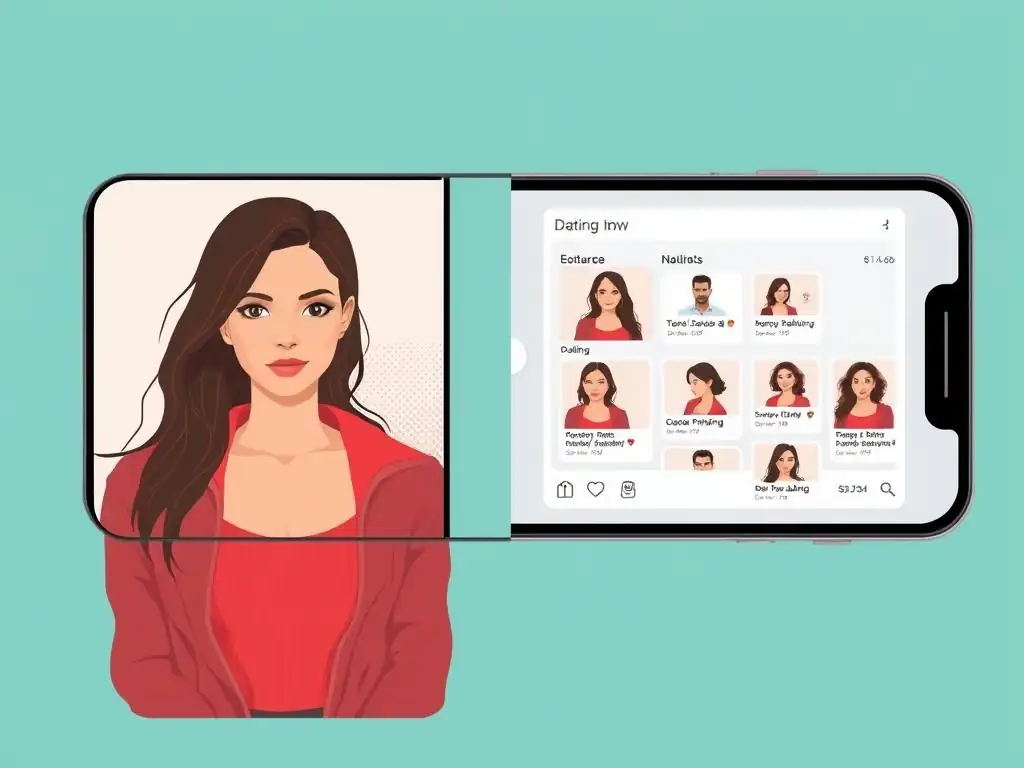
This section delves into the crucial skill of interpreting the results you get from a reverse image search when vetting online dating profiles. Understanding what the search engine reveals – or doesn't reveal – is key to protecting yourself from potential scams and ensuring safer online interactions. Remember, the goal isn't just to find an exact match; it's to assess the overall plausibility and consistency of the information presented in the profile. The more discrepancies you uncover, the more cautious you should be.
Analyzing Image Origins and Potential Mismatches
A reverse image search engine will typically show you where the image appears online. Ideally, you'd find the image only on the dating profile in question, suggesting a higher degree of authenticity. However, this is rarely the case. A more common scenario involves finding the image on multiple websites, potentially including stock photo sites, social media platforms, or even other dating profiles. This doesn't automatically mean the profile is fake, but it warrants further investigation.
Consider these potential scenarios:
- Multiple Dating Profiles: Finding the same image on several dating profiles is a major red flag. This strongly suggests the user is using fake profiles, potentially for fraudulent purposes, such as catfishing or romance scams. This is a clear indicator to proceed with extreme caution, or even to report the profile.
- Stock Photo Sites: If the image originates from a stock photo website, it's a definitive sign that the profile picture is not genuine. This is a common tactic used by scammers to create a sense of legitimacy. Be wary of overly perfect or generic-looking photos.
- Social Media Presence: Finding the image on a legitimate social media profile (with other corroborating information) can help verify the person's identity. However, be aware that profiles can be manipulated or even stolen. Always cross-reference multiple data points.
- Slight Variations: Sometimes, you'll find images that are almost identical but not exactly the same. This could indicate a minor edit (like a slight crop or filter) or even a deliberate attempt at obfuscation. Pay close attention to subtle differences, as they can be revealing.
Identifying Stock Photos and Photoshopped Images
Identifying stock photos is relatively straightforward with a reverse image search. Many stock photo websites have unique watermarks or metadata associated with their images. These can be easily detected by the search engine. However, scammers are becoming more sophisticated and are often removing watermarks or using heavily edited images.
Knowing the telltale signs of photoshopped images is equally crucial. Look for:
- Unnatural Lighting or Shadows: Inconsistencies in lighting and shadowing across the image can be a sign of manipulation.
- Distorted Features: Oddly shaped body parts or facial features can indicate photo editing.
- Seamless Backgrounds: Unrealistic or overly perfect backgrounds are a common indicator.
- Blurred Edges: Blurred or pixelated areas might mask edits or indicate a low-resolution image.
The combination of a reverse image search and a keen eye for inconsistencies is crucial for identifying potentially fraudulent profiles. Remember, a single suspicious element doesn't necessarily prove a scam, but the accumulation of multiple red flags should raise serious concerns.
Determining the Authenticity of Profiles Through Image Verification
Reverse image searching is just one tool in your arsenal. Combining it with other verification methods significantly strengthens your assessment of a profile's authenticity. Consider these complementary strategies:
- Cross-referencing information: Compare the information provided in the dating profile with the information found through reverse image searches and other online sources. Look for inconsistencies in names, ages, locations, or professions.
- Careful communication: Engage in cautious and gradual communication. Be wary of profiles that are overly eager for a relationship or that avoid answering direct questions.
- Video calls: Video calls can provide a much more reliable way to verify someone's identity and assess their authenticity. Avoid individuals who consistently refuse video calls.
- Meeting in public: When you finally decide to meet in person, always do so in a public place.
By combining these strategies, you'll significantly improve your ability to identify potentially fraudulent profiles and engage in safer online dating experiences. Remember, your safety and well-being are paramount. Don't rush into relationships, and always prioritize your personal security. Utilizing online dating reverse image search is a proactive step toward a safer and more fulfilling online dating journey.
Integrating Reverse Image Search into Your Online Dating Routine

This section explores how to seamlessly incorporate reverse image search into your online dating workflow, maximizing its effectiveness in identifying potential scams and ensuring a safer online dating experience. The process is surprisingly straightforward and can significantly enhance your safety. Remember, proactive safety measures are crucial for a positive online dating journey.
Building a Safer Online Dating Experience with Image Verification
Reverse image searching is a powerful tool for verifying the authenticity of profiles. Many online dating scams rely on stolen or manipulated images. By using a reverse image search engine, you can quickly determine if a profile picture appears elsewhere online. This simple act can reveal inconsistencies, such as the same image being used on multiple dating profiles or appearing on unrelated websites. For example, you might discover that a profile picture supposedly belonging to a "successful businessman" actually belongs to a stock photo model. This discrepancy is a major red flag.
Let's consider a practical example: You're chatting with someone who claims to be a doctor, and their profile picture shows a man in a lab coat. Before investing significant time and emotional energy, perform a reverse image search. If the image appears on multiple stock photo websites, or associated with another individual's profile, you immediately gain crucial information regarding the potential authenticity of the profile. This proactive approach prevents you from becoming a victim of catfishing or other deceptive practices. Remember, a few minutes of verification can save you considerable heartache and potential danger.
The process is simple: Download the image from the dating profile, and upload it to a reverse image search engine. Analyze the results carefully; even a subtle difference in the background or context can be revealing. Don't be afraid to conduct multiple searches using different engines, as each might yield unique results. Consistent discrepancies across multiple searches strongly suggest a potential issue with the profile’s authenticity.
Combining Reverse Image Search with Other Safety Precautions
While reverse image search is an invaluable tool, it shouldn't be your sole safety measure. Think of it as one layer of protection in a multi-layered approach to online dating safety. It's crucial to combine reverse image searches with other preventative measures for maximum effectiveness.
Here's a checklist of additional safety precautions you can take:
- Video Calls: Initiate video calls early in the communication process to verify the person's identity and appearance. This adds a significant layer of verification beyond just a profile picture.
- Slow and Steady Communication: Don't rush into a relationship. Take your time getting to know someone online before sharing personal information or meeting in person.
- Background Checks (where appropriate): For serious relationships, consider a background check, especially if you're planning on meeting in person.
- Trust Your Instincts: If something feels off, it probably is. Don't ignore your intuition, even if you can't pinpoint a specific reason for your unease.
- Report Suspicious Profiles: If you encounter a profile that seems suspicious, report it to the dating platform. This helps protect other users from similar scams.
This layered approach, combining reverse image searches with other safeguards, creates a robust defense against online dating scams. Remember, online safety is a continuous process, not a one-time fix.
Recognizing the Limitations of Reverse Image Search in Online Dating
While reverse image search is a powerful tool, it's essential to understand its limitations. It's not foolproof and doesn't guarantee complete safety. Sophisticated scammers can employ various techniques to evade detection.
Here are some limitations to keep in mind:
- Edited Images: Reverse image search may not detect images that have been heavily edited or altered. A simple filter or minor adjustments can significantly change the image's appearance, making it difficult for search engines to identify.
- Private Images: Images that aren't publicly available online won't be detected by reverse image searches. This means that scammers who use unique, unpublished photos might evade detection.
- New Images: Very recent images might not yet be indexed by search engines, making it difficult to find them through a reverse image search.
- False Negatives: While rare, it's possible for a reverse image search to fail to identify a stolen image, leading to a false sense of security.
Despite these limitations, reverse image search remains a valuable tool for enhancing online dating safety. Consider it a crucial element within a broader safety strategy, rather than a standalone solution. By combining it with other precautions and maintaining a healthy level of skepticism, you significantly reduce your risk of encountering online dating scams and create a safer online dating experience. Remember, awareness and proactive measures are your best defense.
Advanced Techniques for Online Dating Profile Verification
This section delves into more sophisticated methods for verifying online dating profiles beyond a simple reverse image search. While a reverse image search is a crucial first step in verifying a profile's authenticity, combining it with other techniques significantly strengthens your safety net. Remember, the goal is not to be paranoid, but to be proactive in protecting yourself. The more layers of verification you employ, the less likely you are to encounter fraudulent profiles.
Cross-referencing Information from Multiple Sources
Don't rely solely on the information presented within the dating profile itself. Cross-referencing information across multiple sources is key to uncovering inconsistencies. For example, if a profile claims a person works at a specific company, try to independently verify this. A simple Google search of the company and the individual's claimed name might reveal their LinkedIn profile, company website employee directory (if publicly accessible), or other online presence. Discrepancies between the dating profile and other online sources should raise a red flag.
Consider also checking for inconsistencies in claimed location. Does their profile location match the location mentioned on their social media profiles (if you can find them)? Do their claimed hobbies and interests align with any publicly available information about them? This meticulous cross-checking process significantly increases your ability to spot fabricated profiles. Even small inconsistencies can be indicators of a larger problem.
Social media can be a valuable tool for verifying profiles, but proceed with extreme caution. Do not directly contact the person on social media before confirming their authenticity through other means. Instead, use social media for passive verification. If you find a social media profile that matches the profile picture and some details from the dating profile, carefully examine the profile's activity, friends list, and overall presence. Does the social media activity match the claims in the dating profile? A sparsely populated profile or one with only recently created posts may be suspicious.
Remember, scammers can create fake social media profiles as well. Therefore, social media verification alone is insufficient. It should be used in conjunction with other verification methods to create a more comprehensive picture. Look for inconsistencies; even minor differences between the dating profile and social media can be significant. For example, a discrepancy in the number of friends or the types of posts could indicate a fake profile. Always treat information gleaned from social media as corroborating evidence, not definitive proof.
Seeking Advice from Experienced Online Daters
Sometimes, the best verification comes from the wisdom of others. Engaging with experienced online daters or joining online communities dedicated to dating safety can provide invaluable insights and advice. These communities often share tips, warnings, and even lists of known scammers. This collective knowledge can help you identify red flags you might have otherwise missed. Think of it as crowdsourced verification – leveraging the collective experience to enhance your personal safety. Remember, learning from others’ experiences can save you from potentially dangerous situations. It’s a proactive strategy that contributes to your overall online dating safety.
Frequently Asked Questions
What is a reverse image search, and why should I use it for online dating?
A reverse image search allows you to upload an image and find where else it appears online. This helps verify the authenticity of a dating profile picture and potentially uncover catfishing or fake profiles. It's a crucial safety measure.
How do I perform a reverse image search?
You can use services like Google Images, TinEye, or Yandex Images. Simply upload the image you want to check, and the search engine will show you similar images and websites where it appears. This helps you verify the profile's legitimacy.
Can a reverse image search guarantee complete safety on online dating sites?
No, a reverse image search is a valuable tool, but it's not a foolproof guarantee of safety. It can help detect some fake profiles, but scammers constantly evolve their tactics. Multiple safety measures are always recommended.
What should I do if a reverse image search reveals inconsistencies?
If the image appears on multiple unrelated websites or in different contexts than the profile claims, this is a red flag. Exercise extreme caution, and consider not engaging with that profile. Report the profile to the dating site if you suspect foul play.
Are there any limitations to using reverse image search in online dating?
Yes, some images might be privately hosted and not indexed by search engines. Also, sophisticated scammers may use slightly altered images to evade detection. Therefore, always use multiple verification methods in conjunction with reverse image searches.
The rise of online dating has fundamentally altered how we connect, but it's crucial to remember that this convenience comes with inherent risks. The ease of access also provides opportunities for deception and manipulation, making proactive safety measures paramount. Ignoring these risks is no longer an option; safeguarding your personal well-being in the digital dating world requires conscious effort and informed choices.
The impact of readily available tools like reverse image search on online dating safety cannot be overstated. It empowers individuals to take control of their online interactions and verify the identities of potential partners, mitigating the potential for catfishing and other forms of online deception. This shift towards proactive safety is a crucial cultural change, moving away from a passive acceptance of online risks. The best way to find yourself is to lose yourself in the service of others.
- Mahatma Gandhi. While this quote speaks to a broader context, it resonates here; by prioritizing our own safety and well-being, we empower ourselves to build healthier, more authentic connections.
You now possess the knowledge to navigate the digital dating world with greater confidence and security. Take the time to implement these strategies; use reverse image search, verify profiles, and trust your instincts. Remember, your safety and well-being are paramount. Don't let the convenience of online dating overshadow the importance of protecting yourself. Embrace the power of informed choices and build a safer, more fulfilling dating experience.
Unmask the Truth: Take Control of Your Online Safety
Thank you for learning about reverse image searches and their importance in online dating safety. You've gained a powerful tool to verify profiles and protect yourself. Ready to use this knowledge?
- Always perform a reverse image search on any profile picture that seems suspicious. This quick check could prevent significant emotional distress.
- Share this article with your friends and family—raising awareness about online dating safety is vital.
- Explore additional online safety resources to learn more about protecting your privacy when meeting new people.
What's one practical step you will take today to improve your online dating safety?