
Dating App Safety Tips: How to Avoid Falling Victim to Scams


Ready to transform your online dating experience? At OnlineDatingSuccess.org, we empower you to navigate the world of digital romance with confidence. But before you dive in, let's address a crucial element: safety. This article on online dating scam prevention tips reveals the red flags to watch out for and the strategies to protect yourself, ensuring your journey towards meaningful connections is secure and rewarding. Discover the secrets to a safer and more successful dating life – read on to learn more!
- Understanding Online Dating Scam Prevention Tips
- Protecting Your Personal Information: Key Online Dating Scam Prevention Tips
- Building Trust Safely: Online Dating Scam Prevention Strategies
- Reporting Scams and Protecting Others: Online Dating Safety Measures
- Staying Safe While Using Dating Apps: A Comprehensive Guide to Online Dating Scam Prevention
- Frequently Asked Questions
- Final Reflection: Navigating the Digital Dating Landscape Safely
- Unlock Your Dating App Confidence: Take Charge of Your Safety
Understanding Online Dating Scam Prevention Tips
Navigating the world of online dating can be exciting, offering the potential to connect with like-minded individuals and build meaningful relationships. However, it's crucial to be aware of the risks involved, particularly the prevalence of scams and fraudulent activities. This article provides practical, empathetic guidance on how to identify and avoid online dating scams, empowering you to protect yourself and build safer connections. We'll explore common scammer tactics, red flags to watch out for, and strategies to prevent becoming a victim.
Learning to recognize these warning signs is the first step towards a safer and more positive online dating experience. Remember, prioritizing your safety shouldn't diminish the joy of connecting with others; rather, it enhances it by fostering trust and genuine interactions. Let's delve into the essential online dating scam prevention tips that can help you avoid heartbreak and financial loss.
Recognizing Common Online Dating Scams
Online dating scams come in various forms, often employing sophisticated techniques to deceive unsuspecting users. Some common scams include:
- The "Romance Scam": This involves building a quick, intense emotional connection, often leading to requests for money, gifts, or personal financial information under various pretexts (e.g., medical emergencies, business ventures, travel expenses). These scammers often create fake profiles with stolen photos and fabricated backgrounds.
- The "Catfishing Scam": This involves creating a fake profile using someone else's photos and a fabricated identity. The scammer may use this false persona to build a relationship, often with the intention of exploiting the victim emotionally or financially.
- The "Investment Scam": This type of scam typically involves the scammer presenting themselves as a successful investor or financial expert, enticing the victim to invest in a fraudulent scheme.
- The "Fake Profile Scam": This involves creating multiple fake profiles to engage with the same victim, creating a sense of validation and increasing the likelihood of the victim falling prey to their schemes. These profiles may seem to corroborate each other, falsely creating a sense of legitimacy.
It's important to remember that scammers are skilled manipulators. They prey on emotions like loneliness and the desire for connection. Being aware of these common tactics is your first line of defense. Remember, genuine connections take time to build; be wary of anyone who rushes the process or asks for money early on.
Identifying Red Flags in Profiles and Messages: Scammer Tactics
While not every red flag indicates a scam, a cluster of warning signs should raise your suspicion. Here are some key indicators:
- Vague or inconsistent profiles: Lack of detail, contradictory information, or an unusually perfect profile can be a red flag. Genuine profiles often have imperfections and inconsistencies.
- Requests for money or financial information: Legitimate daters will not ask for money or personal financial details early in the relationship. This is a major red flag.
- Pressure to move the relationship quickly: Scammers often try to rush the relationship to prevent you from discovering their true intentions.
- Excessive flattery or compliments: While genuine compliments are nice, overly effusive praise that feels insincere should raise suspicion.
- Poor grammar and spelling: While not always a sign of a scam, consistently poor grammar and spelling can be indicative of a fake profile.
- Inability to video chat or meet in person: Scammers often avoid video calls or in-person meetings, as it would expose their false identity. Be wary of those who consistently make excuses.
- Photos that seem too perfect or are easily found online: Reverse image searches can help you determine if the photos used are legitimate.
Recognizing Phishing Attempts and Malicious Links
Scammers often attempt to obtain your personal information through phishing attempts. These attempts might involve:
- Suspicious links: Be wary of links sent through messaging platforms that lead to websites asking for personal information or login credentials.
- Requests for personal details: Legitimate dating sites will never ask for your passwords or other sensitive information via email or text message.
- Urgent requests: Scammers often create a sense of urgency to pressure you into acting quickly without thinking.
Always double-check the legitimacy of any link before clicking, and never provide sensitive information through unofficial channels. Remember, protecting your personal information is paramount to your online safety. If something feels off, trust your instincts and err on the side of caution. Your safety and well-being are worth prioritizing.
Protecting Your Personal Information: Key Online Dating Scam Prevention Tips
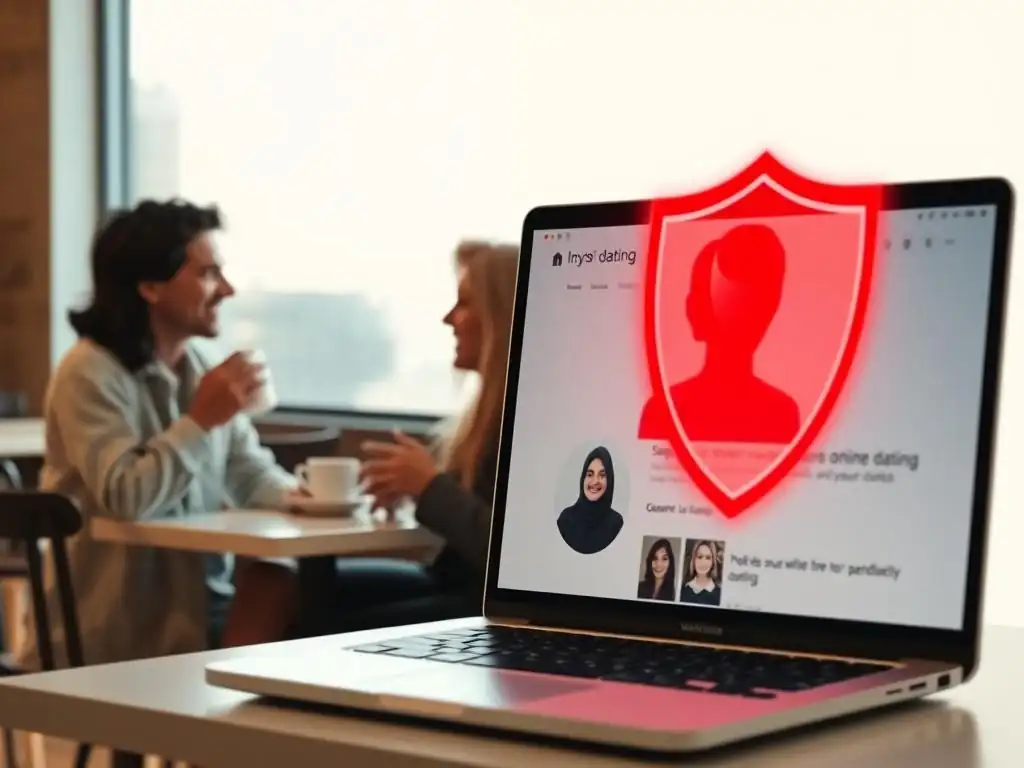
Protecting your personal information is paramount when navigating the world of online dating. Many online dating scams hinge on gaining access to your sensitive data, using it for identity theft, financial fraud, or even blackmail. Therefore, implementing robust security measures is crucial for online dating scam prevention. This section will delve into practical steps you can take to safeguard your information and minimize your risk. Remember, being vigilant is your best defense against scammers.
Avoiding Sharing Sensitive Data Online
The first line of defense against online dating scams is to avoid sharing any sensitive personal information prematurely. This includes, but is not limited to: your full name, address, place of employment, financial account details, social security number, and driver's license information. Never share details about your family members, children, or pets either, as this information can be used to manipulate you or gain your trust.
Scammers often employ manipulative tactics to pressure you into sharing such data. They might feign urgency, claiming to be in a difficult situation, or create a false sense of intimacy to lower your guard. Remember, a legitimate relationship develops gradually; rushing into sharing personal details is a major red flag. Instead of directly providing this information, consider using alternative ways to verify a person's identity or confirm their claims. For example, ask for a video call instead of exchanging personal photos or details.
Consider this scenario: A profile claims to be a successful entrepreneur, but avoids specifics. Instead of directly asking for details of their company, you could ask indirect questions about their work, their typical workday, or challenges they face. This approach helps you assess their credibility without revealing your own vulnerability. Always prioritize your safety and proceed cautiously.
Securing Your Accounts and Devices
Beyond protecting your personal information, securing your online accounts and devices is crucial for online dating scam prevention. Weak security makes you an easy target for hackers who could then access your dating profiles and potentially steal your data or impersonate you. This includes regularly updating your software, using strong passwords, and enabling two-factor authentication wherever possible.
Here's a checklist to ensure your accounts and devices are secure:
- Regular Software Updates: Keep your operating system, apps, and antivirus software up-to-date. These updates often include security patches that protect against known vulnerabilities.
- Strong Passwords: Use unique, complex passwords for each of your online accounts. Avoid using easily guessable passwords like birthdays or pet names. Consider using a password manager to help generate and store strong, unique passwords.
- Firewall and Antivirus: Ensure you have a firewall and robust antivirus software installed and active on all your devices. These tools help protect against malware and other threats.
- Privacy Settings: Review and adjust the privacy settings on your dating app profiles and social media accounts to limit the amount of information publicly visible.
Using Strong Passwords and Two-Factor Authentication
Strong passwords are the bedrock of online security. A strong password is long (at least 12 characters), contains a mix of uppercase and lowercase letters, numbers, and symbols, and is unique to each account. Avoid easily guessable information like birthdays or names. Think of a passphrase—a memorable phrase that is difficult to crack—and turn it into a password. For instance, "MyFavoriteDogIsFluffy123!" is much stronger than "Fluffy".
Two-factor authentication (2FA) adds an extra layer of security. This means that even if someone gets your password, they'll still need a second code, usually sent to your phone or email, to access your account. Enable 2FA on all your important accounts, including your dating apps and email.
This significantly reduces the risk of unauthorized access, even if your password is compromised. Always prioritize your online security; it's the best way to protect yourself from online dating scams and maintain your peace of mind. Remember, a proactive approach to security is vital for a safe and enjoyable online dating experience.
Building Trust Safely: Online Dating Scam Prevention Strategies
This section focuses on proactive strategies to minimize your risk of becoming a victim of online dating scams. Remember, building trust takes time and careful observation. Don't rush into anything, and always prioritize your safety and well-being. These online dating scam prevention tips can significantly reduce your vulnerability.
Verifying Profiles and Background Checks (Where Applicable)
One of the most effective online dating scam prevention tips is thorough profile verification. While complete background checks aren't always feasible, you can take steps to validate the information presented. Look for inconsistencies in a profile. Do their photos seem professionally taken or overly edited? Does their story seem too good to be true? A scammer's profile might lack detail or contain generic information. Pay close attention to the quality and consistency of their photos. Do they have multiple photos, showing different angles and settings? Or just one or two highly polished images?
Cross-referencing information is crucial. If they mention working for a specific company, try looking up the company online. Do their claims align with the company's public information? Be wary of profiles that lack personal details or have vague descriptions. Remember, legitimate profiles usually showcase a person's life and interests more openly. This is a key aspect of online dating scam prevention.
Here's a simple table summarizing verification steps:
| Verification Method | Description | Effectiveness |
|---|---|---|
| Reverse Image Search | Use Google Images to check if profile photos appear elsewhere online. | High - Detects stolen images. |
| Social Media Cross-Reference | Search for the person on other social media platforms. | Medium - Not all use all platforms; some profiles may be fake. |
| Company Verification | Check if the claimed employer exists and if the person's description aligns. | Medium - Some scammers create fake company details. |
| Detailed Profile Analysis | Look for inconsistencies, vague statements, or overly perfect descriptions. | High - Catches many inconsistencies. |
Slow and Steady Communication: Avoiding Rushed Relationships
Scammers often try to establish a quick connection and rush the relationship. They might shower you with excessive compliments, profess undying love early on, or make grand promises quickly. This is a classic online dating scam tactic. One of the most effective online dating scam prevention tips is to resist this pressure. Take your time getting to know someone.
Don't be afraid to move slowly. Engage in casual conversation initially, focusing on getting to know their personality and interests. Be wary of anyone who seems overly interested too quickly or who avoids answering direct questions about their life. Genuine connections develop gradually, and rushing things is a major red flag.
Remember, building trust is a process, not a race. This measured approach is a key part of online dating scam prevention. Take note of how quickly they want to move from online chats to more personal interactions. A genuine connection will respect your need for space and time.
Video Calls: A Crucial Step in Online Dating Scam Prevention
Initiating a video call is a powerful tool in online dating scam prevention. It allows you to verify the person's identity and assess their authenticity. Scammers often avoid video calls due to fear of exposure. If someone consistently avoids a video chat, despite your requests, it should raise serious concerns.
This is an especially important online dating scam prevention tip because it helps confirm their physical appearance matches their profile photos. Pay attention to their surroundings during the call. Does their environment align with their descriptions? A video call provides a visual context that text-based communication lacks. This can be a critical step in avoiding scams. This approach is a much more effective way to build trust and assess someone's authenticity than relying solely on text or voice communication. Always prioritize your safety and be cautious when sharing personal information.
Reporting Scams and Protecting Others: Online Dating Safety Measures
This section focuses on proactive steps you can take after encountering suspicious activity or a potential scam, helping you protect yourself and prevent others from falling victim. Remember, reporting is crucial for online dating scam prevention. Your actions can help improve platform safety and potentially bring scammers to justice. Taking these steps demonstrates your commitment to online dating safety and contributes to a safer online environment for everyone.
Reporting Suspicious Activity to Dating Platforms
Most reputable dating platforms have robust reporting mechanisms in place. Don't hesitate to use them! Detailed reports significantly aid platform administrators in identifying and banning fraudulent accounts. When reporting, be as specific as possible. Include the following information:
- Username and Profile Information: Provide the scammer's username, profile picture, and any other identifying details you can recall. Screenshots are invaluable evidence.
- Communication History: Save all messages, emails, or other forms of communication you had with the scammer. This provides a clear timeline of events and reveals their manipulative tactics.
- Type of Scam: Clearly state the nature of the scam—was it a romance scam, a phishing attempt, or something else? Detail the scammer's requests (money, personal information, etc. ).
- Dates and Times: Note the dates and times of significant interactions. This helps investigators pinpoint the scammer's activity.
Consider using the following template when composing your report to the dating platform:
| Field | Example | Notes |
|---|---|---|
| Username | "CharmingPrince88" | Accurate username is essential. |
| Profile Picture | [Description of profile picture] | Include details like clothing, background, etc. |
| Communication Method | "App messaging" | Specify if it was in-app messaging, email, or another platform. |
| Scam Type | "Financial scam - requested money for medical emergency" | Be precise and descriptive. |
| Dates/Times | "July 15th, 2024, 10:00 AM - July 20th, 2024, 5:00 PM" | Provide a timeframe for the interactions. |
| Evidence | "Attached screenshots of messages" | Always attach screenshots or other relevant evidence. |
Remember, even seemingly insignificant details can be helpful in identifying and stopping scammers. Your diligence in reporting contributes significantly to online dating scam prevention.
Reporting Scammers to Law Enforcement
While reporting to the dating platform is crucial, you should also consider contacting law enforcement if you've been a victim of a financial scam or other serious crime. Gather all your evidence—screenshots, transaction records, etc.—before contacting the authorities. Be prepared to provide detailed information about the scammer and the events that transpired. Local police departments and the FBI's Internet Crime Complaint Center (IC3) are resources to report online dating scams.
Many law enforcement agencies are increasingly aware of the prevalence of online dating scams and have dedicated units to investigate these crimes. Your report, even if it doesn't lead to immediate arrest, contributes to a larger database that helps law enforcement track patterns and identify repeat offenders, thereby improving online dating scam prevention efforts. Don't underestimate the power of your report.
Sharing your experiences, while difficult, can help others avoid similar situations. Anonymously discussing your encounter on relevant online forums or support groups can warn others about specific scams and scammer tactics. Remember to avoid sharing personally identifying information to protect your privacy while still raising awareness.
By sharing your story, you’re contributing to a larger conversation about online dating safety and helping to build a more informed and resilient online community. Your experience, though painful, can become a valuable tool in the ongoing effort towards online dating scam prevention. Remember, you are not alone, and your voice matters. Your contribution to online dating scam prevention is vital.
Staying Safe While Using Dating Apps: A Comprehensive Guide to Online Dating Scam Prevention
This section delves into practical strategies for online dating scam prevention, equipping you with the knowledge and tools to navigate the digital dating world safely. Remember, your safety is paramount. While online dating offers exciting possibilities, it's crucial to be vigilant and proactive in protecting yourself from potential harm. This guide provides actionable steps to minimize your risk and maximize your chances of a positive online dating experience. We'll explore various techniques, from recognizing red flags to leveraging built-in app features designed to enhance your safety.
Safe Meeting Practices: First Dates and Beyond
Meeting someone from an online dating app for the first time can be both exhilarating and nerve-wracking. Prioritizing safety during this initial phase is critical. Never rush into a face-to-face meeting. Take your time getting to know someone virtually before deciding to meet in person. Here are some key recommendations for safe meeting practices:
- Public Places First: Always choose a well-lit, public place for your first meeting. A busy coffee shop, restaurant, or park during the day are excellent options. Avoid secluded areas or going to someone's home on the first date.
- Tell a Friend: Before your date, inform a trusted friend or family member about your plans. Share the person's name, profile picture, and the location of your meeting. Arrange to check in with them during or after the date.
- Transportation: Arrange your own transportation to and from the date. This ensures you maintain control and can leave whenever you feel uncomfortable. Avoid relying on your date for transportation, especially on a first meeting.
- Limit Alcohol Consumption: Excessive alcohol consumption can impair your judgment and make you more vulnerable. Stay in control of your senses throughout the date.
- Trust Your Gut: If something feels off or makes you uncomfortable, don't hesitate to leave. Your safety is the top priority. There's no shame in ending a date early if you have any concerns.
Remember, a safe and successful online dating experience requires careful planning and mindful decision-making. Prioritizing your safety shouldn't detract from the excitement of meeting someone new; rather, it enhances your overall experience by allowing you to focus on building genuine connections.
Trust Your Instincts: Recognizing Warning Signs
Your intuition is a powerful tool in identifying potential online dating scams. Learning to recognize warning signs is crucial for online dating scam prevention. Pay close attention to behaviors and communication patterns that deviate from the norm. Here are some red flags to watch out for:
- Inconsistency in Profile Information: Discrepancies between a person's profile information and their communication style or claims should raise concerns. This could signal a fake profile or an attempt to deceive you.
- Pressure to Move Quickly: If someone pressures you to meet in person quickly or share personal information before you feel comfortable, proceed with extreme caution. Legitimate relationships develop gradually.
- Excessive Compliments or Promises: Over-the-top flattery or unrealistic promises are classic red flags. Be wary of anyone who seems too good to be true.
- Requests for Money or Financial Assistance: This is a significant warning sign. Legitimate individuals will not ask for money or financial assistance, especially early in the relationship.
- Avoidance of Video Calls: A reluctance to engage in video calls or share photos of themselves in real-time could indicate that the person is not who they claim to be.
These are just a few of the many potential warning signs. Trust your instincts; if something feels wrong, it probably is. Don't hesitate to end communication with anyone who makes you feel uncomfortable or unsafe. Remember, your safety and well-being are always the most important considerations.
Utilizing Dating App Safety Features
Most reputable dating apps offer various safety features designed to protect their users. Familiarize yourself with these features and utilize them effectively to enhance your online dating experience. These features can significantly contribute to online dating scam prevention:
- Reporting Mechanisms: If you encounter suspicious behavior or a potentially fraudulent profile, use the app's reporting mechanisms to alert the platform. This helps protect other users and contributes to a safer online environment.
- Verification Processes: Many apps offer profile verification options. Look for profiles that have undergone verification, as this adds an extra layer of security.
- Blocking and Unmatching: Don't hesitate to block or unmatch anyone who makes you feel uncomfortable or unsafe. This is a simple yet effective way to protect yourself.
- Privacy Settings: Carefully review and adjust your privacy settings to control the information you share with other users. Limit the visibility of your personal information to protect your safety.
- Two-Factor Authentication: Enable two-factor authentication whenever possible to add an extra layer of security to your account. This makes it significantly more difficult for unauthorized individuals to access your profile.
By using these features diligently, you can greatly reduce your risk of encountering scams or unsafe interactions. Remember that proactive safety measures are essential for a positive and secure online dating experience. Prioritizing these precautions is key to successfully navigating the online dating landscape and building healthy relationships.
Frequently Asked Questions
How can I spot a fake profile on a dating app?
Be wary of profiles with limited photos, inconsistent information, or excessive flattery. Look for red flags like overly perfect pictures or a story that seems too good to be true. Reverse image search photos to verify authenticity.
What are some common online dating scams?
Common scams include catfishing (using fake photos and identities), romance scams (luring victims for money), and advance-fee scams (requesting money upfront for various reasons). Be cautious of anyone asking for financial assistance, especially early in the relationship.
How can I protect my personal information while online dating?
Never share sensitive personal information like your full address, social security number, or bank details. Use a strong password and enable two-factor authentication. Be mindful of what you post publicly on your profile.
What should I do if I suspect I'm being scammed?
If you suspect a scam, stop all communication immediately. Report the profile to the dating app and consider blocking the user. You may also want to report the incident to the authorities.
What are some tips for safe online dating communication?
Video chat early in the relationship to verify their identity. Meet in a public place for your first date. Let a friend or family member know where you're going and who you're meeting. Trust your instincts; if something feels off, it probably is.
The rise of online dating has revolutionized romance, but it's also created a breeding ground for sophisticated scams. Millions navigate these platforms daily, seeking connection, yet vulnerability remains a significant concern. Understanding the risks and implementing preventative measures is no longer optional; it's essential for safe and fulfilling online dating experiences.
The impact of online dating scams extends far beyond financial loss; it chips away at trust and leaves lasting emotional scars. The constant evolution of these scams underscores the need for ongoing vigilance and education. The best defense is a good offense,
a familiar adage, rings particularly true in the digital dating world. We must remain proactive, sharing knowledge and empowering each other to navigate this landscape with awareness and caution. The emotional toll of falling victim to a scam is often overlooked, highlighting the importance of community support and open conversations about these experiences.
You, the reader, now hold the power to shape your online dating journey. Take the time to review the safety tips outlined in this article, and don't hesitate to share this information with friends and family. Remember, a healthy dose of skepticism and a commitment to protecting your personal information are your strongest allies. By staying informed and practicing caution, you can confidently embrace the opportunities of online dating while minimizing the risks. Let's build a safer and more trustworthy digital dating environment, together.
Unlock Your Dating App Confidence: Take Charge of Your Safety
Thank you for learning about online dating safety. We hope this article empowers you to navigate the online dating world with confidence. Now, let's put that knowledge into practice!
Here's how you can proactively protect yourself:
- Verify profiles carefully: Before meeting anyone in person, thoroughly check their profile for inconsistencies or red flags. This is crucial for minimizing risk.
- Share your date plans with someone you trust: Let a friend or family member know your date's details, including the time, location, and profile information. This extra precaution provides reassurance.
- Share this article: Help your friends and family stay safe by spreading awareness and creating a safer dating community.
What's one step you'll take today to improve your dating app safety?