
Dating App Scams: How to Spot Fake Profiles and Stay Safe


Dive into the world of online dating with confidence! At OnlineDatingSuccess.org, we're dedicated to helping you navigate the exciting—and sometimes tricky—landscape of finding love online. But first, let's address a crucial concern: how to avoid dating app scams. This isn't just about finding a date; it's about protecting yourself. Discover essential strategies to spot fake profiles and build a safer, more rewarding online dating experience. Ready to unlock your dating potential? Let's get started!
- Understanding the Landscape of Online Dating Scams
- How to Identify Fake Profiles on Dating Apps
-
Protecting Yourself from Dating App Scams: Safety Precautions
- Avoid Sharing Personal Information Too Early: Protecting Your Privacy Online
- Secure Communication Methods: Minimizing Risks During Online Interactions
- Never Send Money or Gifts: A Critical Rule for Online Dating Safety
- Verify Profiles Through Multiple Sources: Cross-Referencing Information
- Trust Your Instincts: Recognizing Warning Signs and Acting Accordingly
- Reporting Suspicious Profiles and Scammers
- Building Healthy Online Dating Habits: Long-Term Safety Strategies
- Frequently Asked Questions
- Final Reflection: Navigating the Digital Dating Landscape Safely
- Unveil Your Dating App Confidence: Take Control of Your Safety
Understanding the Landscape of Online Dating Scams
Online dating has revolutionized how people connect and form relationships. Millions utilize dating apps and websites daily, seeking companionship, love, and lasting connections. However, this digital landscape isn't without its shadows. The ease and anonymity afforded by online platforms unfortunately attract malicious individuals who prey on vulnerable users.
This article delves into the pervasive issue of dating app scams, providing you with the knowledge and tools to identify fraudulent profiles, avoid becoming a victim, and ultimately, navigate the online dating world safely and effectively. Understanding the common tactics, recognizing red flags, and knowing the different types of scams are crucial steps in protecting yourself and fostering positive online dating experiences. Avoiding dating app scams is paramount to ensuring your safety and well-being while searching for meaningful connections. We'll equip you with the essential information to confidently navigate the complexities of online dating and avoid falling prey to deceptive individuals.
Common Dating App Scam Tactics: A Comprehensive Overview
Dating app scammers employ a variety of deceptive tactics to lure their victims. Understanding these common strategies is the first line of defense. Many scams follow a similar pattern, beginning with seemingly genuine interactions that gradually become more suspicious. Here are some prevalent tactics:
- The "too good to be true" profile: These profiles showcase unrealistic perfection – stunning photos, impressive careers, and extravagant lifestyles. They often lack details or consistency in their information. Be wary of profiles that seem almost too perfect. 🤔
- Rapid escalation of intimacy: Scammers often rush the relationship, expressing strong feelings and declarations of love quickly. They might pressure you into sharing personal information or sending money prematurely. 💔
- Requests for financial assistance: This is a classic scam tactic. The scammer will create a fabricated emergency—a sick relative, travel difficulties, or unexpected financial hardship—to manipulate you into sending money. They may even use sob stories to tug at your heartstrings. 💸
- Pressure to move off the dating app: Legitimate users are generally comfortable continuing conversations within the app's secure environment. Scammers often pressure you to move the conversation to other platforms, such as email, messaging apps, or even phone calls, where they have more control and anonymity. 📱
- Vague or inconsistent information: Pay close attention to inconsistencies in their profiles or stories. Do their photos seem professionally edited? Do their claims about their life and career add up? Inconsistencies are often a major red flag. 🚩
Recognizing Red Flags: Early Warning Signs of a Scam Profile
Identifying red flags early on can significantly reduce your risk of becoming a victim. While not every red flag indicates a scam, a combination of warning signs should prompt caution and further investigation. Here are some key indicators:
- Lack of personal details: A profile with limited information or vague descriptions is a cause for concern. Legitimate users generally provide more details about their lives and interests.
- Suspicious photos: Photos that appear overly edited, professionally taken, or stolen from stock websites are red flags. Reverse image search the photos to verify their authenticity.
- Grammar and spelling errors: While not always an indicator, a high number of grammatical errors or spelling mistakes can suggest a lack of authenticity.
- Inconsistent information: Pay attention to discrepancies in their profile information, their stories, or their behavior. Do their actions match their words?
- Avoidance of video calls: Legitimate users are generally comfortable with video calls. Scammers often avoid them, using excuses to avoid showing their true identity.
Types of Dating Scams: Romance Scams, Catfishing, and More
Dating scams manifest in various forms. Understanding these different types can help you better protect yourself.
- Romance Scams: These scams involve building a fake romantic relationship to exploit the victim financially or emotionally. The scammer often creates a false persona to gain the victim's trust.
- Catfishing: This involves creating a fake online persona using stolen photos and fabricated information. The scammer's goal might be to build a relationship, gain attention, or even commit identity theft.
- Investment Scams: These scams lure victims into investing in fake businesses or opportunities, promising high returns. The scammer often uses their relationship with the victim to build trust and pressure them into investing.
- Extortion Scams: These scams involve obtaining compromising information or photos from the victim and then threatening to expose them unless they pay a sum of money.
By understanding these common tactics, recognizing red flags, and being aware of the different types of scams, you can significantly improve your safety and increase your chances of having positive experiences in the world of online dating. Remember, if something feels off, trust your instincts. Your safety and well-being are paramount.
How to Identify Fake Profiles on Dating Apps
Dating apps offer a fantastic opportunity to connect with new people, but unfortunately, they also attract scammers. Learning to identify fake profiles is crucial to avoid heartbreak, financial loss, and potential safety risks. This section will equip you with the tools and knowledge to navigate the online dating world more safely and effectively, helping you avoid dating app scams. Remember, your safety and well-being are paramount.
Spotting Fake Photos: Image Verification Techniques
One of the most common ways scammers create fake profiles is by using stolen or manipulated photos. High-quality, professional-looking photos aren't automatically a red flag, but inconsistencies and a lack of variety should raise suspicion. Here's how to spot potentially fake photos:
- Look for inconsistencies: Does the person in the photos appear significantly different in different pictures? Are there inconsistencies in lighting, background, or even the person's appearance (e.g., different hairstyles, eye color, or body features)? Scammers often cobble together images from various sources, resulting in these discrepancies.
- Reverse image search: This is a crucial step (detailed further in the next section). A quick reverse image search can reveal if the photos are used on other profiles or websites.
- Overly perfect photos: While some people may have professional headshots, a profile filled only with highly polished, seemingly professionally taken photos can be suspicious. Real people have a mix of casual and posed photos.
- Lack of variety: A profile with only one or two photos, especially those that appear overly posed or filtered, should raise a red flag. Genuine profiles usually show a variety of pictures, capturing different aspects of the person's life and personality.
- Photos that are too good to be true: Be wary of pictures that seem unrealistically perfect – flawless skin, impossibly good lighting, or a model-like appearance that seems out of place with the rest of the profile.
Analyzing Profile Inconsistencies: Suspicious Information and Gaps
Beyond photos, inconsistencies in the profile information itself can be a major indicator of a fake profile. Pay close attention to the following:
- Vague or missing information: A profile lacking basic details like age, location, or occupation should raise suspicion. While some people may be understandably private, a complete lack of information can be a sign of deception.
- Generic descriptions: Avoid profiles with overly generic or cliché descriptions. Be wary of phrases like "looking for my soulmate," "love to travel," or "enjoy long walks on the beach" without any specific details or examples. Genuine profiles will often include specific hobbies, interests, and personal anecdotes.
- Grammar and spelling errors: While not always indicative of a scam, a significant number of grammatical errors or misspelled words can suggest a hastily created, fake profile.
- Inconsistent information: Check for contradictions within the profile. For example, does the stated occupation match the described lifestyle? Do the photos align with the claimed age and appearance? Discrepancies are a major warning sign.
- Lack of personal details: Genuine profiles usually reveal something about the person's personality, values, and aspirations. Look for details that show genuine individuality. If the profile is devoid of such information, it may be fake.
Reverse Image Searching: A Powerful Tool for Verification
Reverse image searching is one of the most effective ways to verify the authenticity of photos used in dating profiles. Services like Google Images, TinEye, and Yandex Images allow you to upload an image or provide a URL, and they will search the internet for similar images. This helps you determine if the photos have been stolen from another source or are being used on multiple dating profiles.
Here's how to effectively use reverse image searching:
- Save the image: Download the image you want to verify from the profile.
- Use a reverse image search engine: Upload the image to your chosen reverse image search engine.
- Analyze the results: Examine the results carefully. If the image appears on other dating profiles, stock photo websites, or unrelated websites, it's a strong indication that the profile is fake.
- Repeat for multiple images: If the profile contains multiple photos, it's recommended to perform a reverse image search on each one. This will provide a more comprehensive picture of the profile's authenticity.
By using a combination of these techniques, you can significantly improve your ability to identify fake profiles and avoid dating app scams. Remember, trust your instincts. If something feels off, it probably is. Prioritize your safety and well-being above all else.
Evaluating Communication Patterns: Unusual Language and Behavior
Identifying fake profiles often involves paying close attention to the nuances of communication. Scammers frequently exhibit unusual language patterns and behaviors that differ significantly from genuine users. One common red flag is inconsistent language. A profile might boast impeccable grammar and sophisticated vocabulary in their profile description, but their messages are riddled with typos, grammatical errors, and informal slang. This jarring discrepancy should raise suspicion. This incongruence suggests they may be using automated translation tools or simply lack the linguistic skills they claim to possess.
Another key indicator is excessive flattery or overly romantic language from the outset. Genuine connections develop gradually; instant declarations of love, promises of a future together, or overwhelmingly passionate messages within the first few interactions are highly suspicious. Scammers employ these tactics to quickly gain your trust and affection, making you more vulnerable to their schemes. They often use generic, copy-paste messages, showing a lack of genuine interest in getting to know you specifically. Pay attention to the details; do their messages seem personalized, or are they using the same lines on everyone?
Furthermore, be wary of pressure tactics and urgency. Scammers often try to rush the relationship, pushing for quick meetings or requesting personal information prematurely. They might create a sense of urgency by claiming to be leaving the country soon or facing a sudden financial crisis, appealing to your empathy to elicit a hasty response. Legitimate users understand that building trust and a genuine connection takes time. Resist any pressure to act quickly or share sensitive information before you're comfortable.
Finally, observe their response time and consistency. While life gets in the way, an almost immediate response at all hours of the day and night, coupled with an inability to ever miss a message, can be a sign of a bot or someone who is not genuinely engaged in multiple conversations. Genuine users have lives and responsibilities; they won't be constantly available for instant messaging. Inconsistency in their responses, including sudden silences followed by bursts of activity, can also be a red flag.
Consider the overall pattern of communication – is it genuine, or does it feel forced and artificial? Trust your instincts; if something feels off, it likely is. Avoiding dating app scams requires careful observation and a healthy dose of skepticism.
Protecting Yourself from Dating App Scams: Safety Precautions
This section focuses on proactive measures you can take to avoid dating app scams and protect yourself from potential harm. Remember, your safety is paramount, and being vigilant is key to a positive online dating experience. Let's delve into specific strategies to minimize your risk.
Avoid Sharing Personal Information Too Early: Protecting Your Privacy Online
Sharing personal information prematurely is a major red flag in online dating, often exploited by scammers. It's crucial to build trust gradually and avoid revealing sensitive details until you've met in person and established a genuine connection.
This includes, but is not limited to:
- Your full name and address.
- Your place of work and employment details.
- Your financial information (bank accounts, credit card numbers).
- Your social security number or other identifying documents.
- Specific details about your daily routine or travel plans.
Scammers use this information for identity theft, financial fraud, or even stalking. Instead of immediately disclosing such details, focus on getting to know the person through conversation and video calls. Remember, legitimate individuals will understand and respect your need for privacy. Building trust takes time; don't rush it.
"It's better to be cautious than to regret sharing too much too soon."
Consider using a different email address or phone number specifically for online dating to further protect your privacy. This creates an extra layer of security, preventing unwanted contact from extending to other areas of your life.
Secure Communication Methods: Minimizing Risks During Online Interactions
While many dating apps provide built-in messaging systems, it's wise to be aware of potential vulnerabilities. Direct communication within the app's secure environment generally offers better protection than moving to external platforms too quickly.
However, if you decide to use external communication methods, prioritize those that offer some level of verification or security:
- Video calls: A video call allows you to verify the person's identity and assess their authenticity. Inconsistencies between their profile picture and their appearance during a video call are major red flags.
- Encrypted messaging apps: Apps with end-to-end encryption, such as Signal or WhatsApp, offer a more secure way to communicate than standard SMS or email. This ensures that your conversations remain private.
Avoid using email or text messaging exclusively, as these are less secure and more susceptible to interception or manipulation. Always be cautious of individuals who pressure you to move to less secure platforms quickly. This is often a tactic used by scammers to avoid detection.
Never Send Money or Gifts: A Critical Rule for Online Dating Safety
This is perhaps the most crucial rule to remember: Never send money or gifts to someone you've met online, regardless of their story or how convincing they may seem. This is a hallmark of many dating scams. Scammers often create elaborate scenarios—emergencies, unexpected expenses, or investment opportunities—to manipulate you into sending them money.
Remember:
- Legitimate individuals will not ask you for financial assistance.
- If someone pressures you for money, it's almost certainly a scam.
- Report any suspicious activity to the dating app immediately.
No genuine relationship should necessitate financial transactions early on. Protect your finances and avoid becoming a victim of financial exploitation. If you encounter such requests, immediately block and report the user. Your financial well-being is far more important than any fleeting online connection. Protecting yourself from financial scams is paramount in your journey to avoid dating app scams.
Verify Profiles Through Multiple Sources: Cross-Referencing Information
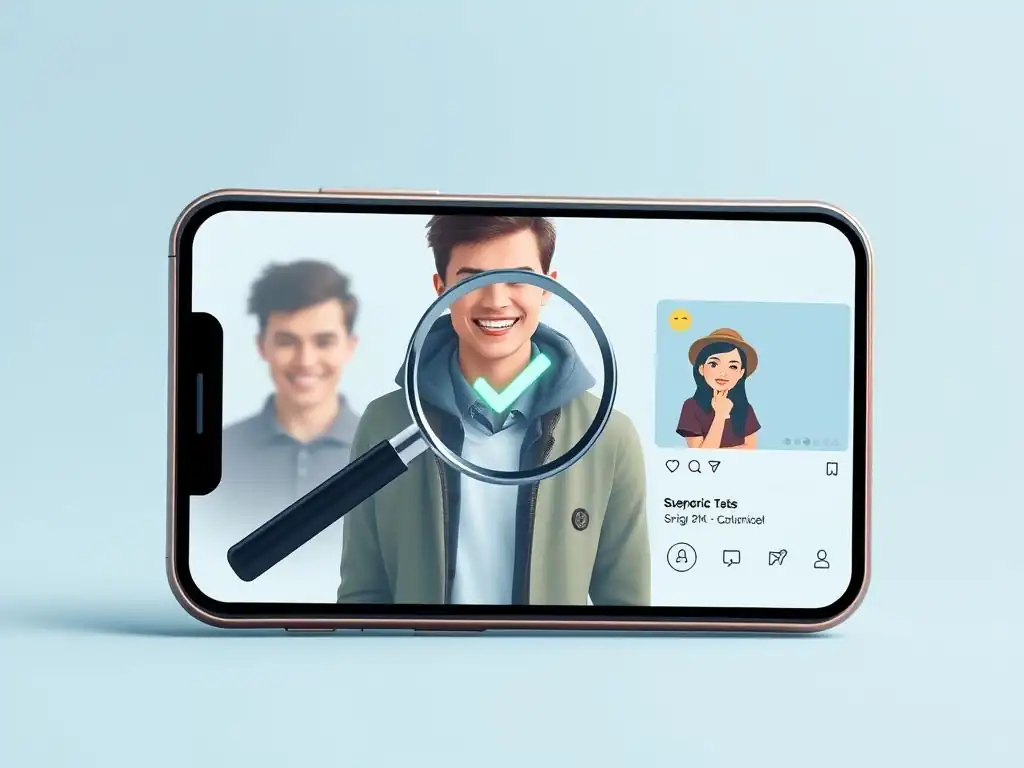
Verifying a profile's authenticity is crucial to avoid dating app scams. Don't rely solely on the information presented on the dating app itself. Many scammers create elaborate fake profiles, but inconsistencies often appear when you cross-reference the information. A thorough verification process significantly reduces your risk. For example, if someone claims to be a successful lawyer, you could subtly try to verify this by asking about their area of expertise or the firm they work for.
A quick online search can often reveal inconsistencies or outright falsehoods. Remember, this isn't about being suspicious, it's about being proactive in protecting yourself. It’s also important to be cautious about profiles with limited or generic information. A profile lacking details, blurry or overly edited photos, or inconsistent information across various platforms should raise red flags.
Be wary of profiles that seem too good to be true; often, these are carefully crafted to lure unsuspecting individuals into scams. This process of cross-referencing helps you build a more complete picture of the person and identify potential red flags early on. Take your time; rushing into a relationship based on limited information increases vulnerability. Remember that a genuine individual will likely be understanding of your need to verify their identity and background.
Trust Your Instincts: Recognizing Warning Signs and Acting Accordingly
Your intuition is a powerful tool in identifying potential scammers. If something feels off, even if you can't pinpoint exactly why, trust your gut. Scammers often employ manipulative tactics, and your subconscious may pick up on subtle cues that your conscious mind misses. Common warning signs include overly enthusiastic or overly complimentary messages early in the conversation – often, those who are genuine will take their time to get to know you. Also, be wary of individuals who consistently avoid video calls or in-person meetings, offering various excuses.
A genuine connection usually involves a desire for face-to-face interaction. Another major red flag is the rapid escalation of the relationship. If someone is pushing for a deep emotional connection or financial assistance very quickly, it’s a major warning sign. They might create a sense of urgency, claiming to be in a difficult situation needing immediate help. This is a classic tactic to pressure you into sending money or sharing personal information.
Finally, be cautious of individuals who are vague about their personal details or avoid answering direct questions about their life. Remember, avoiding dating app scams is about protecting yourself and your well-being. If you encounter any of these warning signs, don't hesitate to end the conversation and block the user. Your safety and peace of mind are paramount.
Reporting Suspicious Profiles and Scammers
This section details how to report suspicious activity and potential scammers you encounter on dating apps, a crucial step in helping to avoid dating app scams and protecting yourself and others. Proactive reporting contributes to a safer online dating environment for everyone. Remember, even if you're unsure, it's always better to report something than to risk letting a scammer continue their activities.
Reporting Mechanisms on Popular Dating Apps: Step-by-Step Guide
Most popular dating apps provide built-in reporting mechanisms to flag suspicious profiles or inappropriate behavior. These mechanisms vary slightly depending on the platform, but generally follow a similar process. Here’s a step-by-step guide, using examples to illustrate the common procedures:
Step 1: Locate the Report Button: Look for a flag icon 🚩, three dots (...), or a similar symbol usually found on the profile or message screen of the user you wish to report. The exact location varies; for instance, on App X, it's typically located in the upper right corner of the profile, while on App Y, it's within the message thread itself.
Step 2: Select the Reason for Reporting: Dating apps offer a range of reasons for reporting, such as:
- Fake profile
- Inappropriate behavior
- Spam or solicitation
- Harassment
- Catfishing
- Violation of terms of service
Choose the option that best describes the suspicious activity. Being specific in your selection will help the app's moderators investigate more effectively.
Step 3: Provide Additional Information (Optional): Some apps allow you to provide additional context, such as screenshots of messages or specific details about the suspicious activity. This extra information can significantly strengthen your report. For example, if you suspect a romance scam, including details about financial requests or unusual requests for personal information is highly beneficial.
Step 4: Submit the Report: Once you've completed the necessary steps, submit your report. You may receive a confirmation message, although this isn't always the case.
Example: On "App Z," reporting a suspicious profile involves clicking the three dots (...) next to the user's name, selecting "Report," choosing "Fake Profile" from the dropdown menu, and then adding a short description like, "This profile uses stock photos and has inconsistent information."
Reporting to Law Enforcement: When and How to Report Online Fraud
While reporting to the dating app itself is crucial, you should also consider reporting to law enforcement if you believe you've been a victim of a dating app scam involving financial loss or significant emotional distress. This is particularly important if:
- You've sent money to someone you met on a dating app.
- You've shared sensitive personal information (bank details, social security number, etc. ).
- You've experienced significant emotional manipulation or harassment.
- You believe the scammer is engaging in illegal activity.
To report online fraud, contact your local police department or the appropriate federal agency in your country. In the US, the Internet Crime Complaint Center (IC3) is a valuable resource. Gather as much evidence as possible, including:
- Screenshots of conversations.
- Copies of any financial transactions.
- The scammer's profile information (username, photos, etc. ).
- Any other relevant details.
Remember to avoid further contact with the scammer. Providing detailed and accurate information to law enforcement will help them investigate the case effectively and potentially prevent others from falling victim to the same scam.
Resources for Victims of Dating App Scams: Support and Assistance
Being a victim of a dating app scam can be incredibly distressing. Remember, you are not alone. Several resources offer support and assistance to victims of online fraud and emotional manipulation:
- National Domestic Violence Hotline: Provides confidential support for victims of domestic violence, including emotional abuse often associated with online scams.
- National Center for Victims of Crime: Offers a range of services, including crisis intervention, counseling, and legal assistance.
- The Federal Trade Commission (FTC): Provides information and resources on reporting online fraud and recovering losses.
- Support groups: Online support groups and forums can provide a sense of community and shared experience for victims of dating app scams.
Remember, seeking help is a sign of strength, not weakness. These resources can provide valuable support and guidance as you navigate the aftermath of a scam and begin to rebuild your trust. Taking these steps can help you avoid dating app scams in the future and contribute to a safer online dating community for everyone.
Building Healthy Online Dating Habits: Long-Term Safety Strategies
This section focuses on proactive measures to avoid dating app scams, shifting the emphasis from reactive identification to preventative strategies. Building robust online dating habits is crucial for long-term safety and success. It's not just about spotting red flags; it's about creating a dating environment where scams are less likely to thrive.
Maintaining Realistic Expectations: Avoiding Idealization and Disappointment
Falling prey to scams often stems from unrealistic expectations. Idealizing profiles, focusing solely on superficial attributes, and neglecting critical details increases vulnerability. Scammers exploit this by presenting themselves as impossibly perfect. Instead, cultivate a healthy skepticism. Remember that everyone has flaws, and perfection is an illusion. A balanced approach involves acknowledging both the positive and negative aspects of potential matches. For instance, instead of fixating on a profile's stunning photos, analyze the written content.
Do their descriptions seem genuine and relatable, or overly polished and generic? Do they avoid answering direct questions or deflect personal inquiries? These subtle inconsistencies can be early warning signs. Analyzing multiple aspects of a profile helps to create a more realistic and balanced perspective, reducing the likelihood of being manipulated by a cleverly crafted fake profile. Prioritize authentic connections over idealized images. This mindful approach significantly reduces your susceptibility to scams.
Prioritizing Safety Over Speed: A Cautious Approach to Online Dating
The urgency to find a partner can make individuals vulnerable to scams. Scammers often pressure victims into quick commitments, preventing thorough vetting. Avoid rushing the process. Take your time to get to know potential matches. Engage in extended conversations before sharing personal information or agreeing to meet in person. Remember, a genuine connection takes time to develop.
A slow and steady approach allows you to assess compatibility and trustworthiness more effectively. For example, avoid sharing your phone number or address until you've had several video calls and feel comfortable with the individual. Similarly, resist pressure to meet in person too soon. Suggest virtual dates initially, allowing you to observe their demeanor and assess their authenticity in a safe environment. Prioritizing safety over speed is paramount in navigating the complexities of online dating and avoiding potential exploitation. This cautious approach significantly reduces the risk of falling victim to a scam.
Cultivating Healthy Communication: Building Trust and Transparency
Open and honest communication is essential to building trust and identifying potential red flags. Avoid sharing overly personal information prematurely. Instead, focus on building rapport through gradual disclosure. Engage in conversations that reveal personality and values, rather than solely focusing on superficial details.
If something feels off or inconsistent, trust your instincts. Don't hesitate to ask direct questions to verify information or clarify inconsistencies. For example, if someone claims to be a doctor working abroad, ask specific questions about their work and lifestyle, seeking details that can be independently verified. If they are evasive or unable to provide concrete answers, it could be a red flag.
Transparency is key. Be open about your own life and expectations, encouraging reciprocal honesty from potential partners. This proactive approach not only helps build healthy relationships but also significantly reduces the chance of being targeted by scammers who thrive on secrecy and deception. Remember, healthy communication is built on mutual respect, trust, and transparency.
Frequently Asked Questions
How can I spot a fake profile on a dating app?
Look for inconsistencies in photos, vague or contradictory information in their profile, and lack of personal details. Be wary of profiles with overly perfect photos or those who avoid video calls.
What are common tactics used by dating app scammers?
Scammers often create a sense of urgency, pressure you for money or personal information under false pretenses, and use fabricated sob stories to gain your sympathy and trust. They may also disappear suddenly after obtaining something from you.
How can I protect my personal information while online dating?
Never share your full name, address, workplace, or financial details with someone you've only met online. Use a separate email address for dating apps and be cautious about sharing photos that reveal too much personal information.
What should I do if I suspect I'm being scammed?
Immediately stop all communication with the suspect. Report the profile to the dating app and block the user. Consider reporting the incident to the authorities if you've suffered financial or emotional harm.
What are some red flags to watch out for when communicating with someone online?
Be cautious of anyone who pressures you for money or gifts, asks for personal details too early, avoids meeting in person, or has a story that seems too good to be true. Trust your instincts; if something feels off, it probably is.
The rise of dating apps has revolutionized romance, but it's also created a breeding ground for sophisticated scams. Millions navigate these platforms daily, seeking connection, yet many remain vulnerable to exploitation. Understanding the tactics employed by scammers is crucial for protecting yourself and fostering genuine connections online.
The impact of dating app scams extends far beyond financial loss; it erodes trust and leaves lasting emotional scars. The constant threat of deception casts a shadow over the potential for authentic relationships. The internet has made it easier to connect with people, but it has also made it easier for people to deceive others.
This quote underscores the bittersweet reality of online dating – the ease of connection comes with increased risk. We must remain vigilant, not allowing fear to paralyze us, but equipping ourselves with the knowledge to navigate this complex landscape safely.
You, the reader, hold the power to transform your online dating experience. By actively applying the strategies outlined in this article – from scrutinizing profiles to verifying identities – you can significantly reduce your risk. Don't let the fear of scams deter you from seeking connection; instead, let it empower you to approach online dating with informed caution and a healthy dose of skepticism. Embrace the potential for genuine connection while safeguarding your well-being. Your safety and happiness are paramount.
Unveil Your Dating App Confidence: Take Control of Your Safety
Thank you for learning about online dating safety. You've gained valuable knowledge to protect yourself from scams. Now, let's put that knowledge into action!
Here's what you can do:
- Review your dating app profiles immediately. Carefully examine your photos and biography for inconsistencies or warning signs. This is your first line of defense against potential problems.
- Share this article with friends and family. Help others avoid becoming victims of dating app scams by spreading awareness. You could save someone a great deal of distress.
- Create a stronger, more detailed profile that highlights your authenticity. This will likely attract more genuine connections.
What steps will you take today to improve your online dating safety?