
Don't Let Scams Ruin Your Search: Identify and Report Them Immediately


Ready to find real connection in the world of online dating? At OnlineDatingSuccess.org, we're dedicated to helping you navigate the exciting – and sometimes tricky – landscape of digital romance. But before you dive in headfirst, let's address a critical aspect: online dating scam prevention. This crucial guide will equip you with the knowledge to identify potential red flags and protect yourself, ensuring your online dating journey is safe and rewarding. Discover how to avoid scams and focus on building genuine connections – let's get started!
- Understanding Online Dating Scam Prevention: Recognizing Red Flags
- How to Identify and Report Online Dating Scams: A Step-by-Step Guide
- Resources for Online Dating Scam Prevention and Support
- Staying Safe on Online Dating Platforms: Proactive Measures
- Frequently Asked Questions
- Final Reflection: Protecting Hearts and Wallets in the Digital Age
- Unlock Safer Dating: Take Action Against Scammers
Understanding Online Dating Scam Prevention: Recognizing Red Flags
Navigating the world of online dating can be exciting, offering the potential to connect with new people and build meaningful relationships. However, it's crucial to be aware of the risks involved, particularly the prevalence of scams designed to exploit vulnerable individuals. This article focuses on online dating scam prevention, equipping you with the knowledge and tools to identify and avoid these harmful situations. We'll explore common scam tactics, highlight warning signs, and provide practical steps to protect your personal information and emotional well-being.
Understanding how these scams operate is the first step towards safeguarding yourself and ensuring a positive and safe online dating experience. Remember, being vigilant and informed is your best defense against online dating fraud. Let's delve into the specifics to help you navigate the online dating world with confidence and security.
Common Online Dating Scams and Their Tactics: Romance Scams, Catfishing, and Phishing Attempts
Online dating scams manifest in various forms, each employing deceptive tactics to manipulate their victims. Let's examine some prevalent types:
- Romance Scams: These scams often involve building a seemingly genuine emotional connection, fostering trust and intimacy before ultimately requesting financial assistance or personal information. Perpetrators may create elaborate fake profiles, portraying themselves as successful, caring individuals. They often express strong feelings quickly and may initiate conversations about marriage or long-term commitment early in the "relationship." The requests for money can be subtle at first, escalating as the scammer gains your trust. They might invent emergencies, investment opportunities, or medical expenses to justify their need for funds.
- Catfishing: This involves creating a fake online profile using stolen photos and fabricated information. The goal is often to deceive someone into a relationship, often with ulterior motives such as gaining self-esteem or seeking revenge. Catfishers meticulously craft their personas, often hiding behind a carefully constructed facade. They rarely engage in video calls or in-person meetings, using excuses to avoid revealing their true identity.
- Phishing Attempts: These scams involve attempts to obtain your personal information, such as passwords, bank details, or social security numbers, often through deceptive emails or messages. They may appear to come from legitimate dating sites or even individuals you've interacted with on the platform. These emails may contain malicious links or attachments that can infect your devices with malware. They might also ask for personal information under false pretenses, such as confirming your account details or verifying your identity.
Identifying Red Flags: Unusual Requests, Inconsistencies in Profiles, and Pressure Tactics
Recognizing red flags is crucial in preventing online dating scams. Be wary of the following:
- Unusual Requests: Any request for money, gifts, or personal financial information should be considered a major red flag. Be especially cautious of requests for urgent financial assistance or investment opportunities. Legitimate relationships don't involve financial transactions early on.
- Inconsistencies in Profiles: Pay close attention to inconsistencies in the profile information. Do the photos look professionally edited or overly perfect? Are there inconsistencies in the person's story or background? Conduct reverse image searches on their profile pictures to verify their authenticity. Lack of detail or vague answers to your questions can also be warning signs.
- Pressure Tactics: If someone is pressuring you to move the relationship quickly offline or share personal information before you feel comfortable, it's a significant red flag. Healthy relationships develop at a natural pace, allowing time for trust and mutual understanding to build. Aggressive or overly persistent communication should raise concerns. Remember, you are in control of the pace of the relationship and your personal information.
Protecting Your Personal Information: Avoiding Sharing Sensitive Details Online
Safeguarding your personal information is paramount in online dating. Follow these guidelines:
- Avoid sharing sensitive details: Refrain from sharing your full name, address, place of work, financial information, or social security number until you have met someone in person and built trust. Be mindful of the information you share on your profile and avoid providing unnecessary personal details.
- Verify profiles: Use reverse image searches and other online tools to verify the authenticity of profiles. Look for inconsistencies or red flags that might indicate a fake profile. Be cautious of profiles that lack personal details or have generic stock photos.
- Report suspicious activity: If you encounter suspicious activity or believe you've been targeted by a scammer, report it to the dating platform immediately. Many platforms have robust reporting mechanisms in place to help protect users. Also, consider reporting the incident to the appropriate authorities, such as the Federal Trade Commission (FTC).
By following these guidelines and remaining vigilant, you can significantly reduce your risk of becoming a victim of online dating scams and enjoy a safer and more fulfilling online dating experience. Remember, trust your instincts; if something feels off, it probably is.
How to Identify and Report Online Dating Scams: A Step-by-Step Guide
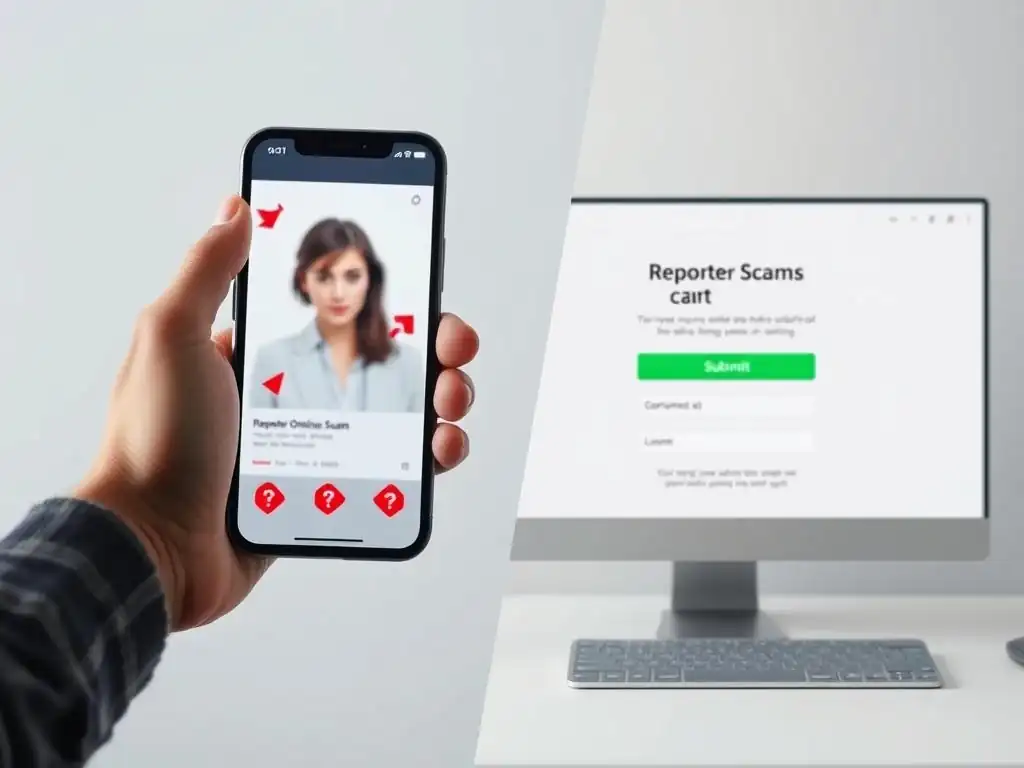
This section provides a practical guide to identifying and reporting online dating scams, empowering you to protect yourself and contribute to a safer online dating environment. We'll cover identifying red flags, reporting mechanisms, and steps to take after a scam attempt. Remember, reporting is crucial in preventing others from falling victim. Effective online dating scam prevention relies on collective action.
Reporting Suspicious Profiles: Reporting Mechanisms on Dating Platforms
Many dating platforms have built-in mechanisms for reporting suspicious profiles. These features are typically accessed through a profile's menu or by using a dedicated "report" button. The process usually involves selecting a reason for the report (e.g., "suspicious behavior," "spam," "fraudulent activity," "harassment"). Providing detailed information about your concerns is essential. This might include screenshots of messages, links to their profile, and specific details about their actions.
It's important to note that the reporting process varies slightly across platforms. Some platforms allow you to anonymously report profiles; others require you to provide some level of personal information. Always review the specific guidelines and policies of the platform you are using. While reporting mechanisms aren't foolproof, they are a critical first step in online dating scam prevention. Consistent reporting helps platforms identify and remove problematic users, contributing to a safer community.
Here's a comparison table illustrating some common reporting features:
| Platform | Reporting Method | Anonymity Option | Additional Information Required |
|---|---|---|---|
| Platform A | In-app report button | Yes | Screenshots, description of behavior |
| Platform B | Contact customer support | No | Account details, profile link |
| Platform C | Block and report function | Yes | Reason for report, message history |
Remember, prompt reporting is key. The sooner a suspicious profile is flagged, the faster the platform can take action.
Reporting Scam Attempts to Law Enforcement: Gathering Evidence and Filing a Report
If you've experienced a scam attempt that involves financial loss or significant emotional distress, reporting to law enforcement is crucial. This helps in investigating the scam, potentially leading to the apprehension of the perpetrator and preventing future scams. Before contacting law enforcement, gather as much evidence as possible. This includes:
- Screenshots: Capture screenshots of all communications, including profiles, messages, and any financial transactions (e.g., requests for money).
- Email headers: Preserve email headers, which can contain valuable information about the sender's location and IP address.
- Transaction records: If money was involved, gather bank statements, transaction IDs, and any other relevant financial documentation.
- Notes: Keep detailed notes of all interactions, including dates, times, and the content of conversations.
Once you have collected your evidence, contact your local law enforcement agency or the appropriate cybercrime unit. Be prepared to provide them with a detailed account of the incident and all the evidence you've collected. Remember, even if you didn't lose money, reporting the attempt helps law enforcement track patterns and potentially prevent others from becoming victims. This is a vital step in effective online dating scam prevention on a larger scale.
Protecting Yourself After a Scam: Securing Your Accounts and Preventing Future Scams
Experiencing a scam can be distressing. After reporting the incident, focus on securing your accounts and preventing future scams. These steps are crucial for your well-being and safety:
- Change your passwords: Immediately change your passwords for all online accounts, including your dating profile, email, and social media accounts. Use strong, unique passwords for each account.
- Monitor your accounts: Regularly monitor your bank and credit card statements for any unauthorized activity.
- Enable two-factor authentication: Enable two-factor authentication (2FA) wherever possible to add an extra layer of security to your accounts.
- Review your privacy settings: Review your privacy settings on all online platforms to limit the information you share publicly.
- Be cautious of future interactions: Be extra vigilant in future interactions on dating platforms. Trust your instincts and don't hesitate to report any suspicious behavior. Learning from this experience will enhance your online dating scam prevention skills.
Remember, you are not alone. Many people experience online dating scams. By taking proactive steps to protect yourself, reporting suspicious activity, and learning from your experiences, you can significantly reduce your risk and contribute to a safer online dating environment. Protecting yourself is the most important aspect of online dating scam prevention.
Resources for Online Dating Scam Prevention and Support
This section provides crucial resources to help you prevent online dating scams and find support if you've been a victim. Effective online dating scam prevention requires proactive measures and knowing where to turn for help when needed. Remember, you're not alone, and many organizations are dedicated to assisting those affected by online dating fraud. Utilizing these resources can significantly reduce your risk and aid in recovery if a scam occurs. Let's explore the available avenues for support and prevention.
Online Dating Safety Resources: Websites and Organizations Offering Guidance
Several websites and organizations offer valuable guidance on online dating safety and scam prevention. These resources provide practical tips, educational materials, and often, direct reporting mechanisms. Proactive learning is key to online dating scam prevention. Familiarizing yourself with these resources can empower you to make informed decisions and protect yourself from potential harm. Here's a breakdown of some key areas of focus these organizations cover:
- Identifying Red Flags: Many resources offer detailed guides on recognizing common red flags associated with online dating scams. These include inconsistencies in profiles, pressure for quick financial transactions, requests for personal information, and overly romantic language from someone you've never met in person. Learning these indicators is a critical step in online dating scam prevention.
- Secure Communication Practices: These resources often emphasize the importance of secure communication practices. This includes avoiding sharing sensitive personal information, using secure messaging platforms, and verifying the identity of potential matches before engaging in deeper conversations or meeting in person. This is a crucial aspect of online dating scam prevention.
- Reporting Mechanisms: Many organizations provide clear instructions on how to report suspicious activity or suspected scams to the appropriate authorities or online dating platforms. Knowing how to report efficiently is a vital part of online dating scam prevention and helps protect others from similar experiences.
- Legal Advice and Support: Some resources connect victims of online dating fraud with legal professionals who can provide advice and assistance in recovering losses or pursuing legal action against scammers. This is a crucial support system for those who have fallen victim to online dating scams.
Below is a sample table summarizing potential resource categories and their typical offerings. Note that the specific resources available may vary depending on your location.
| Resource Category | Typical Offerings | Key Benefit for Online Dating Scam Prevention |
|---|---|---|
| Government Agencies | Reporting mechanisms, legal advice, victim support | Official channels for reporting scams and seeking redress. |
| Consumer Protection Groups | Information on scams, reporting procedures, advice on recovering financial losses | Access to expert advice and support for recovering from financial losses. |
| Online Dating Platforms | Safety tips, reporting tools, account security features | Platform-specific tools and resources for reporting and prevention. |
| Non-profit Organizations | Educational materials, support groups, emotional counseling | Holistic support, including emotional and psychological assistance. |
Seeking Emotional Support After a Scam: Help for Victims of Online Dating Fraud
Being a victim of an online dating scam can be incredibly distressing. It's essential to remember that you are not alone and that seeking emotional support is a vital step in the recovery process. The emotional toll of online dating scams can be significant, ranging from feelings of betrayal and embarrassment to financial hardship and a loss of trust. Online dating scam prevention is important, but equally so is knowing where to turn for help after a scam occurs.
Several avenues exist for seeking emotional support:
- Mental Health Professionals: Therapists and counselors can provide a safe and supportive space to process your emotions, work through feelings of betrayal, and develop coping mechanisms. They can also help you rebuild trust and confidence.
- Support Groups: Connecting with others who have experienced similar situations can be incredibly validating and empowering. Sharing experiences and offering mutual support can foster a sense of community and accelerate healing.
- Victim Support Organizations: Many organizations specialize in supporting victims of fraud and scams. These organizations often offer counseling services, legal assistance, and practical guidance on navigating the aftermath of a scam.
Remember, seeking help is a sign of strength, not weakness. Allow yourself time to heal and prioritize your emotional well-being. The path to recovery may not be linear, but with support and self-compassion, you can move forward and rebuild your trust. The focus on online dating scam prevention is crucial, but so is self-care and seeking help when you need it. Prioritizing your mental health is just as important as preventing future scams.
Staying Safe on Online Dating Platforms: Proactive Measures
This section focuses on proactive strategies to minimize your risk of encountering online dating scams. Remember, prevention is key to a safe and positive online dating experience. By implementing these measures, you significantly reduce your vulnerability to malicious actors. Effective online dating scam prevention starts with you.
Best Practices for Online Dating Safety: Tips for Secure Communication and Profile Management
Maintaining secure communication and a well-protected profile are cornerstones of online dating scam prevention. Never share Personally Identifiable Information (PII) prematurely. This includes your full name, address, workplace, phone number, and social security number. Wait until you've established trust and met in person – ideally, in a public place – before sharing such details.
Here are some crucial tips:
- Use the platform's messaging system: Avoid switching to external communication channels (email, text, etc.) too early. Scammers often prefer these less-secure methods to manipulate you.
- Be wary of overly-perfect profiles: Profiles with unrealistic photos or claims should raise red flags. Legitimate users tend to have more natural-looking profiles.
- Verify profiles when possible: Many platforms offer verification features. Encourage the other person to verify their profile, and do the same. This adds a layer of security.
- Report suspicious behavior immediately: If someone is asking for money, pressuring you for personal information, or exhibiting other red flags, report them to the dating platform immediately. Don't hesitate.
- Reverse image search photos: Use a reverse image search (like Google Images) to check if someone's profile picture is being used elsewhere. This can help you identify fake profiles.
- Slow and steady wins the race: Don't rush into a relationship. Take your time to get to know someone before sharing personal information or meeting in person. This is crucial for online dating scam prevention.
Creating a Secure Online Dating Profile: Protecting Your Identity and Privacy
Your online dating profile is your first impression. It's vital to present yourself authentically while safeguarding your privacy. A secure profile minimizes the risk of becoming a target for scammers. Think of it as your digital shield against online dating scams.
Here’s how to create a secure profile:
- Use a unique username: Avoid using your real name or easily guessable information in your username.
- Choose your photos carefully: Use photos that accurately represent you, but avoid showing location-specific details (like your house number or street signs). Consider using photos that don't reveal too much personal information.
- Write a concise and honest bio: Be genuine in your profile description, but avoid sharing overly personal details that could be used to identify you or your location.
- Limit the information you share: Stick to basic details and avoid revealing sensitive information, even indirectly. This includes your financial status, religious beliefs, or political affiliations.
- Be mindful of your background image: Even your background image can reveal information about your location or lifestyle, so choose it carefully. A generic background image is a good alternative.
- Regularly review your privacy settings: Familiarize yourself with your dating platform's privacy settings and adjust them to your comfort level. Online dating scam prevention involves constant vigilance.
Remember, maintaining a balance between sharing enough information to attract genuine connections and protecting your privacy is crucial for a safe and positive online dating experience. Your safety should always be your top priority. By following these steps, you significantly improve your chances of avoiding online dating scams.
Frequently Asked Questions
How can I spot a potential online dating scam?
Be wary of profiles with limited information, excessive flattery, or requests for financial assistance early in the relationship. If something feels "off," trust your instincts.
What should I do if I suspect I'm being scammed?
Immediately stop all communication with the suspicious individual. Gather evidence (screenshots, messages) and report the profile to the dating site and the appropriate authorities.
Are there specific red flags to watch out for?
Yes, watch for inconsistencies in their story, pressure to move quickly offline, requests for money or gifts, and overly romantic language early on. Avoid sharing personal information too soon.
How can I protect my personal information while online dating?
Never share sensitive details like your full address, bank information, or social security number. Use a separate email address and be cautious about sharing photos that could reveal your location.
What resources are available to help me report online dating scams?
Most dating sites have reporting mechanisms within their platforms. You can also report scams to the Federal Trade Commission (FTC) and your local law enforcement. Online safety resources can also provide valuable information.
Final Reflection: Protecting Hearts and Wallets in the Digital Age
The rise of online dating has brought unprecedented connection, but it's also created fertile ground for sophisticated scams. These aren't just financial crimes; they're deeply personal violations, leaving victims emotionally devastated and financially ruined. The consequences are far-reaching and demand our collective attention.
The insidious nature of online dating scams underscores the fragility of trust in the digital world. We build connections based on shared words and images, often overlooking the potential for deception. The emotional toll on victims is immense, often leading to feelings of shame, betrayal, and self-doubt. The internet offers both incredible opportunities and significant risks. We must be vigilant and proactive in protecting ourselves and others from those who would exploit our trust.
This quote highlights the delicate balance between embracing technology's benefits and mitigating its inherent dangers.
You hold the power to protect yourself and your community. Take the time to learn the red flags of online dating scams, report suspicious activity to the appropriate authorities, and share this knowledge with your friends and family. By fostering a culture of awareness and vigilance, we can create a safer online dating environment where genuine connections can flourish, free from the shadow of exploitation. Let's build a future where trust and connection thrive, not just survive.
Unlock Safer Dating: Take Action Against Scammers
Thank you for learning about online dating safety! You're now equipped to identify and avoid common scams. Let's put your knowledge into practice.
- Report suspicious profiles immediately: This is your most effective defense. Don't hesitate—report anything concerning to the dating platform, and consider contacting law enforcement if you've suffered financial losses or received threats.
- Share this article with your friends: Protecting yourself is crucial, but helping others stay safe is equally rewarding. Spread awareness and contribute to a safer online dating environment for everyone.
- Join our online community forum to share experiences and learn additional safety tips. Your insights can empower others.
What's one small step you can take today to enhance your online dating safety?