
The Ultimate Guide to Dating App Security: Stay Safe Online

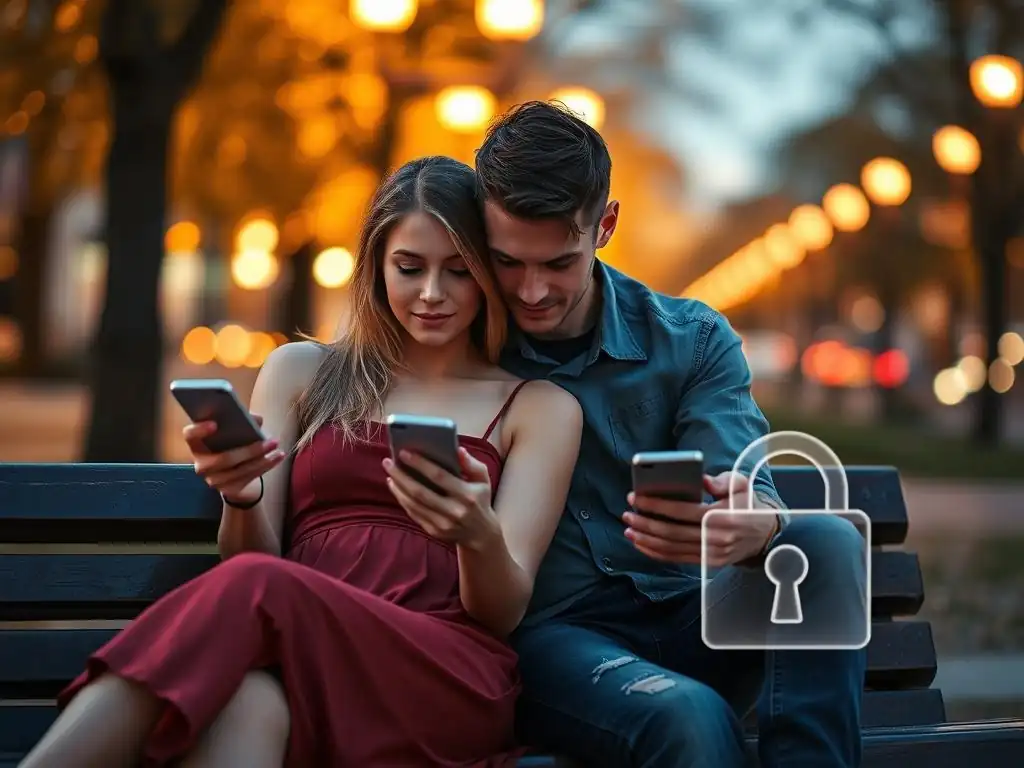
Dive into the world of online dating with confidence! At OnlineDatingSuccess.org, we're dedicated to helping you navigate the digital dating scene successfully. But before you swipe right, let's address something crucial: your safety. This guide on online dating safety tips will equip you with the knowledge to protect yourself and build meaningful connections without compromising your well-being. Ready to unlock the secrets to a secure and rewarding online dating experience? Let's get started!
- Understanding Online Dating Safety Tips: Protecting Your Personal Information
- Safe Online Dating Practices: Communication and Interaction
- Staying Safe on Dating App Features: Location Services and Photo Verification
- Navigating Online Dating Safety: Meeting in Person
- Resources and Further Online Dating Safety Tips: Staying Informed and Protected
-
Frequently Asked Questions
- How can I protect my personal information on dating apps?
- What are some red flags to watch out for when online dating?
- How do I avoid catfishing or fake profiles on dating apps?
- What are the best practices for meeting someone from a dating app in person for the first time?
- What should I do if I experience harassment or feel unsafe while using dating apps?
- Final Reflection: Navigating the Digital Dating Landscape Safely
- Unlock Your Online Dating Confidence: Take Control Now!
Understanding Online Dating Safety Tips: Protecting Your Personal Information
Navigating the world of online dating offers incredible opportunities to connect with like-minded individuals and build meaningful relationships. However, the digital landscape also presents unique safety challenges. This ultimate guide to dating app security is designed to empower you with the knowledge and strategies you need to enjoy the benefits of online dating while minimizing risks to your personal safety and well-being.
We'll explore practical, actionable steps to protect your information, identify potential threats, and create a safer online dating experience. This guide focuses on proactive measures, empowering you to take control of your online safety and build confidence in your digital interactions. Remember, being informed and prepared is the first step towards a positive and secure online dating journey.
Let's dive into the key aspects of online dating safety, focusing on practical strategies to help you stay safe and build healthy connections. This is crucial, as the prevalence of online scams and fraudulent activity targeting dating app users is unfortunately high. Understanding the risks and implementing the safety measures outlined below is essential for a positive and secure experience.
Securing Your Dating App Accounts: Strong Passwords and Two-Factor Authentication
Strong passwords are the first line of defense against unauthorized access to your dating profiles. Avoid easily guessable passwords like birthdays or pet names. Instead, opt for complex passwords incorporating a mix of uppercase and lowercase letters, numbers, and symbols. Consider using a password manager to generate and securely store unique, strong passwords for each of your dating apps. This prevents the compromise of multiple accounts if one is breached.
Beyond strong passwords, enabling two-factor authentication (2FA) adds an extra layer of security. 2FA typically requires a code sent to your phone or email in addition to your password, making it significantly harder for unauthorized users to access your account, even if they obtain your password. Many dating apps offer this feature; make sure it's enabled on all your accounts. Think of it as installing a burglar alarm for your online dating profile – an extra precaution that dramatically reduces the risk of intrusion.
Here's a table summarizing password best practices:
| Password Type | Strength | Security Level | Recommendation |
|---|---|---|---|
| "password123" | Very Weak | Very Low | ❌ Absolutely Avoid |
| "MyBirthday1985" | Weak | Low | ❌ Absolutely Avoid |
| "P@$$wOrd123!" | Moderate | Moderate | ✅ Use with caution, ideally with 2FA |
| "ComplexP@$$wOrd789!" | Strong, incorporating random characters | High | ✅ Highly Recommended |
Protecting Your Privacy: Managing Your Profile Settings and Visibility
Your dating app profile contains sensitive information, so managing your privacy settings is crucial. Review and adjust your visibility settings to control who can see your profile, photos, and personal details. Avoid oversharing personal information like your full address, workplace, or children's names in your profile or initial messages. Remember, less is often more when it comes to online dating safety. Be mindful of the information you share, particularly in the initial stages of interacting with someone new.
Consider limiting the visibility of your photos to only your matches or approved contacts. Be cautious about sharing pictures that reveal too much about your daily routines or location. It's also advisable to avoid posting photos with easily identifiable landmarks or locations. Protecting your privacy is an ongoing process; regularly review and update your settings as apps evolve and your comfort level changes.
Avoiding Phishing and Scams: Recognizing Red Flags and Suspicious Activity
Dating apps are unfortunately fertile ground for scammers. Be aware of common tactics, such as requests for money, overly affectionate messages from profiles that seem too good to be true, or pressure to move conversations off the app quickly. These are significant red flags indicating potential scams.
If someone asks for money or financial assistance, be extremely cautious. Legitimate relationships do not involve financial transactions early on. Similarly, be wary of individuals who consistently avoid video calls or in-person meetings. This behavior can indicate that the profile is not genuine. Trust your instincts; if something feels off, it probably is. Report suspicious profiles or activity immediately to the dating app's support team. Remember, your safety is paramount. Staying vigilant and reporting suspicious behavior contributes to a safer online dating environment for everyone. Learning to identify red flags is a critical part of online dating safety.
Safe Online Dating Practices: Communication and Interaction

This section focuses on practical strategies for safe and effective communication within the online dating environment. Remember, your safety is paramount, and proactive measures are crucial to mitigate risks. Building trust takes time, and rushing the process can lead to vulnerability. Let's examine key aspects of secure online dating interactions.
Online Dating Safety Tips: Vetting Potential Matches and Avoiding Suspicious Profiles
Before engaging in any communication, thoroughly vet potential matches. Suspicious profiles often exhibit several common red flags. Look for inconsistencies in photos (reversed image searches can be helpful! ), vague or generic biographical information, and an unusual eagerness to move conversations off the platform quickly. Be wary of profiles with excessive flattery or those that seem too good to be true. A genuine connection develops gradually; avoid anyone who pressures you into sharing personal information too soon.
For example, a profile with stock photos or inconsistent information across various social media platforms is a major red flag. Similarly, profiles that avoid answering direct questions or deflect personal inquiries should raise concerns. Always compare the information provided on the dating app with what is available through a simple Google search. This basic check can often reveal inconsistencies and potential problems.
Here's a table summarizing key indicators of suspicious profiles:
| Red Flag | Description | Action |
|---|---|---|
| Inconsistent Photos | Photos that appear to be stolen or heavily edited. | Reverse image search the photos. |
| Vague Profile Information | Lack of detail or generic descriptions. | Move on to a different profile. |
| Excessive Flattery | Unusually high praise and compliments with little basis. | Be cautious and proceed slowly. |
| Pressure for Quick Offline Meeting | Urging to meet offline before establishing trust and communication. | Decline the request. |
| Grammatical Errors/Poor English | Profile text filled with grammatical errors, suggesting a fake profile. | Consider this a warning sign. |
| Requests for Financial Assistance | Sudden requests for money or financial support. | Report the profile immediately. |
Remember, your intuition is your best tool. If something feels off, it likely is. Trust your gut and prioritize your safety.
Smart Communication Strategies: Protecting Your Identity While Building Trust
Protecting your identity is crucial. Avoid sharing sensitive personal information such as your full address, place of work, or social security number, especially during initial conversations. Use the app's built-in messaging system as much as possible, avoiding external communication methods until you have established a high level of trust. This minimizes the risk of phishing or other scams.
Consider using a nickname or a slightly altered version of your name until you feel comfortable sharing your full name. Sharing photos is common, but be mindful of the images you choose. Avoid photos that reveal too much personal information, such as your house number or workplace.
Building trust requires patience and careful observation. Look for consistency in their communication, and be wary of anyone who is evasive or avoids answering direct questions. Be open and honest in your communication, but maintain a healthy level of caution. Engage in video chats before meeting in person—this is a valuable security measure. A video call can help confirm the identity of your match and provide a better sense of their personality.
Remember, a successful online dating experience is built on mutual respect, trust, and open communication. Prioritizing your safety doesn't mean being distrustful; it means being smart and proactive.
Recognizing and Reporting Online Dating Scams: Identifying Red Flags and Reporting Mechanisms
Online dating scams are unfortunately common. Recognize the signs: unrealistic promises, requests for money or financial assistance, inconsistent stories, and pressure to move quickly offline. These are all major red flags. If you encounter such behavior, report the profile immediately using the app's reporting mechanisms. Document all interactions, including screenshots and messages, to aid in the reporting process. Remember, legitimate dating platforms have processes in place to address suspicious activity.
Many scams involve a gradual process of building trust, followed by a sudden request for money, often under a fabricated emergency. These requests can range from medical emergencies to financial difficulties. Never send money to someone you've only met online, regardless of how compelling their story may seem.
Here are some examples of common scams:
- The Catfish: Someone using fake photos and a false identity.
- The Romance Scam: Manipulating you emotionally to extract money.
- The Investment Scam: Offering unrealistic investment opportunities.
Always report any suspicious activity. Your report can help protect other users from falling victim to the same scam. Many dating apps provide detailed instructions on how to report suspicious profiles and activity within their help centers. Familiarize yourself with these reporting mechanisms to ensure you know how to act swiftly and effectively if you encounter a scam. Your safety and the safety of others depend on responsible reporting.
Staying Safe on Dating App Features: Location Services and Photo Verification
This section focuses on leveraging built-in safety features to mitigate risks associated with online dating. Understanding and effectively using these features is crucial for enhancing your online dating safety. We'll explore location services and photo verification, two key aspects of responsible online interaction.
Online Dating Safety Tips: Managing Location Services and Privacy Settings
Many dating apps utilize location services to facilitate matches based on proximity. While convenient for meeting people nearby, oversharing location data can compromise your safety. It's vital to understand how to manage these settings effectively. Remember, the goal is to balance convenience with privacy.
Here's a breakdown of best practices:
- Limit Location Sharing: Don't allow the app continuous access to your precise location. Instead, opt for sharing your general location (city or region) only, or enable location sharing only when actively using the app. This significantly reduces the risk of stalkers or unwanted attention.
- Review App Permissions: Regularly check your app's permissions in your phone's settings. Ensure that the dating app only has access to the location data it absolutely needs. Revoke unnecessary permissions immediately.
- Avoid Sharing Specific Addresses: Never share your exact home or work address with someone you've only met online. Even seemingly harmless details can be used to track you down. Suggest meeting in a public place for your first few dates.
- Utilize "Check-in" Features (if available): Some apps offer features where you can share your location with a trusted friend or family member during a date. This adds an extra layer of security and peace of mind.
- Be Mindful of Geo-Tagged Photos: Be cautious about posting photos with location data embedded. Many apps allow you to automatically tag your location in pictures, which can reveal sensitive information about your whereabouts. Disable this feature or carefully check your photos before uploading them.
Consider this example: imagine sharing your exact location continuously. A malicious actor could track your movements, potentially leading to dangerous situations. By limiting location sharing to your city, you significantly reduce this risk. Prioritizing your online dating safety is paramount.
Verifying Profiles and Photos: Authenticity Checks and Safety Measures
Dating apps often offer verification features to help confirm user identities and prevent catfishing. Taking advantage of these features is a proactive step in ensuring online dating safety. These measures help you identify genuine profiles and reduce the chances of interacting with fake accounts.
Here's how to utilize verification features effectively:
- Photo Verification: Many apps allow users to verify their photos. This typically involves uploading a selfie that matches a specific pose or expression requested by the app. This adds an extra layer of security, confirming the person in the profile picture is real.
- Identity Verification: Some apps offer identity verification through third-party services. This might involve providing a government-issued ID for verification. This process helps to weed out fake profiles and enhances the overall safety of the platform.
- Report Suspicious Profiles: If you encounter profiles that seem suspicious or fake, report them to the dating app immediately. This helps the app moderators take action and protect other users from potential scams or harassment.
- Cross-Reference Information: If you're unsure about a profile's authenticity, try cross-referencing information provided on the profile with other online sources. This can help you confirm the person's identity and avoid potential scams.
| Feature | Benefit | How to Use |
|---|---|---|
| Photo Verification | Confirms the user's identity and photo authenticity | Follow the app's instructions for verification. |
| Identity Verification | Verifies the user's identity using official documents | Provide required documentation as per the app's guidelines. |
| Reporting | Helps remove fake or suspicious profiles | Use the app's reporting feature to flag concerns. |
Remember, utilizing these features doesn't guarantee complete safety, but it significantly reduces your risk. By actively engaging with these safety features, you are taking a proactive role in protecting yourself while enjoying the benefits of online dating. Always prioritize your safety and trust your instincts. 🕵️♀️

Meeting someone you've connected with online for the first time can be exciting, but it's crucial to prioritize your safety. Remember, online profiles don't always paint a complete picture, and caution is key. This section focuses on minimizing risks when transitioning from digital interaction to in-person encounters. Effective online dating safety tips extend beyond the app itself.
Planning Safe First Dates: Public Locations and Transparency
Your first meeting should always be in a well-lit, public place. Avoid secluded areas or inviting someone to your home, especially on a first date. Consider popular cafes, restaurants, or even a busy park during daylight hours. The key is to ensure there's a degree of visibility and accessibility. Choosing a location where you can easily leave if needed is paramount.
Think about the logistics. Don't rely solely on your date for transportation. Drive yourself or utilize public transport. This gives you control over your departure if the situation feels uncomfortable or unsafe. Maintaining control over your transportation is one of the most important online dating safety tips to remember.
It's equally important to be transparent with friends or family about your plans. Share the date's name, profile picture (if comfortable), the location, and the estimated time of your meeting. Let someone know when you arrive, when you leave, and how you're getting home. This simple act of transparency can be a lifesaver. Regular check-ins during the date can also provide an added layer of security.
For example, you could pre-arrange a text message with a friend at a specific time. If you haven't responded by then, they know to contact you or the authorities. This proactive approach significantly enhances your safety and peace of mind. Remember, being prepared and informed is a vital component of online dating safety tips.
Online Dating Safety Tips: Sharing Your Location and Itinerary with Trusted Contacts
Technology offers tools to enhance safety. Several apps allow you to share your real-time location with trusted contacts. This feature provides a simple yet effective way to let others know your whereabouts. Consider using this function during your date, especially if you're meeting somewhere unfamiliar. The ability to share your location discreetly can provide significant reassurance.
Beyond location sharing, consider outlining your itinerary with your trusted contacts. This isn't just about sharing the date's location; it's about a comprehensive plan. Include details like your mode of transportation, estimated times, and any planned activities. This comprehensive approach ensures that your contacts have a clear understanding of your movements and can better assist if needed.
Remember, even with these precautions, trust your instincts. If something feels wrong, it probably is. Don't hesitate to end the date early or leave a situation that makes you uncomfortable. Your safety is paramount. Prioritizing your well-being is the most critical online dating safety tip of all. Following these strategies, combined with a healthy dose of caution, will significantly improve your online dating experience, allowing you to connect with others while maintaining your safety.
Resources and Further Online Dating Safety Tips: Staying Informed and Protected
This section provides you with valuable resources and additional online dating safety tips to help you navigate the digital dating world confidently and securely. Staying informed is crucial in protecting yourself from potential threats and ensuring a positive online dating experience. Remember, your safety is paramount.
Reliable Online Safety Resources and Support Networks
Several organizations and platforms offer comprehensive resources and support networks dedicated to online safety, including online dating safety. These resources can provide crucial information, guidance, and support if you encounter any issues or concerns. Leveraging these resources is a proactive step towards ensuring your safety and well-being.
It's important to familiarize yourself with these resources before you even begin your online dating journey. This proactive approach allows you to understand the potential risks and how to mitigate them effectively. Think of it as investing in your digital safety net.
Here's a breakdown of the types of resources you should seek out:
- Government Agencies: Many governments have agencies dedicated to consumer protection and online safety. These agencies often provide valuable information on identifying and reporting scams, phishing attempts, and other online threats. They are a reliable source of factual information and can offer guidance on legal recourse if necessary.
- Non-profit Organizations: Numerous non-profit organizations focus on online safety and digital literacy. They often offer educational materials, workshops, and support services for individuals who have experienced online harassment or scams. These organizations provide an empathetic and supportive environment.
- Cybersecurity Companies: Reputable cybersecurity companies often publish blogs, articles, and guides on online safety best practices. While their primary focus isn't dating specifically, their advice on password management, phishing awareness, and safe online communication is directly applicable to online dating. Look for companies with a strong reputation and a history of providing accurate information.
Staying Updated on Online Dating Security Best Practices and Emerging Threats
The online landscape is constantly evolving, and so are the threats associated with online dating. New scams and techniques emerge regularly, making it crucial to stay informed about the latest security best practices and emerging threats. This requires ongoing vigilance and a commitment to continuous learning.
Staying updated is more than just reading a single article; it's about cultivating a habit of seeking out new information. This isn't just about protecting yourself from financial scams; it's about protecting your personal safety and emotional well-being.
Here are some effective strategies for staying informed:
- Follow reputable online safety experts: Many cybersecurity professionals and researchers regularly share insights and updates on online threats through blogs, social media, and podcasts. Following these experts allows you to stay abreast of the latest developments in online security.
- Regularly review dating app security settings: Dating apps frequently update their security features and settings. Regularly reviewing these settings ensures you're leveraging the latest protections available. Take the time to understand what each setting does and adjust them according to your comfort level.
- Be aware of common online dating scams: Familiarize yourself with common scams, such as catfishing, romance scams, and phishing attempts. Understanding these tactics helps you identify red flags and avoid becoming a victim. Remember, if something seems too good to be true, it probably is. 🕵️♀️
- Engage in online safety communities: Joining online communities focused on online dating safety allows you to learn from others' experiences and share your own insights. This collaborative approach fosters a sense of community and mutual support. Sharing experiences can help others avoid falling victim to the same threats.
By actively engaging in these strategies, you can significantly enhance your online dating safety and build a more secure and positive online dating experience. Remember, your safety and well-being are your top priorities. Prioritize staying informed and protected.
Frequently Asked Questions
How can I protect my personal information on dating apps?
Never share sensitive information like your full address, workplace, or financial details with someone you've only met online. Verify profiles and be cautious about sharing too much too soon. Use strong passwords and enable two-factor authentication wherever possible.
What are some red flags to watch out for when online dating?
Be wary of users who are vague about their personal details, pressure you for a quick meeting, or ask for financial assistance. Avoid those who are overly complimentary or seem too good to be true. Report suspicious activity immediately.
How do I avoid catfishing or fake profiles on dating apps?
Reverse image search photos to check for inconsistencies. Look for profile inconsistencies or lack of personal details. Engage in video calls to confirm their identity before meeting in person. Trust your instincts—if something feels off, it probably is.
What are the best practices for meeting someone from a dating app in person for the first time?
Always meet in a public place for your first date. Let a friend or family member know where you're going and who you're meeting. Trust your gut – if you feel uncomfortable, leave. Don't rely solely on the app for communication; use a phone call or video chat beforehand.
What should I do if I experience harassment or feel unsafe while using dating apps?
Report the user immediately to the dating app and block them. Save all evidence of harassment, including screenshots and messages. Consider contacting the authorities if the harassment is severe or escalates. Prioritize your safety above all else.
The rise of online dating has fundamentally reshaped how we connect, but this convenience comes with inherent risks. Ignoring online safety protocols in the pursuit of romance can have devastating consequences, leaving individuals vulnerable to scams, harassment, and even physical danger. The digital world offers incredible opportunities for connection, but we must remain vigilant to protect ourselves.
The pervasiveness of dating apps in modern society underscores the urgent need for comprehensive safety awareness. We've explored various strategies, from verifying profiles to prioritizing in-person meetings in safe public spaces, but the core message remains: your safety is paramount. The price of freedom is eternal vigilance,
a quote often attributed to Winston Churchill, perfectly encapsulates the ongoing need for caution in the online dating sphere. This vigilance isn't about fear, but about informed decision-making and self-preservation.
Now, consider your own online dating practices. Are you actively employing the safety measures discussed? Do you regularly review your privacy settings and assess the risks associated with sharing personal information? Take control of your digital safety. By proactively implementing these strategies, you can confidently navigate the exciting world of online dating while prioritizing your well-being and security. Embrace the possibilities, but always remember to protect yourself.
Unlock Your Online Dating Confidence: Take Control Now!
Thank you for learning about online dating safety! We hope this guide has given you the knowledge and confidence to navigate the digital dating world successfully. Now it's time to put your new skills into practice.
- Prioritize your privacy settings: Review and adjust the privacy settings on all your dating apps. This simple step significantly improves your online safety.
- Share this guide with a friend: Online safety is a shared responsibility. Help others stay safe in the digital dating world by sharing this information.
- Join the discussion: What is your biggest concern regarding online dating safety, and how do you manage it? Share your thoughts below!
Ready to create a safer and more confident online dating experience?