
The Smart Dater's Guide to App Safety: Understanding Security Tools

Ready to transform your online dating experience? At OnlineDatingSuccess.org, we empower you to navigate the world of digital romance with confidence. This isn't just about finding a match; it's about building meaningful connections safely. Dive into our Online dating app safety guide and discover essential tools and strategies to protect yourself while searching for love. Learn how to identify red flags and safeguard your personal information – your journey to a fulfilling relationship starts here.
- Understanding Online Dating App Safety: A Comprehensive Guide
- Essential Security Features in Popular Dating Apps
-
Enhancing Your Online Dating App Security
- Privacy Settings: Optimizing Your Profile Visibility and Data Sharing
- Secure Communication Practices: Protecting Your Personal Information Online
- Password Management: Creating Strong and Unique Passwords
- Two-Factor Authentication (2FA): Adding an Extra Layer of Security
- App Permissions: Reviewing and Managing App Access to Your Data
- Staying Safe While Dating Online: Practical Tips and Advice
- Resources for Online Dating App Safety
-
Frequently Asked Questions
- How can I verify the authenticity of profiles on dating apps?
- What are some red flags to watch out for in online dating interactions?
- How do I protect my personal information while using dating apps?
- What should I do if I feel unsafe during an online dating interaction?
- What are the best safety features to utilize within dating apps?
- Final Reflection: Navigating the Digital Landscape of Love
- Unlock Your Dating App's Full Potential: Secure & Confident Connections
Understanding Online Dating App Safety: A Comprehensive Guide
Navigating the world of online dating can be exhilarating, offering the potential to connect with like-minded individuals and build meaningful relationships. However, the digital landscape also presents unique challenges, particularly concerning safety and security. This comprehensive guide, designed for the smart dater, will equip you with the knowledge and understanding necessary to navigate online dating apps safely and confidently. We'll delve into the crucial security tools available on most platforms, helping you identify potential risks, recognize warning signs of fraudulent activity, and ultimately, protect yourself while searching for love online.
This guide is your first step towards a safer and more rewarding online dating experience. Remember, prioritizing your safety shouldn't compromise your chances of finding genuine connections; rather, it enhances them. Learning to recognize and mitigate risks is key to enjoying the benefits of online dating without unnecessary worry.
Recognizing Potential Risks in Online Dating Apps
Online dating apps, while offering incredible opportunities for connection, also present several potential risks. Understanding these risks is the first crucial step in protecting yourself. These risks aren't just about outright scams; they encompass a range of potentially harmful situations. Let's explore some key areas:
- Data Breaches: Large dating apps hold vast amounts of personal data. A data breach could expose your personal information, including your name, location, photos, and even financial details, leading to identity theft or other serious consequences. Understanding the app's security protocols and privacy policies is vital.
- Catfishing and Fake Profiles: It's unfortunately common to encounter fake profiles created by individuals with malicious intent. These profiles often use stolen photos and fabricated information to lure unsuspecting users. The goal can range from simple deception to more serious crimes like financial fraud or even harassment.
- Harassment and Abuse: Online dating apps, like any online platform, can unfortunately become breeding grounds for harassment and abuse. This can range from unwanted messages and aggressive behavior to more serious threats and stalking.
- Financial Scams: Many scams target online daters, often involving requests for money or financial assistance under various pretexts. These scams can be sophisticated and emotionally manipulative, making it difficult to identify them immediately.
- Privacy Concerns: Sharing personal information online always carries risks. Even seemingly innocuous details can be pieced together to create a comprehensive picture of your life, potentially compromising your safety and privacy. It's crucial to be mindful of what information you share and with whom.
The table below summarizes the common risks and potential consequences:
| Risk Category | Potential Consequences | Mitigation Strategies |
|---|---|---|
| Data Breaches | Identity theft, financial fraud, reputational damage | Choose reputable apps with strong security measures; review privacy policies. |
| Catfishing/Fake Profiles | Emotional distress, financial loss, safety risks | Verify profiles, be wary of inconsistencies, report suspicious activity. |
| Harassment & Abuse | Emotional distress, psychological harm, physical danger | Block and report abusive users; utilize app's safety features. |
| Financial Scams | Financial loss, emotional manipulation | Never send money; be wary of unusual requests for financial assistance. |
| Privacy Concerns | Identity theft, stalking, harassment | Limit personal information shared; be cautious about location sharing. |
Identifying Red Flags: Warning Signs of Scammers and Fake Profiles
Learning to spot red flags is crucial in protecting yourself from scams and fake profiles. While not every red flag indicates malicious intent, their presence should raise your awareness and prompt caution. Here are some key warning signs:
- Inconsistencies in Profiles: Pay close attention to details. Do the photos look professionally edited or overly perfect? Are there inconsistencies in their story or biographical information? Be wary of profiles lacking personal details or those with overly generic descriptions.
- Overly Fast Progression: If someone is pushing for a rapid progression to a personal relationship or asking for personal information too quickly, it's a significant red flag. Genuine connections develop organically, taking time to build trust.
- Requests for Money or Financial Assistance: This is a classic scam tactic. Legitimate individuals will not ask for money, especially early in the dating process.
- Pressure to Move Off the App Quickly: Scammers often try to move conversations off the app to avoid the platform's safety measures. Be wary of individuals who insist on switching to other communication methods immediately.
- Vague or Evasiveness: If someone is vague about their life, work, or personal details, or consistently evades your questions, it could be a sign of a fake profile or deceitful intentions.
- Poor Grammar and Spelling: While not always indicative of a scam, significantly poor grammar and spelling in profiles or messages can be a warning sign.
- Photos That Seem Too Good to Be True: Be wary of profiles with overly perfect or professional-looking photos, especially if they lack other personal details. A reverse image search can help verify the authenticity of photos.
Remember, your intuition is a powerful tool. If something feels off or makes you uncomfortable, trust your gut and proceed with caution. Prioritizing your safety and well-being is paramount. By remaining vigilant and aware of these red flags, you significantly increase your chances of a safe and positive online dating experience. 💖
Essential Security Features in Popular Dating Apps
This section delves into the core safety features offered by many popular online dating apps. Understanding these tools is crucial for mitigating risks and enhancing your online dating experience. Remember, while these features offer significant protection, they are not foolproof, and maintaining awareness and caution remains paramount. This guide focuses on common features; always check the specific safety settings within your chosen app for the most up-to-date information. The effectiveness of these features depends heavily on both app developers' commitment to security and user diligence in utilizing them.
Verifying Profiles: Authentication and Identity Verification Methods
Many dating apps now incorporate methods to verify user identities, although the level of verification varies considerably. Some apps use photo verification, requiring users to submit a selfie mimicking a specific pose or action. This helps to confirm that the person in the profile picture is the actual user. Others employ phone number verification, ensuring a real phone number is linked to the account, which reduces the likelihood of fake profiles. However, these measures aren't always perfect; sophisticated scammers may still find ways to circumvent these systems.
It's important to note that not all apps offer robust verification. Some might only offer basic email verification, which is easily bypassed. Therefore, always check the app's help section or FAQ to understand the extent of their verification process. Look for indicators like a verified badge or checkmark next to a profile, which often signals that the app has confirmed the user's identity through one or more of their verification methods.
While verification significantly reduces the risk of encountering fake profiles, it doesn't eliminate it completely. Always remain vigilant and exercise caution when interacting with new profiles, regardless of verification status. Trust your instincts; if something feels off, it probably is.
Reporting Mechanisms: How to Report Suspicious Activity and Users
Effective reporting mechanisms are critical for online dating app safety. Most reputable apps provide straightforward ways to report suspicious activity or users. This usually involves flagging a profile or message as inappropriate, spam, or potentially fraudulent. The reporting process typically includes options to select the reason for the report, providing additional context, and even uploading screenshots or other evidence.
The speed and effectiveness of the response to your report can vary significantly depending on the app and the nature of the report. Some apps have dedicated teams to review reports, while others may rely on automated systems. While you can’t always expect immediate action, reporting suspicious behavior is essential. It helps the app identify and remove problematic users, improving safety for everyone on the platform.
Consider saving copies of any suspicious messages or interactions as evidence. This can be useful if you need to contact customer support or law enforcement in more serious situations. Remember, your safety is paramount, and reporting helps create a safer environment for all users.
Blocking and Restricting Users: Managing Your Safety Preferences
Blocking and restricting users is a fundamental safety feature that allows you to manage your interactions and control who can contact you. This is a proactive tool to prevent unwanted communication or harassment. The process typically involves locating the user's profile and selecting a "block" or "report" option. Once blocked, that user will no longer be able to send you messages, view your profile, or interact with you in any way. Many apps also offer options to restrict who can see your profile or message you based on various criteria, such as age, location, or even previous interactions.
Understanding and utilizing these features is crucial for maintaining control over your online dating experience. Don't hesitate to block anyone who makes you feel uncomfortable, regardless of how insignificant their actions may seem. Your comfort and safety should always be your top priority.
Regularly review your blocked list and safety settings to ensure they reflect your current preferences and needs. Proactive management of your safety settings can significantly reduce your risk and improve your overall experience on online dating apps. Remember, online dating app safety is a shared responsibility, and using these features effectively is a vital part of that responsibility.
Enhancing Your Online Dating App Security
This section delves into practical strategies to bolster your safety while using online dating apps. We'll explore how to leverage built-in security features and implement best practices to minimize risks and maximize your online dating experience. Remember, proactive safety measures are crucial for a positive and secure journey in the world of online dating. This guide focuses on enhancing your online dating app safety, providing you with the tools to navigate the digital landscape confidently.
Privacy Settings: Optimizing Your Profile Visibility and Data Sharing
Optimizing your privacy settings is the cornerstone of online dating app safety. Most apps offer granular control over what information is visible to others. Take advantage of these features! Carefully review each setting, understanding its implications for your privacy.
For instance, consider restricting who can message you. Many apps allow you to limit messages only to users you've already matched with, significantly reducing unwanted contact. This simple step drastically cuts down on potential harassment and spam.
Another crucial aspect is location sharing. While convenient for finding nearby matches, oversharing your location can compromise your safety. Many apps allow you to disable precise location sharing or only share a broader geographical area. This offers a balance between convenience and security.
Think about photo privacy too. Avoid posting photos that reveal identifying information like your home address or workplace. Use photos that showcase your personality without compromising your safety.
Here's a table summarizing key privacy settings to consider:
| Setting | Description | Recommendation |
|---|---|---|
| Message Restrictions | Who can send you messages (matches only, anyone, etc.) | Restrict to matches only for enhanced safety. |
| Location Sharing | Level of location detail shared with other users | Share a broad area, not your precise location. |
| Photo Privacy | Control over who can view your photos | Avoid photos revealing identifying information. |
| Profile Visibility | Who can see your profile (everyone, matches only, etc.) | Adjust based on your comfort level. |
| Data Sharing | Control over what information is shared with third-party apps and services | Minimize data sharing to essential services only. |
Remember, regularly reviewing and adjusting these settings is crucial, as apps often update their features.
Secure Communication Practices: Protecting Your Personal Information Online
Even with robust privacy settings, secure communication practices are essential for online dating app safety. Avoid sharing sensitive personal information, such as your full address, phone number, workplace, or financial details, with anyone you haven't met in person and thoroughly vetted.
- Be wary of overly personal requests: If someone asks for sensitive information early in the conversation, it's a red flag.
- Use the app's messaging system: Avoid switching to external communication platforms like email or text until you've established trust and met in person. App-based messaging often offers more built-in security features.
- Report suspicious behavior: If you encounter harassment, scams, or inappropriate behavior, report it immediately to the dating app. Most apps have robust reporting mechanisms in place.
- Be cautious about sharing photos: Only share photos that you are comfortable with being seen publicly. Be mindful of the background information in your photos – avoid revealing your address or other identifying details.
Think of it like this: You wouldn't give your house keys to a stranger on the street; similarly, don't readily share personal information with someone you've only met online. Proceed with caution and prioritize your safety. Online dating app safety is a continuous process of vigilance and informed decision-making.
Password Management: Creating Strong and Unique Passwords
Strong and unique passwords are a fundamental aspect of online dating app safety. Using the same password across multiple accounts is a significant security risk. If one account is compromised, all your other accounts are vulnerable.
Consider using a password manager to generate and securely store complex, unique passwords for each of your online accounts. These tools can significantly reduce the effort involved in managing numerous passwords while enhancing your overall security.
A strong password should be:
- Long: At least 12 characters.
- Complex: A mixture of uppercase and lowercase letters, numbers, and symbols.
- Unique: Different from passwords used for other accounts.
- Regularly changed: Update your passwords periodically to mitigate the risk of unauthorized access.
Avoid using easily guessable information like birthdays, pet names, or common words. The stronger your password, the better protected your online dating profile will be. Remember, a compromised account can lead to identity theft, harassment, and other serious consequences. Prioritize strong password management as a crucial element of your overall online dating app safety strategy.
Two-Factor Authentication (2FA): Adding an Extra Layer of Security
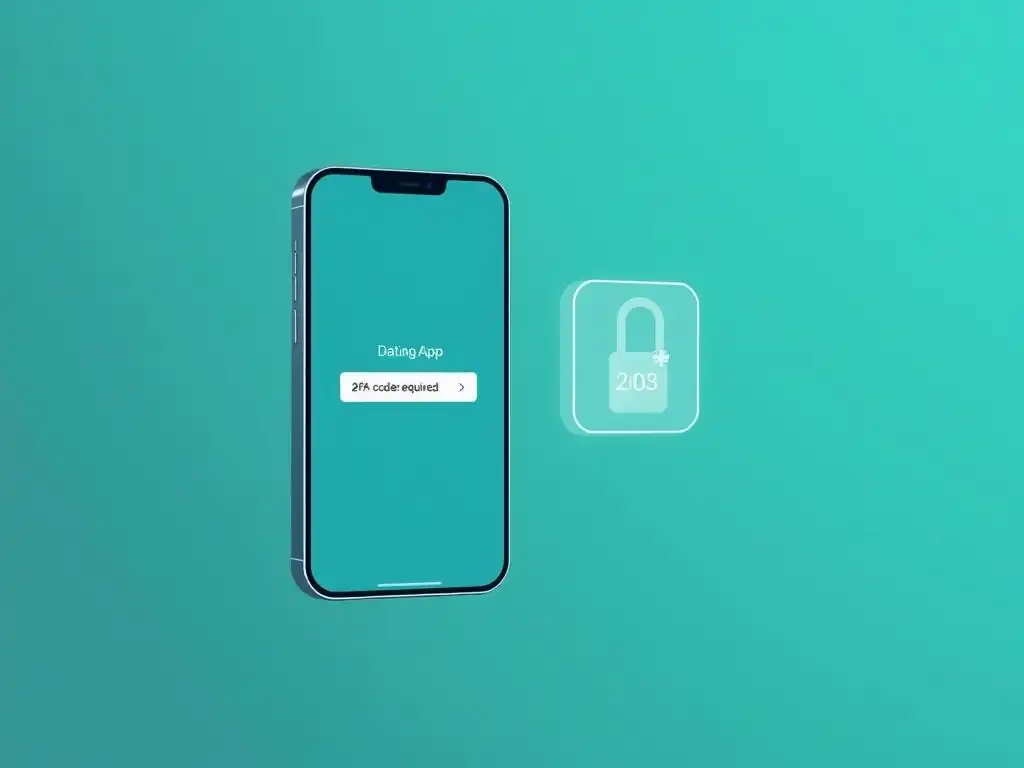
Two-Factor Authentication (2FA), also known as multi-factor authentication (MFA), is a crucial security measure you should always enable on your online dating apps. Think of it as adding a second lock to your digital front door. While your password acts as the first key, 2FA requires a second form of verification before granting access to your account. This second factor can take several forms, such as a time-sensitive code sent to your phone via SMS, an authentication app like Google Authenticator or Authy generating a unique code, or even a biometric scan (fingerprint or facial recognition).
Enabling 2FA significantly reduces the risk of unauthorized access, even if someone manages to obtain your password. Imagine a scenario where your password is compromised through a phishing scam or a data breach. With 2FA enabled, the attacker would still need access to your phone or authentication app to log in, making it considerably harder for them to gain control of your profile. Many dating apps offer 2FA as a built-in feature; take a few minutes to locate this setting within your app's security or privacy menu.
Activating it is a simple yet powerful step towards bolstering your online dating app safety. Don't underestimate the value of this simple, yet highly effective, security measure. It's a fundamental aspect of a comprehensive online dating safety strategy.
App Permissions: Reviewing and Managing App Access to Your Data
Online dating apps require access to various aspects of your phone's functionality to operate effectively. However, it's vital to understand exactly what permissions you're granting and to regularly review and manage these permissions. Many apps request access to your contacts, location, photos, and even microphone. While some permissions are necessary for core app functionalities (like location services to find nearby matches), others might be excessive or unnecessary.
Carefully examine the permissions requested by each dating app you use. If an app requests access to data that seems irrelevant to its purpose (for example, access to your camera roll without a clear reason), it's a red flag. Consider whether the benefits of using that app outweigh the potential privacy risks associated with granting broad permissions.
Most smartphones allow you to manage app permissions directly within the device's settings. Regularly audit these permissions, revoking access to anything you deem unnecessary or suspicious. This proactive approach helps minimize the potential for data misuse and enhances your overall online dating app safety.
Remember, controlling access to your data is a key component of staying safe in the online dating world. By carefully managing app permissions, you're taking a proactive step towards protecting your personal information and maintaining your privacy. This is especially crucial in the context of online dating, where sharing personal information is often necessary, but should always be done with caution and control.
Staying Safe While Dating Online: Practical Tips and Advice
This section delves into practical strategies to enhance your safety while navigating the world of online dating. Remember, proactive measures are key to a positive and secure experience. Prioritizing your well-being should always be paramount. This guide focuses on practical steps you can take to mitigate risks and build confidence in your online dating journey. We’ll cover crucial aspects like safe meeting practices, managing location sharing, and protecting your personal information. Let's dive in!
Safe Meeting Practices: Planning First Dates for Safety
The first date can be exciting, but it's crucial to prioritize safety. Never rush into meeting someone in person. Take your time getting to know them through the app's messaging system. Look for red flags like inconsistencies in their story, evasiveness, or pressure to meet quickly. Before agreeing to a date, thoroughly vet their profile. Do some background research – if they provided a workplace or education detail, check if that matches what's publicly available.
Here are some essential safety measures for your first date:
- Public Places: Choose well-lit, public places for your first meeting. A busy coffee shop or restaurant is ideal. Avoid secluded locations or going to someone's home on the first date.
- Tell a Friend: Always inform a trusted friend or family member about your date – where you're going, who you're meeting, and when you expect to be back. Share your date's profile information and contact details with them.
- Transportation: Arrange your own transportation to and from the date. This gives you control and allows for a quick exit if needed. Avoid relying on your date for a ride.
- Limit Alcohol Consumption: Be mindful of how much alcohol you consume. Staying clear-headed ensures you can make sound judgments and react appropriately to any situation.
- Trust Your Instincts: If something feels off, trust your gut feeling. Don't hesitate to end the date early or leave if you feel uncomfortable or unsafe. Your safety is always more important than politeness.
Many dating apps offer location-sharing features, which can be convenient but also pose security risks. Understanding how to manage these settings is critical. Avoid sharing your precise real-time location until you've established trust and have met in person several times. Over-sharing your location can make you vulnerable to stalking or harassment.
Consider these points regarding location sharing:
- App-Specific Settings: Familiarize yourself with the specific location-sharing settings within each dating app you use. Learn how to turn location services on and off, and understand the different levels of location precision available.
- Limited Information: If you choose to share your location, consider sharing only a general area rather than your exact address. This provides a level of anonymity while still allowing for meeting arrangements.
- Temporary Sharing: Some apps allow for temporary location sharing, enabling you to share your location only during a specific time frame, such as during a date. This is a safer alternative to continuous location sharing.
- Review Regularly: Regularly review and adjust your location-sharing settings. Ensure that you're comfortable with the level of information you're sharing at all times.
Protecting Your Personal Information: Avoiding Oversharing
Protecting your personal information is paramount. Avoid sharing sensitive details like your full address, workplace address, financial information, or social security number with anyone you meet online before meeting them in person and establishing trust. Remember, even seemingly harmless information can be used to compromise your safety and security.
Here's a breakdown of what to avoid oversharing:
- Financial Details: Never share your bank account information, credit card numbers, or any other financial details with someone you've met online.
- Full Address: Avoid sharing your exact address until you've met the person in person multiple times and feel comfortable with them. Meeting in a public place is always a safer option.
- Social Security Number: Your social security number is highly sensitive. Never share this information with anyone online.
- Workplace Information: Be cautious about sharing your workplace details, especially if it's a small or easily accessible location. This could increase the risk of unwanted visits or harassment.
- Family Details: Avoid revealing extensive details about your family members, especially their contact information or locations. This protects your family from potential harm.
Remember, building a secure and positive online dating experience requires vigilance and proactive safety measures. By following these guidelines, you can significantly reduce your risks and enjoy a more fulfilling and safer online dating journey.
Recognizing and Avoiding Online Dating Scams
Online dating scams are unfortunately prevalent, preying on the vulnerability and hope inherent in seeking connection. Understanding common tactics is the first step towards protecting yourself. Scammers often employ a range of manipulative techniques to gain your trust and ultimately your money or personal information. One common tactic is the "catfishing" technique, where individuals create fake profiles using stolen photos and fabricated identities. They often present themselves as incredibly charming and attentive, quickly professing deep feelings and building a strong emotional connection. This rapid escalation of intimacy is a major red flag.
Another frequent scam involves requests for financial assistance. The scammer might invent a compelling story – a family emergency, a medical crisis, or business difficulties – to elicit sympathy and financial help. They might pressure you for money urgently, exploiting your empathy and good nature. Remember, legitimate relationships don't involve sudden, unexpected financial requests. Always be wary of individuals who ask for money, especially early in the relationship. Always verify their identity through multiple channels before sending any money.
Beyond financial scams, be aware of attempts to obtain your personal information. Scammers might try to lure you into sharing sensitive data such as your full name, address, social security number, or banking details under various pretexts. Never share such information with someone you've only met online, regardless of how much you trust them. A genuine connection will not require such sensitive information. Finally, trust your instincts.
If something feels off or too good to be true, it probably is. Report suspicious profiles and interactions to the dating app immediately. Protecting yourself online requires vigilance and a healthy dose of skepticism. Remember, genuine connections develop gradually and organically, without undue pressure or suspicious requests.
Maintaining Online Privacy Beyond Dating Apps
While focusing on dating app security is crucial, remember that your overall online privacy significantly impacts your safety in the online dating world. A strong online privacy posture extends beyond the apps themselves. This involves proactively managing your social media presence and online footprint. Review your privacy settings on all social media platforms, limiting the visibility of your personal information to trusted friends and family. Avoid sharing location details, especially real-time updates, on public platforms. This information could be used by malicious actors to identify your location or even track your movements.
Furthermore, consider using strong, unique passwords for all your online accounts. Avoid reusing passwords across multiple platforms, as a breach on one site can compromise your security elsewhere. Utilize multi-factor authentication whenever available, adding an extra layer of security to your accounts. This will make it significantly more difficult for unauthorized individuals to access your accounts, even if they obtain your password. Regularly review your online accounts for any unauthorized activity. Be aware of phishing emails and texts; never click on links from unknown senders or provide personal information in response to unsolicited requests.
Finally, educate yourself about data privacy laws and your rights. Understanding how your data is collected, used, and protected can empower you to make informed decisions about your online activity. Remember, online privacy is an ongoing process, requiring vigilance and proactive management. By taking these steps, you can significantly reduce your risk of becoming a victim of online scams or identity theft, improving your overall safety in the online dating landscape. Protecting your privacy is not just about dating app security; it's about safeguarding your overall digital well-being.
Resources for Online Dating App Safety
This section details valuable resources to enhance your online dating app safety. Understanding and utilizing these resources is crucial for a positive and secure online dating experience. Remember, proactive safety measures are key to mitigating risks and fostering a safer environment for yourself.
Online Dating Safety Checklists and Guides
Many websites and organizations offer comprehensive checklists and guides specifically designed for online dating safety. These resources often provide step-by-step instructions, practical tips, and warnings about common scams. They can be invaluable in helping you assess your own online dating practices and identify potential vulnerabilities. Using these checklists can help you proactively build a safer online dating profile and interaction strategy.
For instance, a well-structured online dating safety checklist might include points like:
- Profile Privacy: Review your privacy settings regularly. Limit the amount of personal information shared publicly. Avoid posting your full name, exact location, workplace, or other identifying details.
- Photo Selection: Choose photos carefully. Avoid revealing photos that could be used to identify you or your location. Opt for pictures that show you in various settings, but avoid those that give away too much information.
- Communication: Be cautious about sharing personal information with matches before meeting in person. Verify their identity through multiple channels. Never share sensitive financial information.
- First Meetings: Always meet in a public place for your first date. Let a friend or family member know where you're going and when you expect to be back. Trust your instincts – if something feels off, leave.
- Background Checks (where applicable): Some dating apps offer background check integration. Consider using this feature to gain an added layer of security.
The quality and detail of these checklists vary greatly. Some may focus on specific aspects of online dating safety, like avoiding catfishing or recognizing scam attempts, while others provide a more holistic approach. Look for checklists that are regularly updated to reflect the latest online dating trends and scams. Regularly reviewing these checklists can become an important part of your online dating routine.
Reputable Organizations Offering Online Safety Advice
Several reputable organizations offer valuable advice and resources on staying safe while using online dating apps. These organizations often have experts who can provide credible information and guidance on navigating the complexities of online dating safely. Seeking their guidance can equip you with the knowledge to make informed decisions and protect yourself from potential harm. These organizations frequently publish articles, blog posts, and other materials covering various aspects of online dating safety.
Examples of types of advice these organizations may offer include:
- Identifying and avoiding scams: Learning to spot red flags in profiles and communication.
- Protecting your personal information: Understanding the risks of oversharing and how to manage your privacy settings.
- Safe meeting practices: Guidelines for planning and conducting safe first dates.
- Reporting inappropriate behavior: Knowing how to report harassment or abuse on dating apps.
- Legal aspects of online dating: Understanding your rights and responsibilities as an online dater.
These organizations often provide a wealth of information beyond simple checklists. They might offer webinars, workshops, or support groups to help individuals stay safe online. Actively seeking out and engaging with these resources shows a commitment to your own safety and well-being in the online dating world. Remember, staying informed is a crucial part of successful and safe online dating. The more you know, the better equipped you'll be to protect yourself.
Frequently Asked Questions
How can I verify the authenticity of profiles on dating apps?
While no system is foolproof, look for profiles with multiple photos, showing the person in various settings, and detailed bios. Report any suspicious profiles immediately to the app's administrators.
What are some red flags to watch out for in online dating interactions?
Be wary of users who are vague about their personal details, avoid video calls, or pressure you into meeting quickly or sharing personal information too soon. Trust your instincts.
How do I protect my personal information while using dating apps?
Never share your full name, address, workplace, or other sensitive details early on. Use a strong, unique password for each app, and enable two-factor authentication wherever possible.
What should I do if I feel unsafe during an online dating interaction?
Immediately block and report the user to the app and consider contacting the authorities if you feel threatened. Save all communication and screenshots as evidence.
What are the best safety features to utilize within dating apps?
Most apps offer features like blocking, reporting, and verification. Learn how to use these tools effectively and always review the app's safety guidelines. Prioritize apps with robust safety features.
The rise of online dating has fundamentally altered how we connect, but this convenience comes with a critical need for awareness and proactive safety measures. Ignoring the potential risks inherent in sharing personal information online is no longer an option; it's a reckless gamble with your well-being. The digital world offers incredible opportunities for connection, but it also presents unique vulnerabilities that require careful navigation.
The impact of online dating safety extends far beyond individual experiences; it shapes the very fabric of how we approach relationships in the digital age. The constant evolution of dating apps and the ever-present threat of scams and harassment demand a collective shift in our approach to online interactions. We must foster a culture of responsible online behavior, where safety is prioritized alongside the pursuit of connection. The best love is the kind that awakens the soul; that makes us reach for more, that plants a fire in our hearts and brings peace to our minds.
This quote, while romantic, underscores the importance of safeguarding our emotional and physical well-being as we seek these meaningful connections online.
You, the reader, now hold the knowledge to navigate the complexities of online dating with greater confidence and security. Take the time to review the safety tools discussed, implement the strategies outlined, and remember that your safety is paramount. Don't let the fear of missing out overshadow the importance of protecting yourself. Embrace the potential of online dating, but do so with informed awareness and a commitment to your own well-being. Your journey to finding meaningful connections should be safe, empowering, and fulfilling.
Unlock Your Dating App's Full Potential: Secure & Confident Connections
Thank you for learning how to enhance your online dating app security! You've gained valuable knowledge to navigate the digital dating world confidently. Let's put this knowledge into action:
- Prioritize your privacy: Take a few minutes to review and adjust your dating app's privacy settings. This is crucial for protecting your personal information.
- Share your knowledge: Discuss online dating safety with friends who also use dating apps. Sharing information helps build safer online communities.
- Explore advanced security features: Many dating apps offer robust security features beyond basic privacy controls. Take advantage of these extra layers of protection.
Ready to make your online dating experience safer and more enjoyable? What's the first privacy setting you'll adjust?