
Dating App Red Flags: How to Recognize Scammers Before It's Too Late

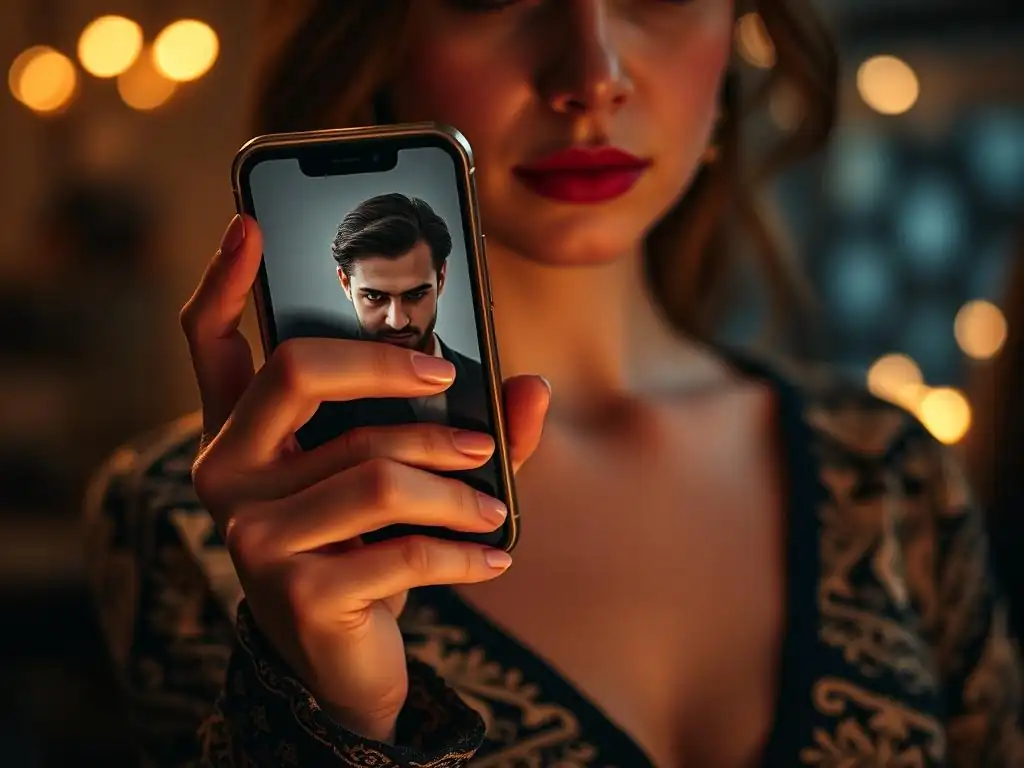
Welcome to OnlineDatingSuccess.org, your guide to navigating the exciting—and sometimes treacherous—world of online dating. Are you ready to find genuine connections? Then you've come to the right place. But first, let's arm you with the knowledge to stay safe. Learn to identify critical dating app scammer red flags before they can impact your experience. Discover how to protect yourself and build meaningful relationships, not just fleeting encounters. Read on to uncover the secrets to online dating success!
-
Recognizing Common Dating App Scammer Red Flags
- Identifying Fake Profiles: Spotting inconsistencies and suspicious photos.
- Suspicious Communication Patterns: Analyzing unusual messaging styles and requests.
- Financial Requests: Recognizing early pleas for money or gifts.
- Pressure Tactics: Identifying attempts to rush the relationship or isolate you.
- Overly Romantic Language: Detecting excessive compliments and professions of love too soon.
-
Advanced Dating App Scammer Red Flags: Beyond the Obvious
- Inconsistencies in their Story: Uncovering contradictions and fabricated details.
- Lack of Personal Information: Observing reluctance to share details about their life.
- Sudden Disappearance and Reappearance: Understanding the pattern of ghosting and return.
- Requests for Personal Information: Recognizing attempts to gather sensitive data.
- Using Multiple Dating Apps: Identifying the use of several platforms simultaneously.
-
Protecting Yourself from Online Dating Scammers
- Verifying Profiles: Utilizing reverse image search and social media checks.
- Slow and Steady Communication: The importance of taking your time and building trust gradually.
- Video Calls: The benefits of verifying identity through video chats.
- Never Send Money: Emphasizing the absolute necessity of avoiding financial transactions.
- Report Suspicious Profiles: Utilizing reporting features within dating apps and social media platforms.
- Moving Forward After a Negative Experience
- Frequently Asked Questions
- Final Reflection: Navigating the Digital Dating Landscape
- Unlock Your Dating App Safety: Spotting & Avoiding Scammers
Recognizing Common Dating App Scammer Red Flags
Online dating offers incredible opportunities to connect with new people and build meaningful relationships. However, it's crucial to be aware of the potential dangers lurking within these platforms. This article serves as your comprehensive guide to identifying common red flags associated with dating app scammers, empowering you to protect yourself and avoid heartbreaking – and potentially financially devastating – experiences. We'll delve into the subtle and not-so-subtle signs that can help you differentiate genuine connections from potentially harmful interactions.
Learning to recognize these red flags is the first step towards a safer and more fulfilling online dating journey. Remember, your safety and well-being are paramount. This guide is designed to equip you with the knowledge and tools necessary to navigate the online dating world confidently and securely. We will explore specific examples and provide actionable advice to help you stay vigilant and protect yourself from scams.
Identifying Fake Profiles: Spotting inconsistencies and suspicious photos.
Dating app scammers often create fake profiles to lure unsuspecting victims. Identifying these fake profiles requires a keen eye for detail. One of the most common red flags is inconsistencies within the profile itself. Look for discrepancies between the profile picture and other photos; a model-like headshot paired with blurry, poorly lit casual photos is a significant warning sign.
Pay close attention to the quality of the photos – overly edited or professional-looking images can indicate a fake profile. Additionally, be wary of profiles with minimal information or those that lack personal details. A profile that is too good to be true, filled with generic statements and lacking specific details about their life and interests, is a major red flag.
Furthermore, reverse image searching profile pictures can help uncover if the same image is used on multiple profiles or on other websites, which is a strong indicator of a fake account. Finally, be cautious of profiles that boast unrealistic achievements or lifestyles, lacking concrete evidence to support these claims. Remember, a genuine profile will show a natural progression of photos and information reflecting a real person's life.
Suspicious Communication Patterns: Analyzing unusual messaging styles and requests.
Beyond the profile itself, scammers often reveal themselves through their communication style. Be alert to overly enthusiastic or overly romantic messages very early in the “relationship.” These messages often contain generic compliments or declarations of love that seem out of place given the limited interaction. Another common tactic is to quickly move the conversation off the dating app to other platforms, such as email or messaging apps, to avoid the app's safety features. Pay attention to inconsistent messaging styles – a sudden shift in tone or language can be a warning sign.
Also, be wary of individuals who persistently ask personal questions without reciprocating, focusing primarily on obtaining your information rather than engaging in genuine conversation. Requests for financial assistance, even in subtle ways, should raise significant concerns. For example, a request to help them with an emergency or a seemingly innocent request for a small amount of money is a clear indication of a scammer.
Always be cautious of individuals who seem too eager to meet offline very quickly, particularly if they are evasive about details regarding their whereabouts and background. Genuine connections build slowly and organically, and rushing the process is a big red flag. Remember, healthy communication involves a two-way street of sharing information and building trust over time.
Financial Requests: Recognizing early pleas for money or gifts.
This is perhaps the most blatant red flag. Scammers frequently use sob stories or create fabricated emergencies to elicit financial help from their victims. They might claim to be in a difficult financial situation, facing medical emergencies, or needing money for travel expenses to visit you. Never send money or gifts to someone you've only met online, regardless of how compelling their story may seem.
Legitimate relationships do not involve early requests for financial assistance. If someone asks for money or gifts early in your interactions, it's a clear indication of a scam. These requests can range from small amounts to significant sums, often escalating over time. Be wary of pressure tactics, where the scammer might create a sense of urgency to push you into making a quick decision.
Remember, your financial security should never be compromised for a relationship you haven't even properly established. If you encounter such requests, immediately cease all communication and report the profile to the dating app. Protecting your finances is just as important as protecting your emotional well-being.
Pressure Tactics: Identifying attempts to rush the relationship or isolate you.
Dating app scammers often employ pressure tactics to manipulate their victims and accelerate the relationship. This is a key "dating app scammer red flags" indicator. They might shower you with excessive attention early on, pushing for quick meetings or an immediate commitment. This intense pursuit can be disorienting and make you feel special, but it's often a tactic to bypass your natural caution. They'll likely try to move the conversation offline quickly, bypassing the app's safety features and creating a sense of urgency.
For example, a scammer might insist on exchanging phone numbers or social media information within hours of matching, suggesting private video calls instead of sticking to the app, or even pressuring you to send money or gifts under the guise of an emergency or some other fabricated need. They might also try to isolate you from your friends and family, suggesting that your loved ones don't understand your relationship or attempting to discredit their concerns. This isolation is a powerful tool for manipulation, as it removes your support network and leaves you vulnerable to their influence.
Remember, healthy relationships develop gradually, allowing for trust and connection to grow organically. Any attempt to rush the process should be seen as a significant red flag. Pay close attention to the pace of the relationship; if it feels forced or unnatural, it probably is.
Prioritize your safety and trust your instincts – if something feels off, it likely is. Trusting your gut feeling is one of the best ways to avoid falling victim to dating app scams.
Overly Romantic Language: Detecting excessive compliments and professions of love too soon.
Another common dating app scammer red flag is the use of overly romantic language and excessive compliments far too early in the interaction. These professions of love and affection are often generic and unrealistic, designed to flatter and manipulate you into believing a connection exists where none truly does.
Instead of genuine, specific compliments that show they've paid attention to your profile and personality, scammers often resort to clichés and exaggerated flattery. They might use phrases like "You're my soulmate," "I've never felt this way about anyone before," or "I knew the moment I saw your picture that you were the one" within a few days or even hours of contact.
These statements lack the depth and nuance of genuine feelings. A true connection develops slowly over time, revealing itself through shared experiences and meaningful conversations. Consider the content of their messages; are they tailored to you, or do they seem like generic templates used on multiple people? Do they focus on your personality and interests, or do they simply shower you with empty praise?
If the compliments feel insincere or overly effusive, it's a strong indication that something isn't right. Remember, genuine affection takes time to develop. If someone is declaring undying love before you've even met in person, it's almost certainly a red flag – a significant signal in identifying dating app scammer red flags. Be wary of anyone who seems too good to be true; genuine connections are built on trust, respect, and a gradual unfolding of feelings, not rushed declarations of undying love.
Advanced Dating App Scammer Red Flags: Beyond the Obvious
This section delves into more subtle yet equally important red flags that indicate potential scams on dating apps. While obvious signs like requests for money are easy to spot, sophisticated scammers employ more nuanced tactics. Recognizing these advanced red flags can significantly improve your online dating safety and help you avoid heartbreak and financial loss. Understanding these subtle cues is crucial for navigating the online dating world effectively and protecting yourself from manipulative individuals.
Inconsistencies in their Story: Uncovering contradictions and fabricated details.
Scammers often create elaborate, yet ultimately flawed, backstories. Their narratives may contain inconsistencies or details that don't quite add up. Pay close attention to their descriptions of their life, work, and hobbies. Do their stories seem too perfect, lacking any flaws or challenges? Do their claims about their profession or lifestyle seem unrealistic or easily verifiable? A key tactic is to subtly probe their story with follow-up questions. If they hesitate, provide vague answers, or change their story over time, it's a significant red flag.
For example, a scammer might claim to be a successful doctor working abroad, yet struggle to answer basic questions about medical procedures or their hospital. Another might describe a lavish lifestyle, but their photos show a lack of corresponding material possessions. Remember, inconsistencies, no matter how small, often point to a fabricated persona. Trust your intuition; if something feels off, it probably is. Document any inconsistencies you notice—this will be valuable evidence should you need it later.
Genuine connections are built on mutual sharing and vulnerability. Legitimate daters are generally happy to share details about their lives, albeit gradually. Conversely, scammers often avoid revealing personal information, creating a sense of mystery to maintain their anonymity and protect their deception. They may be evasive when asked about their family, friends, or past relationships. They might offer excuses for not having social media profiles or for being unable to video call.
Consider this scenario: you've been chatting with someone for a few weeks, and you inquire about their family. They respond vaguely, saying they prefer to keep their personal life private. While respecting personal boundaries is important, a consistent reluctance to share any personal details should raise concerns. This reluctance indicates a desire to maintain distance and control the information flow, which is a classic characteristic of a scam. Remember, a healthy relationship is built on transparency and trust.
Sudden Disappearance and Reappearance: Understanding the pattern of ghosting and return.
A common tactic employed by scammers is the "ghosting" and "return" pattern. They might engage in intense communication for a period, then suddenly disappear without explanation. After a few days or weeks, they reappear, often with a plausible excuse for their absence. This cyclical pattern serves to keep you invested in the interaction while simultaneously preventing you from discovering their true intentions. They might claim their phone was broken, they were traveling unexpectedly, or they experienced a family emergency.
This behavior is manipulative and designed to keep you emotionally hooked. The inconsistent communication and lack of accountability are major red flags. If someone consistently disappears and reappears, it's a strong indicator that they are not genuinely interested in building a relationship, but rather in manipulating you for their own purposes. Understanding this pattern allows you to recognize the manipulative nature of their actions and protect yourself from their emotional games. Maintaining healthy boundaries and prioritizing your emotional well-being is crucial in these situations.
Requests for Personal Information: Recognizing attempts to gather sensitive data.
Scammers often try to obtain personal information under the guise of building a connection. This is a major red flag on any dating app. They might subtly ask for your full name, address, social security number, or bank account details early in the "relationship." They might even try to pressure you into sharing this information, claiming it's a sign of trust or that they need it for a seemingly legitimate reason. Remember, a genuine connection should develop organically without demanding sensitive personal data.
Never share such information with someone you've only met online until you've met in person and have established a strong level of trust. Legitimate dating apps will never ask for such information either. Be wary of anyone who pushes you to share details before you feel comfortable. For example, a scammer might ask for your address to "send you a gift," but this is a classic tactic to find your location and potentially plan a robbery or other harm. Another example is the sudden request to add you on social media platforms to get access to more information about you, your friends, and your family.
Always err on the side of caution. If something feels off, it probably is. Protecting your personal information is paramount; never compromise your safety for what might seem like a blossoming romance. Remember, your personal safety is more valuable than any online connection.
Using Multiple Dating Apps: Identifying the use of several platforms simultaneously.
While some people legitimately use multiple dating apps to increase their chances of finding a match, it can also be a tactic employed by scammers. They might use different profiles across various platforms to cast a wider net and target more potential victims. This makes it harder to trace them and leaves a trail of inconsistencies. If you suspect someone of using multiple accounts, you might notice discrepancies in their photos, descriptions, or even their communication style.
One profile might highlight their love of hiking, while another shows them as a dedicated gamer, revealing a lack of genuine consistency in their personality portrayal. This is a clear indication that they are not being truthful about themselves and their intentions. Additionally, a scammer using multiple platforms might attempt to build multiple relationships simultaneously, often juggling conversations and maintaining superficial connections with multiple people at once. Their responses might be generic and lack genuine personalization, a common characteristic of someone who's spreading themselves thinly across different platforms.
If you notice inconsistencies or a lack of genuine engagement, it's advisable to proceed with caution. Always verify information and be mindful of their behavior across platforms. This discrepancy in profiles and interactions should raise a significant red flag, indicating potential malicious intent. Always prioritize your safety and trust your intuition; if something feels amiss, it likely is.
Protecting Yourself from Online Dating Scammers
This section delves into practical strategies to identify and avoid online dating scammers, focusing on proactive measures you can take to protect yourself. Remember, your safety and well-being are paramount. Understanding the tactics used by scammers is the first step towards building a safe and positive online dating experience. Learning to recognize the common "dating app scammer red flags" is crucial for avoiding heartbreak and potential financial loss.
One of the most effective ways to identify fake profiles is through thorough verification. Don't rely solely on the information presented on the dating app. Take the initiative to independently verify the profile's authenticity. This involves employing several techniques, such as reverse image searches and social media cross-referencing.
A simple reverse image search can reveal if the profile picture is being used elsewhere online. Many free tools are available online that allow you to upload an image and see where else it appears on the internet. If the same picture shows up on multiple dating profiles or stock photo websites, it's a significant red flag. This indicates the profile is likely fake or, at the very least, using misleading imagery.
Furthermore, try to locate the individual on other social media platforms. If their profile claims they are a doctor, for instance, see if you can find a professional profile on LinkedIn or a personal profile on Facebook or Instagram that corroborates their claim. Discrepancies between the information provided on the dating app and their social media presence should raise concerns. Inconsistent information or a lack of a verifiable online presence is a strong indicator of a potentially fraudulent profile. Remember to prioritize your safety and never share personal information during these verification steps.
Slow and Steady Communication: The importance of taking your time and building trust gradually.
Scammers often rush the relationship, pressuring you into sharing personal information or sending money quickly. A genuine connection takes time to develop. Don't be pressured into anything you're not comfortable with. Be wary of anyone who immediately professes strong feelings or asks for financial assistance after limited interaction.
A key strategy is to focus on building trust gradually. Engage in extended conversations, learning about the person's life, interests, and values over time. Pay attention to inconsistencies in their stories or responses. Do their accounts of their life and experiences seem plausible? Are they evasive when asked specific questions? These are important indicators to watch out for. Avoid sharing sensitive personal information, such as your address, financial details, or full name, until you've established a strong level of trust, preferably after meeting in person. Remember, rushing the process can leave you vulnerable to manipulation.
Video Calls: The benefits of verifying identity through video chats.
Initiating a video call is a powerful tool to verify a person's identity and build trust. While a simple text or voice call can be easily faked, a video call provides a much more reliable way to see who you're interacting with. This step helps to eliminate inconsistencies between the profile picture and the actual person. It is also a great way to gauge their comfort level with this type of interaction; scammers often avoid video calls due to their deceptive nature.
Proposing a video call shouldn't be viewed as rude or overly cautious. It's a reasonable request, especially when building a relationship online. If someone consistently refuses a video call, providing flimsy excuses, it should raise significant concerns about the authenticity of their profile. Insist on a video call before progressing to more personal interactions or sharing sensitive details. This proactive measure significantly reduces your vulnerability to online dating scams. The ability to see and interact with someone in real-time is a crucial step in establishing trust and ensuring your safety in the online dating world.
Never Send Money: Emphasizing the absolute necessity of avoiding financial transactions.
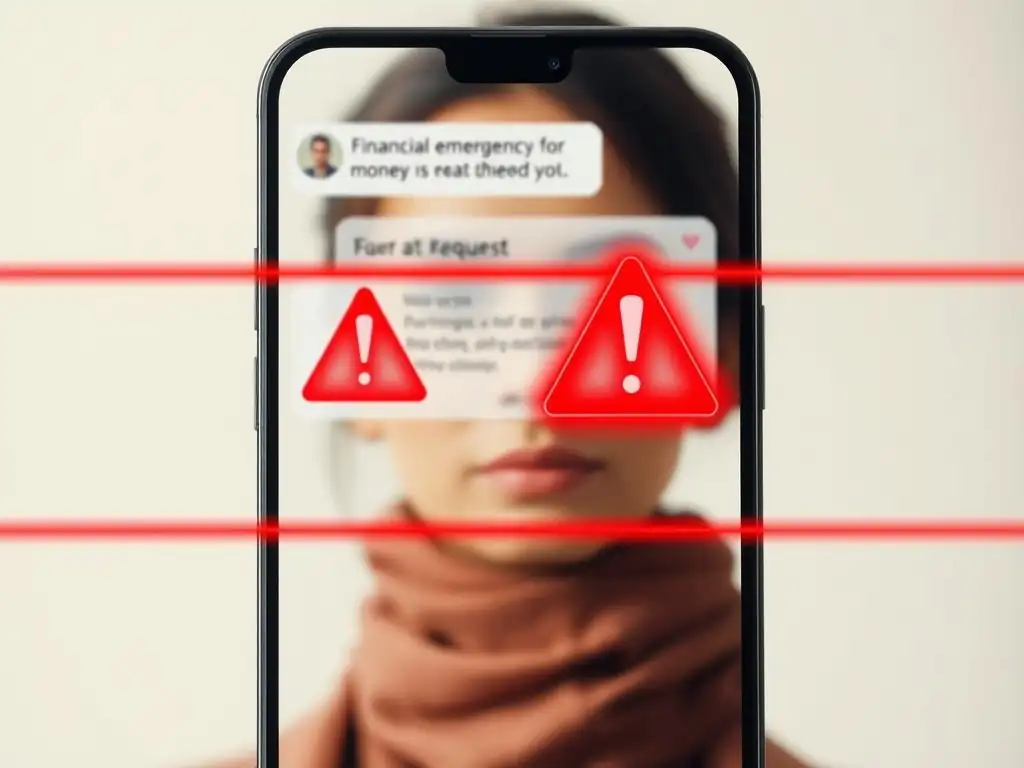
Sending money to someone you've only met online is a massive red flag, and a sure sign you're dealing with a scammer. Legitimate relationships don't begin with financial transactions. No matter how compelling their story is – a sudden emergency, a family crisis, or an investment opportunity – never send money. Scammers are masters of manipulation, using emotional appeals to pressure you into sending funds.
They might create elaborate narratives involving hardship or urgent needs, designed to evoke sympathy and bypass your better judgment. Remember, if someone you've never met in person asks for money, it's almost certainly a scam. Don't fall for their sob stories; protect your finances and your emotional well-being. There are many documented cases of individuals losing significant sums of money to online dating scammers, suffering immense financial and emotional distress.
These experiences highlight the critical importance of maintaining financial boundaries in online dating. Protect yourself; your money is your responsibility. If someone pressures you for money, consider it a definitive dating app scammer red flag and immediately cease all communication. There are plenty of genuine people out there who won't ask you for money.
If you encounter a profile that seems suspicious – vague profile information, inconsistent stories, excessive requests for money, or overly flattering photos – don't hesitate to report it. Most dating apps and social media platforms have built-in reporting mechanisms designed specifically to address this issue. Utilize these features; your report contributes to a safer online environment for everyone. Reporting suspicious profiles helps the platforms identify and remove fraudulent accounts, reducing the chances of others falling victim to scams.
The process is usually straightforward: look for a "report" or "flag" button on the profile in question. Often, you'll be given options to explain the reason for your report, such as "suspicious behavior," "fraudulent activity," or "fake profile." Provide as much detail as possible, including specific examples of the suspicious behavior you observed. Remember, even if you're unsure whether a profile is genuinely suspicious, it's always better to err on the side of caution and report it.
Your report could make a real difference in protecting other users from potential harm. By actively participating in reporting, you become part of the solution to combatting online dating scams and promoting a safer online dating experience for all. Don't underestimate the power of your report; it's a crucial step in keeping online dating safer.
Moving Forward After a Negative Experience
Experiencing a dating app scam can be incredibly disheartening and leave you feeling vulnerable. It's crucial to remember that you are not alone and that many people have gone through similar situations. The key to moving forward is to focus on self-care, learning from the experience, and taking steps to protect yourself in the future.
Successfully navigating the emotional aftermath and rebuilding trust are essential for a positive outlook on online dating. The journey to healing and finding genuine connections may take time, but with self-compassion and proactive measures, you can regain your confidence and find healthier online dating experiences.
Dealing with Emotional Fallout: Coping mechanisms for victims of online dating scams.
The emotional impact of a dating app scam can range from mild disappointment to significant distress, even triggering feelings of betrayal, anger, shame, and financial insecurity. It's important to acknowledge and validate these feelings. Suppressing them will only prolong the healing process. Effective coping mechanisms can significantly aid recovery. Consider these strategies:
- Talk to someone you trust: Sharing your experience with a friend, family member, therapist, or support group can provide emotional release and validation. Talking about it helps process the emotions and gain a fresh perspective.
- Practice self-care: Engage in activities that bring you joy and comfort. This could include exercise, spending time in nature, pursuing hobbies, or simply relaxing with a good book. Prioritizing self-care nourishes your emotional well-being and helps you regain a sense of control.
- Limit exposure to social media: Seeing happy couples or idealized relationships online can intensify feelings of disappointment or inadequacy. Taking a break from social media can create a healthier emotional space.
- Seek professional help: If you're struggling to cope, consider seeking professional help from a therapist or counselor specializing in trauma or relationship issues. They can provide guidance and support tailored to your specific needs.
- Journaling: Writing down your thoughts and feelings can be a cathartic process, helping you process your emotions and identify patterns of behavior. This can lead to valuable insights for future interactions.
Learning from Mistakes: Analyzing past experiences to improve future online interactions.
While the experience may feel overwhelmingly negative, it presents a valuable opportunity for self-reflection and growth. Analyzing what happened can significantly reduce the risk of future scams. Consider these steps:
- Identify red flags: Carefully review your interactions with the scammer. What signs did you miss? What behaviors should have raised your suspicion? Understanding these red flags will enable you to recognize them more easily in the future. Common red flags include inconsistent stories, pressure for quick relationships, requests for money or financial assistance, and a reluctance to video chat.
- Review your online profile: Is your profile clear, honest, and accurate? Avoid posting overly personal information that could make you vulnerable to exploitation. A secure profile minimizes the risk of attracting malicious actors.
- Improve your communication skills: Practice assertive communication. Don't be afraid to ask questions or express your boundaries. Healthy communication is essential for building trust and identifying potential red flags.
- Use reputable dating apps: Stick to well-established dating apps with strong security measures and user verification processes. These platforms often have better mechanisms for reporting suspicious activity.
- Trust your instincts: If something feels off, it probably is. Don't ignore your intuition, even if you're hesitant to confront the situation. Your gut feeling is often a reliable indicator of potential danger.
Resources and Support: Guidance on where to seek help and advice.
Numerous resources are available to help victims of online dating scams. These resources offer support, guidance, and practical advice on moving forward:
- Law enforcement: Report the scam to your local law enforcement agency. They can investigate the incident and potentially recover any lost funds. Filing a report also helps protect others from similar scams.
- Consumer protection agencies: Contact your national or state consumer protection agency. They can provide information on how to protect yourself from future scams and may offer assistance in recovering lost funds.
- Online support groups: Connecting with others who have experienced similar situations can provide comfort, validation, and a sense of community. Many online support groups offer a safe space to share experiences and learn from others.
- Mental health professionals: A therapist or counselor can provide emotional support and guidance to help you process the trauma and rebuild your confidence. They can offer coping mechanisms and strategies for moving forward.
Remember, recovering from a dating app scam takes time and patience. Be kind to yourself, seek support when needed, and focus on learning from the experience to build safer and more fulfilling online dating experiences. By taking proactive steps, you can regain your confidence and find genuine connections.
Frequently Asked Questions
What are some common red flags to watch out for when using dating apps?
Some common red flags include profiles with limited or inconsistent information, requests for money or financial assistance, and overly romantic or intense communication early on. Be wary of anyone who avoids video calls or in-person meetings.
How can I spot a scammer's fake profile?
Scammers often use stolen photos and inconsistent information in their profiles. Look for inconsistencies between their profile details and their communication style. Reverse image search their photos to check for authenticity.
What should I do if I suspect someone is a scammer?
If you suspect someone is a scammer, immediately stop all communication. Report the profile to the dating app and block the user. Do not send them any money or personal information.
Why do scammers target dating apps?
Dating apps offer a convenient environment for scammers to target vulnerable individuals seeking connection. They exploit the emotional vulnerability of users looking for relationships.
How can I protect myself from dating app scams?
Thoroughly vet profiles, verify information independently, and never share sensitive personal details or financial information. Be cautious of overly flattering or intense communication, and always meet in a public place for first dates.
The rise of online dating has undeniably revolutionized romance, but it's also created a breeding ground for deception. The ease of connection online comes with a significant caveat: the increased risk of encountering scammers. Understanding the red flags is no longer optional; it's a crucial skill for navigating the modern dating world safely and effectively.
The impact of online dating scams extends far beyond financial loss; it erodes trust and leaves emotional scars. The vulnerability inherent in seeking connection online makes individuals susceptible to manipulation and exploitation. The heart wants what it wants, but the mind needs to be equally engaged in protecting itself.
This quote highlights the delicate balance between hope and caution needed when venturing into the digital dating sphere. The constant evolution of scamming tactics necessitates ongoing vigilance and education, a shared responsibility amongst users and app developers alike.
Consider the information presented in this article. Reflect on your own online dating experiences, or those of friends and family. Are you equipped to identify the subtle signs of deception? Take the time to learn, share this knowledge with others, and prioritize your safety and well-being above all else. By staying informed and proactive, you can transform the potential risks of online dating into opportunities for genuine connection and lasting relationships.
Unlock Your Dating App Safety: Spotting & Avoiding Scammers
Thank you for learning how to protect yourself on dating apps! You've gained valuable knowledge to navigate the online dating world with confidence. Let's put that knowledge to practice.
- Prioritize your safety: Review the red flags discussed and create a personal checklist to use before meeting anyone in person. This will help you stay safe and confident. Consider factors like meeting in a public place, letting a friend know your plans, and trusting your instincts.
- Share this information: Help your friends and family avoid scams by sharing this article or discussing online dating safety with them. Open communication can make a big difference.
- Connect with others: Join online communities dedicated to dating safety to share experiences and ask questions. Learning from others and building a supportive network can enhance your online safety.
What's one small step you'll take today to improve your dating app safety?