
Protect Your Heart Online: The Role of Reverse Image Search


Welcome to OnlineDatingSuccess.org, your guide to navigating the exciting yet sometimes treacherous world of online dating. Are you ready to find genuine connection but concerned about potential scams? Then you've come to the right place. Our expert advice empowers you to build meaningful relationships, and this begins with understanding the crucial role of online dating reverse image search. Discover how this simple tool can be your first line of defense against fraudulent profiles, and unlock the secrets to a safer and more successful online dating experience. Learn more about protecting your heart online – read on!
- Understanding Online Dating Reverse Image Search: Your First Line of Defense
- Leveraging Reverse Image Search to Verify Online Dating Profiles
- Beyond Images: Combining Reverse Image Search with Other Verification Methods
- Protecting Yourself from Online Dating Scams with Reverse Image Search
- Reverse Image Search Best Practices for Online Dating Safety
-
Frequently Asked Questions
- What is a reverse image search and how can it help me with online dating?
- Why should I use a reverse image search on someone I met online?
- Which websites or apps are best for conducting a reverse image search?
- How reliable are the results of a reverse image search?
- Are there any other safety measures I should take while online dating besides reverse image searches?
- Final Reflection: Navigating the Digital Heart: Protecting Yourself in the Age of Online Dating
- Unmask the Truth: Take Control of Your Online Safety
Understanding Online Dating Reverse Image Search: Your First Line of Defense
Navigating the world of online dating can be thrilling, but it also presents unique challenges. Meeting potential partners online offers incredible opportunities for connection, but it's crucial to prioritize safety and protect yourself from potential scams and harmful interactions. This is where understanding and utilizing reverse image search becomes invaluable.
This article will explore the critical role of reverse image search in online dating, empowering you to make informed decisions and safeguard your heart while exploring the exciting possibilities of digital romance. We'll delve into what reverse image search is, how it can help you identify potential red flags, and provide a simple, step-by-step guide to using this powerful tool effectively.
By the end, you'll be equipped with the knowledge to navigate the online dating world with increased confidence and a significantly reduced risk of encountering fraudulent profiles or malicious actors. Protecting yourself online is not just about caution; it's about empowering yourself to build genuine connections with peace of mind.
What is Reverse Image Search and Why is it Crucial for Online Dating?
Reverse image search is a powerful tool that allows you to identify the origin and potential uses of an image. Instead of searching with text, you search with an image. You upload a picture (a profile photo, for example) to a search engine, and the engine returns results showing where that image appears online.
This is incredibly useful in online dating because it can help you verify the authenticity of a profile. Many online dating scams involve using stolen photos – pictures taken from models, actors, or even completely unrelated individuals. A simple reverse image search can quickly reveal if the person you're communicating with is using a fake photo, potentially saving you time, emotional distress, and even financial loss.
Think of it as your digital detective work, helping you uncover inconsistencies and potential red flags before you invest too much time or emotion in a potentially fraudulent connection. The peace of mind that comes from knowing you've taken this crucial step is priceless. 💖
Identifying Potential Red Flags Using Reverse Image Search in Online Dating
Using reverse image search isn't just about catching outright scams; it can also help you identify other potential red flags. For example, if a profile picture shows up in multiple locations unrelated to the person's stated identity – such as stock photo websites or other dating profiles – this could be a significant warning sign. Similarly, if the image appears in a context that contradicts the person's profile information, it’s another cause for concern.
Perhaps the person claims to be a travel enthusiast, but the image appears on a website related to something entirely different. These discrepancies can indicate a lack of authenticity or even intentional deception. Remember, inconsistencies are often a key indicator of potential problems.
By diligently using reverse image search, you're actively reducing your vulnerability to manipulative or dishonest individuals. It's a proactive approach to online safety, allowing you to engage with potential partners with greater confidence and awareness. 🕵️♀️
How to Perform a Reverse Image Search: A Step-by-Step Guide for Beginners
Performing a reverse image search is surprisingly simple. Most major search engines offer this functionality. Here's a basic, step-by-step guide:
- Locate the image: Find the profile picture you want to verify.
- Save the image: Download the image to your computer or device. This is important because some search engines require a local file upload.
- Choose your search engine: Google Images, Bing Images, and TinEye are popular choices, each with its own slightly different interface.
- Upload the image: Most search engines have an option to upload an image directly from your computer or device. Follow the on-screen instructions.
- Analyze the results: Carefully examine the results. Look for instances where the same image appears on other websites or profiles. Pay close attention to the context in which the image is used.
- Exercise caution: Even if the image doesn't appear to be obviously fake, always exercise caution and proceed slowly when getting to know someone online. Reverse image search is a valuable tool, but it's not foolproof.
Remember, your safety and well-being are paramount. Using reverse image search is just one step in the process of building safe and meaningful connections online. Combine this technique with other safety practices for a comprehensive approach to online dating. 💪
Leveraging Reverse Image Search to Verify Online Dating Profiles
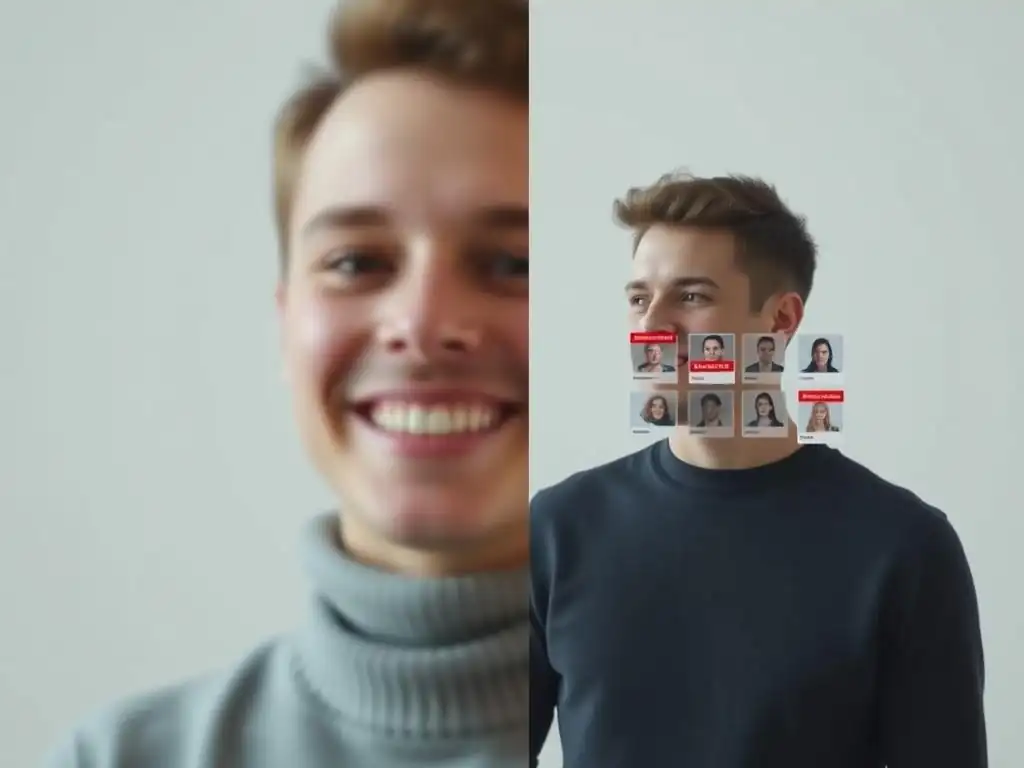
Reverse image search is a powerful tool in your online dating safety arsenal. It allows you to verify the authenticity of profile pictures, a crucial step in protecting yourself from potential scams and heartbreak. By using this technique, you can significantly reduce your risk of encountering fake profiles or engaging with individuals who are misrepresenting themselves. This isn't about being distrustful; it's about practicing due diligence in a digital world where deception is unfortunately common.
Think of it as an extra layer of security, adding confidence to your online dating journey. The process is straightforward and readily accessible through major search engines like Google, Bing, and TinEye. Each engine might offer slightly different results, so using multiple engines is recommended for a more comprehensive search.
Spotting Fake Profiles Through Reverse Image Search Techniques
Fake profiles often utilize stolen or manipulated images. Reverse image searching can quickly reveal the source of a profile picture. For example, if a profile picture shows a stunning model, a reverse image search might reveal the picture is widely available on stock photo websites, indicating it's not an authentic representation of the person behind the profile. Similarly, images lifted from social media accounts can be easily identified, potentially exposing inconsistencies between the profile information and the person's actual online presence.
It is not uncommon to find that the same image is used across multiple dating profiles, a clear red flag. Pay close attention to the results; a simple reverse image search can turn up multiple instances of the same image used in different contexts, potentially revealing a catfishing attempt or a fraudulent profile. The more readily available the image, the higher the likelihood of it being a fake.
Uncovering Catfishing Attempts with Reverse Image Search Verification
Catfishing, the act of creating a false online persona, often relies on misleading imagery. Reverse image searches are invaluable in detecting such attempts. A profile picture that appears too perfect, with professional-quality lighting and posing, should raise suspicion. A reverse image search could unveil the true source of the image, revealing a model, actor, or even a completely different person. Furthermore, discrepancies between the profile picture and other images found through the reverse image search – such as different hairstyles, body types, or even facial features – are strong indicators of catfishing.
Consider the context of the images found. Is the image part of a larger photoshoot? Does it appear in a different online setting? These details can help paint a clearer picture of the authenticity of the profile. Remember, thorough verification is key to avoiding emotional distress and potential financial harm.
Using Reverse Image Search to Cross-Reference Profile Information
While image verification is crucial, don't stop there. Use the reverse image search results to corroborate other information provided in the profile. If the profile claims to be a certain profession or have specific hobbies, see if the images you find through the search align with that self-description.
For instance, if the profile claims to be a professional musician, a reverse image search might lead you to their band's website or social media pages, allowing you to independently verify their claims. Inconsistencies between the profile's claims and the information revealed through reverse image searches should raise serious concerns. This cross-referencing process adds another layer of verification, helping you build a more comprehensive understanding of the individual's online presence and the authenticity of their profile.
This approach enhances your safety and helps you make informed decisions in your online dating experience. Remember, a little extra caution can go a long way in protecting your heart and well-being online.
Beyond Images: Combining Reverse Image Search with Other Verification Methods
Reverse image searching is a powerful tool, but it shouldn't be your only line of defense in online dating. Think of it as one piece of a larger puzzle – a crucial piece, certainly, but not the whole picture. To truly protect yourself, you need a multi-layered approach to verification, integrating reverse image searches with other methods to paint a complete picture of your potential match's authenticity. Ignoring other verification strategies diminishes the effectiveness of even the most thorough reverse image search. Successfully navigating the complexities of online dating requires a more comprehensive strategy.
Social media profiles often offer a wealth of information that can corroborate or contradict the information presented in a dating profile. After performing a reverse image search, cross-reference the results with the individual's social media presence. Do the images appear on their Facebook, Instagram, or other platforms? Do the dates and locations of the photos align with their dating profile claims? Inconsistency is a significant red flag.
For instance, if a profile claims to be a "travel enthusiast" but their social media only shows pictures in one location, this warrants further investigation. Remember, discrepancies don't always indicate malicious intent but can simply point to inaccuracies or inconsistencies in how people present themselves online. Pay close attention to details – even small inconsistencies can be telling. The goal is to build a cohesive narrative from the information gathered, and any conflicting information should be addressed before proceeding further.
Utilizing Reverse Image Search alongside Background Checks (for serious relationships)
For those seeking long-term relationships, employing a more thorough verification process is crucial. Once you've used reverse image search and social media verification, consider supplementing these methods with a professional background check, especially if you're contemplating a serious commitment. A background check can reveal information not readily available online, such as criminal records or aliases. While this step may seem extreme, it offers an additional layer of security, particularly as the relationship progresses.
Remember, investing time and resources in thorough verification is an investment in your safety and well-being. The peace of mind it provides is invaluable. This doesn't mean you should be suspicious of everyone, but rather demonstrates a proactive approach to safeguarding yourself in the digital age.
The Importance of Holistic Profile Verification in Online Dating
Online dating safety requires a holistic approach. Don't rely solely on a single method like a reverse image search. Instead, consider it a valuable tool within a broader strategy. Effective profile verification involves cross-referencing information from multiple sources, including:
- Reverse image search: To confirm the authenticity of photos.
- Social media verification: To compare information across platforms.
- Background checks (optional): For serious relationships, to uncover hidden information.
- Direct communication: Asking insightful questions and observing inconsistencies in responses.
- Video calls: To establish a visual connection and assess authenticity.
By combining these methods, you create a robust verification system that significantly reduces the risk of encountering fraudulent profiles or malicious actors. Remember, online safety is a continuous process, not a one-time event. Staying vigilant and employing multiple verification techniques is key to protecting yourself and fostering meaningful connections in the online dating world. Prioritizing your safety doesn't diminish the potential for finding love; rather, it enhances it by creating a safer and more trustworthy environment.
Protecting Yourself from Online Dating Scams with Reverse Image Search
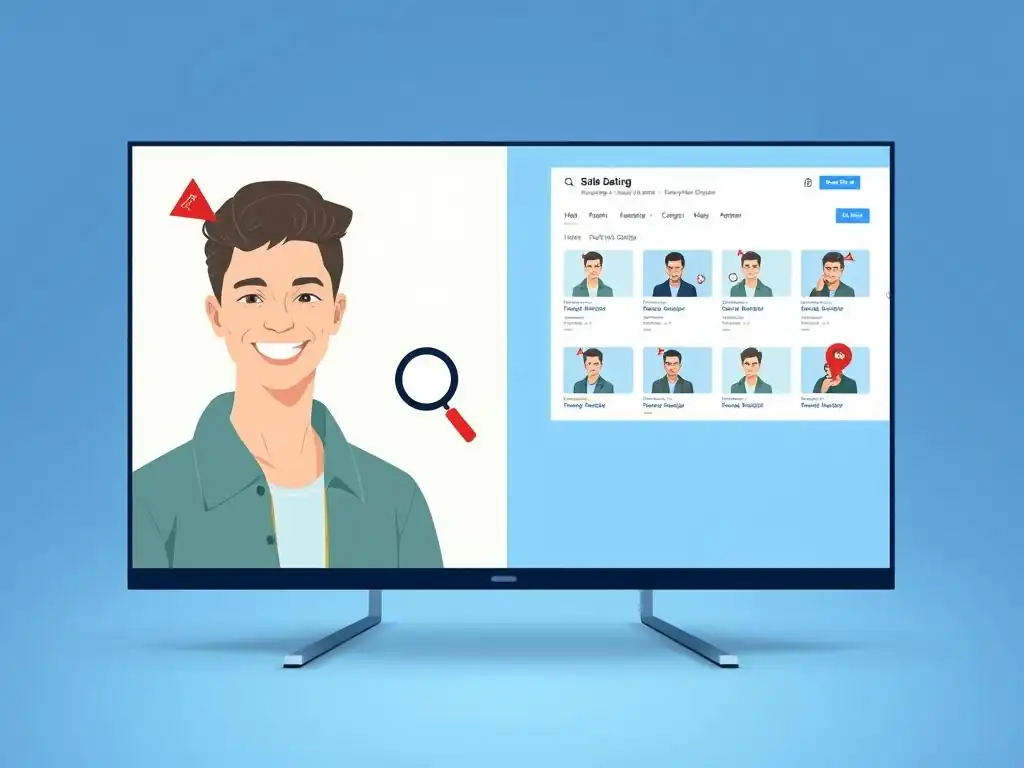
Online dating offers exciting possibilities for connection, but it also presents unique risks. Scammers are increasingly sophisticated, employing various tactics to deceive unsuspecting individuals. Fortunately, tools like reverse image search provide a powerful layer of protection.
By proactively using these tools, you significantly reduce your vulnerability to scams and improve your chances of a safe and positive online dating experience. This section will delve into how reverse image search can help you navigate the complexities of online dating safely, specifically targeting the keyword "online dating reverse image search" and its semantic variations. Understanding the potential threats and utilizing readily available resources is key to a secure online dating journey.
Common Online Dating Scams and How Reverse Image Search Can Help
Many online dating scams revolve around stolen photos and fabricated identities. Scammers often use attractive, professionally taken photos lifted from various sources – stock photos, social media profiles, or even other dating profiles. This is where reverse image search becomes invaluable. By using a reverse image search engine (like Google Images, TinEye, or Yandex Images), you can quickly determine if a profile picture has been used elsewhere online. If the same image appears on multiple dating profiles or unrelated websites, it's a significant red flag indicating potential fraud.
For example, imagine you encounter a profile with a strikingly handsome man claiming to be a successful doctor. His photos look professional, but something feels off. A quick reverse image search could reveal the same photos being used on multiple profiles with different names and backgrounds, instantly exposing the scam. This simple action can save you from emotional distress and potential financial loss. This proactive approach significantly reduces the risk of engaging with fraudulent profiles. Remember, a seemingly perfect profile might be masking a deceptive intent. Always verify!
Recognizing and Avoiding Romance Scams Using Reverse Image Search
Romance scams, a particularly insidious type of online dating fraud, often leverage stolen photos to build trust and foster an emotional connection. The scammer will invest time and effort in creating a seemingly genuine relationship, eventually leading to requests for money, gifts, or personal information. Reverse image search is a critical tool in identifying these scams before they escalate.
Consider this scenario: You've been chatting with someone online for several weeks. They've shared intimate details about their life and expressed strong feelings for you. However, they've never video called, and their photos seem almost too perfect. A reverse image search could unveil that those "perfect" photos belong to a model or actor, completely exposing the fabricated identity.
The scammer's carefully constructed persona crumbles when their photos are traced back to their true source. The use of reverse image search in these situations can prevent significant emotional harm and financial ruin. Always be wary of profiles that seem too good to be true.
Safeguarding Your Personal Information During Online Dating Profile Verification
Even when a profile picture appears legitimate, safeguarding your personal information is paramount. While reverse image search helps verify the authenticity of photos, it doesn't eliminate all risks. Remember, scammers can still use real photos of unsuspecting individuals to create fake profiles. Therefore, avoid sharing sensitive personal information, such as your full address, phone number, or place of work, until you've established a high level of trust and verified the person's identity through multiple channels.
Furthermore, be cautious about providing financial information or sending money, regardless of how compelling the relationship seems. Legitimate partners won't pressure you for financial assistance. Remember, your safety and well-being are paramount. By combining the use of reverse image search with sound judgment and caution, you can significantly reduce your risk of becoming a victim of online dating scams. Always prioritize your safety and security in the online dating world. The power of verification is in your hands.
Reverse Image Search Best Practices for Online Dating Safety
Finding love online is exciting, but it's crucial to prioritize your safety. A powerful tool in your online dating safety arsenal is the reverse image search. This technique allows you to verify the authenticity of a potential partner's photos, helping you avoid scams and protect yourself from deceptive profiles. This section details best practices for using reverse image searches effectively in the context of online dating, ultimately helping you build trust and confidence in your interactions. Remember, a proactive approach to online safety is key to a positive online dating experience.
Tips for Effective Reverse Image Search in Online Dating
Effective use of reverse image search hinges on understanding the nuances of the process and knowing which tools to utilize. Here are some key tips to maximize your safety and efficiency:
- Use Multiple Search Engines: Don't rely on just one search engine. Google Images, Bing Images, TinEye, and Yandex Images all offer reverse image search capabilities, and each may yield different results. A comprehensive search across multiple platforms increases the likelihood of uncovering inconsistencies or potential red flags. 🕵️♀️
- High-Resolution Images are Key: A blurry or low-resolution image will yield less accurate results. If possible, obtain a high-resolution version of the photo before performing a reverse image search. The clearer the image, the more effective the search will be.
- Check for Multiple Occurrences: A single instance of an image on a dating profile might be legitimate. However, multiple occurrences on unrelated websites, particularly those with questionable reputations, should raise concerns. This suggests the image might be stolen or misused.
- Pay Attention to Image Metadata: Many images contain metadata – information embedded within the file itself. This metadata might reveal the original source or date of the image, providing valuable clues about its authenticity. Knowing how to access and interpret this information can significantly enhance your verification process.
- Don't Just Look at the First Page: Scroll through several pages of search results. Sometimes, crucial information might not appear immediately. Thoroughness is essential when it comes to online safety.
- Consider Image Manipulation: Be aware that images can be digitally altered. Even if the image appears legitimate, subtle manipulations might be difficult to detect. Look for inconsistencies in lighting, shadows, or background details.
Common Mistakes to Avoid When Using Reverse Image Search
Even with the best intentions, mistakes can happen. Avoiding these common pitfalls will ensure you get the most out of your reverse image searches:
- Relying Solely on Reverse Image Search: While a valuable tool, reverse image search isn't foolproof. It shouldn't be the only method you use to verify someone's identity. Combine it with other verification techniques for a more comprehensive approach.
- Ignoring Context: The context in which an image appears is crucial. An image appearing on a legitimate website doesn't automatically mean it's authentic when used on a dating profile. Always consider the overall profile and the person's story.
- Failing to Update Searches: If you've been communicating with someone for a while, periodically conduct new reverse image searches to ensure the images haven't been added to other suspicious websites.
- Neglecting Other Verification Methods: Reverse image search is just one piece of the puzzle. Supplement it with other verification methods like checking social media profiles (if available and provided authentically), asking detailed questions, and being wary of inconsistencies in their story.
- Not Being Skeptical: Maintain a healthy level of skepticism, even if a reverse image search reveals nothing suspicious. Trust your instincts; if something feels off, it's best to err on the side of caution.
Staying Vigilant: Continuous Monitoring and Verification
Online dating safety is an ongoing process, not a one-time event. Even after successfully verifying someone's photos using a reverse image search, continued vigilance is crucial. Consider these steps for ongoing monitoring and verification:
- Regularly Review Profiles: Periodically review the dating profile for any changes or inconsistencies. New photos or information might warrant another reverse image search.
- Be Aware of Red Flags: Pay attention to red flags, such as inconsistent stories, requests for money, pressure to move the relationship quickly offline, or reluctance to video chat. These are significant warning signs that should not be ignored.
- Trust Your Intuition: Your intuition is a powerful tool. If something feels wrong, even if you can't pinpoint why, it's best to discontinue contact.
- Report Suspicious Activity: If you encounter a suspicious profile or experience a scam, report it to the dating platform immediately. This helps protect other users and prevents further harm.
Remember, protecting yourself online is paramount. By combining reverse image searches with other safety measures, you can significantly reduce your risk and create a more secure and positive online dating experience. Prioritizing your safety is not only smart; it’s essential for building healthy and meaningful relationships.
Frequently Asked Questions
What is a reverse image search and how can it help me with online dating?
A reverse image search allows you to upload an image and find where else it appears online. This helps verify a potential date's identity and check for catfishing or fake profiles, increasing your safety.
Why should I use a reverse image search on someone I met online?
It's crucial to prioritize your safety in online dating. A reverse image search can reveal inconsistencies in a profile, such as using stolen photos or misrepresenting their appearance, helping you avoid potentially harmful situations.
Which websites or apps are best for conducting a reverse image search?
Several options exist, including Google Images, TinEye, and Yandex Images. Each offers slightly different functionalities, so exploring a few to find your preference is recommended. Choosing a reputable site is key.
How reliable are the results of a reverse image search?
While generally reliable, remember that results aren't always definitive. A reverse image search shows where an image appears, but doesn't confirm identity. Use it as one tool among many in your safety assessment.
Are there any other safety measures I should take while online dating besides reverse image searches?
Yes! Always meet in public places, tell a friend your plans, and never share sensitive personal information too early in the dating process. Trust your intuition and be cautious.
The ease and accessibility of online dating have revolutionized romance, but they've also created a landscape ripe for deception. This ease of connection, however, comes with a crucial caveat: the increased risk of encountering fraudulent profiles and manipulative individuals. Understanding how to protect yourself is no longer a luxury, but a necessity.
The impact of readily available tools like reverse image search is profound. It empowers individuals to take control of their online safety, moving beyond passive acceptance of profile information to active verification. This shift in agency is crucial, particularly in the context of online dating where emotional vulnerability often intersects with technological naiveté. Trust, but verify
– a maxim often attributed to Ronald Reagan, takes on new meaning in the digital age, urging us to critically assess information before making personal connections.
Now, consider your own online interactions. Are you actively employing tools like reverse image search to verify the authenticity of profiles you encounter? Take a moment to reflect on your online safety practices and identify areas where you can enhance your protection. Remember, your digital well-being is paramount, and proactive measures are the best defense against potential harm. Embrace the power of verification and navigate the world of online dating with confidence and caution.
Unmask the Truth: Take Control of Your Online Safety
Thank you for exploring the world of online safety! You've gained valuable knowledge to identify potential red flags and protect yourself. Let's put this knowledge into practice.
- Prioritize reverse image searches: Make it a habit to reverse image search every profile picture you encounter online—it's your first line of defense against deceptive profiles.
- Share this crucial information: Educate your friends and family about the importance of reverse image searching. It could prevent someone from experiencing a difficult situation.
- Consider a digital detox day: Try taking a break from dating apps to reconnect with yourself and reflect on your online habits. This can help you approach online interactions with a clearer perspective.
Ready to make online dating safer and more authentic? What's your best tip for protecting yourself from fake profiles?