
Don't Be Fooled: Essential Tips to Spot Scammers on Dating Sites


Welcome to OnlineDatingSuccess.org, your guide to navigating the exciting yet sometimes treacherous world of online dating. Are you ready to find genuine connection but worried about encountering scammers? We understand. That's why we've created this resource, packed with practical advice to help you build meaningful relationships. Discover essential Dating site scammer detection tips in our latest article and learn how to avoid becoming a victim. Let's unlock the potential of online dating together – safely and successfully!
- Recognizing Red Flags: Early Warning Signs of Dating Site Scammers
- Advanced Tactics: Unveiling Sophisticated Scamming Techniques
- Protecting Yourself: Safe Practices for Online Dating
- Dating Site Scammer Detection Tips: A Summary of Key Indicators
- Resources and Further Help: Where to Find Additional Information and Support
- Frequently Asked Questions
- Final Reflection: Love Shouldn't Come with a Price Tag
- Unlock Your Dating Safety: Take Control Now!
Recognizing Red Flags: Early Warning Signs of Dating Site Scammers
Navigating the world of online dating can be exciting, but it's crucial to be aware of the potential dangers lurking within. This article provides essential tips to help you identify and avoid scammers on dating sites, empowering you to protect yourself and build genuine connections. We'll explore common red flags, from suspicious profile inconsistencies to unusual communication patterns, equipping you with the knowledge to confidently navigate the online dating landscape and avoid falling victim to fraudulent schemes. Learning to spot these warning signs is the first step towards a safer and more rewarding online dating experience.
Remember, your safety and well-being are paramount, and being vigilant is key to finding genuine connections. This guide focuses on practical, actionable advice to help you confidently identify dating site scammers and avoid heartache and financial loss. Let's dive into the key indicators that should raise your suspicions.
Identifying Fake Profiles: Spotting Inconsistencies and Red Flags in Dating Profiles
One of the first lines of defense against online dating scammers is carefully scrutinizing profiles. Scammers often create fake profiles with inconsistencies and red flags that, if noticed, can prevent you from wasting time and potentially protect you from harm. Pay close attention to the following:
- Photo inconsistencies: Do the photos look professionally edited or taken from a stock image website? Are there inconsistencies in the background of multiple photos? A lack of diverse, candid photos might signal a fake profile. Look for inconsistencies in lighting, backgrounds, or even the person's appearance across different photos. 🤔
- Limited profile information: A profile lacking detail or filled with generic statements is a major red flag. Be wary of profiles with very little personal information, vague descriptions, or a lack of details about their interests and lifestyle. 🚩
- Grammar and spelling errors: While not always indicative of a scam, numerous grammatical errors or poor spelling can suggest a hastily created fake profile. Pay attention to the quality of writing in their profile description and messages. ✍️
- Stolen photos: Reverse image search any photos on the profile using Google Images or a similar tool. This will help determine if the photos have been taken from another source and are being used fraudulently. 🔎
- Lack of social media links: Many genuine daters will link their profiles to their social media accounts (though this should be approached with caution, too!). The absence of links might indicate an attempt to conceal their identity. However, remember to always prioritize your own safety and not share your personal information too readily.
Beware of Too-Good-to-Be-True Profiles: Unrealistic Claims and Photos
Scammers often create profiles that appear too perfect to be real. Be wary of profiles that boast unrealistic claims or display photos that seem unrealistically flawless. These profiles are designed to lure you in with promises of perfection, but often mask malicious intent.
- Unrealistic claims of wealth or success: Be wary of profiles that boast excessive wealth, prestigious jobs, or extraordinary achievements without any supporting evidence. Such claims are often used to manipulate potential victims. 💰
- Perfect photos: While everyone wants to present their best self, photos that appear heavily filtered, airbrushed, or professionally taken might be a red flag. A lack of casual or candid photos could also be suspicious. ✨
- Inconsistent information: Look for discrepancies between the information provided in the profile and other details revealed during conversations. Inconsistencies are a major warning sign. ⚠️
- Immediate declarations of love: Genuine connections take time to develop. Be wary of anyone who professes undying love or strong feelings very early in your interactions. ❤️🔥
- Focus on financial gain: Scammers often subtly hint at financial needs or opportunities, paving the way for future requests for money or gifts. Be extremely cautious of individuals who focus heavily on financial matters early in your interactions. 💸
Suspicious Communication Patterns: Analyzing Unusual Messaging Habits
Beyond the profile itself, pay close attention to the communication patterns of potential matches. Scammers often exhibit unusual messaging habits that can reveal their true intentions.
- Rapid escalation of the relationship: Scammers often try to rush the relationship, moving quickly from initial contact to declarations of love and promises of a future together. This rapid escalation is a major red flag. 🚀
- Pressure to move off the dating site quickly: Legitimate daters are comfortable getting to know each other on the platform first. Be wary of anyone who pressures you to move conversations to other platforms, such as email or messaging apps, before you feel comfortable. ➡️
- Vague or evasive answers: Scammers often avoid answering direct questions or provide vague responses when pressed for details. Pay attention to their responses and look for inconsistencies or evasiveness. 🤔
- Requests for money or financial assistance: This is a clear indication of a scam. Legitimate daters will not ask for money or financial assistance. Never send money to someone you've met online. 🚫
- Overly romantic or flattering language: While compliments are nice, overly romantic or flattering language, especially early in the relationship, can be a sign of manipulation. Be wary of overly effusive praise or declarations of love. 😍
By paying close attention to these red flags, you can significantly reduce your risk of encountering scammers on dating sites. Remember, trusting your instincts is crucial. If something feels off, it probably is. Prioritize your safety and well-being above all else.
Advanced Tactics: Unveiling Sophisticated Scamming Techniques

Online dating scammers are becoming increasingly sophisticated in their methods. They go beyond simple flattery and fabricated profiles, employing advanced tactics designed to exploit vulnerabilities and extract money or personal information. Understanding these advanced techniques is crucial for effective "dating site scammer detection tips." This section delves into some of the most prevalent and insidious strategies used by scammers. Recognizing these patterns is your first line of defense against becoming a victim.
The Pressure Tactic: Recognizing and Avoiding Undue Haste and Pressure
One of the hallmarks of a dating site scammer is their relentless pursuit of a quick connection. They rush the process, showering you with intense affection and promises early on. This "love bombing" creates a false sense of intimacy and urgency, making you more susceptible to their manipulations. They might express overwhelming feelings within days or even hours of initial contact, often using phrases like "I feel a deep connection with you" or "You're my soulmate."
This pressure isn't just emotional; it's tactical. Scammers create a sense of urgency to prevent you from rationally evaluating the situation. They might pressure you to share personal information, send money, or meet in person before you're comfortable. They might even fabricate crises to manipulate your emotions and accelerate the timeline.
For example, a scammer might claim a sudden family emergency requiring immediate financial assistance, or they might invent a business opportunity requiring your urgent investment. Always be wary of anyone who pushes you to act quickly without giving you time to think and verify their claims. Remember, genuine relationships develop gradually, built on trust and mutual respect, not rushed promises and manufactured emergencies. Slowing down the pace is key to effective "dating site scammer detection tips."
Financial Requests: Identifying and Avoiding Common Money Scams on Dating Sites
Financial requests are a clear red flag. Legitimate individuals seeking genuine connections won't ask for money, especially early in the relationship. Scammers, however, employ a variety of tactics to solicit funds. These range from outright requests for money to more subtle manipulations, such as asking for gift cards, requesting help with "unexpected expenses," or proposing joint investments.
Some common scenarios include:
- The "stranded traveler" scam: The scammer claims to be stranded abroad and needs money for a flight home or emergency medical expenses.
- The "business opportunity" scam: The scammer proposes a lucrative business venture that requires an initial investment from you.
- The "medical emergency" scam: The scammer claims a family member has a serious illness requiring urgent medical attention and needs your financial assistance.
- The "gift card" scam: The scammer asks for gift cards to various retailers, claiming it's for a surprise or a special occasion.
These requests often involve fabricated stories and a sense of urgency. Never send money to someone you've only met online, regardless of their story. If they ask for money, it's almost certainly a scam. This is a crucial aspect of "dating site scammer detection tips."
Emotional Manipulation: Recognizing and Responding to Emotional Extortion
Emotional manipulation is a cornerstone of many advanced scamming techniques. Scammers exploit your empathy and compassion to gain your trust and extract money or information. They might create a fabricated persona designed to appeal to your emotions, portraying themselves as vulnerable, lonely, or in need of help.
They might use guilt trips, flattery, or even threats to control your actions and emotions. They may isolate you from friends and family to further solidify their control. Recognizing these manipulative tactics is essential to protecting yourself.
For example, a scammer might play the victim, exaggerating their problems to elicit sympathy and financial aid. Or they might shower you with excessive praise and affection, then use your feelings of obligation to manipulate you into doing things you wouldn't normally do. Remember, healthy relationships are built on mutual respect and emotional support, not manipulation and control. Learning to identify these manipulative tactics is paramount to effective "dating site scammer detection tips." Prioritizing your emotional well-being and setting firm boundaries is crucial in navigating the complexities of online dating.
Protecting Yourself: Safe Practices for Online Dating
This section focuses on proactive measures you can take to minimize your risk of encountering dating site scammers. Remember, prevention is key when it comes to online safety. By implementing these practices, you significantly reduce your vulnerability to fraudulent activities and protect your personal information. The goal is to create a safer online dating experience, allowing you to focus on building genuine connections.
Verifying Profiles: Simple Steps to Validate Information on Dating Sites
Dating site scammer detection often begins with careful profile scrutiny. Don't just rely on the information presented at face value. Take the time to verify details, looking for inconsistencies or red flags. Here's how:
- Reverse image search: Use a reverse image search engine (like Google Images) to check if the profile pictures are genuine or stolen from elsewhere. Scammers often use stock photos or images lifted from other sources. A quick search can reveal if the same image appears on multiple profiles or websites.
- Check for inconsistencies: Are there discrepancies between the profile information and what the person says in their messages? Do their claims seem exaggerated or unrealistic? Be wary of profiles with limited information or those that lack personal details. A genuine profile will usually provide a reasonable amount of personal information and details about their interests and lifestyle.
- Social media verification: If they provide social media links, check their profiles. Do the profiles match the information on the dating site? Do they have a consistent online presence across multiple platforms? This step adds another layer of verification to confirm their identity and online activity.
- Look for professional photos: While not foolproof, a profile with high-quality, professionally taken photos can suggest authenticity, although not always. Conversely, blurry, low-resolution images, or a lack of photos, should raise suspicion.
- Be wary of overly perfect profiles: A profile that's too perfect, with no apparent flaws or imperfections, might be a fabricated persona. Genuine people have flaws and imperfections; it’s part of what makes them real.
Remember, even with thorough verification, it's impossible to eliminate all risk entirely. However, these steps significantly improve your chances of identifying potentially fraudulent profiles. Always trust your instincts; if something feels off, it probably is.
Secure Communication: Tips for Safe and Private Messaging
Once you've identified a profile that seems genuine, maintaining secure communication is vital for dating site scammer detection and prevention. Avoid sharing sensitive personal information too early in the process. This includes:
- Avoid giving out your phone number or address too early: Wait until you've established trust and have met in person. This prevents scammers from using your information for malicious purposes.
- Be cautious about video calls: While video calls can help verify someone's identity, be aware that scammers can use manipulated videos or deepfakes. If you decide to video call, try to schedule it at a time when you can verify their surroundings match their described environment.
- Use the dating site's messaging system: This offers a degree of protection and allows the site to monitor communication for suspicious activity. Avoid switching to external communication platforms too quickly.
- Never send money or gifts: This is a major red flag. Legitimate relationships don't involve financial transactions at the early stages. If someone asks for money, it's almost certainly a scam.
- Be aware of pressure tactics: Scammers often employ pressure tactics to rush you into making decisions. If someone is pushing you to share personal information or send money, walk away.
Effective communication is crucial for building trust and spotting red flags. Pay attention to the details, and don't hesitate to end communication if you feel uncomfortable or unsafe.
If you suspect you've encountered a scammer, reporting them is crucial to protecting yourself and others. Dating site scammer detection is a collective effort. Here's how to report suspicious activity:
- Report to the dating site: Most dating sites have mechanisms for reporting suspicious profiles and activities. Use these features to alert the platform and help them remove fraudulent accounts. Provide as much detail as possible, including screenshots and messages.
- Report to the authorities: If you've been a victim of a financial scam or other serious crime, contact your local law enforcement and report the incident. They can investigate and potentially recover any lost funds. You can also report cybercrimes to appropriate federal agencies depending on your location.
- Block and delete the user: Immediately block and delete the scammer's profile from your dating site. This prevents further contact and protects you from potential harm.
- Share your experience: While it may be difficult, sharing your experience with others can help raise awareness and prevent others from falling victim to the same scammer. You can inform friends, family and even report it on online forums or social media platforms. However, remember to protect your personal information when sharing your story.
Remember, staying safe online requires vigilance and proactive measures. By combining careful profile verification, secure communication practices, and prompt reporting, you can significantly reduce your risk of encountering scammers and enjoy a safer online dating experience. Your safety and well-being are paramount.
Dating Site Scammer Detection Tips: A Summary of Key Indicators
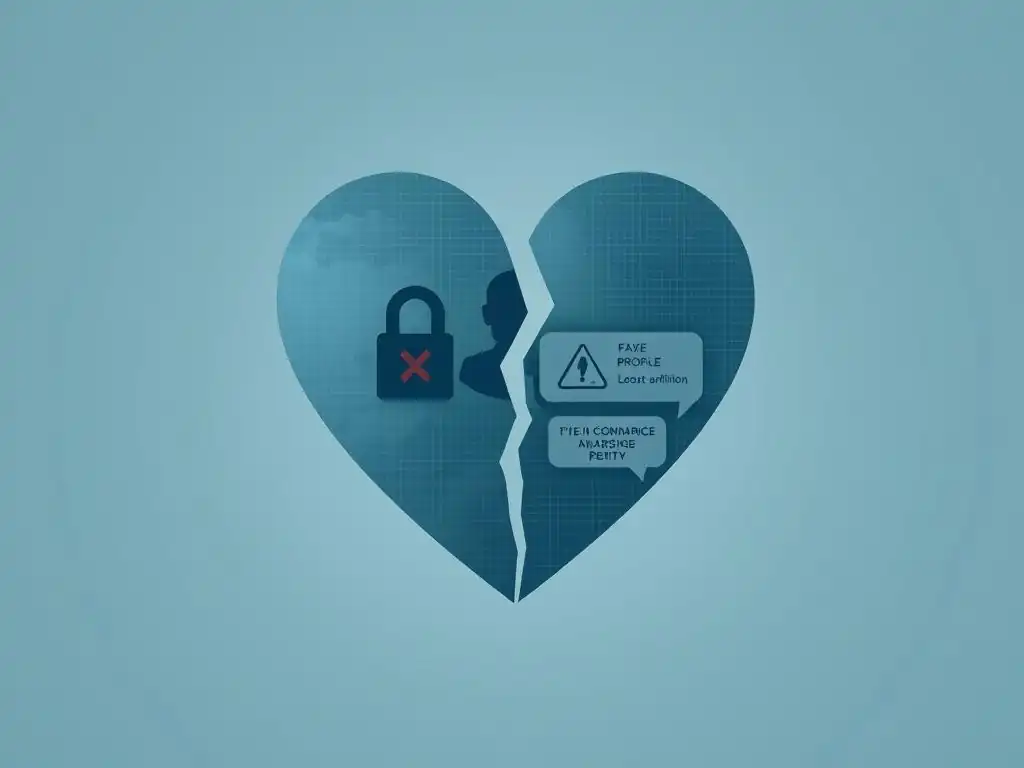
Online dating offers exciting possibilities, but it's crucial to be vigilant against scammers. Many individuals prey on the vulnerability of those seeking connection, employing sophisticated tactics to deceive and defraud. Recognizing these tactics is the first step towards protecting yourself. This section summarizes key indicators that should raise your suspicion, helping you avoid becoming a victim. Understanding these red flags will significantly enhance your safety and improve your online dating experience. Remember, your safety and well-being are paramount.
Reviewing the Warning Signs: A Checklist for Safe Online Dating
This checklist provides a structured approach to assessing the authenticity of profiles and interactions on dating sites. It's designed to help you identify potential red flags and make informed decisions about who you engage with. Remember, trust your intuition – if something feels off, it probably is.
- Inconsistent or Missing Information: A profile lacking basic details, with blurry or stolen photos, or contradictory information is a major warning sign. Scammers often avoid providing specifics about their lives to maintain anonymity. Pay close attention to inconsistencies in their stories. For example, a person claiming to be a successful doctor might have a poorly written profile and use generic stock photos.
- Overly Romantic or Pressuring Communication: Be wary of individuals who profess deep love or commitment within a short period. Legitimate relationships take time to develop. Excessive flattery, grand gestures, or pressure to meet quickly or share personal information should be treated with extreme caution. Think of it like this: genuine connections develop gradually, not explosively.
- Requests for Financial Assistance: This is a classic scammer tactic. They might fabricate emergencies, illnesses, or financial hardships to elicit money or gift cards. Never send money to someone you've only met online, no matter how compelling their story seems. This is a significant indicator of a scam.
- Unusual Language or Grammar: Poor grammar, unusual phrasing, or inconsistencies in their writing style can be a sign that the profile is fake or created by someone whose first language isn't English (or whatever language is being used on the platform). While this isn't always conclusive, it's a factor to consider alongside other warning signs.
- Sudden Disappearance or Inconsistent Online Presence: Scammers often disappear suddenly or become less responsive after obtaining information or money. They might reappear later with a different persona. This erratic behavior should be a major red flag.
- Pressure to Move Off-Platform Quickly: Legitimate relationships often start and develop on the dating platform itself. Be wary of anyone who pressures you to move to another communication method (like email or WhatsApp) before you feel comfortable doing so. This is often a tactic to avoid detection by the dating platform's safety measures.
| Warning Sign | Description | Action |
|---|---|---|
| Inconsistent Information | Missing or contradictory details in profile; blurry or stolen photos. | Carefully review the profile for inconsistencies. |
| Overly Romantic Communication | Rapid declarations of love or intense affection. | Proceed with caution; genuine relationships take time to develop. |
| Financial Requests | Requests for money, gift cards, or other financial assistance. | Never send money to someone you've only met online. |
| Unusual Language or Grammar | Poor grammar, unusual phrasing, or inconsistent writing style. | Consider this alongside other warning signs. |
| Inconsistent Online Presence | Sudden disappearance or inconsistent responses. | Assess the pattern of communication and responsiveness. |
| Pressure to Move Off-Platform | Urging to switch to other communication channels prematurely. | Be cautious and prioritize your safety on the dating platform. |
Resources and Further Help: Where to Find Additional Information and Support
While this guide provides crucial information, additional resources can offer further support and guidance in protecting yourself from dating site scams. Remember, you're not alone in this. Many organizations offer assistance and advice on staying safe online. Seeking help is a sign of strength, not weakness. It's always better to be cautious and informed than to become a victim.
Many dating sites themselves offer resources and support for users who suspect they've encountered a scammer. They often have dedicated help centers or FAQs that address common scams and provide safety tips. Utilize these resources, as they are often the first line of defense against fraudulent activities.
Furthermore, you can find valuable information from consumer protection agencies and online safety organizations. These organizations often publish articles, guides, and reports on various types of online scams, including those targeting online daters. Their insights can be invaluable in understanding the evolving tactics of scammers and developing effective strategies for protection. Remember to always prioritize your safety and well-being.
If you have been a victim of a scam, reporting it to the appropriate authorities is crucial. This helps in preventing others from falling prey to the same scams. Don't hesitate to seek support from friends, family, or mental health professionals if needed. Your safety and emotional well-being are paramount.
Frequently Asked Questions
How can I spot a scammer on a dating site?
Scammers often use vague profiles with limited personal information or stolen photos. They may also pressure you for money or personal details quickly. Be wary of anyone who avoids video calls or in-person meetings.
What are some common scammer tactics?
Common tactics include creating a false sense of urgency, professing instantaneous deep feelings, and requesting financial assistance under various pretexts. They often disappear quickly after receiving money.
What should I do if I suspect someone is a scammer?
Immediately stop all communication. Report the profile to the dating site's administrators and consider blocking the user. Do not send money or personal information.
How important is verifying someone's identity online?
It's crucial to verify someone's identity to the best of your ability. Reverse image search their photos and be cautious of profiles with inconsistent information or a lack of social media presence.
Are there any resources to help me identify dating site scammers?
Yes, many online resources provide tips and advice on identifying and avoiding scammers. Utilize the reporting features on dating sites and consult with trusted friends or family members if you have concerns.
Final Reflection: Love Shouldn't Come with a Price Tag
The rise of online dating has unfortunately created fertile ground for scammers, preying on vulnerable hearts seeking connection. This insidious threat isn't just a minor inconvenience; it's a significant problem impacting countless individuals, causing emotional distress and substantial financial losses. We must remain vigilant and proactive in protecting ourselves and others from these manipulative tactics.
The impact of online dating scams extends far beyond the immediate financial loss. It erodes trust, leaving victims feeling betrayed and questioning their own judgment. The heart wants what it wants,
they say, but that desire shouldn't blind us to the red flags waving before us. The emotional toll of a scam can be devastating, leaving lasting scars on one's self-esteem and ability to trust future relationships. This isn't just about money; it's about protecting our emotional well-being and fostering healthy, authentic connections.
You now possess the knowledge to navigate the online dating world with greater awareness and confidence. Remember the tips discussed: verify profiles, be wary of overly-perfect matches, and never send money to someone you've only met online. Don't let fear prevent you from finding love, but let vigilance be your guide. Take control of your online safety, and empower yourself to build genuine connections, free from the shadows of deception. Your happiness and security are worth protecting.
Unlock Your Dating Safety: Take Control Now!
Thank you for taking the time to learn how to stay safe while searching for love online! You've gained crucial knowledge to avoid dating scams. Let's put that knowledge into action. Here's how you can continue to protect yourself:
- Prioritize these three key safety tips: Before interacting with any new profile, review the discussed red flags and create a personal checklist. This is your most important next step.
- Share this article with friends and family who also use dating sites—helping others reinforces your own understanding of online safety.
- Enhance your safety: Identify one additional precaution you can take this week. What small changes can significantly improve your online dating security?
Ready to create a safer and more fulfilling dating experience?