
Maximize Your Safety: Using Security Settings on Dating Platforms

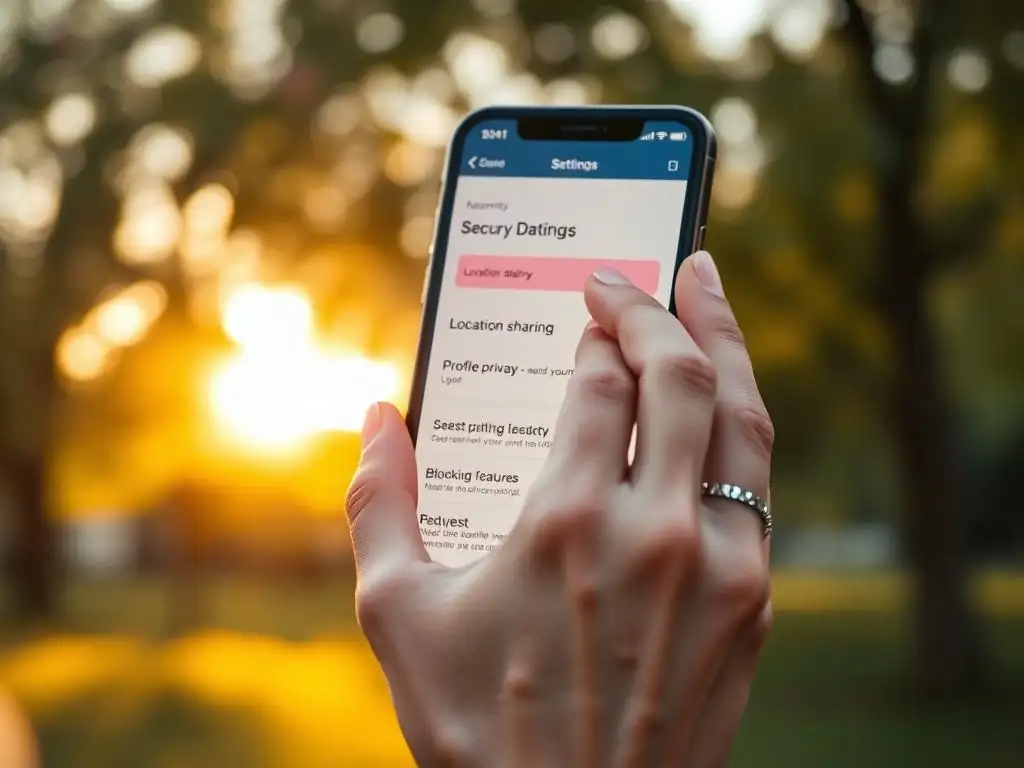
Tired of frustrating online dating experiences? At OnlineDatingSuccess.org, we're dedicated to helping you navigate the world of digital romance with confidence. This isn't just about finding a match; it's about building meaningful connections safely. Discover how to maximize your safety with our essential Dating app safety settings guide, a crucial first step towards a positive and secure online dating journey. Learn how to harness the power of privacy settings and protect yourself from potential risks – let's unlock the potential of online dating together!
- Understanding Dating App Safety Settings: A Comprehensive Guide
- Leveraging Advanced Security Features for Enhanced Protection
- Dating App Safety Settings: Platform-Specific Tips
- Beyond App Settings: Additional Safety Tips for Online Dating
- Creating a Safer Online Dating Experience: A Summary of Best Practices
- Frequently Asked Questions
- Final Reflection: Securing Connections in the Digital Age
- Take Control: Secure Your Online Dating Journey
Understanding Dating App Safety Settings: A Comprehensive Guide
Online dating offers exciting opportunities to connect with new people and build meaningful relationships. However, navigating the digital landscape of dating apps requires a proactive approach to safety. This guide focuses on maximizing your safety by understanding and effectively utilizing the security settings offered by most dating platforms.
We'll explore essential features, location settings, and strategies to minimize risks and protect your personal information while you search for a meaningful connection. Understanding these settings is crucial for creating a positive and secure online dating experience, turning your search for love into a safer journey. This guide serves as your "Dating app safety settings guide," empowering you to take control of your online safety and privacy.
Essential Safety Features: Privacy Settings and Controls
Dating apps provide a range of privacy settings designed to help you control who can see your profile and contact you. Mastering these controls is the first step towards a safer online dating experience. Failing to utilize these features can expose you to unwanted attention and potential risks. Let's delve into the key aspects of managing your privacy.
Managing Profile Visibility: Who Can See Your Profile?
Most dating apps allow you to adjust your profile's visibility. This includes options to limit who can see your photos, personal information, and other details. Consider these options carefully: Do you want only matched users to see your profile, or are you comfortable with a wider audience? Restricting visibility reduces the chance of unwanted contact from individuals you haven't connected with. Think about what information you're comfortable sharing publicly versus keeping private. Remember, less is often more when it comes to online safety. The level of profile visibility you choose should reflect your comfort level and risk tolerance.
Controlling Contact Options: Limiting Unwanted Messages
Unwanted messages are a common frustration in online dating. Fortunately, many apps offer tools to manage incoming messages. You can often filter messages based on criteria such as age, location, or even keywords. Furthermore, many platforms allow you to block specific users entirely, preventing them from contacting you in the future. Actively using these features can significantly reduce the amount of unwanted or harassing messages you receive. Don't hesitate to utilize these tools; they are there to protect you. Remember, your safety and comfort are paramount.
Blocking and Reporting Users: Protecting Yourself from Harassment
If you encounter harassment or inappropriate behavior from another user, utilize the reporting and blocking features immediately. These features allow you to report concerning behavior to the app's moderators and prevent that user from contacting you further. Don't underestimate the importance of reporting – it helps keep the platform safer for everyone. Many platforms provide detailed instructions on how to report inappropriate behavior; review these instructions so you are prepared to act quickly and effectively. Your safety is a priority, and these tools are designed to help you maintain control.
Location Settings and Their Importance in Dating App Safety
Location settings are a critical aspect of dating app safety. While sharing your location can increase matching opportunities, it also presents potential risks. It's vital to understand how to manage these settings effectively to balance convenience with safety.
Sharing Your Location: Risks and Benefits
Sharing your precise location can increase the chances of meeting potential matches nearby. However, revealing your exact address or location details can also compromise your safety. Carefully consider the level of location information you share; many apps allow you to share a general area rather than your precise coordinates. Weigh the benefits of increased matching opportunities against the potential security risks before deciding how much location information to share.
Location Accuracy: Balancing Privacy and Safety
Many apps offer options to adjust the accuracy of your location sharing. Consider using a less precise location setting to maintain a degree of anonymity while still allowing you to connect with users in your general vicinity. This strategy offers a compromise between convenience and safety, allowing you to meet people nearby without revealing your exact location. Explore the available options within your chosen apps to find the setting that best suits your comfort level.
Turning Off Location Services: Impact on Matching and Communication
Turning off location services altogether will significantly limit your matching options, as many apps rely on location data to suggest potential matches. However, if you are uncomfortable sharing any location information, this is an option to consider. Be aware that this choice will likely restrict your access to certain features and reduce the potential pool of matches. Weigh the privacy benefits against the potential loss of functionality before making this decision. Remember, your safety and comfort are always the most important factors.
Leveraging Advanced Security Features for Enhanced Protection
This section delves into the often-overlooked advanced security features offered by many dating platforms. Mastering these tools significantly bolsters your online dating safety, minimizing the risk of unauthorized access and potential scams. A proactive approach to security is crucial for a positive and safe online dating experience. This section focuses on practical steps you can take to enhance your personal safety within the digital dating landscape. Remember, your safety is paramount.
Two-Factor Authentication (2FA): A Must-Have Security Measure
Two-Factor Authentication (2FA), also known as multi-factor authentication (MFA), adds an extra layer of security beyond just a password. It typically involves a second verification step, such as a code sent to your phone via SMS or a notification through an authenticator app (like Google Authenticator or Authy). This makes it exponentially harder for unauthorized individuals to access your account, even if they somehow obtain your password.
Enabling 2FA is a simple yet incredibly effective way to protect your profile and personal information. Many dating apps offer this feature; check your app's settings menu under "Security," "Privacy," or a similar heading. Look for options labeled "Two-Factor Authentication," "Multi-Factor Authentication," or similar terms. The process usually involves linking a phone number or authenticator app to your account.
Consider this scenario: Someone manages to guess your password. With 2FA enabled, they'll still be blocked from accessing your account because they lack the second verification code. This significantly reduces your vulnerability to unauthorized access and potential harm. Don't underestimate the power of this simple yet robust security measure; it's a fundamental step in securing your online dating profile. Activating 2FA should be at the top of your dating app safety checklist.
Password Management and Security Best Practices
Strong passwords are the cornerstone of online security, and dating apps are no exception. Avoid easily guessable passwords like your birthdate or pet's name. Instead, opt for complex passwords that combine uppercase and lowercase letters, numbers, and symbols. Aim for a password length of at least 12 characters.
Consider using a password manager to generate and store strong, unique passwords for each of your online accounts. This eliminates the need to remember numerous complex passwords and reduces the risk of reusing passwords across multiple platforms—a major security vulnerability.
Here's a table summarizing password best practices:
| Practice | Description | Importance |
|---|---|---|
| Length | At least 12 characters | Longer passwords are harder to crack. |
| Complexity | Mix uppercase and lowercase letters, numbers, and symbols | Increases the difficulty for hackers to guess or brute-force your password. |
| Uniqueness | Use a different password for each online account | Prevents compromise of multiple accounts if one is breached. |
| Password Manager | Use a reputable password manager to generate and store your passwords securely. | Simplifies password management and enhances security. |
| Regular Updates | Change your passwords periodically (e.g., every 3-6 months) | Reduces the window of vulnerability. |
| Avoid Personal Information | Never use personal information (birthdays, addresses, etc.) as part of your password | Makes your password easily guessable. |
Remember, a compromised password can lead to significant risks, including profile hijacking, identity theft, and even financial loss. Prioritize strong password hygiene and utilize password management tools for optimal security.
Recognizing and Avoiding Phishing Attempts on Dating Apps
Phishing is a common tactic used by scammers to trick users into revealing sensitive information, such as usernames, passwords, and credit card details. Dating apps are unfortunately a prime target for these scams. Phishing attempts often involve fake emails, text messages, or in-app messages that appear to be from the dating app itself or a trusted source.
These fraudulent messages usually urge you to click a link, update your information, or verify your account. However, clicking these links can lead to malicious websites designed to steal your data. Always be wary of unsolicited messages requesting personal information or directing you to external websites. Legitimate dating apps will never ask for sensitive information through such means.
Here are some key indicators of a phishing attempt:
- Suspicious Links: Links that look slightly off or contain unusual characters.
- Urgent Tone: Messages that create a sense of urgency or pressure.
- Grammatical Errors: Poor grammar and spelling are common in phishing emails.
- Requests for Personal Information: Legitimate dating apps rarely request sensitive information via email or text.
- Unofficial Communication: Contact outside the app's official communication channels.
If you suspect a phishing attempt, immediately report it to the dating app and avoid clicking any links. Remember, your vigilance is your best defense against these scams. Staying informed about common phishing tactics and exercising caution is crucial for safeguarding your online dating experience. Never compromise your security for what might seem like a fleeting opportunity.
Dating App Safety Settings: Platform-Specific Tips
This section dives deep into the specific safety features offered by popular dating apps. Understanding and utilizing these settings is crucial for mitigating risks and enhancing your online dating experience. Remember, proactive safety measures are paramount for a positive and secure journey. This guide will help you navigate the intricacies of each platform's security options, empowering you to take control of your online safety.
We will focus on three major platforms: Tinder, Bumble, and Hinge. Each platform offers a unique set of tools, so understanding their nuances is key to maximizing your protection. This is your comprehensive Dating app safety settings guide.
Tinder Safety Settings: A Step-by-Step Guide
Tinder, a widely used dating app, offers a range of safety features often overlooked. Let's explore how to effectively leverage these tools to enhance your experience. Properly configuring these settings can significantly reduce the risk of unwanted interactions. Remember, even seemingly small adjustments can make a big difference.
First, ensure your profile is private. This involves carefully selecting who can see your profile. Tinder allows you to control visibility based on distance and age range. Narrowing these parameters limits the pool of potential matches, but simultaneously reduces exposure to unwanted attention.
Next, utilize the "Block" feature. This allows you to prevent specific users from contacting you. Don't hesitate to use it if someone makes you uncomfortable. Tinder also offers a reporting mechanism for inappropriate behavior. Using this feature helps maintain a safer environment for all users. Report any suspicious activity immediately.
Finally, review Tinder's safety tips regularly. The platform regularly updates its safety guidelines and features. Staying informed about these updates is crucial for maximizing your security. Think of it as a regular security checkup for your online dating profile. The more informed you are, the better equipped you are to protect yourself. This proactive approach is essential for a positive and safe dating journey. Remember, your safety is paramount.
Bumble Safety Settings: Optimizing Your Privacy
Bumble, known for its empowering features, also provides robust safety settings. Let's examine how to fully utilize these tools to create a secure dating profile and experience. This section provides a detailed walkthrough of Bumble's privacy controls, empowering you to navigate the platform with confidence.
Bumble's Private Detector is a standout feature. This tool allows you to anonymously report suspicious profiles or behavior without directly engaging with the user. This protects your identity while contributing to a safer platform for everyone.
Furthermore, Bumble allows you to control who can see your profile. Similar to Tinder, you can specify your preferred distance and age range for potential matches. This targeted approach significantly reduces the likelihood of unwanted contact. Remember, managing your visibility is a key aspect of online safety.
Bumble also offers a robust blocking and reporting system. Use these tools liberally if someone makes you feel uncomfortable or unsafe. Prompt reporting is crucial for maintaining a positive and safe community within the app. Don't hesitate to utilize these features; your safety is the priority.
Hinge Safety Settings: Advanced Features and Configurations
Hinge, often praised for its focus on meaningful connections, also offers a suite of safety features. Let's explore these features and how to best utilize them for a secure and positive experience. This section provides a detailed overview of Hinge's safety tools, enabling you to create a safe and controlled online dating environment.
Hinge's "Report" and "Block" features function similarly to other platforms. Utilize these features readily if someone's behavior concerns you. This is a crucial step in maintaining a safe and respectful online dating environment.
A unique feature on Hinge is the ability to control who can see your profile. You can customize this setting to your comfort level, limiting exposure to unwanted attention. Hinge prioritizes user privacy, offering granular control over profile visibility. This level of customization allows you to tailor your online safety measures to your specific needs and preferences.
Beyond the in-app features, remember to practice general online safety. Never share personally identifiable information, such as your address or workplace, with someone you haven't met in person and thoroughly vetted. This is crucial regardless of the dating platform you use. Remember, a cautious approach is always the best approach when engaging in online dating.
Beyond App Settings: Additional Safety Tips for Online Dating
This section expands on the importance of utilizing dating app safety features by exploring crucial offline safety practices. While robust security settings are a vital first step in online dating safety, they're only part of the equation. Proactive measures in your interactions and choices significantly enhance your overall safety and well-being. Remember, a comprehensive approach to online dating safety requires both digital and real-world vigilance. This section provides practical advice to supplement your app's security settings and empower you to make informed decisions.
Meeting in Public Places: Prioritizing Safety During Dates
Meeting a potential partner for the first time can be exciting, but safety should always be your top priority. Choosing a public location for your first date is paramount. Avoid secluded areas or private residences, especially during initial encounters. Opt for well-lit, populated places like cafes, restaurants, or even busy parks during daylight hours. The increased visibility acts as a deterrent and provides a sense of security.
Furthermore, inform a trusted friend or family member about your date: where you're going, who you're meeting, and when you expect to be home. Providing them with the contact information of your date is also a smart preventative measure. Have a pre-arranged plan for checking in regularly, such as texting updates or calling at specific intervals. This simple action adds an extra layer of protection and accountability. Remember, a public space doesn't guarantee safety, but it drastically reduces the risk. Always trust your instincts; if something feels off, leave.
Maintaining accountability is a crucial aspect of online dating safety. Before embarking on a date, share your detailed plans with a trusted friend or family member. This includes the name of the person you're meeting, their contact information (if available), the location, the time, and your expected return time. Consider sharing your live location through a location-sharing app, which will allow your friend to track your movements in real-time. Regular check-ins during and after the date are equally important.
This isn't just about avoiding danger; it's about fostering a sense of responsibility and support. Having someone aware of your whereabouts and plans allows for quick intervention if something goes wrong. It's a proactive measure that can make all the difference in ensuring your safety and peace of mind. Think of it as a safety net—a simple yet powerful way to minimize risks associated with meeting strangers from online dating platforms. This practice is particularly important for first dates, but it’s a good habit to maintain throughout the dating process.
Trusting Your Instincts: Recognizing Red Flags
Your intuition is a powerful tool; learn to trust it. If something feels off about a potential match, don't ignore it. Red flags can manifest in various ways, from inconsistent information in their profile to overly aggressive or controlling behavior during communication. Pay attention to details such as pressure to meet quickly, evasiveness about personal information, or a reluctance to engage in video calls. These could be indicators of deception or potential danger.
Remember, a healthy relationship is built on trust, respect, and open communication. If your interactions are riddled with inconsistencies, pressure, or a sense of unease, it's crucial to step back and reassess the situation. Prioritize your safety and well-being above all else. Don't feel obligated to continue interacting with someone who makes you feel uncomfortable. Your safety and security are not negotiable. Learning to identify and act upon red flags is a vital skill in navigating the world of online dating safely and effectively.
Creating a Safer Online Dating Experience: A Summary of Best Practices
This section provides a concise overview of essential safety practices to enhance your online dating experience. Remember, proactive safety measures are crucial for navigating the online dating world successfully and protecting your personal information. This guide, focusing on "dating app safety settings," will equip you with the knowledge to build a safer online dating profile.
Regularly Review and Update Your Settings
Regularly reviewing and updating your privacy settings across all your dating apps is paramount. Dating app safety settings are not static; they evolve with platform updates and your personal preferences. Think of it like this: your online dating profile is a digital representation of yourself. Just as you'd update your resume to reflect new skills and experiences, you should regularly update your dating app settings to reflect your evolving comfort levels and safety concerns.
Consider these specific actions:
- Privacy Settings: Examine your profile's visibility settings. Do you want your profile visible to everyone, only those you've matched with, or a more restrictive audience? Adjust these settings based on your comfort level and current dating goals. For example, if you're new to online dating, starting with a more restrictive setting can be a good approach.
- Location Sharing: Many dating apps utilize location services. Carefully assess your location sharing preferences. While location-based matching can be convenient, it's crucial to understand the level of detail you're sharing. Consider limiting the precision of your location data to protect your privacy.
- Photo Settings: Review which photos are publicly visible. Avoid sharing photos that reveal sensitive personal information like your home address or workplace. Consider using a profile picture that doesn't show your face clearly at first.
- Matching Preferences: Refine your matching preferences to attract compatible individuals. This indirectly improves safety by reducing exposure to potentially harmful profiles. For example, filtering out profiles that don't align with your age range or relationship goals can help minimize unwanted interactions.
- Blocking and Reporting Features: Familiarize yourself with the app's blocking and reporting mechanisms. Knowing how to quickly block or report inappropriate users is a crucial aspect of online dating safety. Practice using these features to ensure you're comfortable and prepared when needed.
Stay Informed About App Updates and Security Measures
Dating apps frequently release updates that include new security features and bug fixes. Staying informed about these updates is crucial for maintaining a secure online dating experience. Many apps provide in-app notifications or send emails informing users about updates. Actively checking for and installing these updates is a proactive step towards maximizing your safety.
Think of it like this: security software on your computer requires regular updates to protect against new viruses. Similarly, dating apps need regular updates to address emerging threats and vulnerabilities. Ignoring these updates leaves you vulnerable to potential risks.
Here's what to look for:
- Security Alerts: Pay close attention to any security alerts or warnings issued by the dating app. These alerts often highlight newly identified threats or vulnerabilities and provide guidance on how to mitigate those risks.
- Privacy Policy Updates: Regularly review the app's privacy policy. Privacy policies outline how the app collects, uses, and protects your personal information. Changes to the privacy policy may indicate changes to security protocols or data handling practices.
- Two-Factor Authentication (2FA): Enable 2FA whenever possible. This adds an extra layer of security to your account, making it significantly harder for unauthorized individuals to access your profile and personal information. This simple step can significantly enhance your online dating safety.
Report Suspicious Behavior Immediately
If you encounter suspicious behavior or a potentially harmful profile, report it to the dating app immediately. Most dating platforms have robust reporting mechanisms designed to address inappropriate conduct. Don't hesitate to utilize these resources. Reporting suspicious activity not only protects you but also helps create a safer environment for other users.
Here's how to approach reporting:
- Document the Evidence: Before reporting, gather any evidence of suspicious behavior, such as screenshots of messages or profile information. This evidence will help the app's moderators investigate the situation more effectively.
- Follow the Reporting Procedure: Carefully follow the app's reporting procedure. This typically involves selecting the appropriate reporting option within the app and providing detailed information about the suspicious activity.
- Be Persistent: If you don't receive a response or if the suspicious behavior continues, persist in reporting the issue. Many dating apps have dedicated teams to address user safety concerns. Your persistence can help ensure that the platform takes appropriate action.
Remember, your safety is paramount. By actively engaging in these safety practices and utilizing the resources available within your dating apps, you can significantly reduce your risks and create a more positive and secure online dating experience. This detailed "dating app safety settings guide" empowers you to take control of your online safety.
Frequently Asked Questions
How can I improve my privacy on dating apps?
You can enhance your privacy by carefully managing your profile visibility settings. Limit the information you share publicly, and utilize location privacy features offered by most apps. Always verify the authenticity of profiles before engaging.
What safety features should I prioritize on dating apps?
Prioritize features like blocking and reporting options, background checks (if available), and two-factor authentication. Actively use these tools to increase your security.
Are there any tips for safe communication on dating apps?
Avoid sharing personal information too early in the process, such as your home address or workplace. Always meet in public places for first dates and let a friend or family member know your plans.
How do I report inappropriate behavior on a dating app?
Most apps have a clear reporting process. Locate the reporting button within the app and follow the instructions carefully. Provide as much detail as possible about the incident.
What should I do if I feel unsafe during a date arranged through a dating app?
Trust your instincts! Leave the date immediately if you feel uncomfortable. Contact a trusted friend or family member, and report the incident to the dating app and potentially the authorities.
Final Reflection: Securing Connections in the Digital Age
The ease and accessibility of online dating have revolutionized romance, but this convenience comes with inherent risks. Navigating the digital landscape of dating requires proactive engagement with safety features, a responsibility often overlooked in the pursuit of connection. Ignoring these precautions can have serious consequences, highlighting the critical need for informed and cautious participation.
The impact of online dating safety extends far beyond individual experiences; it shapes the very fabric of how we connect and interact. The prevalence of scams, harassment, and even violence stemming from online dating underscores the urgent need for better education and platform accountability. The internet is a powerful tool, but it's also a wild west. We need to be responsible for our own safety, and platforms need to do their part to create safer spaces.
This quote encapsulates the shared responsibility between users and developers in fostering a safer online dating environment. It's a responsibility that demands our constant attention and proactive engagement.
You, the reader, now hold the knowledge to significantly enhance your online dating safety. Don't just passively scroll through profiles; actively utilize the security settings available on your chosen platforms. Take control of your digital footprint and prioritize your well-being. By making informed choices and understanding the risks, you can confidently navigate the world of online dating, fostering genuine connections while safeguarding your personal safety and security. This isn't just about avoiding danger; it's about empowering yourself to build healthy and fulfilling relationships in the digital age.
Take Control: Secure Your Online Dating Journey
Thank you for taking the time to learn about maximizing your safety on dating platforms! We hope this guide has provided you with the tools you need to navigate the online dating world confidently. Now, let's put that knowledge into practice.
- Prioritize your privacy: Immediately review and adjust your privacy settings on all your dating profiles. This crucial step significantly improves your safety and protects your personal information.
- Share this information: Help your friends and family stay safe online by sharing this article with them. Together, we can create a safer online dating community.
- Share your experiences: What specific safety measures have you found most effective? We encourage you to share your experiences and tips in the comments below.
Ready to take charge of your online safety? Let's work together to make online dating a positive and secure experience for everyone.