
Legal Implications of Recording or Sharing Private Conversations

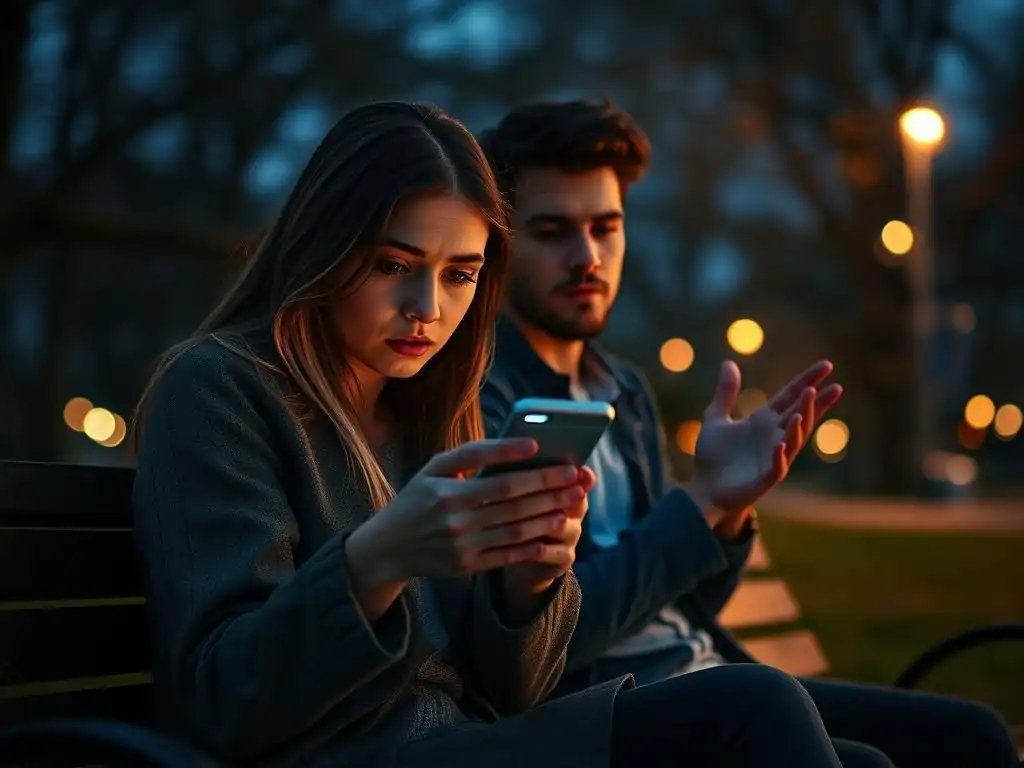
Ready to unlock the secrets to a successful online dating experience? At OnlineDatingSuccess.org, we empower you to navigate the world of online romance with confidence. But before you dive in, understanding the legal landscape is crucial. Our latest article on Online dating privacy laws explores the vital implications of recording or sharing private conversations – knowledge that could protect you from potential harm and ensure your safety. Discover how to safeguard your personal information and build meaningful connections without compromising your well-being. Let's get started!
- Understanding Online Dating Privacy Laws and Their Implications
- Sharing Private Conversations Without Consent: Legal Ramifications
- Best Practices for Safe and Legal Communication in Online Dating
- Navigating Legal Issues After a Violation
- Resources for Further Information on Online Dating Privacy Laws
-
Frequently Asked Questions
- Is it legal to record a conversation with someone I met on an online dating site without their knowledge?
- What are the legal ramifications of sharing private messages or photos from an online dating app without consent?
- Can I sue someone who shared my private information from an online dating platform?
- What are my rights concerning the use of my personal data by online dating sites?
- How do online dating privacy laws protect me from scams and harassment?
- Final Reflection: Navigating the Digital Minefield of Dating Privacy
- Safeguard Your Dates: Take Control of Your Privacy
Understanding Online Dating Privacy Laws and Their Implications
Navigating the world of online dating requires more than just crafting the perfect profile or mastering the art of witty conversation. It also demands a keen awareness of the legal landscape surrounding privacy and data protection. This article delves into the crucial legal implications of recording or sharing private conversations within the context of online dating, focusing on the complexities of consent, the definition of "private," and the potential consequences of violating privacy laws.
Understanding these legal aspects is paramount for maintaining your safety and avoiding potentially serious legal repercussions, ensuring a safer and more responsible online dating experience. Failing to understand these regulations could lead to legal trouble, emotional distress, and reputational damage. This guide will equip you with the knowledge to navigate these complexities responsibly and ethically, fostering a more secure online dating journey.
We will explore both state and federal laws, offering practical advice to help you navigate this intricate area effectively and confidently. Remember, your digital safety and privacy are paramount.
State and Federal Laws Regarding Private Conversations
The legal framework surrounding the recording and sharing of private conversations varies significantly depending on your location. Many states have "two-party consent" laws, meaning that all parties involved in a conversation must consent to its recording. This means that even if you're only recording your own side of the conversation, without the other person's knowledge or explicit permission, you could still be violating the law.
Conversely, some states operate under "one-party consent" laws, where only one participant needs to consent to the recording. Federal laws also play a role, particularly in cases involving interstate communication or the use of electronic communication services. The penalties for violating these laws can range from fines to imprisonment, depending on the specific circumstances and the jurisdiction.
Determining the applicable laws in your specific location is crucial before undertaking any recording of conversations, even seemingly innocuous ones. Understanding the nuances of these laws is essential for responsible behavior in online dating. It is crucial to consult with legal professionals for tailored advice based on your specific location and circumstances.
Consent and its Role in Recording Conversations
Consent is the cornerstone of legal recording and sharing of conversations. It must be informed and voluntary. This means the other party must be fully aware that the conversation is being recorded and must freely agree to it without coercion or manipulation. Simply assuming consent is not sufficient; explicit consent, often obtained verbally or in writing, is necessary. Furthermore, the scope of consent matters.
If someone consents to a recording for a specific purpose, such as documenting a business transaction, using that recording for a different purpose—like sharing it on social media—could constitute a breach of consent and a legal violation. Documenting consent is highly recommended; keeping a record of the consent obtained can prove invaluable if legal issues arise. The methods for obtaining consent can vary, from a simple verbal agreement to a written acknowledgement. However, clear and unequivocal consent is essential.
The Legal Definition of "Private" Conversations in Online Dating Contexts
Defining what constitutes a "private" conversation in the online dating realm presents unique challenges. While a face-to-face conversation in a secluded area is clearly private, online interactions blur the lines. A seemingly private message exchanged through a dating app might be subject to the app's terms of service or potentially accessible to third parties.
Similarly, a video chat, while seemingly private, could be recorded without the knowledge of all participants. The expectation of privacy plays a significant role. If both parties reasonably expect their conversation to remain private, recording it without consent may constitute a violation.
Factors such as the communication platform used, the level of encryption, and the terms of service of the platform all contribute to determining the level of privacy involved. Therefore, exercising caution and seeking explicit consent before recording any conversation, regardless of the platform used, is highly recommended to mitigate legal risks. The ambiguity surrounding the definition of “private” in online contexts underscores the importance of obtaining explicit consent before any recording takes place.
Consequences of Violating Online Dating Privacy Laws
Violating online dating privacy laws can lead to a range of serious consequences, impacting both your personal life and your legal standing. The severity of the penalties depends on several factors, including the specific laws violated, the nature of the violation, and the jurisdiction where the offense occurred. These consequences can range from relatively minor penalties to significant legal repercussions.
One common consequence is facing civil lawsuits. If you record or share private conversations without consent, the individual whose privacy was violated can sue you for damages. These damages can include compensation for emotional distress, reputational harm, and financial losses incurred as a result of the violation.
The amount of compensation awarded can vary greatly depending on the specifics of the case and the evidence presented in court. For example, a case involving the unauthorized sharing of intimate images could result in a substantially larger award than a case involving a less sensitive conversation. The legal fees associated with defending such a lawsuit can also be substantial, adding to the overall financial burden.
Beyond civil lawsuits, you could face criminal charges. Depending on the nature of the violation and the applicable laws in your jurisdiction, recording or sharing private conversations without consent could be considered a criminal offense. These charges could range from misdemeanors to felonies, leading to fines, jail time, and a criminal record.
The potential for criminal charges is particularly high in cases involving the non-consensual recording of intimate images or conversations, or if the violation is part of a larger scheme, such as stalking or harassment. A criminal record can have long-lasting consequences, impacting future employment opportunities, travel, and other aspects of your life.
Furthermore, violations of online dating privacy laws can significantly damage your reputation. Even if you avoid legal repercussions, the public disclosure of private conversations can severely tarnish your image and relationships. This damage can extend beyond the immediate circle of those involved in the violation, potentially impacting your professional life and future interactions. The spread of misinformation and negative publicity through social media and other online platforms can have far-reaching and long-lasting consequences. Rebuilding trust and repairing your reputation after such a breach can be a lengthy and challenging process.
Finally, it's crucial to remember that the consequences of violating online dating privacy laws extend beyond legal and reputational damage. The emotional toll on the victim can be significant, leading to feelings of betrayal, violation, and anxiety. Understanding the potential impact on all involved parties should serve as a strong deterrent against such actions.
Respecting the privacy of others is not only legally mandated but also ethically crucial in fostering healthy and trusting relationships, both online and offline. Remember, online dating privacy laws are in place to protect individuals and create a safer online environment for everyone. Ignoring these laws can have severe and lasting consequences.
This section delves into the legal complexities surrounding the recording and sharing of private conversations, specifically within the context of online dating. Understanding the legal landscape is crucial for protecting yourself and others from potential legal repercussions. Navigating online dating safely requires awareness of online dating privacy laws and their implications. Ignoring these laws can lead to significant consequences.
Civil Lawsuits and Potential Damages
Sharing private conversations without consent can expose you to civil lawsuits. Depending on the jurisdiction and the specifics of the case, individuals can sue for various torts, including invasion of privacy, defamation, and emotional distress. The damages awarded in such lawsuits can be substantial, encompassing not only monetary compensation for financial losses but also punitive damages intended to punish the offender and deter similar actions.
These punitive damages can significantly outweigh the initial financial losses. For instance, a case involving the distribution of intimate images without consent (revenge porn) could lead to significant financial penalties alongside legal fees and reputational damage. The severity of the damages is often directly proportional to the harm caused, the nature of the shared information, and the extent of its dissemination.
Consider the potential damage to a person's reputation, career, and personal relationships if sensitive information is shared without their knowledge or consent. This highlights the importance of respecting individual privacy and the seriousness of violating online dating privacy laws.
Beyond civil liabilities, non-consensual recording and sharing of private conversations can result in criminal charges. Many jurisdictions have laws specifically addressing the unauthorized recording of conversations. These laws vary in their specifics, but generally prohibit recording a conversation without the informed consent of all parties involved.
The penalties for violating these laws can range from fines to imprisonment, depending on the severity of the offense and the jurisdiction. Furthermore, the distribution of such recordings, particularly if they contain sensitive or intimate information, can lead to additional criminal charges, such as dissemination of intimate images without consent (revenge porn) or harassment. The penalties for these crimes can be severe, reflecting the gravity of the offense and the potential harm to the victim.
Remember, even if you believe the conversation is inconsequential, recording and sharing it without consent is a serious offense that could have significant legal consequences. Understanding the nuances of your local online dating privacy laws concerning recording and sharing is paramount.
Protecting yourself from legal action stemming from online dating interactions requires proactive measures. First and foremost, always obtain explicit consent before recording any conversation. This consent should be freely given, informed, and documented whenever possible (though documenting consent may not always be practical or even advisable). Avoid engaging in conversations that could be construed as harassing, threatening, or defamatory.
Be mindful of the information you share, both verbally and in writing, and refrain from sharing private or sensitive information, especially without explicit consent. If you receive unsolicited intimate images or recordings, do not share them; instead, report them to the appropriate authorities and the platform where you received them. Consider consulting with a legal professional for advice tailored to your specific circumstances and jurisdiction. Understanding the complexities of online dating privacy laws is vital to protecting yourself from legal ramifications.
Proactive measures and awareness are your best defense. Remember, prevention is always better than cure when it comes to legal issues. Staying informed and acting responsibly can significantly reduce your risk of facing legal consequences related to online dating communication.
Best Practices for Safe and Legal Communication in Online Dating
Navigating the world of online dating requires a keen awareness of both personal safety and legal boundaries. Understanding online dating privacy laws is crucial for protecting yourself and avoiding potential legal pitfalls. This section focuses on best practices for maintaining privacy and adhering to the law while communicating with potential partners. Remember, consent is paramount in all forms of communication.
Strategies for Avoiding Recording or Sharing Private Conversations
Recording or sharing private conversations without consent is a serious offense with potentially severe legal consequences. Many jurisdictions have laws specifically addressing unauthorized recording and distribution of private communications, including those conducted online. These laws vary, but generally prohibit recording a conversation unless all parties involved have explicitly given their informed consent. This consent must be freely given and cannot be coerced or implied.
For example, secretly recording a video call with a potential date without their knowledge is illegal in most places. Similarly, sharing screenshots of private messages without the other person's permission could lead to legal action. Even seemingly innocuous actions, such as saving a voice note without explicit consent, can have legal ramifications. Always prioritize obtaining clear, verbal consent before recording or sharing any form of private communication. This includes voice notes, video calls, and text messages. Documenting this consent, such as through a written confirmation, can be beneficial in case of disputes.
Remember, ignorance of the law is not a defense. Understanding online dating privacy laws is a crucial aspect of responsible online interaction. The penalties for violating these laws can range from fines to imprisonment, depending on the severity of the offense and the jurisdiction.
Utilizing Secure Messaging Platforms for Online Dating
Choosing the right platform for communication is a key aspect of protecting your online dating privacy. While many platforms offer end-to-end encryption, it's essential to understand the implications of each platform's privacy policy. End-to-end encryption means only you and the recipient can access your messages; the platform itself cannot read them. This provides a higher level of privacy and security compared to platforms that don't offer this feature.
Consider platforms known for prioritizing user privacy and security. Research their privacy policies carefully before using them. Avoid using platforms that lack transparency about their data collection and security practices. Always be cautious about sharing Personally Identifiable Information (PII) such as your full name, address, or workplace details, especially in the early stages of online dating. Remember, even on secure platforms, it is still wise to exercise caution in what you share.
The use of secure messaging platforms contributes to a safer online dating experience, minimizing the risk of unauthorized access to your private communications. This proactive approach aligns directly with best practices for upholding online dating privacy laws.
Understanding Your Rights When Receiving Unwanted Communication
Online dating, while offering exciting possibilities, can also expose individuals to unwanted advances and harassment. Understanding your legal rights in such situations is crucial. Many jurisdictions provide legal recourse against cyberstalking, harassment, and other forms of unwanted online communication. This includes the right to report such behavior to the platform and to law enforcement.
If you receive unwanted or harassing messages, document everything – save screenshots, emails, and any other form of communication. Report the behavior to the dating platform immediately, following their reporting procedures. Consider blocking the user to prevent further contact. If the harassment persists or escalates, contact law enforcement. They can provide guidance and assistance in addressing the situation. Remember, you have the right to a safe and respectful online experience. Don't hesitate to seek help if you are experiencing unwanted communication. Knowing your rights and taking appropriate action are essential aspects of protecting your online dating privacy and well-being.
This section provides a comprehensive overview of online dating privacy laws and related best practices. Remember, responsible online behavior is crucial for maintaining a safe and positive experience.
Online dating privacy laws are complex and vary significantly by jurisdiction. Understanding your rights and recourse after a privacy violation is crucial. This section outlines the initial steps to take if your private conversations from an online dating platform have been recorded and shared without your consent. Remember, this information is for educational purposes and does not constitute legal advice. Always consult with a legal professional for personalized guidance.
Discovering that your private online dating conversations have been shared without your permission can be incredibly distressing. Immediate action is vital to mitigate further harm and potentially preserve evidence. Here's a structured approach:
- Preserve Evidence: Immediately take screenshots or save copies of any shared conversations, posts, or messages. This includes the platform where the violation occurred, as well as any secondary platforms where the material was re-shared. Document everything meticulously. This is crucial evidence for any potential legal action.
- Identify the Perpetrator: If possible, identify the individual or entity responsible for recording and sharing your private conversations. This may involve reviewing metadata associated with the shared content or contacting the online dating platform's support team.
- Report to the Platform: Report the violation to the online dating platform's customer support or trust and safety team. Many platforms have specific policies regarding the unauthorized recording and sharing of private communications. Document the date, time, and nature of your report, along with any reference numbers provided. Keep a copy of your report.
- Contact Your Internet Service Provider (ISP): Consider contacting your ISP to report the incident and request assistance in preserving relevant data logs. Your ISP may have logs documenting the IP addresses involved in sharing the content.
- Consider a Cease and Desist Letter: Once you've gathered evidence, consider sending a cease and desist letter to the perpetrator, demanding they immediately stop sharing your private information. This letter should be drafted by, or at least reviewed by, legal counsel. This can be a powerful deterrent and may prevent further dissemination of your private information. This step alone may resolve the issue before needing more formal legal actions.
Seeking Legal Counsel for Online Dating Privacy Violations
Navigating the legal complexities of online dating privacy violations can be challenging. Seeking legal counsel from an attorney specializing in privacy law or internet law is highly recommended. An attorney can advise you on the best course of action based on your specific circumstances, the applicable laws, and the evidence you have gathered.
Several factors will influence the legal strategy, including:
- Jurisdiction: Laws regarding privacy and data protection vary significantly by location. Your attorney will need to determine which jurisdiction's laws apply to your case.
- Type of Violation: Was the conversation recorded illegally? Was it shared maliciously? The nature of the violation will impact the potential legal claims.
- Evidence Available: The strength of your case will depend heavily on the quality and quantity of evidence you have preserved.
Your attorney can help you assess the potential for legal action, such as filing a civil lawsuit for damages or pursuing criminal charges if the violation constitutes a crime. They can also guide you through the process of negotiating a settlement, if appropriate.
Reporting Online Dating Privacy Violations to Law Enforcement
Depending on the nature and severity of the violation, reporting the incident to law enforcement may be necessary. Consider reporting to law enforcement if:
- The violation involves criminal activity: For example, if the sharing of your private conversations is part of a larger scheme of harassment, stalking, or identity theft.
- The violation involves threats or violence: If the shared information contains threats or incites violence against you.
- The violation involves sensitive personal information: If the shared information includes highly sensitive personal data like financial information or medical records.
When reporting to law enforcement, provide them with all the evidence you have collected, including screenshots, dates, times, and the identities of those involved, if known. Be prepared to answer questions thoroughly and cooperate fully with the investigation. Remember to keep detailed records of all your interactions with law enforcement. This includes police reports, case numbers, and contact information. This process can be emotionally taxing, so remember to prioritize your mental health and seek support if needed. 💔
Resources for Further Information on Online Dating Privacy Laws
Navigating the complex world of online dating requires awareness not only of potential scams and safety risks, but also of the legal implications surrounding your online interactions. Understanding your rights and responsibilities regarding privacy is crucial for a safe and positive online dating experience. This section provides resources to help you delve deeper into online dating privacy laws and best practices. Remember, this information is for educational purposes and should not be considered legal advice. Always consult with a legal professional for personalized guidance.
Relevant Legal Websites and Organizations
Several governmental and non-governmental organizations offer valuable information regarding privacy laws and online safety. These resources provide comprehensive details on relevant legislation, legal interpretations, and reporting procedures. Familiarizing yourself with these organizations can empower you to protect your personal information and navigate online dating with greater confidence.
Knowing where to find reliable information is key to understanding your rights under online dating privacy laws. For instance, you can explore the websites of your national and state/provincial data protection authorities. These bodies often publish guidelines and frequently asked questions (FAQs) addressing privacy concerns in the digital realm, including online dating.
Furthermore, many bar associations and legal aid organizations offer free or low-cost consultations. These services can provide invaluable assistance in understanding your legal rights and options if you experience a privacy breach or other legal issue related to online dating. Don't hesitate to seek professional legal advice when needed; it's a proactive step in protecting yourself.
Online Dating Safety and Privacy Guides
Beyond official legal resources, numerous independent organizations and experts offer guides and articles specifically focusing on online dating safety and privacy. These resources often provide practical advice, tips, and best practices to help you manage your privacy effectively. They frequently cover topics such as:
- Consent and recording conversations: Understanding the legal ramifications of recording conversations without consent is essential. Many jurisdictions have strict laws regarding this, and violating them can lead to serious consequences.
- Sharing personal information: These guides typically highlight the risks of sharing overly personal information online and offer strategies for protecting your identity and location.
- Protecting your images: Unauthorized use of your images can have legal implications. These resources offer guidance on protecting your intellectual property rights.
- Reporting abuse and harassment: Knowing how to report online harassment and abuse is crucial. These guides often provide links to reporting mechanisms and hotlines.
Understanding online dating privacy laws is an ongoing process. Regularly reviewing updated information from reliable sources is crucial to staying informed and protecting yourself. By proactively engaging with these resources, you can enhance your online dating experience while safeguarding your privacy. Remember, prioritizing your safety and privacy is paramount in the world of online dating. Staying informed is the first step towards a safer and more positive experience.
Frequently Asked Questions
Is it legal to record a conversation with someone I met on an online dating site without their knowledge?
Generally, no. Most states are one-party consent states, meaning only one participant needs to consent to the recording. However, some are two-party consent states, requiring both parties' knowledge and agreement. Check your state's laws.
What are the legal ramifications of sharing private messages or photos from an online dating app without consent?
Sharing private information without consent is a serious breach of privacy and can lead to civil lawsuits for damages, including emotional distress. In some cases, it could also constitute a criminal offense.
Yes, you may be able to sue for invasion of privacy and other related torts if someone shares your private information without your consent, causing you harm. Consult with an attorney to explore your legal options.
What are my rights concerning the use of my personal data by online dating sites?
Online dating sites are subject to various data protection laws, such as GDPR and CCPA. These laws grant you rights regarding access to, correction of, and deletion of your personal data. Review the site's privacy policy and exercise your rights.
How do online dating privacy laws protect me from scams and harassment?
While laws don't directly prevent scams or harassment, they provide legal recourse if you're a victim. Reporting incidents to the platform and law enforcement can help hold perpetrators accountable, and data protection laws can help limit the spread of your personal information.
The right to privacy in the digital age is not a luxury; it's a fundamental necessity, especially within the increasingly prevalent landscape of online dating. The casual ease with which we share intimate details and record conversations online often overshadows the significant legal ramifications that can arise from such actions. This article has explored the complex web of laws surrounding the recording and sharing of private conversations, highlighting the potential for legal repercussions and the importance of informed consent.
The erosion of privacy in online dating is a pervasive issue, impacting not only individual relationships but also shaping broader societal norms around consent and respect. The constant pressure to document and share experiences, fueled by social media trends, often overshadows the potential for emotional and legal harm. The price of liberty is eternal vigilance,
a quote often attributed to Thomas Jefferson, rings particularly true in the context of online privacy. We must remain vigilant in protecting our own privacy and respecting the privacy of others in the digital sphere, especially within the vulnerable context of online dating.
Consider the implications of your actions before recording or sharing any conversation. Understand the legal frameworks in your jurisdiction, and always prioritize informed consent. This isn't just about avoiding legal trouble; it's about fostering trust, respect, and healthy relationships, both online and offline. You have the power to shape a more responsible and respectful digital dating landscape – let's choose to use it wisely.
Safeguard Your Dates: Take Control of Your Privacy
Thank you for learning about the legal implications of recording and sharing private conversations. Understanding these issues is crucial for navigating online dating safely and confidently. Let's apply this knowledge!
- Prioritize open communication: Before a date, briefly discuss your comfort level with recording or sharing conversations. This establishes mutual respect and clear boundaries, preventing misunderstandings and potential legal problems.
- Share this information with friends: Help them understand their privacy rights and the risks of recording or sharing conversations without consent. It's a valuable way to support your friends.
- Reflect on your online behavior: Consider past situations where recordings or conversations were shared without your permission. What could you have done differently to protect your privacy?
What steps will you take today to protect your privacy and the privacy of others while online dating?