
Safe Dating: How to Deal with an Aggressive or Intimidating Date

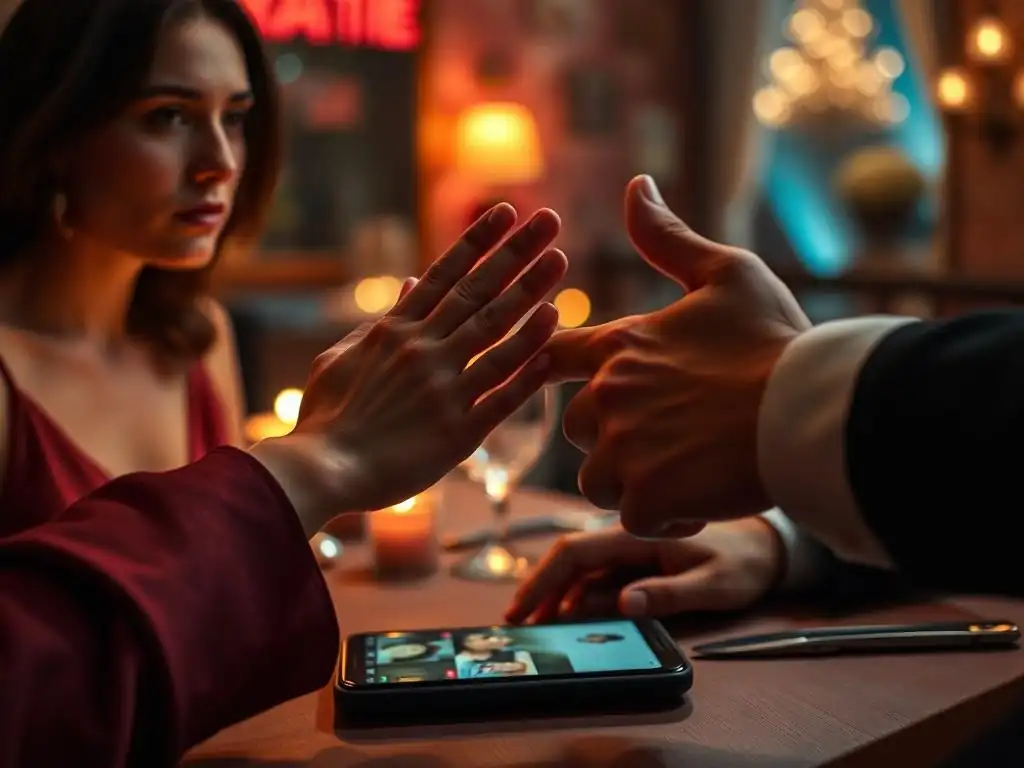
Welcome to OnlineDatingSuccess.org, your guide to navigating the exciting yet sometimes treacherous world of online dating. Are you ready to ditch the frustrating swipes and awkward encounters? We're here to help you build meaningful connections, starting with the essentials. This article delves into crucial online dating safety tips, specifically addressing how to handle aggressive or intimidating dates – knowledge every online dater needs. Discover how to protect yourself and ensure your journey to finding love remains safe and fulfilling. Let's get started!
- Recognizing Red Flags: Early Warning Signs of Aggressive Behavior in Online Dating
- Strategies for Handling Aggressive or Intimidating Behavior on a Date
- Emergency Procedures: What to Do if You Feel Threatened
- Protecting Your Personal Information: Online Dating Safety Tips
- Building a Safer Online Dating Experience: Long-Term Online Dating Safety
-
Frequently Asked Questions
- What should I do if I feel uncomfortable or unsafe during an online date?
- How can I verify the identity of someone I met online before meeting in person?
- What are some safe meeting places for a first online date?
- How can I avoid sharing too much personal information early on in online dating?
- What should I do if an online date becomes aggressive or intimidating?
- Final Reflection: Reclaiming Safety in the Digital Age of Dating
- Take Control: Your Safety Starts Now
Recognizing Red Flags: Early Warning Signs of Aggressive Behavior in Online Dating
Navigating the world of online dating can be exciting, but it's crucial to prioritize your safety and well-being. This article focuses on identifying and addressing aggressive or intimidating behavior from potential dates you've met online. We'll explore practical strategies to help you recognize red flags early on, fostering safer online dating practices and ultimately helping you build healthy, respectful relationships.
Understanding online dating safety isn't just about avoiding scams; it's about protecting your emotional and physical well-being throughout the entire dating process. This guide provides essential online dating safety tips to empower you to make informed decisions and prioritize your safety. Remember, a successful online dating experience should be positive and empowering, not fraught with fear or anxiety.
Identifying Aggressive Communication Styles Online: Online dating safety tips
Aggressive communication can manifest in various subtle and overt ways online. Learning to recognize these patterns is a critical online dating safety tip. For example, someone who consistently uses demanding language ("You should…", "You must…"), frequently ignores your boundaries, or persistently pressures you to meet up despite your hesitations is exhibiting aggressive communication. Other red flags include:
- Excessive messaging: While enthusiasm is positive, overwhelming you with messages, especially if you haven't responded enthusiastically, can be a sign of possessiveness.
- Controlling language: Statements like "You belong with me," or attempts to dictate your behavior, are major warning signs.
- Rapid escalation: Moving too quickly from initial contact to intense declarations of love or future plans is a significant red flag.
- Insensitivity to your feelings: Dismissing your concerns or opinions shows a lack of respect and emotional intelligence.
- Threats or veiled threats: Even subtle hints of coercion or punishment for not complying with their desires are unacceptable.
Remember, healthy communication involves mutual respect, understanding, and consideration. If you feel pressured, controlled, or disrespected in your online interactions, trust your instincts and disengage.
Spotting Intimidating Behavior During Initial Interactions: Safe online dating practices
Even seemingly harmless interactions can reveal underlying intimidation tactics. Safe online dating practices demand vigilance in recognizing subtle cues. Consider these examples:
- Overly personal questions: While getting to know someone involves sharing information, excessive probing into your private life, particularly before you feel comfortable, can be intimidating.
- Unwanted or excessive compliments: While compliments are generally positive, excessive or overly familiar compliments, especially if they are sexually suggestive, can be a form of manipulation.
- Pressuring you to share personal information: Never feel pressured to share sensitive details like your address, full name, or workplace before you are absolutely sure about the person and feel completely safe.
- Ignoring your boundaries: If you express discomfort or set limits, a respectful individual will honor them. Ignoring or dismissing your boundaries is a serious red flag.
- Sudden changes in tone or behavior: Inconsistency in communication style—shifting from charming to aggressive—is a cause for concern.
These behaviors, while often subtle, can indicate a pattern of intimidation. Prioritizing your safety means trusting your gut feeling. If an interaction feels unsettling, it's okay to end the conversation.
Evaluating Their Profile for Potential Red Flags: Understanding online dating safety
Before even engaging in conversation, carefully examine their profile. Understanding online dating safety starts with due diligence. Look for:
- Vague or missing information: Profiles lacking details or containing generic information can be a warning sign.
- Inconsistencies in photos or information: Discrepancies between their profile picture and other photos, or inconsistencies in their biographical information, raise suspicion.
- Excessive focus on physical attributes: Profiles that overly emphasize physical appearance over personality or interests can be a red flag.
- Lack of shared interests or common ground: A significant lack of common interests might indicate a lack of genuine connection.
- Suspicious or unrealistic claims: Beware of exaggerated claims about wealth, achievements, or lifestyle.
Thoroughly reviewing their profile can provide valuable insights into their personality and intentions, contributing significantly to your online dating safety. Remember, your safety is paramount. If anything feels off, it's always better to err on the side of caution.
Strategies for Handling Aggressive or Intimidating Behavior on a Date

This section focuses on proactive strategies to mitigate potentially dangerous situations during online dates. Remember, your safety is paramount. These online dating safety tips are designed to empower you to take control and protect yourself. Effective pre-planning and assertive communication are key components of safe online dating practices.
Setting Boundaries and Asserting Yourself: Important online dating safety tips
Before your date even begins, establish clear boundaries. This isn't about being unfriendly, but about protecting yourself. Decide beforehand what behaviors are unacceptable and how you will respond. This could include anything from unwanted physical contact to disrespectful language or overly aggressive questioning. For example, if someone consistently ignores your attempts to steer the conversation to safer topics, you have the right to end the date.
Consider sharing your location with a trusted friend or family member before and during the date. Let them know the date's name, where you're meeting, and when you expect to be home. Regular check-ins can provide an added layer of security. This is an essential online dating safety tip often overlooked.
Another crucial aspect is asserting yourself. Don't be afraid to politely but firmly correct inappropriate behavior. Phrases like, "I'm not comfortable with that," or "Please stop," are effective and direct. Remember, you are not obligated to justify your discomfort; your feelings are valid. Your safety and well-being should always be prioritized. These are vital online dating safety tips for building confidence and control.
De-escalation Techniques: Managing tense situations during dates
Even with careful planning, some dates may become tense or uncomfortable. Knowing how to de-escalate a situation can be crucial for your safety. Try to remain calm and speak in a quiet, measured tone. Avoid escalating the situation by matching aggression with aggression. Instead, focus on de-escalation techniques, such as active listening and validating the other person's feelings (without necessarily agreeing with their behavior).
For instance, if your date becomes verbally aggressive, you might say something like, "I understand you're feeling [insert their emotion], but I'm uncomfortable with the way you're expressing it." This acknowledges their feelings while simultaneously setting a boundary. Remember, your goal is to diffuse the tension, not to win an argument. This is a key element of safe online dating practices.
If verbal de-escalation fails, and you feel genuinely threatened, your priority should be to remove yourself from the situation. Have an escape plan in mind—a pre-arranged signal with your friend, a nearby public place, or even a ride-sharing app readily available. Remember, prioritizing your safety is always the correct decision. These are critical online dating safety tips for managing high-pressure scenarios.
Communicating Your Discomfort Clearly and Directly: Tips for safe online dating practices
Open and honest communication is vital for safe online dating. Don't be afraid to express your discomfort, even if it means ending the date early. Direct and assertive communication can prevent situations from escalating. Use "I" statements to express your feelings without blaming the other person. For instance, instead of saying "You're making me uncomfortable," try "I feel uncomfortable with this conversation/situation."
Maintaining direct eye contact while communicating your discomfort can reinforce your message and show confidence. Body language also plays a role; maintaining a firm posture and avoiding shrinking back can help project assertiveness. Remember, clear and direct communication is a powerful tool in managing potentially dangerous situations and is a fundamental aspect of safe online dating practices. These are effective online dating safety tips for ensuring your well-being.
This detailed approach to online dating safety tips aims to empower you with strategies for handling challenging situations. Remember, your safety is your responsibility, and proactive planning and assertive communication are your best defenses.
Safely Exiting a Date: Online dating safety for women and men
Exiting a date that has become uncomfortable or unsafe requires a proactive and decisive approach. Prioritizing your well-being is paramount, regardless of whether you're a man or a woman. Remember, your safety is never negotiable. The key is to have an escape plan in mind before you even meet your date.
This involves several key steps. First, always let a trusted friend or family member know where you're going, who you're meeting, and when you expect to be back. Share your date's profile information and contact details with them as well. This allows someone to check in on you and intervene if necessary.
Second, arrange to meet in a public place, preferably one that's well-lit and populated. Avoid secluded locations or going back to either person's residence on a first date. Third, have a pre-arranged method of discreetly contacting your trusted contact if you need help. A simple text message saying "I need a ride," or a pre-determined code word can alert them to your situation without causing a scene.
Having a readily available escape route is crucial. This could be having your own transportation, a ride-sharing app pre-booked, or a friend on standby. Always ensure you have your phone fully charged and readily accessible. If you feel uneasy during the date, don't hesitate to excuse yourself to the restroom or step outside for a phone call—even if it's just to check in with your friend or family member.
This provides a moment to assess the situation and decide your next move. Remember, it's perfectly acceptable to end a date early if you feel uncomfortable, regardless of how long you've been together or how much you've spent. Your safety and comfort are more important than politeness. Trust your instincts; if something feels wrong, it probably is.
For those concerned about online dating safety tips, remember that assertive communication is key. If your date is behaving aggressively or intimidatingly, clearly and firmly communicate your discomfort. A simple "I'm not feeling comfortable with this conversation/situation" can be enough to de-escalate the interaction. If that doesn't work, don't be afraid to be blunt. Directly state that you're leaving and will not tolerate the behavior.
Maintain eye contact, speak clearly, and stand tall to project confidence. This often helps to deter further aggression. It's also important to remember that you are not obligated to provide reasons for leaving. A simple, "I'm leaving now," is sufficient.
Finally, after a difficult or unsafe date, take time to process your experience. Talking to a friend, family member, or therapist can be incredibly helpful. Report any concerning behavior to the dating platform you used. Document the incident, including date, time, location, and any details about the person's behavior. This information can be vital if you need to take further action. Remember, seeking help is a sign of strength, not weakness. Prioritizing your safety and well-being is always the right choice. Learning and implementing these online dating safety tips can significantly reduce risks and enhance your overall dating experience.
Emergency Procedures: What to Do if You Feel Threatened

Feeling threatened on a date, whether it's an online dating first meeting or a later-stage encounter, is a serious matter. Your safety is paramount. This section outlines immediate actions to take if you find yourself in a compromising or dangerous situation. Remember, your intuition is your best guide; if something feels wrong, it probably is.
Pre-Date Safety Measures: Planning for safe online dating
Before even meeting, proactive steps significantly reduce the risk. Thorough profile vetting is crucial. Look for inconsistencies, overly polished photos, or a lack of personal details. Consider using reverse image search tools to verify the authenticity of profile pictures.
Always share your location and planned itinerary with a trusted friend or family member. They should be aware of the date's name, planned meeting location, and your expected return time. Having a "check-in" system where you text updates regularly can provide added security. Choosing well-lit, public places for first meetings is also vital.
Avoid secluded areas or isolated settings where help might be difficult to obtain quickly. Finally, having a pre-arranged escape plan – a designated friend to call, a code word to signal distress, or a readily available taxi app – can be life-saving. Remember, planning for safety empowers you to enjoy the experience without unnecessary worry. These online dating safety tips are designed to help you feel confident and secure.
Using Technology for Safety: Leveraging technology for online dating safety
Technology offers several tools to enhance your safety. Use location-sharing apps to provide real-time updates to your trusted contact. Many apps allow for discreet alerts, so your friend can track your movement without your date noticing. Consider using a discreet personal safety app with features like a panic button that instantly alerts emergency services or your contacts with your location.
These apps often incorporate features like live audio or video streaming, allowing your contacts to remotely monitor your safety. If you're using a ride-sharing service, ensure the details match the information provided by your date and share the vehicle details with your emergency contact. Remember, utilizing technology proactively can provide a safety net and peace of mind. Your online safety is a priority.
Contacting Emergency Services: Knowing when and how to seek help
Knowing when and how to contact emergency services is critical. If you feel threatened, even slightly, do not hesitate to call for help. Your safety is always the priority. Have emergency numbers readily available in your phone. If you're unable to call directly, use a silent alarm feature on your phone or safety app to contact your emergency contacts.
Clearly and concisely describe your situation, location, and the individual posing a threat. Remain calm, but firm in your communication. If possible, provide detailed physical descriptions of the individual, including height, weight, clothing, and any distinguishing features. Even after the immediate danger has passed, remember to report the incident to the appropriate authorities.
This will contribute to the safety of others using online dating platforms. Taking this final step helps build a safer online dating environment for everyone. Never feel ashamed or embarrassed to seek help; your safety is paramount. Online dating safety tips are invaluable, but swift action is critical in an emergency.
Seeking Support After an Incident: Post-date safety and support
Experiencing an aggressive or intimidating situation on a date can be incredibly upsetting and leave you feeling vulnerable. Remember, it's crucial to prioritize your well-being and seek support. Don't hesitate to reach out to friends, family, or a trusted confidante. Sharing your experience can help process the emotions and begin the healing process. Talking about what happened can alleviate feelings of isolation and shame, which are common reactions after such an incident. Leaning on your support network can provide the emotional strength needed to move forward.
Beyond your personal network, several resources are available to help. Many organizations offer support for victims of harassment and assault, providing counseling, legal assistance, and advocacy. These resources can be invaluable in navigating the aftermath of a difficult dating experience. They can provide guidance on reporting the incident to the appropriate authorities if you choose to do so, and they can offer practical advice on ensuring your safety going forward. Remember that seeking help is a sign of strength, not weakness. It's a proactive step towards reclaiming your sense of safety and security.
Consider keeping a detailed record of the incident, including dates, times, locations, and any communication you had with the individual. This documentation can be helpful if you decide to pursue legal action or report the incident to the online dating platform. This meticulous record-keeping can be especially beneficial in proving the nature of the encounter and the degree of aggression or intimidation experienced.
Preserve any evidence, such as screenshots of messages or emails. However, prioritize your immediate safety and well-being above all else. If you feel unsafe collecting evidence, seek support first and then consider documentation later with the help of a trusted friend or professional.
Finally, remember that you are not alone. Many people have experienced similar situations, and there are resources available to help you heal and move forward. Take care of yourself, both physically and emotionally, and allow yourself the time and space you need to recover. Prioritizing self-care after a traumatic event is crucial for your well-being and your ability to navigate future dating experiences with confidence and safety. Your safety and emotional health are paramount. Don't hesitate to seek professional help if you are struggling to cope.
Protecting Your Personal Information: Online Dating Safety Tips
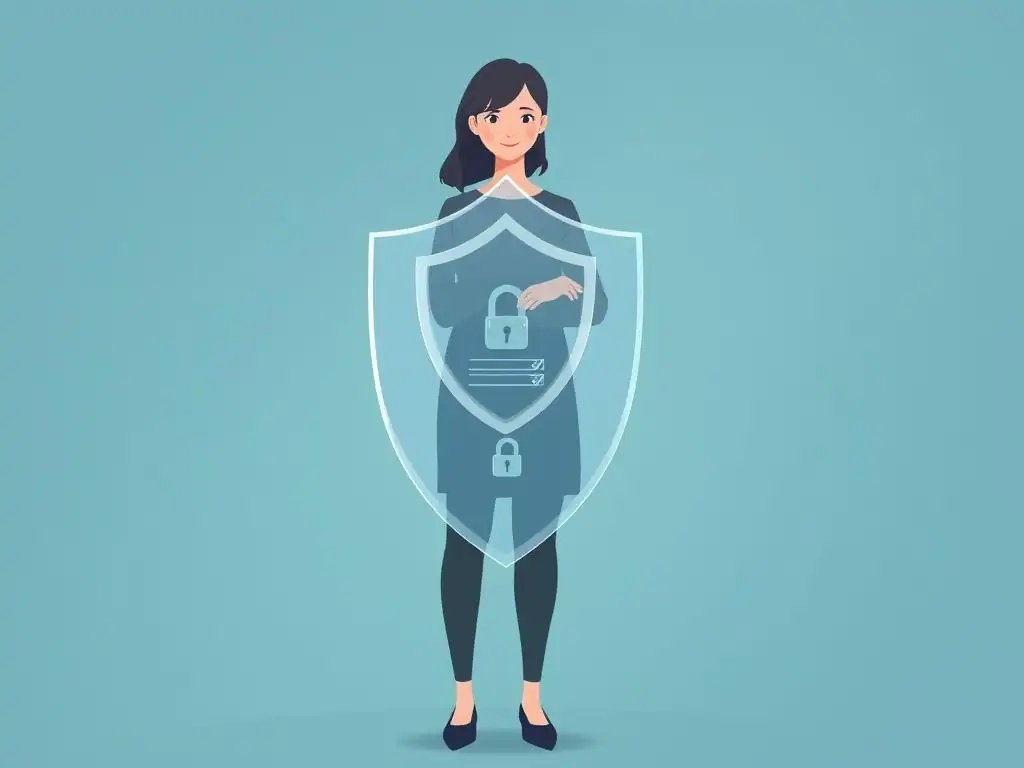
Protecting your personal information is paramount when navigating the world of online dating. This isn't just about avoiding scams; it's about safeguarding your safety and well-being. Remember, sharing too much too soon can make you vulnerable. The goal is to build trust gradually, verifying information along the way. This section provides crucial online dating safety tips to help you manage your personal data effectively.
Sharing personal information should be a strategic process, not a spontaneous act. Avoid revealing sensitive details like your full address, place of work, or financial information early on in your interactions. Instead, focus on building rapport through conversations and shared interests. Consider these safe online dating strategies:
- Start with generalized information: Share details about your hobbies, interests, and lifestyle in a way that doesn't pinpoint your exact location or daily routine. For instance, instead of saying "I work at Acme Corp on Elm Street," you could say, "I work in the tech industry and enjoy exploring different parts of the city."
- Use a separate email address: Create a dedicated email address specifically for online dating. This helps to keep your personal email separate and prevents unwanted emails from overflowing your inbox. This is a simple, yet highly effective online dating safety tip.
- Reverse image search: Before meeting someone in person, conduct a reverse image search of their profile pictures to ensure the photos are authentic and haven't been stolen from another source. This simple check can provide valuable insights into their online presence.
- Video calls before meeting in person: A video call can help verify a person's identity and build a connection before an in-person meeting. It offers a layer of security and allows you to observe their demeanor and assess your comfort level.
- Meet in public places: Always choose a well-lit, public place for your first few dates. This ensures that you have easy access to help if needed, and minimizes potential risks.
Maintaining Privacy Online: Protecting your personal data
Maintaining online privacy is crucial for online dating safety. Consider these additional steps to protect your personal data:
- Review your privacy settings: Regularly review and adjust the privacy settings on your dating profile and social media accounts. Limit the information accessible to the public and only share details you are comfortable with.
- Be mindful of your location sharing: Disable location services on dating apps when you are not actively using them. Over-sharing your location can be a significant security risk.
- Avoid over-sharing on social media: Be cautious about linking your dating profile to your social media accounts. Limit the information you share publicly, as this information could be used to identify and locate you.
- Use strong passwords: Employ strong, unique passwords for your dating profiles and other online accounts. Consider using a password manager to help you create and manage secure passwords.
- Be wary of phishing attempts: Be vigilant about suspicious emails or messages that request personal information. Legitimate dating platforms will never ask for your banking details or social security number.
Verifying Your Date's Identity: Online dating safety checks
Verifying your date's identity is a critical aspect of online dating safety. While you can't fully guarantee someone's identity online, you can take steps to minimize risks:
- Check their profile thoroughly: Pay close attention to inconsistencies or red flags in their profile. Do their photos seem genuine? Is their profile information detailed and believable? Consider searching their name online to see if you can find additional information.
- Ask open-ended questions: Engage in conversations that encourage your date to share details about themselves. Their responses can help you assess their honesty and consistency.
- Look for mutual connections: See if you share any mutual friends or acquaintances on social media. A mutual connection can provide an additional layer of verification.
- Don't rely solely on profile information: Remember that online profiles can be deceiving. Verify information through conversations and, if possible, through mutual connections.
- Trust your instincts: If something feels off or makes you uncomfortable, don't hesitate to end the conversation or cancel a date. Your safety and well-being should always come first. This is perhaps the most important online dating safety tip of all.
Remember, online dating safety is an ongoing process. By following these tips and staying vigilant, you can significantly reduce your risks and enjoy a safer and more positive online dating experience. Prioritizing your safety is key to finding meaningful connections.
Building a Safer Online Dating Experience: Long-Term Online Dating Safety
This section focuses on establishing a proactive approach to online dating safety, going beyond immediate precautions for a single date. Building a safer online dating experience requires consistent vigilance and the adoption of long-term strategies. It's about creating a culture of safety around your online dating life, not just reacting to potential threats. This involves careful profile management, thoughtful communication, and establishing healthy boundaries.
Choosing Safe Dating Locations: Safe online dating meeting places
Selecting a public, well-lit location for your first date is paramount for online dating safety tips. Avoid secluded areas or places where you might feel isolated. Consider venues with readily available escape routes, like restaurants, cafes, or museums. These places offer a degree of inherent safety due to the presence of other people and staff. Furthermore, choosing a location you're familiar with can provide an additional layer of comfort and security. Remember, the goal is to minimize vulnerability and maximize your sense of control.
It's also crucial to ensure the chosen location offers reliable Wi-Fi or cellular service, allowing you to easily contact friends or family if needed. This seemingly small detail can significantly impact your safety, enabling quick communication in case of an emergency. Avoid meeting in private residences, especially on the first few dates, until you've built a level of trust and comfort.
Always have a backup plan, such as arranging for a friend to call you at a specific time during the date. This provides an inconspicuous means of checking in and potentially creating a believable reason to leave if necessary. Prioritize your safety; the right environment can significantly reduce the risk of unwanted situations.
Informing Friends and Family: Sharing your plans for online dates
Open communication with your support system is a cornerstone of online dating safety tips. Before meeting someone you've connected with online, share your plans with trusted friends or family members. Provide them with details such as the date, time, location, and the person's name and contact information (including a photo if possible).
Encourage them to check in with you during or after the date. This simple act can be a lifesaver, providing a safety net and ensuring someone knows your whereabouts and who you're with. Consider sharing your location in real-time using apps designed for this purpose, allowing your loved ones to monitor your movements discreetly.
Remember, this isn't about oversharing or creating unnecessary anxiety; it's about proactive risk management. It's a responsible approach to online dating, demonstrating awareness and prioritizing personal safety. Even if you feel confident and comfortable, informing your network provides peace of mind and an additional layer of protection. By keeping others informed, you create a support system that can offer assistance if needed. This proactive approach can significantly enhance your safety and well-being while navigating the world of online dating.
Trusting Your Instincts: Intuitive safety measures in online dating
Your intuition is a powerful tool; trust it. If something feels off, even slightly, don't hesitate to act on it. Online dating safety tips often emphasize the importance of trusting your gut feeling. If a date's behavior, communication style, or actions make you uncomfortable, don't dismiss your concerns. Don't feel pressured to continue the date or engage in activities that make you uneasy. Prioritize your well-being above all else.
This involves listening to your inner voice. If you feel apprehensive about meeting someone in person, postpone the date or suggest an alternative arrangement, such as a virtual coffee date. If during the date, you sense a shift in behavior or feel threatened, don't hesitate to leave. Have an exit strategy in place, such as having a friend ready to call you or a pre-arranged signal to indicate you need assistance.
Remember, your safety is paramount, and your feelings are valid. Ignoring your intuition can have serious consequences. Prioritize your safety and well-being above all else. Your comfort and security are non-negotiable.
Reporting Inappropriate Behavior: Online dating safety reporting procedures
Online dating platforms understand the importance of user safety and provide mechanisms to report inappropriate behavior. Knowing how to utilize these reporting tools is a crucial aspect of online dating safety tips. These procedures vary slightly depending on the platform, but generally involve a clear pathway to flag concerning profiles or messages. Most platforms offer an in-app reporting button, often located near the user's profile or within the messaging interface.
This button typically leads to a form where you can detail the nature of the inappropriate behavior. Be as specific as possible; include screenshots or copies of messages whenever feasible. This detailed information helps the platform's moderation team investigate the complaint effectively. Remember to be factual and avoid making accusations without evidence.
Many platforms also have dedicated help centers or FAQs that provide step-by-step instructions on how to report different types of misconduct. These resources are invaluable for understanding the nuances of the reporting process and ensuring your report is properly submitted. For instance, some platforms have different reporting options for harassment, scams, or violations of their terms of service. Understanding these distinctions is key to ensuring your report reaches the appropriate team and gets addressed promptly. Don't hesitate to consult these resources – they are designed to help you navigate the reporting process effectively.
Beyond the platform's internal reporting system, consider reporting serious offenses to law enforcement. If you've experienced threats, stalking, or other criminal activities, contacting the police is paramount. They have the authority to investigate and take appropriate action.
Documenting all interactions with the offending individual, including dates, times, and content of messages, is crucial for your safety and the success of any potential legal proceedings. Remember that your safety is the priority, and seeking help from law enforcement is a valid and important step in protecting yourself. Maintaining a record of your interactions can also assist in future reporting to the online dating platform.
Many platforms collaborate with law enforcement agencies on serious cases, and providing them with comprehensive information significantly aids their investigation. This collaborative approach strengthens online dating safety protocols and helps create a safer environment for all users. The combination of platform reporting and law enforcement involvement provides a strong safety net for users facing aggressive or intimidating behavior.
Frequently Asked Questions
What should I do if I feel uncomfortable or unsafe during an online date?
If you feel uncomfortable or unsafe, trust your instincts. Leave immediately and let a friend or family member know your location and situation. Prioritize your safety.
How can I verify the identity of someone I met online before meeting in person?
Use reverse image searches on their photos and check their social media profiles for inconsistencies. Consider a video call before meeting face-to-face to confirm their identity. Don't share overly personal information too early.
What are some safe meeting places for a first online date?
Choose a public place where you'll feel safe and comfortable, like a well-lit restaurant or coffee shop. Let a friend or family member know where you're going, who you're meeting, and when you expect to be back. Avoid secluded areas.
How can I avoid sharing too much personal information early on in online dating?
Start by sharing only basic information about yourself. Avoid giving out your full address, workplace details, or other sensitive personal data until you've built trust and met in person. Be cautious about what you reveal online.
What should I do if an online date becomes aggressive or intimidating?
End the date immediately, even if you're already at the meeting location. If you feel threatened, call emergency services or a trusted friend/family member. Document any aggressive behavior – screenshots, texts, etc. – for future reference.
Final Reflection: Reclaiming Safety in the Digital Age of Dating
The ease and accessibility of online dating have undeniably revolutionized romance, but they've also introduced new challenges to navigating the complexities of relationships. The potential for encountering aggressive or intimidating behavior, whether online or in person, remains a stark reality for many. This necessitates a proactive and informed approach to dating, prioritizing personal safety above all else.
The impact of online dating safety on our cultural landscape is profound. We're witnessing a shift in societal norms, a growing awareness of the need for consent and respect in all forms of interaction. The only person you are destined to become is the person you decide to be.
- Ralph Waldo Emerson. This quote resonates deeply because it underscores the power we each possess to shape our dating experiences and prioritize our well-being. We can choose to be proactive, informed, and assertive in creating safe and respectful connections, regardless of the platform.
Now, consider your own dating journey. What steps can you take to ensure your safety and well-being? This isn't just about avoiding danger; it's about empowering yourself to build healthy, fulfilling relationships built on mutual respect and trust. Take the time to reflect on the strategies discussed in this article, and integrate them into your dating practices. Remember, your safety and happiness are paramount, and you deserve to feel secure and confident in your romantic pursuits. Let's work together to create a safer and more respectful online dating environment for everyone.
Take Control: Your Safety Starts Now
Thank you for learning about safer dating practices. We hope you gained valuable insights into recognizing and avoiding potentially dangerous situations. Now, let's put that knowledge to use!
- Develop a personal safety plan: Define your personal boundaries and create a strategy for escaping uncomfortable situations. This might include pre-arranged check-in calls with a friend and having a reliable transportation plan in place. This is your most crucial step.
- Share this information with someone you trust: Discuss dating safety with a friend or family member. Open communication empowers you both.
- Seek additional support: Explore local resources such as support groups or helplines specializing in domestic violence and dating safety. Knowledge is power.
Ready to prioritize your well-being and build confidence in your dating experiences? What small step will you take today to enhance your safety?