
Is Their Profile Authentic? Verify with Reverse Image Search

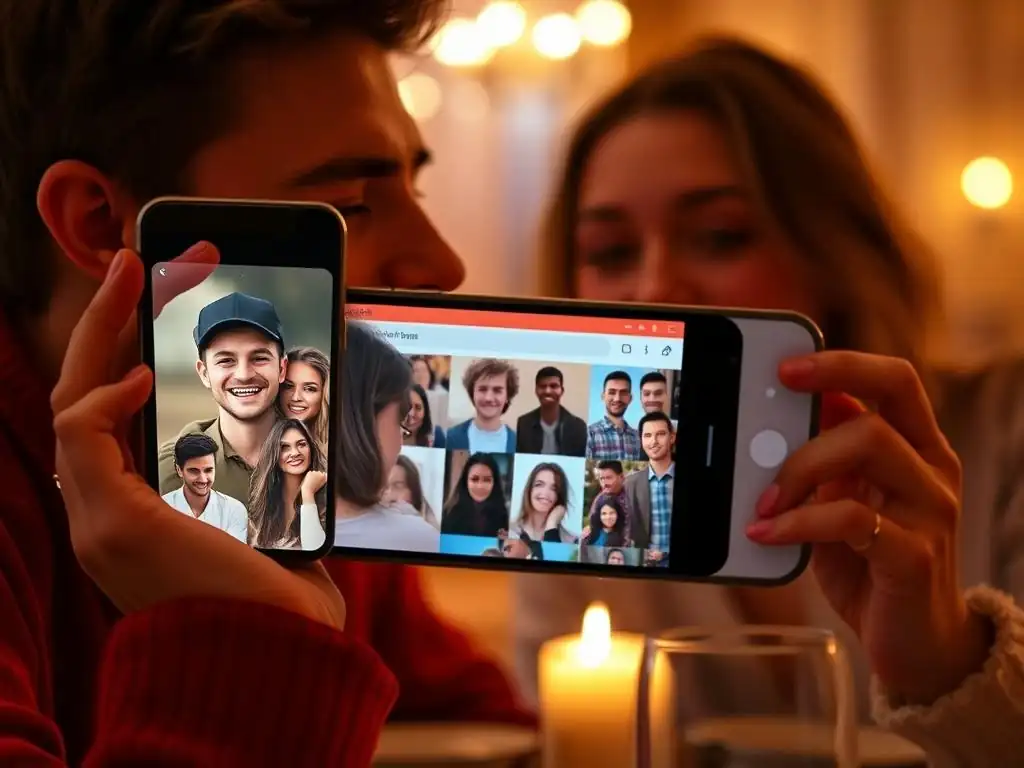
Tired of online dating feeling like a minefield? At OnlineDatingSuccess.org, we're dedicated to helping you navigate the world of digital romance with confidence. This means more than just finding a match; it's about building genuine connections and staying safe. Learn how to protect yourself from potential scams and fake profiles with our essential guide on reverse image search dating safety. Discover how this powerful tool can help you verify profiles and build a safer, more successful online dating experience. Dive in and start building the relationship you deserve!
- Reverse Image Search Dating Safety: A Crucial First Step
- How to Perform a Reverse Image Search for Dating Profile Verification
- Interpreting Reverse Image Search Results for Dating Profile Authenticity
- Beyond Reverse Image Search: Additional Safety Measures for Online Dating
- Reverse Image Search Dating Safety: Best Practices and Tips
-
Frequently Asked Questions
- What is a reverse image search, and how does it relate to online dating safety?
- Why should I use a reverse image search on dating profiles?
- How accurate are the results of a reverse image search?
- Are there any other ways to verify the authenticity of a dating profile besides a reverse image search?
- What should I do if a reverse image search reveals that a profile picture is fake?
- Final Reflection: Navigating the Digital Landscape of Dating Safety
- Unlock Safer Dating: Verify Profiles Now!
Reverse Image Search Dating Safety: A Crucial First Step
Navigating the world of online dating can be exhilarating, offering the potential to connect with like-minded individuals and build meaningful relationships. However, the anonymity afforded by the internet also presents significant risks, particularly the prevalence of fake profiles designed to deceive and exploit unsuspecting users. This article focuses on a powerful tool that can significantly enhance your online dating safety: the reverse image search.
We'll explore how understanding and utilizing this technique can help you identify potentially fraudulent profiles, avoid scams, and protect yourself from emotional and financial harm. The rise in online dating scams underscores the critical need for proactive safety measures, and reverse image searching is a readily accessible and effective first step in verifying the authenticity of potential matches.
Learning to effectively employ this technique is crucial for anyone serious about building genuine connections in the digital dating landscape. This guide provides practical advice and steps to help you confidently navigate the online dating world with increased safety and peace of mind.
Understanding the Risks of Fake Dating Profiles
The proliferation of fake profiles in online dating presents a multifaceted threat. These profiles, often created by individuals with malicious intent, can range from those seeking financial gain through romance scams to those engaging in catfishing—using stolen photos and fabricated identities to deceive others. The emotional toll of such deception can be devastating, leading to feelings of betrayal, confusion, and significant emotional distress.
Financial losses are also a common consequence, with scammers often manipulating their victims into sending money under false pretenses. Beyond the immediate financial and emotional impacts, the psychological repercussions of being targeted by a fake profile can be long-lasting, eroding trust and making it challenging to engage in future online interactions with genuine intentions. Understanding the diverse motivations and tactics employed by those creating fake profiles is the first crucial step in protecting yourself.
The statistics on online dating scams are alarming, highlighting the urgent need for increased awareness and the adoption of preventative measures. For example, [specific statistics on online dating scams pending].
Identifying Potential Red Flags in Online Dating Profiles
Before resorting to advanced verification techniques like reverse image search, it's essential to be aware of common red flags that may indicate a fake profile. These indicators can be subtle or overt, and recognizing them is a crucial first line of defense. Some common red flags include profiles with limited or inconsistent information, an excessive focus on money or financial requests early in the interaction, overly romantic language, an unwillingness to engage in video calls, and photos that seem too perfect or professionally staged.
Inconsistencies in their stories or a lack of detail about their life can also be a major red flag. Furthermore, be wary of profiles that seem too good to be true; if their biography and photos portray an idealized version of a person, it's worth investigating further. Remember, genuine connections are built on authenticity and transparency.
Any significant inconsistencies or evasiveness should raise concerns and prompt further investigation. Paying attention to these subtle signs can significantly reduce your vulnerability to scams and help you focus your efforts on authentic connections.
Why Reverse Image Search is Essential for Dating Safety
Reverse image searching is a powerful tool that allows you to verify the authenticity of profile pictures. By uploading an image to a reverse image search engine, you can quickly determine if that image appears elsewhere online, potentially revealing if the photo has been stolen or used on multiple dating profiles or social media accounts. This simple yet effective technique significantly enhances your online dating safety by helping you identify potential catfishing attempts and other instances of identity theft.
It acts as an independent verification system, providing a crucial layer of protection beyond what the dating platform itself may offer. The ease of use and accessibility of reverse image search make it an invaluable tool for anyone navigating the complexities of online dating. Using this method allows you to quickly and efficiently assess the credibility of a potential match, adding a crucial element of due diligence to your online dating experience.
By integrating this simple step into your online dating routine, you are significantly reducing your risk of encountering fake profiles and fostering a safer and more authentic online dating experience. 💻🕵️♀️
How to Perform a Reverse Image Search for Dating Profile Verification

This section details how to conduct a reverse image search to verify the authenticity of a dating profile picture. This is a crucial step in online dating safety, helping you avoid potential scams and protect yourself from harmful interactions. Remember, a seemingly perfect profile might hide a deceptive individual. Proactive verification significantly reduces your risk. Let's explore effective methods for verifying profile images.
Using Google Images for Reverse Image Search: A Step-by-Step Guide
Google Images offers a readily accessible and powerful tool for reverse image searches. Its vast database increases your chances of uncovering any inconsistencies or potential red flags. Here's a detailed, step-by-step guide:
- Locate the Image: First, find the image you want to verify on the dating profile. Right-click on the image.
- Copy the Image URL or Upload the Image: You have two options:
- Copy Image URL: Select "Copy image address" or a similar option from the right-click menu. This is the quickest method if the image is readily available online.
- Upload the Image: Alternatively, select "Copy image" and then open Google Images. Click the camera icon in the search bar. You can then paste the image or upload it directly from your computer.
- Initiate the Reverse Image Search: Paste the copied URL or upload the image into the Google Images search bar. Click "Search."
- Review the Results: Google Images will display visually similar images, along with websites where the image appears. Carefully examine these results for inconsistencies. Do the results match the information provided in the dating profile? Are there multiple instances of the image used in different contexts?
- Note Inconsistencies: Look for discrepancies. For instance, if the image appears on stock photo websites, it's highly likely the photo is not authentic. Similarly, if the image is associated with a different name or profile than the one on the dating site, proceed with caution. The more widely circulated the image, the less likely it belongs solely to the person claiming it.
Utilizing Other Reverse Image Search Engines: TinEye and Yandex
While Google Images is a popular choice, utilizing other reverse image search engines like TinEye and Yandex can broaden your search and potentially uncover additional information. These engines often have different databases, leading to different results. A multi-faceted approach significantly increases the chances of detecting image manipulation or misrepresentation.
TinEye, in particular, excels at finding exact matches of images, even if they've been slightly modified. Yandex, a Russian search engine, frequently indexes images not included in Western search engine databases. Therefore, using these alternative engines alongside Google Images provides a more comprehensive verification process. Consider these engines an important part of your comprehensive reverse image search dating safety strategy.
Analyzing the Search Results: What to Look For
Analyzing the search results requires careful observation and critical thinking. Don't just skim; thoroughly assess the information presented. Here's a checklist of critical elements to look for:
| Element | Indication of Authenticity | Indication of Potential Problem |
|---|---|---|
| Image Source | Appears on the individual's personal website or social media. | Stock photo website, multiple dating profiles, or unrelated sites. |
| Image Frequency | Appears only on the dating profile in question. | Appears on numerous dating profiles or websites. |
| Image Context | Consistent with the individual's claimed identity and information. | Inconsistent with the individual's claimed identity and information. |
| Image Metadata (Often requires advanced tools) | Matches the claimed date and location. | Inconsistencies in metadata suggest image manipulation. |
Remember, a single result isn't definitive proof. Consider the overall pattern. Multiple red flags should raise significant concerns about the profile's authenticity. Prioritizing your safety is paramount; if you have doubts, it's always better to err on the side of caution. Employing these methods enhances your reverse image search dating safety and promotes a more secure online dating experience. 🕵️♀️
Interpreting Reverse Image Search Results for Dating Profile Authenticity
This section delves into the nuances of interpreting the results you get from a reverse image search when vetting online dating profiles. Understanding what the search engine returns—and what it doesn't return—is crucial for assessing profile authenticity. Remember, a lack of results can be just as telling as a plethora of matches. The goal is to develop a critical eye, combining technological tools with your own judgment to minimize risk. The effective use of reverse image search is a key component of reverse image search dating safety.
Identifying Stock Photos and Commonly Used Images
Many dating profiles utilize readily available stock photos. These images are often professionally shot and appear polished, but lack the unique characteristics of a genuine, candid photograph. Identifying these is paramount in your reverse image search dating safety strategy.
When conducting a reverse image search, the appearance of multiple websites featuring the same image, particularly stock photo repositories (often easily identifiable by their watermarks or licensing information, even if faint or partially removed), is a strong indicator of a stock photo. Look for consistent lighting, posing, and backgrounds across different websites. These images often lack the small imperfections and inconsistencies found in authentic photographs taken in everyday settings. For example, a consistently perfect smile across many unrelated websites is a major red flag.
Here's a table summarizing common indicators:
| Indicator | Description | Significance |
|---|---|---|
| Multiple website appearances | The same image appears on numerous unrelated websites. | High probability of a stock photo or commonly used image. |
| Professional-looking image | High-quality image with studio-like lighting and posing. | Suggests a deliberate attempt to create a polished, potentially inauthentic image. |
| Lack of personal context | The image lacks any personal details or identifiable background elements. | Indicates a lack of genuine connection to the individual's life. |
| Watermarks (partially removed) | Faint or partially obscured watermarks from stock photo websites. | Clear evidence of using stock images. |
| Consistent posing/expressions | The individual's pose and facial expression are remarkably consistent across images. | Suggests a selection of photos rather than a natural representation. |
Remember, even if the image isn't a stock photo, its widespread use online still raises concerns. A person might be using an image readily available through social media, potentially masking their true identity.
Recognizing Signs of Catfishing and Fraudulent Profiles
Reverse image searches are powerful tools in detecting catfishing, a form of online deception where individuals create fake profiles using stolen or manipulated images. A successful reverse image search dating safety check often hinges on identifying these subtle signs.
While a simple reverse image search might not always reveal the source of the image, it can uncover discrepancies. For example, if the profile picture shows a person in a specific location, but the reverse image search reveals the image is from a completely different location or context, this is a significant red flag. Similarly, if the search reveals the image belongs to a completely different person, it's a clear sign of catfishing.
Furthermore, inconsistencies between the profile picture and other images on the profile (if any) can also point towards deception. The lighting, style, and even the person's appearance might differ significantly, indicating potential manipulation or the use of multiple sources. Pay close attention to details such as clothing, accessories, and background elements—inconsistencies here are often overlooked but highly revealing. The careful use of reverse image search for reverse image search dating safety helps uncover these inconsistencies effectively.
Verifying Location and Background Information Through Images
Geotagging in images, although not always present, can provide crucial location information. While a reverse image search won't always reveal geotagging data, it can lead you to other websites or social media profiles where the image might be posted, potentially revealing the original location or context. This is a critical aspect of reverse image search dating safety.
Even without geotagging, the background of the image can sometimes provide clues. Familiar landmarks, unique architectural features, or distinctive scenery can help you verify the claimed location. However, be cautious; images can be easily manipulated, and backgrounds can be faked. Therefore, corroborate image information with other details from the profile and engage in further verification methods. Always treat background information obtained from image searches with a degree of healthy skepticism. Consider using additional verification methods to confirm the location claims. Remember, thoroughness is key to effective reverse image search dating safety.
Beyond Reverse Image Search: Additional Safety Measures for Online Dating

Reverse image searching is a crucial first step in verifying the authenticity of online dating profiles, but it shouldn't be your only line of defense. A successful strategy for online dating safety requires a multi-layered approach. Think of reverse image search as one strong brick in a much larger, more secure wall. Let's explore other essential safety measures to complement your image verification efforts. This comprehensive approach will significantly reduce your risk of encountering fraudulent profiles or engaging with malicious actors. Remember, your safety is paramount.
Protecting Your Personal Information Online
Protecting your personal information is critical in online dating, especially when verifying profiles. Avoid sharing sensitive data too early in the process. This includes your full name, address, workplace, phone number, and social security number. Never share financial information or account details. Even seemingly innocuous details can be pieced together by malicious individuals to create a more complete picture of your life, increasing your vulnerability.
Consider using a separate email address specifically for online dating. This helps to isolate your dating communications from your primary inbox, preventing potential spam and unwanted messages from reaching your personal accounts. Furthermore, be cautious about the information you share on your profile itself. While you want to create an engaging profile, avoid oversharing details that could easily be used to identify you or your location.
Here's a table summarizing the information you should never share online:
| Information Type | Reason for Non-Disclosure | Alternative Approach |
|---|---|---|
| Full Name & Address | Identity theft, stalking, potential physical harm | Use a nickname or initials initially; meet in public places |
| Phone Number & Email Address | Spam, harassment, unwanted contact | Use a dedicated dating email and consider a Google Voice number |
| Workplace & Social Security | Identity theft, stalking, potential workplace harassment | Omit this information entirely from your profile |
| Financial Information | Financial fraud, scams | Never share this information, regardless of the situation |
Remember, it's better to err on the side of caution. The more information you reveal, the greater your risk. Building trust takes time; don't rush the process by divulging sensitive details prematurely.
Communicating Safely and Responsibly with Potential Matches
Once you've verified a profile using reverse image search and other methods, it’s important to communicate safely and responsibly. Be aware of red flags in communication, such as overly flattering messages, requests for money or financial assistance, inconsistent stories, or pressure to meet quickly. These are all significant indicators of potential scams.
Always meet in a public place for your first date. Let a friend or family member know where you're going, who you're meeting, and when you expect to be back. If something feels off during the interaction, trust your instincts and leave. Your safety should always come first.
Here are some tips for safer communication:
- Video chat: Before meeting in person, consider a video call to verify the person's identity and build a connection.
- Be cautious of overly personal information: Avoid sharing too much personal information until you've established a level of trust.
- Trust your gut: If something doesn't feel right, don't hesitate to end the conversation or interaction.
Remember, building a genuine connection takes time. Don't feel pressured to rush into a relationship or share personal information prematurely.
Reporting Suspicious Profiles and Activities
If you encounter a suspicious profile or experience any concerning behavior, report it to the online dating platform immediately. Most platforms have reporting mechanisms in place to help identify and remove fraudulent accounts. Providing detailed information, including screenshots and specific examples of suspicious activity, will help the platform investigate effectively.
In addition to reporting to the platform, you might also consider reporting the activity to the relevant authorities if you believe you've been a victim of a crime. This could include identity theft, fraud, or harassment. Remember, reporting suspicious activity is not only protecting yourself but also helping to protect other users from potential harm. Don't hesitate to use the resources available to report suspicious activity and keep yourself safe in the online dating world. Your vigilance helps create a safer online dating experience for everyone.
Reverse Image Search Dating Safety: Best Practices and Tips
This section delves into practical strategies for leveraging reverse image searches to enhance your online dating safety. We'll explore techniques to maximize the accuracy of your searches and combine them with other verification methods for a comprehensive approach to identifying potentially fake profiles. Remember, your safety is paramount in the online dating world, and proactive verification is a crucial step in building trust and avoiding scams. This is especially important when considering "Reverse image search dating safety".
Prioritizing High-Resolution Images for Accurate Results
The accuracy of a reverse image search is directly correlated to the image quality. Low-resolution, blurry, or heavily compressed images yield less reliable results. Think of it like trying to identify a person from a pixelated photo – it's incredibly difficult! To ensure the best possible results when performing a reverse image search for dating profile verification, prioritize high-resolution images.
High-resolution images contain more detail, allowing search engines to more accurately identify the subject and source of the picture. This increased detail significantly reduces the chances of false positives or negatives. For instance, a high-resolution image might reveal subtle watermarks or editing artifacts that a low-resolution image would obscure, providing crucial clues about the image's authenticity.
Consider these points:
- Download the image: Instead of performing a reverse image search directly from the dating profile, download the image to your computer. This allows you to use the highest quality version available.
- Look for inconsistencies: Examine the image for any signs of manipulation, such as unnatural lighting, inconsistencies in shadows, or unusual blurring. These could indicate that the image has been altered or is a fake.
- Check the file size: Larger file sizes generally indicate higher resolution images.
By focusing on high-resolution images, you dramatically improve the accuracy and reliability of your reverse image search, making it a far more effective tool for "Reverse image search dating safety".
Utilizing Multiple Reverse Image Search Engines for Comprehensive Verification
Relying on a single reverse image search engine can be risky. Different engines utilize different algorithms and databases, leading to varying results. To maximize your chances of uncovering any inconsistencies or potential red flags, it is crucial to employ multiple reverse image search engines for comprehensive verification.
Using multiple engines provides a more holistic view, increasing the probability of identifying the image's origin and detecting any discrepancies. For example, one engine might reveal that the image is stock photography, while another might show it's been used on multiple dating profiles under different names. This layered approach significantly enhances your ability to assess the profile's authenticity.
Consider using a combination of popular engines, each with its strengths and weaknesses. Comparing results across multiple platforms allows for a more nuanced understanding of the image's history and usage. This multifaceted approach is critical for ensuring "Reverse image search dating safety".
Supplementing Reverse Image Search with Other Verification Methods
While reverse image search is a powerful tool, it shouldn't be your sole method of verification. It's crucial to supplement this technique with other verification methods for a comprehensive safety strategy. Think of reverse image search as one piece of a larger puzzle – it provides valuable information, but other pieces are needed to complete the picture.
Consider these supplementary verification strategies:
- Social Media Cross-Referencing: Search for the individual on various social media platforms. Compare their profile pictures and information with those on the dating profile. Inconsistencies could indicate a fake profile.
- Background Checks (where appropriate): Depending on your comfort level and the stage of the relationship, consider conducting a background check. This can provide additional information about the individual's identity and history.
- Video Calls: Initiate video calls early in the communication process. This allows you to verify the individual's identity and assess their behavior in a real-time setting.
By combining reverse image search with these additional verification steps, you create a robust and effective strategy for enhancing your online dating safety and mitigating the risks associated with fraudulent profiles. This multi-layered approach is essential for navigating the complexities of online dating and promoting "Reverse image search dating safety".
Frequently Asked Questions
What is a reverse image search, and how does it relate to online dating safety?
A reverse image search allows you to find the source of an image by uploading it to a search engine like Google Images or TinEye. In online dating, this helps verify the authenticity of a profile picture, ensuring it's not stolen from someone else's profile or a stock photo. This is a crucial step in online dating safety.
Why should I use a reverse image search on dating profiles?
Many scammers use fake profiles with stolen images. A reverse image search can reveal if a profile picture is being used on other dating sites or social media, indicating potential fraud or catfishing. It's a simple yet effective safety precaution.
How accurate are the results of a reverse image search?
Reverse image searches are generally very accurate in identifying the source of an image. However, they might not always find every instance of an image online, especially if it's a less common picture. Multiple searches using different engines can improve results.
Are there any other ways to verify the authenticity of a dating profile besides a reverse image search?
Yes! Compare profile information across different platforms, look for inconsistencies in their stories, and be wary of profiles lacking personal details. Consider video chatting before meeting in person. Detailed background checks can also provide extra reassurance.
What should I do if a reverse image search reveals that a profile picture is fake?
If the image appears on other dating profiles or is a stock photo, immediately report the profile to the dating site and block the user. Do not engage with them further. Prioritize your safety and avoid sharing personal information.
The ease of online connection has undeniably revolutionized dating, but it has also ushered in a new era of potential risks. The ability to quickly connect with strangers across geographical boundaries is a double-edged sword, demanding a heightened awareness of online safety and authenticity. This necessitates a proactive approach to verifying online profiles, a crucial step often overlooked in the thrill of potential romance.
The pervasiveness of catfishing and online deception underscores the importance of tools like reverse image search in protecting ourselves and others. The potential for emotional manipulation and financial exploitation is very real, and the consequences can be devastating. Trust, but verify,
a phrase often attributed to Ronald Reagan, takes on a new urgency in the digital age. This simple adage highlights the need for critical thinking and due diligence when navigating the complexities of online dating. The impact of this technology extends beyond individual safety; it contributes to a broader conversation about online responsibility and the need for platforms to prioritize user safety.
You, the reader, now possess a powerful tool to enhance your online dating safety. Take the time to verify profiles, to question inconsistencies, and to prioritize your well-being. Don't let the allure of a quick connection overshadow the importance of thorough verification. Embrace the power of reverse image search, and empower yourself to make informed decisions in the digital dating world. Your safety and peace of mind are worth the extra effort.
Unlock Safer Dating: Verify Profiles Now!
Thank you for learning about the importance of reverse image searches in online dating. You've gained a crucial tool for safer connections. Ready to use this knowledge?
- Always perform a reverse image search on any profile that interests you. This is the most important step to verify authenticity. Don't skip this crucial step!
- Share this article with your friends to help them stay safe online. A little knowledge can go a long way in protecting yourself and others.
- Join our online forum to share experiences and learn from other daters.
Now, which profile will you verify first?