
Dating App Red Flags: Spotting and Avoiding Online Scammers


Tired of frustrating online dating experiences? At OnlineDatingSuccess.org, we're dedicated to helping you navigate the world of online romance with confidence. This isn't just about finding a date; it's about building genuine connections. But first, you need to know how to stay safe. Learn to identify the online dating scammer red flags that could save you heartache and potential harm – and discover how to create a truly successful online dating journey. Let's get started!
- Recognizing Online Dating Scammer Red Flags: Early Warning Signs
- Common Online Dating Scam Types and Their Red Flags
-
How to Protect Yourself from Online Dating Scammers
- Verify Profiles: Cross-referencing Information and Using Reverse Image Search
- Slow and Steady Communication: Building Trust Gradually
- Never Send Money or Personal Information: Protecting Your Finances
- Report Suspicious Profiles: Utilizing Dating App Reporting Mechanisms
- Trust Your Instincts: Recognizing Your Gut Feelings
- Resources and Support for Victims of Online Dating Scams
- Building Healthy Online Dating Habits: Preventing Future Scams
- Frequently Asked Questions
- Final Reflection: Navigating the Digital Dating Landscape
- Unveil Your Dating Confidence: Spot Scammers & Find Genuine Connections
Recognizing Online Dating Scammer Red Flags: Early Warning Signs
Navigating the world of online dating can be exciting, but it's crucial to be aware of the potential dangers lurking within. This article serves as your guide to identifying and avoiding online dating scammers, equipping you with the knowledge to protect yourself and build genuine connections. We'll explore common red flags, from suspicious profile details to manipulative communication tactics, empowering you to make informed decisions and prioritize your safety and well-being in the online dating sphere. Understanding these warning signs is the first step towards a safer and more rewarding online dating experience.
Remember, your safety and emotional health are paramount. Let's delve into the key indicators that can help you distinguish genuine profiles from those with malicious intent. Learning to spot these red flags is a critical skill in the online dating landscape, helping you avoid heartache and financial loss.
Suspicious Profiles: Identifying Fake Accounts and Catfishing
Many online dating scammers create fake profiles to lure unsuspecting individuals. These profiles often exhibit several telltale signs. For example, profiles with very few or low-quality photos, or those using stock images, are a significant red flag. Similarly, profiles that lack personal detail, contain generic or contradictory information, or boast unrealistic accomplishments should raise suspicion. Pay close attention to the profile's overall consistency.
Do the details add up? Does the writing style seem genuine and reflect a real person? Catfishing, a common tactic involving using fake photos and identities, is often revealed through inconsistencies. A reverse image search can help determine if a profile picture is being used elsewhere online.
Remember, a lack of transparency is a major warning sign. Don't be afraid to be skeptical; it's always better to err on the side of caution. Look for inconsistencies in their profile, such as age discrepancies, location inconsistencies, or a lack of personal details. If something feels off, trust your instincts.
Here's a table summarizing common suspicious profile characteristics:
| Red Flag | Description |
|---|---|
| Few or Low-Quality Photos | Limited images, blurry pictures, or using stock photos. |
| Generic Profile Information | Vague descriptions, lacking specific details about hobbies, interests, etc. |
| Unrealistic Accomplishments | Boasting incredible achievements without supporting evidence. |
| Inconsistent Information | Contradictions in the provided details, like age or location discrepancies. |
| Missing Personal Details | Lack of information about their life, work, or family. |
| Overly Perfect Profile | Seemingly flawless profile that seems too good to be true. |
Inconsistencies in Communication: Spotting Lies and Deception
Scammers often employ manipulative communication tactics to gain your trust and eventually exploit you. Inconsistencies in their stories, evasiveness when asked direct questions, and a reluctance to engage in video calls are all major red flags. Their communication might be overly romantic or flattering, progressing rapidly from initial contact to declarations of love. Be wary of individuals who consistently avoid meeting in person or providing verifiable information about themselves. They might make excuses for not video calling, claiming technical difficulties or privacy concerns.
Pay attention to their language; it might be grammatically incorrect, poorly written, or filled with clichés. They might use generic phrases and avoid personal details. Remember, genuine connections take time to build, and rushing into a relationship is a major warning sign. Always be cautious of individuals who demand excessive personal information or financial support early in the relationship.
Pressure Tactics: High-Pressure Demands for Money or Personal Information
A significant red flag is the sudden and insistent demand for money or personal information. Scammers often create fabricated emergencies or sob stories to pressure their victims into sending money. These requests can range from simple financial assistance to complex investment schemes. They might ask for gift cards, wire transfers, or cryptocurrency, which are difficult to trace.
Never send money to someone you've only met online, no matter how compelling their story may seem. Similarly, be wary of requests for sensitive personal information, such as your social security number, bank account details, or passport information. Legitimate individuals will not demand such information early in the relationship. If someone pressures you for money or personal data, immediately cease communication and report the profile.
Remember, your financial security and personal information are invaluable, and protecting them is crucial. Prioritize your safety and well-being above all else. Never feel obligated to comply with any request that makes you uncomfortable.
Unrealistic Promises and Expectations: Recognizing False Hope and Manipulation
Online dating scammers often employ a tactic of showering potential victims with unrealistic promises and extravagant expectations early in the "relationship." This is a classic manipulation technique designed to hook you in and create a strong emotional bond before any real connection has been established. They might promise a lavish lifestyle, immediate commitment, or a future filled with unrealistic fantasies, all within a remarkably short timeframe. These promises are often vague and lack concrete detail, making them difficult to verify. For example, a scammer might declare their undying love after only a few days of messaging, or promise a dream vacation to a faraway land without any discussion of logistics or planning. Be wary of anyone who seems to be falling head over heels too quickly.
Genuine connections take time to develop, and a healthy relationship is built on mutual respect and realistic expectations, not on grand, unsubstantiated promises. This rapid escalation of affection is a significant red flag and a common tactic used by online dating scammers to manipulate their targets. Remember, if something seems too good to be true, it probably is. Instead of focusing on these grandiose promises, pay attention to their actions and the consistency of their words. Do their actions match their promises?
Are they willing to engage in genuine conversation, or do they primarily focus on showering you with compliments and promises? Analyzing their behavior will offer more clarity than focusing solely on their words. The goal is to build a relationship based on honesty, transparency, and mutual understanding, not unrealistic fantasies. Approach any overly enthusiastic or overly generous declarations with skepticism and proceed with caution. Remember, genuine connections are built on shared experiences and mutual respect, not on unrealistic promises.
Common Online Dating Scam Types and Their Red Flags
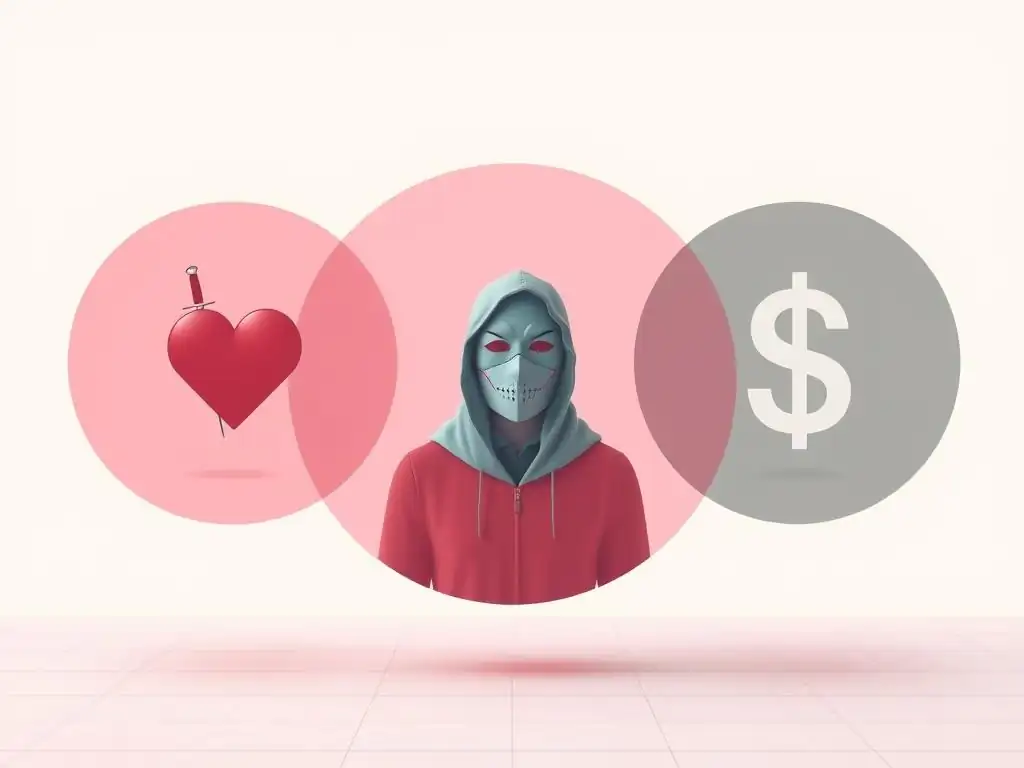
Online dating offers incredible opportunities to connect with people, but unfortunately, it also attracts scammers. Recognizing common scam types and their red flags is crucial for protecting yourself and your finances. Understanding these patterns empowers you to make informed decisions and navigate the online dating world safely. This section will delve into some of the most prevalent online dating scams, providing you with the knowledge to identify and avoid them. Remember, your safety and well-being are paramount.
Romance Scams: Identifying the Classic "Sugar Daddy" or "Sugar Mommy" Scam
Romance scams, often involving the "sugar daddy" or "sugar mommy" trope, are designed to exploit your emotions and financial resources. These scammers create a facade of romantic interest, building a connection quickly and intensely. They often shower you with compliments, profess deep feelings early on, and may even create elaborate backstories to gain your trust. However, their intentions are far from genuine.
Here are some key red flags to watch out for:
- Unrealistic promises: They promise lavish gifts, financial support, or a luxurious lifestyle without ever meeting in person. They may propose marriage or a long-term commitment remarkably quickly.
- Consistent requests for money: The scammer will subtly (or not so subtly) begin requesting money, gift cards, or bank details under various pretexts, such as unexpected emergencies, medical bills, or business ventures. They might even claim to be stranded abroad and need funds for a flight home.
- Avoidance of video calls or in-person meetings: Despite professing strong feelings, they'll consistently find excuses to avoid video calls or in-person meetings. This is a major red flag, as genuine connections usually involve wanting to see and interact with the other person.
- Vague or inconsistent information: Their profiles may contain inconsistencies or lack detail. Their stories might seem improbable or change over time. They may be evasive when asked direct questions about their life.
- Use of overly romantic language: Their messages are often filled with excessively romantic language, declarations of love, and promises of a future together, all before a meaningful connection has even been established.
Remember, genuine relationships develop organically and don't involve immediate financial requests or unrealistic promises. If something feels too good to be true, it probably is. 💔
Financial Scams: Recognizing Requests for Money, Gift Cards, or Bank Details
Financial scams are perhaps the most common type of online dating fraud. These scammers prey on the vulnerability and trust built during the initial stages of online interaction. They may use various tactics to manipulate you into sending them money, often under the guise of an emergency, investment opportunity, or a shared business venture.
Key indicators of a financial scam include:
- Sudden requests for money: After building a rapport, the scammer will suddenly ask for money, often citing an urgent need or a difficult situation. This request may be for a relatively small amount initially, designed to test your willingness to provide financial assistance.
- Pressure tactics: They might use pressure tactics, such as emotional manipulation or threats, to coerce you into sending money quickly. They might create a sense of urgency to prevent you from thinking critically.
- Requests for gift cards or cryptocurrency: They may specifically request gift cards or cryptocurrency, as these are difficult to trace and recover.
- Elaborate investment schemes: They might present themselves as financial experts and propose lucrative investment opportunities, promising high returns with minimal risk. These are almost always fraudulent.
- Inconsistency with their stated financial situation: Their claims about their financial situation may contradict the requests they are making. For example, someone claiming to be wealthy might ask for small amounts of money repeatedly.
Always be wary of unsolicited requests for money, especially from someone you haven't met in person. Legitimate relationships don't involve constant financial demands. 💰
Extortion Scams: Spotting Threats and Blackmail Attempts
Extortion scams are a particularly insidious form of online dating fraud. These scammers use compromising information or threats to extort money or other favors from their victims. They may have obtained this information through phishing, hacking, or by manipulating their victims into revealing sensitive details.
Warning signs of an extortion scam include:
| Red Flag | Description |
|---|---|
| Threats of revealing personal information | The scammer threatens to share private photos, videos, or personal details with your friends, family, or employer unless you pay them. |
| Demands for money or favors | They may demand money, gift cards, or other favors in exchange for not revealing your secrets. |
| Use of stolen or fabricated information | They might use information they've stolen or fabricated to create a sense of urgency and pressure. |
| Pressure to act quickly | They might use time-sensitive pressure tactics, creating a sense of panic to prevent you from seeking help or verifying the information's validity. |
| Anonymous communication | They may communicate anonymously or use untraceable methods to avoid being identified. |
If you find yourself targeted by an extortion scam, do not engage with the scammer. Instead, immediately report the incident to the appropriate authorities and seek professional help. Your safety and security should always be your top priority. 🚨
Fake Investment Opportunities: Identifying Bogus Business Proposals
Online dating scammers frequently leverage the promise of quick riches to lure victims. They might present themselves as successful entrepreneurs, investors, or financial advisors, spinning elaborate tales of lucrative investment opportunities. These "opportunities" often involve high returns with minimal risk, a classic hallmark of a scam. Be wary of anyone who aggressively pushes you toward an investment, especially without providing thorough and verifiable details. Legitimate businesses don't pressure potential investors; they present their opportunities clearly and allow time for due diligence. The scammer's goal is to get your money quickly before you can investigate.
A common tactic involves creating a sense of urgency. They might claim a limited-time window for investment or that the opportunity is highly exclusive, thus pressuring you into making a hasty decision without proper research. Always remember that legitimate investment opportunities never require immediate action without the possibility of thorough investigation. If someone is pressuring you to invest quickly, it's a major red flag.
These bogus business proposals often lack concrete details. Instead of providing transparent financial statements, business plans, or verifiable track records, the scammer might offer vague promises and rely on emotional appeals. They might use impressive-sounding jargon to confuse you and make their proposal seem more legitimate. If you can't find independent verification of the business or the investment opportunity, it's almost certainly a scam. Remember to always conduct thorough research, using reputable sources like the Securities and Exchange Commission's website, before committing any funds. Never invest in something you don't fully understand.
Another red flag is the use of complex or confusing financial language. Legitimate businesses will explain their investment opportunities in clear and concise terms, avoiding overly technical jargon that might obscure the risks involved. If you find yourself struggling to understand the details of the investment, it's a sign to proceed with extreme caution. Don't be afraid to ask clarifying questions; a legitimate investor will be happy to explain the intricacies of their proposal clearly and patiently.
If they become evasive or dismissive of your questions, it's a major red flag. Protecting your financial well-being requires vigilance and a healthy dose of skepticism. Remember, if it sounds too good to be true, it probably is. 🕵️♀️
How to Protect Yourself from Online Dating Scammers
This section focuses on proactive strategies to minimize your risk of encountering online dating scammers. Remember, vigilance is your best defense against those seeking to exploit you. Understanding common scammer tactics and employing protective measures significantly increases your chances of a safe and positive online dating experience. The goal is to build genuine connections, not fall prey to deception. Let's explore some key protective measures.
Verify Profiles: Cross-referencing Information and Using Reverse Image Search
One of the most crucial steps in protecting yourself is verifying the profiles of potential matches. Don't rely solely on the information presented on the dating app. Scammers often create fabricated profiles with stolen or altered images and inconsistent details. Here's how to perform a thorough profile verification:
- Cross-referencing Information: If a profile provides a name, location, or profession, try searching for that person online. A quick Google search, LinkedIn search, or even a check on social media platforms (with caution) can reveal inconsistencies or red flags. Does their profile match what you find elsewhere? Discrepancies are a major warning sign.
- Reverse Image Search: This is incredibly valuable. Right-click on the profile picture and select "Search Google for image." This will show you where else that image appears online. If the same photo is used on multiple dating profiles or unrelated websites, it's highly probable the profile is fake. Legitimate profiles rarely use the same photo across various unrelated platforms.
- Inconsistency Check: Pay close attention to details. Do their writing style and grammar match their claimed profession and education level? Are there inconsistencies in their stated age, location, or employment history? These inconsistencies are often telltale signs of a fabricated profile. For instance, a profile claiming to be a successful doctor but using poor grammar and misspelling common words is a red flag.
Slow and Steady Communication: Building Trust Gradually
Don't rush into deep conversations or intimate exchanges. Scammers often try to establish a quick connection and then move quickly to requests for money or personal information. Building trust takes time. Here's how to approach communication strategically:
- Start with general conversation: Keep initial interactions light and focused on getting to know the person's interests and personality. Avoid sharing deeply personal details too early in the process. Focus on building rapport naturally.
- Video Calls: Once you've had some text-based conversations, suggest a video call. This is a powerful tool for verifying a person's identity and assessing their authenticity. Scammers often avoid video calls, citing various excuses.
- Avoid sharing sensitive information: Refrain from sharing your full name, address, workplace, financial details, or other sensitive information until you've met in person and established a strong level of trust. Sharing this information prematurely makes you vulnerable to various forms of fraud and harassment. Remember, protecting your privacy is crucial.
- Be wary of overly romantic language: Excessive compliments and professions of love early on are often a hallmark of a scammer's approach. Genuine relationships develop gradually, with a natural progression of emotions and intimacy.
Never Send Money or Personal Information: Protecting Your Finances
This is perhaps the most critical piece of advice. Legitimate people will never ask you for money or personal financial information during the early stages of online dating. Any request for financial assistance, regardless of the reason provided, is a major red flag.
- Financial requests are always scams: Ignore any requests for money, gift cards, loans, or any other form of financial assistance. Scammers frequently invent elaborate stories to justify their requests, often involving emergencies or difficult circumstances. Don't fall for these manipulative tactics.
- Protect your bank details and other sensitive information: Never share your bank account details, credit card numbers, social security number, or any other sensitive personal information with someone you've only met online. Your financial security is paramount.
- Report suspicious activity: If you encounter a suspicious profile or receive a request for money, report it to the dating app immediately. Many platforms have mechanisms in place to help identify and remove scammer profiles. Your report can help protect other users.
Remember, your safety and well-being are paramount. By following these guidelines, you can significantly reduce your risk of becoming a victim of online dating scams and increase your chances of finding a genuine connection. Trust your instincts; if something feels wrong, it probably is.
Report Suspicious Profiles: Utilizing Dating App Reporting Mechanisms
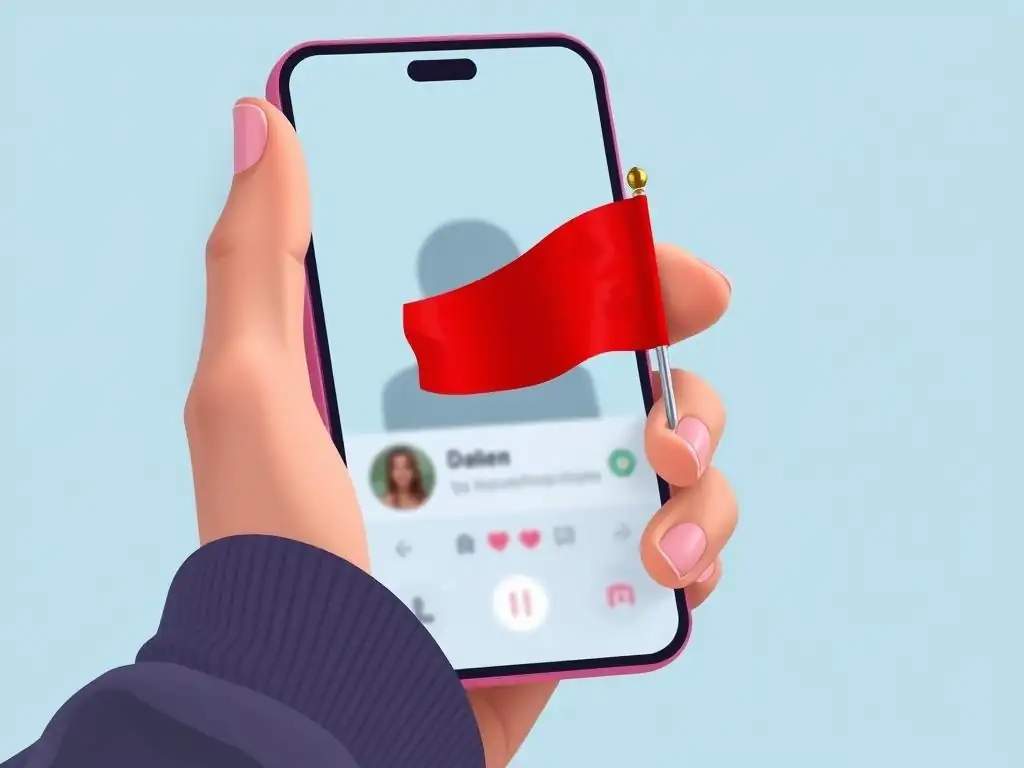
Identifying and reporting suspicious profiles is crucial in combating online dating scams. Most reputable dating apps provide robust reporting mechanisms designed to flag potentially fraudulent accounts. Don't hesitate to use them! These features are there for your protection and help maintain a safer environment for all users. The process usually involves selecting a report option within the user's profile, often accompanied by a brief explanation of your concerns.
Be as specific as possible when providing details. For example, instead of simply saying "This person is a scammer," explain why you suspect this. Did they ask for money early in the conversation? Did their profile seem fake or inconsistent? Detailed reports are more effective in prompting app administrators to investigate and take action.
Remember, even if you're unsure, reporting a profile is better than doing nothing. It allows the app's security team to assess the situation and potentially prevent others from falling victim. Many apps also have dedicated email addresses or help centers where you can submit more comprehensive reports, particularly for complex or persistent issues. Actively participating in reporting suspicious activity is a collective effort to improve online dating safety for everyone. Your vigilance can make a real difference.
Trust Your Instincts: Recognizing Your Gut Feelings
This might sound cliché, but trusting your intuition is paramount. If something feels "off" about a profile or a conversation, it probably is. Don't dismiss those early warning signs, even if you can't pinpoint exactly what's wrong. Perhaps their story seems too good to be true, their responses are evasive, or their communication style feels disingenuous. Maybe they're overly eager to move the conversation offline quickly, before you've had a chance to get to know them properly.
These are all potential red flags that your subconscious mind might be picking up on. Online dating scammers often employ manipulative tactics designed to exploit your emotions and gain your trust quickly. They might create a persona that seems incredibly charming and understanding, showering you with compliments and expressing deep feelings prematurely. This is a common tactic to create a false sense of intimacy and urgency, making you more susceptible to their schemes.
Remember, building a genuine connection takes time and should never involve pressure or undue haste. If you find yourself feeling uneasy or manipulated, step back and reassess the situation. It's always better to err on the side of caution and protect yourself from potential harm. Prioritizing your safety and well-being is never a sign of weakness; it's a sign of self-respect.
Resources and Support for Victims of Online Dating Scams

Falling victim to an online dating scam can be incredibly distressing and isolating. It's crucial to remember that you're not alone, and there are resources available to help you navigate this difficult situation. This section provides information on reporting scams, seeking support, and protecting your online privacy moving forward. Understanding your options and taking proactive steps is key to recovery and preventing future victimization. Remember, seeking help is a sign of strength, not weakness.
Reporting Scams to Law Enforcement: Filing a Police Report
Reporting online dating scams to law enforcement is a crucial step in protecting yourself and potentially helping to prevent others from becoming victims. While not all scams result in arrests or the recovery of lost funds, reporting helps law enforcement agencies track trends, identify perpetrators, and build cases against repeat offenders. The process might seem daunting, but it's often more straightforward than you might think.
Here's a step-by-step guide:
- Gather your evidence: This includes screenshots of conversations, copies of emails, transaction records (bank statements, payment confirmations), and any other documentation related to the scam. The more evidence you can provide, the stronger your report will be.
- Contact your local police department: Start by contacting your local law enforcement agency. They will guide you through the reporting process and determine the appropriate next steps.
- File a formal report: Be prepared to provide a detailed account of the events, including how you met the scammer, the nature of the scam, and the amount of money or other losses incurred. Be as specific as possible about dates, times, and details of communication.
- File a report with the FTC (Federal Trade Commission): The FTC maintains a database of consumer complaints, which aids in identifying patterns and tracking scammers. Reporting to the FTC is a separate but important step in the process. They can also provide valuable resources and support.
- Consider filing a report with the Internet Crime Complaint Center (IC3): The IC3 is a partnership between the FBI and the National White Collar Crime Center, dedicated to receiving cybercrime complaints. This is particularly relevant for online scams.
Seeking Support from Victim Advocacy Organizations: Finding Help and Guidance
Beyond law enforcement, several victim advocacy organizations offer support and resources to individuals who have experienced online dating scams. These organizations provide emotional support, practical advice, and guidance on navigating the legal and financial aftermath of a scam. They offer a safe space to share your experience, process your emotions, and develop strategies for moving forward.
The type of support offered can vary, but commonly includes:
- Counseling and therapy: Dealing with the emotional fallout of a scam can be challenging. Many organizations connect victims with counselors specializing in trauma and financial exploitation.
- Financial assistance: While not always available, some organizations may offer financial aid or connect victims with resources to help manage their financial losses.
- Legal advice: Organizations may provide guidance on legal options, such as filing civil lawsuits or seeking restitution.
- Peer support groups: Connecting with others who have experienced similar situations can be incredibly validating and helpful in the recovery process.
Protecting Your Online Privacy: Enhancing Your Digital Security
After experiencing an online dating scam, it's crucial to take steps to protect your online privacy and security. This prevents future victimization and helps you regain a sense of control. Here are some essential actions to take:
- Change your passwords: Immediately change your passwords for all online accounts, including your dating app profiles, email accounts, social media, and banking platforms. Use strong, unique passwords for each account.
- Enable two-factor authentication: This adds an extra layer of security to your accounts, making it much more difficult for scammers to gain unauthorized access.
- Review your privacy settings: Carefully review the privacy settings on all your online accounts and adjust them to limit the amount of personal information publicly visible.
- Monitor your accounts: Regularly monitor your bank and credit card accounts for any unauthorized activity. Report any suspicious transactions immediately.
- Be cautious about sharing personal information: Avoid sharing sensitive personal information, such as your address, phone number, or financial details, with anyone you meet online until you've established trust and verified their identity. Remember, legitimate people will understand the need for caution.
- Use strong anti-virus and anti-malware software: Keep your devices protected with up-to-date security software to prevent malware infections.
Remember, taking proactive steps to protect yourself online is essential for your safety and well-being. By reporting scams, seeking support, and enhancing your digital security, you can move forward and build healthier online relationships. Don't hesitate to reach out for help – you deserve it.
Building Healthy Online Dating Habits: Preventing Future Scams
This section focuses on proactive strategies to minimize your risk of encountering online dating scammers. Building healthy habits from the outset is crucial for a safer and more positive online dating experience. Remember, prevention is always better than cure when it comes to avoiding online dating scams. Let's explore practical steps you can take to protect yourself.
Maintaining Healthy Boundaries: Protecting Your Emotional and Physical Well-being
Establishing and maintaining healthy boundaries is paramount in online dating, significantly reducing your vulnerability to scams. This involves protecting both your emotional and physical well-being. Emotional boundaries involve setting limits on how much personal information you share early in the relationship. Avoid oversharing sensitive details like your full address, financial information, or detailed family history until you've built trust and met in person. Sharing too much too soon can make you a target.
Remember, a healthy relationship respects your boundaries. If someone pressures you to disclose information you're uncomfortable sharing, that's a major red flag. Consider these additional tips:
- Limit early personal contact: Don't rush into video calls or in-person meetings too quickly. Take your time to get to know someone before revealing too much.
- Control the information flow: You are in charge of what you share, and when. Don't let anyone pressure you into revealing more than you're comfortable with.
- Trust your instincts: If something feels off or makes you uneasy, it probably is. Don't ignore your gut feeling. Prioritize your safety and well-being.
- Be wary of excessive flattery or promises: Scammers often use charm and grand promises to manipulate their victims. Be skeptical of anyone who seems too good to be true.
Physical boundaries are equally important. Avoid agreeing to meet someone in a secluded or unfamiliar location. Always meet in a public place where you feel safe and can easily leave if needed. Inform a friend or family member about your plans, including the time, location, and the person you're meeting. Let them know when you've arrived safely and when you're leaving. This simple precaution can be life-saving. Remember, your safety is non-negotiable.
Critical Thinking Skills: Evaluating Information and Identifying Red Flags
Developing strong critical thinking skills is essential for navigating the complexities of online dating and spotting potential scammers. This involves actively questioning information presented to you, verifying details, and recognizing common scammer tactics. Let's look at some key strategies:
- Reverse image search: If you're suspicious of a profile picture, use a reverse image search to see if the image appears elsewhere online. This can help you uncover fake profiles using stolen images.
- Fact-checking: Don't take everything at face value. If someone claims to be a doctor, engineer, or military personnel, for example, do some digging. It's easy to verify credentials online in many cases. Inconsistencies or a lack of verifiable information should raise suspicion.
- Beware of inconsistencies: Pay attention to inconsistencies in their stories, communication styles, and online profiles. Are their claims supported by evidence? Do their messages seem generic or copied and pasted?
- Analyze communication patterns: Scammers often use high-pressure tactics, demanding immediate responses or pushing for financial transactions. They may also avoid video calls or in-person meetings under various pretexts. Be cautious of anyone who is evasive or reluctant to engage in open and honest communication.
- Recognize common scammer tactics: Familiarize yourself with the common tactics employed by online dating scammers. This includes, but is not limited to, requests for money, gifts, or financial assistance; overly romantic or passionate messages early on; and a sudden need for money due to fabricated emergencies.
By sharpening your critical thinking skills and adopting a healthy dose of skepticism, you significantly reduce your chances of falling victim to an online dating scam. Remember, a little skepticism can go a long way in protecting yourself. Prioritize your safety and well-being above all else.
Frequently Asked Questions
How can I spot a scammer on a dating app?
Be wary of profiles with limited information, poor-quality photos, or inconsistent details. Look for requests for money or personal information very early in the "relationship." Inconsistency in their stories is another huge red flag.
What are some common scams used by online dating scammers?
Common scams include requests for financial assistance, promises of investment opportunities, or attempts to gain access to your personal accounts. They might also create fake emergencies to pressure you into sending money. Always be cautious.
How can I protect myself from online dating scammers?
Never send money or share sensitive personal information with someone you've only met online. Verify their profile information through social media or other online sources. Trust your instincts – if something feels off, it probably is.
What should I do if I think I'm being scammed?
Immediately stop all communication with the suspicious individual. Report the profile to the dating app and consider reporting the incident to the appropriate authorities. Document all communication and transactions.
What are some warning signs of a catfish profile?
Inconsistent photos or lack of photos, vague or contradictory information about their life, and reluctance to video chat are all major red flags. They may also use stock photos or photos that are easily found online.
The rise of online dating has undeniably revolutionized romance, but it's also created fertile ground for scammers preying on vulnerable hearts. This ease of connection, while offering incredible opportunities, necessitates a heightened awareness of the potential dangers lurking within the digital world. We've explored numerous red flags, from inconsistent profiles to overly-eager advances, equipping you with the tools to navigate this complex terrain safely.
The impact of online dating scams extends far beyond financial loss; it leaves lasting emotional scars and erodes trust in human connection. The insidious nature of these scams often exploits a desire for companionship and belonging, making victims feel betrayed and ashamed. The greatest trick the devil ever pulled was convincing the world he didn't exist.
– This quote, while not directly about online dating scams, speaks to the deceptive nature of these predators and the importance of vigilance. Understanding these tactics is crucial not only for personal safety but also for fostering a more honest and trustworthy online dating environment.
You now possess the knowledge to identify and avoid these red flags. Take this newfound awareness and apply it to your online dating journey. Don't let fear paralyze you, but rather empower you to approach online interactions with caution and discernment. Remember, healthy relationships are built on trust, transparency, and genuine connection – qualities that scammers actively try to mimic but ultimately lack. Be discerning, be cautious, and most importantly, be kind to yourself throughout the process. Your safety and well-being are paramount.
Unveil Your Dating Confidence: Spot Scammers & Find Genuine Connections
Thanks for learning how to spot red flags on dating apps! You've gained valuable knowledge to navigate online dating safely and confidently. Now, let's put this knowledge to use:
- Review your dating profiles immediately: Look for inconsistencies or potential red flags you might have missed. Do any photos or details seem suspicious?
- Share this article with your friends: Help others stay safe from online scams and build safer dating experiences. A little awareness makes a big difference!
- Join the discussion below: What red flags have you encountered, and what strategies have you used to avoid scams?
Ready to create a safer and more fulfilling dating experience?