
Don't Fall for Fake Profiles: Use Reverse Image Search to Stay Safe

Ready to find genuine connection in the world of online dating? At OnlineDatingSuccess.org, we empower you to navigate the digital dating landscape with confidence. But first, learn how to protect yourself from potential heartbreak – and worse. This article reveals how to effectively spot fake dating profiles using a simple, yet powerful technique, ensuring your online dating journey remains safe and rewarding. Dive in and discover the secrets to a successful and secure online dating experience.
- Spot Fake Dating Profiles: Recognizing Red Flags
- Reverse Image Search: Your First Line of Defense Against Fake Profiles
- Beyond Reverse Image Search: Additional Verification Techniques
- Protecting Yourself from Online Dating Scams: Best Practices
- Conclusion: Staying Safe in the Online Dating World
- Frequently Asked Questions
- Final Reflection: The Enduring Fight Against Online Deception
- Unlock Safer Dating: Take Control of Your Online Safety Now!
Spot Fake Dating Profiles: Recognizing Red Flags
Online dating offers exciting possibilities for connection, but it also presents risks. Navigating the world of online romance requires vigilance, especially when it comes to identifying and avoiding fake profiles. This article will equip you with the knowledge and tools to spot fake dating profiles, helping you protect yourself and your personal information while searching for genuine connections. We'll explore common red flags, delve into the power of reverse image search, and provide practical steps to verify profiles before engaging with potential matches.
Understanding how to effectively spot fake dating profiles is crucial for a safe and positive online dating experience. Remember, your safety and well-being are paramount. Let's learn how to protect yourself from fraudulent profiles and build a more secure online dating journey.
Identifying Common Signs of Fake Profiles on Dating Sites
Before diving into technical solutions like reverse image searches, it's crucial to recognize the common behavioral and profile characteristics that often signal a fake account. These warning signs, when taken together, can paint a clear picture of potential deception. Many fake profiles exhibit a combination of these traits, making it easier to spot them. Pay close attention to the following:
- Lack of Personal Information: A profile with minimal personal details, vague descriptions, or an absence of hobbies and interests should raise a red flag. Genuine daters typically share more about themselves to attract compatible matches.
- Overly Perfect Photos: While everyone wants to present their best self, photos that are too perfect, professionally styled, or appear airbrushed can be a sign of a fake profile. Authenticity is key; genuine profiles often contain a mix of photos showcasing different aspects of the person's life.
- Generic or Vague Language: Be wary of profiles using generic phrases or overly romantic language. Authentic profiles typically reflect individuality and unique personality traits.
- Unrealistic Expectations: Profiles demanding significant financial commitments or promising unrealistic outcomes are almost certainly fake. Legitimate daters approach relationships with reasonable expectations and mutual respect.
- Requests for Personal Information Too Soon: Genuine daters build trust gradually. Be cautious of profiles that immediately request personal information, such as bank details or social security numbers.
- Suspicious Links or Contact Information: Avoid profiles containing suspicious links or contact information that redirects to external websites or requests personal information outside of the dating platform.
- Inconsistent Activity: Profiles with highly irregular activity—long periods of inactivity followed by sudden bursts of messages—can be a sign of a fake or automated account.
Suspicious Photos: Low-Quality Images and Stock Photos
Images are a crucial part of online dating profiles. However, fake profiles often utilize low-quality, blurry, or obviously manipulated photos. One effective way to identify these is through a reverse image search. Here's what to look out for:
- Low Resolution: Pixelated or blurry images are a common indicator of a fake profile. High-quality images are usually a sign of authenticity, as people generally want to present themselves in the best possible light.
- Stock Photos: Many fake profiles use readily available stock photos, easily identifiable through a reverse image search. These images are often generic and lack the personalization of genuine photos.
- Photos from Different Sources: Inconsistencies in photo quality or style can indicate that the images are sourced from different places, rather than being genuine personal photographs.
Inconsistent Information: Discrepancies in Profile Details
Fake profiles often contain inconsistencies within their information. These discrepancies can be subtle but can reveal a lack of authenticity. Pay close attention to:
- Age Discrepancies: Check for inconsistencies between stated age and appearance in photos. A significant difference can be a red flag.
- Location Conflicts: Examine if the stated location matches the background or details mentioned in the profile. Contradictions here can indicate a fake profile.
- Conflicting Interests: Look for inconsistencies between stated interests and the overall presentation of the profile. For example, claiming to love outdoor activities but having only indoor photos.
- Grammar and Spelling Errors: While not always indicative, a significant number of grammatical errors or spelling mistakes can suggest a hastily created or non-native profile. This is not always a reliable indicator, however, as it is possible to make mistakes.
Remember, a combination of these red flags increases the likelihood of a fake profile. Always prioritize your safety and use tools like reverse image searches to verify the information provided. By being vigilant and informed, you can significantly reduce your risk of encountering fake profiles and focus on building genuine connections.
Lack of Personal Details: Vague or Missing Information

A common hallmark of a fake dating profile is a conspicuous lack of personal details. Legitimate users generally want to connect with others and will therefore share enough information to give potential matches a sense of who they are. Conversely, fake profiles often rely on generic descriptions or completely omit crucial personal information. Think about it: would someone genuinely looking for a connection avoid mentioning their hobbies, profession, or even their general location? Probably not.
Look for profiles that use vague terms like "I love to travel" or "I'm into fitness" without providing any specifics. These are often filler phrases designed to appear relatable without revealing anything concrete about the individual. A real profile will likely delve into specific travel experiences, favorite fitness activities, or other details that showcase their personality and interests.
For example, instead of "I love to travel," a genuine profile might say, "I recently backpacked through Southeast Asia and am planning a trip to Patagonia next year." This level of detail helps establish authenticity. The absence of such specifics should raise a red flag.
Similarly, missing information about their work or education, especially considering the prevalence of these details on professional networking sites, should be considered a strong indicator of potential fakery. Remember, the more vague the profile, the higher the chance it's not genuine. Scrutinize profiles lacking detail; they often mask a lack of genuine identity.
Unrealistic Expectations: Promises that Seem Too Good to Be True
Another significant red flag to spot fake dating profiles involves unrealistic expectations and promises. These profiles often portray idealized versions of themselves, promising instant love, wealth, or other unbelievable benefits. Beware of profiles that focus heavily on material possessions or boast extraordinary achievements without any supporting evidence. Remember, if something sounds too good to be true, it probably is.
For instance, a profile promising immediate wealth or claiming to be a successful entrepreneur without any verifiable details or professional links should be treated with extreme caution. Similarly, profiles that shower you with excessive compliments or profess undying love after minimal interaction are highly suspicious. Genuine connections develop organically over time; instant declarations of love are often a tactic used to manipulate and exploit vulnerable individuals.
Likewise, be wary of profiles that express a desire for a relationship with little regard for getting to know you; this often suggests a lack of genuine interest and a focus on other objectives. Pay attention to the language used; overly romantic or grandiose statements without any basis in reality are often a telltale sign of a fake profile.
Always maintain a healthy dose of skepticism when encountering such promises; prioritize genuine connection over unrealistic ideals. Remember, building a meaningful relationship takes time and effort; avoid profiles that shortcut this process with unrealistic claims.
Reverse Image Search: Your First Line of Defense Against Fake Profiles
This section dives deep into the practical application of reverse image search as a crucial tool in your online dating safety arsenal. Learning to spot fake dating profiles is paramount to protecting yourself from potential scams and heartbreak. Reverse image searching allows you to verify the authenticity of a profile picture, a critical step in assessing the legitimacy of a potential match. By understanding how this technology works and utilizing it effectively, you significantly reduce your risk of encountering fraudulent profiles. Remember, your safety and well-being are paramount.
What is Reverse Image Search and How Does it Work?
Reverse image search is a powerful technique that allows you to find instances of an image across the internet. Instead of searching with text, you search with an image. This process works by comparing the image's unique digital fingerprint – a complex code representing its visual data – against billions of images stored in the search engine's database. If a match is found, the search engine will return results showing where else that image appears online.
This is incredibly useful for spotting fake dating profiles because scammers often steal images from other sources. A reverse image search can quickly reveal if a profile picture belongs to a model, celebrity, or someone entirely different from the person claiming to be your potential date. Think of it as a digital lie detector for profile pictures. The more places the image appears unrelated to the profile owner's claimed identity, the higher the chance of a fake profile. For example, finding the same picture on a stock photo website immediately raises a red flag.
Using Google Images for Reverse Image Search: A Step-by-Step Guide
Google Images is the most widely used reverse image search engine, and its functionality is remarkably straightforward. Here's a step-by-step guide to help you effectively use it to spot fake dating profiles:
- Locate the Image: Find the profile picture you want to verify. Right-click on the image.
- Copy Image Address: Select "Copy image address" (or a similar option depending on your browser). This copies the direct URL to the image.
- Access Google Images: Navigate to Google Images.
- Paste the URL: Click on the camera icon in the Google Images search bar. Select "Paste image URL" and paste the copied address.
- Analyze the Results: Google Images will display results showing where else that image appears online. Carefully review these results. Look for inconsistencies between the profile and the image's origins. Multiple appearances on stock photo sites, modeling portfolios, or unrelated social media profiles strongly suggest a fake profile. Even a single inconsistent result should trigger caution.
Remember, even if the image doesn't show up in obvious places, it doesn't automatically mean the profile is legitimate. Lack of results simply means the image isn't widely available online, not that it's unique to the profile owner. Always exercise caution and consider other verification methods.
Utilizing Other Reverse Image Search Engines: Alternative Search Engines
While Google Images is a powerful tool, exploring alternative reverse image search engines can provide a more comprehensive verification process. Different engines may index different parts of the internet, leading to unique results. Consider using TinEye, Yandex Images, or other reputable reverse image search providers to cross-reference your findings. This multi-engine approach enhances your chances of uncovering inconsistencies and potentially spotting fake dating profiles that might slip past a single search.
Using multiple engines provides a more robust verification process and increases your chances of uncovering potential red flags. Think of it as getting multiple opinions from different experts – the more opinions you gather, the more confident you can be in your assessment. 🕵️♀️
Remember, utilizing reverse image search is just one component of a comprehensive approach to online dating safety. Always maintain a healthy dose of skepticism and trust your instincts. If something feels off, it probably is.
Interpreting Search Results: Analyzing Similar Images and Sources
Interpreting the results of a reverse image search is crucial for effectively spotting fake dating profiles. Don't just look at the first few images; thoroughly examine the entire results page. A genuine profile will likely show the same image appearing across various legitimate websites – perhaps a personal blog, social media profile, or even news articles (if the person is a public figure). Conversely, a fake profile might show the image appearing only on dubious websites, or in contexts that don't align with the profile's claimed identity.
Look closely at where the image appears. Is it embedded within a larger article or post that provides context? Or is it isolated on a website that looks suspiciously generic or poorly designed? The latter is a strong indicator of a potential fake. Consider the quality of the websites displaying the image. High-quality websites with established reputations lend credibility, while low-quality, poorly maintained sites raise red flags.
Pay attention to the similarity of the images. If the reverse image search returns mostly identical copies of the picture, with minor edits like cropping or slight color adjustments, this could suggest the image is being widely used deceptively. On the other hand, if the search reveals similar images but with variations in pose, clothing, or background, this is more likely to indicate a genuine image used across different platforms.
The number of results is also significant. A genuine image used by a real person will typically show up in various places, resulting in a higher number of search results. A limited number of results, especially if concentrated on low-quality or suspicious sites, should raise your suspicion. Remember, even a significant number of results isn't a guarantee of authenticity, but it's a helpful piece of the puzzle.
Ultimately, a comprehensive analysis of all aspects – sources, similarity, and the number of results – helps you make an informed decision about the authenticity of the profile picture. Don't hesitate to repeat the search using different reverse image search engines to get a broader perspective. This multifaceted approach is key to successfully spotting fake dating profiles and protecting yourself online.
Beyond Reverse Image Search: Additional Verification Techniques
Reverse image search is a powerful first step in spotting fake dating profiles, but it shouldn't be your only line of defense. Many scammers are savvy enough to use images that haven't been widely circulated online, making reverse image searches ineffective. Therefore, a multi-pronged approach is crucial for thorough verification. This section explores additional techniques to bolster your safety and help you identify potentially fraudulent profiles. Remember, your safety and well-being are paramount in the online dating world. Taking the time to verify profiles thoroughly is an investment in protecting yourself from heartache and potential harm.
Cross-Referencing Profile Information Across Multiple Platforms
One effective strategy to spot fake dating profiles is to cross-reference information provided on the dating platform with other online sources. Inconsistencies are a major red flag. For example, if a profile claims a person works at a specific company, check the company website or LinkedIn to see if their profile matches. Discrepancies in job titles, employment dates, or even the company's existence itself can be indicators of a fake profile.
Similarly, check if the claimed educational background is verifiable. Many universities and colleges have online alumni directories or easily searchable student information systems. Cross-referencing this information can help confirm or refute the claims made in the dating profile. Even seemingly minor inconsistencies, like a mismatch in stated age or location, warrant further investigation.
Consider using a people search engine to find out if the profile's name and other details match public records. This is another layer of verification that can help uncover inconsistencies or reveal information that wasn't readily apparent on the dating platform itself. Remember, a consistent narrative across multiple platforms greatly increases the likelihood of a genuine profile. Conversely, conflicting information is a significant warning sign.
A comprehensive verification process often involves investigating the individual's presence on social media platforms. However, proceed with caution; some scammers might have carefully crafted fake social media accounts. The goal isn't necessarily to find a perfectly matching profile, but rather to look for consistency with the information provided on the dating site.
Does their dating profile mention a love of hiking? See if their social media accounts reflect this interest through photos, posts, or connections with hiking groups. Do they claim to be a pet owner? Do their social media profiles include pictures of pets that match their description? These seemingly minor details can paint a more complete picture and help you assess the legitimacy of the profile.
However, remember that the absence of a social media presence doesn't automatically mean a profile is fake. Many people choose not to share their personal lives online. But a significant discrepancy between the stated interests and activities on their dating profile and their apparent lack of online presence should raise concerns. The key here is to look for corroborating evidence, not necessarily a perfect match. Use your best judgment and don't hesitate to err on the side of caution.
Video Calls: A Powerful Tool for Verification
While text-based communication is convenient, a video call offers a much more robust method for verifying a profile's authenticity. A video call allows you to see the person in real time, compare their appearance to their profile pictures, and assess their demeanor. This can be a powerful tool in detecting inconsistencies and identifying potential red flags.
Before initiating a video call, ensure you've already taken steps to verify the profile through other methods mentioned above. This reduces the risk of engaging with a scammer who might be less likely to agree to a video call if they know you've done your homework. During the call, pay attention to details. Does their appearance match their photos? Does their background match what they've told you about their life and living situation?
If the person is hesitant or repeatedly avoids a video call, it's a significant warning sign. Legitimate users are generally happy to engage in video chats to build trust and connection. Remember, a genuine connection doesn't require rushing into intimacy. Prioritizing verification safeguards your safety and allows you to build healthy relationships based on trust and transparency. A video call is a powerful tool in your arsenal to help you spot fake dating profiles and stay safe online.
Background Checks: When to Consider Professional Services
While reverse image searches are a fantastic first step in verifying online dating profiles, sometimes you need a deeper dive. This is where professional background checks can be invaluable, particularly if you've already identified potential red flags using other methods. Professional background checks offer a more comprehensive investigation, going beyond publicly available information. They can uncover details like criminal records, aliases, bankruptcies, and even address history—information that could significantly impact your safety and decision-making process.
Consider professional background checks when you feel uneasy despite using other verification techniques. Perhaps the profile seems too good to be true, inconsistencies persist, or you've uncovered conflicting information. A lingering sense of suspicion, even after thorough due diligence, justifies seeking professional assistance. Remember, your safety and well-being are paramount. Don't hesitate to invest in professional services if the potential risks outweigh the cost. The peace of mind it provides is often worth its weight in gold. The information uncovered might not always be negative, but it will certainly provide a clearer picture of the person you're interacting with.
The decision to use professional background check services should be a personal one, based on your comfort level and the specific circumstances. However, it's crucial to weigh the potential benefits against the costs. These services vary in price and the depth of their investigations. Some might focus solely on criminal records, while others offer more extensive reports including financial history and social media analysis. Choose a reputable company with a proven track record and clear pricing structure.
Avoid services that seem too good to be true or lack transparency about their methods. Read reviews carefully and compare options before committing to a service. Protecting yourself in the online dating world sometimes requires a proactive approach, and professional background checks can be a crucial part of that strategy. Remember, your safety is worth the investment.
Protecting Yourself from Online Dating Scams: Best Practices
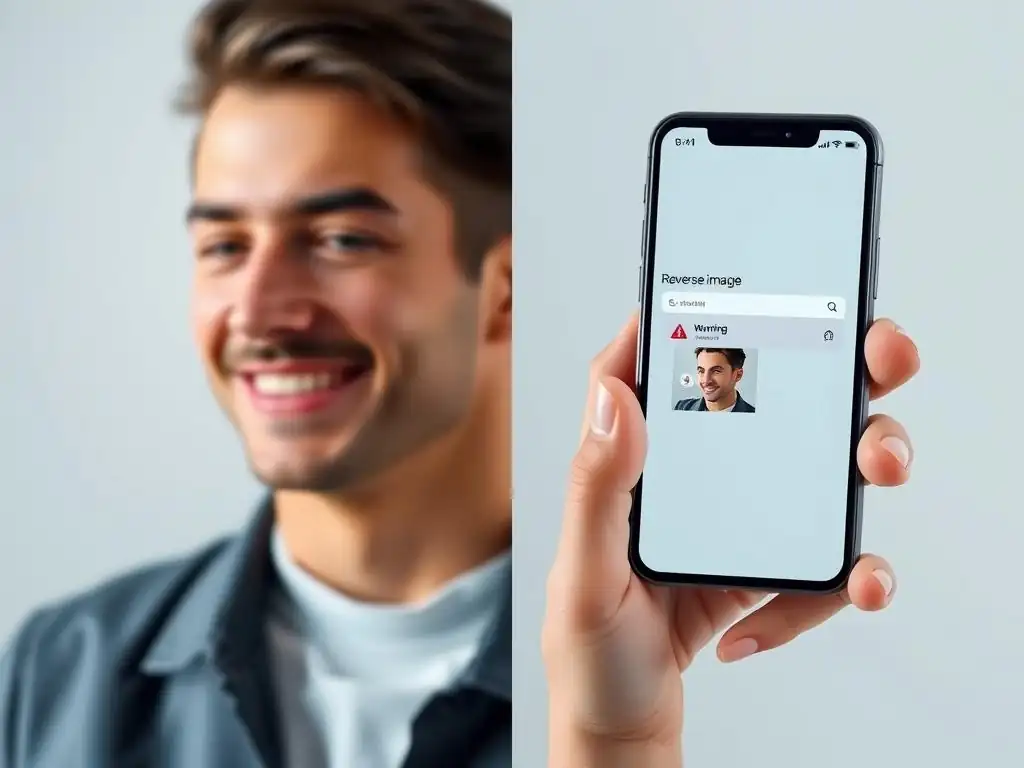
This section delves into practical strategies beyond reverse image searching to further protect yourself from online dating scams. While reverse image searches are a powerful tool for spotting fake profiles, they are just one piece of the puzzle. A multi-layered approach is crucial for ensuring your online dating safety and preventing heartache. Remember, your safety and well-being are paramount.
Communicate Cautiously: Avoid Sharing Personal Information Too Early
Sharing personal information too early in online interactions is a significant risk factor for becoming a victim of a dating scam. Scammers often use this information to manipulate you, gain your trust, and eventually defraud you. Building trust takes time, and rushing this process can have dangerous consequences.
Instead of immediately revealing sensitive details like your full name, address, workplace, or financial information, focus on building a connection through casual conversation. Start with general topics of mutual interest, and gradually reveal personal information only after you've had numerous interactions and feel confident about the person's authenticity.
Consider these guidelines:
- Avoid sharing your phone number until you've had several video calls and feel comfortable.
- Don't disclose your exact location until you've met in person in a public place.
- Be cautious about sharing photos that reveal your home or workplace.
- Never send money to someone you've only met online, no matter how compelling their story may seem.
Remember, legitimate profiles will understand the need for caution and respect your boundaries. Anyone who pressures you to share personal information prematurely should raise a red flag. Protecting your privacy is not being unfriendly; it's being smart. Think of it as a crucial step in developing a healthy and safe relationship.
Be Wary of High-Pressure Tactics: Don't Rush into Relationships
Scammers often employ high-pressure tactics to rush you into a relationship, preventing you from fully assessing their authenticity. They may profess intense feelings very quickly, shower you with compliments, or create a sense of urgency to prevent you from questioning their motives. This is a classic manipulation technique.
These high-pressure tactics often manifest in several ways:
- Love bombing: Overwhelming you with excessive affection and attention early on.
- Creating a sense of urgency: Pressuring you to make quick decisions, like sending money or meeting in person.
- Isolation: Trying to separate you from friends and family to control your interactions.
- Inconsistencies in their story: Noticeable contradictions or gaps in their narrative.
If you encounter any of these behaviors, take a step back and reassess the situation. A healthy relationship develops organically, without undue pressure or manipulation. Don't let anyone rush you into a commitment you're not ready for, especially if it feels uncomfortable or forced. Trust your gut; if something feels off, it probably is. Remember, slow and steady wins the race, especially in online dating.
Trust Your Instincts: If Something Feels Off, It Probably Is
Your intuition is a powerful tool. If something about a profile or interaction feels off, even if you can't pinpoint exactly what it is, trust your gut feeling. Don't dismiss those initial reservations; they often signal a potential problem.
Several indicators might trigger your intuition:
- Inconsistencies in their profile: Discrepancies between their photos, biography, and communication style.
- Unrealistic promises: Overly grandiose claims or promises that seem too good to be true.
- Avoidance of video calls: Reluctance to engage in video chats, which can help verify their identity.
- Requests for financial assistance: Sudden requests for money, gifts, or loans, especially under fabricated circumstances.
Ignoring your instincts can lead to dangerous situations. If you feel uneasy about someone, it's perfectly acceptable to end the conversation or block their profile. Your safety and well-being are priorities, and it's better to err on the side of caution. Remember, there are many genuine people out there, and you deserve to find someone who respects your boundaries and treats you with kindness and consideration. Don't settle for less.
Report Suspicious Profiles: Help Keep the Online Dating Community Safe
Reporting suspicious profiles is crucial for maintaining a safer online dating environment for everyone. When you encounter a profile that seems fake, exhibits suspicious behavior, or violates the platform's terms of service, don't hesitate to report it. Most dating sites and apps provide a clear reporting mechanism, usually a button or link directly on the profile page. This action isn't just about protecting yourself; it's about contributing to a collective effort to reduce the prevalence of fraudulent profiles and enhance the overall user experience. Think of it as community policing in the digital world.
By reporting suspicious activity, you're helping the platform's moderators identify and remove fake profiles more quickly. This proactive approach can prevent others from falling victim to scams or encountering unsettling interactions. The more reports received about a particular profile, the higher the likelihood that it will be investigated and subsequently removed. Your report might even prevent someone from experiencing significant emotional or financial harm.
Remember, the details you provide in your report are valuable. Be specific in your description of why you suspect the profile is fake. Mention inconsistencies in the profile information, unusual requests for money or personal details, or any other red flags you've encountered. The more information you provide, the better equipped the moderators are to take appropriate action.
A detailed report helps them to efficiently identify and address the root cause of the problem, whether it's a fake profile, a scammer, or a violation of the platform's rules. Consider it a vital contribution to the ongoing effort to make online dating safer for everyone. Don't underestimate the power of your report – it's a powerful tool in the fight against fake dating profiles and the prevention of online dating scams. You're not just protecting yourself; you're actively making a difference.
Moreover, many platforms use sophisticated algorithms to detect patterns of suspicious activity. Your report, coupled with others, contributes to the data used to train these algorithms, making them increasingly effective at identifying and removing fraudulent profiles automatically. So, reporting suspicious profiles is not just a reactive measure; it also plays a vital role in the ongoing development and improvement of the platform's safety features. This proactive approach benefits everyone in the online dating community. Let's work together to create a safer and more trustworthy environment for finding connections.
Conclusion: Staying Safe in the Online Dating World
Spotting fake dating profiles requires diligence and a proactive approach. While reverse image searches are a powerful tool in your arsenal, they're just one piece of the puzzle. Remember that online dating inherently involves a degree of risk, and maintaining a healthy skepticism is crucial for a safe and positive experience. Don't let the excitement of a potential connection override your common sense. Your safety and well-being should always be your top priority. By combining technological tools like reverse image searches with sound judgment and caution, you can significantly reduce your vulnerability to scams and fraudulent profiles.
The Importance of Vigilance in Online Dating
Vigilance is paramount in navigating the online dating landscape. It's not enough to rely solely on technology; critical thinking and careful observation are equally important. Consider these key aspects of maintaining vigilance:
- Slow and Steady: Don't rush into a relationship. Take your time to get to know someone online before sharing personal information or meeting in person. Fake profiles often aim for quick connections to exploit their targets.
- Inconsistencies: Pay attention to inconsistencies in a profile. Do their photos seem professionally done, while their writing style is casual and informal? Are there gaps in their biography or inconsistencies in their stated interests?
- Requesting Personal Information: Be wary of profiles that aggressively request personal information early in the communication. Legitimate daters understand the importance of building trust gradually.
- Red Flags: Trust your intuition. If something feels off, it probably is. Don't ignore red flags, even if it means missing out on a potential match. Your safety is worth more than a fleeting connection.
- Fact-Checking: Don't solely rely on what's presented in a profile. Use available tools to independently verify information provided, like checking their social media presence (if they provide links) or performing additional searches using their provided name and location. Remember, even a reverse image search only verifies the image source, not the identity of the person behind the profile.
Combining Reverse Image Search with Other Safety Measures for Optimal Protection
Reverse image search is a valuable tool, but it shouldn't be your only defense against fake profiles. For optimal protection, combine it with other safety measures:
- Verify Social Media: If a profile provides links to social media accounts, verify their authenticity by independently searching for those accounts. Check for consistency in their online presence across different platforms.
- Video Calls: Before meeting in person, consider having a video call. This can help confirm the person's identity and assess their authenticity.
- Meet in Public: When meeting for the first time, always choose a public place with plenty of people around. Inform a friend or family member of your plans, including the time, location, and the person's name.
- Trust Your Gut: Ultimately, your intuition is your best guide. If something feels wrong or off about a profile or interaction, don't hesitate to discontinue communication.
Resources for Reporting Online Dating Scams
If you suspect you've encountered a fake profile or have been a victim of an online dating scam, reporting it is crucial. This helps protect others from falling prey to the same schemes. Here are some resources to consider:
- Report to the Dating Platform: Most online dating platforms have mechanisms for reporting suspicious profiles or activity. Utilize their reporting features to alert the platform's administrators.
- Contact Law Enforcement: If you believe you've been a victim of a financial or identity theft scam, report it to your local law enforcement agency immediately. They can provide guidance and assistance in pursuing legal action.
- Federal Trade Commission (FTC): The FTC is a valuable resource for reporting scams and fraud, including online dating scams. They maintain a database of reported scams and can provide valuable information on how to protect yourself. Their website offers detailed guidance on recognizing and avoiding online scams.
- The Internet Crime Complaint Center (IC3): The IC3 is a partnership between the FBI and the National White Collar Crime Center, dedicated to receiving cybercrime complaints. Reporting to the IC3 can help law enforcement agencies identify and track down perpetrators of online dating scams.
Remember, staying safe online requires a multi-faceted approach. By combining technological tools like reverse image searches with careful observation, healthy skepticism, and proactive reporting, you can significantly enhance your safety and enjoy a more positive online dating experience. Don't hesitate to utilize the resources available to report suspicious activity and protect yourself from potential harm.
Frequently Asked Questions
How can I spot a fake dating profile on OnlineDatingSuccess.org?
One effective method is to perform a reverse image search using the profile picture. If the image appears on multiple dating sites or unrelated websites, it's a red flag suggesting a fake profile. Also, be wary of profiles lacking personal details or having inconsistent information.
What are some common signs of a fake profile?
Fake profiles often include stock photos, generic descriptions, and a lack of personal details. They might also avoid video calls or seem unresponsive to specific questions. Be cautious of profiles that are overly complimentary or request money quickly.
Why would someone create a fake dating profile?
Reasons range from catfishing and scamming to identity theft or simply creating false personas for entertainment. The motives behind fake profiles are varied and often malicious.
How can I protect myself from fake profiles?
Always verify information provided. Use reverse image search for profile pictures. Be wary of profiles that seem too good to be true or pressure you for personal information or money. Trust your instincts; if something feels off, it probably is.
What should I do if I suspect a dating profile is fake?
Report the profile to the dating site's administrators immediately. Do not share personal information with the individual. Block the user and consider adjusting your privacy settings to enhance your online safety.
Final Reflection: The Enduring Fight Against Online Deception
The ease with which fake profiles proliferate online underscores a critical need for digital literacy and proactive safety measures. The threat isn't just limited to dating apps; it extends to social media, professional networking sites, and even e-commerce platforms. We are constantly bombarded with carefully crafted illusions, and vigilance is our strongest defense.
The pervasiveness of fake profiles reflects a deeper societal shift—a blurring of lines between authentic and artificial identities in the digital sphere. This constant negotiation between trust and suspicion shapes our online interactions, influencing how we form relationships and conduct business. The internet is a powerful tool, but it's also a wild west. We must learn to navigate it wisely.
This simple truth highlights the importance of equipping ourselves with the knowledge and tools to identify and avoid deception.
You now possess a powerful tool—the reverse image search—to combat the insidious nature of fake profiles. Don't let the convenience of online interactions overshadow the importance of safety and authenticity. Take control of your digital experience. Practice using reverse image searches regularly, and encourage others to do the same. Let's build a more secure and trustworthy online world, one reverse image search at a time.
Unlock Safer Dating: Take Control of Your Online Safety Now!
Thank you for learning how to protect yourself from fake profiles. You've gained valuable knowledge to navigate online dating with more confidence. Let's put that knowledge to work!
- Reverse Image Search Every Profile: Make it a habit to reverse image search every profile picture before connecting with someone new. This is the single most effective way to verify a profile's authenticity.
- Share This Vital Information: Help your friends and family stay safe online by sharing this article on social media. A safer online dating community protects everyone.
- Learn More About Online Dating Safety: Explore additional online safety resources specifically for dating. Empower yourself with knowledge!
Ready to create a safer and more authentic dating experience? What's the first step you'll take today to protect yourself?