
Attachment Styles and the Cycle of Online Dating Disappointments


Tired of the online dating rollercoaster? Are you stuck in a cycle of disappointment, wondering why you can't seem to find lasting connection? At OnlineDatingSuccess.org, we delve into the often-overlooked impact of online dating attachment style issues on your dating experience. Discover how understanding your attachment style – and that of potential partners – can unlock the door to more fulfilling and meaningful relationships. Let's break the cycle and help you find the love you deserve.
- Understanding Your Attachment Style and Its Impact on Online Dating Success
- Recognizing the Cycle of Online Dating Disappointments
- Breaking the Cycle: Strategies for Healthy Online Dating
- Online Dating Attachment Style Issues: Case Studies
- Overcoming Online Dating Challenges: A Path to Meaningful Connections
-
Frequently Asked Questions
- How do attachment styles affect my online dating experience?
- What are some common online dating red flags related to attachment styles?
- Can I change my attachment style to improve my online dating success?
- How can I identify my attachment style in relation to online dating?
- Are there specific online dating strategies for people with different attachment styles?
- Final Reflection: Breaking the Cycle of Online Dating Disappointment
- Uncover Your Dating Pattern & Break the Cycle
Understanding Your Attachment Style and Its Impact on Online Dating Success
Navigating the world of online dating can feel like a rollercoaster, filled with highs of exciting connections and lows of frustrating disappointments. Many find themselves stuck in a cycle of repeated negative experiences, leaving them feeling confused and discouraged. Understanding your attachment style can be a powerful tool in breaking this cycle and fostering healthier, more fulfilling online dating experiences.
This article delves into the connection between attachment styles – secure, anxious, avoidant, and fearful – and the common pitfalls encountered in online dating. We'll explore how your attachment style might be influencing your profile creation, communication strategies, and overall dating success, offering practical insights to help you cultivate more positive and meaningful connections.
By recognizing your patterns and learning adaptive strategies, you can transform your online dating journey from a source of frustration into a path towards building genuine relationships. Let's uncover how your attachment style shapes your online dating experiences and learn to navigate them effectively.
Identifying Your Attachment Style: Secure, Anxious, Avoidant, and Fearful
Understanding your attachment style is the first step towards improving your online dating outcomes. Attachment theory suggests four main styles:
- Secure Attachment: Individuals with a secure attachment style generally have a positive view of themselves and others. They feel comfortable with intimacy and independence, forming healthy, balanced relationships. In online dating, they tend to communicate openly and honestly, seeking genuine connections.
- Anxious-Preoccupied Attachment: People with an anxious attachment style often crave intimacy and validation but fear rejection. They may overthink messages, constantly seek reassurance, and become overly invested too quickly. Online, this can manifest as excessive messaging, quick declarations of feelings, and a tendency to personalize perceived slights.
- Dismissive-Avoidant Attachment: Those with an avoidant attachment style value independence and self-reliance above all else. They may struggle with intimacy and emotional vulnerability, often appearing distant or uninterested. Online, they might keep their profiles brief, respond infrequently, and avoid deeper conversations.
- Fearful-Avoidant Attachment: This style combines elements of both anxious and avoidant attachments. These individuals desire intimacy but fear both closeness and rejection, leading to inconsistent and unpredictable behavior. Online, this can result in a confusing mix of engagement and withdrawal, leaving potential partners feeling unsure.
It's important to note that these are broad categories, and many individuals fall somewhere on a spectrum between these styles. Consider taking an online attachment style quiz to gain a better understanding of your own tendencies. Recognizing your attachment style is not about labeling yourself; it's about gaining self-awareness to make conscious choices that lead to healthier dating experiences. Knowing your style empowers you to address potential challenges proactively.
How Attachment Style Influences Online Dating Profile Creation
Your attachment style significantly impacts how you present yourself online. For example:
| Attachment Style | Profile Characteristics | Potential Pitfalls |
|---|---|---|
| Secure | Authentic, positive, clear about their intentions, balanced photos | May appear too straightforward or lack a "mystery" element |
| Anxious-Preoccupied | Highly detailed, numerous photos, might seek validation in profile description | Can appear desperate or needy |
| Dismissive-Avoidant | Minimal information, few photos, may seem aloof or uninterested | May deter potential partners due to lack of engagement |
| Fearful-Avoidant | Inconsistent presentation; may alternate between overly detailed and minimal profiles | Creates confusion and uncertainty for potential partners |
Understanding these tendencies allows you to create a profile that accurately reflects your personality while mitigating potential negative perceptions. For example, if you identify as anxiously attached, you might consciously work on keeping your profile concise and focusing on showcasing your strengths rather than expressing excessive neediness.
The Role of Attachment in Online Dating Communication and Messaging
The way you communicate reflects your attachment style. Anxious individuals might over-message, while avoidant individuals might under-communicate. Fearful individuals might swing between both extremes. This can lead to misunderstandings and misinterpretations.
For instance, an anxious individual's frequent messaging might be perceived as overwhelming by a secure or avoidant individual, leading to rejection. Conversely, an avoidant individual's infrequent responses might be misinterpreted as disinterest or rudeness by an anxious individual. Practicing mindful communication, understanding your own tendencies, and being mindful of the other person's communication style are key to successful online dating interactions. Learning to regulate your emotional responses and communicate your needs assertively, rather than anxiously or avoidantly, will greatly improve your chances of finding a fulfilling connection.
Recognizing the Cycle of Online Dating Disappointments
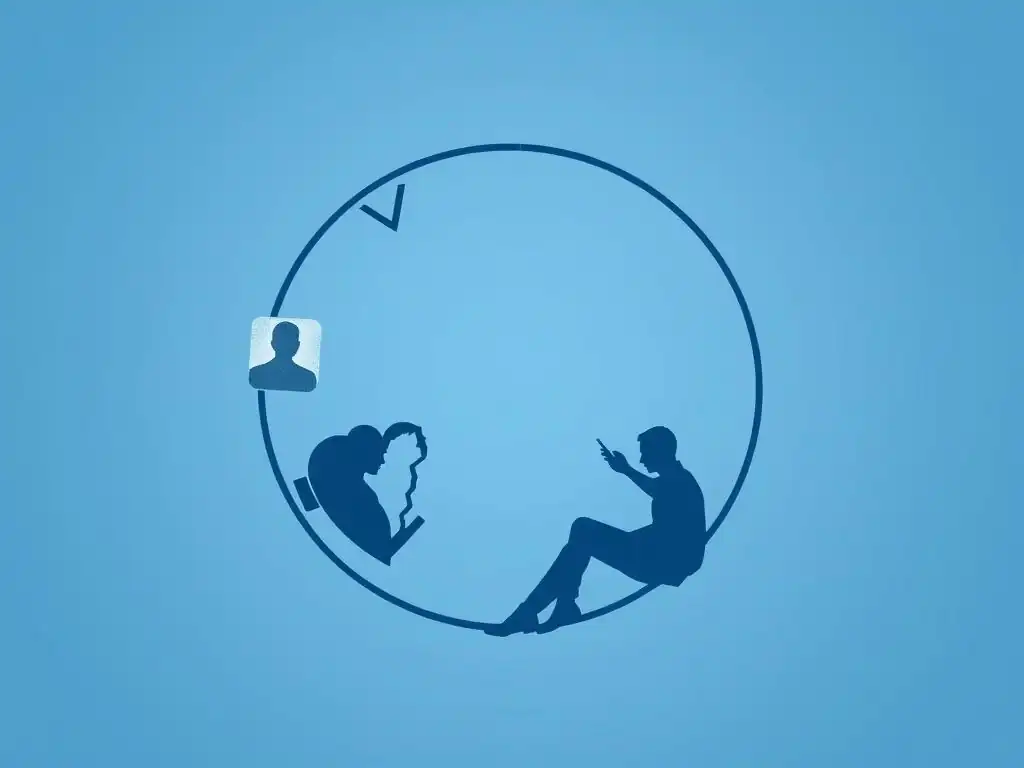
This section explores how different attachment styles contribute to recurring disappointments in the online dating landscape. Understanding your attachment style is crucial for breaking free from negative patterns and fostering healthier relationships. Many find themselves trapped in a cycle of frustration, repeatedly encountering similar challenges and experiencing similar emotional outcomes. This isn't necessarily due to bad luck, but rather, a reflection of unconscious relationship patterns shaped by past experiences and attachment style.
By identifying these patterns, we can begin to address the root causes of online dating dissatisfaction and build more fulfilling connections. This involves self-reflection, understanding your emotional needs, and actively working towards healthier relationship dynamics. The goal is not to eliminate all disappointment, as that's unrealistic, but to minimize the frequency and intensity of negative experiences stemming from attachment insecurity.
Common Dating Patterns Based on Attachment Style
Understanding how attachment styles manifest in online dating reveals predictable patterns. Individuals with anxious attachment often experience intense highs and lows, quickly idealizing potential partners before feeling let down by perceived rejection. Conversely, those with avoidant attachment might struggle to form close connections, often pulling away before genuine intimacy develops. Securely attached individuals generally exhibit more balanced behavior, navigating the complexities of online dating with greater emotional regulation and realistic expectations. The table below illustrates some common dating behaviors associated with each attachment style:
| Attachment Style | Common Online Dating Behaviors | Typical Disappointments |
|---|---|---|
| Anxious | Frequent messaging, quick escalation of intimacy, overthinking | Rejection, feeling ignored, fear of abandonment |
| Avoidant | Limited communication, reluctance to commit, emotional unavailability | Feeling smothered, lack of connection, fear of intimacy |
| Secure | Balanced communication, healthy boundaries, realistic expectations | Occasional setbacks, ability to process disappointment well |
It's important to note that these are general tendencies. Individual experiences can vary, and many individuals exhibit characteristics of multiple attachment styles. The key is to recognize your dominant tendencies and how they impact your online dating journey.
Anxious Attachment and the Fear of Rejection in Online Dating
Individuals with anxious attachment often experience heightened anxiety and insecurity in online dating. The fear of rejection fuels a cycle of obsessive checking for messages, overanalyzing every interaction, and quickly becoming emotionally invested. This can lead to overwhelming feelings of disappointment when responses are slow or perceived as less enthusiastic.
The constant need for reassurance and validation can also push potential partners away, reinforcing the very fear they are trying to avoid. For example, someone with anxious attachment might send multiple messages in rapid succession, interpreting a delayed response as a sign of disinterest, leading to further anxiety and self-doubt. This creates a self-fulfilling prophecy: their fear of rejection leads to behaviors that increase the likelihood of rejection.
The constant emotional rollercoaster can be exhausting, both for the individual and their potential partners. Learning to manage this anxiety, through techniques like mindfulness and self-compassion, is crucial for navigating online dating successfully. This involves developing a healthier sense of self-worth independent of external validation.
Avoidant Attachment and the Struggle with Intimacy in Online Dating
Avoidant attachment in online dating manifests as a reluctance to commit and a resistance to emotional intimacy. Individuals with this style may struggle to initiate conversations, respond minimally to messages, or withdraw emotionally as a connection deepens. The fear of vulnerability and dependence often leads to self-sabotaging behaviors, such as ghosting, ignoring messages, or abruptly ending conversations.
For instance, someone with avoidant attachment might initially engage with a potential partner but then become distant or unresponsive as the relationship progresses, leading to confusion and frustration for the other person. This pattern stems from a deep-seated fear of losing independence and control. They might unconsciously create distance to avoid feelings of vulnerability or entrapment.
Addressing this involves developing self-awareness and learning to manage the discomfort associated with intimacy. Therapy can be particularly helpful in addressing underlying issues and developing healthier relationship patterns. The goal is not to eliminate the need for personal space but to find a balance between independence and connection.
Fearful-Avoidant Attachment and the Rollercoaster of Online Dating
Individuals with a fearful-avoidant attachment style often experience the most turbulent journey in online dating. This stems from a complex internal conflict: a deep-seated desire for connection battling with an intense fear of intimacy and rejection. This internal struggle manifests in unpredictable and often self-sabotaging behaviors online.
One common pattern is the rapid escalation and subsequent de-escalation of interest. They might intensely pursue a match initially, showering them with messages and expressing strong feelings, only to abruptly withdraw, ghosting the other person or becoming distant and unresponsive. This isn't necessarily a reflection of a lack of interest in the match; rather, it's a manifestation of their fear of vulnerability and the potential pain of rejection. The intense initial connection feels overwhelming, triggering their avoidance mechanisms.
Another characteristic is a tendency towards choosing partners who are unavailable or emotionally distant. This unconsciously reinforces their ingrained belief that close relationships are inherently painful and unreliable. They might gravitate towards individuals who mirror their own avoidant tendencies, creating a cycle of emotional unavailability and disappointment. The pursuit of these unavailable partners, however, only serves to perpetuate their feelings of insecurity and unworthiness.
The online dating environment, with its inherent emphasis on quick judgments and superficial connections, can be particularly challenging for those with a fearful-avoidant attachment style. The ease of connection and disconnection online can exacerbate their fear of intimacy, leading to impulsive actions and a constant feeling of being on edge. They might jump from one potential partner to another, never allowing themselves to truly connect, constantly searching for validation and acceptance that they struggle to find within themselves. This constant search, unfortunately, often leaves them feeling more empty and frustrated.
The rollercoaster of emotions experienced by fearful-avoidant individuals in online dating can be exhausting. The intense highs followed by crushing lows create a pattern of disappointment and reinforce their negative beliefs about relationships. Breaking this cycle requires considerable self-awareness and professional guidance.
Therapy can provide a safe space to explore their underlying fears and develop healthier coping mechanisms for managing their anxieties around intimacy and connection. Learning to regulate their emotions and build self-esteem is crucial for navigating the complexities of online dating and forging more fulfilling relationships. Understanding their attachment style is the first step towards building healthier and more sustainable connections.
Breaking the Cycle: Strategies for Healthy Online Dating
This section offers practical strategies to overcome the negative impacts of attachment styles on online dating experiences, ultimately helping you build healthier and more fulfilling relationships. Understanding your attachment style is the first step; actively working to modify unhelpful patterns is the key to breaking the cycle of disappointment. We'll explore how to manage expectations, improve communication, and cultivate self-awareness to navigate the online dating world with greater success.
Remember, the goal is not to eliminate all anxieties, but to manage them effectively so they don't derail your dating journey. This involves recognizing and addressing your attachment style's influence on your online dating behaviors and outcomes.
Setting Realistic Expectations in Online Dating for Different Attachment Styles
Online dating often presents a skewed reality, filtered through carefully curated profiles and brief interactions. This can exacerbate existing attachment insecurities. For example, individuals with anxious-preoccupied attachment styles might idealize potential partners, leading to disappointment when reality doesn't match their idealized image. They may also jump into relationships too quickly, leading to burnout and repeated cycles of heartbreak. Conversely, those with dismissive-avoidant attachment styles may set unrealistic expectations of independence and emotional detachment, leading to difficulty forming genuine connections. Fearful-avoidant individuals might experience intense emotional conflict, swinging between wanting connection and fearing intimacy, causing them to sabotage potential relationships.
To address these issues, it's crucial to set realistic expectations. This involves:
- Acknowledging the limitations of online profiles: Remember that online profiles are snapshots, not comprehensive representations of a person.
- Focusing on compatibility, not perfection: Look for compatibility in values and life goals, rather than searching for an idealized partner.
- Managing expectations about the speed of connection: Building a meaningful connection takes time. Avoid rushing into intimacy.
- Practicing self-compassion: Be kind to yourself throughout the process. Setbacks are inevitable, and learning from them is part of growth.
A helpful exercise is to create a list of your ideal qualities in a partner, separating "needs" from "wants". This helps prioritize what truly matters and avoid unrealistic expectations. For instance, a "need" might be shared values, while a "want" might be a specific physical characteristic.
Effective communication is paramount in any relationship, but it's especially crucial in online dating where nonverbal cues are limited. Attachment styles significantly impact communication patterns. Individuals with anxious attachment might over-communicate, leading to a feeling of being clingy. Those with avoidant attachment styles might under-communicate, appearing distant or uninterested. Fearful-avoidants might experience inconsistent communication, reflecting their internal conflict.
To improve communication:
- Practice active listening: Pay attention to what your date is saying, both verbally and nonverbally (within the limitations of online interactions).
- Express your needs clearly and assertively: Avoid passive-aggressive communication or bottling up your feelings.
- Set boundaries: Communicate your limits and expectations respectfully.
- Learn to manage your emotional responses: Avoid reacting impulsively to perceived slights or rejections.
- Be mindful of your tone in written communication: Emojis and careful word choice can significantly impact how your message is received.
Improving communication requires conscious effort and self-reflection. Consider practicing these skills with trusted friends or family members before applying them in the online dating context. Remember, clear and honest communication fosters trust and understanding, which are essential for successful relationships.
Building Self-Awareness and Managing Expectations in Online Dating
Self-awareness is the cornerstone of healthy relationships. Understanding your own attachment style, triggers, and patterns is crucial for navigating the challenges of online dating. This involves reflecting on past relationship experiences and identifying recurring patterns. For instance, do you consistently choose partners who are unavailable? Do you sabotage relationships when things get too close? Answering these questions honestly will provide valuable insights into your online dating behaviors and help you break negative cycles.
Managing expectations involves accepting that rejection is a normal part of dating, regardless of your attachment style. It's crucial to:
- Practice self-compassion: Treat yourself with kindness and understanding, even during setbacks.
- Focus on self-improvement: Work on personal growth and self-esteem, regardless of your dating success.
- Seek professional support: Therapy can provide valuable tools and strategies for managing attachment insecurities and improving relationship skills. A therapist can help you identify unhealthy patterns and develop healthier coping mechanisms.
- Maintain a balanced life: Don't let online dating consume your life. Pursue hobbies, maintain friendships, and prioritize your well-being.
Building self-awareness and managing expectations is an ongoing process, not a destination. By consistently reflecting on your experiences and making conscious efforts to improve your communication and relationship skills, you can significantly improve your online dating success and build healthier, more fulfilling relationships.
Seeking Professional Help to Address Attachment Issues in Online Dating
Navigating the complexities of online dating while grappling with attachment style issues can be incredibly challenging. Many individuals find themselves repeating unhealthy patterns, experiencing disappointment after disappointment, despite their best efforts. This is where seeking professional help becomes invaluable. A therapist specializing in attachment theory can provide a safe and supportive space to explore the roots of your attachment style, understand how it manifests in your online dating experiences, and develop strategies for healthier relationship patterns.
Therapy offers a structured environment to delve into past relationships and experiences that have shaped your current attachment style. This process isn't about assigning blame but about gaining self-awareness and understanding. By identifying your triggers and recognizing your behavioral patterns in online interactions, you can begin to break free from self-sabotaging cycles. For example, someone with an anxious attachment style might constantly check their messages, overthinking every interaction and becoming overly invested too quickly. A therapist can help them identify this behavior, understand its origins, and develop coping mechanisms, such as mindfulness techniques or setting healthy boundaries.
Furthermore, a therapist can equip you with practical tools and techniques to improve your online dating experience. This might include strategies for communicating your needs effectively, setting healthy boundaries, managing expectations, and identifying red flags early on. They can help you navigate the emotional rollercoaster of online dating, providing support and guidance during challenging moments.
Remember, seeking professional help isn't a sign of weakness; it's a proactive step towards building healthier relationships and achieving greater fulfillment in your online dating journey. It's an investment in your emotional well-being and a crucial component in overcoming the challenges presented by attachment style issues in the online dating world. The support and personalized guidance offered by a therapist can be transformative, helping you cultivate more secure and fulfilling connections.
Don't underestimate the power of professional support in breaking free from the cycle of online dating disappointments stemming from attachment insecurities. Many therapists offer online sessions, making it convenient to access support regardless of your location. The benefits of seeking professional help far outweigh any perceived inconvenience, leading to a more positive and successful online dating experience.
Online Dating Attachment Style Issues: Case Studies
This section delves into real-world examples illustrating how different attachment styles manifest in online dating, leading to common frustrations and disappointments. Understanding these patterns can be the first step towards healthier online dating experiences and ultimately, more fulfilling relationships. We'll examine specific scenarios highlighting the challenges individuals face and offering insights into potential solutions. Remember, recognizing your attachment style isn't about labeling yourself; it's about gaining self-awareness to improve your online dating journey.
Case Study 1: Anxious Attachment Leading to Relationship Anxiety
Individuals with an anxious attachment style often crave closeness and reassurance. In online dating, this can translate into excessive texting, constant checking for messages, and quick escalation of emotional intimacy. Let's consider Sarah, a 32-year-old marketing professional. Sarah, exhibiting classic anxious attachment traits, would initiate extensive conversations immediately after matching with someone on a dating app.
She'd often overthink messages, interpreting the slightest delay as a sign of disinterest. This led to her feeling insecure and anxious, frequently pushing potential partners away before a genuine connection could form. Her online dating profile, while well-written, sometimes projected a desperate need for validation, inadvertently deterring potential matches.
Sarah's experience highlights a common online dating attachment style issue: the fear of abandonment manifesting as clinginess. This behavior, while stemming from a place of deep-seated insecurity, can be perceived as overwhelming and off-putting by potential partners. Learning to manage anxiety through techniques like mindfulness and self-soothing is crucial for those with anxious attachment in the online dating arena.
Setting realistic expectations about the pace of relationships and focusing on self-validation are equally important steps toward healthier online interactions. She eventually learned to space out her messages, allowing for natural conversation flow, and to focus on building genuine connections instead of solely focusing on immediate validation.
Case Study 2: Avoidant Attachment Resulting in Dating Avoidance
Conversely, individuals with an avoidant attachment style often prioritize independence and self-reliance, sometimes to the point of emotional detachment. This can manifest in online dating as a reluctance to commit, limited emotional expression, and a tendency to withdraw when things get too intense. Take Mark, a 35-year-old software engineer, as an example. Mark, displaying avoidant attachment characteristics, would rarely initiate conversations, often leaving messages unanswered for extended periods.
He'd create a profile that was deliberately vague, avoiding personal details. When a match showed interest, he'd often pull back, citing busy schedules or a lack of time for relationships. This pattern led to a cycle of missed opportunities and a sense of loneliness, despite his active presence on dating apps.
Mark's case illustrates how avoidant attachment can lead to self-sabotage in online dating. The fear of intimacy and vulnerability often results in behaviors that inadvertently prevent meaningful connections from forming. For those with avoidant attachment, working on emotional regulation and learning to communicate needs and boundaries are vital steps.
Understanding the root causes of avoidance – often stemming from past experiences – is key to breaking this cycle. Exploring therapy or working with a coach specializing in attachment styles can provide invaluable support in this process. He eventually began to understand his reluctance to fully engage, and started practicing more open communication, which led to more fulfilling interactions.
Case Study 3: Fearful-Avoidant Attachment and Its Impact on Online Dating Experiences
Fearful-avoidant attachment, a blend of anxious and avoidant traits, presents unique challenges in online dating. Individuals with this attachment style experience intense desires for connection but simultaneously fear intimacy and rejection. This internal conflict often leads to inconsistent behaviors, creating confusion and frustration for both themselves and their potential partners. Consider Lisa, a 28-year-old teacher.
Lisa would express strong interest in a match, only to disappear for days, then reappear with apologies and renewed enthusiasm. She'd create detailed profiles revealing her vulnerabilities, yet simultaneously push away anyone who showed genuine interest. This erratic behavior created a pattern of on-again, off-again interactions, leading to a series of failed relationships.
Lisa's situation underscores the complex nature of fearful-avoidant attachment in online dating. The simultaneous desire for closeness and fear of rejection create a self-defeating cycle. For those with this attachment style, therapy and self-compassion are crucial.
Learning to regulate emotions, establish healthy boundaries, and develop a stronger sense of self-worth are essential steps towards navigating the complexities of online dating. She eventually found a therapist specializing in attachment styles, and learned to manage her conflicting emotions, resulting in more stable and fulfilling online dating experiences. This allowed her to form more authentic connections, based on mutual respect and emotional honesty.
Overcoming Online Dating Challenges: A Path to Meaningful Connections
This section focuses on practical strategies to navigate the complexities of online dating, particularly when grappling with attachment style issues. Understanding your attachment style is the first step, but translating that understanding into positive change requires proactive effort. Many individuals experience a cycle of disappointment in online dating, often rooted in insecure attachment patterns. Breaking this cycle demands a shift in perspective and behavior. Let's explore how to cultivate healthier patterns.
Cultivating Healthy Attachment Patterns for Lasting Relationships
Developing secure attachment in online dating requires conscious effort and self-awareness. It's not about magically changing your inherent style, but rather learning to manage its impact on your dating life. This involves recognizing and challenging negative thought patterns. For example, someone with an anxious attachment style might constantly worry about rejection, leading to excessive messaging or clinginess. Recognizing this tendency is crucial.
Instead of immediately firing off multiple texts after a first message, consciously practice delayed responses. This allows you to manage anxiety and project a more confident, secure demeanor. Similarly, those with avoidant attachment styles might pull back after initial interest, fearing intimacy. They can benefit from practicing vulnerability and open communication, even if it feels uncomfortable. This might involve sharing personal details gradually, building trust and connection over time.
The key is mindful self-reflection. Journaling can be incredibly helpful in identifying triggers and patterns. Ask yourself: What situations trigger my anxiety or avoidance? What are my typical responses? How can I respond differently next time? By consciously choosing healthier responses, you gradually reshape your online dating experience. Consistent self-reflection and intentional behavior modification are key to cultivating a more secure attachment style and building healthier relationships. Remember, progress isn't linear; setbacks are normal. The goal is consistent effort towards healthier patterns.
Developing Resilience and Coping Mechanisms for Online Dating Setbacks
Online dating inevitably involves rejection. For individuals with insecure attachment styles, this can be particularly challenging, triggering feelings of inadequacy or reinforcing negative beliefs about themselves. Developing resilience is paramount. This means learning to view rejection not as a personal failing, but as a natural part of the process. It's not about you, it's about compatibility. A great deal of online dating is simply filtering for compatibility. Sometimes, it's simply not a match, and that's okay.
Effective coping mechanisms are crucial for navigating these setbacks. These might include:
- Mindfulness and meditation: Practicing mindfulness helps to regulate emotions and reduce stress.
- Self-compassion: Treating yourself with kindness and understanding, especially during difficult times.
- Seeking support from friends and family: Sharing your experiences with trusted individuals can provide valuable perspective and emotional support.
- Engaging in self-care activities: Prioritizing activities that bring you joy and relaxation, such as exercise, hobbies, or spending time in nature.
Remember, the goal isn't to avoid rejection entirely, but to manage its impact on your well-being. Building resilience means bouncing back from setbacks stronger and more confident. This process requires patience and self-compassion. It’s a marathon, not a sprint.
Finding Support and Community in Online Dating
Navigating the complexities of online dating, especially with attachment style concerns, can feel isolating. Connecting with others who share similar experiences can provide invaluable support and understanding. There are numerous online forums and communities dedicated to discussing online dating and relationship challenges. These spaces offer a platform to share experiences, learn from others, and receive encouragement.
Furthermore, consider seeking professional help. A therapist specializing in attachment issues can provide personalized guidance and support in addressing your specific challenges. They can help you identify unhealthy patterns, develop coping mechanisms, and build healthier relationship dynamics. Remember, seeking professional support is a sign of strength, not weakness. It's an investment in your emotional well-being and your success in finding fulfilling relationships. Addressing online dating attachment style issues proactively can lead to a more positive and rewarding experience. The journey towards healthier connections is a process of self-discovery and growth.
Frequently Asked Questions
How do attachment styles affect my online dating experience?
Your attachment style significantly impacts your online dating behavior. Anxious attachment might lead to clinginess, while avoidant attachment could cause you to pull away. Understanding your style helps you break negative patterns.
Red flags include excessive neediness (anxious), emotional unavailability (avoidant), or constant criticism (anxious/fearful). Look for inconsistencies between words and actions. Recognize your own patterns as well.
Can I change my attachment style to improve my online dating success?
While you can't completely change your attachment style, you can learn to manage its impact. Therapy, self-reflection, and mindful dating practices can help you develop healthier relationship patterns.
How can I identify my attachment style in relation to online dating?
Reflect on your past relationships and dating experiences. Do you crave constant contact (anxious), avoid intimacy (avoidant), or experience intense highs and lows (fearful)? Online quizzes can also provide a starting point, but professional help is recommended for deeper understanding.
Are there specific online dating strategies for people with different attachment styles?
Yes! Anxious individuals should focus on self-soothing and pacing themselves. Avoidant individuals should practice vulnerability and emotional expression. Learning to communicate your needs effectively is crucial for all attachment styles.
Final Reflection: Breaking the Cycle of Online Dating Disappointment
Understanding our attachment styles is not merely an academic exercise; it's the key to unlocking healthier, more fulfilling relationships, both online and off. The prevalence of online dating has amplified the challenges inherent in navigating romantic connections, making a deep understanding of our attachment patterns more crucial than ever before. Ignoring these patterns only perpetuates a cycle of disappointment and frustration.
The exploration of anxious, avoidant, and secure attachment styles within the context of online dating reveals a profound truth: our past experiences shape our present choices, often unconsciously sabotaging our efforts to find lasting love. The greatest discovery of all time is that a person can change his future by merely changing his attitude.
- Oprah Winfrey. This quote rings especially true when considering how we can consciously reframe our approach to dating, once we understand the root of our relational anxieties. By recognizing our attachment style, we can begin to challenge limiting beliefs and develop healthier relationship patterns, moving beyond the repetitive disappointments that often plague online dating.
Now, consider your own experiences. What patterns have you observed in your online dating journey? Do you recognize any of the attachment styles discussed within yourself or your past partners? Take this opportunity to reflect on your own relational patterns and consider seeking professional guidance if needed. The path to healthier relationships begins with self-awareness and a commitment to personal growth. Embrace the opportunity to rewrite your dating narrative, one conscious choice at a time.
Uncover Your Dating Pattern & Break the Cycle
Thanks for exploring how attachment styles affect your online dating. You've gained valuable insights into your dating patterns and how to build healthier relationships. Now, let's put that knowledge to work!
- Identify your attachment style: Take some time for self-reflection, using the framework we discussed. Understanding your style is key to transforming your dating experiences.
- Practice mindful communication: In your next online interactions, focus on expressing your needs and boundaries clearly and respectfully. This will foster more genuine connections.
- Share your insights: Share this article with a friend who might benefit from understanding how attachment styles influence their dating lives.
Ready to rewrite your online dating story? What's one small step you can take today to build more fulfilling connections?