
Avoidant Attachment & Online Dating: Tips for Building Secure Bonds


Ready to unlock the secrets to finding lasting love in the digital age? At OnlineDatingSuccess.org, we help you navigate the complexities of online dating with confidence. But what if your attachment style is hindering your success? Discover how to overcome the challenges of avoidant attachment in online dating and build secure, meaningful connections. Learn the practical strategies you need to attract compatible partners and foster healthy relationships – dive into our expert advice on Avoidant Attachment Online Dating Tips now and transform your dating experience!
- Understanding Avoidant Attachment in Online Dating
- Navigating Online Dating with Avoidant Attachment
-
Strategies for Secure Connection: Online Dating Tips for Avoidants
- Choosing the Right Online Dating Platforms
- Crafting an Authentic Online Dating Profile
- Initiating Contact and Managing Conversations
- Identifying Red Flags and Avoiding Toxic Relationships Online
- Prioritizing Self-Care and Emotional Regulation
- Seeking Professional Support: Therapy for Avoidant Attachment
- From Avoidant to Secure: Long-Term Strategies for Healthy Relationships
-
Frequently Asked Questions
- How can someone with an avoidant attachment style find success in online dating?
- What are some common online dating pitfalls for those with avoidant attachment?
- What are the key communication strategies for avoidants in online dating?
- How can an avoidant person manage their fear of intimacy in online dating?
- Are there specific profile strategies for avoidants on online dating sites?
- Final Reflection: Reclaiming Connection in the Digital Age
- Unlock Your Dating Potential: Build Secure Connections Now!
Understanding Avoidant Attachment in Online Dating
Navigating the world of online dating can be challenging for anyone, but individuals with avoidant attachment styles often face unique obstacles. This article delves into the complexities of avoidant attachment and its impact on online dating experiences. We'll explore how to recognize avoidant behaviors in yourself and others, understand how this attachment style manifests in online profiles, and provide practical tips to foster more secure connections.
Ultimately, our goal is to empower you with the knowledge and strategies to build meaningful relationships, even with the challenges presented by avoidant attachment in the digital dating landscape. Understanding your own attachment style and that of potential partners is crucial for navigating the complexities of online dating and achieving lasting connection.
This is especially vital given the often superficial and fast-paced nature of online interactions, which can exacerbate the anxieties associated with avoidant attachment. We'll equip you with tools to self-assess, identify potential partners' attachment styles, and ultimately, build healthier, more fulfilling relationships.
Recognizing Avoidant Attachment Behaviors Online
Individuals with avoidant attachment often exhibit specific behaviors in online dating that can be subtle yet significant. They might be hesitant to share personal information, respond inconsistently to messages, or disappear for extended periods. They may create profiles that are vague or lack emotional depth, prioritizing independence and self-reliance to a degree that might appear distant or uninterested.
For example, an avoidant individual might write a profile that focuses solely on hobbies and accomplishments, omitting details about their emotional life or relationship goals. Their communication style can be characterized by brief, factual responses, avoiding deeper conversations or emotional vulnerability. They might be quick to initiate contact but equally quick to withdraw, creating a pattern of push-and-pull that can be frustrating for their partners.
Recognizing these patterns is the first step in understanding and addressing the challenges they pose in online relationships. It's important to remember that these behaviors aren't intentional acts of cruelty; they often stem from a deep-seated fear of intimacy and commitment.
Remember, identifying avoidant behaviors isn't about labeling or judging; it's about understanding the underlying reasons for these actions and developing strategies for healthier communication and connection. The online environment, with its emphasis on quick judgments and superficial interactions, can amplify these challenges. However, with awareness and the right approach, you can navigate these complexities successfully.
The Impact of Avoidant Attachment on Online Dating Profiles
Avoidant attachment significantly influences how individuals present themselves online. Profiles might appear meticulously crafted yet emotionally distant. Think of a profile filled with impressive accomplishments and adventurous activities, yet lacking any personal anecdotes that reveal vulnerabilities or emotional depth. The language used might be formal and guarded, avoiding emotional expressions or intimate details. Photos might showcase a sense of independence and self-sufficiency, often featuring solo activities or distant landscapes.
They might avoid pictures with friends or family, further emphasizing their self-reliance and minimizing the appearance of close relationships. This curated image projects an aura of independence and self-sufficiency, often masking a deeper fear of intimacy and vulnerability. Understanding these subtle cues can help you identify potential avoidant partners and approach them with empathy and understanding. Remember, these are not necessarily intentional attempts to deceive; they are often unconscious manifestations of their attachment style.
The lack of emotional vulnerability in profiles can make it difficult to establish genuine connections. This can lead to a cycle of superficial interactions and unmet expectations, further reinforcing the avoidant individual's fear of intimacy.
Identifying Your Attachment Style: Self-Assessment for Online Daters
Before attempting to understand others, it's crucial to understand yourself. Many online resources offer questionnaires and self-assessments to help determine your attachment style. These tools aren't definitive diagnoses, but they can provide valuable insights into your relational patterns and behaviors. Honest self-reflection is key. Consider your past relationships: Did you struggle with intimacy? Did you tend to push partners away?
Did you fear commitment? Answering these questions honestly can shed light on your attachment style and help you understand your own behaviors in online dating. Understanding your attachment style empowers you to navigate the complexities of online dating with greater self-awareness and make more informed choices about the relationships you pursue. This self-awareness is vital for building healthy, fulfilling relationships, both online and offline. Identifying your own tendencies, be they avoidant or otherwise, allows you to approach online dating with a greater sense of self-compassion and understanding.
Knowing your attachment style is not about fixing yourself; it's about self-acceptance and developing healthier coping mechanisms for navigating relationships. This self-knowledge is invaluable in the context of online dating, where the pressure to present an idealized self can often mask underlying insecurities and vulnerabilities.

This section offers practical strategies for individuals with avoidant attachment styles to successfully navigate the complexities of online dating. Understanding your attachment style is the first step towards building healthier, more fulfilling relationships. Avoidant attachment, characterized by a reluctance to form close relationships and a tendency towards emotional distance, presents unique challenges in the online dating world.
However, with self-awareness and the right approach, you can overcome these hurdles and find meaningful connections. This section will explore key areas where avoidant individuals often struggle and provide actionable steps to foster secure bonds. Remember, progress takes time and patience; be kind to yourself throughout this journey.
Setting Realistic Expectations in Online Dating
Online dating often creates a heightened sense of pressure, especially for those with avoidant attachment. The sheer volume of profiles and the ease of communication can lead to unrealistic expectations and a fear of commitment. Many avoidantly attached individuals enter online dating with a subconscious belief that a "perfect" partner exists and that finding them will solve their underlying anxieties. This is rarely the case.
Instead of seeking an idealized partner, focus on building connections gradually. Avoid the trap of comparing every potential match to an unattainable standard. Remember that relationships require effort and compromise from both sides. Lowering your expectations doesn't mean settling; it means approaching each interaction with a realistic understanding of the dating process. Focus on getting to know someone for who they are, flaws and all, rather than projecting your ideal onto them.
Consider setting small, achievable goals. Instead of aiming for a long-term relationship immediately, focus on engaging in enjoyable conversations, planning a low-pressure date, or simply enjoying the experience of getting to know someone new. This incremental approach can help reduce overwhelming feelings and build confidence.
Managing Fear of Intimacy in Online Communication
The initial stages of online dating involve a lot of communication—messaging, emailing, and video calls. For those with avoidant attachment, this can trigger anxieties about vulnerability and emotional closeness. Many avoidant individuals may subconsciously sabotage potential connections by being overly distant, responding slowly, or avoiding deeper conversations.
To manage this fear, practice mindful communication. Before responding to a message, take a moment to reflect on your feelings. Are you feeling overwhelmed? If so, acknowledge these feelings and take a break before responding. Avoid rushing into commitments or revealing too much personal information too quickly. Gradually increase the level of intimacy in your communication as you feel comfortable.
Prioritize clear and concise communication. Avoid ambiguous language or mixed signals that could lead to misunderstandings. If you're feeling overwhelmed by a conversation, politely excuse yourself and take some time to process your feelings. This is far more constructive than withdrawing completely or giving vague responses. Remember, healthy communication is about honesty and mutual respect.
Building Healthy Boundaries in Online Interactions
Setting and maintaining healthy boundaries is crucial for individuals with avoidant attachment in online dating. This involves establishing clear limits on communication, time commitment, and personal information sharing. Avoidant individuals often struggle to say no or express their needs, leading to resentment and burnout.
Consider creating a personal "online dating contract" for yourself. This could include guidelines such as limiting the amount of time you spend messaging each day, refusing to meet someone until you feel comfortable, or setting clear expectations about the pace of the relationship. Stick to these guidelines, even when tempted to deviate. This will help prevent you from feeling overwhelmed or pressured.
Remember that setting boundaries is not selfish; it's a necessary step towards protecting your emotional well-being. It's okay to say no to a date, decline a video call, or take a break from online dating altogether. Prioritizing your own needs allows you to approach online dating from a place of strength and self-respect, ultimately increasing your chances of building a secure and fulfilling relationship. Prioritizing self-care is also vital in managing the pressures of online dating.
Strategies for Secure Connection: Online Dating Tips for Avoidants
This section offers practical advice for individuals with avoidant attachment styles navigating the complexities of online dating. Understanding your attachment style is the first step towards building healthier, more fulfilling relationships. By implementing these strategies, you can foster secure connections and overcome the challenges inherent in online interactions. Remember, progress takes time and self-compassion is key.
Choosing the Right Online Dating Platforms
Selecting the appropriate online dating platform is crucial for avoidant individuals. Overwhelming choices can trigger feelings of anxiety and avoidance, leading to inaction. Therefore, prioritize platforms known for their user-friendliness and smaller, more curated user bases. Apps with detailed profile options allow for more selective matching, reducing the pressure of numerous interactions.
Consider platforms that emphasize compatibility assessments or personality tests, as these can streamline the process and connect you with individuals who align with your needs and preferences. Avoid apps with overly casual or hookup-oriented cultures, as these can exacerbate feelings of vulnerability and intensify your avoidance tendencies. A more focused approach will help you manage your energy and expectations.
Choosing a platform that prioritizes genuine connections over superficial swiping can significantly improve your online dating experience. Many individuals with avoidant attachment styles value authenticity and meaningful interactions. Focus on platforms that encourage longer profile descriptions and in-depth questionnaires to foster deeper understanding and compatibility. Remember, quality over quantity is paramount when navigating online dating with an avoidant attachment style.
Crafting an Authentic Online Dating Profile
Your online dating profile is your first impression – make it count! For those with avoidant attachment, authenticity is paramount. Avoid generic profiles filled with clichés or unrealistic portrayals. Instead, focus on presenting your genuine self, highlighting your passions, interests, and values. This approach fosters trust and attracts like-minded individuals who appreciate your uniqueness. Be specific in your descriptions, avoiding vague statements. For instance, instead of writing "I love to travel," detail a specific travel experience, highlighting your personality and preferences. This level of detail invites connection and minimizes the need for extensive initial conversations.
Remember, your profile is a reflection of your self-awareness. It should showcase your strengths and vulnerabilities while maintaining healthy boundaries. Avoid overly polished or idealized presentations, as these can inadvertently attract individuals seeking an unrealistic image. By presenting a genuine and relatable persona, you attract partners who appreciate authenticity and are more likely to understand and support your needs. A well-crafted, honest profile significantly increases your chances of forming meaningful connections.
Initiating Contact and Managing Conversations
Initiating contact can be daunting for avoidants. However, remember that a simple, genuine message is often more effective than a lengthy, overly-thought-out one. Start with a comment that directly references something specific in their profile, showcasing your attention to detail and genuine interest. Avoid generic opening lines that could be sent to anyone. This personalized approach shows respect for their time and demonstrates your genuine interest in getting to know them. Remember, the goal is to initiate a conversation, not to write a novel.
Managing conversations requires setting boundaries and respecting your own emotional needs. Avoid over-committing or engaging in excessive messaging before meeting in person. While maintaining consistent communication is important, avoid the trap of constant texting or long, drawn-out online chats. Instead, aim for meaningful interactions that build anticipation for an in-person meeting. This approach helps avoid overwhelming feelings of closeness and maintains a healthy balance in the early stages of online dating. Remember, a successful connection is built on mutual respect and understanding, not constant communication.
Identifying Red Flags and Avoiding Toxic Relationships Online
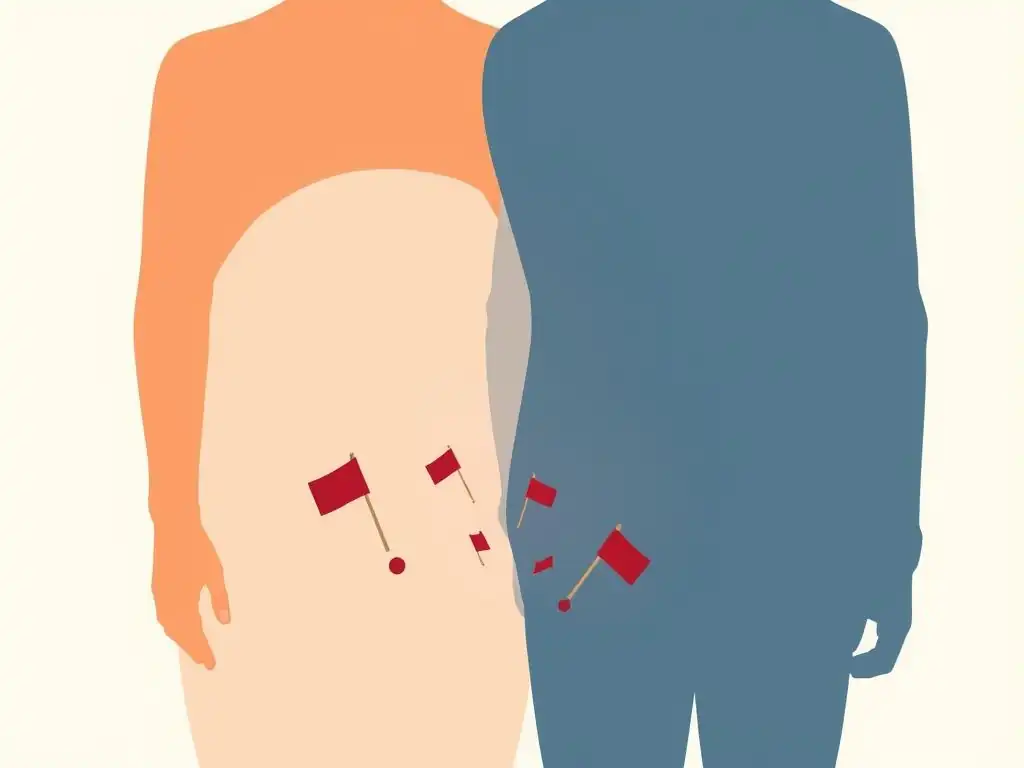
Navigating the world of online dating with an avoidant attachment style can be challenging, but recognizing red flags is crucial for avoiding toxic relationships. Individuals with avoidant attachment often struggle with intimacy and commitment, making them potentially vulnerable to manipulative or exploitative partners. Learning to identify these warning signs early on can significantly improve your dating experience and protect your emotional well-being.
One common red flag is a partner who pressures you for excessive commitment too quickly. Avoidants often recoil from intense emotional closeness, so a partner who ignores your boundaries and pushes for a serious relationship before you're ready is a major warning sign. This behavior might manifest as constant demands for exclusivity, intense declarations of love early in the relationship, or pressure to meet family and friends prematurely. Remember, healthy relationships develop gradually, respecting individual needs and paces.
Another significant red flag is a partner who exhibits controlling or possessive behavior. This can range from monitoring your online activity and social interactions to dictating who you can spend time with and what you can do. Avoidants often value independence, so a partner who attempts to control your life is a clear indication of a potentially toxic dynamic. Pay attention to subtle signs like excessive jealousy, accusations of infidelity without evidence, or attempts to isolate you from friends and family.
Finally, be wary of partners who consistently disregard your feelings or needs. Avoidants may struggle to express their emotions openly, but a healthy partner will still be empathetic and respectful. A partner who dismisses your concerns, minimizes your experiences, or consistently puts their needs above yours is unlikely to foster a secure and fulfilling relationship. Recognizing these red flags and prioritizing your own emotional needs is key to building healthy, sustainable connections online.
Prioritizing Self-Care and Emotional Regulation
Self-care and emotional regulation are paramount for individuals with avoidant attachment navigating online dating. The inherent challenges of dating, coupled with the pre-existing anxieties associated with intimacy, can easily overwhelm someone with an avoidant attachment style. Prioritizing self-care isn't just about pampering; it's about building a strong foundation of emotional resilience to handle the ups and downs of dating.
Effective self-care strategies for avoidants might include mindful practices like meditation or yoga. These practices can help regulate your nervous system and manage anxiety triggers, which are often amplified in dating situations. Regular exercise is another crucial component. Physical activity releases endorphins, which have mood-boosting effects and can help manage stress and anxiety. Remember to incorporate activities you genuinely enjoy, whether it's a brisk walk, a dance class, or weight training.
Beyond physical well-being, nurturing your mental health is essential. This includes engaging in activities that bring you joy and relaxation, such as reading, listening to music, spending time in nature, or pursuing hobbies. Setting healthy boundaries is also crucial. Learn to say no to activities or commitments that drain your energy or compromise your well-being. This might involve limiting your time on dating apps, taking breaks from online interactions, or declining dates that don't feel right. By prioritizing self-care, you cultivate a sense of self-worth and emotional stability, making it easier to approach dating with a healthier mindset.
Seeking Professional Support: Therapy for Avoidant Attachment
For many individuals with avoidant attachment, seeking professional support can be transformative in their approach to online dating and relationships. Therapy provides a safe and structured environment to explore the root causes of avoidant behaviors, understand their impact on relationships, and develop healthier coping mechanisms. A therapist specializing in attachment theory can offer tailored strategies to address specific challenges faced by avoidants in the context of online dating.
Therapy offers a unique opportunity to unpack past experiences that have shaped your attachment style. Through guided exploration, you can gain a deeper understanding of the patterns of behavior that might be hindering your ability to form secure bonds. This self-awareness is crucial for making conscious choices that promote healthier relationships.
Therapists can also help you identify and challenge negative thought patterns and beliefs that contribute to your avoidance of intimacy. For example, you might be constantly anticipating rejection or believing that you are unworthy of love. A therapist can help you reframe these beliefs and develop more positive self-perceptions.
Moreover, therapy equips you with practical tools and techniques for managing anxiety and improving communication skills. Learning to effectively communicate your needs and boundaries is vital for building healthy relationships. Therapy can help you develop assertive communication strategies that allow you to express your feelings and needs without feeling overwhelmed or defensive. Ultimately, seeking professional support is an investment in your emotional well-being and can significantly enhance your success in navigating the complexities of online dating with an avoidant attachment style. It provides the guidance and support necessary to build secure and fulfilling relationships.
From Avoidant to Secure: Long-Term Strategies for Healthy Relationships

Individuals with an avoidant attachment style often struggle with intimacy and commitment in online dating. Understanding this pattern is the first step towards building secure relationships. This section outlines long-term strategies for cultivating emotional availability and fostering healthy connections, ultimately transforming avoidant tendencies into secure attachment behaviors. These strategies require consistent effort and self-reflection, but the rewards – deeper, more fulfilling relationships – are well worth the investment. Remember, overcoming avoidant attachment is a journey, not a destination.
Developing Emotional Availability
Developing emotional availability is crucial for those with avoidant attachment styles. It involves consciously choosing to be vulnerable and open with your feelings, even when it feels uncomfortable. This isn't about instantly becoming emotionally expressive; it's about gradually expanding your capacity for intimacy. Start small. Practice sharing your thoughts and feelings with trusted friends or family members before venturing into more vulnerable discussions within the context of online dating.
Consider journaling as a tool for self-discovery. Regularly writing about your emotions can help you identify patterns and triggers related to your avoidant tendencies. This process facilitates self-awareness, allowing you to anticipate and manage your emotional responses in dating situations. For example, if you notice you pull away when someone expresses strong feelings, journaling can help you understand why this happens and develop coping mechanisms.
Another effective technique is mindful self-compassion. Acknowledge your feelings without judgment. Recognize that your avoidant behaviors stem from past experiences and are not inherently a reflection of your worth. Treat yourself with the same kindness and understanding you would offer a friend struggling with similar challenges. This self-acceptance is fundamental to building emotional resilience and fostering healthier relationships. Remember, progress, not perfection, is the goal.
Building Trust and Intimacy Gradually
Building trust and intimacy with someone you've met online takes time and patience, particularly for those with avoidant attachment. Avoid rushing into intense emotional connections. Instead, focus on creating a foundation of trust through consistent, reliable interactions. This might involve engaging in lighthearted conversations initially, gradually sharing more personal information as comfort levels increase.
Think of it like building a house – you wouldn't construct the roof before laying the foundation. Similarly, in relationships, intimacy should be built gradually. Start with small acts of vulnerability, such as sharing your hobbies or interests, before moving on to deeper conversations about your past experiences, fears, and aspirations. This measured approach allows both partners to feel safe and secure, reducing the likelihood of overwhelming the avoidant partner.
Furthermore, be mindful of your communication style. Avoid ambiguity or mixed signals. Clear and consistent communication is essential for building trust. If you need space, communicate that clearly and respectfully. Honesty, even when difficult, is key to fostering a healthy connection. The goal is to create a secure base where both individuals feel comfortable expressing themselves authentically.
Maintaining Healthy Communication Patterns
Maintaining healthy communication patterns is paramount for long-term success in relationships, especially for those with avoidant attachment. This requires consistent effort and self-reflection. Practice active listening – truly hearing and understanding your partner's perspective, even if you don't agree with it. Avoid interrupting or dismissing their feelings.
It's crucial to express your needs and boundaries clearly and respectfully. Avoid passive-aggressive behavior or bottling up your emotions. Direct and honest communication, even when discussing sensitive topics, prevents misunderstandings and fosters a sense of security. For example, if you're feeling overwhelmed by the intensity of the relationship, communicate that directly instead of withdrawing silently.
Regularly check in with your partner about their feelings and needs. Creating a safe space for open dialogue fosters mutual understanding and strengthens the bond. Remember, effective communication is a two-way street. It requires both partners to be actively involved in creating a healthy and supportive environment. This continuous effort to communicate openly and honestly will contribute significantly to building a secure and fulfilling relationship. The key is consistent practice and a willingness to adapt your communication style as the relationship evolves.
The Role of Self-Compassion in Building Secure Attachments
Self-compassion is crucial in shifting from an avoidant attachment style to a secure one, particularly within the context of online dating. Avoidant individuals often harbor harsh self-criticism, believing they are unworthy of love or incapable of forming lasting connections. This internal negativity can sabotage even promising interactions. Practicing self-compassion involves treating yourself with the same kindness and understanding you would offer a close friend struggling with similar issues.
Instead of berating yourself after a less-than-perfect date, acknowledge your feelings, validate your experience, and remind yourself that everyone makes mistakes. This process helps reduce anxiety and self-doubt, fostering a more open and receptive approach to forming connections. Remember, self-compassion isn't about self-indulgence; it's about recognizing your inherent worth and acknowledging your imperfections as part of the human experience. This self-acceptance is a cornerstone for building healthy, secure relationships, both online and offline.
For example, consider journaling about your feelings after a date, focusing on self-soothing language rather than judgment. This consistent practice can significantly impact your emotional regulation and ability to form secure attachments. Furthermore, incorporating mindfulness techniques, such as meditation, can help you become more aware of your self-critical thoughts and replace them with more compassionate ones. This conscious effort towards self-acceptance is a crucial step in overcoming avoidant tendencies and cultivating lasting intimacy.
Sustaining Long-Term Success in Online and Offline Relationships
Successfully transitioning from an avoidant attachment style to a secure one requires ongoing effort and consistent self-reflection, even after finding a compatible partner. The initial stages of a relationship often feel easier due to the novelty and excitement. However, the true test of a secure attachment lies in navigating the inevitable challenges that arise in any long-term relationship. This includes learning effective communication strategies, addressing conflict constructively, and maintaining a healthy balance between independence and intimacy. For avoidant individuals, this often means consciously challenging the urge to withdraw or distance themselves during disagreements.
Instead, practicing active listening, expressing needs clearly and respectfully, and seeking professional guidance when needed are vital steps towards building a resilient and fulfilling relationship. Remember that maintaining a secure attachment is not a destination but a continuous process of growth and adaptation. Regular check-ins with your partner about your emotional needs and boundaries are essential. This ongoing dialogue fosters mutual understanding and prevents misunderstandings from escalating into larger conflicts.
Consider incorporating regular date nights, even if it's just a quiet evening at home, to prioritize connection and intimacy. Prioritizing self-care and maintaining personal interests outside the relationship is also crucial to avoid becoming overly dependent on your partner, a common pitfall for those with insecure attachment styles. By consistently nurturing both individual well-being and the partnership, you create a strong foundation for a lasting and secure relationship, both online and offline. Seeking professional support, such as couples counseling, can be invaluable in navigating these challenges and strengthening the bond.
Frequently Asked Questions
How can someone with an avoidant attachment style find success in online dating?
Understanding your attachment style is the first step. Focus on building trust slowly and communicating your needs clearly, even if it feels uncomfortable. Remember that healthy relationships involve vulnerability.
What are some common online dating pitfalls for those with avoidant attachment?
Avoidant individuals might pull away when things get too intense or sabotage potential connections out of fear of intimacy. They might also struggle with consistent communication.
What are the key communication strategies for avoidants in online dating?
Prioritize honest and direct communication, even if it's challenging. Be upfront about your needs and boundaries while respecting your partner's. Avoid ghosting or disappearing suddenly.
How can an avoidant person manage their fear of intimacy in online dating?
Start with low-pressure interactions and gradually increase intimacy as you feel comfortable. Recognize that intimacy doesn't equate to losing independence. Self-reflection and therapy can also be helpful.
Are there specific profile strategies for avoidants on online dating sites?
Focus on creating a profile that is authentic and reflects your true self, rather than trying to project an idealized image. Be honest about what you're looking for in a relationship, while also setting realistic expectations.
Final Reflection: Reclaiming Connection in the Digital Age
The challenges of avoidant attachment in online dating are not merely a modern phenomenon; they are a stark reflection of deeper anxieties about intimacy and vulnerability that resonate across generations. Navigating the complexities of digital connection while grappling with avoidant tendencies requires conscious effort, self-awareness, and a willingness to challenge ingrained patterns. The rise of online dating, while offering unprecedented access to potential partners, simultaneously amplifies the anxieties that often fuel avoidant behaviors.
The exploration of avoidant attachment within the context of online dating reveals a profound truth: our attachment styles, shaped by early experiences, significantly impact how we navigate relationships, even in the virtual sphere. The pressure to present a perfect self online, coupled with the ease of disengagement, can exacerbate avoidant tendencies. The heart wants what it wants, but the mind can learn to guide it.
This quote highlights the power of conscious choice in overcoming ingrained patterns and building healthier relationships, regardless of the platform. Understanding our attachment style is the first step towards cultivating more secure and fulfilling connections.
You now possess the tools to navigate the complexities of online dating with a greater understanding of your own attachment style and the potential pitfalls that await. Take this knowledge and apply it to your own dating journey. Don't shy away from vulnerability; embrace it as a pathway to genuine connection. Challenge your avoidant tendencies, practice self-compassion, and remember that building secure bonds takes time, patience, and a willingness to show up authentically. The reward – a fulfilling and meaningful relationship – is well worth the effort.
Unlock Your Dating Potential: Build Secure Connections Now!
Thank you for exploring the complexities of avoidant attachment and its impact on online dating. We hope you've gained valuable insights into understanding this pattern and how to navigate it for healthier relationships. Now, let's put that knowledge into practice.
- Prioritize self-reflection: Take some time today to honestly assess your attachment style and identify areas for personal growth. Journaling or quiet reflection can be incredibly beneficial.
- Share your thoughts: What resonated most with you? We encourage you to share your experiences and insights in the comments below – let's build a supportive community!
- Explore additional resources: Deepen your understanding of attachment theory by exploring reputable books, podcasts, or workshops. This will provide you with more tools to build stronger, healthier relationships.
What concrete step will you take today to foster more secure connections in your dating life?