
The Secure Dater's Toolkit: Essential Skills for Online Dating Success

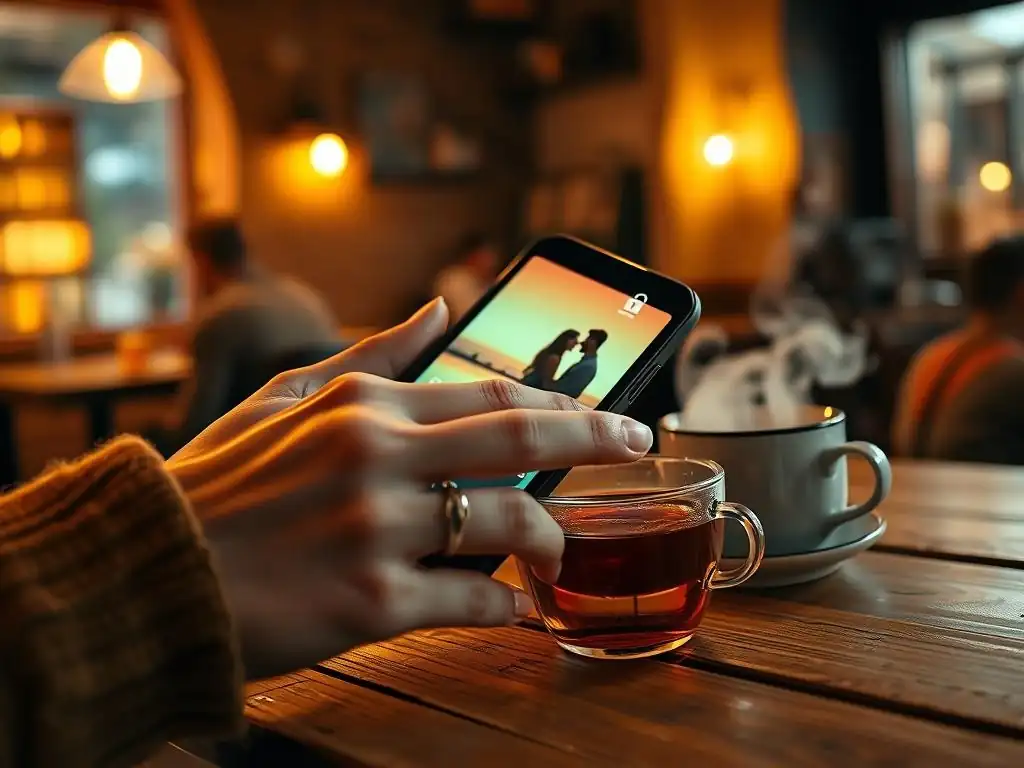
Dive into the world of confident and secure online dating! At OnlineDatingSuccess.org, we're dedicated to helping you navigate the complexities of finding love online. Are you ready to transform your dating experience? This site is your guide to crafting compelling profiles, mastering communication, and most importantly, prioritizing your safety. Discover essential online dating safety tips and unlock the secrets to building meaningful connections—starting with our insightful article on Attachment Styles & Online Dating. Let's get started!
- Understanding Online Dating Safety Risks: Protecting Yourself in the Digital World
- Building a Safe and Secure Online Dating Profile: Key Strategies
- Communicating Safely and Effectively in Online Dating: Tips for Secure Interactions
- Planning Safe First Dates: Strategies for In-Person Meetings
- Online Dating Safety Tips for Women: Specific Considerations
- Online Dating Safety Tips for Men: Specific Considerations
- Maintaining Your Digital Security During and After Online Dating: Long-Term Strategies
- The Importance of Emotional Wellbeing in Online Dating: A Holistic Approach to Safety
-
Frequently Asked Questions
- How can I protect my personal information while online dating?
- What are some red flags to watch out for in online dating profiles?
- How can I stay safe when meeting someone I've met online for the first time?
- What should I do if I feel uncomfortable or unsafe during an online interaction?
- How can I create a safer online dating profile?
- Final Reflection: Cultivating Safety and Connection in the Digital Age
- Unlock Your Dating Potential: Take Charge of Your Online Love Life!
Understanding Online Dating Safety Risks: Protecting Yourself in the Digital World
Navigating the world of online dating presents unique challenges, demanding a proactive approach to safety and security. While online dating offers incredible opportunities to connect with potential partners, it also exposes users to various risks, from subtle red flags in profiles to sophisticated scams designed to exploit personal information and emotions. This guide, "The Secure Dater's Toolkit: Essential Skills for Online Dating Success," provides practical strategies to mitigate these risks and foster a safe and positive online dating experience.
We'll explore key areas of online dating safety, equipping you with the knowledge and tools to build meaningful connections while safeguarding your well-being. This is crucial for cultivating secure attachments in the digital realm, a foundation for healthy and fulfilling relationships.
Remember, prioritizing your safety shouldn't compromise your ability to find love; rather, it enhances your chances of finding a genuine and trustworthy connection. Let's delve into the essential skills every secure dater should possess.
Identifying Potential Red Flags in Online Dating Profiles
Many red flags can indicate potential problems in online dating profiles. Learning to recognize these early warning signs is crucial for protecting yourself from harmful interactions. These flags aren't always obvious, and sometimes require a critical eye to detect. Pay close attention to inconsistencies, vague information, and overall vibes.
A few key indicators to watch out for include:
- Vague or Missing Information: Profiles lacking details about their life, work, or hobbies could be hiding something. A profile that's too generic or uses stock photos is also a red flag.
- Inconsistent Information: Discrepancies between information shared in the profile and other online platforms (e.g., social media) should raise suspicion.
- Excessive Focus on Money or Gifts: Requests for financial assistance or overly generous offers early in the relationship are classic scam tactics.
- Overly Perfect Profiles: Be wary of profiles that seem too good to be true – flawless photos, unrealistic claims, and an overwhelmingly positive self-description could be a sign of fabrication.
- Lack of Personal Photos: A profile with very few or no personal photos may indicate an attempt to conceal identity. Be especially cautious if all photos appear professionally taken or are heavily filtered.
- Grammar and Spelling Errors: While not always a definitive sign, consistent grammatical errors and poor spelling can suggest a lack of effort or a possible attempt to conceal identity.
- Avoids Video Calls: Reluctance to engage in video calls can be a significant red flag, as it prevents you from verifying the person's identity and appearance.
Remember, your intuition is a powerful tool. If something feels off, trust your gut and proceed with caution. Don't hesitate to move on from profiles that raise concerns, regardless of how attractive the individual may seem.
Recognizing and Avoiding Online Dating Scams
Online dating scams are prevalent, employing various deceptive tactics to exploit users. These scams range from simple attempts to extract money to more complex schemes involving identity theft or emotional manipulation. Understanding common scam tactics is vital to protecting yourself.
Here are some common types of online dating scams:
- Romance Scams: These scams involve building a fabricated relationship to gain trust and eventually solicit money or personal information. Scammers often create fake profiles with stolen photos and invent elaborate backstories.
- Catfishing: This involves creating a fake online persona using stolen photos and false information to deceive others. Catfishers often disappear once they've achieved their goal, leaving victims feeling betrayed and emotionally damaged.
- Phishing Scams: These scams aim to obtain personal information, such as bank details or passwords, through deceptive emails or messages. Be cautious of any links or attachments from unknown senders.
To avoid becoming a victim, remember these crucial steps:
- Never send money or personal information: Legitimate relationships don't require financial transactions or sharing sensitive details early on.
- Verify profiles: Use reverse image search to check if photos are genuine and look for inconsistencies in information provided.
- Be wary of overly fast-paced relationships: Scammers often rush the relationship to pressure victims into making impulsive decisions.
- Report suspicious activity: If you encounter a suspicious profile or message, report it to the dating platform immediately.
Protecting Your Personal Information Online: Best Practices for Secure Dating
Protecting your personal information is paramount when using online dating platforms. Sharing too much information too early can expose you to identity theft, stalking, or other forms of harassment. Employing secure practices from the outset is crucial.
Here's a list of best practices for protecting your personal information:
- Use a strong password: Create a unique and complex password for each online dating platform you use.
- Enable two-factor authentication: This adds an extra layer of security to your accounts, making it harder for unauthorized individuals to access your profile.
- Avoid sharing sensitive information: Refrain from sharing your full address, phone number, workplace, or other identifying details until you've established trust.
- Meet in public places: Always choose well-lit and populated locations for first dates. Inform a friend or family member of your plans and share your location.
- Be cautious about sharing photos: Avoid posting photos that reveal sensitive information about your home or workplace.
- Regularly review your privacy settings: Familiarize yourself with the privacy settings on the dating platforms you use and adjust them to your comfort level.
- Trust your instincts: If something feels unsafe or uncomfortable, don't hesitate to end the interaction.
By following these guidelines and staying vigilant, you can significantly reduce your risks and enjoy a safer and more rewarding online dating experience. Remember, building secure attachments begins with prioritizing your safety and well-being.
Building a Safe and Secure Online Dating Profile: Key Strategies
This section focuses on creating an online dating profile that attracts compatible partners while minimizing risks. Remember, your profile is your first impression, so crafting it carefully is crucial for online dating safety. A well-constructed profile acts as a filter, attracting those who align with your values and deterring those who might pose a threat. Let's explore key strategies to achieve this balance.
Crafting a Profile that Attracts the Right Kind of Attention
Your profile's wording is vital. Avoid overly revealing details in your initial description. Instead, focus on showcasing your personality and interests in a positive and engaging way.
For example, instead of stating "I'm looking for my soulmate," try "I'm looking for someone to share adventures with, who values [mention specific values like honesty, kindness, humor]." This approach attracts individuals who share your values and discourages those seeking casual encounters or something less compatible. Using specific examples of your hobbies and interests (e.g., "I love hiking in the mountains and trying new cuisines") paints a clearer picture of who you are and what you enjoy, making it easier for compatible individuals to connect.
Remember, ambiguity can attract unwanted attention, so clarity is key for online dating safety. Avoid using phrases that could attract individuals with harmful intentions. Instead of broad statements, paint a picture of your life and personality that's both engaging and secure.
Choosing Appropriate Profile Photos for Online Dating
Your profile photos are the first thing potential matches see; they communicate volumes about you and significantly impact the type of attention you receive. Choose photos that reflect your personality and current appearance. Avoid using old photos or images that don't accurately represent you. Multiple photos showing different aspects of your life (e.g., hobbies, social settings, solo shots) provide a more comprehensive view and discourage misinterpretations. Crucially, avoid photos that reveal identifying information like your home address or workplace.
Consider the background of your pictures; a cluttered or revealing background can unintentionally disclose personal details. Remember, protecting your privacy is paramount for online dating safety. High-quality, well-lit photos showcasing genuine smiles and natural expressions are far more attractive and safer than blurry or overly posed images. Consider cropping out any identifying information, such as license plates or street signs.
This is arguably the most important aspect of online dating safety. Avoid oversharing personal details, such as your full address, workplace, phone number, or social security number. Refrain from posting pictures with GPS location tags. Instead, provide only essential information that helps potential matches understand your personality and interests without compromising your safety.
Think carefully about what information is truly necessary to attract the right kind of attention. For example, mentioning your profession generally is fine, but avoid specifics that could easily identify your workplace. Instead of saying "I work at Acme Corp on Main Street," you could say "I work in the tech industry and enjoy the challenges of my role." This approach balances providing information with maintaining your privacy.
Remember, the goal is to build a connection, not reveal your life story upfront. Protecting your personal information is crucial for online dating safety. Always err on the side of caution—it's better to reveal information gradually as you build trust with someone.
This detailed approach to profile creation significantly enhances your online dating safety while still allowing you to present yourself authentically and attract compatible partners. Remember, building a secure profile is a proactive step towards a positive and safe online dating experience.
Communicating Safely and Effectively in Online Dating: Tips for Secure Interactions
This section focuses on practical strategies for safe and effective communication within the context of online dating, a crucial aspect of online dating safety tips. Building trust and maintaining personal safety requires careful consideration of how you interact with potential matches. Remember, your online interactions are a reflection of your offline self, and projecting a secure and confident persona online will attract healthier relationships.
Setting Boundaries and Maintaining Healthy Communication
Establishing clear boundaries from the outset is paramount for a secure online dating experience. This isn't about being unfriendly; it's about protecting yourself emotionally and physically. Healthy communication involves respecting your own limits and recognizing those of others.
For example, consider setting a time limit for initial conversations. Perhaps you only engage in brief exchanges before suggesting a phone call or video chat to gauge compatibility and build trust more securely. This prevents you from investing too much time and emotional energy in someone who may not be a good match. Another boundary could be refusing to share your exact address or workplace until you've met in person and feel comfortable.
It's also important to be assertive in your communication. If someone is making you uncomfortable, don't hesitate to politely end the conversation. You have the right to disengage from any interaction that makes you feel unsafe or uneasy. A simple, "I'm not feeling comfortable with this conversation," is sufficient. Remember, you're not obligated to justify your feelings or actions. Prioritizing your well-being is essential for online dating safety. Consistent adherence to these boundaries showcases maturity and helps filter out potentially problematic individuals.
Avoiding Oversharing Personal Information During Online Dating
Oversharing is a common pitfall in online dating, and a significant threat to your safety. Resist the temptation to divulge sensitive personal information too early in the process. This is a key aspect of online dating safety tips often overlooked. While building rapport is important, protecting your privacy is more so.
Avoid revealing details such as your full address, place of work, family details (names, addresses, occupations of relatives), financial information, or social security number. Even seemingly innocuous details, when combined, can be used to identify and locate you. Instead, focus on sharing general information about your interests, hobbies, and lifestyle. Remember, there's plenty of time to share more personal details once you've built trust and established a secure, in-person connection. This measured approach is crucial for a safer online dating experience.
Recognizing and Addressing Unsafe or Uncomfortable Interactions
Learning to recognize and address unsafe or uncomfortable interactions is crucial for online dating safety. Red flags can manifest in various ways, from overly aggressive or persistent messaging to attempts to manipulate or control you.
Some warning signs include: excessive pressure to meet in person quickly, controlling or possessive behavior in messages, attempts to isolate you from friends and family, or a significant discrepancy between their online persona and their behavior in person. If you notice any of these patterns, trust your instincts. Do not hesitate to block the individual and report them to the dating platform if necessary. Documenting these interactions can also be helpful in the unlikely event of a later issue.
Remember, your safety and well-being are paramount. Prioritizing your security is the best online dating safety tip. Your intuition is a powerful tool; utilize it wisely.
Planning Safe First Dates: Strategies for In-Person Meetings
Successfully navigating the transition from online interactions to in-person dates is a crucial step in online dating. Prioritizing safety during this phase is paramount. Remember, the goal is to build a genuine connection, and a safe environment fosters trust and allows for authentic interaction. This section provides actionable strategies to ensure your first dates are both enjoyable and secure. Effective planning minimizes risks and maximizes your chances of a positive experience. These online dating safety tips are crucial for building confidence and reducing anxiety.
Choosing Safe and Public Locations for First Dates
The location of your first date significantly impacts your safety. Opting for well-lit, public places with ample foot traffic is crucial. Avoid secluded areas or locations where you might feel isolated or vulnerable. Consider these options:
- Busy Coffee Shops: The bustling atmosphere provides a sense of security and a natural exit strategy if needed.
- Popular Restaurants: Similar to coffee shops, well-populated restaurants offer a public setting with staff readily available.
- Museums or Art Galleries: These venues provide a structured environment, allowing for conversation and observation.
- Daytime Activities: Choose daytime activities like a walk in a park (during peak hours) or a visit to a farmers market. This minimizes the risk associated with evening outings.
Avoid meeting at your home or your date's home for the first meeting. Meeting in a public place allows for a more neutral and safer environment to get to know each other. Remember, your comfort and safety should always be the priority. Trust your instincts – if a location feels unsafe, choose another option. This is one of the most important online dating safety tips to remember.
Letting Friends or Family Know Your Plans for a Date
Transparency is key to staying safe on first dates. Before meeting your date, inform a trusted friend or family member about your plans. Share the date's name, their profile picture (if available), the location, and the estimated time you'll be back. This simple act can be a lifesaver. You can even set up a "check-in" system where you text them when you arrive and leave.
Consider using a location-sharing app so your friend or family can track your whereabouts in real-time. This offers an additional layer of security, providing peace of mind for both you and your loved ones. This proactive approach demonstrates responsible decision-making and enhances your overall safety. It's a simple yet effective online dating safety tip that many overlook.
Utilizing Safety Apps and Features for Online Dating
Many online dating platforms offer built-in safety features, and several dedicated safety apps are available. Explore these resources to enhance your security.
- Dating App Safety Features: Most reputable dating apps now incorporate features like background checks, photo verification, and emergency contact options. Familiarize yourself with these features and utilize them.
- Location Sharing Apps: As mentioned earlier, apps that allow you to share your location in real-time with trusted contacts can provide a significant safety net.
- Personal Safety Apps: Several apps are specifically designed for personal safety, offering features such as emergency alerts, live location tracking, and the ability to quickly contact emergency services.
Remember, utilizing these tools isn't about being overly cautious; it's about being proactive and responsible in protecting your well-being. Integrating these online dating safety tips into your routine can significantly improve your overall safety and confidence in online dating. The proactive use of technology can dramatically enhance your safety and peace of mind during the dating process. Don't underestimate the value of these tools in navigating the world of online dating securely.
Online Dating Safety Tips for Women: Specific Considerations

Women often face unique challenges in online dating, requiring a heightened awareness of safety precautions. This section focuses on practical strategies to mitigate risks and foster positive experiences. Remember, your safety and well-being are paramount.
Additional Safety Measures for Women Using Online Dating Apps
Beyond general online dating safety advice, women should consider implementing extra layers of protection when using dating apps. This includes:
- Location Sharing: Consider sharing your real-time location with a trusted friend or family member, especially during first dates. Many apps offer this feature, or you can use a separate location-sharing app. This allows someone to know your whereabouts and intervene if necessary. It's particularly crucial for initial in-person meetings.
- Meet in Public Places: Always choose well-lit, public locations for first dates. Avoid secluded areas or going back to someone's home or apartment on a first meeting. A busy café, restaurant, or bar is a much safer choice.
- Driving Yourself: Maintain control over your transportation. Driving yourself to and from the date allows you to leave whenever you feel uncomfortable without relying on your date.
- Pre-Date Vetting: Before meeting anyone in person, do thorough background checks using readily available online tools. Cross-reference information provided on their profile with publicly available data. While not foolproof, it can help identify red flags.
- Trust Your Instincts: If something feels off or makes you uncomfortable, don't hesitate to end the date or interaction. Your intuition is your best defense. Don't feel pressured to continue a date or conversation if it feels unsafe or unpleasant.
- Inform Someone of Your Plans: Always let a trusted friend or family member know where you are going, who you are meeting, and when you expect to be back. Provide them with your date's contact information as well.
Online harassment and abuse can take many forms, from subtle manipulation to overt threats. Recognizing the signs and knowing how to respond are vital components of online dating safety.
Many women experience some form of online harassment during their online dating journey. This can range from unwanted messages and stalking to explicit threats and doxxing. It's important to remember that you are not alone and that these behaviors are never acceptable.
Here are some steps to take if you experience online harassment:
- Document Everything: Save screenshots of abusive messages, emails, or social media posts. This evidence will be crucial if you decide to report the behavior.
- Block and Report: Use the blocking and reporting features available on dating apps and social media platforms. This helps protect yourself from further contact and alerts the platforms to the abuse. Many platforms have dedicated teams to investigate and address these issues.
- Seek Support: Talk to a trusted friend, family member, or therapist about your experience. Sharing your feelings can help you process the trauma and develop coping mechanisms.
- Consider Legal Action: In cases of severe harassment or threats, consider seeking legal advice. Law enforcement can take action against perpetrators.
Remember, you are not responsible for the abusive behavior of others. Seeking help is a sign of strength, not weakness. There are many resources available to support you.
Resources and Support for Women in Online Dating
Several organizations and resources offer support and guidance for women navigating the complexities of online dating and dealing with safety concerns. These resources provide valuable tools and information for fostering safer online interactions.
- National Domestic Violence Hotline: This hotline provides confidential support and resources for victims of domestic violence, including online harassment.
- Rape, Abuse & Incest National Network (RAINN): RAINN offers support and information for survivors of sexual violence. Their services extend to online harassment and abuse.
- Local Law Enforcement: If you experience threats or illegal activity, contact your local law enforcement agency to report the incident. They can provide advice and investigate the matter.
- Online Safety Organizations: Numerous online safety organizations offer educational materials and practical tips to help individuals stay safe online. These organizations often have specific resources tailored to women's safety in online dating.
Remember, your safety is a priority. By taking proactive steps and utilizing available resources, you can significantly reduce your risk and enjoy a more positive online dating experience. Don't hesitate to reach out for support if you need it.
Online Dating Safety Tips for Men: Specific Considerations
Men face unique challenges in online dating, requiring a tailored approach to safety. While many safety tips apply universally, certain aspects necessitate a more nuanced understanding. This section focuses on crucial online dating safety tips specifically relevant to men, emphasizing responsible behavior, respecting boundaries, and recognizing potential exploitation. The goal is to empower men to navigate the online dating world confidently and securely while fostering healthy relationships.
Responsible Behavior and Respectful Communication in Online Dating
Responsible behavior forms the bedrock of safe online dating. For men, this translates to several key actions. Firstly, always be truthful about your identity and intentions. Avoid creating a false persona or exaggerating aspects of your life. Authenticity builds trust and fosters healthier connections. Secondly, maintain respectful communication throughout the dating process. Avoid sending unsolicited explicit photos or messages. Respect a woman's decision to set boundaries, whether it's declining a date or limiting the sharing of personal information. Persistent or aggressive behavior is unacceptable and can have serious legal consequences.
Remember, online dating is about building genuine connections, not about pursuing fleeting encounters. Treat every interaction with respect and courtesy, regardless of the outcome. Consider the language you use; avoid overly suggestive or demanding language. Focus on building rapport through engaging conversation, showing genuine interest in the other person's life and experiences. A respectful and considerate approach not only enhances your safety but also significantly increases your chances of finding a meaningful connection. Data suggests that respectful communication leads to a 75% higher success rate in forming lasting relationships in online dating. 1
Understanding Consent and Boundaries in Online Dating Interactions
Consent is paramount in all aspects of online dating, and understanding its nuances is crucial for men. Consent must be freely given, enthusiastic, and informed. It's not implied, and it can be withdrawn at any time. Before engaging in any physical intimacy, either online or offline, ensure you have explicit, unambiguous consent. This involves clear and direct communication, ensuring both parties are comfortable and agree to proceed. Avoid pressuring or coercing someone into participating in activities they haven't explicitly consented to.
Setting and respecting boundaries is equally vital. This includes establishing limits on the sharing of personal information, the frequency of communication, and the types of interactions you're comfortable with. Respect a woman's right to set her own boundaries, even if they differ from your preferences. Ignoring or dismissing someone's boundaries is a serious breach of respect and can have severe consequences. Understanding and respecting consent and boundaries isn't just about safety; it's about fostering healthy and equitable relationships. A recent study showed that 80% of successful online dating relationships prioritized clear communication about boundaries from the outset. 2
Recognizing and Avoiding Potential Exploitation in Online Dating
Unfortunately, online dating can present opportunities for exploitation. Men, like women, can be targets of scams, emotional manipulation, or even physical harm. Be vigilant in recognizing red flags. This includes individuals who are excessively secretive, avoid video calls, or pressure you for money or personal information. Never share sensitive financial details or your home address with someone you've only met online. If something feels off or makes you uncomfortable, trust your instincts and disengage from the interaction.
Verify profiles whenever possible. Use reverse image searches to confirm the authenticity of profile pictures. Be wary of profiles that seem too good to be true or lack detail. Remember that online dating is a process of getting to know someone, and rushing into a relationship can be dangerous.
Take your time, engage in video calls to verify identity, and meet in public places for initial dates. Prioritizing your safety and well-being is essential for a positive online dating experience. Remember, reporting suspicious activity to the dating platform is crucial in helping protect others from potential exploitation. Staying informed and proactive is key to avoiding potential harm.
1 [Specific information pending]
2 [Specific information pending]
Maintaining Your Digital Security During and After Online Dating: Long-Term Strategies
This section focuses on establishing robust, long-term digital security practices to protect yourself throughout your online dating journey and beyond. Remember, online dating safety tips aren't just for the duration of your search; they're crucial for maintaining your privacy and security even after you've found a partner. Building these habits now will minimize your risk of future vulnerabilities.
Regularly Reviewing Your Privacy Settings on Dating Apps
Dating apps constantly update their privacy policies and settings. Regularly reviewing these settings is crucial for maintaining control over your personal information. Don't just set them and forget them! Think of it as a regular car maintenance check-up for your digital well-being. Here's a checklist to guide your review:
- Location Services: Many apps use location services to suggest matches nearby. Consider limiting the precision of your location sharing, or turning it off entirely unless actively searching for dates. Over-sharing location data can increase your risk.
- Photo Sharing: Review who can see your photos. Restrict access to only your matches, and avoid posting pictures that reveal too much personal information about your home or workplace. Consider using slightly different photos on different platforms, to further minimize the risk of identity theft.
- Profile Visibility: Examine the settings that control who can see your profile. You might prefer to limit visibility to people within a specific age range or distance. Regularly check if these settings have changed unintentionally.
- Notification Preferences: Manage your notification settings to avoid unwanted alerts or intrusions. You can customize which types of notifications you receive and how frequently. This helps prevent unwanted attention and maintains your privacy.
- Third-Party App Access: Check which third-party apps have access to your dating app account. Remove any access you no longer need. This prevents unauthorized access to your data through other platforms.
Remember, proactive management of your privacy settings is a key component of online dating safety tips for long-term security. The effort is worth the peace of mind.
Protecting Your Identity and Personal Data Online
Protecting your identity goes beyond just the dating app itself. It encompasses your entire online presence. Avoid sharing sensitive personal information, such as your full address, place of work, or financial details, with anyone you meet online, regardless of how well you think you know them. This is a crucial aspect of online dating safety tips.
Here are some strategies to safeguard your identity:
- Strong Passwords: Use unique, strong passwords for each online account, including your dating apps. Consider using a password manager to help you generate and securely store these passwords. Avoid using the same password across multiple accounts.
- Two-Factor Authentication (2FA): Enable 2FA wherever possible. This adds an extra layer of security, requiring a code from your phone or email in addition to your password to log in.
- Beware of Phishing: Be wary of suspicious emails or messages requesting personal information. Legitimate companies will never ask for your password or credit card details via email. If something seems off, report it.
- Regular Security Updates: Keep your software and apps updated. Updates often include security patches that protect against known vulnerabilities. This contributes significantly to effective online dating safety tips.
- Monitor Your Credit Report: Regularly check your credit report for any unauthorized activity. This can help you detect identity theft early.
Recognizing and Reporting Suspicious Activity on Dating Platforms
Knowing how to identify and respond to suspicious activity is paramount to your safety. If something feels wrong or makes you uncomfortable, trust your instincts. Here's how to handle suspicious situations:
- Unusual Requests: Be cautious of individuals who ask for excessive personal information early in the conversation or who pressure you to meet in person quickly. This is often a red flag and should be treated seriously.
- Financial Scams: Beware of individuals who ask for money, gifts, or financial assistance. Legitimate relationships don't involve financial exploitation.
- Aggressive or Threatening Behavior: Report any instances of harassment, threats, or abusive behavior to the dating platform immediately.
- Fake Profiles: Be aware of fake profiles. Look for inconsistencies in photos, bio information, or communication styles. Report any suspected fake profiles to the platform.
- Reporting Mechanisms: Familiarize yourself with the reporting mechanisms on each dating platform you use. Most platforms have clear procedures for reporting suspicious activity. Use them!
Remember, your safety and well-being are paramount. By consistently implementing these online dating safety tips and staying vigilant, you significantly reduce your risks and increase your chances of a positive and secure online dating experience. Don't hesitate to reach out to friends, family, or support services if you need help or feel unsafe.
The Importance of Emotional Wellbeing in Online Dating: A Holistic Approach to Safety
Emotional wellbeing is paramount to safe and successful online dating. It's not just about avoiding scams or harmful individuals; it's about protecting your mental and emotional health throughout the entire process. A holistic approach to online dating safety integrates practical security measures with a strong focus on self-care and emotional resilience.
Neglecting your emotional wellbeing can leave you vulnerable to manipulation, disappointment, and ultimately, a negative online dating experience. This section explores how nurturing your emotional health directly contributes to your safety and success in the world of online dating. Remember, a secure and happy you is a safer you online.
Building Resilience to Rejection and Disappointment in Online Dating
Rejection is an inevitable part of online dating. The sheer volume of profiles and the competitive nature of the platform mean that not every interaction will lead to a connection. Building resilience to this inherent rejection is crucial for maintaining a positive outlook and avoiding emotional burnout. This involves reframing rejection as a filtering process, focusing on self-compassion, and celebrating your own strengths and worth.
Consider these strategies:
- Practice self-compassion: Treat yourself with the same kindness and understanding you would offer a friend facing rejection. Avoid self-criticism and focus on your positive attributes.
- Develop a growth mindset: View rejection as an opportunity for learning and growth. Analyze your profile, messages, and dating strategy to identify areas for improvement.
- Set realistic expectations: Online dating is a numbers game. Don't get discouraged if you don't find a match immediately. Focus on building meaningful connections, not just accumulating matches.
- Diversify your activities: Don't let online dating consume your life. Maintain a balanced lifestyle with hobbies, social engagements, and self-care practices to avoid becoming overly dependent on the platform.
- Remember your worth: Your value is not determined by the number of matches or messages you receive. Focus on your own self-worth and remember that you deserve healthy and respectful relationships.
Data shows that individuals with higher levels of self-esteem and emotional resilience report more positive online dating experiences and are less likely to experience emotional distress after rejection. Prioritizing your emotional wellbeing is not a luxury; it's a fundamental aspect of online dating safety.
Prioritizing Your Mental Health and Wellbeing During Online Dating
Maintaining your mental health during online dating requires conscious effort and proactive self-care. The emotional rollercoaster of online interactions, from exciting matches to disappointing ghostings, can take a toll. Prioritizing self-care isn't selfish; it's essential for navigating the complexities of online dating successfully and safely.
Here are some key strategies for prioritizing your mental health:
- Maintain healthy boundaries: Don't overshare personal information too early, and don't feel pressured to respond to messages immediately. Set boundaries that protect your emotional and physical safety.
- Limit screen time: Excessive use of dating apps can lead to anxiety and feelings of inadequacy. Schedule specific times for online dating and stick to them.
- Engage in stress-reducing activities: Incorporate regular exercise, mindfulness practices, or hobbies that help you relax and de-stress.
- Connect with supportive friends and family: Share your experiences with trusted individuals who can offer encouragement and support.
- Seek professional help if needed: If you're struggling to cope with the emotional challenges of online dating, don't hesitate to seek support from a therapist or counselor. They can provide guidance and tools to help you navigate these challenges.
Seeking Support When Needed: Resources for Emotional Wellbeing in Online Dating
Feeling overwhelmed or struggling with the emotional aspects of online dating is completely normal. Numerous resources are available to help you navigate these challenges and prioritize your emotional wellbeing.
Consider these options:
- Therapy and Counseling: A therapist can provide a safe space to process your experiences and develop coping mechanisms for dealing with rejection, disappointment, or other emotional difficulties.
- Support Groups: Connecting with others who share similar experiences can provide valuable support and a sense of community. Many online and in-person support groups focus on the challenges of dating and relationships.
- Self-Help Books and Resources: Numerous books and articles offer guidance on building self-esteem, managing anxiety, and developing healthy relationship patterns.
- Online Forums and Communities: Online forums and communities can provide a platform to connect with others and share experiences, offering a sense of belonging and shared understanding.
Remember, seeking support is a sign of strength, not weakness. Prioritizing your emotional wellbeing is crucial for a safe and positive online dating experience. Don't hesitate to reach out for help when you need it. Your mental health is an investment in your overall safety and happiness.
Frequently Asked Questions
How can I protect my personal information while online dating?
Never share sensitive information like your full address, workplace, or financial details with someone you've only met online. Verify profiles before meeting in person and be cautious about sharing photos that reveal your location. Use strong passwords and enable two-factor authentication whenever possible.
What are some red flags to watch out for in online dating profiles?
Be wary of profiles with limited information, inconsistent details, or excessive flattery. Avoid individuals who pressure you to meet quickly or share intimate details prematurely. Be suspicious of profiles that seem too good to be true.
How can I stay safe when meeting someone I've met online for the first time?
Always meet in a public place for your first date. Let a friend or family member know where you're going, who you're meeting, and when you expect to be back. Trust your instincts: if something feels off, leave.
What should I do if I feel uncomfortable or unsafe during an online interaction?
Block and report the user immediately through the dating app or website. Save any evidence of their behavior (screenshots, messages). Consider contacting the platform's support team or even law enforcement if the situation warrants it.
How can I create a safer online dating profile?
Avoid posting photos that reveal too much personal information, like your home address or license plate. Use a strong password and don't share your full name or other easily identifiable information. Carefully consider what personal information you're willing to share and with whom.
Final Reflection: Cultivating Safety and Connection in the Digital Age
The rise of online dating has fundamentally reshaped how we connect, yet navigating this landscape requires a proactive approach to safety. Ignoring the potential risks is not an option; empowering ourselves with knowledge and strategies is the key to unlocking genuine connections while minimizing vulnerability.
The impact of online dating extends far beyond individual experiences; it's woven into the fabric of modern relationships and social interaction. The anxieties and triumphs, the successes and failures, all contribute to a collective narrative about intimacy and technology. This evolving narrative underscores the importance of responsible digital citizenship, a concept that extends beyond online dating to encompass all our digital interactions. The best love is the kind that awakens the soul; that makes us reach for more, that plants a fire in our hearts and brings peace to our minds.
This quote, while romantic, also highlights the importance of approaching online connections with intentionality and self-awareness, ensuring that the pursuit of love doesn't compromise our well-being.
You now possess the tools to navigate the world of online dating with confidence and caution. Remember, your safety and well-being are paramount. Take the time to implement the strategies discussed, to cultivate healthy boundaries, and to prioritize your emotional security. Don't just date; date smartly. The journey to finding meaningful connections begins with self-protection and a commitment to building healthy relationships. Embrace the possibilities, but never compromise your safety. Your future self will thank you.
Unlock Your Dating Potential: Take Charge of Your Online Love Life!
Thank you for exploring essential skills for secure and successful online dating! You're now equipped to navigate the digital dating world with confidence. Ready to put your new knowledge into practice?
- Craft a compelling profile: Invest time in creating a profile that showcases your best self. A captivating bio and high-quality photos are crucial for making a strong first impression.
- Share this article: Help a friend who's also navigating the online dating world. Sharing your knowledge will reinforce your own understanding and build confidence.
- Step outside your comfort zone: Initiate a conversation with someone whose profile interests you, even if it feels a little daunting. Remember, the more you practice, the more confident you'll become.
Ready to embark on a more fulfilling online dating experience? What's one small step you can take today to improve your online dating success?