
From Anxious to Awesome: Online Dating Tips for Anxious Attachment


Dive into the world of confident online dating! Are you letting online dating anxiety hold you back from finding meaningful connections? At OnlineDatingSuccess.org, we understand the challenges. Discover practical strategies and expert advice to transform your dating experience, from crafting a captivating profile to navigating conversations with ease and building healthy relationships. Learn how to conquer your anxieties and unlock your dating potential—read on to discover our Online dating anxiety tips and start your journey to awesome!
- Understanding Anxious Attachment in Online Dating
- Practical Strategies for Managing Online Dating Anxiety
- Optimizing Your Online Dating Profile to Reduce Anxiety
- Healthy Communication Strategies for Anxious Daters
- Navigating First Dates and Beyond with Anxious Attachment
- Long-Term Relationship Building with Anxious Attachment
- Resources and Support for Anxious Daters
-
Frequently Asked Questions
- How can I overcome anxiety about creating my online dating profile?
- What if I get negative feedback or rejection on my online dating profile?
- I'm anxious about messaging potential matches. What are some tips for initiating conversations?
- How can I manage anxiety during online dating interactions?
- What should I do if I feel unsafe during an online dating interaction?
- Final Reflection: Embracing Vulnerability, Finding Connection
- Unleash Your Dating Confidence: Take the Next Step!
Understanding Anxious Attachment in Online Dating
Navigating the world of online dating can be challenging for anyone, but individuals with anxious attachment styles often face unique hurdles. This article provides practical, empathetic advice and actionable strategies to help you manage anxiety and build confidence in your online dating journey. We'll explore how anxious attachment manifests in online dating, identify common triggers and negative thought patterns, and offer techniques to foster healthier interactions and ultimately, find fulfilling connections.
Understanding your attachment style is the first step towards transforming your online dating experience from one filled with anxiety to one brimming with exciting possibilities. This guide focuses specifically on providing online dating anxiety tips tailored to those with anxious attachment, empowering you to take control of your dating life and build healthier relationships.
Recognizing Your Anxious Attachment Triggers in the Online Dating World
For those with anxious attachment, online dating presents a unique landscape of potential triggers. The inherent uncertainty of the process—the waiting, the unanswered messages, the fear of rejection—can amplify pre-existing anxieties. Common triggers might include:
- Lack of immediate response: A delayed reply to a message can be interpreted as disinterest or rejection, leading to increased anxiety and overthinking.
- Inconsistent communication: Erratic messaging patterns can fuel insecurity and a fear of abandonment.
- Profile ambiguity: Vague or incomplete profiles can trigger anxieties about the other person's intentions and commitment.
- Comparison with others: Scrolling through countless profiles can lead to feelings of inadequacy and self-doubt, intensifying anxiety.
- Fear of rejection: The very nature of online dating, involving multiple potential rejections, can be particularly daunting for those with anxious attachment.
These triggers often lead to specific behaviors, such as constantly checking dating apps, sending multiple messages without receiving a reply, or overanalyzing every interaction. Recognizing these patterns is crucial to managing them effectively. Remember, it's okay to feel anxious; the key is to learn healthy coping mechanisms to navigate these feelings constructively. Understanding your personal triggers is the first step towards mitigating their impact.
Identifying Negative Thought Patterns and Self-Sabotaging Behaviors
Anxious attachment often manifests in negative thought patterns and self-sabotaging behaviors within the context of online dating. These patterns can significantly hinder the process of building meaningful connections. For example:
- Catastrophizing: Assuming the worst-case scenario (e.g., "They haven't responded, they must hate me").
- Mind reading: Assuming you know what the other person is thinking (e.g., "They're probably talking to someone else").
- Filtering: Focusing solely on negative aspects of interactions while ignoring positive ones.
- All-or-nothing thinking: Viewing situations in extreme terms (e.g., "If they don't like me, I'm a failure").
- Overthinking: Constantly analyzing past interactions and searching for hidden meanings.
These negative thought patterns often lead to self-sabotaging behaviors, such as:
- Excessive reassurance seeking: Constantly asking for validation and reassurance from potential partners.
- Pulling away: Suddenly withdrawing from a connection due to fear of intimacy.
- Over-sharing: Disclosing too much personal information too early in the interaction.
- Being overly available: Responding immediately to every message, potentially appearing clingy.
By identifying these patterns, you can begin to challenge and reframe them. Cognitive Behavioral Therapy (CBT) techniques can be particularly helpful in addressing these negative thought patterns and developing healthier coping mechanisms.
The Impact of Anxious Attachment on Online Dating Interactions
Anxious attachment can significantly influence how you interact with potential partners online. This can manifest in several ways:
- Difficulty setting boundaries: A fear of rejection might lead to compromising your own needs and boundaries.
- Communication challenges: Anxiety can affect your ability to communicate clearly and authentically. You might come across as overly needy or clingy.
- Relationship dissatisfaction: The constant anxiety and fear can lead to dissatisfaction, even if the relationship is progressing well.
- Increased vulnerability to manipulation: Anxious attachment can make you more susceptible to manipulation from others.
- Difficulty moving on: The fear of being alone can make it hard to move on from unsuccessful interactions.
It is vital to recognize these potential impacts and proactively develop strategies to mitigate them. Learning to communicate your needs effectively, setting healthy boundaries, and practicing self-compassion are crucial steps towards fostering healthier and more fulfilling online dating experiences. Remember, seeking professional support from a therapist specializing in attachment styles can provide invaluable guidance and support throughout this process.
Practical Strategies for Managing Online Dating Anxiety
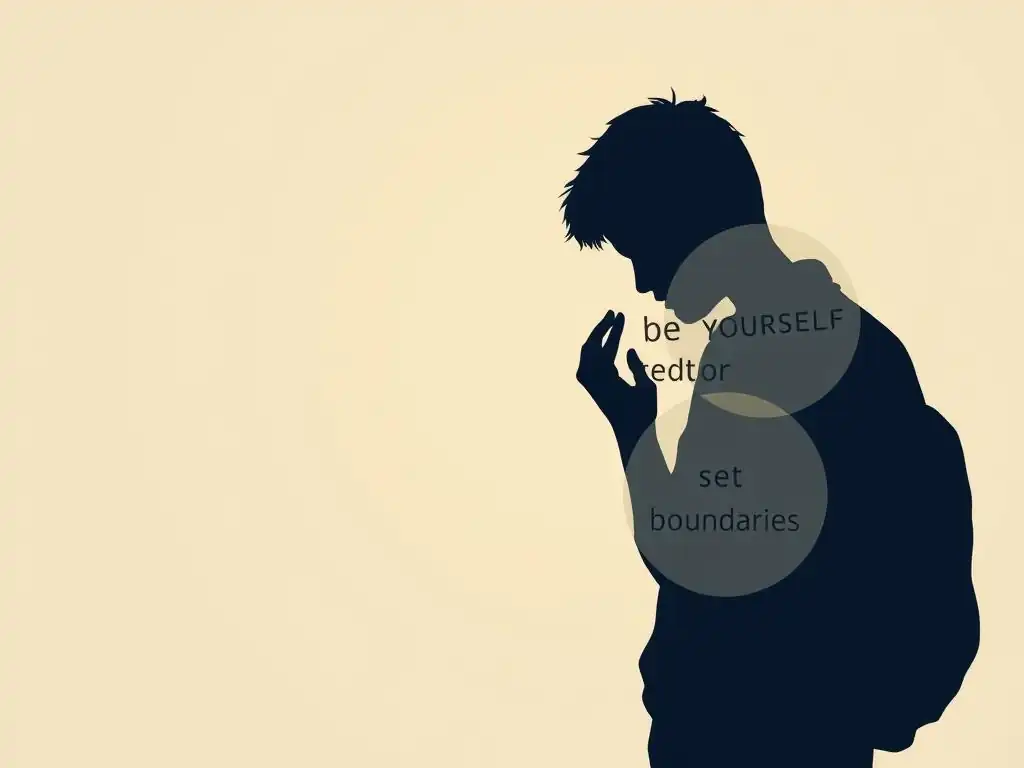
This section offers concrete, actionable strategies to help you navigate the challenges of online dating with anxious attachment. Remember, progress takes time and self-compassion is key. These tips are designed to empower you to take control of your anxiety and build healthier dating habits. We'll explore techniques to manage expectations, cultivate self-worth, and build a supportive network.
Setting Realistic Expectations and Avoiding Idealization
Online dating profiles often present idealized versions of individuals. It's easy to fall into the trap of comparing yourself to others and focusing on perceived imperfections. This fuels anxiety and can lead to disappointment. To combat this:
- Focus on Compatibility, Not Perfection: Instead of searching for the "perfect" partner, concentrate on finding someone compatible with your values, interests, and life goals. Perfection is an illusion; compatibility is achievable. Remember, a successful relationship is built on shared values and mutual respect, not unattainable ideals.
- Challenge Negative Thoughts: When you catch yourself idealizing someone or comparing yourself unfavorably, actively challenge those thoughts. Ask yourself: "Is this thought realistic? What evidence supports it? What's a more balanced perspective?" Keeping a journal to track these thoughts and your responses can be incredibly helpful.
- Avoid "Scrolling Sickness": Limit your time spent browsing profiles. Excessive scrolling can lead to feelings of inadequacy and increase anxiety. Set a timer and stick to it. Prioritize quality over quantity. Focus on engaging meaningfully with a smaller number of profiles rather than superficially reviewing many.
- Understand the "Highlight Reel" Effect: Remember that online dating profiles are curated presentations—they showcase the best aspects of a person's life. It's crucial to remember that everyone has flaws and imperfections. Avoid placing undue pressure on yourself or others to meet unrealistic standards.
Building Self-Compassion and Self-Esteem Before Entering the Online Dating Scene
Before even creating your profile, invest time in bolstering your self-esteem and practicing self-compassion. Your self-worth shouldn't depend on external validation from potential partners.
- Identify and Challenge Negative Self-Talk: Pay attention to your inner critic. Are you constantly putting yourself down? Challenge these negative thoughts with positive affirmations and realistic self-assessments. Replace "I'm not good enough" with "I'm worthy of love and connection."
- Practice Self-Care: Engage in activities that nourish your mind, body, and soul. This could include exercise, meditation, spending time in nature, pursuing hobbies, or connecting with supportive friends and family. Self-care isn't selfish; it's essential for building resilience and managing anxiety.
- Focus on Your Strengths: Make a list of your positive qualities, accomplishments, and things you're proud of. Refer to this list regularly to remind yourself of your worth. Remember your inherent value—it's not contingent on finding a romantic partner.
- Seek Professional Support: If you're struggling with low self-esteem or significant anxiety, consider seeking professional help from a therapist or counselor. They can provide personalized strategies and support to help you build confidence and manage your emotions. This proactive step can significantly improve your online dating experience.
Creating a Supportive Environment and Seeking External Support
Having a strong support system is crucial for navigating the challenges of online dating, particularly with anxious attachment.
- Confide in Trusted Friends or Family: Share your experiences and anxieties with people you trust. Their understanding and support can provide valuable perspective and encouragement. Talking about your feelings can significantly reduce stress and help you process your emotions.
- Join a Support Group: Connecting with others who share similar experiences can be incredibly helpful. Support groups offer a safe space to share your struggles, learn coping mechanisms, and build a sense of community.
- Consider Therapy: A therapist can provide guidance, coping strategies, and a safe space to process your emotions related to online dating and anxious attachment. Therapy is a proactive and effective way to address underlying anxiety and build healthier relationship patterns.
- Practice Mindfulness and Grounding Techniques: When anxiety strikes, utilize mindfulness techniques like deep breathing or grounding exercises to center yourself. These techniques can help you manage overwhelming feelings and stay present in the moment. This can be especially helpful during stressful interactions or when dealing with rejection. 🧘♀️
Remember, online dating is a journey, not a race. Be patient with yourself, celebrate your progress, and don't hesitate to seek support when needed. By implementing these strategies, you can transform your online dating experience from anxious to awesome.
Optimizing Your Online Dating Profile to Reduce Anxiety
Online dating anxiety is incredibly common, often stemming from fears of rejection or vulnerability. However, by strategically crafting your profile, you can significantly reduce these anxieties and increase your chances of finding a compatible partner. This section focuses on practical steps to transform your profile from a source of stress into a confident representation of yourself. Remember, your profile is your first impression – make it count!
Crafting an Authentic and Engaging Profile that Attracts the Right People
Authenticity is key to reducing online dating anxiety. When you present a genuine version of yourself, you attract people who appreciate you for who you are, minimizing the fear of being discovered as "fake" later on. Start by identifying your core values and interests. What truly makes you you? This self-awareness will guide your profile creation.
Instead of listing generic interests like "movies" or "traveling," delve deeper. For example, instead of "movies," write, "I'm a huge fan of classic sci-fi films and love discussing the philosophical implications of dystopian narratives." This level of detail attracts like-minded individuals and sparks engaging conversations, reducing the pressure of small talk and increasing the likelihood of meaningful connections. Think about what makes you unique and passionate. What are you truly enthusiastic about? Let that shine through.
Remember to keep your profile concise and easy to read. Long, rambling paragraphs can be overwhelming. Use bullet points or short sentences to highlight key aspects of your personality and lifestyle. Consider using emojis sparingly to add a touch of personality and visual appeal. For example, adding a ✈️ next to "traveling" adds a bit of visual interest without being overwhelming.
Choosing Photos that Reflect Your True Self and Boost Confidence
Your photos are crucial. They're often the first thing people see, and they significantly impact their initial impression. Choosing the right photos can dramatically reduce anxiety by presenting a confident and approachable image. Avoid overly filtered or staged photos. Instead, opt for natural, high-quality images that showcase your personality and lifestyle.
Consider these points:
- Variety: Include a mix of photos showcasing different aspects of your life. A photo of you hiking, one with friends, and a solo portrait can provide a well-rounded view.
- Lighting: Good lighting is essential. Well-lit photos make you look more approachable and attractive.
- Smiling: A genuine smile is incredibly inviting. It signals confidence and approachability.
- Attire: Dress in clothing that reflects your personality and makes you feel comfortable and confident.
- Background: Pay attention to your background. A cluttered or distracting background can detract from the focus on you.
Remember, the goal isn't to present a "perfect" image, but a realistic and engaging one that accurately reflects who you are. This authenticity minimizes the risk of disappointment or misrepresentation later on. Choose photos that make you feel good.
Writing a Bio that Shows Your Best Qualities Without Oversharing
Your bio is your opportunity to showcase your personality and values in a compelling way. It’s where you can highlight your passions, interests, and what you're looking for in a partner. Avoid clichés and generic statements. Instead, be specific and genuine.
For example, instead of writing "I love to travel," you could write "I recently backpacked through Southeast Asia and am planning my next adventure to South America. I'm always up for exploring new cultures and trying new foods." This provides concrete details that spark conversation and show your adventurous side.
It's equally important to set healthy boundaries. While sharing your passions is great, avoid oversharing personal information, especially sensitive details about your past relationships or vulnerabilities. This protects your privacy and reduces potential anxieties associated with vulnerability online. Remember, you're building a connection, not disclosing your life story in one paragraph. Keep it positive, engaging, and concise, focusing on what you're seeking in a partner and what makes you unique. This approach minimizes anxiety by setting clear expectations and attracting compatible matches.
Healthy Communication Strategies for Anxious Daters

Online dating can be a minefield, especially for those with anxious attachment styles. The constant influx of messages, the uncertainty of reciprocation, and the pressure to present a perfect self can trigger intense anxiety. However, by implementing healthy communication strategies, you can significantly reduce stress and increase your chances of finding a meaningful connection. This section focuses on practical techniques to navigate online interactions with confidence and self-awareness, ultimately helping you transform your online dating experience from anxious to awesome. Remember, mastering communication is a key component of overcoming online dating anxiety tips.
Managing Fear of Rejection and Avoiding Oversharing Early On
Fear of rejection is a common hurdle for anxious daters. It often leads to oversharing personal information early in the online interaction, hoping to secure the other person's interest. This, paradoxically, can backfire. Instead of fostering connection, it can overwhelm the other person and create distance.
To manage this fear, focus on gradual disclosure. Start by engaging in light, engaging conversations. Share interesting details about your hobbies, interests, and daily life, but avoid deeply personal or emotionally vulnerable information until you've established a level of trust and rapport. Think of it like peeling an onion – layer by layer. Don't reveal your entire life story in the first message!
Consider this example: Instead of immediately confessing your deepest insecurities in your first message, try something like, "I'm really into hiking and exploring new trails. What are some of your favorite weekend activities?" This opens the door for a fun, engaging conversation without overwhelming the other person with your anxieties. Remember, building a connection takes time. Patience is key! It's crucial to avoid overwhelming potential partners with too much information too soon. This approach helps mitigate online dating anxiety tips for anxious individuals.
Setting Boundaries and Communicating Your Needs Effectively
Setting boundaries is crucial for healthy relationships, both online and offline. For anxious daters, this can be particularly challenging. The desire for validation and approval can lead to neglecting personal needs and accepting behaviors that are ultimately unhealthy.
Learn to assert your needs clearly and respectfully. If someone is being disrespectful, unresponsive, or making you feel uncomfortable, don't hesitate to express your discomfort. This might involve unmatching, blocking, or simply stating your boundaries directly. For example, if someone is persistently messaging you despite your lack of response, you could politely say, "I appreciate your interest, but I'm not feeling a connection. I wish you all the best in your search."
Practice saying "no" without feeling guilty. You have the right to choose who you spend your time and energy with. Don't feel obligated to respond to every message or continue conversations that leave you feeling drained or anxious. By setting healthy boundaries, you protect your emotional well-being and attract partners who respect your needs. This is a vital aspect of effective online dating anxiety tips.
Recognizing and Responding to Red Flags in Online Interactions
Online dating presents unique challenges when it comes to identifying red flags. The lack of face-to-face interaction can make it difficult to assess someone's true character. However, certain warning signs should never be ignored.
Pay close attention to communication patterns. Is the person constantly demanding your attention? Do they ignore your boundaries? Do they exhibit controlling or manipulative behavior? Are they overly critical or dismissive? These are all potential red flags that warrant careful consideration.
Create a checklist of dealbreakers for yourself – these are non-negotiables that you will not compromise on. For example, you may have a dealbreaker related to communication styles, life goals, or values. If a potential partner consistently displays behavior that contradicts your dealbreakers, it's important to recognize this and disengage. Remember, trusting your intuition is vital. If something feels off, it probably is. Learning to identify and respond to red flags effectively is a critical element of successful online dating anxiety tips. Prioritize your safety and well-being above all else.
This section focuses on practical strategies for managing anxiety during and after first dates, a common challenge for individuals with anxious attachment styles. Remember, online dating is a journey, not a race. Focus on building genuine connections rather than solely on finding "the one." These tips will help you navigate the initial stages of meeting someone offline with greater ease and confidence.
Preparing for First Dates to Minimize Anxiety and Maximize Enjoyment
First dates can be nerve-wracking for anyone, but especially for those with anxious attachment. Thorough preparation is key to reducing anxiety. This isn't about scripting the perfect conversation, but about creating a sense of control and comfort.
Start by choosing a date location that feels safe and manageable. A casual coffee date or a walk in a park might be less intimidating than a crowded restaurant or a formal dinner. Consider your own comfort levels – avoid places that trigger feelings of overwhelm or vulnerability. Having a backup plan (e.g., a friend to check in with) can also provide a sense of security.
Before the date, engage in self-soothing activities. This could involve listening to calming music, practicing mindfulness, or doing a short yoga session. The goal is to center yourself and reduce feelings of nervousness. It's also helpful to plan some conversation starters, not to rigidly adhere to, but to have a few topics in mind to alleviate the pressure of "small talk." This might include recent books you've read, hobbies you enjoy, or interesting current events. Remember, the goal is connection, not perfection. 😊
Managing Expectations and Avoiding Pressure to Move Too Fast
Anxious attachment often leads to a desire for quick connection and validation. However, rushing into a relationship can exacerbate anxiety and lead to disappointment. It's crucial to manage expectations and resist the urge to pressure your date or yourself to move too fast.
Set realistic goals for each date. The primary goal is to get to know the person, not to determine if they are "the one" immediately. Focus on enjoying the present moment and engaging in genuine conversation. Remember that building trust and intimacy takes time. Don't be afraid to take things slowly and allow the relationship to develop naturally. Avoid overanalyzing every text or interaction. Give yourself and your date space to breathe. Accept that some dates might not lead to a second date, and that's okay. It's a process of elimination and self-discovery.
Maintaining Healthy Communication and Boundaries Throughout the Dating Process
Open and honest communication is essential for building healthy relationships, particularly when navigating anxious attachment. Clearly communicate your needs and boundaries. This could involve setting limits on how frequently you communicate or what topics you discuss.
For example, you might state that you prefer to communicate primarily through text during the week and save phone calls for the weekends. Or you might choose to avoid discussing past relationships until you feel more comfortable. Don't be afraid to express your feelings and needs in a calm and assertive manner. This helps avoid misunderstandings and promotes a more balanced dynamic. Remember, healthy relationships are built on mutual respect and understanding.
If you encounter behaviors that make you uncomfortable, don't hesitate to address them directly or end the interaction. Your well-being is paramount. Prioritize self-care and remember that you deserve healthy, respectful relationships. Setting boundaries is an act of self-love, not rejection. ❤️
Long-Term Relationship Building with Anxious Attachment

Building lasting relationships when you have an anxious attachment style requires conscious effort and self-awareness. It's not about "fixing" your attachment style, but rather learning to manage its impact on your relationships. This involves understanding your anxieties and developing coping mechanisms to navigate potential relationship challenges. Remember, a secure and fulfilling relationship is possible, even with anxious attachment.
Developing Secure Attachment Patterns in Relationships
One key to building a long-term relationship with anxious attachment is fostering secure attachment patterns. This involves actively working on building trust and security within the relationship. This isn't a quick fix; it's a process that requires consistent effort and self-reflection. Here are some strategies:
- Mindfulness and Self-Compassion: Practice mindfulness techniques to become more aware of your anxious thoughts and feelings. Treat yourself with kindness and understanding when these feelings arise. Recognize that anxiety is a normal human emotion, and it doesn't define you. Remember to be patient with yourself—progress takes time.
- Emotional Regulation: Learn to regulate your emotions effectively. This might involve deep breathing exercises, journaling, or seeking professional help. The goal is to manage your anxiety without resorting to unhealthy coping mechanisms, such as excessive reassurance seeking or controlling behaviors.
- Communication: Open and honest communication is crucial. Express your needs and concerns to your partner calmly and clearly. Avoid accusatory language and focus on expressing your feelings using "I" statements (e.g., "I feel anxious when..." instead of "You always make me feel...").
- Setting Boundaries: Establish healthy boundaries to protect your emotional well-being. This might involve limiting contact with your partner during periods of high anxiety or saying "no" to requests that make you uncomfortable. Setting boundaries is an act of self-care and strengthens your relationship in the long run.
- Seeking Professional Support: Consider seeking professional help from a therapist specializing in attachment issues. Therapy can provide you with personalized strategies and support to manage your anxiety and build healthier relationship patterns. A therapist can also help you identify and address underlying issues contributing to your anxious attachment.
Identifying and Addressing Relationship Triggers
Understanding your relationship triggers is paramount for managing anxiety in online dating and subsequent relationships. Triggers are specific situations, behaviors, or thoughts that evoke intense anxiety or fear. Identifying these triggers is the first step toward developing effective coping mechanisms.
Common relationship triggers for individuals with anxious attachment might include:
- Inconsistent communication: Unpredictable responses or long periods of silence can heighten anxiety.
- Lack of reassurance: Feeling uncertain about your partner's feelings or commitment.
- Perceived rejection: Interpreting ambiguous actions or words as signs of rejection.
- Past relationship trauma: Experiences from previous relationships can trigger similar anxieties in new relationships.
- Fear of abandonment: An underlying fear of being left alone or unloved.
Addressing these triggers involves developing healthy coping strategies. This might include:
- Journaling: Write down your thoughts and feelings when a trigger occurs. This helps to process your emotions and identify patterns.
- Cognitive restructuring: Challenge negative or catastrophic thoughts. Are your interpretations of events accurate, or are you exaggerating the situation?
- Self-soothing techniques: Engage in activities that calm and comfort you, such as listening to music, taking a bath, or spending time in nature.
- Seeking support: Talk to a trusted friend, family member, or therapist about your feelings. Having a support system can make a significant difference.
Maintaining Healthy Communication and Conflict Resolution Skills
Effective communication and conflict resolution are essential for any successful relationship, particularly when dealing with anxious attachment. Misunderstandings and conflicts are inevitable, but how you handle them determines the overall health of the relationship.
- Active Listening: Truly listen to your partner's perspective without interrupting or becoming defensive. Try to understand their point of view, even if you don't agree with it.
- Assertive Communication: Express your needs and feelings clearly and respectfully. Avoid blaming or accusing language.
- Conflict Resolution Techniques: Learn healthy conflict resolution strategies, such as compromise and negotiation. Remember, the goal is to find a solution that works for both partners.
- Taking Breaks: If a conflict becomes too intense, take a break to calm down before resuming the conversation. This prevents the escalation of emotions and allows for more rational discussion.
- Seeking Mediation: If you're struggling to resolve conflicts on your own, consider seeking professional help from a couples therapist or mediator. They can provide guidance and support in navigating difficult conversations.
Remember, building strong relationships takes time and effort. With self-awareness, consistent work, and the right support, you can navigate the challenges of anxious attachment and cultivate fulfilling, long-term relationships. The journey might be challenging, but the rewards are well worth it. 🎉
Resources and Support for Anxious Daters
Navigating online dating with anxious attachment can feel overwhelming, but remember you're not alone. Many resources exist to help you manage your anxiety and build healthier dating habits. This section provides a starting point for finding support and guidance tailored to your specific needs. Remember, seeking help is a sign of strength, not weakness. Taking proactive steps towards managing your anxiety can significantly improve your online dating experience and your overall well-being.
Recommended Books and Articles on Anxious Attachment and Online Dating
Understanding anxious attachment is the first step towards managing its impact on your online dating life. Several excellent books and articles delve into this topic, offering practical strategies and insights. These resources can help you identify your triggers, understand your patterns, and develop healthier coping mechanisms.
For a comprehensive understanding of anxious attachment, consider exploring books that address attachment theory in detail. Look for titles that specifically discuss the manifestations of anxious attachment in romantic relationships. Many books offer exercises and worksheets to help you process your emotions and develop self-awareness. This self-reflection is crucial for identifying potential relationship pitfalls and developing healthy communication strategies.
Beyond books, numerous online articles offer focused advice on managing anxious attachment in the context of online dating. Search for articles using keywords such as "anxious attachment online dating," "managing dating anxiety," or "secure attachment strategies for dating." These articles often provide actionable tips, such as how to manage communication anxieties, set healthy boundaries, and avoid overthinking interactions. Remember to critically evaluate the source and author's credentials before implementing any advice.
Finding Therapists Specializing in Attachment Issues and Relationship Dynamics
Professional guidance can be invaluable in navigating the complexities of anxious attachment and online dating. A therapist specializing in attachment theory and relationship dynamics can provide personalized support, helping you understand your attachment style, identify unhealthy patterns, and develop healthier relationship strategies.
When searching for a therapist, look for professionals with experience working with anxious attachment. Many therapists list their specializations on their websites or professional profiles. Consider asking potential therapists about their experience with online dating challenges and how they approach helping clients with anxious attachment in this specific context. A good therapist will create a safe and supportive environment where you can explore your feelings and develop coping strategies without judgment. Don't hesitate to schedule consultations with multiple therapists to find the right fit for you. The therapeutic relationship itself should feel safe and supportive.
Online Communities and Support Groups for Anxious Daters
Connecting with others who share similar experiences can be incredibly helpful. Online communities and support groups provide a space to share your struggles, learn from others' experiences, and receive encouragement. These communities offer a sense of belonging and validation, reminding you that you are not alone in your anxieties.
Look for online forums, Facebook groups, or Reddit communities dedicated to anxious attachment or online dating. These spaces often offer a mix of support, advice, and shared experiences. Remember to approach these communities with caution and prioritize your mental health. If you encounter negativity or unhelpful advice, don't hesitate to disengage.
Focus on communities that promote healthy communication and self-compassion. The goal is to find a supportive environment where you can share your experiences and learn from others without feeling judged or invalidated. Remember to prioritize your mental well-being; if a community is causing you more stress than support, it’s okay to leave. Finding the right online community can be a significant source of strength and support as you navigate online dating.
Frequently Asked Questions
How can I overcome anxiety about creating my online dating profile?
Start by focusing on authenticity. Highlight your positive qualities and interests. Don't strive for perfection; just be yourself!
What if I get negative feedback or rejection on my online dating profile?
Remember that rejection is a normal part of the process. Focus on learning from any feedback and improving your profile. Don't take it personally.
I'm anxious about messaging potential matches. What are some tips for initiating conversations?
Start with a genuine compliment or ask an open-ended question about their profile. Keep your first message short and sweet.
How can I manage anxiety during online dating interactions?
Practice self-compassion and remember your worth. Take breaks if you feel overwhelmed. Focus on building genuine connections, not just finding a partner immediately.
What should I do if I feel unsafe during an online dating interaction?
Trust your instincts. If something feels off, end the conversation immediately. Report any inappropriate behavior to the dating platform and consider blocking the user.
Final Reflection: Embracing Vulnerability, Finding Connection
Navigating the world of online dating with anxious attachment is challenging, but it's far from impossible. This journey, fraught with self-doubt and fear, can ultimately lead to profound self-discovery and authentic connection. The tips outlined in this article—from mindful self-compassion to setting healthy boundaries—are not just strategies for online dating success; they are tools for building a healthier relationship with yourself and others.
The impact of anxious attachment on our romantic lives is undeniable, shaping our expectations, behaviors, and ultimately, our experiences of love. It's a pervasive issue, influencing how we approach intimacy and connection, both online and offline. The most important thing in life is to learn how to give out love, and to let it come in.
This quote, though seemingly simple, speaks volumes about the core challenge of anxious attachment: learning to both give and receive love without fear of rejection or abandonment. Overcoming this fear requires courage, self-awareness, and a willingness to embrace vulnerability.
You now possess the knowledge and tools to navigate the complexities of online dating with a more compassionate and confident approach. I encourage you to take a moment to reflect on your own attachment style and the ways in which it might be influencing your dating life. Identify your triggers, practice self-soothing techniques, and remember that your worthiness of love is not contingent on external validation. Embrace the journey, celebrate your progress, and know that authentic connection is waiting for you—online and beyond.
Unleash Your Dating Confidence: Take the Next Step!
Thank you for exploring how to navigate online dating with anxious attachment. You've gained valuable insights—now it's time to put them into practice! Remember, progress, not perfection, is key.
- Prioritize one small, achievable step: Choose one dating profile adjustment or communication technique from the article and implement it today. Even a small change can build momentum.
- Share your experiences: Let's build a supportive community. Share your dating successes and challenges in the comments below—you might inspire others!
- Continue learning: Deepen your understanding of anxious attachment and how it relates to dating success. This isn't just about finding a partner; it's about building confidence.
Ready to embrace a more empowered approach to online dating? What's that one small step you'll take today?