
Dating App Dynamics
Navigating the modern world of love starts with understanding the invisible forces that shape your matches. Our Dating App Dynamics hub decodes the psychology behind every swipe, the subtle differences in platform cultures, and the ever-evolving algorithms that decide your romantic fate. Whether you are weighing the perks of paid vs. free services, exploring niche communities, or learning how gamification impacts your choices, we offer practical, data-driven insights. Stay ahead of the latest dating app trends and master the art of meaningful connection in a digital-first world. 🚀💘
 Algorithm Understanding
 Niche Dating Apps
 Dating App Trends
 Gamification in Dating Apps
 Paid vs. Free Dating Apps
 Future of Dating Apps
 Different Dating App Cultures
 The Psychology of Swiping
Dating App Dynamics
Mastering the world of digital romance requires more than just a good photo. At OnlineDatingSuccess.org, our Dating App Dynamics section decodes the hidden mechanics, psychological triggers, and cultural shifts that shape your swiping experience. Whether you’re frustrated with matches, curious about premium features, or exploring niche platforms, this guide equips you with actionable strategies to boost your success and find meaningful connections in a fast-paced digital landscape.
The Psychology of Swiping 🧠
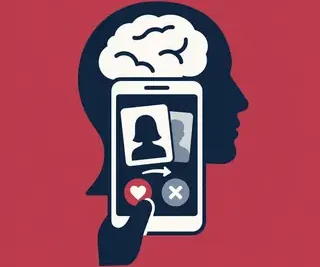
Swiping is never random; it’s fueled by cognitive biases, first impressions, and rapid-fire judgments. Here, you’ll uncover why you swipe right on some profiles and left on others, including the impact of physical attractiveness, facial symmetry, and profile brevity. Learn how “peak-end rule” and “choice overload” affect your decision-making, and discover how to craft a profile that triggers positive emotional cues. By understanding these subconscious patterns, you can refine your own approach and become more intentional—leading to higher-quality matches and more authentic conversations.
Different Dating App Cultures 🌍
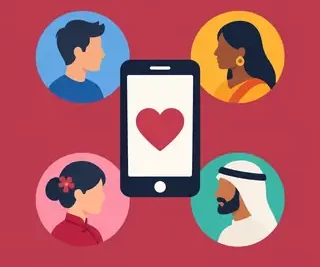
Not all dating apps are created equal—each platform fosters its own unique social ecosystem, from casual hookups on Tinder to long-term relationship seekers on Hinge. This subcategory explores the norms, etiquette, and user expectations that define cultures across apps like Bumble, OKCupid, and Coffee Meets Bagel. You’ll learn how to adapt your profile tone, conversation style, and even your photo selection to align with each app’s audience. Understanding these cultural nuances prevents missteps, reduces frustration, and dramatically increases your chances of meeting people who genuinely share your dating goals.
Future of Dating Apps 🔮
What does the next decade hold for digital matchmaking? From AI-powered matchmakers and virtual reality dates to blockchain-verified identities, the landscape is evolving rapidly. This section examines emerging technologies like voice-video integrations, predictive compatibility scores, and augmented reality “try-before-you-date” features. You’ll gain insight into how these innovations will change user behavior, privacy concerns, and the very definition of a “first date.” Staying ahead of these trends ensures you’re not left behind—and helps you leverage new tools for deeper, more efficient connections before they become mainstream.
Paid vs. Free Dating Apps 💳
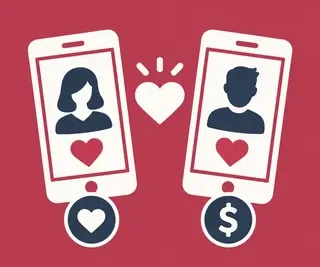
Is it worth upgrading to a premium subscription, or can you find love without spending a dime? Here, we break down the cost-benefit analysis of paid features like unlimited swipes, sees who likes you, and boosted visibility. You’ll discover which apps offer the best value for your specific goals, whether you’re budget-conscious or ready to invest in premium matchmaking. We also expose common pitfalls of free tiers—like hidden paywalls and limited algorithms—and provide honest comparisons to help you decide exactly where your money delivers the best return on emotional investment.
Gamification in Dating Apps 🎮
Dating apps borrow heavily from game design to keep you engaged—think streak counters, “super likes,” and achievement badges. This subcategory digs into how gamification affects your motivation, mood, and decision-making. You’ll learn why some users become addicted to the “thrill of the chase” rather than genuine connection, and how to spot manipulative mechanics designed to maximize screen time, not matches. Armed with this knowledge, you can set healthy boundaries, use gamified features strategically, and avoid burnout while still enjoying the playful side of digital courtship.
Dating App Trends 📈
Trends in online dating shift faster than a left swipe—from “slow dating” to video-first profiles and seasonal “cuffing season” spikes. This section keeps you updated on the latest behavioral shifts, viral features, and demographic movements across platforms. You’ll explore how in-app social-justice badges, prompt-based icebreakers, and “green flags” lists are changing what users prioritize. Staying current with these trends lets you adjust your presence to feel relevant and appealing, ensuring your profile doesn’t feel outdated and your conversations resonate with modern expectations.
Niche Dating Apps 🎯
General-purpose apps aren’t for everyone—millions of users are turning to niche platforms that cater to specific interests, backgrounds, or lifestyle choices. From farmers, vegans, and gamers to faith-based, polyamorous, and over-50 communities, these apps offer hyper-targeted matching. This subcategory reviews the top niche apps, their unique value propositions, and potential downsides like smaller user pools. You’ll learn how to decide if a niche app aligns better with your core values and relationship goals, and how to craft a compelling profile that stands out in a specialized, often more engaged, dating pool.
Algorithm Understanding 🤖
Every swipe, message, and profile visit feeds the algorithmic beast that decides your romantic fate. Here, we demystify how dating app algorithms rank, filter, and recommend profiles—from collaborative filtering to “hotness” scoring and recency biases. You’ll discover practical tweaks, like optimizing profile completion, engaging at peak activity times, and avoiding “shadowban” triggers, to improve your visibility. Understanding these behind-the-scenes mechanics empowers you to work with the system rather than against it, turning you from a passive participant into an active strategist who maximizes exposure and meaningful interactions.
Frequently Asked Questions
Do dating app algorithms really know who I should match with?
Algorithms are based on past behavior, preferences, and engagement patterns, but they’re not mind readers. They prioritize profiles you’re likely to swipe right on based on similarity and activity. While they improve over time, they can’t account for chemistry or conversation quality. Use them as a guide, but don’t rely solely on algorithmic suggestions—actively update your preferences and engage thoughtfully to refine results.
Is it worth paying for premium features on dating apps?
It depends on your goals and budget. Paid features like unlimited swipes or seeing who liked you can save time and increase match volume, especially on crowded apps. However, free versions often suffice for casual users. If you’re serious about finding a partner and frustrated with limits, a one-month subscription can be a worthwhile experiment. Always check for discounts and cancel easily if returns are low.
Why do I get fewer matches after a few days on a new app?
This is often due to “new-user boost,” where apps temporarily show you more to increase engagement. Once the boost ends, your profile competes with thousands of others. Low match rates may also stem from stale photos or weak prompts. Refresh your profile, add recent photos, and vary your opening lines. Also, adjust your distance and age filters—they significantly impact your exposure.
How can I avoid gamification traps on dating apps?
Set time limits for swiping and turn off push notifications for non-essential updates. Be wary of features designed to create FOMO, like invisible “likers” or streak reminders. Focus on quality conversations over match counts. If you feel addicted, take a week-long break. Remember, the app’s goal is engagement, not your happiness—so consciously prioritize meaningful interactions over mindless swiping.
Are niche dating apps better for finding serious relationships?
Not always, but they can be highly effective for specific interests. Users on niche apps often share a stronger baseline compatibility, which may lead to deeper conversations and aligned intentions. However, smaller user pools mean fewer options. Ultimately, success depends on your profile quality and communication, not just the app’s niche focus. Test one or two niche apps alongside mainstream ones to compare.