
The Dating App Landscape: Understanding the Different Types of Bias Present

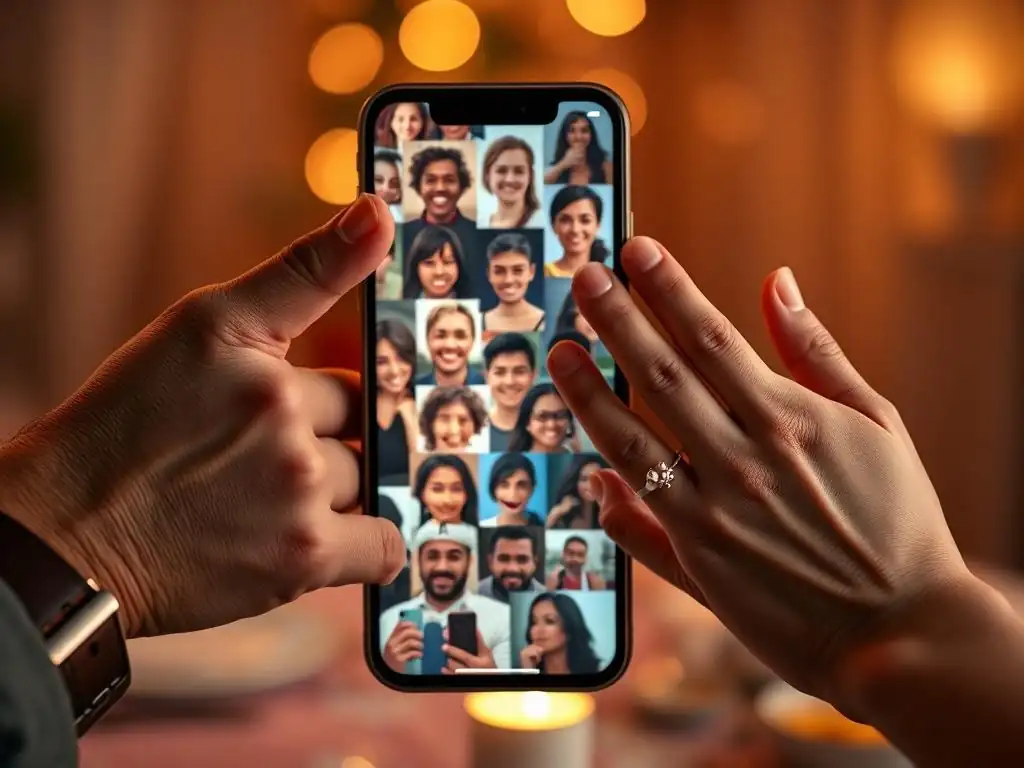
Tired of swiping endlessly with little success? At OnlineDatingSuccess.org, we understand the frustrations of the online dating world. But what if the problem isn't you, but the algorithms themselves? Discover the hidden forces shaping your dating app experience – we delve into Dating app bias explained, revealing how subtle biases can significantly impact your chances of finding a meaningful connection. Uncover the truth and learn how to navigate this complex landscape to finally achieve your dating goals. Let's explore the path to genuine connection together.
- Dating App Bias Explained: An Overview of Algorithmic and User Biases
- Recognizing and Addressing Bias in Your Dating App Usage
- The Future of Fairer Dating Apps: Technological and Societal Solutions
- Frequently Asked Questions
- Final Reflection: Navigating the Algorithmic Maze of Love
- Uncover Your Dating App Bias: Take Control Now!
Dating App Bias Explained: An Overview of Algorithmic and User Biases
Navigating the world of online dating can feel like deciphering a complex code. While these platforms promise connection and romance, they are not immune to biases that can significantly impact user experience and the potential for meaningful relationships. This article delves into the multifaceted nature of bias in dating apps, examining both the algorithmic underpinnings and the human element that contributes to discrimination.
Understanding these biases is crucial for fostering a more equitable and inclusive online dating environment, allowing users to make informed decisions and potentially avoid frustrating experiences. We will explore how algorithms shape matches, the influence of user prejudices, and the overall impact on finding genuine connections. By recognizing and addressing these issues, we can work towards creating a more positive and successful online dating experience for everyone.
Algorithmic Bias in Matching Systems: How Algorithms Shape Your Experience
Dating apps utilize complex algorithms to connect users based on various factors. However, these algorithms, often powered by machine learning, can inadvertently perpetuate and even amplify existing societal biases. This section will explore the different ways algorithmic bias manifests within dating app matching systems.
The Role of Machine Learning in Dating App Matches
Machine learning models are trained on vast datasets of user data, including profile information, communication patterns, and matching history. The accuracy and fairness of these models are directly dependent on the quality and representativeness of this data. If the data reflects existing societal biases – for example, overrepresentation of certain demographics or underrepresentation of others – the algorithm will likely perpetuate these biases in its matching suggestions.
This can lead to certain user groups receiving fewer matches or being presented with a more limited pool of potential partners. The inherent limitations of the data used to train the algorithm are critical to understand.
Implicit Bias in Algorithm Design: Unintentional Discrimination
Even with seemingly neutral criteria, implicit biases can creep into algorithm design. Developers, often unconsciously, may prioritize certain features or attributes over others, leading to unintended discriminatory outcomes. For instance, an algorithm might inadvertently favor users with certain physical characteristics or personality traits, simply because those characteristics were more prevalent in the training data. This subtle bias can have a significant effect on who gets seen and who gets overlooked. The challenge lies in identifying and mitigating these unintentional biases.
Data Bias and its Impact on Matching Outcomes
The data used to train dating app algorithms is crucial. If the data contains biases reflecting real-world societal inequalities (e.g., racial, gender, or age biases), the algorithm will likely reflect and amplify these biases. This can lead to disproportionate outcomes, where certain user groups are systematically disadvantaged in the matching process. For example, a dataset lacking sufficient representation of older users might lead to an algorithm that prioritizes younger users, creating a less inclusive platform for older daters. Addressing data bias requires careful data collection and preprocessing techniques.
User Bias: The Human Element in Online Dating Discrimination
While algorithmic bias is a significant concern, the human element plays an equally important role in online dating discrimination. User behaviors and preferences can perpetuate and exacerbate existing biases, creating a less inclusive environment for all users.
Confirmation Bias and its Influence on Profile Selection
Confirmation bias, the tendency to favor information confirming pre-existing beliefs, significantly influences profile selection. Users might overlook profiles that don't align with their preconceived notions of an ideal partner, even if those profiles represent perfectly compatible individuals. This can lead to a self-fulfilling prophecy, where users only interact with people who reinforce their existing biases, limiting their dating pool and potentially hindering their chances of finding a fulfilling relationship. Actively combating confirmation bias requires conscious effort and self-reflection.
Attractiveness Bias and its Effect on Matching Rates
Attractiveness bias, the tendency to favor physically attractive individuals, is a prevalent issue in online dating. While physical attraction is a natural part of dating, the emphasis on appearance in online profiles can lead to disproportionate outcomes, with users perceived as less attractive receiving fewer matches or less attention. This bias can be particularly harmful to users who don't conform to narrow beauty standards. Understanding and mitigating this bias requires a shift in focus towards appreciating a wider range of qualities and attributes.
Stereotyping and Prejudice in Online Dating Interactions
Stereotyping and prejudice, deeply ingrained in society, often manifest in online dating interactions. Users may make assumptions about potential partners based on their race, religion, gender, or other demographic characteristics, leading to biased judgments and potentially hurtful interactions. This can create a hostile environment for users from marginalized groups. Promoting respectful and inclusive communication is crucial in combating this form of discrimination. Education and awareness are key tools in addressing these deeply rooted biases.
Recognizing and Addressing Bias in Your Dating App Usage
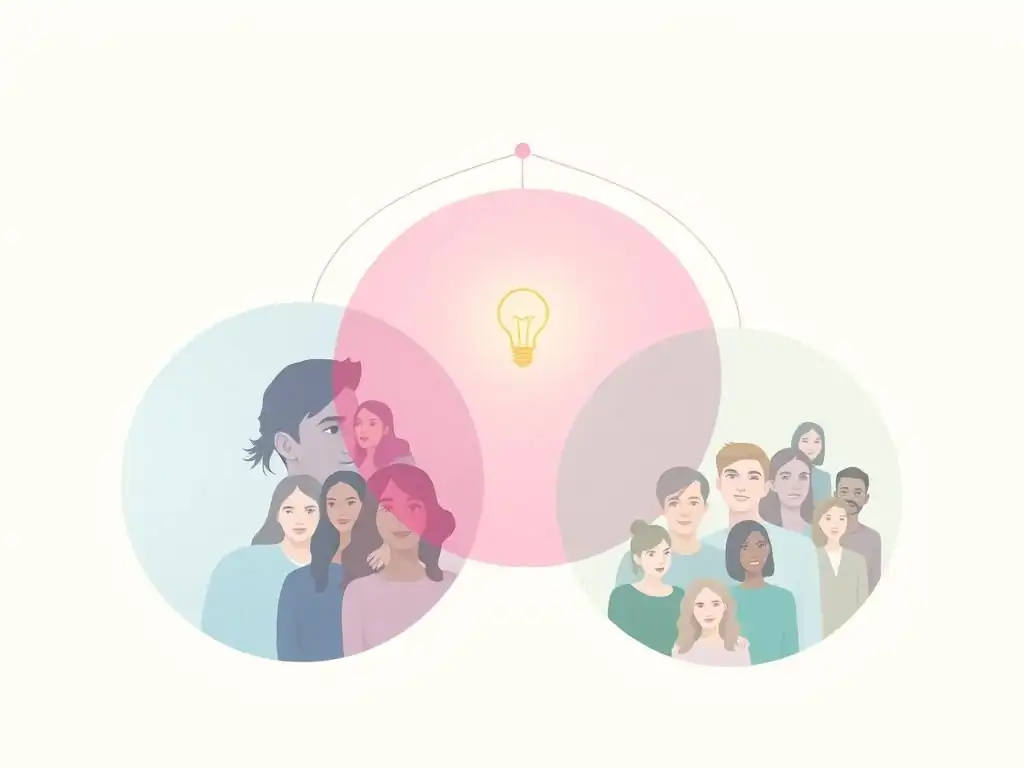
Dating apps, while offering exciting possibilities for connection, are not immune to the biases present in the wider world. Understanding these biases is crucial for navigating the online dating landscape effectively and fostering more inclusive experiences. This section will explore how to identify and mitigate bias in your dating app usage, empowering you to create a more positive and equitable online dating journey. The term "dating app bias explained" encapsulates the core of this discussion.
Identifying Biased Algorithms: Recognizing Patterns and Inconsistencies
Dating app algorithms, designed to match users based on various factors, can unintentionally (or sometimes intentionally) perpetuate existing societal biases. These algorithms often rely on data, and if that data reflects existing inequalities, the algorithm will likely amplify those inequalities. Recognizing these patterns is the first step to addressing them.
Analyzing Your Match Suggestions: Spotting Trends and Potential Bias
Take a close look at your match suggestions. Do you consistently see similar profiles? Are there noticeable demographic gaps? For example, if you're a woman, are you primarily shown matches within a narrow age range or of a specific ethnicity?
If you consistently notice a lack of diversity in your suggested matches, it might signal algorithmic bias. Note the frequency of certain profile characteristics appearing in your suggestions – this can reveal underlying biases in the algorithm. Keep a journal or log of your match suggestions over a period of time to identify more significant trends. This detailed observation will enable you to understand how the algorithm is shaping your dating experience.
Comparing Different Dating Apps: Assessing Algorithmic Differences
Different dating apps utilize varying algorithms and data sets. Comparing your experiences across multiple platforms can reveal significant differences. One app might show you a wider range of potential partners than another, highlighting the impact of different algorithmic approaches. By experimenting with several apps, you can gain a broader perspective on how algorithmic bias might be manifesting and identify platforms with potentially fairer matching systems. This comparative analysis allows for a more nuanced understanding of the role of algorithms in shaping online dating experiences.
Strategies for Mitigating Bias in Your Online Dating Experience
While you can't entirely control the algorithms of dating apps, you can take proactive steps to mitigate their potential biases and create a more inclusive experience. This involves conscious choices and actions.
Diversifying Your Profile Preferences: Expanding Your Search Criteria
Many dating apps allow you to filter potential matches based on various criteria, such as age, location, and interests. However, relying solely on these filters can inadvertently reinforce existing biases. Consciously expand your search criteria, exploring matches outside your usual preferences. Challenge your preconceived notions and be open to connecting with individuals who might not initially fit your typical "type."
This proactive approach helps counteract the limitations of algorithmic filtering. The goal is to broaden your pool of potential matches and encounter diverse profiles that might otherwise be overlooked. Remember, expanding your criteria doesn't mean compromising your values; it means actively countering potential bias in your search.
Engaging in Conscious Communication: Avoiding Stereotypes and Prejudices
Even with a diverse pool of potential matches, mindful communication is essential to counteract bias. Avoid making assumptions based on someone's profile picture, age, or stated interests. Engage in open and respectful conversations, getting to know individuals as individuals, rather than projecting stereotypes onto them. This conscious effort to engage with people authentically minimizes the impact of potential biases. Remember, first impressions can be deceiving, and genuine connection requires active listening and open-mindedness.
Reporting Biased Behavior: Contributing to a More Inclusive Online Dating Environment
If you encounter biased behavior or discriminatory practices on a dating app (either from other users or seemingly from the app's algorithms), report it. Most dating apps have reporting mechanisms in place to address such issues. By reporting biased behavior, you contribute to creating a more inclusive and equitable online dating environment for everyone.
Your active participation in reporting contributes significantly to the improvement of dating app platforms and the overall online dating experience. This collaborative effort is critical for fostering a safer and more welcoming space for all users. Reporting also helps dating apps improve their algorithms and systems to reduce bias.
The Future of Fairer Dating Apps: Technological and Societal Solutions
The pervasive nature of bias in dating apps necessitates a multi-pronged approach to fostering fairer and more inclusive platforms. This involves leveraging technological advancements, particularly in data science and artificial intelligence (AI), alongside significant shifts in societal attitudes and online behavior. Ultimately, creating truly equitable dating apps requires a collaborative effort from developers, users, and regulatory bodies. The journey towards a more just online dating landscape is long, but the potential rewards—more meaningful connections and a more inclusive society—make the effort worthwhile.
Developing More Equitable Algorithms: The Role of Data Science and AI
Promoting Transparency in Algorithm Design: Understanding How Apps Work
Dating app algorithms, often shrouded in secrecy, significantly influence who users see and interact with. Promoting transparency is crucial. Users deserve to understand how these algorithms function, what factors they prioritize (e.g., location, age, photos), and how those factors might inadvertently contribute to bias. This transparency could involve simplified explanations of the algorithm's logic, published metrics on its performance across different demographics, and opportunities for user feedback on its fairness.
For example, an app could publish a report detailing the distribution of matches across various age groups, ethnicities, and genders, highlighting any significant disparities. This level of openness allows for accountability and encourages developers to address potential biases proactively. This is a key component in "dating app bias explained" and is crucial to building trust.
Implementing Bias Detection and Mitigation Tools: Improving Fairness and Inclusivity
Data science and AI offer powerful tools to detect and mitigate bias in dating app algorithms. Machine learning models can be trained to identify patterns of discrimination, such as underrepresentation of certain demographic groups in suggested matches or disproportionate rejection rates for specific profiles. Once identified, these biases can be addressed through algorithmic adjustments, such as re-weighting factors that contribute to discrimination or introducing fairness constraints into the algorithm's design.
For instance, an algorithm could be modified to prioritize matching based on shared interests and compatibility over superficial characteristics often associated with biased preferences. Regular audits and evaluations of the algorithm’s performance are essential to ensure ongoing fairness and inclusivity. The goal is to move past the simple "dating app bias explained" to actively combat it.
Fostering a Culture of Respect and Inclusivity in Online Dating
Technological solutions alone are insufficient. A significant shift in online culture is also necessary to combat bias in dating apps. This requires a concerted effort from both app developers and users to create a more welcoming and respectful environment.
Encouraging User Education on Bias Awareness: Promoting Responsible Online Interactions
Many users are unaware of their own biases or how their actions might contribute to a discriminatory online environment. Educational initiatives are crucial to raise awareness about unconscious biases, promote empathy, and encourage responsible online interactions. Dating apps could incorporate educational modules within their platforms, providing users with resources to understand and address their own biases.
This could include interactive exercises, quizzes, and articles explaining the impact of biased behavior on others. Furthermore, apps could partner with organizations focused on diversity and inclusion to provide users with additional resources and support. This proactive approach to user education is a vital step in building a more inclusive online dating community.
Advocating for Stronger Community Guidelines: Reducing Discrimination and Harassment
Clear, comprehensive, and consistently enforced community guidelines are essential to combat discrimination and harassment on dating apps. These guidelines should explicitly prohibit discriminatory language, behavior, and profile content. Furthermore, apps should provide robust mechanisms for users to report violations and ensure that reports are promptly investigated and addressed with appropriate consequences, ranging from warnings to account suspension.
Regular reviews and updates to community guidelines are necessary to adapt to evolving online behaviors and address emerging forms of discrimination. Stronger enforcement of these guidelines is crucial to creating a safer and more respectful environment for all users, moving beyond simply having "dating app bias explained" to actively implementing solutions.
Frequently Asked Questions
What is dating app bias, and why is it important to understand?
Dating app bias refers to the algorithms and user behaviors that can unfairly favor certain users over others. Understanding this bias is crucial for creating a more equitable and successful online dating experience. It helps users navigate the system more effectively and recognize potential inequalities.
How do algorithms contribute to bias on dating apps?
Algorithms use data-driven approaches to match users, but these algorithms can perpetuate existing societal biases. For example, they might prioritize users with certain physical attributes or demographics, unintentionally excluding others. This creates an uneven playing field.
What are some examples of user-created bias on dating apps?
Users often exhibit implicit biases in their swiping and messaging habits, favoring those who fit their preconceived notions of attractiveness or desirability. This can lead to certain groups being marginalized and receiving fewer opportunities for connection.
How can I mitigate the effects of dating app bias?
Be mindful of your own potential biases when using dating apps. Diversify your search criteria, actively engage with profiles outside your usual preferences, and focus on genuine connection rather than superficial factors.
Can dating apps do anything to reduce bias?
Yes, dating apps can implement more transparent and inclusive algorithms, provide users with education on bias, and actively combat discriminatory behaviors. Regular audits and improvements to the algorithms are key.
The curated realities presented by dating apps are not neutral; they actively shape our perceptions of love and relationships, reflecting and reinforcing existing societal biases. This isn't simply a technical issue; it's a fundamental challenge to how we connect and form relationships in the 21st century. The algorithms that power these platforms, while seemingly objective, are deeply intertwined with human biases, impacting who we see, who we interact with, and ultimately, who we fall in love with.
The pervasive nature of bias in dating apps underscores a larger societal issue: the subtle yet powerful ways in which prejudice shapes our everyday lives. We are constantly confronted with filtered realities, and the dating app landscape is just one microcosm of this larger phenomenon. The unexamined life is not worth living,
Socrates famously said, and this rings truer than ever in the digital age where our very connections are mediated by algorithms. Understanding these biases is not just about improving the functionality of dating apps; it's about fostering a more equitable and inclusive society where everyone has a fair chance at finding love and connection.
Consider the implications of this for your own dating experiences. Have you noticed patterns in the profiles you're shown? Have you felt limited by the options presented to you? Take a moment to reflect on your own biases and how they might be influencing your perceptions. By becoming more aware of the biases embedded within these platforms, and within ourselves, we can begin to navigate the algorithmic maze of love with greater intentionality and create more authentic and meaningful connections. Let's strive for a future where technology empowers genuine human connection, rather than reinforcing the inequalities of the past.
Uncover Your Dating App Bias: Take Control Now!
Thank you for exploring the complexities of dating app bias with us! You've gained valuable insights into how algorithms and user behavior influence online dating. Now, let's put that knowledge into practice.
- Identify Your Biases: Reflect on the examples discussed and honestly assess your preferences and potential prejudices. Consider journaling to deepen your self-awareness.
- Explore Inclusive Alternatives: Research dating apps that prioritize inclusivity and transparency in their algorithms. See if their approach aligns with your values.
- Share Your Experiences: Join the conversation! Share your experiences and strategies for combating bias in your dating life in the comments below.
Are you ready to build a more authentic and inclusive approach to online dating, free from unconscious bias?