
BiasFree Dating: A Guide to Identifying and Choosing Inclusive Apps


Tired of the same old swipe-left disappointment? At OnlineDatingSuccess.org, we believe finding genuine connection shouldn't feel like a gamble. We're dedicated to helping you navigate the world of online dating with confidence and success. This guide dives into the crucial topic of Inclusive dating app reviews, exploring how to identify and choose platforms that truly reflect your values and prioritize ethical practices. Discover how to find your perfect match, without compromise. Ready to find a more meaningful online dating experience? Let's begin.
- Understanding Bias in Online Dating Apps
- Identifying Inclusive Dating Apps: Key Features to Look For
- Inclusive Dating App Reviews: Top Picks for Diverse Daters
- Tips for Navigating Inclusive Dating Apps Successfully
- Beyond the App: Fostering Inclusive Dating Practices
- Conclusion: Embracing Bias-Free Dating for a More Meaningful Experience
-
Frequently Asked Questions
- What makes a dating app truly "inclusive"?
- How can I identify bias in a dating app's design or features?
- Are there specific inclusive dating app features I should look for?
- What is the difference between an inclusive app and one that's simply diverse?
- Where can I find reviews and comparisons of inclusive dating apps?
- Final Reflection: Building Bridges, Not Walls: The Future of Inclusive Dating
- Unveil Your Ideal Match: Find Inclusive Dating Apps Today!
Understanding Bias in Online Dating Apps
Online dating, while offering incredible opportunities to connect with potential partners, is not without its challenges. One significant hurdle is the pervasive presence of bias within the design and functionality of many popular dating apps. This article serves as a guide to help you navigate the complex landscape of online dating, identifying and selecting inclusive apps that prioritize fairness and respect for all users.
We'll explore how algorithmic biases, implicit biases in user interactions, and even design choices can significantly impact your experience and the potential for building meaningful relationships. Learning to recognize and avoid these biases is crucial for fostering a more positive and equitable online dating experience – one where your identity and preferences are valued and respected. This guide aims to empower you to make informed choices, ultimately leading to a more inclusive and successful online dating journey.
We'll delve into specific examples and provide practical tips to help you find the right app for you, focusing on those that actively combat bias and promote inclusivity. Choosing an inclusive dating app is not just about finding a partner; it's about supporting a dating environment that values diversity and rejects discrimination.
Recognizing Algorithmic Bias in Matching Systems
Many dating apps utilize complex algorithms to suggest potential matches. However, these algorithms are often trained on historical data that may reflect and perpetuate existing societal biases. This can lead to unequal opportunities for certain demographics. For example, an algorithm trained primarily on data from a specific age group or geographic location might disproportionately favor users within that demographic, making it harder for individuals outside of it to find matches.
Furthermore, the criteria used by these algorithms – such as age, location, or even seemingly innocuous preferences – can unintentionally exclude or marginalize certain groups. The lack of transparency in how many algorithms operate makes it difficult to assess their fairness and identify potential areas of bias. Understanding that these biases exist is the first step towards navigating them effectively.
We need to demand greater transparency from app developers and push for the adoption of fairer, more inclusive algorithms. Consider, for instance, the potential impact of an algorithm that prioritizes users with a certain level of education or income – this could inadvertently create a system that favors wealthier individuals and disadvantages those with lower socioeconomic backgrounds. The lack of diversity in the data used to train these algorithms contributes significantly to these biases.
Implicit Bias in Profile Presentation and User Interactions
Beyond the algorithms, implicit biases can significantly influence user interactions on dating apps. These are unconscious biases that affect how we perceive and interact with others based on factors like race, gender, age, or body type. For example, users might subconsciously swipe left on profiles that don't align with their pre-existing preferences, even if those preferences are rooted in societal biases.
Similarly, the way profiles are presented – the photographs chosen, the language used in bios – can inadvertently reinforce or challenge these biases. A lack of diverse representation in app imagery can create a sense of exclusion for users who don't see themselves reflected in the app's visual landscape. Furthermore, the prevalence of microaggressions and discriminatory language within user interactions highlights the need for stronger moderation and reporting mechanisms.
Dating apps need to actively combat implicit bias through features like bias awareness training for users, improved profile moderation, and the promotion of respectful communication. The creation of safe spaces and reporting mechanisms empowers users to challenge bias and create a more positive online environment.
The Impact of Design Choices on Inclusivity
The design of a dating app itself plays a crucial role in fostering inclusivity. Simple design choices, such as the options available for gender identity and sexual orientation, can significantly impact the experience of LGBTQ+ users. Apps with limited options or those that fail to provide appropriate language can create a sense of exclusion and invalidation.
Furthermore, the accessibility of the app for users with disabilities is another critical factor. Apps lacking features like screen reader compatibility or appropriate font sizes can effectively exclude users with visual or auditory impairments. Inclusive design goes beyond simply adding options; it requires a thoughtful consideration of how design choices can impact the experience of all users, regardless of their background or abilities.
Features like detailed profile customization options, allowing users to express their identities fully and authentically, are essential for fostering an inclusive environment. A well-designed, inclusive app prioritizes the needs of all users, ensuring that everyone feels welcome and respected. This includes thoughtful consideration of factors like language accessibility, cultural sensitivity, and the representation of diverse communities within the app's visual and textual content.
Identifying Inclusive Dating Apps: Key Features to Look For
Finding a dating app that truly embraces inclusivity requires careful consideration beyond just the app's marketing materials. This section focuses on the practical features that demonstrate a commitment to creating a welcoming space for everyone. We'll explore key elements that signal a bias-free environment and help you make informed choices when selecting a platform for your online dating journey. Remember, an inclusive dating experience is a safe and respectful one.
Accessibility Features for Users with Disabilities
Accessibility is a cornerstone of inclusivity. A truly inclusive dating app goes beyond visual appeal and considers the needs of users with a wide range of disabilities. Look for apps that demonstrate a commitment to accessibility through several key features. For example, apps should offer alternative text for images, ensuring visually impaired users can understand the context of photos. This is crucial for profile pictures and any other visual content.
Furthermore, keyboard navigation should be fully functional, allowing users with motor impairments to easily navigate the app without relying solely on a mouse or touchscreen. Screen reader compatibility is another vital aspect. The app should work seamlessly with popular screen readers, providing accurate and detailed information to users who rely on this technology.
Finally, consider apps offering customizable font sizes and color contrast options, catering to users with visual impairments or sensitivities. A truly accessible app anticipates the diverse needs of its users and provides the tools to ensure everyone can participate equally. The absence of these features could indicate a lack of commitment to inclusivity.
The presence of a dedicated accessibility statement on the app's website or within the app itself further strengthens the commitment to inclusivity. This statement should outline the app's accessibility features and address any limitations. Lack of such a statement might be a red flag. Remember, a truly inclusive dating app prioritizes the needs of all users, ensuring a level playing field for everyone.
Representation of Diverse Genders and Sexual Orientations
Beyond simple profile options, a truly inclusive dating app actively promotes the representation of diverse genders and sexual orientations. This goes beyond just offering a wide array of gender and sexuality options during profile creation. It also involves actively combating harmful stereotypes and promoting respectful interactions within the app's community.
Look for apps that offer detailed and nuanced gender and sexuality options, going beyond the binary. The availability of customizable pronouns and the option to provide detailed self-descriptions are key indicators of inclusivity. Furthermore, the app's marketing materials and community guidelines should reflect this commitment to diversity. The presence of diverse individuals in promotional materials isn't just about aesthetics; it's a reflection of the app's commitment to inclusivity.
Consider the app's approach to combating discrimination. Does the app actively promote respectful interactions and provide resources for users who experience harassment or discrimination based on their gender or sexual orientation? A strong commitment to this aspect is vital for creating a safe and welcoming online dating environment for everyone. Remember, the goal is not just to include diverse identities but to celebrate them.
Robust Reporting Mechanisms for Harassment and Discrimination
A robust reporting system is crucial for maintaining a safe and respectful environment within any online dating app. An effective system ensures that instances of harassment and discrimination are addressed promptly and appropriately. The effectiveness of a reporting mechanism can be judged based on several factors. First, the process should be straightforward and easy to understand. Users should be able to easily report inappropriate behavior without navigating complex menus or forms.
Secondly, the app should provide clear guidelines on what constitutes harassment and discrimination, ensuring users understand the types of behavior that are unacceptable. Thirdly, the app needs to demonstrate a commitment to taking action against reported violations. This involves investigating reports thoroughly and taking appropriate measures, which may include suspending or banning offending users. Transparency in the handling of reports is also vital. While specific details of investigations may need to remain confidential for privacy reasons, users should be kept informed about the general progress of their reports.
Finally, the availability of multiple reporting channels, such as in-app reporting, email, and phone support, can significantly improve accessibility and user experience. The lack of a comprehensive and responsive reporting mechanism should raise significant concerns about the app's commitment to providing a safe and inclusive environment. A truly inclusive dating app understands that safety and respect are paramount, and reflects that understanding in a robust and responsive reporting system. An effective reporting system is a critical component of a bias-free dating experience.
Explicit Statements on Inclusivity and Anti-Discrimination Policies
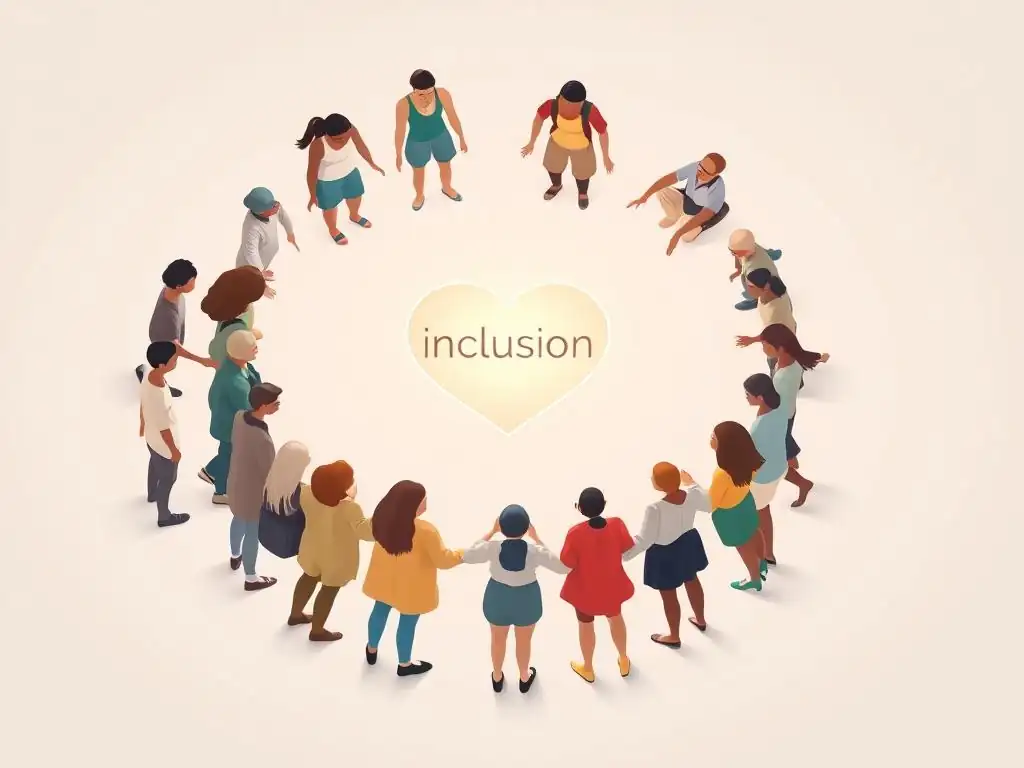
Finding an inclusive dating app starts with examining its public commitments. Look for apps that explicitly state their dedication to inclusivity and anti-discrimination policies on their websites and within their app itself. These statements should go beyond mere lip service; they should clearly outline what types of discrimination are prohibited (e.g., based on race, ethnicity, religion, gender identity, sexual orientation, disability, body type, age, etc.). A truly inclusive app will not only prohibit discrimination but also actively work to foster a welcoming environment for all users.
For example, a strong policy might detail the consequences for users who violate these guidelines, including account suspension or permanent bans. The more detailed and specific the policy, the better indication it is of the app's commitment to fostering an inclusive community. Vague statements or a lack of a clearly defined policy should raise red flags. Consider how the app addresses potential biases in its matching algorithms; transparency in this area is crucial.
A truly committed app will publicly address how it attempts to mitigate biases and promote equitable matching opportunities for all its users. This might involve explaining the data used to create matches and detailing measures taken to ensure fairness. Scrutinizing these policies is a critical first step in determining whether an app genuinely prioritizes inclusivity. Remember, actions speak louder than words; look for consistent application of these policies in practice, which you can often gauge from user reviews and feedback.
Community Guidelines that Promote Respect and Understanding
Beyond formal policies, the effectiveness of an inclusive dating app depends heavily on its community guidelines. These guidelines should actively promote respect, understanding, and empathy among users. Strong guidelines go beyond simply prohibiting hate speech and harassment; they should actively encourage positive interactions and provide practical advice on respectful communication. For instance, a good set of guidelines might provide examples of acceptable and unacceptable behavior, explain how to report violations, and outline the support available to users who experience harassment. Look for guidelines that address specific challenges faced by marginalized groups within online dating, such as body shaming, prejudice based on sexual orientation, or microaggressions.
The tone and language used in the guidelines are also important. Do they use inclusive language and actively promote a sense of belonging? Or do they rely on generic statements that lack specificity and impact? A truly inclusive app will provide resources and support to help users understand and navigate these complex issues. This might include educational materials, links to relevant organizations, or access to moderators trained in conflict resolution and sensitivity to diverse experiences.
Furthermore, the enforcement of these guidelines is equally crucial. Apps need to demonstrate a commitment to consistently monitoring their platforms and taking appropriate action against users who violate the rules. A lack of visible moderation or a history of inaction against reported violations suggests a weak commitment to fostering a truly inclusive environment. Consider the ease of reporting violations and the responsiveness of the app's moderation team. These are key indicators of the app's commitment to creating a safe and respectful space for all users.
Inclusive Dating App Reviews: Top Picks for Diverse Daters
This section provides in-depth reviews of dating apps demonstrating a strong commitment to inclusivity. We'll analyze features designed to promote diversity, combat bias, and ensure accessibility for all users. Remember, the dating app landscape is constantly evolving, so always check the app's current policies and user reviews for the most up-to-date information. Finding an app that aligns with your values is crucial for a positive and respectful online dating experience.
App Review: Inclusivity Features
Several apps are actively working to broaden their user base and cater to a wider spectrum of identities and preferences. This involves more than simply adding more gender options; it necessitates a comprehensive approach to design and community moderation. For example, some apps boast robust profile customization features that go beyond basic demographics. These allow users to specify their relationship goals, cultural backgrounds, religious beliefs, and even their preferred pronouns. This level of detail enables more nuanced matching and reduces the chances of mismatched expectations.
Another key inclusivity feature is the implementation of strong reporting mechanisms. Effective systems allow users to easily flag profiles or messages containing hate speech, discrimination, or harassment. Apps with proactive moderation teams that swiftly address these reports create safer and more welcoming environments. The speed and effectiveness of these systems are critical indicators of an app's commitment to inclusivity. Apps with slow or ineffective responses to reports often foster environments where bias and discrimination thrive. Look for apps that transparently communicate their moderation policies and procedures.
App Review: Diversity and Anti-Bias Measures
Beyond simply allowing users to express their identities, truly inclusive apps actively work to promote diversity within their user base and mitigate algorithmic bias. This is a complex challenge, but some apps are making strides. One approach involves analyzing their matching algorithms for potential biases. This requires careful consideration of the data points used in the algorithm and ongoing monitoring to identify and correct any disparities in matching rates based on protected characteristics. For instance, an algorithm that disproportionately shows users of a certain ethnicity fewer potential matches may indicate a hidden bias requiring immediate attention.
Furthermore, some apps are implementing initiatives to attract and support underrepresented communities. This might involve partnerships with relevant organizations or targeted advertising campaigns. By actively promoting diversity, these apps foster a more inclusive and representative user base, creating a richer and more meaningful experience for all. The success of these initiatives should be assessed through ongoing data analysis, tracking metrics such as user demographics, reported incidents of harassment, and user satisfaction surveys.
App Review: Accessibility and User Experience for Diverse Users
Accessibility is a critical component of inclusivity. Apps must be designed to be usable by individuals with a wide range of abilities. This includes providing features such as screen reader compatibility for visually impaired users, keyboard navigation for those with motor impairments, and customizable text sizes and fonts. Furthermore, apps should ensure their user interfaces are clear, concise, and easy to navigate, regardless of a user's technical proficiency or familiarity with online dating platforms.
Beyond technical accessibility, inclusive design considers the diverse needs and preferences of users from different cultural backgrounds and linguistic communities. This includes offering support for multiple languages and ensuring that all content is culturally sensitive and avoids perpetuating harmful stereotypes. An app that fails to provide adequate accessibility features risks excluding a significant portion of its potential user base, demonstrating a lack of commitment to genuine inclusivity. Therefore, paying close attention to accessibility features during your app selection process is paramount. Consider checking user reviews from individuals with disabilities to gain further insights into the actual user experience.
App Review: Inclusivity Features
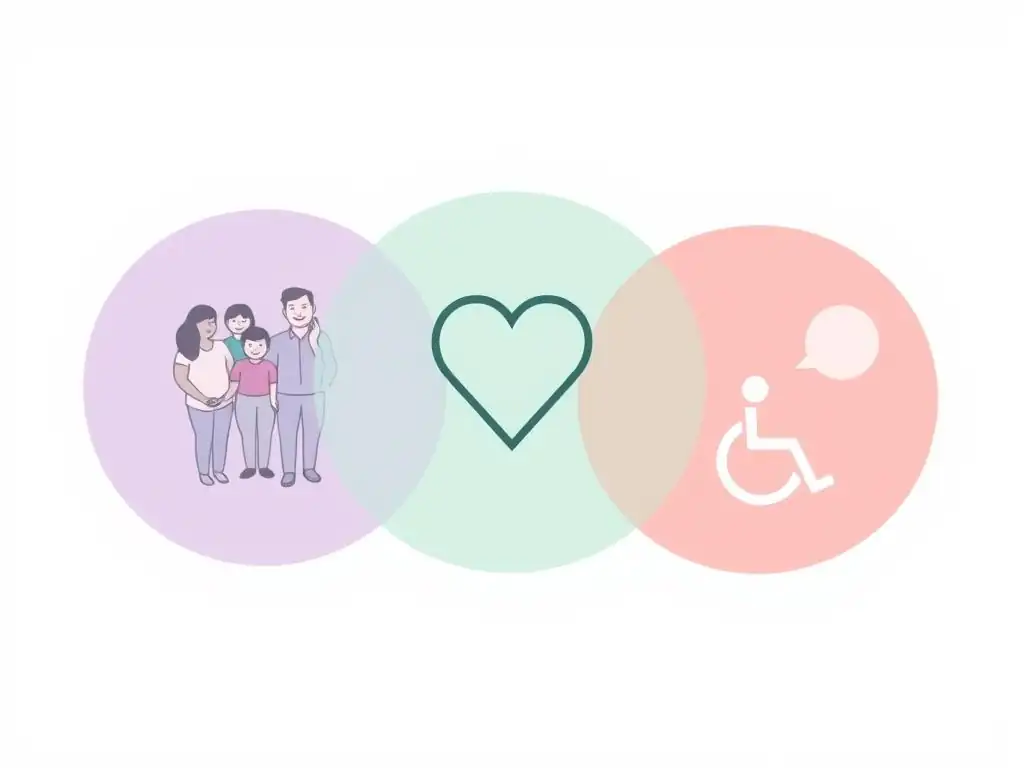
Many dating apps now boast inclusivity features, but their effectiveness varies significantly. Some apps offer a wide range of gender identities and sexual orientations beyond the traditional binary, allowing users to express themselves authentically. This is a crucial step towards creating a more welcoming environment for LGBTQ+ individuals and those who don't identify within the cisgender heterosexual norm. However, simply offering these options isn't enough; the app's design and user experience must seamlessly integrate these choices.
For example, some apps might list gender options in a dropdown menu that feels clunky and out of place, while others elegantly incorporate them into the profile creation process. The best apps make inclusivity feel natural and intuitive, not like an afterthought. Furthermore, the quality of the profiles themselves is important. If the app doesn't provide enough space or options for users to express their diverse identities and interests, the inclusivity features become less meaningful.
A well-designed app will offer robust profile customization, allowing users to share details about their cultural background, religious beliefs, disabilities, or other aspects of their identities that are important to them. This allows for more meaningful connections based on shared values and understanding. Consider the availability of detailed profile sections dedicated to relationship goals and preferences. The more granular the options, the better the matching algorithms can connect compatible individuals, regardless of their background or identity.
App Review: Diversity and Anti-Bias Measures
Beyond simply offering inclusive features, the most effective dating apps actively work to combat bias and discrimination within their platforms. This involves a multi-pronged approach. Firstly, robust reporting mechanisms are essential. Users should be able to easily report instances of harassment, hate speech, or discriminatory behavior. The app's response to these reports should be swift and decisive, with clear consequences for those who violate the app's terms of service. This requires more than just automated systems; human moderation plays a critical role in ensuring fairness and accuracy.
Secondly, the app should actively promote diversity and inclusion through its marketing and outreach efforts. This could involve partnerships with LGBTQ+ organizations, disability advocacy groups, or other relevant community groups. The goal is to create a welcoming and representative platform that attracts a diverse user base. Thirdly, algorithmic fairness is paramount. Dating apps utilize algorithms to match users, and these algorithms can inadvertently perpetuate existing biases if not carefully designed.
Transparency about how these algorithms work is crucial, allowing users to understand how matches are generated and identify potential biases. The best apps actively work to mitigate bias in their algorithms, ensuring that all users have an equal opportunity to connect with potential partners. Finally, continuous improvement is key. Regular audits of the app's features, policies, and user experience should be conducted to identify areas where improvements can be made to foster a more inclusive and equitable environment. This commitment to ongoing evaluation and adaptation demonstrates a genuine dedication to diversity and inclusion.
This section offers practical advice for maximizing your experience on inclusive dating apps. Remember, the goal is to foster genuine connections, respecting diverse identities and experiences. Success hinges on thoughtful profile creation, respectful communication, and proactive safety measures. Let's explore how to achieve this.
Crafting an Inclusive Profile that Attracts Diverse Matches
Your profile is your first impression. To attract diverse matches, avoid generalizations and clichés. Instead, focus on showcasing your authentic self and what you genuinely value in a partner. Consider these points:
- Photos: Include a variety of photos that reflect your personality and interests. Avoid overly filtered or staged images. Showcasing activities you enjoy, such as hiking, volunteering, or attending cultural events, can signal your openness to diversity. A diverse range of photos (solo shots, group shots with friends of diverse backgrounds) can also attract a wider range of matches.
- Bio: Write a bio that is both engaging and inclusive. Avoid using language that excludes certain groups. For example, instead of saying "looking for someone who loves the outdoors," you could say "looking for someone who enjoys exploring new places and experiences." Highlight your values and interests, demonstrating your open-mindedness and respect for others. Mentioning specific interests that appeal to a wide audience (e.g., "passionate about social justice," "love trying new cuisines," "enjoy live music") can broaden your appeal.
- Preferences: Be mindful of your stated preferences. While it's acceptable to express your preferences, avoid overly restrictive criteria that might unintentionally discriminate against certain groups. Consider whether your preferences are truly essential or simply based on unconscious biases. Openness to different relationship styles and identities can significantly increase your chances of finding a compatible match.
Communicating Respectfully and Avoiding Biased Language
Once you start interacting with potential matches, maintaining respectful and inclusive communication is paramount. This includes:
- Active Listening: Pay attention to what your matches share about themselves and show genuine interest. Ask open-ended questions to encourage them to talk about their experiences and perspectives. Avoid interrupting or dismissing their viewpoints.
- Language: Be mindful of the language you use. Avoid using slang, jargon, or stereotypes that might alienate or offend others. Using inclusive language, such as “partner” instead of gender-specific terms, shows respect for diverse identities and relationship styles. Avoid making assumptions about someone's background or identity based on limited information.
- Respectful Disagreements: It's okay to disagree with someone, but do so respectfully. Avoid attacking their character or beliefs. Focus on expressing your own views calmly and clearly, acknowledging the validity of their perspective, even if you don't share it. Remember that healthy communication involves respecting differing opinions and values. Understanding different cultural backgrounds and communication styles is also crucial for respectful interactions.
Identifying and Reporting Inappropriate Behavior
Despite using inclusive apps, you might still encounter inappropriate behavior. Knowing how to identify and report such behavior is crucial for your safety and well-being.
- Red Flags: Be aware of red flags, such as unsolicited explicit content, aggressive or harassing messages, discriminatory language, or attempts to pressure you into uncomfortable situations. Trust your instincts; if something feels wrong, it probably is.
- Reporting Mechanisms: Familiarize yourself with the reporting mechanisms of the app you're using. Most inclusive dating apps have clear guidelines and procedures for reporting inappropriate behavior. Use these mechanisms to report any violations promptly. Document all interactions, including screenshots of messages and profiles, to support your report.
- Self-Care: Remember to prioritize your well-being. If you experience harassment or abuse, don't hesitate to seek support from friends, family, or mental health professionals. Taking care of your emotional and mental health is crucial, especially when navigating the complexities of online dating. Remember that you are not alone, and there are resources available to help you.
Building Meaningful Connections with Diverse Individuals
Building meaningful connections on inclusive dating apps requires a shift in perspective. It's not just about finding someone who checks off boxes on a list, but about appreciating the richness and complexity each individual brings to the table. This means actively engaging with profiles that showcase diverse backgrounds, interests, and experiences. Don't shy away from profiles that might seem different from your own; embrace the opportunity to learn and grow. Remember, genuine connection transcends superficial similarities.
One effective strategy is to focus on shared values and interests rather than solely focusing on physical attributes or demographic details. Instead of focusing on whether someone shares your ethnicity or religious beliefs, consider if you share a passion for hiking, a love of independent films, or a commitment to social justice. These shared passions can form the foundation of a strong and lasting connection, irrespective of background. For example, engaging in conversations about your favorite books, travel experiences, or career aspirations can reveal shared values and build rapport.
Furthermore, approaching conversations with genuine curiosity and empathy is crucial. Ask open-ended questions that encourage your match to share their experiences and perspectives. Listen actively, show genuine interest, and avoid making assumptions or stereotypes. Remember, everyone has a unique story, and actively listening to understand their experiences can lead to more fulfilling connections. Respecting individual boundaries and communication styles is also paramount; not everyone is comfortable sharing personal information immediately, and it's vital to respect their pace and comfort level.
Finally, remember that building meaningful connections takes time and effort. Don't get discouraged if you don't find an immediate "perfect match." Engage in genuine interactions, be patient, and remain open to new possibilities. The rewards of forming genuine connections with diverse individuals far outweigh any initial challenges. Inclusive dating apps offer a unique opportunity to expand your horizons and build relationships that are both meaningful and fulfilling. Embrace this opportunity, and remember that the most rewarding connections often come from unexpected places.
Beyond the App: Fostering Inclusive Dating Practices

Even the most inclusive dating app can't guarantee a bias-free experience. The success of inclusive dating hinges not just on the platform itself, but on the active participation and conscious choices of its users. This section explores how individuals can contribute to a more welcoming and respectful online dating environment. We'll delve into the crucial role of empathy, respectful communication, and advocating for positive change within the digital dating sphere. Remember, building meaningful connections requires effort and a commitment to inclusivity from everyone involved.
Cultivating Empathy and Understanding in Online Interactions
Empathy is the cornerstone of respectful interaction, both online and offline. Before even sending a message, consider the other person's perspective. Try to understand their experiences, background, and potential challenges. Avoid making assumptions based on limited information presented in a profile. A simple "Hello, I noticed [something specific in their profile], and I'd love to hear more about it" is far more engaging and respectful than a generic, impersonal opener. Remember, everyone brings their unique experiences and perspectives to the dating world.
Consider this scenario: Someone mentions their love of hiking in their profile. Instead of assuming their fitness level or lifestyle, ask open-ended questions like, "What's your favorite hiking trail?" or "What do you enjoy most about spending time outdoors?" This approach shows genuine interest and avoids making potentially inaccurate assumptions.
Practicing active listening is also crucial. Read messages carefully, paying attention to tone and nuances. Respond thoughtfully, demonstrating that you've understood their message. Avoid interrupting or dismissing their feelings. This thoughtful engagement fosters deeper connections and creates a more positive dating experience for everyone involved. Remember, patience and understanding are key to building genuine connections.
Promoting Respectful Communication in the Digital Space
Respectful communication is paramount in online dating. Avoid using derogatory language, offensive jokes, or making unwanted sexual advances. Remember that your words can have a significant impact on another person's feelings and self-esteem. Respect boundaries; if someone indicates disinterest, respect their decision and cease contact.
It's crucial to avoid generalizations and stereotypes. Refrain from making assumptions about someone based on their race, religion, gender identity, sexual orientation, or any other personal attribute. Instead, focus on getting to know them as an individual. For instance, instead of making a comment like, "You're so [stereotype]," try "I found your story about [specific detail from their profile] incredibly interesting. Can you tell me more?"
The use of emojis can also impact the tone of your communication. A poorly chosen emoji can easily misrepresent your intention. Choose your emojis carefully, ensuring they align with the tone and context of your message. Overuse of emojis can also come across as insincere or unprofessional. Aim for a balance – a few well-placed emojis can add personality, but excessive use can be overwhelming. This conscious effort towards mindful communication fosters a more positive and respectful online dating experience.
Advocating for Greater Inclusivity in Online Dating Platforms
Beyond personal interactions, actively contributing to a more inclusive online dating landscape is vital. This involves providing feedback to app developers, reporting instances of harassment or discrimination, and supporting apps that prioritize inclusivity. Many apps offer feedback mechanisms; utilize these channels to report bugs, suggest improvements, and voice concerns about discriminatory practices.
Consider leaving constructive reviews on app stores, highlighting both positive and negative aspects of the app's inclusivity features. This can influence the app's development and encourage improvements in areas needing attention. For example, if an app lacks sufficient options for gender identity or relationship preferences, mention this in your review, suggesting concrete improvements.
Furthermore, participating in discussions and online communities related to online dating and inclusivity can amplify your voice and contribute to broader conversations. Sharing your experiences and advocating for positive change can encourage others to do the same. Remember, collective action is powerful. By actively participating and advocating for change, you can contribute to creating a more welcoming and equitable online dating experience for everyone.
Conclusion: Embracing Bias-Free Dating for a More Meaningful Experience
Finding love shouldn't be a game of chance dictated by algorithmic biases. Choosing an inclusive dating app is a crucial first step towards a more equitable and fulfilling online dating experience. By actively seeking out platforms that prioritize diversity and actively combat discrimination, you're not just improving your own chances; you're contributing to a larger shift in online dating culture. This means moving beyond superficial preferences and embracing a more genuine approach to connection. Remember, meaningful relationships are built on shared values, mutual respect, and understanding, not on narrow, pre-conceived notions.
The Importance of Choosing Inclusive Platforms
The impact of choosing an inclusive platform extends far beyond personal preference. It directly influences the kind of interactions you'll have and the quality of potential relationships. Inclusive platforms often implement robust reporting mechanisms and moderation policies to address harassment and discrimination proactively.
They also tend to feature profiles that represent a wider spectrum of identities and backgrounds, fostering a more diverse and accepting community. This leads to a richer pool of potential matches and a more positive overall online dating experience. Consider the difference: a platform that actively promotes inclusivity fosters a welcoming environment where individuals feel comfortable being themselves, increasing the likelihood of genuine connections.
Conversely, using apps that lack robust anti-discrimination measures can expose you to negativity and limit your dating pool to those who share very specific and potentially limiting preferences. Choosing wisely is therefore a critical act of self-care and a contribution towards a more equitable online dating landscape. Think of it as an investment in your emotional wellbeing and the future of online dating.
The Role of Users in Promoting a More Equitable Online Dating Environment
While choosing an inclusive app is a significant step, the responsibility for fostering a bias-free dating environment doesn't rest solely with the platforms themselves. Users play a crucial role in shaping the culture of these apps. Actively reporting discriminatory behavior, engaging in respectful communication, and challenging prejudiced attitudes within your interactions are all vital actions. Remember, silence can be complicity.
By being an active participant in promoting inclusivity, you're not only contributing to a more positive experience for yourself but also creating a safer and more welcoming space for others. This includes calling out microaggressions, politely correcting inaccurate assumptions, and actively supporting profiles that represent marginalized groups. Small acts of kindness and allyship can have a significant cumulative effect.
Consider it a collective effort towards building a healthier and more representative online dating experience for everyone. The power to create positive change lies not only in the design of the apps but also in the conscious choices and actions of each and every user. Let's work together to make online dating a truly inclusive and fulfilling experience for all.
Frequently Asked Questions
What makes a dating app truly "inclusive"?
An inclusive dating app actively works to represent diverse identities and combat discrimination. This includes features that allow users to specify various aspects of their identity beyond gender and sexuality, and measures to prevent harassment and bias.
How can I identify bias in a dating app's design or features?
Look for apps that lack detailed profile options for diverse identities or those with limited search filters. Also, check for strong moderation policies to address hate speech and discrimination.
Are there specific inclusive dating app features I should look for?
Yes, search for features like detailed profile customization beyond gender and sexuality, robust reporting mechanisms, and community guidelines that actively promote inclusivity and respect.
What is the difference between an inclusive app and one that's simply diverse?
Diversity means representation; inclusivity means actively creating a welcoming environment for all users, regardless of identity. An inclusive app actively works to combat discrimination and harassment.
Where can I find reviews and comparisons of inclusive dating apps?
Several websites and blogs offer reviews focused on inclusivity. Look for articles that specifically assess apps based on features supporting diversity and active measures to mitigate bias and harassment. Sites like OnlineDatingSuccess.org may provide helpful resources.
Final Reflection: Building Bridges, Not Walls: The Future of Inclusive Dating
The fight for equitable representation in dating apps isn't just a niche concern; it's a fundamental shift in how we connect and build relationships. The lack of inclusivity in many popular platforms actively perpetuates harmful stereotypes and limits opportunities for genuine connection across diverse identities. This impacts not only individual experiences but also the broader social fabric of how we understand love and partnership.
The journey towards truly inclusive dating apps is far from over, but the growing awareness and demand for change are undeniable. The very act of seeking out and reviewing these platforms represents a powerful step towards dismantling systemic biases. Love is not love which alters when it alteration finds.
Shakespeare's words, while written centuries ago, still resonate today, reminding us that true love should transcend superficial differences. The ongoing conversation surrounding inclusivity in dating apps is a testament to our collective desire for authentic connections, regardless of background or identity.
You, the reader, now hold the power to shape the future of dating. By actively choosing inclusive platforms and engaging in thoughtful conversations about representation, you become a vital part of this ongoing evolution. Don't just swipe; actively participate in building a dating landscape that celebrates diversity and fosters genuine connection. Your choices matter, and your voice can help create a more equitable and loving world for everyone.
Unveil Your Ideal Match: Find Inclusive Dating Apps Today!
Thank you for learning about building a bias-free approach to online dating! We hope you found helpful information on choosing inclusive dating apps and creating a more welcoming experience for everyone. Now, let's put that knowledge into practice.
Here are a few steps to get started:
- Try out at least two inclusive dating apps discussed in this article. See which one best suits your values and dating goals. This is a crucial first step.
- Share this article with friends who are also looking for a more inclusive dating experience – let's collaborate to build a more welcoming online community.
- Write a review of your chosen app—your feedback can help others build healthier relationships.
What unique features are you most looking forward to in an inclusive dating app? Let's discuss your experiences in the comments!