
Unmasking the Algorithm: How Dating App Bias Affects Your Matches


Welcome to OnlineDatingSuccess.org, your guide to navigating the exciting, yet sometimes perplexing, world of online dating. Are you tired of swiping endlessly with disappointing results? We believe everyone deserves a chance at finding meaningful connection. Discover how understanding Dating app algorithm bias can dramatically improve your online dating experience and unlock your potential for success. Uncover the secrets to crafting a compelling profile, communicating effectively, and staying safe – all while building genuine relationships. Dive in and learn how to take control of your online dating journey!
- Understanding Dating App Algorithms and Their Impact
- Uncovering Bias in Dating App Algorithms
- The Consequences of Algorithmic Bias in Online Dating
- Strategies to Navigate Algorithmic Bias in Dating Apps
- The Future of Fair and Equitable Dating Apps
-
Frequently Asked Questions
- How do dating app algorithms work, and why is bias a concern?
- What are some examples of dating app algorithm bias?
- Can I do anything to mitigate the effects of algorithm bias?
- Are dating apps actively trying to combat algorithm bias?
- Where can I find more information about dating app algorithm bias and how to navigate it?
- Final Reflection: Reclaiming Agency in the Age of Algorithmic Dating
- Unlock Your Dating App Potential: Take Control of Your Matches
Understanding Dating App Algorithms and Their Impact
Navigating the world of online dating can feel like deciphering a complex code, and in many ways, it is. Behind the seemingly simple swipe-right-or-left interface lies a sophisticated algorithm, a powerful engine shaping your dating experience and potentially influencing who you meet – or don't meet. This article delves into the often-overlooked issue of dating app algorithm bias, exploring how these algorithms work, the factors influencing their decisions, and ultimately, how this bias can affect your chances of finding a meaningful connection.
Understanding these underlying mechanisms is crucial for anyone seeking a fair and successful online dating journey. We'll uncover the invisible hand guiding your matches and empower you to navigate this digital landscape more effectively.
The goal is not to demonize algorithms but to illuminate their potential for bias and equip you with knowledge to mitigate its impact. Ultimately, understanding how these systems work allows you to optimize your profile and strategy for a more equitable and successful experience.
How Dating Apps Use Algorithms to Match Users
Dating apps employ algorithms to connect users based on a variety of factors, aiming to maximize engagement and, ideally, successful matches. These algorithms analyze vast amounts of user data, including profile information (age, location, interests, photos), past activity (swipes, messages, interactions), and even inferred data (time of day active, device used). The process is often proprietary and complex, making it difficult for users to fully understand how it works.
However, a general understanding involves scoring users based on compatibility metrics and then presenting profiles with the highest scores. This scoring system is the key area where bias can creep in. For example, some algorithms might prioritize users who are highly active on the app, giving them more visibility, regardless of their compatibility with other users.
This can disproportionately benefit those with more time and resources to dedicate to the app, potentially disadvantaging those with less time. Another example is the use of photo analysis, where algorithms might prioritize users with photos deemed conventionally attractive, reinforcing existing societal beauty standards.
Factors Influencing Dating App Algorithms
Numerous factors contribute to the decisions made by dating app algorithms, many of which are not transparent to users. These factors can be broadly categorized as:
- User Profile Data: This includes explicit information provided by users (age, location, occupation, interests) and implicit data inferred from their activity (e.g., the time of day they’re most active, the type of photos they use). Bias can arise here if the algorithm prioritizes certain types of profile information over others, for example, prioritizing users with high-paying jobs or specific interests.
- App Design and Features: The very structure of the app, including the swipe-based interface and its features, can influence outcomes. The order in which profiles are presented, the prominence of certain profile elements, and even the design of the app itself can subtly shape user preferences and interactions.
- Machine Learning and Data Bias: The algorithms are often trained on historical data, reflecting existing societal biases. If the data used to train the algorithm contains biases related to gender, race, or other demographics, the algorithm will likely perpetuate and amplify these biases. This means that the algorithm is not just reflecting existing societal bias, but actively reinforcing it.
- User Behavior and Feedback: The way users interact with the app (swipes, messages, etc.) also influences the algorithm. If users consistently swipe right on certain types of profiles and left on others, the algorithm will learn to prioritize those preferred types, potentially creating a feedback loop that reinforces existing preferences and biases.
The Invisible Hand: How Algorithms Shape Your Dating Experience
The impact of dating app algorithm bias is subtle yet profound. It can manifest in several ways:
- Limited Exposure to Diverse Profiles: Bias can limit the diversity of profiles you see, potentially preventing you from connecting with individuals who might otherwise be compatible but don't fit the algorithm's pre-defined parameters. This can lead to a less inclusive and less representative dating experience.
- Reinforcement of Societal Biases: Algorithms can inadvertently reinforce existing societal biases related to attractiveness, gender roles, race, and socioeconomic status. This can perpetuate inequality and limit opportunities for those who don't conform to dominant societal norms.
- Reduced Self-Esteem: Constantly being presented with profiles that seemingly align with the algorithm's idealized preferences can lead to feelings of inadequacy or self-doubt, particularly if you don't fit those parameters. This can negatively affect your dating confidence and overall well-being.
Understanding the potential for bias in dating app algorithms is the first step towards navigating this complex landscape more effectively. In the following sections, we will explore strategies to mitigate the impact of bias and maximize your chances of finding a meaningful connection online.
Uncovering Bias in Dating App Algorithms

This section delves into the often-unseen mechanisms driving matching algorithms on popular dating apps and how these mechanisms can inadvertently—or sometimes intentionally—introduce bias, impacting user experience and potentially hindering the formation of meaningful connections. Understanding these biases is crucial for navigating the online dating landscape effectively and advocating for fairer systems. We'll explore how these algorithms work, the types of bias they can exhibit, and their real-world consequences. The term "dating app algorithm bias" encapsulates the systemic inequalities embedded within these systems.
Algorithmic Bias: Definition and Manifestations in Dating Apps
Algorithmic bias, in the context of dating apps, refers to systematic and repeatable errors in a computer system that create unfair outcomes for certain groups of users. This bias isn't always intentional; it often stems from flaws in the data used to train the algorithms or from biased choices made in the algorithm's design. For example, if a dating app's algorithm is trained primarily on data from a specific demographic (e.g., predominantly white, heterosexual users), it might inadvertently learn to favor profiles from that group, resulting in less visibility for users from underrepresented communities.
This can manifest in several ways: reduced visibility of profiles from certain demographic groups, fewer matches for users belonging to specific categories, or even the prioritization of certain profile characteristics (e.g., certain physical attributes or professions) over others. The result is a system that may not reflect the diversity of the population it serves, leading to a less inclusive and potentially frustrating experience for many users.
Quantitative data on the exact prevalence of these biases across different apps is often unavailable due to proprietary algorithms and a lack of transparency from app developers. However, anecdotal evidence and user reports strongly suggest that these biases are a significant concern.
Gender Bias in Matching Algorithms
Gender bias is a prevalent form of bias observed in many dating app algorithms. Studies, although limited in scope due to data privacy concerns, hint at potential discrepancies in how algorithms treat male and female profiles. For instance, some research suggests that women's profiles might receive fewer recommendations or have their visibility diminished compared to men's profiles, even when controlling for other factors like profile quality or user activity.
This disparity could be attributed to several factors. One possibility is that the algorithms are trained on historical data reflecting existing societal biases, where men might have historically been more active or successful in online dating. Another factor could be the inherent design of some algorithms, which might prioritize certain user characteristics more heavily depending on gender, potentially reinforcing existing stereotypes. The impact of this bias can be significant, leading to unequal opportunities for connection and potentially perpetuating harmful gender stereotypes within the online dating environment.
Racial and Ethnic Bias in Dating App Recommendations
Racial and ethnic bias in dating app algorithms is another critical concern. The algorithms may prioritize users of certain races or ethnicities over others, leading to skewed matching results. This bias can manifest in several ways, such as a disproportionate number of matches for users of dominant racial groups, while users from marginalized groups receive fewer or less desirable matches.
This bias could be rooted in the training data, which might overrepresent certain racial groups, or in the design choices made by developers, inadvertently reinforcing existing societal prejudices. For example, if the algorithm prioritizes profiles with certain physical features that are more prevalent in certain racial groups, it could lead to disproportionate outcomes. Addressing this bias requires careful consideration of the data used to train algorithms, promoting inclusivity in algorithm design, and improving transparency around how these systems operate.
Further research is needed to fully understand the extent and nature of racial and ethnic biases in dating apps, but the potential for harm is undeniable. The lack of readily available, publicly accessible data on this topic unfortunately hinders a more comprehensive analysis.
Age Bias in Online Dating Platforms
Dating app algorithms, while aiming for efficiency, often inadvertently incorporate age bias. This manifests in several ways. For instance, some algorithms might prioritize younger users, giving them more visibility and potentially more matches than older users with similar profiles and preferences. This isn't necessarily a conscious decision by app developers; rather, it can be a consequence of how the algorithm is trained.
If the data used to train the algorithm contains a disproportionate number of younger users or shows a preference for younger users in successful matches, the algorithm will reflect and amplify this bias. The result? Older users might find themselves receiving fewer matches or appearing lower in search results, even if their profiles are compelling. This creates a frustrating experience, reinforcing the perception that online dating is geared towards a younger demographic.
Furthermore, some platforms might subtly (or not-so-subtly) promote features or subscription models that are more appealing to younger users, further exacerbating the age disparity. This isn't just unfair; it limits the pool of potential partners for older individuals who are actively seeking meaningful connections. Addressing this age bias requires a multifaceted approach, including careful data curation during algorithm training and developing features that cater to a broader age range, ensuring that all users have an equal opportunity to find compatible partners. Transparency about how algorithms work is also crucial to build trust and address concerns about unfair practices.
Socioeconomic Bias in Matching Profiles
Socioeconomic status can subtly, yet powerfully, influence the matching process on dating apps. While not explicitly programmed into the algorithms, indicators of wealth or socioeconomic background can inadvertently shape the results. For example, users who display lavish lifestyles through their photos (expensive cars, exotic vacations, designer clothing) might receive more attention and matches, regardless of other profile attributes. This creates an uneven playing field, favoring users who can project an image of affluence.
Similarly, the location data used by some apps can unintentionally reflect socioeconomic disparities. Users residing in affluent neighborhoods might be presented with a different pool of matches than those in less privileged areas, potentially limiting opportunities for individuals based on their geographic location and associated socioeconomic factors. This bias isn't always intentional; it's a consequence of the data used to train the algorithms and the way user profiles are interpreted. Addressing this requires a more nuanced approach to profile analysis.
Algorithms should focus on shared interests, values, and personality traits rather than solely relying on superficial indicators of wealth or location. Developers should also strive to create algorithms that actively mitigate the impact of socioeconomic factors, ensuring a fairer and more inclusive experience for all users, regardless of their financial status or geographical location. This requires ongoing monitoring and refinement of algorithms to account for these often-unseen biases.
The Consequences of Algorithmic Bias in Online Dating
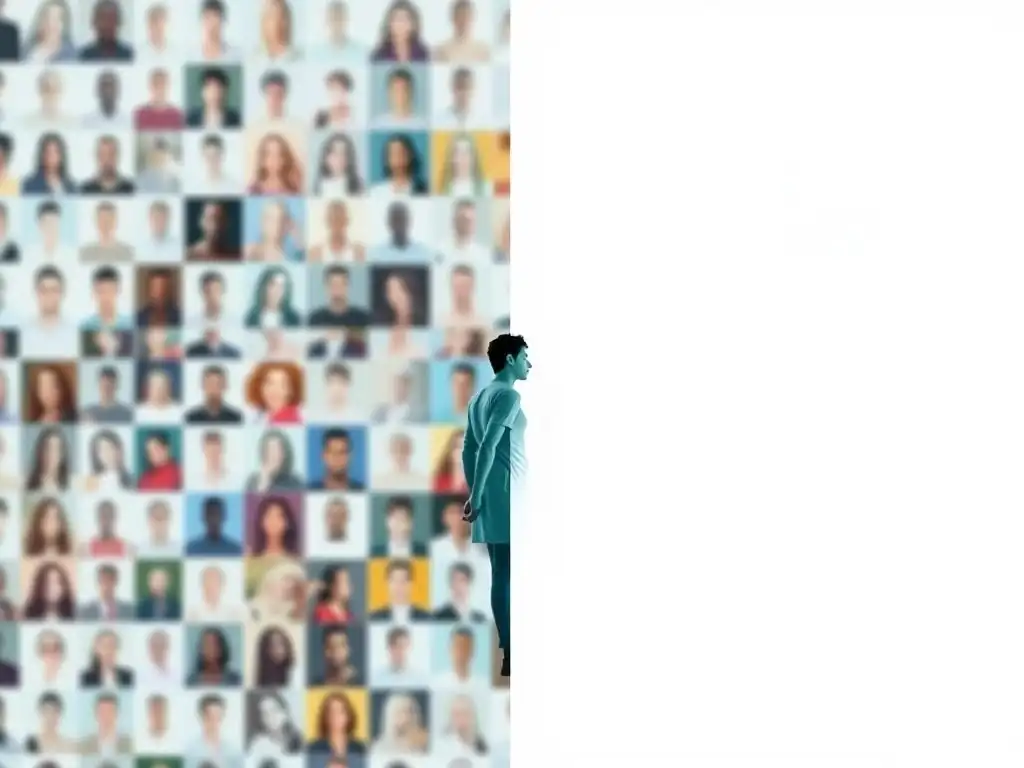
Algorithmic bias in dating apps significantly impacts user experience, extending far beyond simply affecting the number of matches. Understanding these consequences is crucial for both app developers and users to navigate the online dating landscape more effectively and ethically. The algorithms, designed to optimize user engagement, often inadvertently perpetuate existing societal biases, leading to unfair and discriminatory outcomes. This section will explore the multifaceted consequences of this bias, highlighting its impact on match opportunities, mental health, and the reinforcement of societal prejudices.
Reduced Match Opportunities Due to Biased Algorithms
Dating app algorithms, while aiming to connect compatible individuals, can inadvertently limit match opportunities for certain user demographics due to biased programming or data sets. For example, algorithms trained on historical data might reflect existing societal biases, prioritizing profiles deemed "more desirable" based on factors like age, race, physical attractiveness, or even socioeconomic status. This means users from underrepresented groups might receive fewer matches or less prominent placement in search results, effectively reducing their visibility and chances of connection.
This isn't merely a matter of bad luck; it's a systemic issue. Research suggests that algorithms can inadvertently favor users who conform to specific beauty standards or possess certain personality traits, leading to a disproportionate number of matches for individuals who fit these profiles and fewer matches for those who don't. The result is a self-reinforcing cycle where the algorithm perpetuates existing biases, further marginalizing already underrepresented groups. Consider this example: an algorithm weighted heavily on photo attractiveness might consistently favor users with conventionally attractive features, potentially overlooking equally compatible individuals who don't fit this narrow definition.
Moreover, the lack of transparency in many dating app algorithms makes it difficult for users to understand why they receive fewer matches. This lack of clarity can be incredibly frustrating and demoralizing, leading users to question their own worthiness or desirability, rather than recognizing the algorithmic bias at play. The opacity of these systems makes it challenging to address the problem effectively.
Impact on Self-Esteem and Mental Health
The reduced match opportunities caused by algorithmic bias can have a profound impact on users' self-esteem and mental health. Repeatedly receiving few matches or being consistently overlooked can lead to feelings of rejection, inadequacy, and low self-worth, particularly if users are unaware of the underlying algorithmic biases at work. This can be especially damaging for individuals already facing societal biases based on their race, gender, sexual orientation, or body type.
The constant exposure to idealized profiles, often promoted by algorithms, can also contribute to negative body image and unrealistic expectations. Users might compare themselves to others deemed "more desirable" by the algorithm, leading to feelings of insecurity and anxiety. This constant self-comparison, amplified by the curated nature of online dating platforms, can significantly impact mental well-being, potentially leading to increased stress, depression, and even anxiety disorders.
The pressure to conform to algorithmic preferences can be overwhelming and detrimental to one's mental health. Addressing this requires greater awareness of the psychological impact of these biases and the development of more ethical and inclusive algorithms.
Perpetuation of Societal Biases Through Technology
Perhaps the most concerning consequence of algorithmic bias in dating apps is its role in perpetuating existing societal biases. By prioritizing certain user profiles over others, these algorithms unintentionally reinforce harmful stereotypes and prejudices. This reinforces the idea that certain demographics are inherently more desirable or valuable, further marginalizing those who don't fit the algorithm's preferred profile.
The lack of diversity in the data sets used to train these algorithms is a key contributor to this problem. If the data predominantly reflects the preferences and characteristics of a specific demographic, the algorithm will likely perpetuate those preferences, leading to a biased and unequal system. This creates a vicious cycle: biased algorithms produce biased outcomes, which are then used to further train the algorithms, strengthening the biases over time.
Breaking this cycle requires a conscious effort to incorporate diverse and representative data sets and to design algorithms that actively mitigate bias. This includes implementing fairness metrics and conducting regular audits to identify and address potential biases. The responsibility lies with both app developers and users to actively challenge and overcome these deeply ingrained societal prejudices manifested in the digital sphere.
The Creation of Echo Chambers and Filter Bubbles
Algorithmic bias in dating apps doesn't just affect who you see; it shapes your entire online dating experience, often leading to the creation of echo chambers and filter bubbles. These phenomena limit your exposure to diverse potential partners, reinforcing existing preferences and potentially hindering the discovery of compatible individuals outside your usual type. The algorithm, designed to maximize engagement by showing you profiles it predicts you'll like, inadvertently restricts your options.
This is particularly problematic for users seeking relationships outside of their usual demographic or preference norms. For example, a user who primarily interacts with profiles of a specific age range or ethnicity might find their suggested matches increasingly confined to that group, regardless of broader compatibility. This self-reinforcing cycle limits opportunities for meaningful connections and can perpetuate harmful stereotypes.
The result is a homogenized dating experience that fails to reflect the rich diversity of potential partners. The app's attempt to personalize the experience inadvertently isolates users, preventing them from encountering individuals who might otherwise be perfect matches but fall outside the algorithm's predicted preferences. This limitation directly contradicts the goal of online dating: expanding one's dating pool and finding compatible partners.
The impact of this is significant. Imagine a user who is open to dating people from different cultural backgrounds but whose algorithm primarily shows them profiles from their own. They might mistakenly assume a lack of interest or compatibility with people from other cultures, when in reality, their limited exposure is the root cause.
This effect, subtly woven into the fabric of the app's design, can significantly impact a user's perception of their dating prospects and their overall dating success. Addressing this requires a critical examination of the algorithms themselves and a push for greater transparency and user control.
It highlights the need for users to be aware of the potential for algorithmic bias and to actively seek out ways to diversify their dating experience, even if it requires some extra effort beyond simply swiping. The responsibility lies not only with the app developers but also with the users, who must actively combat the limitations imposed by these biased systems.
Dating app algorithms, while designed to connect users, can inadvertently perpetuate biases, limiting your potential matches based on factors like age, race, location, or even photo style. Understanding and proactively addressing this algorithmic bias is crucial for maximizing your online dating experience and finding compatible partners. This section outlines practical strategies to mitigate the effects of these hidden biases and increase your chances of success.
Diversifying Your Profile and Preferences
A carefully crafted profile is your first line of defense against algorithmic bias. The algorithm relies heavily on the information you provide to determine potential matches. Limiting your profile's diversity can unintentionally reinforce existing biases within the app.
Consider these points when creating or optimizing your profile:
- Expand your search radius: Don't limit yourself geographically. Expanding your search radius can expose you to a wider pool of potential matches outside your immediate area, potentially circumventing location-based biases.
- Broaden your age range preferences: While you may have a preference, setting overly restrictive age parameters can significantly limit your options and reinforce ageist biases embedded in the algorithm. Experiment with widening your acceptable age range gradually.
- Be inclusive in your preferences: Avoid overly specific criteria that might inadvertently exclude individuals based on race, ethnicity, body type, or other potentially biased factors. Focus on personality traits and shared interests, rather than superficial characteristics.
- Use diverse and representative photos: Your profile pictures are crucial. Use a variety of photos that showcase your personality and interests. Avoid relying solely on photos that conform to narrow beauty standards. Include pictures showcasing your hobbies, passions, and social interactions to present a complete picture of yourself. This can help the algorithm better understand your personality and connect you with more compatible matches, even if they don't fit a stereotypical "ideal" image.
Utilizing Advanced Search Filters to Overcome Bias
Many dating apps offer advanced search filters that go beyond basic parameters. Learning to use these filters strategically can help you actively counteract algorithmic bias and find matches that might otherwise be hidden.
For example:
- Prioritize personality traits: If the app allows, filter based on personality traits rather than just physical attributes. This helps you focus on compatibility beyond superficial aspects and reduces the influence of potentially biased visual filters.
- Experiment with different search combinations: Don't just rely on your initial search settings. Try different combinations of filters to see how the results change. This can reveal how the algorithm prioritizes certain characteristics and allow you to strategically bypass them.
- Use negative filters cautiously: While negative filters (e.g., excluding certain characteristics) might seem useful, overuse can inadvertently reinforce the very biases you’re trying to avoid. Use them sparingly and thoughtfully.
Remember, the goal is not to manipulate the algorithm, but to use its features to broaden your dating pool and find genuinely compatible matches. By carefully selecting your search criteria, you can increase your chances of interacting with individuals who might otherwise be overlooked by the app's default settings.
Reporting Biased Algorithms and Promoting Transparency
If you consistently encounter results suggesting algorithmic bias—for instance, a disproportionate lack of matches from certain demographic groups—don't hesitate to report it to the dating app's support team. Many platforms have mechanisms for reporting bugs or concerns about their algorithms. While individual reports may seem insignificant, collective feedback can drive improvements and increased transparency.
Furthermore, advocate for greater transparency in how these algorithms function. Demand more information from dating app companies about the factors influencing match suggestions. Openly discussing algorithmic bias within the online dating community can encourage app developers to prioritize fairness and inclusivity in their algorithms. A more transparent and accountable system benefits all users, fostering a more equitable and successful dating experience for everyone.
Choosing Dating Apps with Ethical Practices and Transparency
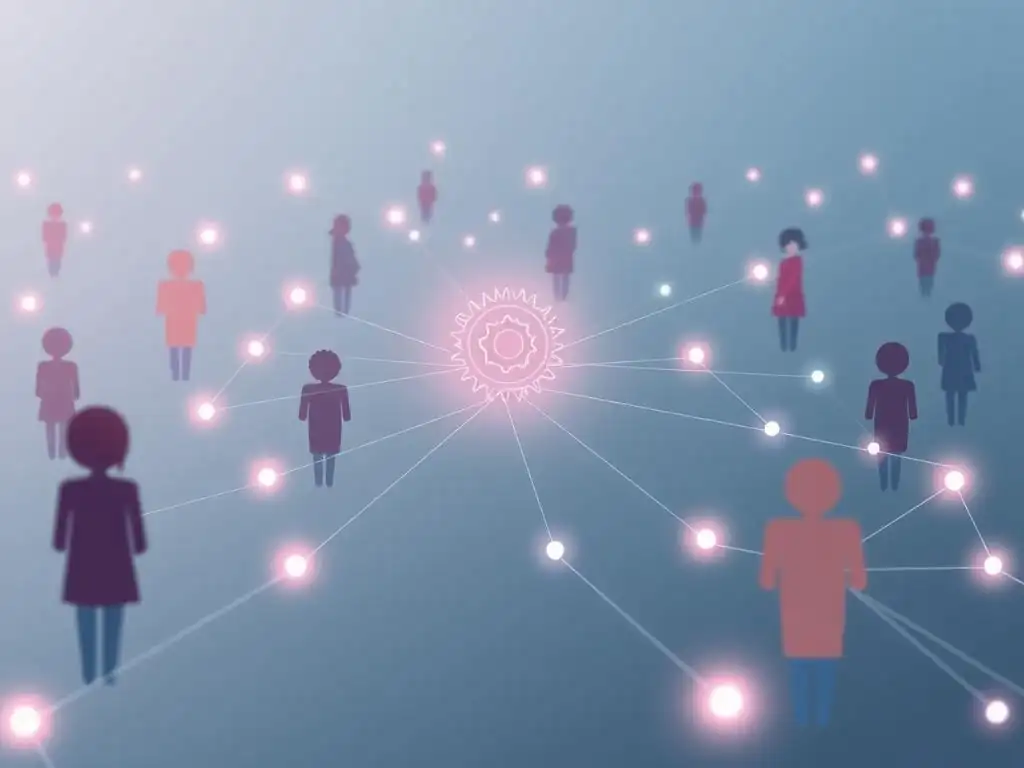
Understanding how a dating app's algorithm functions is crucial to mitigating the effects of bias. Unfortunately, many apps are opaque about their matching processes, making it difficult to identify and address potential biases. Therefore, prioritizing transparency should be paramount when selecting a platform. Look for apps that openly discuss their algorithms, even if only in general terms. This openness suggests a commitment to fairness and accountability.
Apps that are completely secretive about their matching processes are more likely to harbor hidden biases, potentially disadvantaging certain user demographics. For example, an app that boasts a sophisticated AI matching system but offers no explanation of its underlying principles should raise a red flag. Furthermore, research the app's reputation. Look for reviews and articles discussing the app's fairness and inclusivity.
User feedback can offer valuable insights into the app’s potential biases, revealing experiences that might otherwise be hidden. Remember, your choice of dating app significantly impacts your online dating experience. By choosing a transparent and ethically-minded app, you are actively working against the pervasive issue of algorithmic bias in online dating. A commitment to transparency is a strong indicator of an app's dedication to providing a fair and equitable platform for all users.
Advocating for Fair and Inclusive Algorithms
While choosing a transparent app is a proactive step, actively advocating for fairer algorithms is equally important. Dating apps, like all technological platforms, are constantly evolving. This means that there are opportunities to influence their development and push for improved inclusivity. One effective method is to provide direct feedback to the app developers.
If you experience instances of perceived bias or encounter discriminatory practices, reporting these issues directly to the app's customer support team is crucial. Detailed, specific feedback highlighting your experience can be incredibly valuable in helping developers understand and address the issues. Furthermore, engage in online discussions and share your experiences on social media platforms. Highlighting issues of algorithmic bias can raise awareness and encourage other users to do the same.
Collective action, in the form of organized petitions or campaigns demanding greater transparency and fairness, can significantly impact an app's policies and practices. Remember that your voice matters. By actively participating in discussions, providing feedback, and demanding accountability, you contribute to shaping a more equitable online dating landscape for everyone. The fight against dating app algorithm bias is a collective effort, and your participation is key to achieving a more just and inclusive online dating experience.
The Future of Fair and Equitable Dating Apps
The pervasive influence of dating app algorithms on user experience necessitates a proactive approach to mitigating bias and fostering fairness. The current landscape, while offering convenience, often presents a skewed reality due to inherent biases within these algorithms. Moving forward, the industry needs to prioritize ethical considerations and implement concrete strategies to ensure a more equitable and inclusive online dating environment.
This requires a multi-pronged approach, encompassing transparency, accountability, and user empowerment. Ignoring these issues will not only damage user trust but also limit the potential for meaningful connections. The future of successful online dating hinges on addressing these fundamental concerns.
Promoting Algorithmic Transparency and Accountability
Transparency is paramount in building trust and combating algorithmic bias. Dating apps should actively work towards disclosing the key factors influencing their matching algorithms. This isn't about revealing proprietary secrets, but rather providing users with a general understanding of how the system works. For example, instead of a vague statement like "Our algorithm matches you with compatible users," a more transparent approach might state: "Our matching algorithm considers factors such as location, age range, stated interests, and profile photo quality, weighting these factors according to our internal analysis of successful matches."
This level of detail allows users to better understand potential biases and make informed decisions about their profiles and usage. Furthermore, independent audits of these algorithms could be implemented to ensure accountability and identify potential biases that may have been overlooked. This would involve third-party experts reviewing the algorithm's code and data to assess its fairness and identify areas for improvement. Regular audits, coupled with public reporting of findings, would create a culture of responsibility and help maintain user trust.
The lack of transparency currently breeds suspicion and fuels concerns about manipulation. Openness about the algorithm's workings is a crucial first step. The implementation of clear guidelines and standards for algorithmic transparency is urgently needed.
Developing Bias Detection and Mitigation Techniques
Developing robust bias detection and mitigation techniques is crucial for creating a fairer online dating experience. This requires a multi-faceted approach combining technical solutions with ethical guidelines. Machine learning models can be trained to identify and flag potentially biased patterns within the data used to train the matching algorithms. For instance, a model could be designed to detect if certain demographic groups are disproportionately excluded from suggested matches or receive fewer messages.
Further, using techniques like differential privacy can help protect user data while still allowing for effective algorithm training. This involves adding carefully calibrated noise to the data, preventing the identification of individual users while preserving overall trends. Beyond technical solutions, the development of ethical guidelines for algorithm design is necessary. These guidelines should clearly articulate principles of fairness, inclusivity, and respect for user privacy.
They should also emphasize the importance of diverse representation in the development and testing phases of algorithms. Regular bias audits and ongoing monitoring are essential to ensure that these techniques remain effective and adapt to evolving patterns of bias. Failing to address these issues risks perpetuating existing inequalities and undermining the potential benefits of online dating. The development of these techniques represents a significant challenge, but one that is vital for the future of equitable online dating.
The Role of User Feedback in Improving Algorithms
User feedback plays a vital role in identifying and mitigating algorithmic bias. Providing users with avenues to report biases and share their experiences is crucial. This feedback can be invaluable in informing improvements to the algorithm and ensuring a more equitable system. This could take the form of in-app reporting mechanisms where users can flag profiles or matches that they believe are the result of bias.
Regular surveys and user focus groups can provide deeper insights into users' perceptions of fairness and identify areas where improvements are needed. Importantly, this feedback should be analyzed carefully and used to inform iterative improvements to the algorithm. This requires a commitment to transparency and accountability, ensuring that users understand how their feedback is being used and that changes are made based on their concerns. Moreover, the development of user-friendly interfaces for providing feedback is crucial.
Complicated reporting processes can discourage users from participating, hindering the effectiveness of this approach. A simple, accessible, and clear reporting system is essential for maximizing user participation and the quality of feedback received. Actively soliciting and incorporating user feedback is not just good practice, it's essential for creating a more just and inclusive online dating experience. The collective voice of users holds immense power in shaping a fairer future for online dating.
Creating More Inclusive and Representative Dating Platforms
Developing truly inclusive dating platforms requires a multi-pronged approach. It's not simply about tweaking algorithms; it's about fundamentally rethinking the design and functionality of these apps from the ground up. This involves actively soliciting feedback from diverse user groups, going beyond simple surveys to engage in meaningful dialogue and understand their experiences. For example, focus groups with members of underrepresented communities can provide invaluable insights into the specific biases they encounter. This feedback should directly inform the development process, ensuring that the platform's features and functionalities cater to a wider range of needs and preferences.
One crucial aspect is expanding the range of profile options to allow for more nuanced self-representation. Currently, many apps rely on limited categories and simplistic questionnaires, failing to capture the richness and complexity of individual identities. Implementing more inclusive options for gender, sexual orientation, relationship preferences, and even body image representation can significantly improve the inclusivity of the platform.
This also means carefully considering the language used in these options, avoiding potentially exclusionary or stereotypical terms. Instead of offering binary choices, platforms should allow for a broader spectrum of self-identification, reflecting the fluidity and diversity of human experience. Consider, for instance, allowing users to write their own descriptions instead of selecting from pre-defined options, or offering a wide variety of visual representations for gender and body type.
Another critical element is promoting transparency and accountability. Dating apps should be more forthcoming about how their algorithms work, detailing the factors that influence match suggestions. This transparency allows users to understand the potential for bias and empowers them to advocate for change.
Moreover, implementing robust mechanisms for reporting and addressing discriminatory behavior is essential. This includes clear guidelines on what constitutes harassment and hate speech, coupled with effective processes for investigating and resolving complaints. Regular audits of the platform's performance, examining match distribution and user experience across diverse groups, can identify and mitigate potential biases before they escalate into widespread issues.
These audits should be conducted by independent third parties to ensure objectivity and build user trust. This proactive approach demonstrates a commitment to fairness and equity, fostering a more welcoming and inclusive online dating environment. Ultimately, the goal is to create a space where everyone feels seen, respected, and valued, regardless of their background or identity.
Frequently Asked Questions
How do dating app algorithms work, and why is bias a concern?
Dating app algorithms use complex calculations based on your profile, activity, and preferences to suggest potential matches. Bias is a concern because these algorithms can unintentionally discriminate based on factors like age, race, or location, limiting your exposure to certain types of people.
What are some examples of dating app algorithm bias?
Algorithms may favor users with certain physical attributes or prioritize those who are highly active on the app, potentially marginalizing others. There's also evidence suggesting biases based on socioeconomic status and location.
Can I do anything to mitigate the effects of algorithm bias?
Yes! Optimizing your profile with high-quality photos and a compelling bio is key. Being active on the app and engaging with potential matches can also improve visibility. Consider using diverse and inclusive language in your profile.
Are dating apps actively trying to combat algorithm bias?
Many apps are becoming more aware of the issue and are implementing changes to their algorithms. However, it's a complex problem with no easy fix, and transparency remains a challenge.
OnlineDatingSuccess.org offers practical advice and strategies to help you create a successful online dating profile, communicate effectively, and build meaningful relationships despite algorithm biases. Explore our articles for more in-depth insights.
Final Reflection: Reclaiming Agency in the Age of Algorithmic Dating
The biases embedded within dating app algorithms are not mere technical glitches; they are powerful forces shaping our perceptions of love, connection, and self-worth. These algorithms, designed to optimize engagement, often prioritize superficial metrics over genuine compatibility, perpetuating harmful stereotypes and limiting our dating pool to a curated, and potentially skewed, selection. This isn't just a technical issue; it's a social one with far-reaching consequences.
The insidious nature of algorithmic bias in dating apps has profoundly impacted how we approach relationships in the digital age. It subtly reinforces societal beauty standards, favoring certain demographics while marginalizing others. This creates a feedback loop, where the algorithm's biases become self-fulfilling prophecies, shaping our expectations and limiting our opportunities. The medium is the message,
Marshall McLuhan famously said, and in the context of dating apps, the algorithm is the message, subtly shaping our understanding of desirability and connection.
Consider the implications of this for a moment. You are not simply swiping through potential partners; you are navigating a complex system designed with inherent biases. Understanding these biases empowers you to take control of your dating experience. Challenge the assumptions presented to you. Diversify your search parameters. Remember that the algorithm is a tool, not a definitive judge of your worth or compatibility. Engage actively with the dating process, prioritizing genuine connection over superficial metrics. Your love life is too important to leave entirely to the whims of an algorithm.
Unlock Your Dating App Potential: Take Control of Your Matches
Thanks for exploring the complexities of dating app algorithms with us! You've gained valuable insights into navigating potential biases and optimizing your profile for better matches. Ready to put this knowledge into practice?
- Refine your profile: Carefully review your photos and profile description, considering how the algorithm might interpret them. Think about the message you're conveying and adjust your profile to accurately reflect your personality and ideal partner. This is your most crucial first step.
- Experiment with your search filters: Try expanding or narrowing your search criteria to observe the impact on your results. This helps you understand the algorithm and discover what truly aligns with your preferences.
- Share your knowledge: Discuss your experiences and newfound understanding with friends who also use dating apps. Let's work together to raise awareness about algorithmic bias!
What changes will you make to your profile today to attract compatible matches?