
The Future of Dating: How We Can Create More Inclusive Online Platforms


Welcome to OnlineDatingSuccess.org, your guide to navigating the exciting yet complex world of online dating! Are you ready to rewrite the rules and find genuine connection? We believe everyone deserves a chance at love, and that starts with understanding how to create a truly inclusive online dating experience. Discover how to leverage inclusive online dating platforms to find meaningful relationships, and learn the essential strategies for building a fulfilling connection in our latest article, "The Future of Dating: How We Can Create More Inclusive Online Platforms." Let's explore the possibilities together!
- Understanding the Current Landscape of Online Dating Inclusivity
- Building More Inclusive Online Dating Platforms: Strategies and Solutions
- Technological Innovations for a More Inclusive Dating Experience
- The Role of Users in Creating a More Inclusive Online Dating Environment
- The Future of Inclusive Online Dating: A Call to Action
-
Frequently Asked Questions
- What does "inclusive online dating" actually mean?
- How can online dating platforms become more inclusive?
- Are there any examples of inclusive features on dating platforms?
- What role do users play in creating a more inclusive online dating experience?
- How can I find an inclusive online dating platform?
- Final Reflection: Reimagining Connection in the Digital Age
- Shape the Future of Dating: Take Action Today!
Understanding the Current Landscape of Online Dating Inclusivity
Online dating has revolutionized how people meet and form relationships, offering unprecedented opportunities to connect with individuals from diverse backgrounds and geographical locations. However, despite its potential for inclusivity, the current landscape of online dating platforms is marred by significant challenges related to bias, discrimination, and a lack of representation. This article delves into the crucial issue of creating more inclusive online dating platforms, exploring the prevalent biases, systemic issues, and the vital role of representation in fostering a more equitable and welcoming online dating experience for everyone.
We will examine how algorithms, profile filtering, and marketing strategies contribute to the current climate and propose potential solutions to promote a more inclusive future for online dating. Ultimately, building truly inclusive platforms requires a multifaceted approach addressing both technological and societal factors.
The goal is not just to tolerate diversity, but to actively celebrate and empower it within the online dating sphere. This is crucial for building meaningful connections and fostering healthy relationships for all users.
The Prevalence of Bias and Discrimination in Dating Apps
Dating apps, while designed to connect people, often inadvertently perpetuate and amplify existing societal biases. Reports and studies consistently reveal a high prevalence of discrimination based on various factors, including race, ethnicity, age, body type, sexual orientation, and gender identity. Many users report experiencing ghosting, rejection, or even harassment based on these characteristics.
For example, users from marginalized communities frequently report receiving fewer matches or messages compared to their counterparts from dominant groups. This disparity highlights the urgent need for interventions to mitigate these biases and create a fairer playing field for all users. The pervasive nature of these biases underscores the importance of actively addressing them through both technological solutions and educational initiatives.
Quantifying the exact extent of this discrimination remains challenging due to the lack of comprehensive and publicly available data from dating app companies. However, anecdotal evidence and user reports consistently paint a picture of a system that often fails to protect vulnerable users from prejudice. This lack of transparency further complicates efforts to effectively combat discrimination.
Identifying Systemic Issues: Algorithm Bias and Profile Filtering
A significant contributing factor to bias in online dating is the inherent biases embedded within the algorithms and profile filtering systems used by these platforms. These algorithms, often trained on large datasets reflecting existing societal biases, can inadvertently reinforce discriminatory practices. For instance, algorithms might prioritize certain user profiles based on factors that disproportionately favor certain demographic groups, leading to unequal opportunities for connection.
Similarly, profile filtering systems, while intended to help users find compatible partners, can be manipulated or designed in ways that inadvertently filter out users based on protected characteristics. This creates a feedback loop where biases are not only perpetuated but also amplified by the very technology designed to connect people.
Addressing this requires a thorough audit and redesign of these systems, incorporating fairness and inclusivity as core design principles. This may involve employing techniques such as differential privacy and fairness-aware machine learning to mitigate algorithmic bias and ensure equitable outcomes for all users.
The Impact of Representation: Lack of Diversity in User Profiles and Marketing
The lack of diversity in user profiles and marketing materials further exacerbates the issue of inclusivity in online dating. When platforms predominantly showcase images and narratives representing a narrow range of demographics, it creates an environment where users from marginalized communities may feel unwelcome or invisible. This lack of representation can lead to feelings of isolation, decreased self-esteem, and reduced participation from underrepresented groups.
Moreover, marketing campaigns that fail to reflect the diversity of their user base can inadvertently perpetuate harmful stereotypes and reinforce exclusionary norms. To foster a truly inclusive environment, dating platforms must actively promote diversity in their marketing materials and user profiles. This includes featuring diverse individuals in their promotional campaigns, showcasing a wide range of body types, relationship styles, and identities.
This proactive approach to representation is crucial for creating a sense of belonging and encouraging broader participation from all segments of the population. Furthermore, providing resources and guidelines for users to create inclusive profiles can empower individuals to showcase their authentic selves while also promoting respectful interactions.
Building More Inclusive Online Dating Platforms: Strategies and Solutions

This section delves into practical strategies and solutions for fostering inclusivity within online dating platforms. We'll examine how platforms can actively promote diversity, implement fairer algorithms, and enhance reporting mechanisms to combat discrimination. Creating truly inclusive online dating platforms requires a multifaceted approach, addressing both the visible and invisible biases embedded within these systems.
Promoting Diversity and Inclusion in User Profiles and Marketing Materials
Attracting and representing a diverse user base begins with the platform's own presentation. Marketing materials should showcase the breadth of identities and relationships represented on the platform, moving beyond stereotypical portrayals of love and relationships. This requires a conscious effort to feature individuals from various racial, ethnic, religious, sexual orientation, gender identity, ability, and age backgrounds in promotional materials. Consider the following:
- Diverse Stock Photography: Instead of relying on generic stock photos, use images that authentically reflect the diversity of your user base. This includes showing same-sex couples, interracial couples, people with disabilities, and individuals of all ages and body types. The visuals should accurately depict the reality of the platform's user demographics.
- Inclusive Language: The language used in marketing materials and within the platform itself should be carefully chosen to be inclusive and avoid perpetuating harmful stereotypes. Avoid gendered language where possible and use inclusive terms like "partner" instead of "boyfriend" or "girlfriend."
- Profile Customization Options: Offer a wide range of options for users to express their identities. This includes allowing users to specify their pronouns, sexual orientations, relationship goals, and other relevant details. The more granular the options, the better the platform can cater to diverse needs and preferences.
- Accessibility Features: Ensure the platform is accessible to users with disabilities. This includes providing screen reader compatibility, keyboard navigation, and alternative text for images. Accessibility is not just a matter of compliance but a demonstration of genuine inclusivity.
For example, a platform could implement a “Relationship Goals” section allowing users to specify their ideal relationship dynamic, beyond the typical "marriage" or "casual dating" options. This could include options like "long-term companionship," "platonic friendship," or "exploration of non-monogamous relationships," thereby expanding the scope of acceptable relationships on the platform and attracting a more diverse user base.
Implementing Algorithmic Fairness and Transparency
Many online dating platforms utilize algorithms to match users. These algorithms, however, can unintentionally perpetuate biases present in the data they are trained on, leading to discriminatory outcomes. To mitigate this, platforms need to prioritize algorithmic fairness and transparency:
- Regular Audits: Conduct regular audits of the matching algorithms to identify and address potential biases. This involves analyzing the data used to train the algorithms and evaluating the outcomes to ensure they are equitable across different demographic groups.
- Explainable AI (XAI): Implement explainable AI techniques to make the algorithm's decision-making process more transparent. Users should have a better understanding of why they are (or aren't) being matched with certain individuals.
- Bias Mitigation Techniques: Employ techniques to mitigate biases in the data and algorithms. This might involve re-weighting certain features to reduce their influence or using techniques like adversarial training to make the algorithm less susceptible to biases.
- User Feedback Mechanisms: Provide users with mechanisms to report instances of algorithmic bias. This feedback can be used to improve the algorithm and make it more fair.
The lack of transparency in many algorithms is a major concern. Users deserve to know how the matching system works and how their profiles are being evaluated. This transparency fosters trust and allows for greater accountability.
Enhancing User Reporting Mechanisms for Discrimination
Robust reporting mechanisms are crucial for addressing discrimination on online dating platforms. These mechanisms should be easy to use, effective, and provide users with a sense of security:
- Clear Reporting Pathways: Make it easy for users to report instances of harassment, hate speech, or other forms of discrimination. The reporting process should be clear, concise, and accessible.
- Prompt Response Times: Respond promptly to all reports of discrimination. Users should feel that their concerns are being taken seriously and addressed efficiently. A slow response can exacerbate the harm caused by discriminatory behavior.
- Accountability Measures: Implement clear accountability measures for users who violate the platform's terms of service. This might involve warnings, temporary suspensions, or permanent bans.
- Dedicated Support Teams: Dedicated support teams should be trained to handle reports of discrimination sensitively and effectively. This requires specialized training in areas such as diversity, equity, and inclusion.
Effective reporting mechanisms are not just about punishing offenders; they are also about creating a safer and more welcoming environment for all users. This requires a multi-pronged approach, including proactive measures to prevent discrimination, responsive mechanisms to address it when it occurs, and a commitment to creating a culture of respect and inclusion within the online dating community. A well-designed system can significantly contribute to building inclusive online dating platforms.
Fostering a Culture of Respect and Accountability Through Community Guidelines
Creating truly inclusive online dating platforms requires more than just technical adjustments; it necessitates a fundamental shift in online culture. Robust and clearly defined community guidelines are paramount in achieving this. These guidelines shouldn't just be a list of prohibitions; they should actively promote respect, empathy, and accountability. They need to be easily accessible, understandable, and consistently enforced. Think of them as the bedrock upon which a respectful online dating experience is built.
One crucial aspect is the proactive definition of unacceptable behavior. This goes beyond the obvious – hate speech, harassment, and threats – to encompass more subtle forms of discrimination. For example, guidelines should explicitly address bias based on factors like age, body type, disability, socioeconomic status, religious beliefs, and political views.
The language used should be precise and unambiguous, leaving no room for misinterpretation. Vague terms should be avoided; instead, concrete examples of unacceptable behavior should be provided. For instance, instead of simply stating "no hate speech," the guidelines should offer specific examples such as "using derogatory terms towards individuals based on their sexual orientation" or "making offensive comments about someone's physical appearance."
Furthermore, the enforcement of these guidelines must be transparent and consistent. Users need to understand the process for reporting violations and the consequences of non-compliance. This could involve a tiered system of warnings, temporary suspensions, or permanent bans, depending on the severity of the offense.
The platform should also provide clear channels for users to appeal decisions they believe to be unfair. This transparency and consistent application of rules are essential to building trust and ensuring fairness amongst all users. The goal is not just to punish offenders but to create a space where everyone feels safe and respected.
A well-defined appeals process shows a commitment to due process and helps maintain the integrity of the platform's commitment to inclusivity. Regular reviews and updates to the community guidelines are also crucial to adapt to evolving social norms and address emerging forms of online harassment. This demonstrates the platform's ongoing dedication to creating a safe and inclusive environment for all users.
Technological Innovations for a More Inclusive Dating Experience
The quest for truly inclusive online dating platforms necessitates leveraging technological advancements to actively combat bias and discrimination. This isn't simply about adding a few checkboxes; it's about fundamentally re-engineering the platform's architecture to promote fairness and respect. Moving forward, the focus should be on proactive measures, not just reactive responses to reported incidents. This section explores some key technological innovations that can help us build a more welcoming and equitable online dating environment.
AI-Powered Bias Detection and Mitigation in Matching Algorithms
Matching algorithms, the heart of many dating apps, are often criticized for perpetuating existing societal biases. These algorithms, trained on historical data, can inadvertently reinforce discriminatory patterns based on race, gender, age, sexual orientation, or body type. However, the power of AI extends beyond simply reflecting these biases; it can also be used to actively mitigate them.
Advanced AI systems, employing techniques such as machine learning and natural language processing, can be trained to identify and flag potentially biased patterns within the algorithm's output. For example, if the algorithm consistently prioritizes certain demographics over others, or if specific user characteristics are disproportionately associated with negative interactions (e.g., lower match rates, fewer messages), AI can highlight these anomalies. This allows developers to adjust the algorithm’s parameters, ensuring a more equitable distribution of matches and opportunities for connection.
Furthermore, AI can be employed to analyze user profiles for potential discriminatory language or behaviors. This proactive approach can help prevent harmful interactions before they escalate, fostering a safer and more respectful online dating experience for all users. The key here is continuous monitoring and refinement of the AI system, incorporating feedback from users and experts to ensure its ongoing effectiveness. This requires a significant investment in data science and ongoing ethical review.
Developing Personalized Safety Features for Vulnerable Users
Inclusive online dating platforms must prioritize the safety and well-being of all users, particularly those from marginalized communities who may be disproportionately vulnerable to harassment and discrimination. Technological solutions can play a crucial role in enhancing safety and empowering users to control their online experiences.
This requires a shift from generic safety features to personalized ones. For instance, users could select specific safety preferences based on their individual needs and experiences. These preferences could include:
- Enhanced privacy settings: Controlling the visibility of their profile information to specific users or groups.
- Real-time monitoring: Alerting users to potentially harmful messages or behavior.
- Emergency contact options: Providing quick access to support services in case of harassment or abuse.
- Profile verification tools: Allowing users to verify their identities and increase their sense of security.
The implementation of these features requires careful consideration of user privacy and data security. Transparency and user control over their data are paramount. Moreover, the design of these features should prioritize usability and accessibility, ensuring that all users, regardless of their technological literacy, can benefit from them.
Utilizing Data Analytics to Identify and Address Discrimination Patterns
Data analytics provides invaluable insights into user behavior and platform dynamics, which can be leveraged to identify and address patterns of discrimination. By analyzing vast amounts of data, including user interactions, messaging patterns, match rates, and reported incidents, we can uncover hidden biases and inequalities within the platform.
For example, analyzing match rates across different demographic groups can reveal whether certain groups are consistently disadvantaged. Similarly, analyzing the language used in user profiles and messages can identify discriminatory or offensive language. This data-driven approach allows developers to pinpoint specific areas where improvements are needed and to track the effectiveness of interventions aimed at fostering inclusivity.
The collected data must, however, be anonymized and aggregated to protect user privacy while still providing valuable insights into platform-wide trends. Regular audits and transparency regarding these analyses are essential to build trust and accountability. This approach requires a robust data infrastructure and a skilled team of data analysts who can interpret the results and translate them into actionable changes.
The Role of Users in Creating a More Inclusive Online Dating Environment
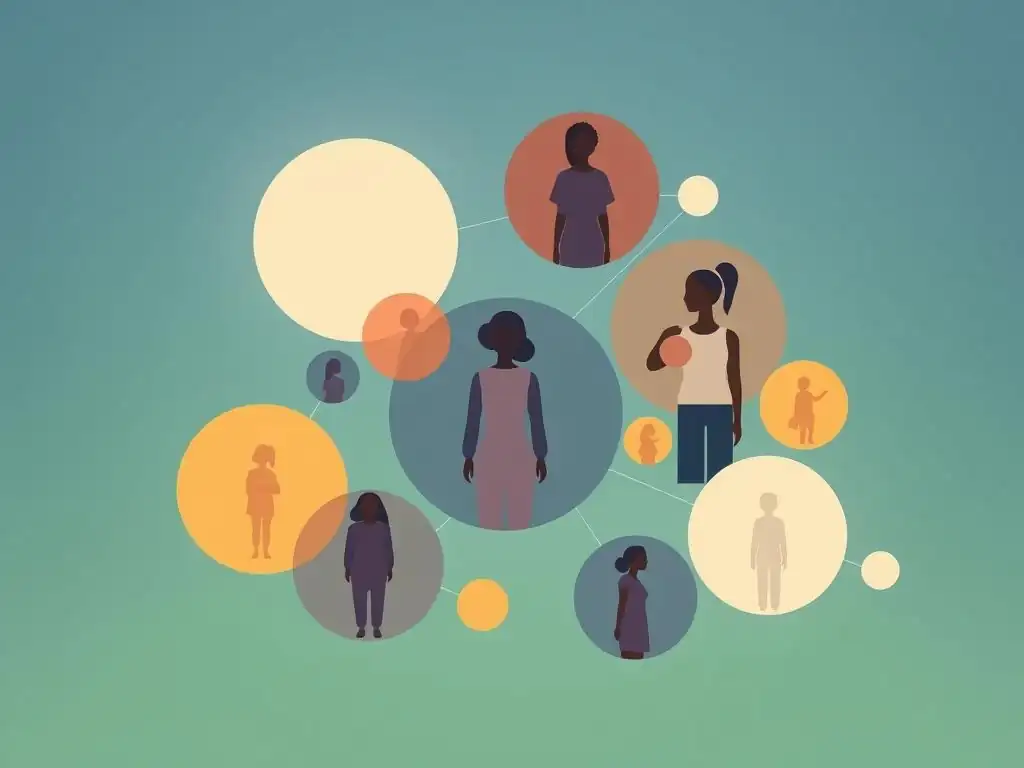
Online dating platforms strive for inclusivity, but their success hinges significantly on the active participation and responsible behavior of their users. Building truly inclusive online dating platforms requires a collective effort, and users play a pivotal role in shaping the environment. This section will explore the crucial actions individuals can take to foster a more welcoming and respectful space for everyone.
The onus is on each user to contribute to a positive and equitable experience for all. This includes actively challenging prejudice, fostering understanding, and creating a culture of respect. Let's examine how users can contribute meaningfully to the creation of inclusive online dating platforms.
Promoting Self-Awareness and Education on Unconscious Bias
Unconscious biases, deeply ingrained prejudices we may not even be aware of, significantly impact our interactions online. These biases can manifest in subtle ways, influencing our choices of who to message, interact with, or even swipe right on. Understanding these biases is the first crucial step towards mitigating their effects. Several resources are available to help users become more self-aware. For instance, implicit association tests can reveal hidden biases related to race, gender, age, and other identity factors. Furthermore, engaging with educational materials on implicit bias can provide valuable insights into the mechanisms of prejudice and strategies for overcoming them. This proactive approach to self-education is vital for creating a more inclusive dating experience. By acknowledging our own potential biases, we can make more conscious and equitable decisions, contributing directly to a more welcoming online dating environment for everyone. The goal is not perfection, but a continuous effort towards self-improvement.
Encouraging Open and Honest Communication about Identity and Preferences
Open and honest communication is paramount in fostering inclusivity. Users should feel comfortable expressing their identities and preferences without fear of judgment or rejection. This means being upfront about your own identity and respecting the identities of others. Avoid making assumptions about someone's identity based on limited information. Instead, engage in respectful conversations and ask clarifying questions when needed.
Celebrating the diversity of identities and preferences within the online dating community actively counters exclusionary practices. This active promotion of diverse identities builds a more inclusive environment where everyone feels seen, heard, and valued. For example, clearly stating your pronouns in your profile shows respect and encourages others to do the same, creating a safe space for self-expression. This transparency and respect are key elements in building truly inclusive online dating platforms.
Reporting and Confronting Discrimination When Encountered
Despite efforts towards inclusivity, instances of discrimination will inevitably occur. It's crucial for users to actively report discriminatory behavior. Most online dating platforms have reporting mechanisms in place to address harassment, hate speech, and other forms of discrimination. Using these tools effectively contributes to a safer and more inclusive environment for all users.
Furthermore, users can also confront discrimination directly, but only when it's safe to do so. This might involve politely challenging discriminatory comments or behaviors, but it's essential to prioritize personal safety. If the situation escalates or feels unsafe, reporting to the platform is the more appropriate action. This proactive approach helps maintain a culture of accountability and discourages discriminatory behavior.
Remember, reporting discriminatory behavior is not just about protecting yourself; it’s about creating a better experience for everyone using the platform. By actively participating in reporting and confronting discrimination, users contribute significantly to the creation of inclusive online dating platforms. The collective action of reporting inappropriate behavior is a powerful tool in shaping the future of online dating for the better.
The Future of Inclusive Online Dating: A Call to Action
This section explores the crucial steps needed to move beyond simply acknowledging the problem of bias and discrimination in online dating towards actively building truly inclusive platforms. The journey requires a multifaceted approach, involving collaboration, advocacy, and rigorous measurement of progress. We must actively cultivate a future where online dating reflects the beautiful diversity of human experience and connection, fostering genuine equality and opportunity for everyone. The goal isn't just to tolerate diversity, but to celebrate it. This requires a fundamental shift in how we design, use, and regulate these platforms.
Collaboration Between Developers, Users, and Researchers for Continuous Improvement
Building inclusive online dating platforms is not a one-time fix; it's an ongoing process requiring constant feedback and adaptation. Effective collaboration between developers, users, and researchers is paramount. Developers need to actively solicit user feedback through surveys, focus groups, and in-app reporting mechanisms. This feedback should be analyzed by researchers specializing in social dynamics, bias detection, and inclusive design to identify systemic issues and suggest improvements. For example, analyzing user reports of harassment and discrimination can reveal patterns and blind spots in existing moderation systems, prompting developers to refine their algorithms and safety protocols.
Crucially, this collaboration must involve users from diverse backgrounds and identities. The voices of marginalized groups are often unheard, leading to designs that unintentionally perpetuate existing biases. By actively seeking their input and perspectives, developers can create more representative and user-friendly experiences.
This iterative process of feedback, analysis, and improvement is essential for ensuring that inclusive online dating platforms remain truly inclusive over time. Regular updates and transparency regarding changes made based on user feedback will further build trust and foster a sense of shared responsibility in creating a better online dating environment. The success of this collaborative approach hinges on a commitment to continuous learning and adaptation.
Advocating for Policy Changes to Combat Discrimination in Online Dating
While technological solutions are vital, addressing the issue of discrimination in online dating also requires advocacy for policy changes. Current legal frameworks often fail to adequately address the unique challenges of online harassment and discrimination, leaving many users vulnerable. Advocacy efforts should focus on several key areas:
- Strengthening anti-discrimination laws: Existing legislation needs to be updated to explicitly include online dating platforms within its scope, clarifying the responsibilities of platforms in preventing and addressing discriminatory behavior. This includes addressing subtle forms of discrimination, such as algorithmic bias that favors certain demographics over others.
- Improving data transparency and accountability: Platforms should be required to publicly disclose data on user demographics, reporting rates of harassment and discrimination, and the effectiveness of their moderation systems. This transparency would allow for better monitoring of progress and identification of areas needing improvement.
- Promoting media literacy and digital citizenship: Educational initiatives aimed at improving users' understanding of online safety, responsible communication, and the impact of their actions are crucial. Empowering users to identify and report discriminatory behavior is vital for creating a safer online environment for everyone.
- Creating a regulatory body specifically for online dating platforms: This body could oversee compliance with anti-discrimination laws, investigate complaints, and develop best practices for inclusive design and moderation.
This advocacy requires a concerted effort from user groups, civil rights organizations, and policymakers. Successful advocacy hinges on presenting clear evidence of the problem, proposing concrete solutions, and building broad coalitions to support policy change. The goal is to create a legal landscape that supports and encourages the creation of truly inclusive online dating platforms.
Measuring the Success of Inclusivity Initiatives: Key Performance Indicators (KPIs) and Data Analysis
Measuring the success of inclusivity initiatives requires a robust framework of Key Performance Indicators (KPIs) and careful data analysis. Simply stating a commitment to inclusivity is insufficient; concrete metrics are needed to track progress and identify areas needing improvement. Some crucial KPIs include:
| KPI | Description | Data Source |
|---|---|---|
| Report Rate of Discrimination | The number of discrimination reports per 1,000 users. | User reports, internal platform data |
| Resolution Rate of Discrimination Reports | The percentage of discrimination reports that result in successful action (e.g., account suspension, policy changes). | Internal platform data, moderation logs |
| Diversity of User Base | The representation of various demographic groups (age, gender identity, sexual orientation, race, ethnicity, etc.) within the user base, compared to the general population. | User registration data, self-reported information |
| User Satisfaction Scores (by demographic) | User satisfaction ratings, specifically broken down by demographic group, to identify areas where specific groups experience lower satisfaction. | User surveys, feedback forms |
| Algorithmic Bias Detection Rate | The rate at which algorithmic bias is detected and addressed through regular audits and testing. | Algorithmic audits, internal testing |
Regular analysis of this data is crucial for identifying trends, evaluating the effectiveness of different interventions, and informing future improvements. This data-driven approach ensures that inclusivity initiatives are not merely symbolic but are demonstrably effective in creating a more equitable and welcoming online dating environment for everyone. The use of sophisticated statistical methods can further enhance the analysis, providing deeper insights into the complex interplay of factors influencing inclusivity on online dating platforms.
Frequently Asked Questions
What does "inclusive online dating" actually mean?
Inclusive online dating means creating platforms where people of all backgrounds, identities, and abilities feel welcome, respected, and represented. This includes addressing issues of representation, accessibility, and safety for marginalized groups.
How can online dating platforms become more inclusive?
Platforms can improve inclusivity by implementing stronger anti-discrimination policies, offering a wider range of identity options beyond the binary, and providing accessibility features for users with disabilities. Regular audits and user feedback are also crucial.
Are there any examples of inclusive features on dating platforms?
Some platforms offer detailed profile options allowing users to specify their pronouns, sexual orientations, and relationship goals beyond simple parameters. Others prioritize safety features to prevent harassment and discrimination.
What role do users play in creating a more inclusive online dating experience?
Users can contribute by being respectful and mindful in their interactions, reporting inappropriate behavior, and choosing platforms that prioritize inclusivity. Educating themselves on issues of diversity and inclusion is also vital.
How can I find an inclusive online dating platform?
Look for platforms that actively promote diversity and inclusion in their marketing and user agreements. Read user reviews to see how others have experienced the platform's inclusivity and safety features. Consider platforms that offer a wide range of identity options and accessibility features.
Final Reflection: Reimagining Connection in the Digital Age
The future of dating isn't just about finding a match; it's about fostering genuine connection and belonging for everyone. The rise of online dating platforms has revolutionized how we meet partners, but these platforms often fall short in creating truly inclusive spaces. This article has explored the systemic biases embedded within these platforms and proposed concrete steps towards a more equitable and representative online dating experience.
The fight for inclusivity in online dating is far from over, but the conversations sparked by this article highlight the growing awareness of the need for change. The impact of these platforms extends far beyond individual relationships; they shape our perceptions of desirability, identity, and belonging. Love is not a competition, it's a collaboration,
and online dating platforms should reflect this collaborative spirit by prioritizing the needs and experiences of all users, regardless of their background or identity. This requires a fundamental shift in design, algorithm development, and community moderation.
Now, consider your own role in shaping a more inclusive online dating landscape. What biases might you hold, consciously or unconsciously? How can you challenge those biases in your own interactions and advocate for greater representation and equity in the platforms you use? Let us all strive to create a digital world where connection is not limited by prejudice, but celebrated in all its beautiful diversity. The future of dating is in our hands, and together, we can build a more inclusive and fulfilling experience for everyone.
Shape the Future of Dating: Take Action Today!
Thank you for exploring the future of inclusive online dating with us! We hope you gained valuable insights into creating a more welcoming digital environment for everyone. Now, let's put that knowledge into practice.
Here are a few ways you can help create a more inclusive dating experience:
- Lead the change: Share this article with your network, sparking conversations about diversity and inclusivity in online dating. This simple act can make a huge difference!
- Reflect and evolve: Take a moment to review your own dating profiles and online interactions. Are you fostering a positive and inclusive environment? What improvements, however small, could you make?
- Join the discussion: Share your thoughts and experiences in the comments below. Let's build a supportive community dedicated to improving online dating for everyone.
What small step can you take today to make online dating more welcoming for all?