
Don't Risk Your Heart: Verify Online Connections with Reverse Image Search

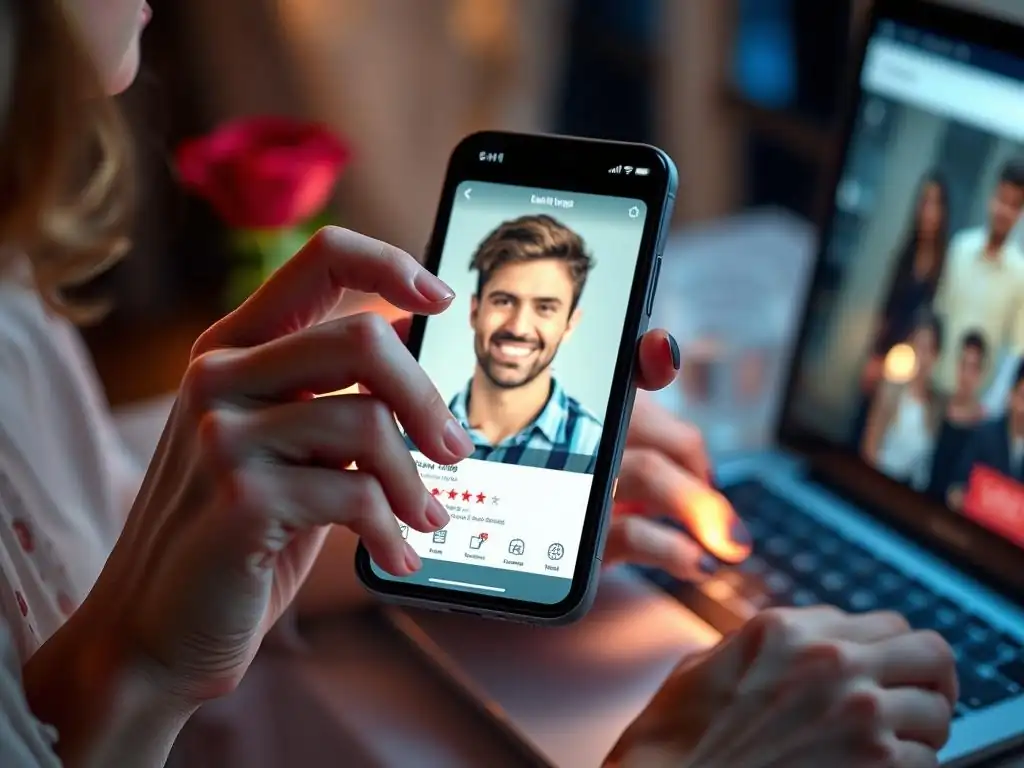
Ready to find genuine connection in the world of online dating? At OnlineDatingSuccess.org, we empower you to navigate the digital dating landscape with confidence. But before you swipe right, consider this: how can you truly know who you're talking to? Our latest article on verifying online dating profiles reveals crucial techniques to avoid scams and protect yourself – discover how reverse image search and other simple steps can safeguard your heart and help you build meaningful relationships. Dive in and unlock the secrets to a safer and more successful online dating experience!
- Protecting Yourself in Online Dating: Why Verify Profiles?
- How Reverse Image Search Helps Verify Online Dating Profiles
- Step-by-Step Guide: Verifying a Profile Picture with Reverse Image Search
- Beyond Profile Pictures: Verifying Other Information Online
- What to Do if You Find Inconsistencies in a Profile
-
Frequently Asked Questions
- How can I verify if a dating profile picture is genuine?
- Is it safe to share personal information with someone I met online?
- What are some red flags to watch out for when verifying online dating profiles?
- How effective is reverse image search in verifying online dating profiles?
- Besides reverse image search, what other methods can I use to verify online dating profiles?
- Final Reflection: Protecting Your Heart in the Digital Age
- Unlock Safer Connections: Take Control of Your Online Dating
Protecting Yourself in Online Dating: Why Verify Profiles?
Online dating offers incredible opportunities to connect with people, build meaningful relationships, and even find "the one." However, the digital landscape also presents unique challenges, particularly the risk of encountering fake profiles and scams. Navigating this environment safely requires proactive measures, and verifying the authenticity of online dating profiles is paramount. This article focuses on the critical importance of verifying online connections, specifically using reverse image search techniques, to protect your heart and well-being while searching for love online.
We'll explore the common dangers of fraudulent profiles, highlight red flags to watch out for, and emphasize the crucial role of proactive safety measures in your online dating journey. Remember, taking precautions is not being cynical; it's being smart and responsible in your pursuit of genuine connection. Let's dive into the essential steps to ensure your online dating experience is safe and rewarding.
The Dangers of Fake Profiles in Online Dating
The world of online dating is unfortunately not immune to deception. Fake profiles, often created with malicious intent, pose significant risks to users. These profiles can be used for various nefarious purposes, including:
- Financial scams: Catfishing, a form of online deception, often leads to victims being emotionally manipulated into sending money or gifts. The scammer may create a fabricated persona to gain trust and exploit the victim's emotions.
- Identity theft: Information shared on dating profiles can be misused for identity theft, leading to serious financial and legal consequences. Personal details, such as addresses and employment information, are prime targets for malicious actors.
- Emotional manipulation and abuse: Fake profiles can be used to manipulate and abuse individuals emotionally. The scammer may feign genuine interest to build trust and then exploit the victim's vulnerabilities.
- Harassment and stalking: In some cases, fake profiles are used to harass or stalk individuals. The scammer may collect personal information and use it to track or contact the victim offline.
The consequences of interacting with fake profiles can range from minor emotional distress to significant financial losses and legal issues. Therefore, verifying profiles becomes a crucial step in mitigating these risks. The rise in sophisticated fake profiles underscores the need for vigilance and proactive safety measures. Don't let your search for love turn into a nightmare; prioritize your safety.
Identifying Red Flags in Online Dating Profiles
While not all profiles are fake, certain red flags can indicate a higher probability of deception. Learning to recognize these warning signs is a crucial step in protecting yourself. Some common red flags include:
- Stock photos or inconsistent images: A profile using generic stock photos or images that appear inconsistent (e.g., different ages or appearances in various pictures) is a major warning sign.
- Limited personal information: A profile lacking detail, with vague descriptions or avoiding specific questions, may be hiding something.
- Grammar and spelling errors: While not always indicative of a fake profile, significant grammatical errors can suggest a lack of authenticity or a rushed profile creation.
- Unrealistic promises or boasts: Be wary of profiles that make exaggerated claims or promises of wealth, success, or love.
- Requests for money or personal information too early in the "relationship": This is a classic sign of a scam. Legitimate daters will not ask for financial assistance or sensitive information prematurely.
- Avoids video calls or in-person meetings: A persistent refusal to engage in video calls or meet in person could indicate that the profile is fake, or that the person is hiding their true identity.
By carefully scrutinizing profiles for these red flags, you can significantly reduce your chances of encountering a fake profile and improve your overall safety in the online dating world. Remember, trust your instincts; if something feels off, it probably is.
The Importance of Proactive Safety Measures in Online Dating
Proactive safety measures are not just good practice; they are essential for a safe and positive online dating experience. Verifying profiles using reverse image search is a powerful tool, but it's just one piece of the puzzle. A comprehensive approach to online dating safety includes:
- Using reputable dating platforms: Choose well-established platforms with robust security measures and user verification processes.
- Reverse image searching: Use reverse image search tools to verify the authenticity of profile pictures and identify potential duplicates.
- Slow and steady communication: Don't rush into a relationship. Take your time getting to know someone, and be cautious about sharing personal information too early.
- Video calls: Engage in video calls to confirm the identity of the person you're communicating with.
- Meeting in public places: When meeting in person, always choose a well-lit and public location.
- Letting someone know your plans: Inform a trusted friend or family member about your plans when meeting someone you met online.
By implementing these safety measures and combining them with the use of reverse image search, you significantly reduce the risk of encountering fake profiles and protect your well-being during your online dating journey. Remember, your safety is your top priority. Never compromise your security for the sake of a potential connection.
How Reverse Image Search Helps Verify Online Dating Profiles
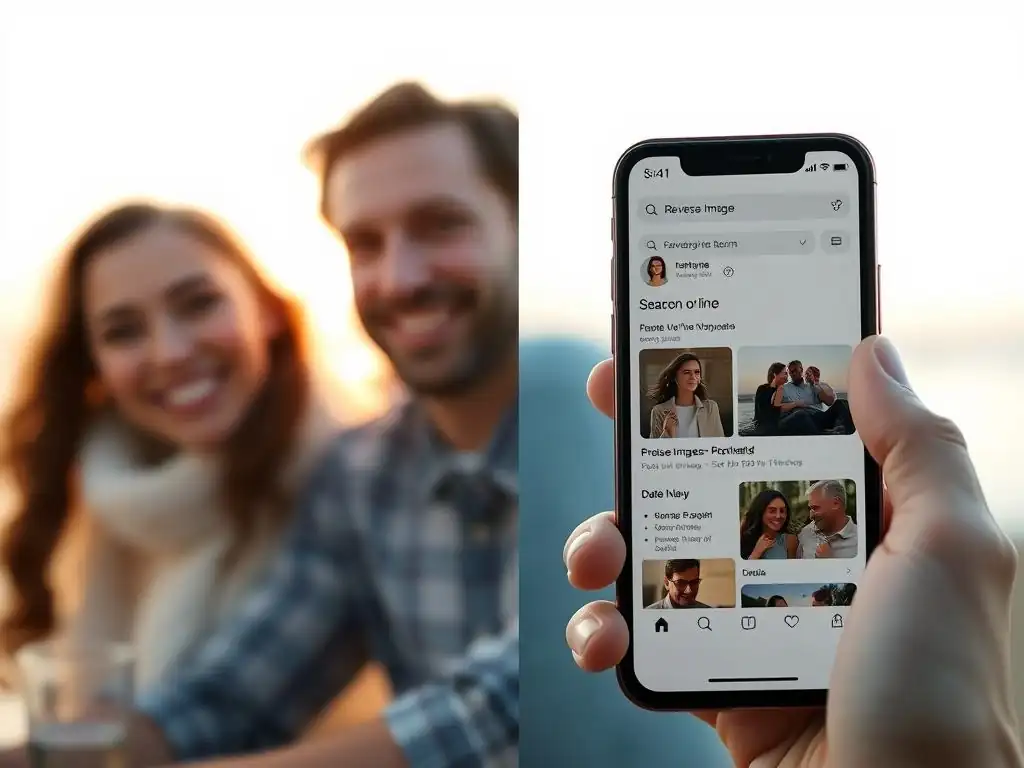
Reverse image search is a powerful tool that can significantly enhance your online dating safety and help you verify online dating profiles. It allows you to check if a profile picture has been used elsewhere online, potentially revealing inconsistencies or signs of deception. By verifying profile pictures, you can significantly reduce the risk of encountering fake profiles, catfishing, or scams, protecting both your emotions and your personal information.
This proactive approach is crucial in navigating the complexities of online dating and building trust with potential partners. The process is straightforward and accessible, empowering you to take control of your online safety and make informed decisions about who you interact with. Remember, verifying profiles is a crucial step in building genuine connections and avoiding heartache.
Understanding Reverse Image Search and its Applications
Reverse image search works by comparing an image against a vast database of billions of images across the web. You upload a picture (typically a profile picture from a dating site), and the search engine analyzes its visual elements to find instances of that exact image or visually similar images. The results can reveal where else the image has appeared, potentially uncovering inconsistencies.
For example, if a profile picture appears on a stock photo website or multiple dating profiles under different names, it's a strong indication of a fake or potentially malicious profile. Understanding the applications of this technique extends beyond simply confirming the authenticity of a profile picture; it can also help identify instances of identity theft or even assist law enforcement in investigations.
The power of this technology lies in its ability to quickly and easily uncover hidden information, making it an invaluable tool for online safety. This simple action can save you from significant emotional distress and potential financial loss.
Using Google Images to Verify Profile Pictures
Google Images is arguably the most widely used and readily accessible reverse image search engine. To verify a profile picture using Google Images, simply navigate to images.google.com. Click the camera icon in the search bar and choose to either upload the image directly from your computer or paste the image URL. Google will then display a set of visually similar images, along with websites where these images are found. Carefully examine the results. If the image appears on multiple dating profiles with different names, on stock photo websites, or associated with suspicious or inappropriate content, it's a clear red flag. Conversely, if the image only appears on the dating profile in question and on potentially verifiable social media accounts belonging to the same person, it increases the likelihood of authenticity. Remember to be thorough and examine all the results before drawing conclusions. It is crucial to consider the context in which the image appears across different platforms.
Utilizing Other Reverse Image Search Engines (TinEye, Yandex)
While Google Images is a popular choice, other reverse image search engines, such as TinEye and Yandex, offer additional capabilities and may yield different results. TinEye, known for its comprehensive image database, is particularly effective in identifying images even if they've been slightly modified. Yandex, a Russian search engine, also provides a robust reverse image search function and may uncover results not indexed by Google. Using multiple engines provides a more comprehensive verification process.
By using a combination of Google Images, TinEye, and Yandex, you significantly increase your chances of discovering any inconsistencies or red flags associated with the profile picture. The diversity of results across different engines can paint a more complete picture of the image's origin and usage, helping you make a more informed decision about your online interactions. This layered approach to verification is a vital component of responsible online dating.
Best Practices for Effective Reverse Image Searching
Effective reverse image searching is crucial for verifying online dating profiles and protecting yourself from potential scams. Simply uploading a picture and hoping for the best isn't enough; a strategic approach significantly increases your chances of uncovering inconsistencies or fraudulent activity. Here's how to maximize your results:
First, ensure high-quality images. A blurry or low-resolution image will yield less accurate results. If the profile picture is small, try to find a larger version elsewhere online. This might involve looking at the person's other social media profiles (if publicly accessible) or using other search methods to find higher-resolution versions of the same photo. The clearer the image, the better the search engine's ability to identify it.
Second, use multiple reverse image search engines. Don't rely on just one service. Different search engines utilize different algorithms and databases, so using several (like Google Images, TinEye, Yandex Images, etc.) increases your chances of finding relevant matches. Each engine might uncover different sources where the image appears, providing a more comprehensive picture. This multi-pronged approach significantly enhances the verification process.
Third, analyze the results critically. Don't just look at the first few results. Thoroughly examine all the returned links and images. Pay close attention to the context in which the image appears. Is it used on multiple dating profiles? Does it appear on stock photo websites? Is it associated with articles about online scams? Consider the overall pattern of results; a single unrelated match is less concerning than multiple instances of the same image used suspiciously.
Fourth, consider the age of the image. The date the image was first uploaded or published can be a crucial piece of information. If the profile claims a certain age, and the image's origin suggests a significantly older date, that's a red flag. Many reverse image search engines provide metadata, including date information, to assist in this assessment. Cross-reference this information with other details from the profile to build a complete picture.
Finally, don't solely rely on reverse image search. While reverse image search is a powerful tool for verifying online dating profiles, it's not a foolproof method. It should be used in conjunction with other verification techniques, such as checking for inconsistencies in the profile information, performing background checks (when appropriate), and engaging in cautious communication before meeting in person. Combining multiple verification strategies offers the strongest protection against online dating scams. Remember, your safety and well-being are paramount.
Step-by-Step Guide: Verifying a Profile Picture with Reverse Image Search
This section provides a detailed, step-by-step guide on how to use reverse image search to verify the authenticity of profile pictures on online dating sites. Verifying online dating profiles is crucial for your safety and to avoid potential scams. Let's dive into the process.
Step 1: Locate the Image
Before you can verify a profile picture, you need to locate it. This seems obvious, but it's the crucial first step in the verification process. On most dating sites, profile pictures are easily accessible. Simply navigate to the profile you wish to verify.
Right-click on the image. Depending on your browser and operating system, you might see options like "Save Image As...", "Copy Image Address", or "Copy Image". The method you choose will depend on your next step. If you choose to "Save Image As...", you'll save the image to your computer and then upload it in the next step.
If you choose "Copy Image Address," you'll copy the URL of the image, which you can then paste directly into the reverse image search engine. Remember to always respect the privacy of others and avoid downloading or saving images without permission, unless it's for the purpose of verifying a profile for your own safety. This is a critical aspect of responsible online dating.
Step 2: Access a Reverse Image Search Engine
Several reputable reverse image search engines exist. These powerful tools allow you to upload an image and find where else it appears online. This can help you determine if the picture is being used fraudulently on a dating profile. Popular choices include Google Images, TinEye, and Yandex Images.
Each engine has its strengths and weaknesses, but they all generally perform the same core function: identifying an image's origin and other appearances across the web. The choice of engine is largely a matter of personal preference. Some users find Google Images' interface more intuitive, while others prefer TinEye's advanced features. Consider trying a few different engines to see which one best suits your needs and provides the most comprehensive results for verifying online dating profiles.
Step 3: Upload or Paste the Image URL
With your chosen reverse image search engine open, you're ready to upload or paste the image URL. If you saved the image to your computer (Step 1), most engines will offer an "Upload Image" button. Simply click this, locate the saved image file, and select it. The engine will then process the image and display its search results. Alternatively, if you copied the image URL (Step 1), most engines will have a search bar where you can directly paste the URL.
Paste the URL and hit enter. The engine will then perform the reverse image search using the provided URL. The results will show you various instances where this image has appeared online. This is where the real detective work begins. Carefully review the results to see if the image appears on other dating sites, social media platforms, or stock photo websites.
A consistent appearance across multiple platforms might indicate authenticity, whereas appearances only on dating sites or with suspicious contexts should raise a red flag. Always remember that verifying online dating profiles is a crucial step towards ensuring your online safety and building genuine connections. Don't rush this process; take your time to thoroughly examine the results. Your safety is paramount.
Step 4: Analyze the Search Results
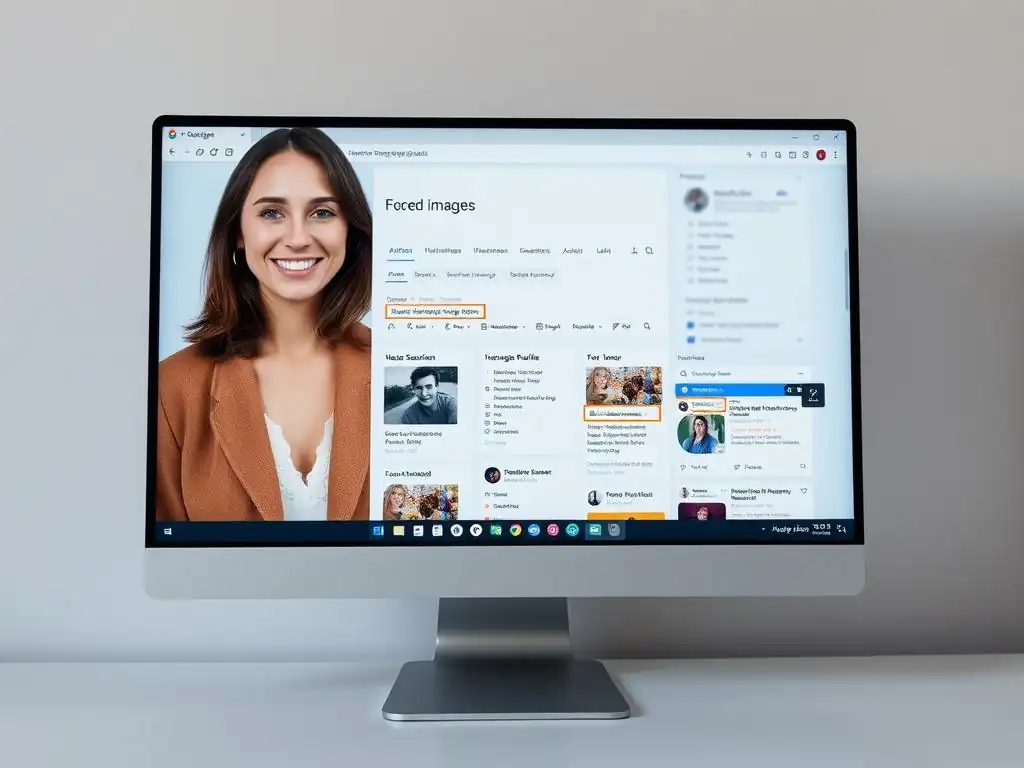
Once the reverse image search is complete, carefully examine the results. Don't just glance at the first few images; thoroughly investigate the entire set of returned visuals. Look for inconsistencies. Does the profile picture appear on multiple dating profiles? This is a major red flag, suggesting the individual may be using fake profiles or attempting to catfish potential partners. Pay close attention to the websites where the image appears.
Is it linked to other social media accounts? If so, do those accounts corroborate the information presented on the dating profile? For example, does the age, profession, or location stated on the dating profile match the information found on other platforms? Discrepancies are significant indicators of potential deception. Also, note the image quality. A low-resolution image, frequently cropped or edited, might suggest an attempt to disguise its true origin.
Consider the context surrounding the image in the search results. Is it appearing in stock photo collections, or is it associated with articles or news stories? This can help you understand if the image is genuinely that person's or a stock image being misused. Remember, even a seemingly perfect match needs further investigation. Consider whether the context of the image's other appearances aligns with the person's profile. A professional headshot appearing on a modeling agency website is different from the same image appearing on multiple dating profiles with inconsistent personal details.
Step 5: Interpreting the Results and Taking Action
Interpreting the results requires a critical and cautious approach. If the reverse image search reveals the profile picture on multiple dating sites or linked to other social media accounts with inconsistent information, proceed with extreme caution. This strongly suggests a possible attempt at deception. It's crucial to avoid sharing personal information or engaging in deeper interactions until you've gathered more evidence. Remember, your safety and well-being are paramount. If the image appears to be a stock photo or shows up on unrelated websites, this too raises concerns.
While not definitive proof of fraud, it warrants further investigation and a more skeptical approach to the profile. On the other hand, if the reverse image search yields only a few instances of the image, and those instances correlate with the information provided on the dating profile, this increases your confidence. However, this doesn't eliminate the need for caution. It's still wise to engage in further verification methods before sharing personal details or meeting in person. Ultimately, trust your instincts.
If something feels off, even if the image search yields seemingly positive results, it's better to err on the side of caution. Consider engaging in video calls to verify the person's identity before moving forward with the relationship. Don't let your eagerness overshadow your safety. Thorough verification is key to protecting yourself in the online dating world. Remember, verifying online dating profiles is a crucial step in ensuring a safe and positive experience.
Beyond Profile Pictures: Verifying Other Information Online
This section delves deeper into verifying online dating profiles beyond just the profile picture. While reverse image searches are a crucial first step in verifying online dating profiles, they only scratch the surface. A truly thorough verification process involves cross-referencing information provided on the dating platform with other publicly available information online. Remember, a consistent online presence across multiple platforms often indicates a genuine profile, while inconsistencies can raise red flags. Let's explore some techniques to strengthen your verification efforts and protect yourself from potential scams.
One of the most effective methods for verifying online dating profiles is cross-referencing the information provided on the dating site with the individual's social media profiles. This involves looking for consistency in details like:
- Name: Does the name on the dating profile match the name on their Facebook, Instagram, LinkedIn, or other social media accounts? Minor variations (e.g., a middle name's omission) are acceptable, but significant discrepancies should be investigated.
- Location: Does the stated location on the dating profile align with the location information displayed on their social media? Check for city, state, and even the general area indicated in their posts and profile information.
- Photos: While you've already performed a reverse image search on the profile picture, see if other photos on the dating profile appear on their social media. This helps to confirm the authenticity of multiple images and build a more comprehensive picture of their online presence.
- Occupation/Education: Do their stated profession and educational background on the dating site corroborate with information found on their LinkedIn profile or other public online sources? Note that some people may choose not to publicly share professional details online, but a significant discrepancy warrants caution.
- Interests and Hobbies: Compare the interests and hobbies listed on the dating profile to those mentioned in their social media posts or profile descriptions. A strong degree of consistency suggests a more genuine profile.
Remember, discrepancies don't automatically mean a profile is fake, but they should prompt further investigation. The more inconsistencies you find, the more cautious you should be. Always prioritize your safety and trust your instincts.
Checking for Consistent Information Across Multiple Platforms
Beyond social media, checking for consistent information across multiple platforms strengthens your verification process. Consider these additional avenues:
- Professional Websites: If the person claims to work for a specific company, check the company website to see if their name appears in employee directories or news articles.
- News Articles and Blogs: A quick search of their name might reveal articles or blog posts mentioning them, providing further verification of their identity and activities.
- Public Records (with caution): While accessing public records requires careful navigation of privacy laws, information like property ownership records (in some jurisdictions) can provide additional verification points. Proceed with caution and respect privacy laws.
Utilizing People Search Engines for Background Checks (with caution)
People search engines can provide additional information about an individual, but use them cautiously. These engines often compile information from various public sources, but the accuracy and completeness of the data can vary significantly. Moreover, the information might be outdated or incomplete. Therefore, treat the information found on people search engines as supplementary evidence, not definitive proof.
Never rely solely on people search engines to verify someone's identity. Always cross-reference the information found with other sources. Remember, prioritizing your safety and employing multiple verification methods is paramount when verifying online dating profiles. Never disclose sensitive personal information until you've taken adequate steps to verify the person's identity.
What to Do if You Find Inconsistencies in a Profile
Discovering inconsistencies in an online dating profile can be unsettling. It's crucial to approach this situation calmly and strategically, prioritizing your safety and well-being. Remember, your intuition is a valuable tool. If something feels off, it's worth investigating further. Don't dismiss your concerns; act on them responsibly.
Addressing Concerns with the Person Directly
The first step, while potentially nerve-wracking, is often to address your concerns directly with the person. This doesn't mean accusing them of anything; instead, frame your questions in a curious and non-confrontational manner. For example, if a profile picture seems to have been taken from a stock photo website, you could casually ask, "Your profile picture is really striking! Where was it taken?"
Their response will often reveal more than a direct accusation ever could. Pay close attention to their body language and tone in their response, both in written communication and if you decide to video chat. Inconsistencies in their answers or evasiveness could be a red flag. Avoid pressuring them; a genuine and open approach is more likely to yield truthful answers.
If they react defensively or become evasive, consider it a significant warning sign. Remember, a healthy relationship is built on trust and transparency. If you don't feel comfortable with their responses, it's perfectly acceptable to end the conversation.
Reporting Suspicious Profiles to the Dating Platform
If your concerns persist, or if you uncover significant inconsistencies, report the suspicious profile to the dating platform. Most reputable online dating sites have robust reporting mechanisms in place to deal with fraudulent profiles and protect their users. Use their reporting tools to flag the profile, providing as much detail as possible about your concerns, including specific examples of inconsistencies you've identified. This helps the platform's moderators investigate and take appropriate action, such as removing the offending profile from their site.
This is a crucial step in protecting other users from potential scams or harm. Remember, you're not just protecting yourself; you're helping to create a safer online dating environment for everyone. Documenting your findings, including screenshots of the profile and communication, can be beneficial if you need to escalate the issue.
Protecting Your Personal Information Online
Verifying online dating profiles is just one aspect of protecting your personal information. It's essential to maintain a high level of awareness and employ several safety measures to minimize your risks. Avoid sharing sensitive personal information, such as your full address, phone number, or place of work, with someone you've only met online until you've established a significant level of trust and have met them in person.
Use strong, unique passwords for your online dating accounts and other online services. Consider using a password manager to help you manage your passwords securely. Be mindful of the information you share on social media, as this information can sometimes be used to verify or falsify online dating profiles.
Remember, maintaining your privacy is essential in navigating the online dating world safely. Being cautious and proactive in protecting your information is a crucial part of verifying online dating profiles and ensuring your safety. Prioritize your well-being and your security; it's always better to be cautious than sorry.
Frequently Asked Questions
How can I verify if a dating profile picture is genuine?
You can use a reverse image search on Google, TinEye, or Yandex to check if the picture appears elsewhere online. If the image shows up on multiple sites, especially unrelated to dating, it might be a fake profile. This helps verify the authenticity of the profile.
No, never share sensitive personal details like your address, full name, workplace, or financial information with someone you've only met online, no matter how much you trust them. Verify their identity first using other methods.
What are some red flags to watch out for when verifying online dating profiles?
Watch out for inconsistent information across their profile, poor-quality photos, a lack of personal details, and excessive flattery or requests for money. These are all potential signs of a fake profile.
How effective is reverse image search in verifying online dating profiles?
Reverse image search is a valuable tool but not foolproof. It can help you detect stolen photos, but it won't catch all fake profiles. Combine it with other verification methods for a more comprehensive approach.
Besides reverse image search, what other methods can I use to verify online dating profiles?
You can try social media verification, looking for their profile on platforms like Facebook, Instagram, or LinkedIn. You can also ask for a video call to verify their identity and build trust. Don't rush into meeting in person.
Final Reflection: Protecting Your Heart in the Digital Age
The ease of online connection has brought unprecedented opportunities, but it has also opened doors to deception and heartbreak. The rise of sophisticated catfishing and fake profiles necessitates a proactive approach to online safety, especially in the realm of dating. Ignoring the potential risks is simply not an option in today's digital landscape.
The pervasiveness of online dating and the emotional vulnerability inherent in seeking connection make verifying profiles a crucial step in protecting oneself. The potential for emotional damage, financial exploitation, or even physical danger underscores the importance of due diligence. Trust, but verify,
a phrase often attributed to Ronald Reagan, takes on new meaning in the context of online relationships. This isn't about cynicism; it's about responsible engagement with a technology that has fundamentally altered how we meet and connect with others. It's about safeguarding your emotional well-being.
You now possess the knowledge to take control of your online safety. Don't let the fear of rejection or the allure of instant connection overshadow the importance of verification. Take the time to reverse image search profiles, cross-reference information, and engage in cautious communication. Remember, your heart deserves protection, and taking proactive steps to verify online connections is an act of self-respect and self-care. Start today, and build a safer, more authentic online experience.
Unlock Safer Connections: Take Control of Your Online Dating
Thank you for taking the time to learn about online safety! You now have the knowledge to navigate the world of online dating with greater confidence. Ready to apply your new skills?
- Always perform a reverse image search on any profile picture that seems even slightly questionable. This simple step can quickly reveal potential red flags.
- Share this crucial safety tip with your friends and family – help them stay safe online, too!
- Share your experiences with reverse image searches in the comments below – what have you discovered?
Let's discuss your surprising findings from using reverse image searches!