
The Dating Detective: Using Reverse Image Search to Find Red Flags

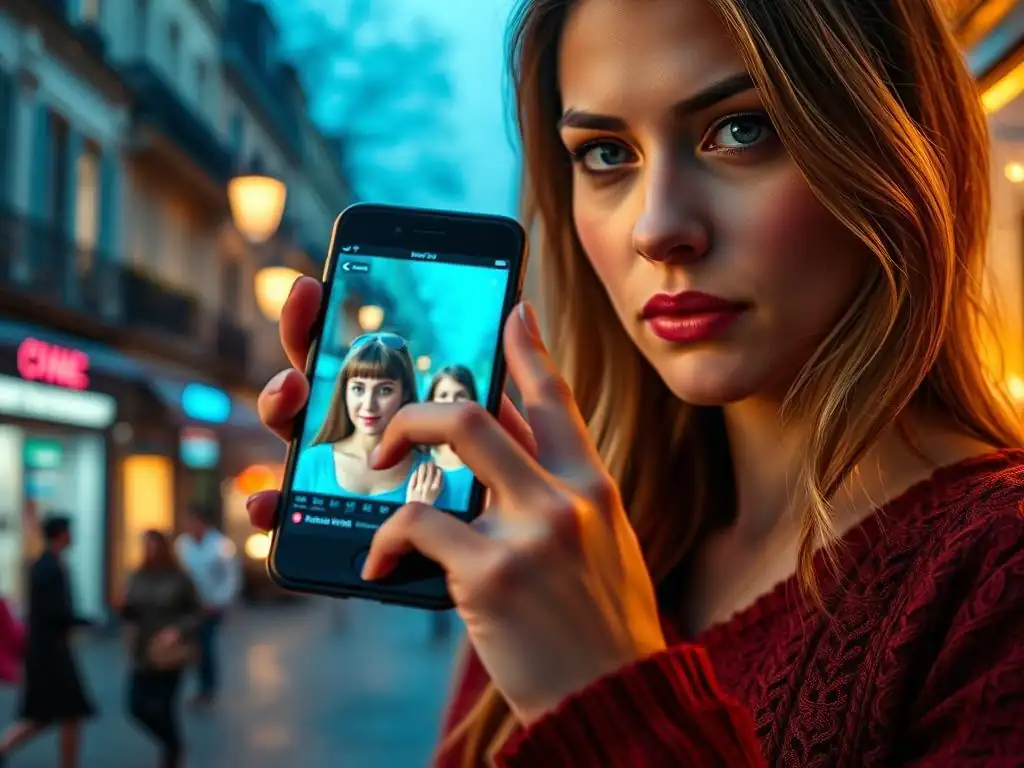
Dive into the world of OnlineDatingSuccess.org, where we empower you to navigate the exciting—and sometimes treacherous—waters of online dating. Are you ready to transform your dating experience? We'll equip you with the tools you need to create a compelling profile, communicate confidently, and, crucially, stay safe.
Learn how to use a simple but powerful tool like a reverse image search to uncover potential red flags before they become serious problems. This is your first step towards building meaningful connections; discover the secrets to online dating success, starting with our essential guide on "The Dating Detective: Using Reverse Image Search to Find Red Flags."
- Reverse Image Search Dating Safety: Your First Line of Defense
- Protecting Yourself with Reverse Image Search: Practical Applications
- Advanced Techniques for Reverse Image Search Dating Safety
- Beyond the Image: Additional Safety Tips for Online Dating
-
Frequently Asked Questions
- What is a reverse image search, and how does it relate to online dating safety?
- Why should I use a reverse image search on dating profiles?
- How accurate are the results of a reverse image search?
- Are there any other ways to verify someone's profile besides reverse image search?
- What should I do if a reverse image search reveals inconsistencies?
- Final Reflection: Unveiling Truth in the Digital Dating World
- Unmask the Truth: Take Control of Your Online Dating Safety
Reverse Image Search Dating Safety: Your First Line of Defense
Navigating the world of online dating can be exhilarating, offering the potential to connect with like-minded individuals and build meaningful relationships. However, the digital landscape also presents unique challenges, including the ever-present threat of scams and fraudulent profiles. This article focuses on a powerful tool that can significantly enhance your online dating safety: reverse image search.
We'll explore how this simple yet effective technique can help you identify potential red flags, verify the authenticity of profiles, and ultimately protect yourself from harmful interactions. Understanding how to leverage reverse image search is a crucial step in building a safer and more positive online dating experience.
By the end of this guide, you'll be equipped with the knowledge and skills to confidently navigate the complexities of online dating, significantly reducing your risk of encountering deceitful individuals. Let's delve into the specifics of how this tool can be your first line of defense against online dating scams.
Understanding the Risks of Online Dating Scams
Online dating scams are, unfortunately, prevalent. Perpetrators often employ sophisticated tactics to deceive their victims, leading to emotional distress, financial losses, and even identity theft. These scams can range from subtle inconsistencies in profiles to elaborate schemes designed to extract money or personal information. Some common red flags include:
- Inconsistencies in Profile Information: Discrepancies between a person's profile details and what you find through a reverse image search are a major warning sign.
- Pressure for Quick Relationships: Be wary of profiles pushing for rapid commitment or expressing overly intense feelings early in the "relationship."
- Requests for Money or Financial Assistance: This is a major red flag. Legitimate individuals will not ask for money.
- Vague or Missing Information: A profile lacking detail or containing contradictory information should raise suspicion.
- Unusual Photos: Photos that appear too perfect, professionally staged, or lacking in natural variation can indicate a fake profile.
The emotional toll of these scams can be significant. Victims often experience feelings of betrayal, embarrassment, and self-blame. The financial consequences can range from minor losses to substantial debts. Therefore, proactive measures like utilizing reverse image search are crucial for minimizing these risks. Remember, your safety and well-being are paramount.
Identifying Potential Red Flags in Dating Profiles
Reverse image search is a remarkably effective tool for identifying potential red flags in dating profiles. By uploading a profile picture to a reverse image search engine, you can quickly determine if the image has been used elsewhere online. This can reveal instances where:
- The image is stolen from another person's profile: This is a clear indication of a fake profile. The image may belong to a model, celebrity, or someone completely unrelated to the profile.
- The image appears on multiple dating sites: This suggests the individual may be using the same photos across various platforms to create a network of fake profiles.
- The image is associated with negative news or suspicious activity: While less common, a reverse image search may uncover links to articles or reports related to scams or fraudulent activities.
Using reverse image search is a proactive and empowering step towards safer online dating. It allows you to verify the authenticity of profiles, detect inconsistencies, and ultimately make more informed decisions about who you interact with. By incorporating this simple technique into your online dating routine, you significantly reduce your vulnerability to scams and increase your chances of having a positive and safe experience.
How Reverse Image Search Works: A Step-by-Step Guide
Reverse image search is a powerful tool that allows you to identify the origin and potential uses of an image. Instead of searching with keywords, you upload an image, and the search engine scours its vast database to find visually similar images and associated information. This process can be incredibly valuable in online dating for verifying a potential partner's identity and uncovering inconsistencies or red flags.
The technology behind it relies on complex algorithms that analyze an image's unique features, such as colors, shapes, and textures, to find matches. Think of it as a digital fingerprint for images – a unique identifier that can help you uncover the truth. The more unique an image is, the easier it is for the search engine to pinpoint its source.
Conversely, common images, like stock photos, might yield more varied results. Understanding this nuance is key to effectively using reverse image search for dating safety. It's not foolproof, but it significantly boosts your ability to verify information and protect yourself from potential scams.
Choosing the Right Reverse Image Search Engine
Several robust reverse image search engines are available, each with its strengths and weaknesses. Google Images is arguably the most popular and widely accessible, offering a user-friendly interface and a comprehensive index. However, other options like TinEye and Yandex Images also provide strong capabilities.
TinEye, for instance, is known for its extensive image history tracking, which can be beneficial in identifying older versions of an image or tracing its usage over time. Yandex Images, while less familiar in some regions, often yields different results than Google, providing a broader perspective. The best choice for you depends on your specific needs and the information you're seeking.
Consider testing several engines with the same image to compare their results and determine which consistently provides the most comprehensive and relevant information. Remember, using multiple engines can significantly improve your chances of uncovering crucial details. This multifaceted approach enhances the reliability of your investigation and reduces the risk of missing critical information.
Uploading Images and Analyzing Results
Once you've chosen a reverse image search engine, the process of uploading an image is generally straightforward. Most platforms allow you to either drag and drop the image directly into the search bar or upload it from your computer's file system. After uploading, the engine will begin its search, which may take a few seconds to several minutes depending on the image's complexity and the engine's workload. The results typically appear as a grid of visually similar images, often accompanied by links to websites or pages where the image is used.
Pay close attention to the context in which the image appears. Is it used on a legitimate social media profile, a professional website, or a less credible source? Note the dates associated with the images. Discrepancies between claimed age and image dates can be a significant red flag.
Also, consider the overall quality of the results. A lack of results or only a few irrelevant matches might indicate the image is relatively new or was artificially manipulated to avoid detection. This careful analysis is crucial for interpreting the findings accurately.
Interpreting Search Results: What to Look For
Analyzing the results of a reverse image search requires careful consideration. Look for inconsistencies between the person's online dating profile and the information revealed by the search. For example, if a profile picture appears on multiple dating sites under different names, it's a major red flag. Similarly, if the image is found on stock photo websites or on profiles associated with known scams, it raises serious concerns.
The presence of the image on websites with questionable reputations or in contexts that don't align with the person's claimed identity should be taken seriously. Remember, the goal is not to prove guilt but to identify potential risks. Even if the image itself is legitimate, the context in which it appears can reveal valuable insights into the person's honesty and intentions. If you find significant discrepancies or red flags, it's crucial to exercise caution and proceed with extreme care in your interactions.
Your safety and well-being should always be your top priority. Using reverse image search responsibly and interpreting results critically is key to maximizing its value in online dating safety. 🕵️♀️
Protecting Yourself with Reverse Image Search: Practical Applications
Reverse image search is a powerful tool in your online dating safety arsenal. It allows you to verify the authenticity of profile pictures and identify potential inconsistencies that might signal a scammer. By proactively using this technique, you significantly reduce your risk of encountering fraudulent profiles and protect yourself from emotional and financial harm. Don't underestimate the power of a simple image search; it's a crucial step in responsible online dating. This section will detail practical applications to help you navigate the online dating world with increased confidence and security.
Verifying Profile Pictures: Spotting Fake Photos
Many dating profiles utilize stock photos or images stolen from other sources. A reverse image search quickly reveals this deception. Simply upload the profile picture to a reverse image search engine (like Google Images, TinEye, or Yandex Images). The results will show where else that image appears online. If the image pops up on multiple stock photo websites, or on unrelated profiles across various dating platforms, it's a strong indication of a fake profile. Similarly, if the image shows up on a social media profile that doesn't match the dating profile's information, you have a red flag.
For example, imagine you encounter a profile with a stunning beach photo. A reverse image search reveals the same photo is used on dozens of other dating profiles, and also appears on several stock photography sites. This immediately signals a high probability of a fake profile. Don't hesitate to move on; there are plenty of genuine individuals seeking connections. Remember, a genuine profile is more likely to feature unique, personal photos.
Consider this scenario: A profile uses a highly polished professional headshot. A reverse image search reveals the same photo is used by a business executive on LinkedIn, but the dating profile claims to be a freelance artist. This discrepancy warrants further scrutiny and caution. Always cross-reference information to ensure consistency and reduce the risk of deception.
Reverse image search doesn't just reveal if a photo is fake; it can also help you verify the identity of the person behind the profile. If the image leads to a social media profile (Facebook, Instagram, etc. ), you can cross-reference the information provided there with the details on the dating profile. This helps confirm the person's identity and assess the consistency of their online presence.
Inconsistencies are a major red flag. For instance, if the dating profile claims to be a veterinarian but their social media shows them working as a construction worker, this mismatch raises significant concerns. Likewise, inconsistencies in age, location, or relationship status should be considered carefully. Remember, a genuine individual will likely have a consistent online presence across different platforms. Using reverse image search to find social media profiles and compare information is an important part of due diligence in online dating.
Recognizing Common Scamming Tactics Through Image Analysis
Scammers frequently employ sophisticated techniques, and image analysis can help uncover these. Reverse image search can help you identify common scamming tactics, such as using stolen photos of models or celebrities to create alluring profiles. It can also expose profiles using photos taken from other dating sites, indicating a pattern of deception and potentially fraudulent intentions.
Consider this: A profile uses a photo of a seemingly attractive individual. A reverse image search reveals the same photo is associated with multiple online scams reported across various forums and news articles. This is a clear warning sign. Similarly, if the image quality is exceptionally high, but other aspects of the profile are poorly constructed, it could suggest the use of professional photography for fraudulent purposes.
Always be vigilant and rely on your instincts. If something feels off, it's better to err on the side of caution. The use of reverse image search is just one tool in your arsenal for staying safe and identifying potentially harmful individuals in the online dating world. Remember, your safety and well-being are paramount.
Advanced Techniques for Reverse Image Search Dating Safety
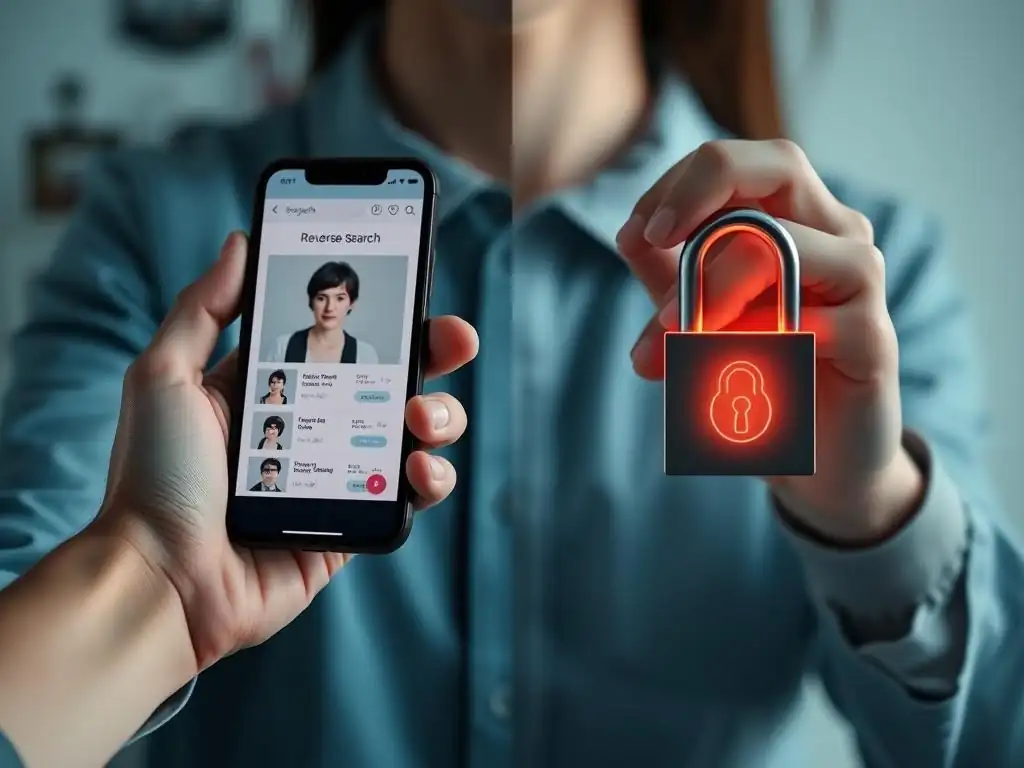
This section delves into more sophisticated applications of reverse image search to enhance your online dating safety. While a basic reverse image search can reveal obvious inconsistencies, advanced techniques can uncover more subtle red flags, significantly reducing your risk of encountering fraudulent profiles or malicious actors. Remember, proactive safety measures are paramount in the online dating world. This empowers you to take control and navigate the digital landscape with greater confidence.
Using Reverse Image Search for Background Checks
Reverse image searching isn't limited to simply identifying the source of a photograph. It can be a powerful tool in conducting preliminary background checks. If someone's profile picture looks too professionally done, or if their photos seem inconsistent with their stated profession or lifestyle, a deeper investigation might be warranted. For example, let's say a profile claims the individual is a successful entrepreneur, yet their photos depict them in seemingly casual settings.
A reverse image search might reveal the image is stock photography, used widely across various websites, suggesting a lack of authenticity. Furthermore, searching for variations of the image—cropping, filters, slight edits—can expand the search results and provide a richer understanding of the image's provenance. This can help uncover inconsistencies between their online persona and reality.
You might discover the image belongs to a completely different person, exposing a potential case of identity theft. Always remember to cross-reference your findings with other information provided on their profile and proceed with caution. Careful scrutiny of details, combined with reverse image search, forms a robust layer of protection.
Detecting Stolen Identities Through Image Verification
One of the most insidious tactics employed by scammers is identity theft. They might use stolen images of real people to create convincing fake profiles. Reverse image search plays a crucial role in identifying such instances. By searching the image, you can determine if it appears on other websites, social media platforms, or news articles.
If the image is associated with a different name or identity than the one presented on the dating profile, it’s a major red flag. This is often accompanied by inconsistencies in their profile details. A reverse image search can also reveal the image's original source – a blog, a news article, or even a professional photography portfolio. This information can help you trace the image back to its rightful owner and expose the fraudulent profile.
Remember, even minor discrepancies can be significant indicators. Pay close attention to details like the background in the image, clothing, and even subtle facial expressions that might reveal inconsistencies. A thorough reverse image search, coupled with a keen eye for detail, is your best defense against identity theft.
Combining Reverse Image Search with Other Verification Methods
Reverse image search is a valuable tool, but it shouldn't be your only method of verification. For optimal safety, combine it with other verification techniques. For example, you can cross-reference information from their profile with their social media presence (if they provide links). Do their claims align with what's publicly available?
You might also consider using other online tools to check their email address or phone number for any reported fraudulent activity. Remember, a holistic approach to verification is key. This might involve carefully examining their communication style – are they evasive, reluctant to answer direct questions, or pressuring you for personal information too quickly?
Be wary of individuals who are overly secretive or inconsistent in their stories. By using reverse image search in conjunction with these additional verification methods, you build a robust system of checks and balances, significantly minimizing your risk of encountering scams and ensuring a safer online dating experience. Prioritizing your safety should always be a top priority.
Beyond the Image: Additional Safety Tips for Online Dating
Reverse image searching is a powerful tool, but it's only one piece of the puzzle when it comes to online dating safety. While verifying a profile picture can reveal inconsistencies or potential scams, it's crucial to employ a multi-layered approach to protect yourself. Think of reverse image searching as your first line of defense; the following steps represent your crucial backup systems. Remember, your safety and well-being are paramount.
Secure Communication Practices
Effective communication is key to building trust, but it can also be a vector for scams. Avoid sharing personal information too early in the process. Never provide your full address, place of work, or other sensitive details until you've met in person and feel comfortable. Instead, focus on building rapport through engaging conversations. Be wary of individuals who pressure you to move conversations off the dating platform quickly. Legitimate daters understand the importance of platform security features.
Consider these additional secure communication practices:
- Use the platform's messaging system: Most reputable dating platforms offer secure messaging features. Avoid sharing phone numbers or email addresses until you're confident in the other person's identity.
- Be cautious of overly personal or intimate messages early on: Red flags include excessive flattery, declarations of love after minimal interaction, or requests for financial assistance.
- Video calls: Before meeting in person, consider a video call to verify the person's identity and assess their authenticity. This adds another layer of security beyond just a profile picture. Inconsistencies between their image and their video appearance could be a warning sign.
- Reverse phone lookup (if a number is shared): If someone shares their phone number, consider using a reverse phone lookup service to verify their identity. This can help confirm if the number is associated with the profile information provided.
- Be mindful of your language: Avoid revealing too much personal information in your messages, including details about your daily routine, travel plans, or financial status.
Avoiding Financial Transactions Early On
This is perhaps the most critical aspect of online dating safety. Never send money to someone you've met online, regardless of their story or situation. Legitimate daters will not ask for financial assistance, especially in the early stages of getting to know each other. Scammers often create elaborate narratives to manipulate their victims into sending money. They may claim to be in financial distress, stranded abroad, or facing a medical emergency. These are all classic red flags.
Remember these key points to avoid financial scams:
- Be skeptical of sob stories: If someone shares a difficult situation and asks for money, it is highly likely a scam.
- Report suspicious activity immediately: If you encounter a profile that is clearly trying to solicit money, report it to the dating platform immediately.
- Never share your banking details: This is a fundamental rule of online security, not just online dating.
- Use secure payment methods (if necessary): If you ever decide to make a transaction (for example, splitting a bill after a date), only use secure payment methods that offer buyer protection.
Reporting Suspicious Profiles and Activity
Dating platforms have dedicated teams to investigate and remove fraudulent profiles. If you encounter a profile that seems suspicious, even after performing a reverse image search, report it immediately. Provide as much detail as possible, including screenshots and any communication you've had with the individual. Your report could help prevent others from falling victim to the same scam. The more users report, the more effective the platforms become at improving safety for everyone.
Here's how to effectively report suspicious profiles:
- Use the platform's reporting tools: Most dating platforms have clear reporting mechanisms within their apps or websites. Locate and use these tools.
- Be detailed in your report: Include specific examples of suspicious behavior, such as requests for money, inconsistencies in their profile, or overly aggressive messaging.
- Save evidence: Keep screenshots of messages, profile information, and any other evidence that supports your report.
- Understand the platform's response time: While platforms strive to respond quickly, understand that investigating reports can take time. Be patient but persistent if necessary.
Remember, staying safe online requires vigilance and a proactive approach. By combining reverse image searches with these additional safety measures, you can significantly reduce your risk and enjoy a more secure and positive online dating experience. Don't hesitate to prioritize your safety above all else. 🕵️♀️
Frequently Asked Questions
What is a reverse image search, and how does it relate to online dating safety?
A reverse image search allows you to find the origin of an image by uploading it to a search engine like Google Images. In online dating, this helps verify a person's identity and spot potential scams by checking if their profile picture appears elsewhere online. This can reveal inconsistencies or stolen photos.
Why should I use a reverse image search on dating profiles?
Many online dating scammers use fake profiles with stolen photos. A reverse image search can help you identify these fakes before you invest time and emotion. It's a crucial step in protecting yourself from fraud and potentially dangerous individuals.
How accurate are the results of a reverse image search?
The accuracy varies. It might find the exact source of the image or similar images, providing clues about its origin. However, it's not foolproof; some images might not have readily available online information. Use it as one tool among many to assess profile authenticity.
Are there any other ways to verify someone's profile besides reverse image search?
Yes, you should also check for consistency across their profile details and social media (if linked). Look for multiple photos, natural-looking images, and a well-written profile that doesn't seem too good to be true. Background checks (with caution and legal considerations) can also be helpful.
What should I do if a reverse image search reveals inconsistencies?
If the image appears on multiple dating profiles, or is linked to a different person entirely, immediately stop communicating with that person. Report the profile to the dating site and block the user. Never share personal information or money with someone you haven't thoroughly verified.
Final Reflection: Unveiling Truth in the Digital Dating World
The ease of online connection has unfortunately opened doors to deception, making reverse image search a crucial tool for navigating the modern dating landscape. The prevalence of catfishing and fake profiles underscores the urgent need for proactive safety measures, and mastering tools like reverse image search is no longer a luxury, but a necessity for anyone venturing into the digital dating world.
The impact of readily available technology on our relationships is profound, shifting the dynamics of trust and verification. We've moved beyond simple profile checks; now, a deeper dive into the visual information presented is paramount. This shift reflects a broader societal change, where verifying online identities is becoming increasingly important across all aspects of our lives. The internet is a powerful tool, but it's also a mirror reflecting both the best and worst of humanity.
This quote highlights the duality of online interactions, and the responsibility we all share in ensuring safe and authentic connections.
You now possess a powerful tool to enhance your online dating safety. Don't just passively accept profiles at face value; actively investigate, use reverse image search, and empower yourself with knowledge. Take control of your online experience, and build relationships founded on genuine connection and mutual respect. The future of dating is safer when we are all proactive in protecting ourselves and each other.
Unmask the Truth: Take Control of Your Online Dating Safety
Thanks for learning how to use reverse image searches to improve your online dating safety! You now have a powerful tool to help you navigate the online dating world with confidence. Ready to try it out?
- Before connecting with a new match, perform a reverse image search on their profile picture. This simple step could save you from potential heartache.
- Share this article with your friends – help them stay safe too! A little knowledge can go a long way.
- Share your experiences in the comments below – have you ever uncovered a red flag using this technique?
Ready to become a dating detective? Which profile picture will you investigate first?