
Unmasking Online Deception: The Power of Reverse Image Search


Ready to transform your online dating experience? At OnlineDatingSuccess.org, we empower you to navigate the world of digital romance with confidence. But before you swipe right, discover a crucial safety tool that could save you heartache: reverse image search. Learn how this simple technique can help you unmask deception and build genuine connections in our insightful article, "Unmasking Online Deception: The Power of Reverse Image Search." Dive in and unlock the secrets to safer, more successful online dating.
- Reverse Image Search Dating Safety: Protecting Yourself from Online Scams
- Performing a Reverse Image Search: A Step-by-Step Guide
- Beyond Reverse Image Search: Additional Verification Techniques for Online Dating Safety
- Reverse Image Search and Dating App Safety: A Practical Approach
- Reverse Image Search: A Crucial Tool for Online Dating Success
-
Frequently Asked Questions
- What is a reverse image search, and how does it relate to online dating safety?
- Why should I use a reverse image search on dating profiles?
- How do I perform a reverse image search?
- What should I do if a reverse image search reveals inconsistencies?
- Are there other online dating safety tips besides reverse image searches?
- Final Reflection: Navigating the Digital Landscape with Vigilance
- Unlock Your Online Safety: Take Control Now!
Reverse Image Search Dating Safety: Protecting Yourself from Online Scams
Online dating offers incredible opportunities to connect with others, build relationships, and even find "the one." However, the digital landscape also harbors significant risks, particularly the pervasive issue of deceptive profiles and scams. This article focuses on a powerful tool readily available to all online daters: the reverse image search.
We'll explore how understanding and effectively utilizing this technique can significantly enhance your safety and help you navigate the world of online dating with greater confidence and peace of mind. Learning to identify fake profiles and potential red flags is crucial for building meaningful connections while avoiding harmful encounters.
By the end of this guide, you'll be equipped with the knowledge and skills to protect yourself from online deception and build a safer online dating experience. This is particularly vital in today's digital age where sophisticated scams are becoming increasingly common, making reverse image search a crucial tool in your dating safety arsenal.
Understanding the Risks of Fake Profiles in Online Dating
The prevalence of fake profiles in online dating is a serious concern. These profiles, often created with malicious intent, can range from individuals seeking financial gain through romance scams to those engaging in catfishing—using stolen photos and fabricated identities to deceive others. The emotional and financial consequences can be devastating. Some common motivations behind creating fake profiles include:
- Financial Exploitation: Scammers often build relationships with their targets over time, gaining their trust before requesting money for fabricated emergencies or investments.
- Identity Theft: Information shared in online dating profiles can be used for identity theft, leading to significant financial and personal harm.
- Emotional Manipulation: Catfishing can lead to profound emotional distress and damage to self-esteem, especially when victims invest time and feelings into a fabricated relationship.
- Harassment and Abuse: Fake profiles can be used to target individuals for harassment, stalking, or other forms of abuse.
The emotional toll of discovering a deceptive profile can be significant. Many victims experience feelings of betrayal, embarrassment, and self-blame. Understanding the risks is the first step towards protecting yourself. The use of reverse image searches is a proactive step to mitigate these risks.
Identifying Potential Red Flags in Online Dating Profiles
Before resorting to a reverse image search, several red flags can indicate a potentially fake profile. Learning to recognize these warning signs can help you identify suspicious profiles early on, saving you time and emotional distress. These red flags include, but are not limited to:
- Vague or inconsistent information: Profiles lacking detail or containing contradictory information are a major red flag.
- Professional-quality photos that seem too perfect: Photos that look like they belong in a magazine might be stolen.
- An unwillingness to video chat: Refusal to engage in video calls could be a sign they are hiding their true identity.
- Rapid escalation of intimacy: Be wary of profiles that quickly express strong feelings or make grand promises.
- Requests for money or financial assistance: This is a classic sign of a romance scam.
- Limited or nonexistent social media presence: A lack of verifiable social media profiles can indicate a fake account.
Recognizing these red flags, combined with the power of reverse image search, provides a robust defense against online deception.
How Reverse Image Search Bolsters Online Dating Safety
Reverse image search is a simple yet effective tool that allows you to determine if a profile picture has been used elsewhere online. By uploading a profile picture to a reverse image search engine, you can quickly see if the same image appears on other websites, social media platforms, or stock photo sites. This can help you verify the authenticity of the profile and identify potential scams.
Using this method is straightforward: simply upload the image and the search engine will provide a list of websites and pages where the image appears. If the image appears on multiple sites unrelated to the person's dating profile, it is likely a stolen image. This simple action can save you from potentially harmful interactions.
Furthermore, a lack of results might also be a red flag, suggesting the image is artificially generated. Regular use of reverse image search significantly improves your online dating safety and contributes to a more positive and secure dating experience. This proactive approach empowers you to take control of your online safety and build more genuine connections.
Performing a Reverse Image Search: A Step-by-Step Guide

This section provides a practical, step-by-step guide on how to perform a reverse image search, a crucial tool in your online dating safety arsenal. Mastering this technique can significantly reduce your risk of encountering deceptive profiles and potentially harmful individuals. Remember, proactive safety measures are key to a positive online dating experience. The process is surprisingly straightforward, even for those unfamiliar with advanced internet techniques.
Choosing the Right Reverse Image Search Engine
Several excellent reverse image search engines are available, each with its own strengths. The most popular options include Google Images, TinEye, and Yandex Images. While Google Images is arguably the most widely known and user-friendly, TinEye excels at finding variations of an image, even if it's been slightly modified. Yandex Images, often overlooked, provides robust results and is particularly useful for searching images across a broader international range.
The best choice depends on your specific needs. For a quick initial check, Google Images is often sufficient. However, if you suspect significant image manipulation or are searching for a less common image, TinEye's more comprehensive search capabilities might yield better results. Consider experimenting with different engines to determine which best suits your needs and the specific images you're analyzing. Remember, using multiple engines increases your chances of uncovering potential inconsistencies.
Uploading Images for Analysis: A Quick Tutorial
Once you've selected your preferred engine, uploading the image is incredibly simple. Most engines provide a clear "upload" button or option. Simply click this button and select the image from your device's files. Alternatively, some engines allow you to directly paste the image URL if you've already found it online.
After uploading, the engine will begin its search. This process typically takes only a few seconds, but can vary depending on the image size, the engine's server load, and the complexity of the search. Be patient; the wait is worthwhile for the peace of mind it provides. Think of it as a small investment in your online dating safety. The results will be displayed soon after the search is complete, offering valuable insights into the image's origin and potential red flags.
Interpreting the Results: Identifying Inconsistencies and Red Flags
Interpreting the results requires careful observation and critical thinking. Ideally, you want to find the original source of the image and confirm its authenticity. If the image appears on multiple dating profiles, stock photo websites, or unrelated websites, it's a significant red flag. This suggests the individual may be using a fake profile or attempting to deceive you.
Other red flags include:
- Inconsistencies in the image: Noticeable differences between the profile picture and other images supposedly of the same person. This might include different hairstyles, lighting, or background elements.
- Lack of reverse image search results: If the image yields virtually no results, it could indicate that the image is newly created or has been intentionally obfuscated.
- Images appearing on websites with questionable content: The image appearing on sites associated with scams, fraud, or other illicit activities should be taken as a serious warning sign.
Remember, a single inconsistency doesn't necessarily confirm deception. However, multiple red flags strongly suggest the need for caution and further investigation. Always prioritize your safety and trust your instincts. If something feels off, it's best to err on the side of caution and avoid further contact. Your safety is paramount in the world of online dating. Using reverse image search is just one tool in your safety toolkit; healthy skepticism and mindful communication are equally important.
Beyond Reverse Image Search: Additional Verification Techniques for Online Dating Safety
Reverse image searching is a powerful first step in verifying the authenticity of online dating profiles, acting as a crucial tool in your arsenal for Reverse image search dating safety. However, it shouldn't be your only line of defense. A multifaceted approach, combining several verification methods, offers significantly stronger protection against deception. This section details supplementary techniques to bolster your online dating safety. Remember, vigilance is key in navigating the complexities of online interactions.
Social media platforms offer a wealth of information that can corroborate or contradict details provided in a dating profile. If a potential match provides social media handles, carefully examine their profiles. Look for consistency between their online dating profile and their social media presence. Inconsistencies – such as age discrepancies, different professions, or missing photos – should raise red flags.
For example, if a profile claims someone is a successful lawyer but their Facebook profile shows them working at a fast-food restaurant, it's a clear warning sign. Pay close attention to the quality of their photos. Do they look professionally taken, or like hastily snapped selfies? A lack of photos, especially if the dating profile is heavily image-dependent, can also be a cause for concern. Furthermore, examine the interactions they have with their friends and family.
Do their online interactions seem genuine, or do they display a lack of engagement? This can often be a telltale sign of a fake profile. Remember, a robust social media presence doesn't automatically guarantee authenticity, but it provides valuable context and clues for further investigation. The more details you can verify across multiple platforms, the safer you'll be.
Remember to prioritize your own safety when performing this verification; never share your personal information or visit profiles that make you feel uncomfortable.
Cross-Referencing Information Across Multiple Platforms
Don't limit your verification efforts to a single platform. Cross-referencing information across different online spaces is essential for a comprehensive assessment. If someone claims to work for a specific company, verify this information on the company's website or LinkedIn. If they mention attending a certain university, check the alumni directory. This cross-referencing helps to build a more complete picture of the individual and identify any discrepancies or inconsistencies that might indicate a fraudulent profile.
Consider this scenario: a profile boasts of extensive international travel. You can further investigate by examining their social media for travel photos, checking their Instagram for location tags, or even searching for blog posts or articles mentioning their adventures. The more sources you can corroborate the information with, the more confident you can be in its veracity. This thorough investigation significantly improves your Reverse image search dating safety and reduces your risk of encountering deceptive profiles. Take your time, and don't rush the process.
The Importance of Background Checks in Online Dating
While not always necessary or practical, in certain situations, performing a background check on a potential match can provide invaluable peace of mind, especially if you're considering meeting in person. Background checks can reveal criminal records, past addresses, and other relevant information. They offer a deeper level of verification, going beyond the surface-level information available on dating sites and social media.
However, it's crucial to use reputable and legal background check services. Always respect the individual's privacy and ensure you are complying with all applicable laws and regulations. Background checks should be considered a last resort, used only after you've exhausted other verification methods and have serious concerns about someone's identity or intentions. Remember, responsible and ethical use of background checks is paramount.
They should be used to enhance safety, not to violate someone's privacy or engage in harassment. Always prioritize responsible and ethical practices in your online dating journey. The goal is to find a genuine connection, and responsible verification methods support that aim.
Reverse Image Search and Dating App Safety: A Practical Approach
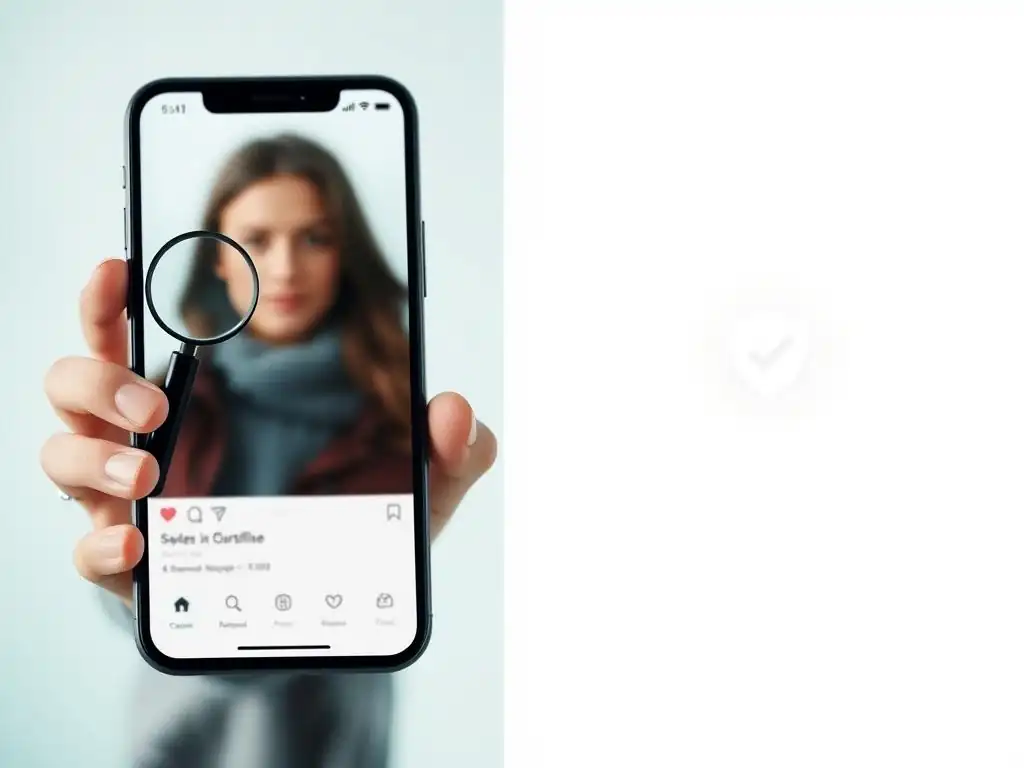
This section focuses on the practical application of reverse image search tools within the context of online dating safety. It's crucial to integrate these tools into your routine to mitigate risks associated with catfishing and other deceptive online profiles. Remember, a proactive approach is key to building a safer online dating experience.
Integrating Reverse Image Search into Your Online Dating Routine
Reverse image searching should become a standard part of your online dating vetting process. Don't just rely on what you see on a profile; actively verify the information presented. Here's a step-by-step guide:
- Download a reputable reverse image search app or use an online tool: Several free and paid options exist, offering varying levels of functionality. Choose one that suits your needs and technological comfort level.
- Gather Images: Save any profile images that raise even the slightest suspicion. This includes photos that seem too perfect, lack variety, or have unusual lighting or backgrounds.
- Perform the Search: Upload the image to your chosen reverse image search engine. Pay close attention to the results. Do the images appear on multiple dating profiles? Are they associated with different names or locations? Do they appear on stock photo websites?
- Analyze the Results: A single match on a stock photo site is a red flag. Multiple matches on different dating profiles under different names strongly suggest a fake profile. Conversely, results showing the image used in legitimate, verifiable online contexts (like a person's social media profile) increase confidence in the profile's authenticity.
- Cross-reference Information: If the image doesn't lead to obvious deception, cross-reference other profile details with the image results. Does the location mentioned on the profile match the location associated with the image's online presence? Does the claimed occupation align with any publicly available information about the person in the image?
Remember, even a single inconsistency can be a warning sign. Trust your instincts; if something feels off, it's better to err on the side of caution. Don't rush into conversations or meetings with individuals whose profiles haven't undergone a thorough reverse image search. This proactive approach significantly reduces your risk of encountering deceptive profiles.
Protecting Your Privacy While Using Reverse Image Search
While reverse image search enhances your safety, it's equally crucial to protect your own privacy during the process. Avoid uploading images that contain personally identifiable information (PII) such as your home address, workplace, or license plate numbers. Many reverse image search tools offer privacy settings; utilize these features to your advantage.
Additionally, be mindful of the information you share after completing a reverse image search. Avoid directly confronting someone about suspected deception without sufficient evidence. Such actions might put you at risk, and falsely accusing someone can have legal ramifications. If you uncover evidence of a fraudulent profile, report it to the dating platform immediately. Remember that protecting your privacy is equally crucial to your online safety.
Building a Safer Online Dating Experience Through Vigilance
Employing reverse image search is only one piece of the puzzle. A holistic approach to online dating safety combines several strategies:
- Be cautious of overly perfect profiles: Profiles with unrealistic photos, vague bios, or an absence of personal details are often red flags.
- Verify information independently: Don't solely rely on information provided within the dating app. Try to corroborate details through other sources.
- Communicate cautiously: Avoid sharing sensitive personal information, such as your address or financial details, with someone you've only met online.
- Meet in public places: When you decide to meet in person, always choose a well-lit, public location, and let a friend or family member know your plans.
- Trust your instincts: If something feels wrong, it probably is. Don't hesitate to end communication with someone who makes you uncomfortable.
By combining reverse image search with these other safety measures, you significantly strengthen your defenses against online deception and build a safer, more positive online dating experience. Remember, staying vigilant is key to navigating the complexities of online dating successfully and building meaningful connections.
Reverse Image Search: A Crucial Tool for Online Dating Success
This section delves into the practical application of reverse image search as a vital tool for enhancing your online dating safety and building trust. Navigating the complexities of online dating requires vigilance, and reverse image search provides a powerful layer of protection against potential deception. By proactively employing this technique, you significantly reduce your risk of encountering fraudulent profiles or engaging with individuals who misrepresent themselves. The goal is not to instill paranoia, but to empower you with the knowledge and tools to make informed decisions and prioritize your safety and well-being.
The Role of Reverse Image Search in Building Trust and Confidence
Reverse image search allows you to verify the authenticity of photos used in online dating profiles. A simple Google Reverse Image Search, TinEye, or Yandex Images search can reveal if a picture has been lifted from another source, potentially indicating a fake profile. For example, a profile picture appearing in multiple online locations under different names is a significant red flag.
This proactive approach fosters trust and confidence in the interactions you engage in. Instead of relying solely on the information presented in a profile, you can independently validate the visual representation, adding a layer of security to your online dating experience. This simple step can save you considerable time and emotional distress by helping you avoid potentially harmful interactions early on.
Think of it as a preliminary background check, focusing specifically on the visual identity presented. Remember, a discrepancy between a profile's stated identity and the results of a reverse image search should prompt further investigation or caution. Don't hesitate to move on if something feels off.
Empowering Yourself with Knowledge and Tools for Safe Online Dating
Mastering reverse image search is a critical component of practicing safe online dating. It’s a free and readily available tool that complements other safety measures. While reverse image search isn't a foolproof method – sophisticated scammers can still employ deceptive techniques – it significantly increases your chances of identifying red flags.
Consider it a proactive step in a multi-layered approach to online dating safety. Combine this technique with other best practices, such as verifying information through social media (using caution and awareness of fake accounts), slow and steady communication to build trust, and avoiding sharing personally identifiable information too early in the dating process. Remember, your safety is paramount.
Empowering yourself with knowledge and tools like reverse image search allows you to navigate the online dating world with increased confidence and reduced risk. Take control of your online safety and build meaningful connections with greater peace of mind. The proactive use of reverse image search is a small investment in your safety, yielding potentially significant returns in the form of increased trust, reduced risk, and a more positive online dating experience.
Frequently Asked Questions
What is a reverse image search, and how does it relate to online dating safety?
A reverse image search allows you to find the original source of an image using the picture itself. In online dating, this helps verify if a profile picture is authentic or stolen from another source, protecting you from catfishing.
Why should I use a reverse image search on dating profiles?
Many scammers use fake profiles with stolen images. A reverse image search can quickly reveal if a person's photos are genuine, helping you avoid potentially dangerous situations and save yourself heartache.
How do I perform a reverse image search?
You can use services like Google Images, TinEye, or Yandex Images. Simply upload the image you want to check or paste the image URL into the search bar. The results will show where else the image appears online.
What should I do if a reverse image search reveals inconsistencies?
If the image appears on multiple unrelated profiles or websites, it's a strong indicator of potential deception. Do not share personal information with this person and consider reporting the profile to the dating platform.
Are there other online dating safety tips besides reverse image searches?
Yes! Always meet in public places, tell a friend about your date, and be wary of requests for money. Trust your instincts – if something feels off, it probably is.
The ease with which deceptive images spread online underscores the critical need for digital literacy, particularly in the context of online dating. The potential for harm, from catfishing to identity theft, is real and ever-present, making the ability to verify online identities a crucial skill for navigating the modern world. We are no longer simply consumers of information; we are active participants in a complex digital ecosystem demanding careful navigation.
The pervasiveness of online deception has profoundly impacted how we interact and form relationships online. The ability to quickly and easily verify images using reverse image search tools offers a powerful defense against manipulation and fraud. This simple act of verification can be the difference between a genuine connection and a potentially harmful encounter. The internet is a powerful tool, but it's also a wild west. We must equip ourselves with the knowledge and tools to protect ourselves.
This quote, though not directly from a specific source, encapsulates the core message of this article: proactive digital safety is paramount.
Consider the power you now hold. You have learned a valuable tool to protect yourself and others from online deception. Don't just passively consume information; actively engage with it. Share this knowledge with friends, family, and anyone who might benefit from learning about the power of reverse image search. Make a conscious effort to verify images you encounter online, especially in dating profiles or other contexts where identity is crucial. Your safety and the safety of others depend on it.
Unlock Your Online Safety: Take Control Now!
Thank you for learning about the power of reverse image search! You've gained a valuable tool to navigate the online world more safely and confidently. Let's put that knowledge to use:
- Always perform a reverse image search on any profile picture you see. This is your first line of defense against fake profiles and scams. Don't skip this crucial step!
- Share this article with friends and family to help them improve their online safety.
- Try a reverse image search on a picture you already know—it's a great way to practice and build your confidence.
What steps will you take today to protect yourself online?