
Safe Dating: Recognize the Signs of a Potentially Dangerous Situation

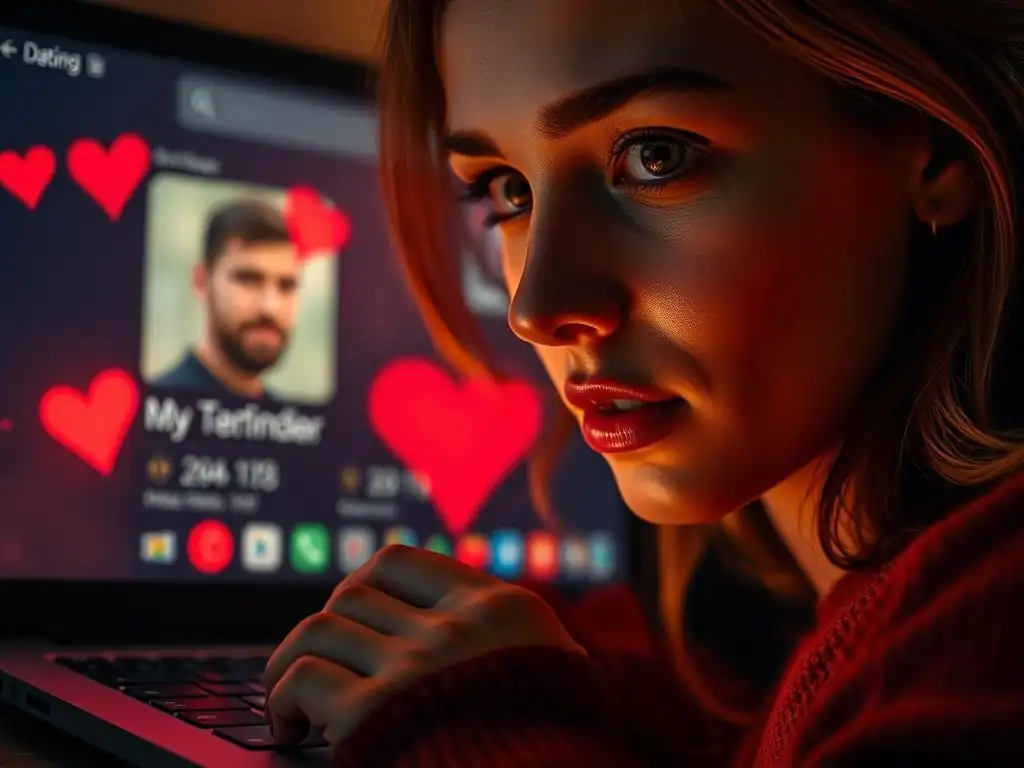
Welcome to OnlineDatingSuccess.org, your guide to navigating the exciting yet sometimes treacherous world of online dating. Are you ready to find genuine connection, but concerned about potential dangers? We understand. This is why we've created this resource, packed with practical advice to help you avoid pitfalls. Learn to identify crucial online dating safety red flags and take control of your online dating experience—discover how to build meaningful relationships while prioritizing your safety and well-being. Dive in and start building a safer, more successful dating journey today!
- Understanding Online Dating Safety Red Flags: Early Warning Signs
- Online Dating Safety Red Flags: Moving Too Fast
- Online Dating Safety Red Flags: Financial and Personal Requests
- Protecting Yourself: Strategies for Safe Online Dating
- Safe Dating Practices: Trust Your Instincts and Seek Help
-
Frequently Asked Questions
- What are some red flags to watch out for in online dating?
- How can I protect my personal information while online dating?
- What should I do if I feel uncomfortable or unsafe during an online interaction?
- Should I always meet in a public place for a first date?
- How can I tell if someone is being manipulative or deceitful online?
- Final Reflection: Navigating the Digital Landscape of Love
- Empower Your Dating Journey: Take Control of Your Safety
Understanding Online Dating Safety Red Flags: Early Warning Signs
Navigating the world of online dating can be exciting, offering the potential to connect with like-minded individuals and build meaningful relationships. However, it's crucial to be aware of potential dangers and learn to recognize the warning signs of potentially harmful situations. This article will equip you with the knowledge to identify "online dating safety red flags," helping you prioritize your safety and well-being while searching for love online.
We'll explore various scenarios, from suspicious profiles to concerning communication patterns, providing you with practical advice to protect yourself and make informed decisions throughout your online dating journey. Remember, your safety is paramount, and being vigilant is key to a positive and secure experience. Learning to recognize these red flags can significantly reduce your risk and empower you to take control of your online dating safety.
Identifying Red Flags in Online Profiles: Suspicious Information and Inconsistencies
Online profiles are often the first point of contact, and inconsistencies or suspicious information can be major red flags. Pay close attention to details that seem off or contradictory. For example, a profile picture that appears professionally taken but the rest of the photos are of poor quality could indicate a potential issue. Similarly, vague or missing information about their life, work, or hobbies should raise your awareness. Inconsistencies between what they say in their profile and what they say in messages should be noted.
Look for profiles with a lack of personal details, an excessive number of stock photos, or profiles that seem too good to be true – often showcasing an unrealistic lifestyle. Beware of profiles that lack specifics regarding their daily life or those that boast about unrealistic accomplishments. Remember, a genuine profile will usually present a balanced and relatable picture of an individual's life. Consider:
- Photo inconsistencies: Do the photos look professionally edited or taken from a stock image website?
- Vague biographical information: Is the profile lacking specific details about their life, work, or hobbies?
- Contradictory statements: Does the information provided in the profile contradict what they've shared in messages?
- Lack of personal details: Is the profile overly generic or missing key personal information?
- Excessive use of stock photos: Does the profile rely heavily on generic or stock photos?
Careful scrutiny of these elements can significantly improve your ability to identify potentially problematic profiles.
Recognizing Red Flags in Online Communication: Aggressive or Controlling Behavior
Beyond the profile itself, communication patterns can reveal a lot about a person's character and intentions. Aggressive or controlling behavior, even in early stages of online interaction, is a significant red flag. This might manifest as demanding immediate responses, excessive messaging, or attempts to isolate you from friends and family. Watch out for overly possessive language, constant criticism, or attempts to manipulate your emotions. If someone pressures you to share personal information prematurely or becomes angry when you set boundaries, this should raise serious concerns. Pay attention to the tone and frequency of their messages.
Is it overwhelming? Are they constantly trying to dominate the conversation? Do they disregard your boundaries or opinions? These indicators, though subtle at times, can be crucial in assessing potential danger. Remember, healthy relationships are built on mutual respect and understanding, not control and manipulation. Examples include:
- Demanding immediate responses: Do they pressure you to reply instantly, regardless of your availability?
- Excessive messaging: Do they send numerous messages throughout the day, even when you’ve expressed a need for space?
- Attempts to isolate you: Do they try to discourage you from spending time with friends or family?
- Overly possessive language: Do they use possessive language or make you feel like you belong to them?
- Constant criticism: Do they frequently criticize your choices or opinions?
Spotting Red Flags in Early Interactions: Pressure for Personal Information and Unrealistic Expectations
Early interactions are crucial in gauging compatibility and safety. Pressure to share personal information too quickly, such as your full name, address, or financial details, is a major warning sign. Similarly, unrealistic expectations or idealized portrayals of the relationship are often indicators of potential problems. If someone quickly professes intense feelings or makes grand promises without knowing you properly, be cautious.
Beware of individuals who seem overly focused on physical aspects of the relationship from the outset, or those who consistently try to rush the pace of getting to know each other. Remember, building a genuine connection takes time, and healthy relationships are built on trust and mutual respect, not rushed promises or unrealistic expectations. Consider these questions:
- Pressure to share personal information: Do they push you to share personal details before you feel comfortable?
- Unrealistic expectations: Do they set unrealistic expectations for the relationship’s progression?
- Idealized portrayals: Do they present an overly romanticized or unrealistic view of the relationship?
- Focus on physical aspects: Do they prioritize physical intimacy over emotional connection?
- Rushed pace of getting to know each other: Do they consistently try to accelerate the pace of building a relationship?
By carefully observing these red flags, you can significantly enhance your online dating safety and increase your chances of forming healthy, fulfilling relationships. Remember, trust your instincts—if something feels off, it probably is.
Online Dating Safety Red Flags: Moving Too Fast

Online dating safety is paramount, and recognizing red flags early on can save you considerable heartache and potential danger. One of the most significant indicators of a potentially unsafe situation is the pressure to move too quickly from initial contact to an in-person meeting. This haste often masks ulterior motives and disregards crucial safety protocols. Let's delve into the specifics.
Pressure to Meet In Person Quickly: Ignoring Safety Precautions
Many online daters prioritize safety by engaging in extended online communication before arranging a face-to-face meeting. This allows them to build rapport, verify information, and assess compatibility. However, some individuals exhibit a disturbing urgency to meet in person, often ignoring or dismissing concerns about safety. This behavior can manifest in various ways:
- Constant requests for your phone number or social media details: While exchanging contact information is eventually necessary, an insistent, early demand for it, before establishing trust, is a warning sign. They might pressure you by suggesting it's a sign of trust or commitment, when in reality, it's a way to bypass the security of the dating platform.
- Dismissive attitude towards your safety concerns: If you express apprehension about meeting too soon, a genuine and safe individual will understand and respect your boundaries. Someone who dismisses your concerns, pressures you to ignore your gut feeling, or attempts to manipulate you into meeting, is exhibiting a major red flag.
- Vague or inconsistent explanations for wanting to meet immediately: Legitimate reasons for wanting to meet sooner rather than later exist (e.g., short-term travel plans). However, vague or inconsistent explanations, such as "I just have a really good feeling about you," without a clear reason, should raise suspicion.
- Rapid escalation of intimacy in online conversations: While initial attraction and excitement are normal, a sudden and intense push for physical intimacy online, before even meeting in person, is a clear sign of potential danger.
Remember, your safety is paramount. Taking your time and prioritizing your comfort level are not signs of being "too cautious"; they're signs of being smart and responsible. Prioritize communication through the dating platform for as long as possible, and only proceed to personal contact information and in-person meetings when you feel completely comfortable and have verified the individual's identity to the best of your ability.
Overly Intense or Idealized Communication: Love Bombing and Manipulation Tactics
Another significant online dating safety red flag is overly intense or idealized communication, often a form of manipulation known as "love bombing." This involves showering you with excessive compliments, affection, and promises early in the relationship, creating an illusion of intense connection that's disproportionate to the actual time spent interacting.
- Excessive flattery and compliments: While genuine compliments are nice, an overwhelming amount of flattery, especially if it feels insincere or unrealistic, can be a tactic to quickly gain your trust and affection. They might focus on your vulnerabilities or insecurities, making you feel especially valued and needed.
- Rapid declarations of love and commitment: Declarations of love or promises of a long-term future after only a short period of online interaction should raise significant concerns. Genuine connections take time to develop.
- Controlling or possessive behavior: Early attempts to control your actions, dictate your schedule, or isolate you from friends and family are red flags. This can manifest as criticism of your social life or attempts to limit your contact with others.
- Ignoring your opinions or feelings: A healthy relationship involves mutual respect and consideration. If your opinions or feelings are consistently disregarded or dismissed, it's a sign of potential manipulation and control.
Love bombing is a manipulative tactic used to create dependency and control. It's designed to overwhelm you with affection to prevent you from critically assessing the relationship's dynamics. If you encounter this behavior, trust your instincts; it's essential to prioritize your safety and well-being. Remember, healthy relationships are built on trust, respect, and gradual development of intimacy, not overwhelming displays of affection designed to manipulate you.
Online Dating Safety Red Flags: Financial and Personal Requests
This section focuses on identifying crucial red flags related to financial and personal requests in online dating, helping you discern genuine interest from potentially dangerous situations. Understanding these warning signs is paramount to your safety and well-being while navigating the online dating world. Remember, genuine connections don't involve pressuring you for money or excessively demanding personal information.
Unusual Financial Requests: Seeking Money or Loans Under False Pretenses
One of the most common and alarming online dating safety red flags is the sudden request for money or loans. Scammers often create elaborate stories to justify their needs, exploiting your empathy and kindness. These requests can range from seemingly small amounts ("I'm stranded and need money for a bus ticket") to significant sums ("I need an emergency loan for medical expenses"). The crucial element is the unexpectedness and the lack of prior established trust. A genuine connection develops gradually, and financial requests should never arise before a substantial period of communication and in-person meetings (where appropriate and safe).
Here are some examples of deceptive financial requests:
- Emergency situations: Claims of sudden medical emergencies, car troubles, or family crises requiring immediate financial assistance. These stories are often embellished and lack verifiable details.
- Investment opportunities: Promises of high returns on investments, often involving vague or unrealistic schemes. These are classic scams designed to part you from your money.
- Gifts and reimbursements: Requests for money to cover gifts they supposedly sent you, or to reimburse them for expenses incurred during your interactions.
- "Testing your generosity": Some scammers will subtly test your willingness to provide financial assistance, starting with small requests and escalating gradually.
Remember, legitimate relationships don't involve financial transactions, especially in the early stages. If someone asks for money, it's a major red flag. 🚩 Your intuition is your best guide; trust your gut feeling if something feels off.
Suspicious Personal Information Requests: Excessive Personal Data Collection
Another significant online dating safety red flag involves excessive requests for personal information. While some information exchange is normal as you get to know someone, a sudden barrage of intensely personal questions should raise concerns. This behavior often indicates an attempt to gather information for identity theft, blackmail, or other malicious purposes.
Here's what to watch out for:
| Type of Request | Red Flag? | Safe Alternative |
|---|---|---|
| Full legal name, address, and SSN | 🔴 Absolutely – This is extremely risky and should never be shared online. | Share only basic information, and never sensitive data like your SSN. |
| Banking details, credit card numbers | 🔴 Absolutely – This is a clear indication of a scam. | Never share financial information online. |
| Detailed family history & medical info | 🟠 Proceed with caution – Share only what you feel comfortable with gradually. | Reveal personal information gradually, as trust develops over time. |
| Pictures of your ID or other documents | 🔴 Absolutely – This is a serious red flag and potentially illegal. | Never send copies of official documents to someone you’ve only met online. |
| Password information | 🔴 Absolutely – Never share passwords with anyone. | Never share passwords; create strong and unique passwords for each account. |
Excessive questioning about your finances, work, or daily routines, especially before you've even met in person, is another sign of potential danger. A healthy relationship values gradual trust-building, not immediate access to every detail of your life. Be cautious and protect your privacy. Prioritize your safety and well-being above all else. Remember, a genuine connection will respect your boundaries and will not pressure you to disclose information you're uncomfortable sharing.
Protecting Yourself: Strategies for Safe Online Dating

This section focuses on proactive measures you can take to minimize risks associated with online dating. Remember, your safety is paramount, and being cautious is never a sign of weakness. It's about being smart and empowered in your dating journey. Learning to recognize and react to online dating safety red flags is crucial for a positive experience.
Before investing too much time or emotion, take steps to verify the information provided in a potential date's profile. Many online dating safety red flags can be identified through simple verification. Don't rely solely on what's presented; dig a little deeper. A reverse image search is a powerful tool.
Upload the profile picture to a reverse image search engine. This will show you if the image appears elsewhere online, potentially revealing inconsistencies or even outright fraud. For example, you might find the same image used on multiple profiles or associated with a different name entirely – a major online dating safety red flag.
Furthermore, try searching for the person's name and any other details they've provided (like their profession or location) on social media platforms. Cross-referencing information helps build a more complete picture and can highlight discrepancies or inconsistencies that might indicate a fake profile or someone hiding something. This proactive approach helps you avoid potential dangers and build trust gradually. Remember, a lack of information or a refusal to share verified information should be considered an online dating safety red flag.
Communicating Safely: Avoiding Sharing Sensitive Personal Data
Protecting your personal information is crucial for online dating safety. Avoid sharing sensitive details like your full address, place of work, or financial information early in the dating process. This is a critical online dating safety red flag prevention strategy. Many scammers aim to gather this information for identity theft or other malicious purposes.
Instead, focus on getting to know the person through conversation and virtual interactions. If someone pressures you to share personal information before you feel comfortable, it's a major red flag. Similarly, be wary of overly personal or intimate conversations that happen too quickly. Healthy relationships develop at a natural pace. Rushing the process can be a sign of something untoward. Consider these communication patterns as online dating safety red flags. Prioritize building rapport and trust before revealing sensitive details. Remember, your privacy and security are paramount.
Choosing Safe Meeting Locations: Public Places with Easy Access and Visibility
When it's time to meet in person, always choose a public place that is well-lit, easily accessible, and has plenty of people around. A coffee shop, a busy restaurant, or a park during daylight hours are all good options. Avoid secluded or private locations, as these can put you at increased risk. This is a cornerstone of safe dating practices and a key factor in avoiding online dating safety red flags.
Before meeting, inform a trusted friend or family member about your plans – where you're going, who you're meeting, and when you expect to be back. Share your date's profile information with them as well. This way, someone will know your whereabouts and can check in if you don't return as planned. Always have a backup plan in case you need to leave quickly. Having your own transportation is also advisable, providing you with control and the ability to leave independently if needed. These precautions are not excessive; they're essential for your safety and well-being.
Safe Dating Practices: Trust Your Instincts and Seek Help
This section focuses on proactive strategies to ensure your safety while navigating the world of online dating. Remember, your safety and well-being are paramount. Learning to recognize and respond to potential dangers is crucial for a positive online dating experience. This involves both trusting your gut feeling and knowing where to turn for support when needed. Ignoring warning signs can have serious consequences, so prioritizing your safety is key. Understanding the nuances of "online dating safety red flags" is vital for minimizing risks.
Trusting Your Intuition: Recognizing Your Discomfort and Acting Accordingly
Your intuition is a powerful tool. Often, before you can consciously articulate why, a feeling of unease or discomfort arises when interacting with someone. This is your body's way of signaling potential danger. Learning to recognize and respect these feelings is a cornerstone of online dating safety. Don't dismiss your instincts; they are often accurate indicators of a potentially unsafe situation.
For example, if you feel persistently pressured to share personal information or meet in person before you're comfortable, that's a significant red flag. Similarly, if their online persona seems inconsistent or overly perfect, or if they're evasive about basic questions, your discomfort might be justified. Perhaps they're overly insistent on moving the conversation off the dating app quickly. These are all potential "online dating safety red flags" that warrant careful consideration.
Consider these scenarios:
- Scenario 1: Your date consistently avoids video calls or refuses to share photos of themselves. This could indicate they are hiding their true identity or are not who they claim to be.
- Scenario 2: They pressure you to meet in a secluded location or avoid public places. This raises serious concerns about your safety.
- Scenario 3: Their communication style is erratic and manipulative, often switching between overly affectionate and aggressive behavior. This is a classic sign of emotional abuse.
Ignoring these subtle yet significant signals can put you at risk. Trust your gut; if something feels off, it probably is. Prioritize your safety and remove yourself from the situation. Remember, there are many other potential matches out there; you don't owe anyone your time or attention if you feel unsafe. Your safety is non-negotiable.
Seeking External Support: Confiding in Friends, Family, or Professionals
It's essential to have a support network you can rely on when navigating the complexities of online dating. Sharing your online dating experiences with trusted friends, family members, or professionals can provide valuable perspective and support. They can offer unbiased opinions, help you assess potentially dangerous situations, and provide emotional support if needed.
Consider these options:
- Close Friends and Family: Sharing your dates' profiles and communication with trusted loved ones can help them identify potential red flags you might have missed. They can offer a fresh perspective and provide a safety net.
- Therapists or Counselors: If you're struggling with feelings of anxiety or insecurity related to online dating, a therapist can provide guidance and support to help you navigate these emotions healthily. They can help you build self-confidence and make informed decisions about your safety.
- Support Groups: Connecting with others who have similar experiences can provide a sense of community and shared understanding. Many online and in-person support groups offer a safe space to discuss concerns and learn from others' experiences.
Remember, seeking help is a sign of strength, not weakness. Don't hesitate to reach out to your support network if you need it. Having a trusted confidant can significantly improve your online dating safety and overall well-being. Your safety and emotional health are paramount. Don't underestimate the value of seeking external support. It's a proactive measure that can significantly reduce your risk and enhance your overall online dating experience.
Frequently Asked Questions
What are some red flags to watch out for in online dating?
Some red flags include inconsistencies in their profile, pressure to meet up quickly, overly aggressive or possessive behavior online, avoiding video calls, and asking for financial assistance. Trust your gut if something feels off.
How can I protect my personal information while online dating?
Never share your full name, address, workplace, or other sensitive information early on. Be cautious about sharing photos that could reveal your location. Use a reverse image search to verify profile pictures.
What should I do if I feel uncomfortable or unsafe during an online interaction?
Immediately block and report the user to the dating platform. Confide in a trusted friend or family member about your concerns. Prioritize your safety above all else.
Should I always meet in a public place for a first date?
Yes, absolutely. Always choose a well-lit, public location for your first few dates. Let a friend or family member know where you're going and when you expect to be back.
How can I tell if someone is being manipulative or deceitful online?
Watch for inconsistencies in their stories, excessive flattery or love-bombing, and a reluctance to answer personal questions. If they try to isolate you from friends and family, that's a major warning sign.
The ease and accessibility of online dating have revolutionized romance, yet this convenience comes with a crucial caveat: the potential for danger. We've explored numerous red flags, from inconsistent profiles and manipulative behavior to controlling tendencies and a lack of transparency. These aren't mere inconveniences; they are potential indicators of serious risks to your safety and well-being.
The impact of online dating safety on our cultural landscape is undeniable. We're living in an age where digital interactions increasingly shape our personal lives, and the need for awareness and proactive safety measures is paramount. The only way to do great work is to love what you do.
While this quote from Steve Jobs might seem unrelated, it speaks to the importance of choosing healthy relationships – relationships built on mutual respect, trust, and open communication. Ignoring red flags in the pursuit of love can lead to devastating consequences, making the careful consideration of online safety a crucial aspect of self-love and self-respect.
You now possess the knowledge to identify potential dangers and protect yourself. Take this information and use it to build a safer and more fulfilling dating experience. Don't let fear paralyze you, but let awareness empower you. Remember, your safety is paramount, and trusting your instincts is key. Choose to prioritize your well-being, and create a dating journey that is not only exciting but also safe and respectful. You deserve it.
Empower Your Dating Journey: Take Control of Your Safety
Thank you for learning about safer dating practices. We hope this article has given you the tools to navigate online dating with confidence. Now, let's put that knowledge into action!
- Prioritize your safety: Trust your instincts. If a situation feels uncomfortable or unsafe, remove yourself from it. Don't hesitate to end a date or interaction if needed.
- Share this information: Help others stay safe by sharing this article with friends and family. A little knowledge can make a big difference.
- Join the discussion: Share your own safety tips and experiences in the comments below. What strategies have you found most effective?
What concrete step will you take today to prioritize your safety and well-being while dating?