
Stay Alert: How to Spot Scammers in Online Dating

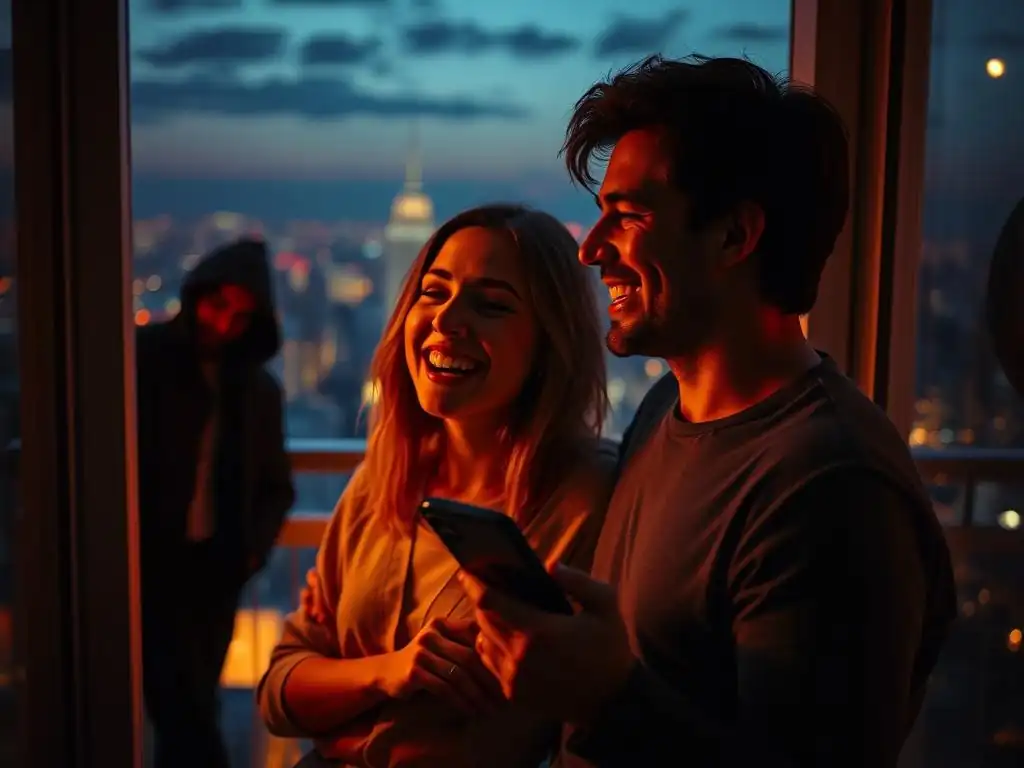
Tired of frustrating online dating experiences? At OnlineDatingSuccess.org, we're dedicated to helping you navigate the world of online romance with confidence. This isn't just about finding a match; it's about building genuine connections. But first, you need to know how to protect yourself. Learn crucial strategies for online dating scammer detection in our latest article, and discover how to create a safer, more rewarding online dating journey. Let's get you on the path to finding real connection.
- Understanding Online Dating Scam Tactics: Recognizing Red Flags
- Online Dating Scammer Detection: Key Indicators of Fraudulent Behavior
- How to Protect Yourself from Online Dating Scammers: Prevention Strategies
- Reporting Online Dating Scammers: Taking Action Against Fraud
- Resources for Online Dating Safety: Additional Support and Information
- Frequently Asked Questions
- Final Reflection: Navigating the Digital Seas of Love
- Unlock Your Dating Confidence: Prioritize Your Safety Online
Understanding Online Dating Scam Tactics: Recognizing Red Flags
Navigating the world of online dating can be exciting, offering the potential to connect with like-minded individuals and build meaningful relationships. However, it's crucial to be aware of the potential dangers lurking within these digital spaces. This article focuses on equipping you with the knowledge and tools to effectively identify and avoid online dating scammers.
We'll delve into common scam profiles, early warning signs, and various types of scams, providing you with a comprehensive understanding of how to protect yourself and your personal information while searching for love online. Learning to detect online dating scams is paramount to ensuring a safe and positive online dating experience, allowing you to focus on building genuine connections rather than falling victim to fraudulent activities.
Mastering online dating scammer detection is key to a successful and secure online dating journey. Remember, staying vigilant is your best defense against those who seek to exploit the vulnerability inherent in online relationships.
Common Scam Profiles: Identifying Fake Accounts and Catfishing
Online dating scammers often employ sophisticated techniques to create convincing fake profiles. These profiles are meticulously crafted to lure unsuspecting victims. Identifying these fake accounts requires careful observation and a healthy dose of skepticism. Common red flags include:
- Stock Photos or Inconsistencies: Many scammers use readily available stock photos, often featuring models or images from other websites. Inconsistencies in photos (e.g., different backgrounds, inconsistent hairstyles) are also strong indicators of a fake profile.
- Limited Personal Information: A profile lacking detail or providing vague information should raise suspicion. Scammers often avoid providing specific details about their lives to avoid being exposed.
- Overly Perfect Profiles: Be wary of profiles that seem too good to be true. Everyone has flaws; a profile that presents an idealized version of a person is often a fabricated one.
- Catfishing: This is a particularly insidious form of online deception where individuals create fake profiles using stolen photos and fabricated identities. Their goal is to build emotional connections to manipulate their victims. Be cautious of profiles that lack genuine interaction or whose responses seem scripted.
Understanding these common traits of fake profiles will significantly enhance your ability to spot them and avoid potential scams. Remember, if something feels off, trust your instincts.
Spotting the Signs: Early Warning Signals of Online Dating Scams
Even with careful profile scrutiny, scammers can still employ subtle tactics to manipulate their victims. Recognizing early warning signs is crucial to preventing financial and emotional harm. These early signals often manifest as:
- Rapid Progression of the Relationship: Scammers often rush the relationship, showering their victims with excessive affection and promises early on. This is a tactic to quickly build trust and establish an emotional connection.
- Requests for Money or Financial Assistance: This is a classic hallmark of a scam. Legitimate individuals will not ask for money, especially early in a relationship. Beware of any requests for financial aid, regardless of the reason given.
- Inconsistencies in Communication: Be wary of individuals who are inconsistent in their communication, frequently changing their stories or providing vague answers to your questions.
- Avoidance of Video Calls or In-Person Meetings: Scammers often avoid video calls or in-person meetings, citing various excuses. This is to conceal their true identity.
- Pressure to Move the Relationship Offline Quickly: Be cautious of individuals who consistently pressure you to move the relationship offline quickly, before you have had a chance to properly vet them.
These early warning signs, when taken together, should act as a strong deterrent against engaging further with a potentially fraudulent profile.
Types of Online Dating Scams: Romance Scams, Investment Scams, and More
Online dating scams manifest in various forms, each with its own unique characteristics. Understanding these different types can significantly improve your ability to protect yourself:
- Romance Scams: These are the most common type, where scammers build emotional connections to extract money or personal information from their victims. They often feign deep affection and build trust before making financial requests.
- Investment Scams: These scams involve luring victims into fake investment opportunities, promising high returns with minimal risk. The scammer often presents themselves as a financial expert or successful investor.
- Gift Card Scams: Scammers may request gift cards or other prepaid cards under various pretenses, such as emergency situations or unexpected expenses. These cards are untraceable, making them ideal for fraudulent activities.
- Extortion Scams: In this type of scam, scammers threaten to reveal compromising information about the victim unless they receive money or other forms of compensation. This often involves blackmail or threats of public exposure.
Recognizing these different types of scams and their methods is crucial in building a robust defense against online dating fraud. Remember, vigilance and caution are your best allies in navigating the complexities of online dating safely.
Online Dating Scammer Detection: Key Indicators of Fraudulent Behavior
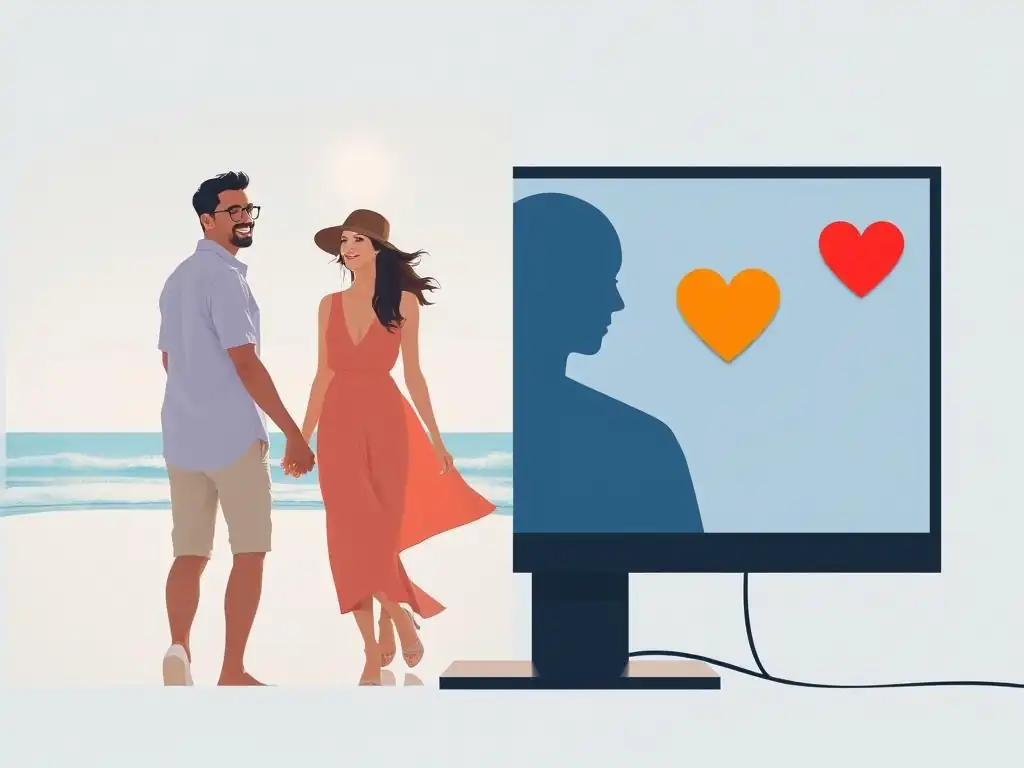
This section delves into the crucial aspects of online dating scammer detection, providing you with the tools to identify potentially fraudulent profiles and interactions. Remember, your safety and well-being are paramount. Learning to recognize red flags can significantly reduce your risk of becoming a victim. Effective online dating scammer detection relies on a combination of vigilance, critical thinking, and a healthy dose of skepticism. Let's examine some key indicators.
Analyzing Communication Patterns: Inconsistencies and Evasive Answers
One of the most effective methods for online dating scammer detection involves carefully analyzing communication patterns. Scammers often exhibit inconsistencies in their stories and are evasive when pressed for details. Pay close attention to the following:
- Contradictory statements: Do their claims about their life, work, or family conflict with information found elsewhere in their profile or during conversations? Inconsistencies are a major red flag. For example, a person claiming to be a successful doctor might struggle to answer basic questions about their profession.
- Vague or generic responses: Do they provide detailed answers to your questions, or do they offer vague, generic responses that avoid specifics? A scammer might struggle to provide concrete details about their daily life, hobbies, or work.
- Sudden changes in communication style: Does their communication style suddenly shift from friendly and engaging to demanding or aggressive? This could indicate a shift in their tactics to pressure you into action.
- Excessive flattery: While genuine compliments are nice, excessive flattery, particularly early in the relationship, can be a sign that someone is trying to manipulate you. Be wary of overly effusive praise that seems insincere.
- Grammar and spelling errors: While not always indicative of a scam, a significant number of errors, especially when claiming a high level of education or professional success, can raise suspicion.
Unrealistic Expectations and Promises: Identifying Outlandish Claims
Online dating scammer detection also requires recognizing unrealistic expectations and promises. Scammers often create idealized personas and make grandiose claims to lure victims. Watch out for:
- Overly perfect profiles: Be wary of profiles that seem too good to be true. Everyone has flaws; a profile completely devoid of imperfections should raise a red flag.
- Rapid declarations of love: Scammers often try to establish a strong emotional connection quickly, using intense declarations of love or affection to manipulate their victims. Genuine relationships take time to develop.
- Promises of quick wealth or success: Beware of anyone promising quick riches, easy money, or miraculous solutions to your problems. These are common tactics used by scammers.
- Sudden requests for personal information: Legitimate daters will gradually share personal information over time. A sudden request for sensitive details, such as your bank account information or social security number, should be a major warning sign.
- Claims of being stranded or in a crisis: Scammers often create fictional emergencies to pressure you into sending money or other forms of assistance. Be skeptical of urgent requests for financial help.
Financial Requests and Urgent Situations: Recognizing Pressure Tactics
The most obvious sign of an online dating scam is a request for money or other financial assistance. Scammers often employ various pressure tactics to coerce their victims into sending funds. Examples include:
| Pressure Tactic | Description | Red Flag |
|---|---|---|
| Urgent requests for money | Claiming to be in a dire financial situation requiring immediate assistance. | Legitimate people rarely need immediate financial help from someone they barely know. |
| Requests for gift cards or wire transfers | These methods are difficult to trace, making it easier for scammers to disappear with your money. | Be wary of any request for funds that are difficult to track. |
| Promises of repayment | Offering to repay the money once they are out of their supposed crisis. | This is a common tactic used to manipulate victims. |
| Emotional blackmail | Using emotional manipulation to guilt you into sending money. | Genuine relationships are built on trust and respect, not manipulation. |
| Creating a sense of urgency | Creating a false sense of urgency to prevent you from thinking clearly or seeking advice from others. | Take your time and don't rush into any financial decisions. |
Remember, legitimate relationships are built on trust and mutual respect, not financial transactions. If someone you've met online asks for money, it's almost certainly a scam. Always err on the side of caution and protect yourself from potential harm. Effective online dating scammer detection is crucial for a safe and positive online dating experience.
How to Protect Yourself from Online Dating Scammers: Prevention Strategies
This section focuses on proactive measures you can take to significantly reduce your risk of encountering online dating scammers. Remember, prevention is the best defense. By implementing these strategies, you'll create a safer online dating experience and increase your chances of forming genuine connections. Effective "online dating scammer detection" relies heavily on proactive measures.
Verify Profiles and Information: Cross-referencing and Background Checks
Don't rely solely on the information presented on a dating profile. Scammers often create elaborate fake profiles to lure victims. Take the time to verify the information provided. A simple Google search of their name and any details they've shared (like their profession or location) can reveal inconsistencies or red flags. Look for inconsistencies in their photos—a reverse image search can quickly reveal if their pictures are stolen from another source.
Consider using publicly available resources to verify details. For example, if they claim to be a doctor, a quick search of their name on a medical licensing board's website can confirm their credentials. While extensive background checks might not always be feasible, even a few minutes of verification can save you from significant heartache and potential financial loss. Remember, a genuine profile will likely withstand basic scrutiny.
Here's a simple checklist to help you verify profiles:
| Verification Method | Description | Effectiveness |
|---|---|---|
| Google Search of Name and Details | Search for inconsistencies or negative information online. | High |
| Reverse Image Search | Check if profile pictures are stolen from elsewhere. | High |
| Professional Licensing Board Verification | Verify credentials if they claim to have a specific profession. | High |
| Social Media Cross-referencing | Look for their profile on other platforms to compare information and check consistency. | Medium |
This process of diligent verification significantly improves your "online dating scammer detection" capabilities.
Secure Communication Methods: Avoiding Personal Information Sharing
Never share sensitive personal information, such as your full address, phone number, place of work, or financial details, with someone you've only met online. Scammers often use this information to steal your identity, access your accounts, or even cause you physical harm. Keep your conversations on the dating platform for as long as possible.
Instead of immediately giving out your phone number, suggest video chatting first. This allows you to see and hear the person, helping you verify their identity and assess their authenticity. If they are reluctant to video chat, it could be a huge red flag. This is a crucial aspect of effective "online dating scammer detection."
Remember these key points:
- Avoid sharing: Financial details, full address, workplace information, social security number.
- Prioritize: Video calls over phone calls or in-person meetings early on.
- Be cautious: Of overly personal or intimate conversations too early in the relationship.
- Trust your instincts: If something feels off, it probably is.
This cautious approach protects your privacy and reduces your vulnerability to scammers.
Slow and Steady Approach: Building Trust Gradually
Don't rush into a relationship. Scammers often try to build a connection quickly, creating a sense of urgency and intimacy to manipulate their victims. Take your time to get to know someone, both online and eventually, offline.
Pay attention to their communication style. Do they respond quickly and consistently? Do they show genuine interest in getting to know you? Or do they focus primarily on themselves and their supposed needs? Do they ask for favors or money early on? These are all potential red flags. Building trust requires time and observation. Don't let anyone pressure you into anything you're not comfortable with. This cautious approach is fundamental to effective "online dating scammer detection" and building healthy relationships.
Remember, if something feels too good to be true, it probably is. Trust your instincts and prioritize your safety. By employing these strategies, you significantly improve your ability to identify and avoid online dating scams.
Reporting Online Dating Scammers: Taking Action Against Fraud
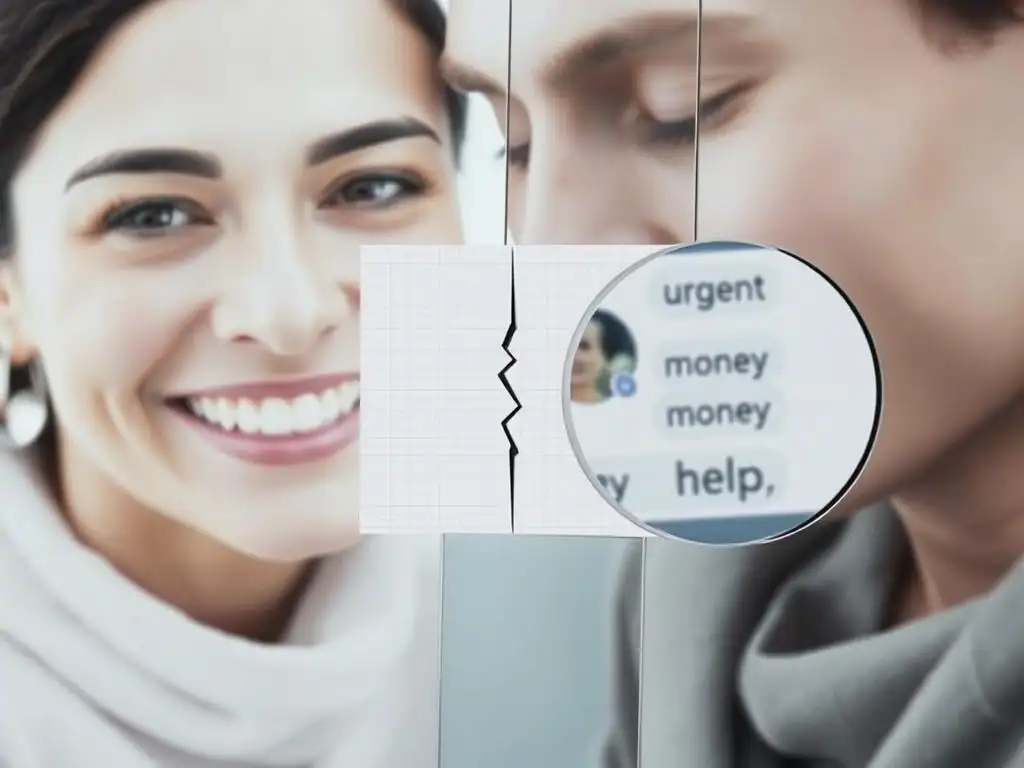
Identifying an online dating scammer is only the first step. Taking action is crucial to protect yourself and potentially prevent others from falling victim. This section details how to report suspicious activity and safeguard your personal information. Effective reporting is key to improving online dating safety and contributing to a more secure environment for everyone. Remember, reporting suspected fraudulent activity isn't just about protecting yourself; it's about contributing to the collective effort to combat online dating scams. Your report can help law enforcement and dating platforms improve their detection and prevention strategies.
Reporting to Dating Platforms: Utilizing Internal Reporting Mechanisms
Most reputable online dating platforms provide internal mechanisms for reporting suspicious profiles or interactions. These usually involve a "report" button or link directly on the user's profile or within the messaging interface. Utilizing these features is the first and often most effective step. Be detailed in your report.
Include screenshots of messages, profile information (usernames, profile pictures), and a clear explanation of why you suspect fraudulent activity. For instance, if someone constantly asks for money or personal financial information, clearly state this in your report. If their profile seems fake or uses stolen images, highlight those inconsistencies. The more information you provide, the better equipped the platform is to investigate and take action.
Many platforms have dedicated teams to review these reports and take appropriate measures, such as suspending or banning suspicious accounts. This helps to keep the platform a safer environment for all users. Remember to keep a copy of your report for your records.
If you've been a victim of financial fraud or other serious crimes related to an online dating encounter, contacting law enforcement is crucial. This may involve filing a report with your local police department or the appropriate federal agency, depending on the nature and scale of the crime. For instance, if you've sent money and received nothing in return, or if you've experienced identity theft, you should file a police report immediately.
Gather all relevant evidence, including communication logs, financial transaction records, and any other documentation that supports your claim. Be prepared to provide detailed information about the scammer, including their profile information, communication details, and any financial transactions involved. Law enforcement agencies have resources and expertise to investigate these types of crimes and potentially recover lost funds or bring perpetrators to justice.
Reporting online dating scams to law enforcement not only helps you but also contributes to building a larger database of information that helps authorities track down and prosecute these criminals, which is essential in combating "online dating scammer detection" efforts. This contributes to a safer online dating experience for everyone.
Protecting Your Online Presence: Securing Your Accounts and Data
Beyond reporting, proactively protecting your online presence is vital in preventing future scams. This includes regularly reviewing and updating your privacy settings on all online dating platforms and social media accounts. Limit the personal information you share online; avoid posting your full address, workplace, or other easily identifiable details. Utilize strong, unique passwords for each account, and consider using a password manager to help you keep track.
Be wary of clicking on links from unknown sources, and regularly check your bank and credit card statements for any unauthorized activity. Enable two-factor authentication (2FA) whenever possible to add an extra layer of security. Regularly monitor your credit report for signs of identity theft. Remember, your vigilance is your first line of defense against online dating scams.
By proactively securing your online presence, you significantly reduce your risk of becoming a victim of online fraud. This proactive approach to "online dating scammer detection" is a critical element in staying safe in the online dating world. Protecting your digital footprint is crucial in navigating the online dating landscape safely and effectively.
Resources for Online Dating Safety: Additional Support and Information
This section provides additional resources and information to help you stay safe while navigating the world of online dating. Remember, your safety is paramount, and being proactive is key to avoiding scams and building healthy relationships. The information below offers avenues for further learning and support should you need it.
Organizations Dedicated to Fighting Online Fraud
Several organizations are dedicated to combating online fraud and protecting individuals from scams. These organizations often provide valuable resources, including educational materials, reporting mechanisms, and support for victims. Familiarizing yourself with these resources can empower you to take control of your online safety and act swiftly if you suspect fraudulent activity.
While specific names and contact information are omitted here to avoid outdated links, a quick online search for terms like "online fraud prevention," "internet crime complaint center," or "[your country/region] consumer protection agency" will yield relevant results. Remember to always verify the legitimacy of any organization before sharing personal information.
Many of these organizations offer detailed guides on identifying various types of online scams, including those prevalent in online dating. They often provide practical advice on how to avoid becoming a victim and what steps to take if you've already been targeted. Some even offer support groups and counseling services for individuals who have experienced financial or emotional distress as a result of an online scam. Utilizing these resources can be crucial in recovering from a difficult experience and preventing future incidents. Don't hesitate to seek help if you need it; you're not alone.
Online Safety Tips for Dating
Beyond recognizing scammer tactics, proactive safety measures are crucial for a positive online dating experience. These tips go beyond simply identifying red flags; they focus on building a secure environment from the outset. Remember, prevention is always better than cure when it comes to online safety.
Here are some practical steps you can take to enhance your online dating safety:
- Verify Profiles: Always cross-reference information provided in a dating profile with publicly available information. This could involve a simple Google search, checking social media profiles (if available), or even searching for their name in professional directories. Discrepancies should raise a red flag.
- Slow and Steady: Don't rush into deep conversations or sharing personal information too quickly. Take your time to get to know someone online before revealing sensitive details like your address, workplace, or financial information. Building trust takes time.
- Video Calls: Suggest a video call relatively early in the communication process. This is an effective way to verify the identity of your online match and to ensure that they are who they claim to be. Inconsistencies between their profile picture and their appearance on video call is a major red flag.
- Meet in Public: When you decide to meet in person, always choose a public place for your first date. Let a friend or family member know where you are going, who you are meeting, and when you expect to be back.
- Trust Your Instincts: If something feels off or makes you uncomfortable, trust your instincts. Don't feel pressured to continue communicating with someone who makes you uneasy, regardless of how charming or persuasive they may seem. Your gut feeling is often right.
- Report Suspicious Activity: If you encounter suspicious behavior or believe you've been targeted by a scammer, report it to the dating platform immediately. Many platforms have robust reporting mechanisms in place to help protect their users. Additionally, report the incident to the appropriate authorities.
By following these tips and utilizing the resources mentioned above, you can significantly reduce your risk of encountering online dating scammers and focus on building genuine connections. Remember, online dating safety is a shared responsibility, and staying informed is the first step towards a secure and rewarding experience. The proactive approach to online dating scammer detection is paramount for a safe experience.
Frequently Asked Questions
How can I spot a scammer on a dating site?
Scammers often use generic profiles with limited personal information, inconsistent photos, and overly romantic language very early in communication. They may also ask for financial assistance or personal details quickly.
What are some common red flags in online dating profiles?
Be wary of profiles with poor-quality photos, grammatical errors, or inconsistent information. Also, watch out for profiles that seem too good to be true, promising instant love or wealth.
How do online dating scammers typically operate?
Scammers often create a sense of urgency and intimacy to manipulate their victims. They may fabricate sob stories to elicit sympathy and request money under false pretenses, often for medical emergencies or travel.
What should I do if I suspect I'm being scammed on a dating site?
Immediately stop all communication with the suspect. Report the profile to the dating site and consider blocking the user. Do not send them any money or personal information.
Where can I get more information about online dating safety?
OnlineDatingSuccess.org provides practical advice and tips on how to spot and avoid online dating scams. You can also find resources on staying safe online from organizations dedicated to cybersecurity and consumer protection.
The rise of online dating has undeniably revolutionized romance, but it's also created a fertile ground for sophisticated scammers. This ease of connection, while offering incredible opportunities, simultaneously presents a significant risk, demanding vigilance and awareness from anyone venturing into the digital dating world. The consequences of falling victim to these scams can be devastating, both financially and emotionally.
The impact of online dating scams extends far beyond individual experiences; it erodes trust in online interactions and perpetuates a climate of fear. The internet has brought people closer together, but it has also brought the wolves closer to the sheep.
This quote, while not directly about online dating, perfectly encapsulates the duality of the digital age. We've seen firsthand how easily manipulated emotions can be, and the importance of critical thinking in navigating this complex landscape. The pervasive nature of these scams underscores the need for ongoing education and community support for those affected.
You, the reader, now hold the knowledge to protect yourself. Don't let the fear of scams prevent you from finding genuine connection, but equip yourself with the tools to identify red flags and navigate the online dating world with confidence and caution. Remember the strategies discussed – from verifying profiles to avoiding rushed commitments – and use them as your compass. Your safety and well-being are paramount, and your journey to finding love should be one of empowerment, not fear.
Unlock Your Dating Confidence: Prioritize Your Safety Online
Thank you for learning how to identify online dating scams! You've gained valuable knowledge to navigate the online dating world safely and confidently. Let's put this knowledge into practice:
- Create a secure dating profile: Review your profile to ensure you're not inadvertently sharing personal information that could compromise your safety. Consider the photos you use, the location details you provide, and the type of information you share publicly. This is crucial for enhancing your online safety.
- Share this information with your friends and family: Help protect your network by raising awareness about online dating scams. Sharing this article on social media can significantly impact the safety of your loved ones.
- Practice identifying red flags: Review the examples of scams discussed in this article. Can you identify similar warning signs in other situations? This practice will sharpen your awareness and help you make safer choices online.
Ready to build a safer and more fulfilling online dating experience? What's one small step you can take today to protect yourself?