
The Impact of Online Dating on Mental Health: Understanding the Risks


Welcome to OnlineDatingSuccess.org, your guide to navigating the exciting yet sometimes challenging world of online dating. We're dedicated to helping you build meaningful connections, and that includes understanding the potential pitfalls. Have you considered the impact of online dating on your mental health? This crucial topic, explored in our latest article on Online dating mental health risks, will equip you with the knowledge to protect your well-being while searching for love. Discover practical strategies and insightful advice to ensure your online dating journey is both rewarding and safe. Let's dive in!
- Online Dating Mental Health Risks: A Growing Concern
- Negative Impacts on Mental Wellbeing from Online Dating Experiences
- Protecting Your Mental Health While Online Dating
- Seeking Support for Mental Health Concerns Related to Online Dating
- Strategies for a Positive Online Dating Experience
-
Frequently Asked Questions
- How can online dating negatively impact my mental health?
- What are some signs that online dating is harming my mental well-being?
- How can I protect my mental health while using online dating?
- Is it normal to feel anxious or discouraged while online dating?
- Where can I find support if online dating is affecting my mental health?
- Final Reflection: Navigating the Digital Landscape of Love and Self-Worth
- Take Control: Cultivate a Healthier Online Dating Experience
Online Dating Mental Health Risks: A Growing Concern
The digital age has revolutionized romance, with online dating platforms becoming the primary way many singles meet potential partners. While offering unparalleled convenience and access to a vast pool of potential matches, this shift in how we find love also presents a growing concern: the impact on our mental well-being.
This article delves into the potential mental health risks associated with online dating, exploring the anxieties, pressures, and emotional challenges that many users face. Understanding these risks is the first step towards navigating the online dating world more safely and healthily, fostering a positive and fulfilling experience rather than one fraught with stress and disappointment.
We'll examine the rise of online dating and its psychological impact, the increased anxiety and stress levels it can trigger, and the profound effect rejection sensitivity can have on self-esteem. By acknowledging these challenges, we can equip ourselves with strategies to mitigate the negative effects and cultivate a more positive approach to finding love online.
The Rise of Online Dating and its Psychological Impact
The sheer volume of choice offered by online dating apps can be overwhelming. The constant stream of profiles, messages, and notifications creates a hyper-competitive environment, fostering a sense of urgency and pressure to constantly improve one's profile and messaging strategy. This relentless pursuit of validation can lead to feelings of inadequacy and self-doubt, particularly when faced with numerous rejections or a lack of engagement.
Furthermore, the curated nature of online profiles—often presenting idealized versions of individuals—can contribute to unrealistic expectations and feelings of disappointment when reality doesn't match the online persona. The constant comparison to other users, a common phenomenon in online dating, can also fuel negative self-perception and exacerbate existing insecurities.
This constant pressure to present a perfect image and the potential for social comparison significantly impacts mental health, potentially leading to increased anxiety and depression. The ease with which individuals can connect also means that ghosting, or the sudden cessation of communication without explanation, is a common occurrence, leaving many feeling rejected and confused.
Increased Anxiety and Stress Levels in Online Dating
Online dating often involves a significant investment of time and effort, with users spending hours crafting profiles, selecting photos, and messaging potential partners. This time commitment, coupled with the inherent uncertainty and potential for rejection, can contribute to heightened anxiety and stress levels. The fear of judgment, the pressure to maintain a constant online presence, and the constant anticipation of a response can lead to a state of chronic stress.
The pressure to constantly curate one's online image and engage in strategic self-promotion can also be exhausting and emotionally draining. Many individuals report experiencing significant anxiety before and after dates, further exacerbating the stress associated with the online dating process.
This anxiety can manifest in various ways, from difficulty sleeping to changes in appetite, impacting overall mental and physical health. Moreover, the potential for catfishing or encountering inappropriate behavior online adds another layer of anxiety and concern for users’ safety and well-being.
Rejection Sensitivity and its Effects on Self-Esteem in Online Daters
Rejection sensitivity, the tendency to anticipate and overreact to potential rejection, is particularly pronounced in the context of online dating. The ease with which people can swipe left or ignore messages means that rejection is a frequent occurrence, potentially leading to feelings of worthlessness and decreased self-esteem. This constant exposure to potential rejection can create a cycle of negative self-perception, where individuals begin to doubt their desirability and attractiveness.
The public nature of online dating, where rejection can be perceived by a wider audience, can exacerbate these feelings. For individuals with pre-existing mental health challenges, online dating can significantly worsen symptoms of anxiety, depression, and low self-esteem. It's crucial to remember that rejection in online dating doesn't reflect inherent flaws or worth.
Many factors contribute to compatibility, and a lack of connection with one person doesn't diminish an individual's value or attractiveness. Developing healthy coping mechanisms and practicing self-compassion are vital in mitigating the negative effects of rejection sensitivity in online dating.
Negative Impacts on Mental Wellbeing from Online Dating Experiences
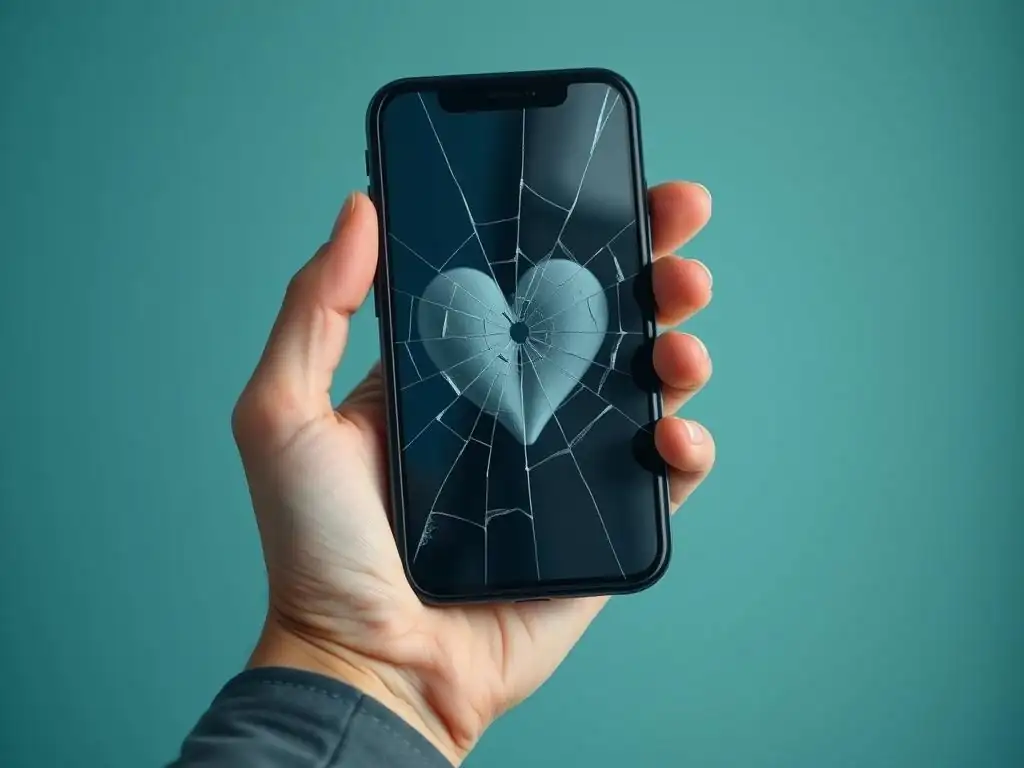
Online dating, while offering exciting possibilities for connection, can unfortunately also negatively impact mental wellbeing. The curated nature of profiles, the potential for rejection, and the anonymity afforded by the digital realm all contribute to a unique set of challenges that can affect mental health. Understanding these risks is crucial for navigating the online dating world safely and maintaining emotional well-being. This section will explore some of the most prevalent negative impacts, providing insights into how to mitigate their effects. The prevalence of “online dating mental health risks” is a growing concern, demanding a thoughtful and informed approach.
The Prevalence of Catfishing and its Mental Health Consequences
Catfishing, the act of creating a false online persona to deceive others, is a significant concern in online dating. Victims invest time, emotion, and sometimes even money into relationships that are ultimately built on lies. The discovery of a catfish can be devastating, leading to feelings of betrayal, anger, shame, and a profound sense of self-doubt. This emotional turmoil can manifest as anxiety, depression, and even post-traumatic stress disorder (PTSD) in severe cases. The violation of trust inherent in catfishing can be deeply damaging to one's self-esteem and ability to form genuine connections in the future.
The emotional impact is often amplified by the investment of time and energy into a perceived relationship. Individuals may find themselves struggling to understand how they could have been so deceived, leading to self-blame and questioning their judgment. Professional help, such as therapy or counseling, can be invaluable in processing these complex emotions and rebuilding trust in oneself and others. Recognizing warning signs and practicing caution, such as video calling before meeting in person, can help mitigate the risk of encountering a catfish. Remember, you are not alone, and seeking support is a sign of strength, not weakness.
Dealing with Ghosting and its Emotional Toll
Ghosting, the sudden and unexplained cessation of communication by one party in a budding relationship, is another significant source of emotional distress in online dating. The abrupt end to contact leaves the ghosted individual feeling confused, rejected, and often wondering what they did wrong. This uncertainty can lead to rumination, anxiety, and a decreased sense of self-worth. The lack of closure intensifies the emotional pain, making it difficult to move on.
The experience of being ghosted can be particularly damaging to one's self-esteem. Individuals may begin to question their attractiveness, personality, or worthiness of love. This negative self-perception can have far-reaching consequences, impacting other areas of life beyond online dating. Building resilience and self-compassion is essential in navigating the emotional fallout of ghosting. Remembering that ghosting is often a reflection of the ghoster's issues, rather than a judgment of the ghosted individual, is crucial for maintaining a positive self-image.
The Pressure of Constant Comparison and Idealization
Online dating platforms often present a curated and idealized version of reality. Users are constantly exposed to numerous profiles, each presenting a seemingly perfect version of themselves. This constant comparison can lead to feelings of inadequacy, low self-esteem, and body image issues. The pressure to present oneself in the most attractive light can be overwhelming, leading to unrealistic expectations and self-criticism.
The emphasis on outward appearances and superficial details in many online dating profiles contributes to this pressure. Individuals may feel compelled to conform to unrealistic beauty standards, leading to unhealthy behaviors such as excessive dieting or editing their photos. Focusing on building genuine connections based on shared values and interests, rather than solely on physical appearance, can help alleviate this pressure.
Remembering that online profiles often present a carefully constructed image and that true connection comes from deeper interactions is crucial for maintaining a healthy perspective. Prioritizing self-care and self-acceptance is essential for navigating the often-challenging landscape of online dating.
Protecting Your Mental Health While Online Dating
This section focuses on proactive strategies to safeguard your mental well-being while navigating the world of online dating. The emotional rollercoaster of online dating can be intense, so understanding and implementing these protective measures is crucial for a positive experience. Remember, your mental health is paramount, and prioritizing it is key to a successful and fulfilling online dating journey. Ignoring potential risks associated with online dating mental health can lead to significant distress.
Setting Realistic Expectations and Avoiding Idealization
Online dating profiles often present an idealized version of reality. Remember that the images and descriptions you see are carefully curated and might not reflect the whole picture. Avoid falling into the trap of idealizing potential partners before you've even met them in person. Setting realistic expectations about the online dating process itself is equally important. It's rarely a quick and easy path to finding "the one." Instead of expecting immediate success, embrace the journey as a process of self-discovery and connection.
Consider these points:
- Avoid comparing yourself to others: Social media and online dating platforms can fuel unhealthy comparisons. Focus on your own unique qualities and avoid measuring your worth based on the success (or perceived success) of others.
- Manage your time investment: Don't spend excessive hours scrolling through profiles or engaging in conversations that aren't going anywhere. Set boundaries to protect your time and energy.
- Recognize red flags early: Pay attention to inconsistencies in profiles, overly aggressive messaging, or requests for personal information too early in the process. These could be signs of potential problems and should prompt you to proceed with caution.
Building Resilience to Rejection and Negative Feedback
Rejection is an inevitable part of online dating. Learning to cope with it healthily is essential for maintaining a positive mental outlook. Remember that rejection doesn't reflect your worth as a person; it simply means that a particular connection wasn't meant to be. Developing resilience to negative feedback, whether it's a lack of response or direct criticism, is crucial. Focus on your strengths and don't let the actions of others define your self-worth.
Here's how to build resilience:
- Practice self-compassion: Treat yourself with kindness and understanding, especially during setbacks. Acknowledge your feelings without judgment.
- Focus on your positive qualities: Remind yourself of your strengths, accomplishments, and the qualities that make you a valuable person.
- Seek support: Talk to trusted friends, family members, or a therapist about your experiences. Sharing your feelings can help you process them and gain perspective.
- Learn from each experience: Analyze your interactions to identify areas for improvement, but avoid dwelling on past failures. Use each experience as a learning opportunity to refine your approach.
Maintaining a Healthy Self-Image and Self-Worth
Online dating can significantly impact your self-esteem, particularly if you experience repeated rejection or encounter negativity. It's crucial to maintain a healthy self-image and a strong sense of self-worth, independent of your online dating experiences. Remember that your value as a person is not determined by your success or lack of success in finding a romantic partner online.
Consider these strategies:
- Prioritize self-care: Engage in activities that nourish your physical and mental well-being, such as exercise, healthy eating, mindfulness, and spending time in nature. These activities can help you maintain a positive outlook and manage stress.
- Set boundaries: Protect your time, energy, and emotional well-being by setting clear boundaries with potential partners and managing your online interactions.
- Focus on personal growth: Use online dating as an opportunity for self-discovery and personal growth. Reflect on your experiences, identify areas for improvement, and work towards becoming the best version of yourself.
- Seek professional help if needed: If you're struggling with your mental health, don't hesitate to seek professional support from a therapist or counselor. They can provide guidance and tools to help you navigate the challenges of online dating and maintain a positive mental state. Remember, prioritizing your mental health is not a sign of weakness; it's a sign of strength and self-awareness.
Recognizing Warning Signs of Negative Mental Health Impacts
Navigating the world of online dating can be exhilarating, but it's crucial to be aware of potential negative impacts on your mental well-being. Ignoring warning signs can lead to significant distress. Early recognition is key to protecting your mental health. What might seem like minor frustrations can escalate into larger issues if left unchecked. Therefore, paying close attention to your emotional and psychological state is paramount.
One common warning sign is a significant increase in anxiety. This might manifest as excessive worrying about messages, profile views, or lack of matches. You might find yourself constantly refreshing dating apps, checking for notifications, or feeling a deep sense of disappointment if your efforts don't yield immediate results. This constant state of anticipation and potential rejection can be incredibly draining. For some, this anxiety might even lead to physical symptoms like sleep disturbances, digestive issues, or headaches. It's important to differentiate between healthy anticipation and unhealthy, overwhelming anxiety.
Another indicator is a decline in self-esteem. Repeated rejection or negative interactions online can significantly impact how you view yourself. You might start to question your worthiness or attractiveness, leading to feelings of inadequacy and self-doubt. The curated and often unrealistic profiles on dating apps can fuel these feelings, creating a distorted sense of comparison and competition. This can be particularly harmful if you find yourself constantly comparing yourself to others, focusing on perceived flaws rather than your strengths.
Changes in mood and behaviour are also important to monitor. Do you find yourself feeling persistently down, irritable, or withdrawn? Are you losing interest in activities you once enjoyed? A noticeable shift in your usual patterns could indicate a negative impact of online dating. This might include isolating yourself from friends and family, neglecting your personal care, or experiencing significant fluctuations in your energy levels. These changes can be subtle, but consistent patterns are a cause for concern.
Finally, pay attention to obsessive thoughts or behaviours related to online dating. Are you spending an excessive amount of time on dating apps, neglecting other important aspects of your life? Do you find yourself replaying conversations or dwelling on past interactions? These obsessive thoughts can consume your mental energy, preventing you from focusing on other areas of your life.
A healthy balance is crucial, and if online dating is interfering with your work, relationships, or overall well-being, it's time to reassess your approach. Remember that seeking professional help is a sign of strength, not weakness. Don't hesitate to reach out to a therapist or counselor if you're struggling.
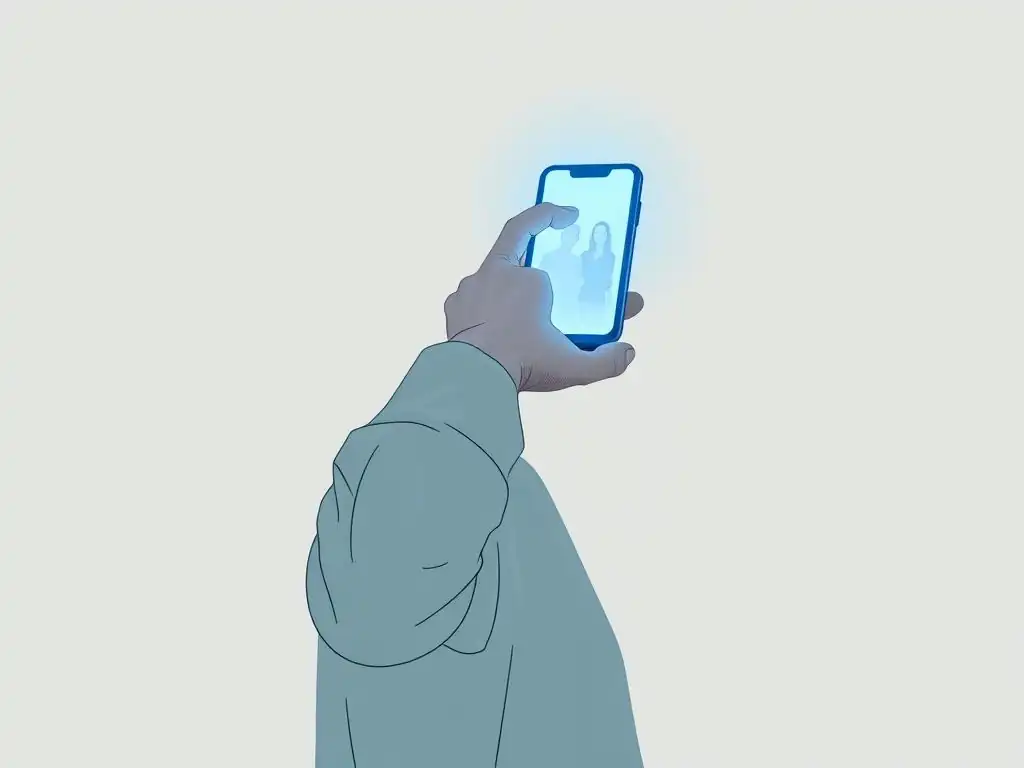
Navigating the world of online dating can be emotionally taxing, even for the most resilient individuals. The constant cycle of messaging, dating, and potential rejection can take a toll on your mental wellbeing. Understanding this is the first step towards proactively managing your mental health while engaging in online dating. Many experience feelings of anxiety, depression, or even low self-esteem as a result of their online dating experiences.
It's crucial to recognize these feelings are valid and that seeking support is a sign of strength, not weakness. Ignoring these feelings can lead to more significant mental health challenges down the line. This section focuses on identifying reliable resources and support groups specifically designed to help individuals cope with the mental health challenges associated with online dating. Remember, you are not alone in this.
Identifying Reliable Resources and Support Groups
Finding the right kind of support is paramount. Many resources exist beyond traditional therapy, offering various levels of support tailored to the specific needs of online daters. These resources can range from online forums and support groups to helplines and mental health apps.
Here's a breakdown of potential avenues for support:
- Online Forums and Communities: Many online communities are dedicated to discussing the challenges and triumphs of online dating. These forums offer a space for sharing experiences, seeking advice, and feeling less isolated. However, it's crucial to approach these spaces with caution, remembering to prioritize your mental health and avoid potentially harmful or triggering content. Look for moderated forums to ensure a safer environment.
- Support Groups (In-Person and Online): Support groups, whether in-person or virtual, provide a structured environment for connecting with others facing similar challenges. Sharing experiences with others who understand can be incredibly validating and helpful in coping mechanisms. [Specific information pending: List of reputable online and in-person support groups focused on online dating and mental health].
- Helplines and Crisis Lines: For those experiencing a mental health crisis or needing immediate support, helplines and crisis lines offer 24/7 access to trained professionals. These services provide confidential support and can help connect individuals with appropriate resources. [Specific information pending: List of relevant helplines and crisis lines, including contact information].
Talking to a Mental Health Professional About Online Dating Challenges
While online resources can be beneficial, sometimes professional help is necessary. Talking to a therapist or counselor about your experiences with online dating can provide valuable insights and coping strategies. A mental health professional can offer a safe and non-judgmental space to explore your feelings, identify negative thought patterns, and develop healthy coping mechanisms to navigate the emotional rollercoaster of online dating.
Here are some key points to consider when seeking professional help:
- Finding the Right Therapist: Look for a therapist experienced in addressing relationship issues and the specific challenges of online dating. Many therapists specialize in areas such as anxiety, depression, and relationship dynamics.
- Open Communication: Be open and honest with your therapist about your experiences, feelings, and concerns. The more information you share, the better they can understand your unique situation and provide tailored support.
- Setting Realistic Expectations: Therapy is a process, and it takes time to see results. Be patient with yourself and the process, and remember that progress is not always linear.
Utilizing Apps and Technologies to Support Mental Wellbeing While Online Dating
Technology plays a significant role in online dating, but it can also be used to support your mental wellbeing during this process. Numerous apps and technologies can assist in managing stress, anxiety, and other mental health concerns.
Consider exploring these options:
- Mindfulness and Meditation Apps: Apps like Headspace or Calm offer guided meditations and mindfulness exercises that can help manage stress and anxiety associated with online dating. These tools can help you stay grounded and present, even during challenging moments.
- Journaling Apps: Journaling can be a powerful tool for self-reflection and emotional processing. Many apps offer secure platforms for journaling, allowing you to track your thoughts and feelings related to online dating.
- Mood Tracking Apps: These apps help monitor your mood and identify patterns or triggers that might be impacting your mental wellbeing. This data can be valuable in understanding your emotional responses to online dating and informing future strategies.
Remember, prioritizing your mental health is crucial for a positive and fulfilling online dating experience. Seeking support and utilizing available resources is a sign of strength and self-care. By proactively managing your mental wellbeing, you can increase your chances of finding healthy and meaningful connections online.
Strategies for a Positive Online Dating Experience
Navigating the world of online dating while safeguarding your mental well-being requires a proactive approach. While the potential for negative experiences exists, focusing on strategies that prioritize your mental health can significantly improve your online dating journey and increase your chances of finding a meaningful connection. Understanding the potential risks associated with online dating—such as rejection, catfishing, or encountering abusive behavior—is crucial, but equally important is developing coping mechanisms and positive strategies. This section outlines key approaches to mitigate negative impacts and foster a more positive experience.
Prioritizing Self-Care and Mindfulness Practices
Maintaining a strong sense of self-care is paramount when engaging in online dating. The emotional rollercoaster of online interactions—from the excitement of matches to the disappointment of rejections—can take a toll. Prioritizing self-care isn't a luxury; it's a necessity for managing stress and maintaining emotional resilience. This involves incorporating practices that nurture your mental and emotional well-being.
Consider these self-care strategies:
- Regular exercise: Physical activity releases endorphins, which have mood-boosting effects. Aim for at least 30 minutes of moderate-intensity exercise most days of the week. Even short bursts of activity can make a difference.
- Mindful meditation: Even 5-10 minutes of daily meditation can help reduce stress and improve focus. Numerous apps offer guided meditations for beginners.
- Healthy diet: Nourishing your body with wholesome foods provides the energy and nutrients needed to cope with stress. Limit processed foods, sugar, and caffeine.
- Sufficient sleep: Aim for 7-9 hours of quality sleep each night. Sleep deprivation can exacerbate stress and negatively impact your emotional regulation.
- Hobbies and social connections: Engage in activities you enjoy and spend time with supportive friends and family. These activities provide a buffer against the potential stresses of online dating.
Remember, self-care is not selfish; it's essential for your overall well-being and ability to navigate online dating successfully. Prioritizing these practices can equip you with the emotional resilience needed to handle the ups and downs of the online dating world. Think of it as building your "emotional immune system."
Focusing on Building Genuine Connections
The allure of online dating often lies in the potential for quick matches and superficial interactions. However, focusing on building genuine connections is crucial for both your mental health and the long-term success of your dating endeavors. Shifting your focus from quantity to quality can significantly reduce feelings of frustration and disappointment.
Here's how to cultivate genuine connections:
- Authentic profile creation: Present yourself honestly and authentically in your profile. Avoid overly edited photos or misleading descriptions. Be clear about what you're looking for in a partner.
- Meaningful communication: Engage in thoughtful conversations, asking open-ended questions and actively listening to your matches' responses. Avoid superficial small talk and strive for deeper connections.
- Slow and steady approach: Don't rush into meeting someone in person. Take the time to get to know your matches through meaningful conversations before arranging a date. This reduces the risk of disappointment and allows for a more natural progression.
- Be selective: Don't feel pressured to respond to every message or match. Focus your energy on individuals who genuinely resonate with you and share your values.
- Manage expectations: Remember that not every connection will lead to a relationship. Accept rejection gracefully and move on.
By prioritizing genuine connections, you’ll experience a more fulfilling and less stressful online dating journey. Remember that finding a compatible partner takes time and patience.
Maintaining Healthy Boundaries and Communication Styles
Setting and maintaining healthy boundaries is essential for protecting your mental health in the online dating world. This involves establishing clear limits on how much time and energy you dedicate to online dating, how you communicate with matches, and how you respond to negative interactions.
Consider these boundary-setting strategies:
- Time limits: Set a specific amount of time each day or week for online dating. Avoid spending excessive time scrolling through profiles or engaging in lengthy conversations that aren't leading anywhere.
- Communication boundaries: Be clear about your communication preferences. For instance, you might prefer to communicate primarily through the dating app before exchanging phone numbers or social media details.
- Rejection handling: Develop a healthy coping mechanism for dealing with rejection. Remember that rejection is a normal part of dating, and it doesn't reflect your worth.
- Safety first: Never share sensitive personal information, such as your address or financial details, with someone you've only met online. Trust your instincts and report any suspicious behavior to the dating platform.
- Offline activities: Make sure to maintain a balanced life outside of online dating. Pursue your hobbies, spend time with loved ones, and engage in activities that bring you joy. This will help you to avoid becoming overly reliant on online dating for validation or fulfillment.
By setting clear boundaries and practicing healthy communication, you can create a more positive and safe online dating experience, significantly reducing the potential for negative impacts on your mental well-being. Remember that prioritizing your mental health is not a sign of weakness, but rather a testament to your self-awareness and commitment to your overall well-being.
Utilizing Online Dating for Self-Growth and Personal Development
Online dating, while potentially fraught with challenges, presents a unique opportunity for self-growth and personal development. Many individuals underestimate the potential for introspection and self-discovery inherent in the process. Navigating the complexities of online interactions can be a powerful catalyst for enhancing self-awareness and building resilience.
One key aspect is learning to articulate your needs and desires clearly. Crafting a compelling dating profile requires honest self-reflection, forcing you to confront your values, priorities, and relationship goals. This process alone can be incredibly insightful, revealing areas you may have previously overlooked or avoided. The act of expressing yourself authentically, even if it feels vulnerable, is a significant step towards personal growth. The feedback you receive, both positive and negative, provides valuable information about how you present yourself to others and how you might refine your approach.
Furthermore, online dating provides a safe space to practice social skills and communication strategies. Each interaction, whether a successful date or a polite rejection, offers a learning opportunity. You can refine your messaging techniques, learn to interpret nonverbal cues in online communication, and develop your ability to build rapport remotely. This practice translates beyond the online realm, enhancing your interpersonal skills in all aspects of your life.
The experience of rejection, while painful, is an invaluable teacher. It pushes you to evaluate your expectations, reassess your dating strategy, and perhaps even confront underlying insecurities. Learning to manage disappointment and build resilience in the face of setbacks is a crucial life skill that online dating can help cultivate. By reframing rejection as feedback and an opportunity for self-improvement, you can transform a potentially negative experience into a catalyst for personal growth.
Finally, online dating can broaden your social circle and expose you to diverse perspectives and experiences. Engaging with individuals from different backgrounds and with varied interests can challenge your assumptions, expand your worldview, and promote personal development through exposure to new ideas and ways of thinking. This can lead to increased empathy, improved communication skills, and a more nuanced understanding of yourself and the world around you.
Embracing this aspect of online dating can be significantly rewarding, offering unexpected benefits beyond finding a romantic partner. Remember, the journey of self-discovery is ongoing, and online dating can be a valuable tool along the way. 🥂
Frequently Asked Questions
How can online dating negatively impact my mental health?
Online dating can negatively affect mental health through rejection, comparison to others, and cyberbullying. Constant swiping and lack of matches can lead to feelings of inadequacy and low self-esteem. Fear of missing out (FOMO) is also common.
What are some signs that online dating is harming my mental well-being?
Signs include increased anxiety, depression, or feelings of loneliness. You might find yourself spending excessive time on dating apps, neglecting other areas of your life. Consider seeking help if dating apps are causing significant distress.
How can I protect my mental health while using online dating?
Set realistic expectations, limit your time on dating apps, and focus on self-care. Remember that not every connection will be a success. Engage in activities you enjoy outside of dating apps to maintain a balanced lifestyle.
Is it normal to feel anxious or discouraged while online dating?
Yes, feeling anxious or discouraged is quite common due to the competitive nature and potential for rejection. However, prolonged or intense negative feelings warrant attention and potentially professional help.
Where can I find support if online dating is affecting my mental health?
Consider talking to a therapist or counselor who specializes in relationship issues. Many online resources and support groups are also available to help you manage stress and build resilience. Prioritizing your mental health is crucial.
The rise of online dating has fundamentally reshaped modern romance, yet its impact on mental well-being remains a critically under-discussed consequence of our increasingly digital lives. The ease of connection paradoxically fosters a breeding ground for rejection, comparison, and unrealistic expectations, leaving many feeling more isolated and anxious than ever before. This isn't simply a fleeting trend; it's a pervasive issue demanding our attention and understanding.
The constant stream of profiles, the pressure to present a perfect online persona, and the inherent uncertainty of online interactions can significantly impact self-esteem and mental health. This pressure to conform to idealized images, often fueled by social media's curated realities, creates a fertile ground for self-doubt and anxiety. As the poet Mary Oliver wisely wrote, Tell me, what is it you plan to do with your one wild and precious life?
This question becomes even more poignant in the context of online dating, urging us to prioritize genuine connection and self-acceptance over the fleeting validation of online approval.
Consider the lessons learned within this article. Are you prioritizing your mental health amidst the pressures of online dating? Take a moment to reflect on your own relationship with technology and the narratives you tell yourself about love and worth. Choose to cultivate self-compassion, set healthy boundaries, and remember that genuine connection thrives on authenticity, not perfection. Your well-being is paramount – prioritize it, and let it guide your journey towards meaningful relationships, both online and offline.
Take Control: Cultivate a Healthier Online Dating Experience
Thank you for exploring the complexities of online dating and mental well-being. We hope this article offered valuable insights into navigating potential challenges and fostering a healthier approach. Now, let's put that knowledge into practice.
Here are a few steps you can take today:
- Prioritize self-care: Schedule time each week for activities that nourish your mind and body, such as exercise, meditation, or simply relaxing with a good book. Building a strong foundation for healthy relationships begins with prioritizing your own well-being.
- Practice mindful online dating: Consciously limit your time on dating apps and avoid comparing yourself to others. Focus on building genuine connections instead of accumulating matches.
- Share your experiences: Discuss this article with friends or family who are also navigating the world of online dating. Sharing your thoughts can help create a supportive network and encourage open conversations.
What proactive step will you take this week to improve your mental health while online dating?