
Online Safety: How to Protect Yourself From Financial Scams


Ready to unlock the secrets to a safer and more successful online dating experience? At OnlineDatingSuccess.org, we empower you to navigate the world of online romance with confidence. But beware – not every connection is genuine. This critical guide on Online dating financial scam safety reveals the red flags and preventative measures you need to know before you fall victim. Discover how to protect yourself and build authentic connections, free from the threat of financial exploitation. Let's dive in!
- Understanding Online Dating Financial Scams
- Protecting Yourself from Online Dating Financial Scams
- Reporting Online Dating Financial Scams
- Safe Online Dating Practices Beyond Financial Scams
- Staying Safe While Building Meaningful Online Connections
-
Frequently Asked Questions
- How can I spot a potential financial scam on an online dating site?
- What should I do if someone on an online dating site asks me for money?
- Are there any red flags to watch out for regarding financial scams on dating sites?
- How can I protect my financial information while online dating?
- What resources are available if I've been a victim of an online dating financial scam?
- Final Reflection: Navigating the Digital Landscape: Love, Trust, and Financial Security
- Secure Your Financial Future: Take Control Now!
Understanding Online Dating Financial Scams
Navigating the world of online dating can be exciting, offering the potential to connect with like-minded individuals and build meaningful relationships. However, it's crucial to be aware of the potential dangers lurking within these virtual spaces. This article focuses on a particularly insidious threat: financial scams targeting online daters. We'll explore common tactics used by scammers, provide you with tools to identify red flags, and delve into the various types of online dating financial scams to help you protect yourself and your finances.
Understanding these risks is the first step towards building a safe and positive online dating experience. Remember, while online dating offers incredible opportunities, prioritizing your safety and financial security is paramount. This guide will empower you to confidently navigate the online dating world while mitigating the risks associated with financial scams. Let's dive in and equip you with the knowledge to stay safe.
Recognizing Common Financial Scam Tactics in Online Dating
Online dating financial scams often employ manipulative tactics designed to exploit your emotions and trust. Scammers frequently create elaborate fake profiles, portraying themselves as successful, charming, and deeply interested in you. They invest significant time building rapport, fostering a sense of intimacy and connection before making their move. Common tactics include:
- Love Bombing: Overwhelming you with excessive affection, compliments, and promises early in the relationship.
- Creating a Sense of Urgency: Pressuring you to make quick financial decisions, often under the guise of an emergency or a lucrative investment opportunity.
- The "Sudden Emergency": Inventing a fabricated crisis (e.g., illness, accident, family emergency) requiring immediate financial assistance.
- Gift Scams: Requesting small gifts initially to build trust, gradually escalating to larger sums of money.
- Investment Scams: Promising high returns on investments, often involving cryptocurrencies or other high-risk ventures.
These tactics are designed to bypass your rational thinking and exploit your emotional vulnerability. Remember, genuine relationships develop organically over time, and no one should pressure you into making significant financial decisions prematurely.
Identifying Red Flags: Warning Signs of Online Dating Financial Scams
Several red flags can signal a potential financial scam in online dating. Learning to recognize these warning signs is crucial for protecting yourself. Some key indicators include:
- Inconsistencies in their profile or story: Be wary of profiles with limited personal information, blurry or stolen photos, or stories that seem too good to be true.
- Rapidly escalating relationship: If someone professes deep love or commitment after only a short time, it may be a red flag.
- Requests for money or financial assistance: Legitimate relationships do not involve constant requests for money, especially early on.
- Pressure to act quickly: Be cautious of situations where you're pressured to make hasty financial decisions.
- Inability to meet in person: Consistent excuses for avoiding in-person meetings should raise concerns.
- Grammar and spelling errors: While not always a definitive sign, significant errors can indicate a fake profile.
- They avoid video calls: A reluctance to engage in video calls can be a sign that they are hiding their true identity.
Paying close attention to these warning signs can significantly reduce your risk of becoming a victim. Trust your instincts; if something feels off, it probably is.
Types of Online Dating Financial Scams: Romance Scams, Investment Scams, and More
Online dating financial scams manifest in various forms. Understanding the different types can help you better protect yourself. Some common examples include:
- Romance Scams: These scams focus on building an emotional connection to manipulate victims into sending money. The scammer often claims to be from another country, facing financial hardship, or needing money for travel to meet their victim.
- Investment Scams: These scams lure victims with promises of high returns on investments in often fictitious ventures. They may use sophisticated financial jargon to appear credible and pressure you to invest quickly.
- Lottery or Prize Scams: The victim is informed they have won a lottery or prize but must pay fees or taxes to claim it.
- Fake Charity Scams: The scammer poses as a representative of a charitable organization and solicits donations. They may exploit a current event or disaster to appeal to your generosity.
By understanding these different scam types and their tactics, you can better protect yourself from financial exploitation in the online dating world. Remember, if a deal sounds too good to be true, it probably is. Always proceed with caution and prioritize your financial security.
Protecting Yourself from Online Dating Financial Scams
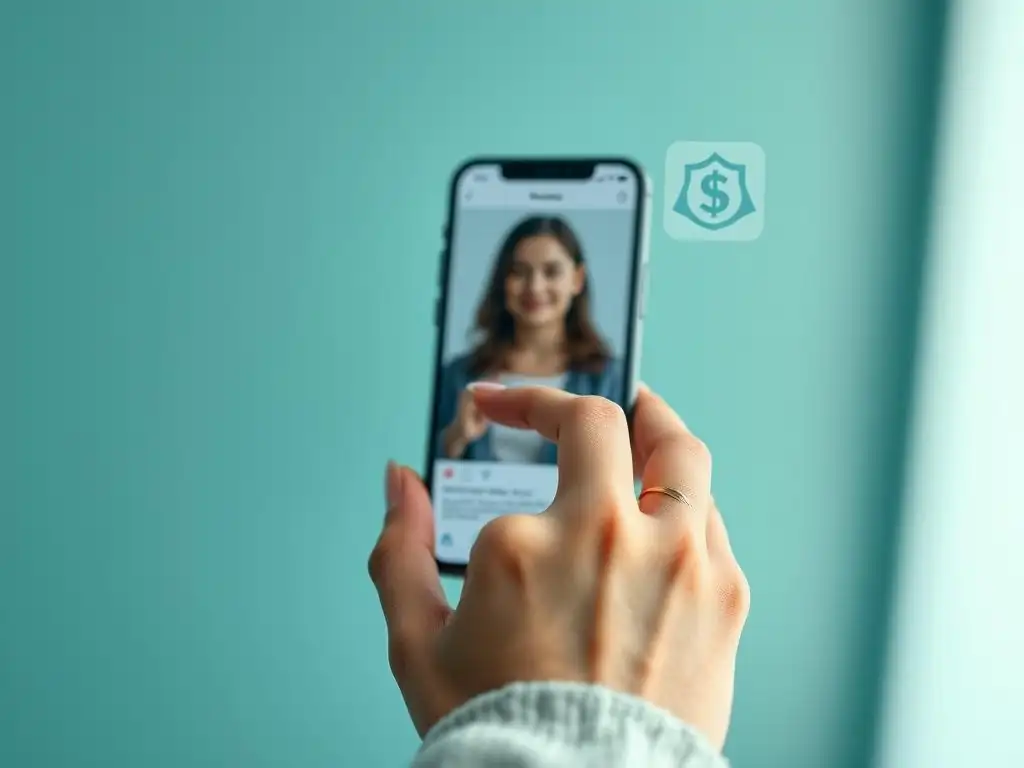
Online dating offers exciting possibilities for connection, but it also presents unique risks, particularly financial scams. Understanding how these scams operate and implementing robust safety measures is crucial for protecting yourself and your finances. This section focuses specifically on online dating financial scam safety, providing practical strategies to minimize your vulnerability. Remember, vigilance and a healthy dose of skepticism are your best defenses. The goal is to enjoy the online dating experience without jeopardizing your financial well-being.
Secure Communication Practices: Avoiding Personal Information Leaks
Protecting your personal information is paramount in preventing online dating financial scams. Scammers often exploit seemingly innocent exchanges to gather details they can use for fraudulent activities. Avoid sharing sensitive information, such as your full name, address, social security number, bank account details, or credit card information, until you've met someone in person and established a high level of trust. Even seemingly harmless details can be pieced together to build a complete picture of your life, making you more susceptible to identity theft.
Remember, legitimate dating platforms will never request such information. Be wary of individuals who press you for personal details early in the conversation. Instead of directly providing sensitive data, consider using alternative methods for verifying identity, such as video calls or reverse image searches. This allows you to engage in a more secure communication while building rapport.
Consider these tips for secure communication:
- Use the platform's messaging system: Avoid sharing personal email addresses or phone numbers prematurely. Many platforms offer secure internal messaging systems that add an extra layer of protection.
- Be cautious about sharing photos: Avoid revealing images that could be used to identify your location or personal belongings.
- Verify their profile: Before engaging in deeper conversations, take steps to validate their identity using the methods outlined in the next section.
Verifying Profiles and Identities: Methods to Validate Online Dating Profiles
Before engaging in any financial transactions or sharing sensitive information, take proactive steps to verify the identity of your online dating contacts. While complete verification is impossible online, employing several strategies can significantly reduce your risk.
One effective method is a reverse image search. If someone's profile picture seems suspicious or too perfect, use a reverse image search engine to see if the image appears elsewhere online. This can help identify if the photo is stolen or if the individual is using a fake profile.
Another crucial step is to look for inconsistencies in their profile. Do their claims about their job, lifestyle, or interests align with their online presence? Are their photos consistent with their age and description? Discrepancies can be red flags indicating a potentially fraudulent profile.
While video calls are not foolproof, they offer a more personal interaction and can help you assess the authenticity of the person you're communicating with. A simple video chat can provide immediate confirmation of their identity and reduce the likelihood of being scammed. Pay attention to their surroundings and demeanor; inconsistencies can indicate deception.
Remember, a legitimate individual will be open to verifying their identity. If someone is resistant to these verification methods, it's a strong indicator of potential fraud. Trust your instincts; if something feels off, it probably is.
Financial Transaction Safety: Never Send Money to Online Dating Contacts
This is the most crucial aspect of online dating financial scam safety: never send money to someone you've met online, regardless of their story or the urgency of their request. Legitimate relationships do not involve unsolicited financial transactions. Scammers often fabricate compelling narratives involving emergencies, financial hardship, or investment opportunities to pressure victims into sending money.
Typical scams involve requests for money to cover travel expenses to meet, medical emergencies, or business investments. These requests are almost always fraudulent. Never provide financial assistance, regardless of how convincing the story may seem. If someone you're talking to asks for money, immediately cease all communication and report the profile to the dating platform.
Remember, genuine connections do not involve financial transactions. Building a strong relationship takes time, trust, and mutual respect—it should never involve handing over your hard-earned money. Prioritize safety and protect your financial well-being. The potential for heartbreak is already inherent in online dating; don't add financial ruin to the equation.
Avoiding Emotional Manipulation: Protecting Yourself From Emotional Scammers
Emotional manipulation is a common tactic used by online dating scammers to gain your trust and eventually your money. These scammers aren't just after your finances; they're after your emotional well-being, exploiting your vulnerabilities to achieve their goals. They often build rapport slowly, creating a false sense of intimacy and connection before making their move. Understanding their methods is the first step in protecting yourself.
One common technique is love bombing. This involves showering you with excessive affection, compliments, and promises early in the relationship. It's designed to overwhelm you and make you feel incredibly special, quickly fostering a deep connection that can blind you to red flags. Remember, genuine connections develop gradually, not explosively. If someone is professing undying love after only a few weeks of online communication, be wary.
Another tactic is gaslighting, where the scammer subtly manipulates your perception of reality. They might deny things they said or did, make you question your own memory or sanity, or even blame you for their actions. This is a form of psychological abuse designed to erode your confidence and make you more dependent on them. If you find yourself constantly questioning your own judgment or feeling confused about interactions, it's a serious warning sign.
Furthermore, these scammers are masters of creating a false sense of urgency. They might invent crises – sudden illnesses, family emergencies, or financial difficulties – to pressure you into sending money quickly. They'll often play on your empathy and compassion, making you feel guilty if you don't help. Remember, legitimate emergencies rarely require immediate financial assistance from someone you've only met online. Always take your time and consider the situation carefully before offering any financial help.
Finally, pay attention to inconsistencies in their stories. Do their words match their actions? Do their online profiles align with the information they provide? Are there gaps in their narrative or sudden changes in their personality? These discrepancies can be significant indicators of deception.
Trust your gut; if something feels off, it probably is. Protecting yourself from emotional manipulation requires vigilance, healthy skepticism, and a willingness to step back from relationships that feel unsettling. Prioritizing your emotional well-being is just as crucial as protecting your finances in the world of online dating. Remember, building a healthy relationship takes time, and genuine connections don't demand immediate financial support.
Reporting Online Dating Financial Scams
This section details the crucial steps you should take if you suspect or experience an online dating financial scam. Remember, reporting is vital not only for your personal recovery but also to help prevent others from falling victim to similar schemes. Proactive reporting contributes to a safer online dating environment for everyone. The earlier you report, the better the chances of recovering lost funds and bringing scammers to justice. Let's explore the various reporting avenues available to you.
Reporting to Online Dating Platforms: Procedure for Reporting Suspicious Accounts
Promptly reporting suspicious accounts to the online dating platform is your first line of defense. Most reputable platforms have robust reporting mechanisms in place. Here's a general procedure, although specific steps may vary slightly depending on the platform:
- Locate the Reporting Feature: Look for a "Report," "Flag," or "Block" button usually associated with the user's profile. This is typically found within the messaging interface or the user's profile page.
- Provide Detailed Information: Be as thorough as possible when reporting. Include the following:
- Username and Profile URL: This allows the platform to quickly identify the account.
- Specific Details of the Scam: Clearly describe the scammer's actions, including any requests for money, suspicious links, or unusual behavior. Include screenshots as evidence whenever possible. For example: "The user, 'CharmingPrince88,' initially seemed genuine but after a week of messaging, requested a $500 loan claiming a family emergency."
- Communication Logs: Save all messages and communication history as evidence.
- Submit the Report: Once you've provided all the necessary information, submit the report. You may receive an automated acknowledgment, but follow up if you don't hear back within a reasonable timeframe (e.g., a week).
- Block the User: Immediately block the user to prevent further communication and potential scams. This is a crucial step to protect yourself from additional contact. Many platforms allow you to block users permanently.
Reporting to Law Enforcement: Steps to Take When You've Been Scammed
If you've already fallen victim to a financial scam, reporting to law enforcement is critical. This is not only about recovering your money (although it's possible), but it also helps law enforcement build cases against these criminals, preventing future victims. Here's what you should do:
- Gather Evidence: Collect all relevant information, including:
- Communication Records: Save all messages, emails, and any other form of communication with the scammer.
- Financial Records: Keep records of any money transfers, including transaction IDs, dates, and amounts.
- Screenshots: Document any suspicious activity with screenshots.
- Personal Information: Gather any personal information provided to the scammer.
- Contact Your Local Law Enforcement: File a report with your local police department or the appropriate cybercrime unit. Be prepared to provide all the evidence you've gathered.
- Contact the Financial Institution: Report the scam to your bank or credit card company immediately. They may be able to assist in reversing fraudulent transactions.
- File a Complaint with the FTC: The Federal Trade Commission (FTC) also accepts reports of online scams. This helps them track trends and take action against scammers. Their website provides detailed instructions on filing a complaint.
Resources for Victims of Online Dating Financial Scams: Help and Support
Being a victim of an online dating financial scam can be incredibly distressing. It's crucial to remember that you're not alone, and there are resources available to help you cope and recover.
- Financial Counseling: Seek professional financial counseling to help manage the financial fallout of the scam. Many organizations offer free or low-cost services.
- Emotional Support: Consider talking to a therapist or counselor to help process your emotions and regain your sense of security. Online support groups specifically for victims of scams can also be beneficial.
- Victim Support Organizations: Several organizations specialize in supporting victims of fraud and scams. These organizations can provide guidance, resources, and emotional support. Research organizations in your area or nationally to find the best fit for your needs.
Remember, seeking help is a sign of strength, not weakness. Taking these steps can help you heal, move forward, and prevent others from experiencing similar situations. The journey to recovery may be challenging, but with the right support, you can overcome this difficult experience.
Safe Online Dating Practices Beyond Financial Scams

This section focuses on proactive safety measures extending beyond the immediate threat of financial scams. While protecting your finances is crucial, a holistic approach to online dating safety encompasses broader strategies to safeguard your well-being and personal security. Understanding these practices can significantly reduce your vulnerability and enhance your overall online dating experience. Remember, online dating safety is not just about avoiding financial scams; it's about building trust, protecting your personal information, and ensuring your physical safety. The following points provide practical steps to achieve this.
Building Trust Gradually: Establishing Healthy Communication Boundaries
Building trust is a fundamental aspect of any healthy relationship, and online dating is no exception. However, the virtual nature of initial interactions necessitates a cautious approach. Avoid rushing into deep personal disclosures or sharing sensitive information prematurely. Financial scams often exploit a sense of urgency and intimacy, so establishing healthy communication boundaries is key to protecting yourself.
Start with light, general conversations to assess compatibility and shared interests. Gradually reveal personal details as you gain confidence in the other person's authenticity. Be wary of individuals who pressure you to share private information too quickly or who exhibit overly intense behavior early on. Remember, a genuine connection develops organically over time, not through rushed exchanges of sensitive data.
Pay attention to red flags such as inconsistent stories, evasive answers, or a reluctance to engage in video calls. These could be indicators of deception or manipulative behavior. Prioritize open and honest communication, but always maintain your personal boundaries. Remember, you are under no obligation to share anything you are uncomfortable with.
Meeting in Public Places for Safety: Ensuring Secure First Dates
Once you feel comfortable enough to meet in person, prioritize safety by choosing public locations for your first date. A well-lit, populated area with easy access to transportation provides a safer environment than secluded or isolated settings. Inform a trusted friend or family member about your date, including the time, location, and the person's contact information. Consider sharing your live location with them through a location-sharing app, offering an additional layer of security.
During the date itself, be mindful of your surroundings and remain alert. Trust your instincts; if something feels off, don't hesitate to leave. Avoid consuming excessive alcohol, as this can impair your judgment and make you more vulnerable. Have your own transportation arranged, so you are not reliant on your date for a ride home. Remember, a safe and comfortable first date should prioritize mutual respect and a sense of security for both parties. This should not be a rushed experience. Prioritize your safety and comfort above all else.
Maintaining a strong safety network is crucial for online dating safety. Always share your dating plans with trusted friends or family members. Provide them with details about the person you're meeting, including their name, contact information, and a photo. Sharing your live location can provide an extra layer of security. Regularly check in with your support network during and after your dates.
This simple act of communication can make a significant difference in case of an emergency. If something unexpected happens, your loved ones will know where to find you and who to contact. Building a strong support system contributes significantly to your overall safety and well-being during the online dating process. It's a proactive measure that demonstrates responsibility and care for your personal safety. Don't underestimate the importance of this simple yet powerful safety net.
Staying Safe While Building Meaningful Online Connections
Balancing Caution and Openness: A Healthy Approach to Online Dating
Navigating the world of online dating requires a delicate balance. While openness is crucial for forming connections, caution is paramount to protect yourself from potential harm. Many people fall victim to scams because they let their guard down too early. The key is to maintain a healthy level of skepticism while remaining approachable and engaging. This doesn't mean being distrustful of everyone; it means being discerning and aware of red flags.
For example, someone who immediately starts making grand promises or requests for significant financial assistance should raise concerns. Similarly, individuals who are evasive about personal details or refuse video calls should be approached with caution. Remember, building trust takes time, and a genuine connection will develop organically. Don't rush the process, and always prioritize your safety and well-being.
This approach minimizes the risk of financial exploitation while allowing you to experience the positive aspects of online dating. It’s about protecting yourself without shutting yourself off from opportunities for meaningful relationships. Think of it as a gradual process of getting to know someone, much like you would in real life, but with added layers of safety precautions.
Recognizing Genuine Connections: Identifying Authentic Interactions
Identifying authentic interactions is a crucial aspect of online dating safety. While many people have good intentions, others may be manipulative or deceptive. Learning to differentiate genuine connections from potentially harmful ones is essential for protecting yourself from financial scams and other forms of exploitation. One significant indicator of authenticity is consistency in communication and behavior. Genuine individuals tend to be reliable and responsive, maintaining a consistent level of engagement. In contrast, scammers often exhibit inconsistent behavior, disappearing for periods and then suddenly resurfacing with new requests.
Another key aspect is transparency. Authentic individuals are usually open about their lives and willing to share details, even if gradually. They avoid vague or evasive answers and will generally be comfortable with video calls or other forms of verification. Conversely, scammers often use vague language and avoid providing concrete information about themselves. Pay attention to the details of their profile and their interactions.
Inconsistencies, unrealistic claims, and a general lack of transparency should raise red flags. Always remember that building a healthy relationship involves mutual respect and trust, which should be built gradually over time. This involves patience, careful observation, and a healthy level of skepticism. Don't be afraid to ask questions and verify information before committing to anything.
Fostering Healthy Relationships Online and Offline: Building Lasting Bonds
Building healthy relationships, both online and offline, requires clear communication, mutual respect, and a shared understanding of boundaries. When it comes to financial matters, it’s crucial to establish clear boundaries from the beginning. Never send money to someone you've only met online, regardless of how convincing their story may seem. A genuine connection shouldn’t involve financial transactions, especially in the early stages. Instead, focus on building a relationship based on shared interests, mutual respect, and open communication. This approach minimizes the risk of financial exploitation and helps foster a healthier, more sustainable relationship.
Remember that healthy relationships are built on trust and mutual support, not financial transactions. If someone pressures you for money or suggests unusual financial arrangements, it’s a major red flag. Trust your instincts—if something feels wrong, it probably is. Prioritize your safety and well-being above all else. Before meeting in person, always share your plans with a trusted friend or family member.
Choose a public place for your first meeting and ensure you have a way to contact help if needed. Building lasting bonds requires patience, honesty, and a commitment to mutual respect. By prioritizing your safety and well-being, you can increase your chances of finding a genuine connection and building a fulfilling relationship. Remember, a healthy relationship is one built on genuine connection, not financial transactions.
Frequently Asked Questions
How can I spot a potential financial scam on an online dating site?
Be wary of anyone who asks for money quickly, especially for emergencies or travel expenses. Look for inconsistencies in their stories and be cautious of overly romantic or high-pressure tactics. Always verify their identity through independent means.
What should I do if someone on an online dating site asks me for money?
Never send money to someone you've only met online. Report the suspicious activity to the dating site immediately and consider blocking the user. If you feel threatened, contact the authorities.
Are there any red flags to watch out for regarding financial scams on dating sites?
Red flags include requests for gift cards, cryptocurrency, or loans. Be suspicious of profiles with poor quality photos, inconsistent information, or limited personal details. Also, be cautious if they avoid video calls or in-person meetings.
How can I protect my financial information while online dating?
Avoid sharing your bank details, social security number, or other sensitive financial information with anyone you've only met online. Use strong passwords and enable two-factor authentication where possible. Be mindful of phishing attempts via email or text messages.
What resources are available if I've been a victim of an online dating financial scam?
Report the scam to the dating site, your bank, and the Federal Trade Commission (FTC). Consider contacting the Internet Crime Complaint Center (IC3) to file a report. Seek support from friends, family, or a financial advisor to help you recover.
The rise of online dating has brought unprecedented opportunities for connection, but it has also created fertile ground for sophisticated financial scams. These scams prey on our desire for companionship and trust, leaving victims financially devastated and emotionally scarred. The vulnerability inherent in seeking love online demands a proactive and informed approach to safeguard ourselves and our finances.
The impact of online dating scams extends far beyond individual losses; they erode trust in online interactions and create a climate of fear that discourages genuine connections. The best way to find yourself is to lose yourself in the service of others,
a quote often misattributed, highlights the inherent risk in placing our trust in others, especially in the often anonymous world of online dating. This vulnerability, however, shouldn't deter us from seeking connection, but rather should empower us to approach online interactions with informed caution and a strong sense of self-preservation. We must learn to discern genuine connection from manipulative tactics.
You, the reader, now hold the knowledge to navigate the digital landscape with greater awareness and confidence. Take the time to review the strategies outlined in this article, and actively incorporate them into your online dating experience. Don't let the fear of scams prevent you from finding love, but equip yourself with the tools to protect yourself and build healthy, secure relationships. Remember, your safety and financial well-being are paramount. Be vigilant, be cautious, and be empowered.
Secure Your Financial Future: Take Control Now!
Thank you for learning more about protecting yourself from online financial scams! We hope you feel more confident navigating the digital world. Ready to strengthen your online security?
- Enable two-factor authentication on all your financial accounts—this is your first line of defense against unauthorized access. It's easy to set up!
- Share this article with friends and family—helping others stay safe is a rewarding way to build a stronger community.
- Regularly review your bank and credit card statements to quickly identify and address any suspicious activity.
Ready to further enhance your financial security? What small step will you take today to improve your online safety?