
Unmasking Deception: Proven Techniques to Detect Fake Dating Profiles

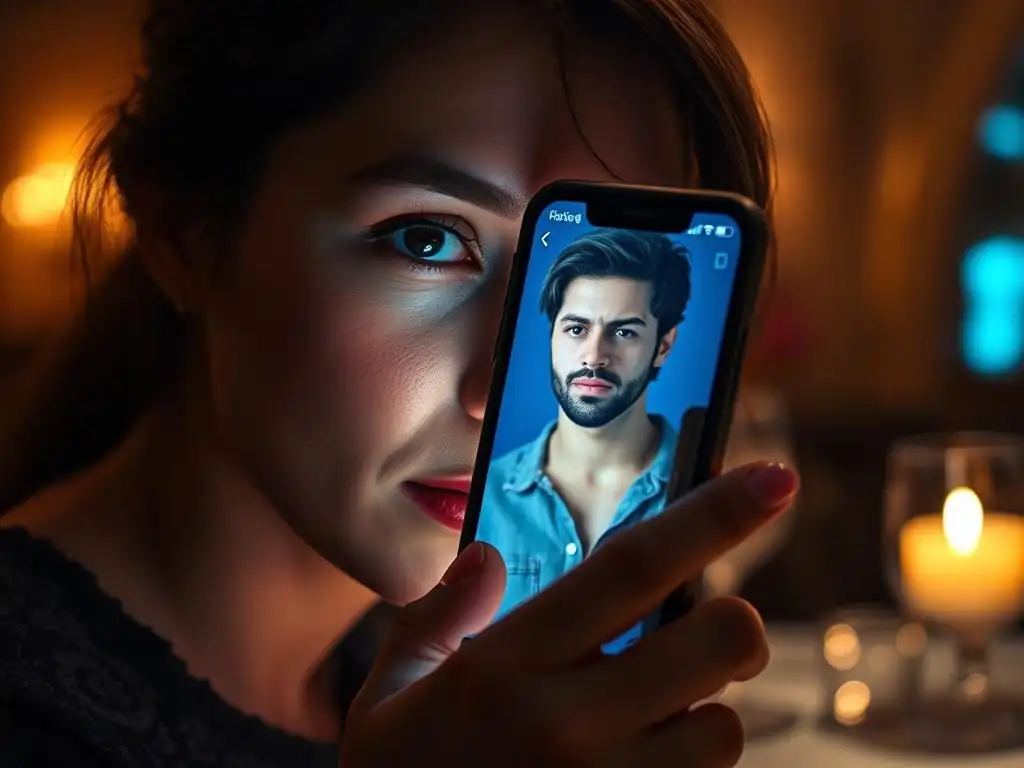
Tired of endless swiping and suspicious profiles? At OnlineDatingSuccess.org, we're dedicated to helping you navigate the world of online dating with confidence. This site is your guide to building authentic connections, and in this critical article, we reveal proven techniques to spot fake dating profiles. Learn how to identify red flags and protect yourself from scams, so you can focus on finding genuine relationships. Discover the secrets to a safer and more successful online dating experience – let's get started!
- Identifying Fake Profiles: Red Flags to Watch Out For
- Advanced Techniques to Verify Dating Profile Authenticity
- Protecting Yourself From Fake Dating Profiles: Safety Measures
- Understanding the Psychology Behind Fake Profiles and Scams
- Case Studies: Real-Life Examples of Fake Dating Profiles
- Frequently Asked Questions
- Final Reflection: The Enduring Fight Against Online Deception
- Unlock Your Dating Confidence: Spotting the Fakes
Identifying Fake Profiles: Red Flags to Watch Out For
Navigating the world of online dating can be exhilarating, but it also presents unique challenges. One of the most significant concerns is encountering fake profiles—profiles created with deceptive intentions, ranging from financial scams to emotional manipulation. This article equips you with proven techniques to identify these deceptive profiles, helping you protect yourself and focus your energy on building genuine connections. We'll delve into practical strategies for spotting inconsistencies, leveraging readily available tools, and recognizing subtle linguistic cues that often betray a fake profile.
Learning to spot fake dating profiles is crucial for a safe and rewarding online dating experience. Remember, your safety and well-being are paramount. Let's learn how to navigate this digital landscape with confidence and discernment. This guide is designed to empower you to take control of your online dating journey and avoid falling victim to deception.
Spotting Inconsistencies in Photos and Information
One of the simplest yet most effective ways to spot a fake dating profile is by carefully scrutinizing the photos and information provided. Inconsistencies are often a major red flag. Look for discrepancies between the photos and the written profile description. Does the profile claim a love of hiking, yet all the photos are posed indoors? Does the age indicated seem inconsistent with the appearance in the pictures?
Pay close attention to details. Are there multiple photos featuring the same background or clothing? This might suggest the pictures were taken at the same time or are stock photos. Furthermore, examine the quality of the images. Blurry, low-resolution photos, especially in a profile that boasts high-quality photos elsewhere, can be a warning sign.
A lack of diverse images (all selfies, for example) can also be suspicious. 🕵️♀️ Remember, inconsistencies are a significant indicator that something might not be as it seems. Always cross-reference information – does the profile's location match the background in the photos? Does their claimed profession align with their lifestyle depicted?
Recognizing Reverse Image Search as Your First Line of Defense
Before engaging with a profile that sparks even the slightest suspicion, utilize the power of reverse image search. This incredibly useful tool allows you to upload a photo from the profile and search for its origin across the internet. Many search engines (like Google, Bing, etc.) offer this functionality. If the photo appears on multiple dating sites or stock photo websites, it's a strong indication of a fake profile.
This technique quickly uncovers profiles using stolen images, often from models or other individuals. Think of reverse image searching as your first line of defense – a quick and easy way to eliminate many fake profiles before you invest time and emotional energy. It's a proactive measure that significantly reduces your risk. 🔎 Don't hesitate to use this tool – it's a simple yet powerful weapon in your arsenal against deception.
Analyzing Profile Language: Common Signs of Deception
Beyond visual inconsistencies, the language used in a dating profile can also reveal deceptive intentions. Generic or overly flattering profiles should raise a red flag. Beware of profiles that use excessive compliments or grandiose claims without substantiation. Look for inconsistencies in writing style—does the grammar and vocabulary suddenly shift? This could indicate multiple people are managing the profile.
Also be wary of profiles that avoid specific details about their life or refuse to answer direct questions. Vague answers or a reluctance to provide personal information can be a sign of deception. Furthermore, be cautious of profiles that consistently request financial assistance or personal information early in the communication. This is a classic tactic used by scammers. Pay attention to the emotional manipulation techniques used; are they excessively charming or overly apologetic?
These are often tactics used to gain your trust quickly. Ultimately, trust your instincts; if something feels off, it probably is. Analyzing the language is a crucial step in identifying fake profiles, enabling you to protect yourself from potential harm. 🗣️
Suspicious Profile Activity and Engagement Patterns
Online dating platforms often employ sophisticated algorithms to detect suspicious activity, but understanding common patterns can significantly enhance your ability to spot fake profiles. One key indicator is inconsistent or erratic online behavior. A profile that suddenly becomes incredibly active after a period of inactivity, showering you with messages and compliments, should raise a red flag. Genuine users typically exhibit more gradual engagement. Conversely, a profile that remains completely dormant, never initiating contact or responding to messages, could also be fake; legitimate users generally demonstrate some level of participation.
Another important aspect to consider is the nature of the communication. Fake profiles often rely on generic, copied-and-pasted messages, lacking personalization or genuine interest in your profile. They may avoid specific questions or deflect inquiries about their personal life, relying on vague answers or outright evasiveness. Pay close attention to the language used – an overuse of flattery, grandiose claims, or overly emotional expressions without substantiation might signal deception. A genuine connection evolves organically; a rushed or overly intense approach should be treated with caution.
Furthermore, analyze the profile's interaction with other users. A fake profile might have an unusually high number of "friends" or connections, many of whom appear to be inactive or similarly suspicious. This could indicate an attempt to create an illusion of popularity and authenticity. Observe if the profile frequently likes or comments on unrelated posts or profiles – this lack of focus can suggest automated activity or a lack of genuine interest in the community.
Always cross-reference the profile's activity across different platforms if possible; inconsistencies across social media accounts can be a telltale sign of a fake profile. Remember, inconsistencies are key; look for gaps in their narrative, inconsistencies in their story, or a lack of genuine engagement. Trust your instincts; if something feels off, it probably is. Learning to identify these patterns will significantly improve your safety and success in online dating.
Advanced Techniques to Verify Dating Profile Authenticity

This section delves into more sophisticated methods to ascertain the authenticity of online dating profiles, moving beyond simple visual inspections. These techniques require a bit more effort but significantly increase your chances of spotting fake profiles designed to deceive. Remember, your safety and well-being are paramount in the online dating world. Proactive verification is crucial for a positive and secure experience.
One powerful way to spot fake profiles is to investigate the individual's presence across various social media platforms. A completely absent or inconsistent online presence across platforms can be a red flag. For example, if a profile claims to be a successful lawyer but has no LinkedIn presence, or their Facebook profile is barren and recently created, it warrants further scrutiny.
Look for discrepancies. Does the profile picture on the dating site match the pictures on their other social media accounts? Are their claimed interests and activities reflected in their posts and interactions? Inconsistencies in these areas can be a strong indicator of a fabricated profile.
Consider the age and activity of their accounts. A brand new social media account, especially one with limited engagement, coupled with a dating profile claiming years of experience, is suspicious. Legitimate profiles usually show a history of online activity.
Furthermore, examine the quality of their social media posts. Are the images professional-looking stock photos? Does their language and style seem overly generic or automated? These details, often overlooked, can provide critical clues about the authenticity of the profile.
Utilizing Third-Party Verification Tools and Resources
While not foolproof, several third-party tools and resources can assist in verifying information provided on a dating profile. These tools often leverage reverse image search technology to check if profile pictures have been used elsewhere online, potentially indicating a stolen identity or a fake profile. Utilizing these tools adds another layer of verification to your due diligence.
Some services offer more comprehensive background checks, providing information on potential criminal records or other red flags. However, remember to carefully review the privacy policies and terms of service of any third-party tools you use. Ensure the service is reputable and adheres to data privacy regulations. It's crucial to protect your own personal information while conducting these investigations.
Remember that relying solely on third-party tools isn't sufficient. These tools should be used in conjunction with other verification methods to paint a complete picture of the profile's authenticity. Consider these tools as supplementary to your own critical thinking and investigation, not a replacement.
Cross-Referencing Information Across Multiple Platforms
A comprehensive approach to verifying profile authenticity involves cross-referencing information across multiple platforms. If the dating profile provides details like a place of employment or educational background, try to independently verify this information. Search for the company or institution online. Does their website list the individual as an employee or alumnus?
If they mention specific projects or accomplishments, search for news articles or online mentions to corroborate their claims. This process can be time-consuming, but it significantly improves the accuracy of your assessment. This method is particularly effective in identifying inconsistencies and fabrications within a profile.
Remember, consistency is key. A genuine profile will typically display a consistent narrative across different online platforms. Significant discrepancies across multiple sources should raise serious concerns about the profile's authenticity and the individual's intentions. Always prioritize your safety and trust your instincts; if something feels off, it probably is.
Checking for Common Scamming Tactics and Red Flags
Identifying fake dating profiles often involves recognizing common scamming tactics and red flags. These aren't foolproof, but they significantly increase your chances of spotting deception. Pay close attention to inconsistencies and overly-perfect profiles. A profile boasting a flawless life with no mention of challenges or imperfections should raise suspicion. These individuals often project an idealized image to lure in unsuspecting victims. Remember, everyone has flaws and imperfections; a perfect profile is rarely genuine.
One common tactic is the rush to romance. Be wary of profiles that express intense feelings or desires very early in the communication process. Genuine connections take time to develop; genuine individuals will be understanding if you don't immediately reciprocate intense feelings. They'll respect your need for a gradual build-up of trust and understanding. Conversely, scammers often employ this tactic to quickly establish a sense of intimacy and exploit your emotions.
Another red flag is a lack of personal details or an inability to answer simple questions about their daily life. A profile that’s vague or avoids specifics about their work, hobbies, or social life could be hiding something. Genuine individuals are usually happy to share details about themselves, while scammers often struggle to maintain consistent narratives. Ask open-ended questions to probe for details beyond what’s presented in the profile. Inconsistencies or evasiveness should be taken as a warning sign.
Furthermore, be cautious of profiles with low-quality or stolen photos. Reverse image searching is a powerful tool to help you verify the authenticity of the images used. If the same photos appear on multiple profiles or websites, it's a strong indicator of a fake account. Additionally, low-resolution or poorly edited photos could suggest a lack of effort, which is often a characteristic of fraudulent profiles. Pay attention to the details – inconsistencies in lighting, background, or clothing can reveal discrepancies. A genuine profile will usually show some effort in presenting a clear and appealing image.
Finally, watch out for requests for money or financial assistance. This is a classic sign of a scam. Legitimate daters will not ask for financial help, especially early in the relationship. If someone you've met online asks for money, regardless of the reason, cut off contact immediately. This is a clear indication of malicious intent and a potential attempt at financial exploitation. Remember, true connections are built on mutual respect and understanding, not financial transactions. Protecting your financial security is paramount in online dating.
Protecting Yourself From Fake Dating Profiles: Safety Measures
This section focuses on proactive steps you can take to minimize your risk of encountering fake profiles while navigating the online dating world. Remember, prevention is the best defense when it comes to spotting fake dating profiles.
Securing Your Personal Information Online
Protecting your personal information is paramount. Never share sensitive details like your full address, place of work, or social security number with someone you've only met online, regardless of how much you trust them. Even seemingly harmless details can be pieced together to compromise your safety. Consider these points:
- Use a strong, unique password: Avoid using easily guessable passwords or reusing passwords across multiple accounts. A strong password should be a combination of uppercase and lowercase letters, numbers, and symbols. Password managers can help you generate and securely store complex passwords.
- Enable two-factor authentication (2FA): This adds an extra layer of security by requiring a code from your phone or email in addition to your password to log in. Most dating platforms offer this feature; make sure it's enabled.
- Be mindful of what you post: Avoid sharing photos that reveal too much information about your daily routine or location. Think twice before posting pictures of your house, your car with your license plate visible, or your workplace.
- Review privacy settings: Familiarize yourself with the privacy settings on your chosen dating platform. Adjust them to limit who can see your profile and contact you. Control who can see your photos, your location data, and any other information you deem sensitive.
- Beware of phishing attempts: Be wary of emails or messages asking for personal information, especially if they claim to be from the dating platform. Legitimate platforms will never request sensitive information via email or unsolicited messages.
Communicating Safely with Potential Matches
Even after identifying a profile as seemingly genuine, caution is still necessary. Suspicious behavior can often emerge during communication. Here's how to stay safe:
- Start with the platform's messaging system: Avoid sharing personal contact information, like phone numbers or email addresses, too early in the process. Use the platform's built-in messaging system as long as possible to maintain a layer of security.
- Be wary of overly flattering or rushed communication: If someone is showering you with compliments excessively or pushing for a quick meeting, be cautious. Genuine connections develop gradually.
- Look for inconsistencies in their story: Pay attention to inconsistencies in their profile or their conversations. Contradictions or vague answers can be red flags.
- Don't share financial information: Never send money or provide financial information to someone you've met online, regardless of their pleas or sob stories. This is a major hallmark of a scam.
- Video chat before meeting in person: A video call can help verify their identity and build trust before arranging an in-person meeting. This is a crucial step in verifying the legitimacy of the profile you've interacted with.
Reporting Suspicious Profiles and Activity
If you suspect a profile is fake or encounter suspicious behavior, report it to the dating platform immediately. Most platforms have robust reporting mechanisms in place to deal with fraudulent accounts. Providing as much detail as possible, including screenshots of messages or profile information, will aid in the investigation.
Remember, reporting suspicious activity isn't just about protecting yourself; it helps protect other users from potential harm. By reporting fake profiles and scams, you contribute to a safer online dating environment for everyone. Don't hesitate to use the reporting tools available to you; it's a vital step in the fight against fake dating profiles. Your vigilance helps others "spot fake dating profiles" and increases the overall safety of the online dating experience.
Building Healthy Online Dating Habits to Avoid Scams
Developing healthy online dating habits is crucial for protecting yourself from fake profiles and scams. It's not just about spotting red flags; it's about proactively building a safer online dating experience. This involves a multi-faceted approach, encompassing careful profile creation, mindful communication, and a healthy dose of skepticism.
One key aspect is creating a profile that accurately reflects who you are, without revealing overly personal information. Avoid posting photos that are too revealing or could be easily traced back to other online platforms. Remember, the goal is to attract genuine connections, not attract unwanted attention from those with malicious intent. A well-crafted profile, showcasing your authentic self while maintaining a degree of privacy, can act as a first line of defense against fake profiles. Those seeking to deceive often prefer profiles with vague or overly idealized information.
Furthermore, mindful communication is paramount. Start by slowly building rapport. Don't rush into sharing personal details or financial information with someone you've just met online. Pay close attention to their communication style. Inconsistencies in their stories, evasiveness when asked direct questions, or a tendency to steer conversations away from personal details should raise red flags. Remember, building trust takes time. If someone is pressuring you to share sensitive information or move the relationship too quickly offline, be wary.
Beyond profile creation and communication, maintaining a healthy level of skepticism is vital. Don't be afraid to ask questions and verify information. If something feels off, trust your instincts. Many scammers rely on exploiting emotions and creating a sense of urgency. Taking your time, thoroughly vetting potential matches, and prioritizing your safety will significantly reduce your risk of encountering fake profiles.
Remember, there's no shame in being cautious – it's a crucial element of protecting yourself in the online dating world. Prioritizing your safety and well-being should always be your top priority. Learning to spot fake dating profiles is a continuous process; by building healthy habits, you'll significantly improve your chances of a safe and positive online dating experience. This proactive approach is more effective than simply reacting to red flags after they appear.
Understanding the Psychology Behind Fake Profiles and Scams

Understanding the psychology behind fake profiles is crucial to effectively spotting them. The motivations driving individuals to create fake profiles are complex and varied, but often boil down to a few key factors. Recognizing these underlying reasons can significantly enhance your ability to identify deceptive behavior. This section will delve into the motivations and common tactics used by those creating fake profiles, equipping you with the knowledge to navigate the online dating world more safely.
Motivations of Fake Profile Creators
The motivations behind creating fake dating profiles are multifaceted and often intertwined. Some individuals create fake profiles for purely malicious purposes, seeking financial gain or personal gratification through scams. Others may have less nefarious intentions, such as boosting their ego or exploring alternative identities. Let's break down some key motivations:
- Financial Gain: This is perhaps the most common and dangerous motivation. Scammers create elaborate profiles to lure victims into relationships, eventually requesting money under various pretexts (e.g., medical emergencies, travel expenses, business ventures). These individuals are highly manipulative and skilled at building trust.
- Ego Boosting: Some individuals create fake profiles simply to receive attention and validation. They might enjoy the feeling of being pursued and admired, even if it's based on a fabricated persona. This motivation is less directly harmful, but still contributes to the overall problem of fake profiles flooding online dating platforms.
- Exploration of Alternative Identities: In some cases, individuals create fake profiles to explore different aspects of their personality or to experiment with different identities without revealing their true selves. While less malicious than outright scams, these profiles can still be deceptive and potentially lead to confusing or hurtful interactions.
- Catfishing: This specific type of fake profile involves creating a profile using someone else's photos and personal information. The motivations behind catfishing can range from revenge to simple amusement, but it consistently results in emotional distress and potential legal consequences for the victim.
Common Scamming Methods Employed Online
Recognizing common scamming methods is paramount to protecting yourself. Scammers employ a range of tactics, often combining several techniques to maximize their chances of success. Understanding these methods allows you to identify red flags and avoid becoming a victim. Here are some common strategies used by online dating scammers:
- Love Bombing: This involves showering you with excessive affection and compliments early in the relationship, creating a sense of intense connection and urgency. This tactic aims to quickly build trust and make you more susceptible to their manipulations.
- Emergency Requests: Once a level of trust has been established, scammers often create "emergencies" requiring immediate financial assistance. They might claim to need money for medical bills, travel expenses, or business opportunities.
- Gift Card Scams: They may ask for gift cards as a way to receive money without leaving a traceable record. Be wary of anyone asking for gift cards as payment for anything.
- Creating a Sense of Urgency: Scammers often create a sense of urgency to pressure you into making quick decisions without thinking rationally. They may claim to be leaving the country soon or having a short window of opportunity.
- Slow Reveal of Red Flags: They might initially seem normal, gradually revealing inconsistencies and red flags as the relationship progresses. This makes it harder to identify them early on.
The Impact of Fake Profiles on Online Dating Trust
The prevalence of fake profiles significantly erodes trust in online dating platforms. This decline in trust not only discourages genuine users from participating but also creates a climate of suspicion and distrust, making it harder to build meaningful connections. The consequences extend beyond individual experiences, affecting the overall health and sustainability of the online dating ecosystem.
The constant threat of scams and deception leads to:
- Reduced User Engagement: Individuals become hesitant to engage with new profiles, fearing potential scams or heartbreak. This leads to a less active and vibrant online dating community.
- Increased Cynicism: The experience of encountering fake profiles can foster cynicism and distrust, making it difficult for genuine users to believe in the authenticity of others.
- Erosion of Platform Reputation: Dating platforms suffer reputational damage when fake profiles proliferate, leading to decreased user base and potential legal issues.
- Emotional Distress: Victims of online dating scams often experience significant emotional distress, including feelings of betrayal, embarrassment, and financial hardship. The psychological impact can be substantial and long-lasting.
Addressing the problem of fake profiles requires a multi-pronged approach involving both platform improvements and user education. By understanding the psychology behind these profiles and the common scamming methods, you can significantly improve your ability to “spot fake dating profiles” and protect yourself from potential harm.
Case Studies: Real-Life Examples of Fake Dating Profiles
This section delves into specific examples of deceptive profiles to illustrate how to effectively spot fake dating profiles. Understanding these real-life scenarios will enhance your ability to identify red flags and protect yourself from potential harm. Remember, vigilance is key to navigating the online dating world safely.
Case Study 1: The Catfish
The term "catfish" refers to someone creating a fake online persona, often using stolen photos and fabricated information to attract potential partners. Let's examine a typical example. Imagine a profile showcasing a seemingly successful, attractive individual – a charming doctor with a passion for travel and a loving family. The profile pictures are high-quality, depicting a handsome man in various appealing settings.
However, upon closer inspection, several inconsistencies emerge. Reverse image searches reveal the photos belong to a completely different person, a model whose images are readily available online. Furthermore, the profile's biographical information lacks specific details, offering vague descriptions rather than concrete facts. The doctor claims to be working in a prestigious hospital, yet provides no verifiable information about his employment.
His communication style is also suspicious, avoiding direct answers to personal questions and frequently changing the subject. This combination of inconsistencies – stolen photos, vague biography, and evasive communication – strongly suggests a catfish profile. This case highlights the importance of thoroughly verifying information and being wary of profiles that seem too good to be true. Remember to always cross-reference details and utilize reverse image search tools.
Case Study 2: The Romance Scam
Romance scams are a more insidious form of online deception, preying on the emotions of vulnerable individuals. Consider this scenario: A user connects with someone who expresses deep affection almost immediately, showering them with compliments and promises of a future together. The communication is intense and emotionally charged, quickly moving from initial contact to declarations of love. However, the scammer often avoids video calls or in-person meetings, citing various excuses.
They may start weaving elaborate stories about financial difficulties, needing urgent assistance for medical emergencies or family crises. The requests for money become increasingly frequent and insistent, often disguised as a gesture of love or trust. These scams are designed to exploit emotional vulnerabilities and manipulate victims into sending money.
The key to identifying a romance scam lies in recognizing the speed of the relationship's progression, the lack of in-person interaction, and the persistent requests for financial aid. Never send money to someone you've only met online, no matter how convincing their story may seem. Always prioritize your safety and well-being.
Case Study 3: The Identity Theft
In this type of deception, the scammer uses the identity of a real person, often stealing their photos and personal information to create a fake profile. This can be done to gain access to financial information, spread misinformation, or simply for malicious purposes. Let’s say you encounter a profile that looks remarkably similar to a friend's social media presence. The pictures are identical, the biographical details match closely, and the writing style bears a striking resemblance.
However, there are subtle differences – a slightly altered name, inconsistencies in the timeline of events, or the absence of mutual friends. This could indicate identity theft. The scammer may be using the stolen identity to create a false sense of trust, potentially to extract personal information or engage in fraudulent activities. It's crucial to be aware of this possibility and report any suspicious profiles that resemble those of your acquaintances.
The best defense against identity theft is to be vigilant and report any suspicious activity to the appropriate authorities and the dating platform itself. Protecting your own online presence and being mindful of what you share publicly is also crucial. Consider reviewing your privacy settings on all social media platforms. The consequences of identity theft can be severe, so proactive measures are essential.
Frequently Asked Questions
How can I spot a fake profile on a dating site?
Look for inconsistencies. Red flags include poorly written profiles, stock photos, lack of personal details, and an unwillingness to video chat. Be cautious of profiles that are too good to be true.
What are some common signs of a scammer?
Scammers often pressure you for money or personal information quickly. They may avoid meeting in person and have vague or inconsistent stories. They may also use generic or overly flattering language.
What should I do if I suspect someone's profile is fake?
Report the profile to the dating site's administrators immediately. Do not share personal information or send money. Block and delete the user from your contacts.
How important are photos in identifying a fake profile?
Photos are crucial. Look for reverse image searches to see if the picture appears elsewhere online. Low-quality images, excessive photoshopping, or a lack of diverse pictures should raise suspicion.
Are there any specific phrases or requests that indicate a fake profile?
Watch out for requests for financial assistance, overly romantic language early on, or pressure to move the conversation off the dating app quickly. Inconsistencies in their stories should also be a warning sign.
Final Reflection: The Enduring Fight Against Online Deception
The ease with which deceptive profiles proliferate on dating apps underscores a critical need for digital literacy and vigilance. The rise of sophisticated fake profiles isn't just a minor inconvenience; it's a threat to genuine connection and personal safety online. We've explored techniques to identify these profiles, but the battle against deception is ongoing and requires constant adaptation.
The pervasiveness of fake profiles reflects a larger societal shift – the increasing blurring of lines between our online and offline identities. This constant negotiation of authenticity impacts our trust in digital interactions, shaping how we approach relationships and even self-perception. The internet is a powerful tool, but it's also a mirror reflecting both the best and worst of humanity.
This quote highlights the importance of critical thinking and responsible online behavior in navigating this complex landscape. We must remain aware of the potential for manipulation and actively work to protect ourselves and others.
You, the reader, now possess the tools to identify many common deceptive tactics. But more than just recognizing red flags, I urge you to cultivate a healthy skepticism, a critical eye, and a commitment to fostering genuine connections. Don't let the fear of deception prevent you from seeking authentic relationships online, but rather, use your newfound knowledge to navigate the digital world with confidence and discernment. Embrace the challenge of building meaningful connections in a world increasingly reliant on technology.
Unlock Your Dating Confidence: Spotting the Fakes
Thank you for taking the time to learn about online safety! You've gained valuable skills to navigate the world of online dating confidently and securely. Ready to apply your new knowledge?
- Review your profile: Does it accurately reflect who you are, minimizing potential risks? This self-assessment is vital.
- Report suspicious profiles: Help maintain a safe online community by reporting any profiles that appear fake or unsafe.
- Share this article: Spread the word and empower others to stay safe while online dating.
Ready to create a safer, more authentic dating experience? What's one step you can take today to improve your online dating safety?