
Dating App Permissions: What You Need to Know Before You Share

Ready to unlock the secrets to a fulfilling online dating experience? At OnlineDatingSuccess.org, we empower you to navigate the world of digital romance with confidence. But before you swipe right, consider this: are you giving away more than you're getting? Our latest article on Dating app privacy permissions reveals crucial insights into protecting your personal information and maintaining your safety while searching for love. Discover how to manage your settings and avoid potential pitfalls – let's ensure your online dating journey is both successful and secure.
- Understanding Dating App Privacy Permissions: A Comprehensive Guide
- Minimizing Risks: Best Practices for Dating App Permissions
- Enhanced Privacy Measures Beyond App Permissions
- Dating App Privacy: Protecting Yourself from Online Threats
- The Balance Between Privacy and Functionality: Finding the Right Approach
- Frequently Asked Questions
- Final Reflection: Reclaiming Control in the Digital Dating Landscape
- Take Control of Your Dating App Privacy Now!
Understanding Dating App Privacy Permissions: A Comprehensive Guide
Online dating has revolutionized how we meet potential partners, offering convenience and accessibility. However, this convenience comes with a responsibility: protecting your personal information. Navigating the world of dating apps requires a keen understanding of privacy settings and permissions.
This comprehensive guide will delve into the intricacies of dating app privacy permissions, empowering you to make informed decisions about what data you share and how to mitigate potential risks. Understanding and managing these permissions is crucial for maintaining your online safety and building healthy, trustworthy relationships. We'll explore the importance of privacy settings, analyze common permissions requested by dating apps, and highlight the potential security implications of each.
Ultimately, our goal is to help you confidently navigate the digital dating landscape while safeguarding your personal information. This is especially important in light of increasing concerns about data breaches and misuse of personal data. Protecting your privacy is not just about avoiding scams; it's about building a foundation of trust and respect in your online interactions.
The Importance of Privacy Settings on Dating Apps
Dating apps often request access to various aspects of your phone and personal information. It's crucial to understand that granting these permissions involves sharing potentially sensitive data. Failing to carefully review and adjust these settings can lead to unwanted exposure of personal information, ranging from your location to your entire contact list. Think of your privacy settings as a customizable security system; the more carefully you configure them, the more secure your data will be.
Many apps offer granular control over these permissions, allowing you to choose precisely what information you're comfortable sharing. Taking the time to understand these controls is an investment in your safety and peace of mind. Remember, your privacy is paramount, and informed choices are key to a positive and secure online dating experience.
Common Dating App Permissions and Their Implications
Dating apps typically request access to various features on your device. Understanding the implications of granting these permissions is crucial for protecting your privacy. These permissions often fall into several categories, each presenting unique risks and benefits. Let's explore some of the most common permissions and the associated implications. Remember, each app might have slightly different phrasing, but the underlying principles remain consistent. Always read the permission requests carefully before granting access.
Location Access Permissions and Their Security Risks
Many dating apps request access to your location. While this feature can be useful for finding nearby matches and facilitating meetups, it also poses significant privacy risks. Overly precise location sharing can expose your home address or workplace, potentially increasing your vulnerability to stalking or harassment. Consider the level of precision required – do you need to share your exact location, or would a broader area suffice?
Some apps allow you to limit location sharing to only when the app is actively in use. This is a significant step towards enhancing your privacy and limiting exposure. Remember to review and adjust your location settings regularly.
Contact Access Permissions: Sharing Your Contacts
Some dating apps request access to your contacts. This permission allows the app to identify your existing connections, potentially suggesting matches you already know or helping to verify your identity. However, granting this access means sharing a significant amount of personal information with the app. This can create vulnerabilities if the app is compromised or if the data is misused. Carefully consider whether the benefits of this feature outweigh the risks to your privacy. If you're hesitant, it's often possible to use the app without granting this specific permission.
Photo Access Permissions: Protecting Your Images
Dating apps often request access to your photos. This allows you to easily upload images to your profile. However, it's important to remember that once you grant this permission, the app has access to all your photos, not just the ones you choose to upload. This raises concerns about the security and potential misuse of your images. Consider carefully which photos you share and ensure that you are comfortable with the app's privacy policy regarding image storage and usage.
Microphone and Camera Permissions: Privacy Concerns
Some dating apps might request access to your microphone and camera. This is typically used for video chat features, but it's crucial to be aware of the potential privacy implications. Ensure the app has robust security measures in place to protect your data and prevent unauthorized access. Consider the risks associated with granting these permissions, especially if you're not comfortable with video chatting. Remember, you always have the option to decline these permissions or to revoke them later.
Minimizing Risks: Best Practices for Dating App Permissions
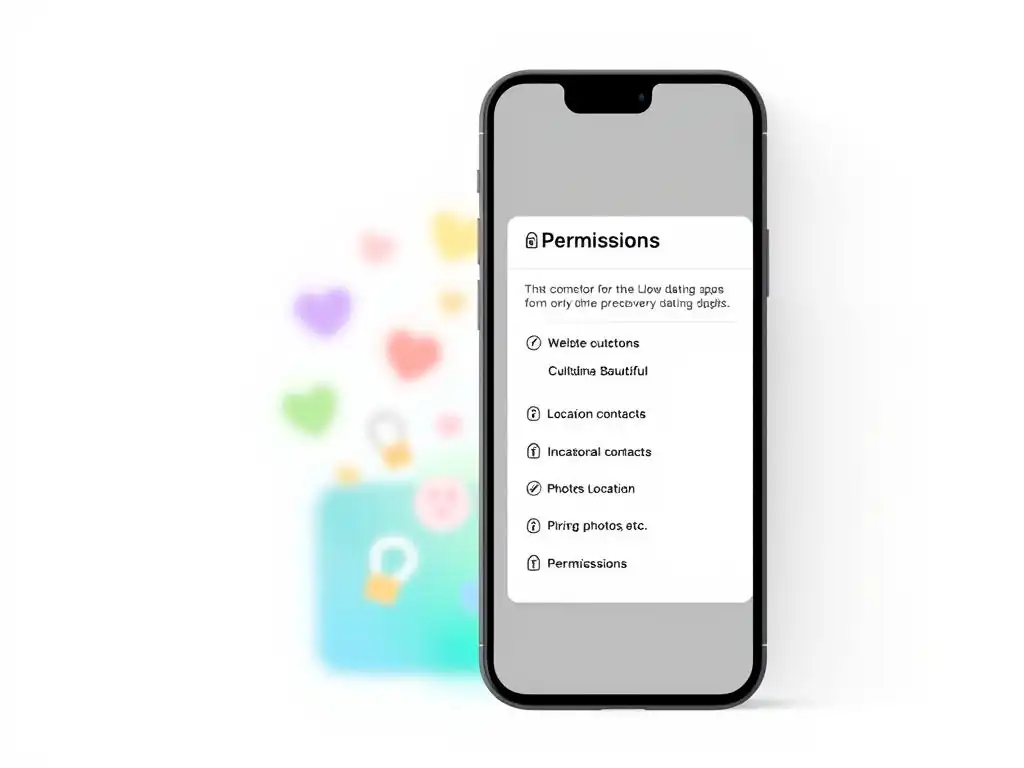
This section focuses on proactive strategies to mitigate the risks associated with sharing personal information through dating app permissions. Understanding and managing these permissions is crucial for maintaining your online safety and privacy. Remember, the more information you share, the greater your vulnerability. Let's explore practical steps to minimize those risks. Effective management of your dating app privacy permissions is paramount for a safe and positive online dating experience.
Reviewing and Adjusting Your App Permissions Regularly
Regularly reviewing and adjusting your dating app permissions is a cornerstone of effective privacy management. Many apps update their permissions requests over time, sometimes without explicit notification. Therefore, a proactive approach is vital. Think of it like this: you wouldn't leave your front door unlocked indefinitely; similarly, you shouldn't leave your digital doors (app permissions) wide open.
Proactive permission management involves more than just a one-time check. Ideally, you should review your granted permissions at least every three months, or even more frequently if you're using a new dating app or notice suspicious activity. This consistent monitoring helps you identify and revoke any permissions that are no longer necessary or that seem overly intrusive.
Consider setting calendar reminders to facilitate this routine check. The effort invested in regular reviews far outweighs the potential consequences of neglecting this crucial aspect of online safety. Remember, your digital privacy is an ongoing process, not a one-time event. The more vigilant you are, the better protected you'll be.
Understanding the Purpose of Each Permission Request
Before granting any permission, take the time to understand its implications. Dating apps often request access to various aspects of your device and information. These requests, often presented in lengthy legal jargon, can be daunting. However, taking the time to decipher them is essential for informed decision-making.
For example, a request for access to your contacts might seem innocuous, but it could potentially expose your entire address book to the app. Similarly, location access can be used for matching you with nearby users, but it also reveals your whereabouts in real-time. Always question the necessity of each permission request. Does the app genuinely need access to your microphone, camera, or entire photo library? If the answer is unclear or a “no,” it's best to decline the permission.
Consider creating a personal checklist for evaluating permission requests. This could include questions like: "Is this permission absolutely necessary for the app's core functionality? ", "What are the potential risks associated with granting this permission? ", and "Can I still use the app effectively without granting this permission?". This structured approach will help you make informed decisions about your dating app privacy permissions.
Selective Permission Granting: A Step-by-Step Guide
Granting permissions selectively is a powerful tool for controlling your privacy. Instead of accepting all requests indiscriminately, adopt a more discerning approach. This involves carefully evaluating each permission and granting only those that are absolutely essential. This strategy significantly reduces your risk exposure.
Here's a step-by-step guide to selective permission granting:
- Read the Permission Request Carefully: Don't just skim the text. Understand what each permission allows the app to access.
- Assess the Necessity: Ask yourself if the permission is strictly required for the app's core functionality.
- Consider Alternatives: Explore if there are alternative settings or features that allow you to achieve the same outcome without granting unnecessary permissions.
- Review App Reviews: Check the app's reviews to see if other users have raised concerns about privacy or permission requests.
- Grant Only Essential Permissions: Only grant the permissions that are absolutely necessary for the app to function as intended.
- Regularly Review and Revoke: Periodically review granted permissions and revoke any that are no longer needed.
By following this guide, you can significantly reduce your digital footprint and enhance your online safety while using dating apps. Remember, your privacy is your responsibility, and proactive management of your dating app privacy permissions is key. This attentive approach will contribute to a more secure and enjoyable online dating experience.
Identifying and Reporting Suspicious Apps
Protecting your personal information on dating apps starts with identifying potentially harmful applications. Many malicious apps masquerade as legitimate dating platforms, often employing deceptive marketing tactics and alluring promises of quick success. Learning to spot these red flags is crucial for safeguarding your data and preventing potential scams. Look for apps with poorly written descriptions, grammatical errors, or excessive promises of finding a perfect match quickly.
Be wary of apps that request unusually broad permissions, such as access to your contacts, location, financial information, or even your microphone and camera beyond what's necessary for basic functionality. Legitimate dating apps rarely require such extensive access. A truly trustworthy app will clearly explain why it needs each permission it requests, and this explanation should be readily available and easy to understand.
Furthermore, pay close attention to the app's reviews and ratings. Negative reviews often highlight suspicious activity or privacy concerns. While a few negative reviews might not necessarily indicate malicious intent, a pattern of complaints regarding data breaches, scams, or harassment should raise significant red flags. Investigate the app developer.
Look for a clearly identified developer with contact information and a history of developing other applications. If the developer is anonymous or difficult to locate, consider this a warning sign. Finally, remember that if something seems too good to be true, it probably is. Be skeptical of apps promising unrealistic results or requiring excessive personal information upfront.
To report suspicious apps, you should first gather evidence. Take screenshots of the app's description, permissions requests, and any suspicious messages or interactions. Then, report the app to the relevant app store (Google Play Store or Apple App Store).
Both platforms have reporting mechanisms to flag potentially malicious software. Provide as much detail as possible in your report, including the app's name, screenshots, and a description of the suspicious behavior you've observed. Consider also reporting the app to your local authorities or consumer protection agencies if you believe you have been a victim of a scam or fraud.
Reporting helps protect other users from falling prey to similar tactics and facilitates the removal of dangerous apps from app stores. Remember, your vigilance in identifying and reporting suspicious apps is a vital step in maintaining your online safety and privacy within the online dating landscape. Your proactive approach not only protects yourself but also contributes to a safer online dating environment for everyone.
Enhanced Privacy Measures Beyond App Permissions
This section delves into proactive steps you can take to bolster your online dating privacy, extending beyond the basic permissions settings offered by dating apps. Remember, even with stringent permission controls, additional layers of security are crucial for safeguarding your personal information. Understanding and implementing these measures significantly reduces your vulnerability to scams and unwanted attention. Effective privacy practices are fundamental to successful and safe online dating.
Utilizing Strong Passwords and Two-Factor Authentication
Strong passwords are the cornerstone of online security, and this is especially true for dating apps where you share sensitive personal information. A weak password is an open invitation to hackers. Avoid easily guessable passwords like birthdays or pet names. Instead, aim for complex passwords that combine uppercase and lowercase letters, numbers, and symbols. A password manager can help you generate and securely store strong, unique passwords for each of your accounts.
Consider this example: P@$$wOrd123! is far weaker than B!gM0unt@inL@ke72. The latter is significantly harder to crack due to its length, complexity, and lack of predictable patterns.
Equally important is enabling two-factor authentication (2FA) whenever your dating app offers it. 2FA adds an extra layer of security by requiring a second verification step, usually a code sent to your phone or email, in addition to your password. Even if someone obtains your password, they’ll be blocked without access to your secondary device. Think of it as a double lock on your digital front door. This simple step dramatically reduces the risk of unauthorized access to your profile and personal data. Many dating apps prioritize user safety and strongly encourage 2FA adoption.
Regularly Updating Your Dating App
Keeping your dating app updated is not just about accessing new features; it's a critical security practice. App developers regularly release updates that patch security vulnerabilities and address bugs that could potentially expose your information. Outdated apps are significantly more susceptible to hacking and malware.
Think of it like this: An outdated operating system on your phone is vulnerable to viruses. Similarly, an outdated dating app leaves you exposed to potential security threats. Dating app developers are constantly working to improve security protocols, and neglecting updates means missing out on those crucial improvements. Make it a habit to check for updates regularly—some apps even provide automatic update options. Prioritize downloading and installing these updates promptly to ensure you benefit from the latest security enhancements and bug fixes.
Even with strong passwords and 2FA, the information you voluntarily share on your profile and in messages can compromise your privacy. Avoid oversharing personal details like your full address, workplace address, or exact location. Similarly, be cautious about revealing too much information about your daily routine or travel plans. This information could be used by malicious actors to target you.
Consider the following table illustrating the risks associated with different levels of information sharing:
| Information Shared | Risk Level | Explanation |
|---|---|---|
| Full Name, Age, City | Low | Relatively public information; risk increases with more detailed specifics. |
| Workplace Address, Home Address | High | Significant risk of stalking or targeted attacks. |
| Detailed Daily Routine, Travel Plans | Medium | Provides opportunities for stalking or potential theft. |
| Financial Information, Bank Account Details | Extremely High | Never share this information online under any circumstances. |
Remember, online safety is an ongoing process. By combining robust password practices, regular app updates, and mindful information sharing, you can significantly enhance your online dating experience while protecting your personal information and maintaining your privacy. Being proactive and informed is key to navigating the online dating world safely and effectively.
Dating App Privacy: Protecting Yourself from Online Threats
Online dating offers exciting possibilities, but it's crucial to understand the privacy implications before sharing personal information. Navigating the digital dating world requires vigilance and awareness of potential threats. This section focuses on practical steps to protect your privacy and security while using dating apps. Understanding your app's privacy settings and proactively managing your data are key components of a safe online dating experience.
The misuse of personal data can lead to identity theft, financial fraud, and emotional distress. Therefore, a proactive approach to privacy is essential for a positive and secure online dating journey. Remember, your safety and well-being are paramount.
Recognizing and Avoiding Phishing Attempts
Phishing is a common tactic used by scammers to obtain your personal information. They often create fake profiles or send deceptive messages mimicking legitimate dating apps or individuals. These attempts can appear incredibly convincing, making it vital to stay alert. Here's how to identify and avoid phishing attempts:
- Suspicious Links: Be wary of any links received through the app or email that lead to unfamiliar websites or request login credentials. Legitimate dating apps will never ask for your password via email or an external link.
- Urgent Requests: Scammers often create a sense of urgency, pressuring you to act quickly before you have time to think critically. Pause, reflect, and verify information before responding.
- Grammar and Spelling Errors: Poor grammar and spelling are often telltale signs of a fake profile or phishing attempt. Legitimate profiles and messages generally maintain a higher standard of communication.
- Unrealistic Promises: Be suspicious of profiles promising unrealistic rewards or opportunities. If something seems too good to be true, it probably is.
- Requesting Financial Information: Legitimate dating apps will never ask for your bank details, credit card information, or social security number. Report any such requests immediately.
Remember, your intuition is a powerful tool. If something feels off, it's better to err on the side of caution and avoid interaction. Always verify information independently before sharing personal details. Think before you click; your safety depends on it.
Safeguarding Your Personal Information Online
Protecting your personal information is crucial in online dating. Avoid oversharing sensitive details, including your full name, address, workplace, and financial information, until you have established trust and met in person. Here's a breakdown of best practices:
- Profile Information: Keep your profile information concise and avoid overly detailed descriptions that could reveal sensitive information. Use caution when sharing photos; avoid images that reveal your location or personal details.
- Communication: Be cautious about sharing personal information through direct messages. Avoid sharing your phone number or email address until you're confident in the other person's identity.
- Location Services: Carefully manage your location services within the app. Avoid constantly sharing your precise location, especially with strangers.
- Background Checks: While not always foolproof, consider using online tools to perform background checks on individuals you connect with. This provides an extra layer of security.
- Password Security: Use strong, unique passwords for your dating app accounts and enable two-factor authentication whenever possible.
| Security Measure | Description | Importance |
|---|---|---|
| Strong Passwords | Use complex passwords with a mix of uppercase, lowercase, numbers, and symbols. | Prevents unauthorized access to your account. |
| Two-Factor Authentication | Adds an extra layer of security by requiring a code from your phone or email. | Significantly reduces the risk of account hacking. |
| Privacy Settings | Regularly review and adjust your app's privacy settings to control data sharing. | Limits the amount of information visible to others. |
| Regular Password Changes | Change your passwords periodically to minimize the risk of compromise. | Reduces the window of vulnerability if a password is leaked or compromised. |
| Avoid Public Wi-Fi | Use caution when using dating apps on public Wi-Fi networks. | Public Wi-Fi is often less secure and vulnerable to data interception. |
If you encounter suspicious activity or believe you've been a victim of a scam, promptly report it to the dating app and relevant authorities. Most dating apps have robust reporting mechanisms in place. Here's what to do:
- Report to the Dating App: Use the app's built-in reporting tools to flag suspicious profiles or messages. Provide detailed information about the incident, including screenshots and timestamps.
- Contact Law Enforcement: If you've experienced financial fraud, identity theft, or any other serious crime, immediately contact your local law enforcement agency. They can investigate the matter and take appropriate action.
- Gather Evidence: Preserve any evidence related to the incident, such as screenshots of messages, profiles, and financial transactions. This evidence will be crucial in your report.
- Seek Support: If you've experienced emotional distress or harassment, seek support from friends, family, or mental health professionals. You are not alone.
Remember, staying safe online requires proactive measures and vigilance. By understanding the potential risks and taking appropriate precautions, you can significantly reduce your vulnerability and enjoy a safer online dating experience. Prioritizing your privacy and security is an investment in your well-being.
The Balance Between Privacy and Functionality: Finding the Right Approach
Dating apps offer a convenient way to connect with potential partners, but this convenience often comes at the cost of personal data. The core challenge lies in striking a balance between the functionality you need for a successful dating experience and the privacy you deserve to protect your personal information. Many apps require extensive permissions to operate effectively – access to your location, contacts, photos, and even microphone – but not all of these permissions are strictly necessary for basic functionality.
Understanding which permissions are truly essential versus those that represent an unnecessary risk to your privacy is crucial. This requires a critical assessment of each app's permission requests and a thoughtful decision about whether the benefits outweigh the potential risks.
Ultimately, the goal is to maximize your chances of finding a meaningful connection while minimizing your vulnerability to privacy violations or misuse of your personal data. This careful consideration is a key aspect of responsible online dating and a crucial element of maintaining your digital safety.
Understanding the Trade-offs Between Privacy and App Features
Many dating apps justify their extensive permission requests by claiming they are necessary for features like location-based matching, suggesting potential matches based on your contacts, or enhancing the user experience. However, the reality is often more nuanced. While location services might facilitate finding nearby matches, the app might be collecting and storing your location data far beyond what's strictly needed for this purpose. Similarly, access to your contacts could be used for more than just identifying mutual connections; it might be used for targeted advertising or even data mining.
Let's consider a concrete example: App A requests access to your camera, microphone, and location. While the camera is necessary for uploading photos, the microphone and constant location tracking might be excessive. App B, on the other hand, might only require access to your camera and basic profile information.
The trade-off is clear: App B prioritizes privacy, potentially sacrificing some features, while App A prioritizes functionality, potentially compromising your privacy. This illustrates the need for careful comparison and informed decision-making when choosing a dating app. Remember to always weigh the app's features against the level of access it demands.
Prioritizing Privacy Without Compromising User Experience
It's possible to prioritize privacy without completely sacrificing the user experience. This involves a proactive approach to managing app permissions and a conscious choice of which apps to use. Consider carefully reviewing the privacy policies of each app before granting permissions. Look for apps that are transparent about their data collection practices and offer granular control over your settings.
For example, you might choose to allow location sharing only when actively using the app, rather than constantly. You might also opt out of features that require extensive access to your data if you feel the benefits don't outweigh the risks. Furthermore, regularly review and adjust your app permissions. Over time, apps might update their data collection practices, so periodic checks are essential.
Remember that true privacy requires constant vigilance and informed decision-making. This proactive approach to managing your dating app privacy permissions empowers you to maintain control over your personal information while still enjoying the benefits of online dating. Think of it as a continuous process of evaluation and adjustment, ensuring your online safety remains a top priority.
Frequently Asked Questions
What information do dating apps typically request access to?
Dating apps often request access to your location, contacts, photos, and social media accounts. This allows for features like matching with nearby users and verifying your profile. Carefully consider what you're comfortable sharing.
Why do dating apps need access to my contacts?
Access to your contacts helps dating apps identify mutual friends you might have with other users. This can facilitate connections and help verify profiles. However, it's a significant privacy trade-off.
How can I limit the permissions a dating app has access to?
Most apps let you adjust permissions in your device's settings. Review the permissions individually and disable access to anything you're uncomfortable sharing, like your location or contacts. This can often be done after initial app installation.
Are all dating apps equally protective of user privacy?
No, privacy policies and security measures vary significantly between apps. Research different apps and read their privacy policies carefully before signing up. Choose apps with a strong reputation for user data protection.
What should I do if I suspect a dating app has misused my data?
Report your concerns to the app's customer support immediately. You may also want to consider contacting your local data protection authority or filing a report with relevant agencies depending on the severity of the issue.
Final Reflection: Reclaiming Control in the Digital Dating Landscape
The unchecked access dating apps demand is a significant threat to our digital privacy, a silent erosion of personal autonomy in the pursuit of connection. We've explored the often-overlooked permissions these apps request, highlighting the potential risks associated with granting them. Understanding these permissions is no longer optional; it's a crucial step in navigating the modern dating world responsibly.
The impact of data collection on our lives extends far beyond the confines of the dating app itself. It shapes our online experiences, influences targeted advertising, and even contributes to the larger societal conversation around data privacy. Privacy is not a gift from the state; it is a human right.
This quote underscores the importance of actively protecting our personal information, not just within dating apps, but across all digital platforms. We must be vigilant in safeguarding our data, demanding transparency, and holding companies accountable for their practices.
You now possess the knowledge to make informed decisions about the data you share. Take control of your digital footprint. Carefully review the permissions requested by any dating app before granting access. Consider the trade-offs between convenience and privacy. By being proactive and aware, you can navigate the digital dating landscape with confidence, knowing you are protecting your personal information and reclaiming your autonomy in the process. Let's build a more responsible and privacy-conscious digital dating future, together.
Take Control of Your Dating App Privacy Now!
Thank you for learning about dating app permissions—your online safety and privacy are paramount! You're now equipped to make informed decisions. Let's put that knowledge to work.
- Review and Adjust Your App Permissions Today: Spend a few minutes reviewing the permissions each of your dating apps requests. Carefully revoke any permissions you don't need. This is the most effective way to protect your privacy.
- Share This Important Information: Help your friends and family stay safe by sharing this article. A little knowledge can go a long way.
- Join the Discussion: Have you encountered any unexpected or concerning permission requests from dating apps? Share your experiences and insights in the comments below.
What specific privacy settings will you adjust in your dating apps today?