
Take Action: Report Scammers and Harassers on Dating Platforms


Ready to transform your online dating experience? At OnlineDatingSuccess.org, we empower you to navigate the world of digital romance with confidence. But what happens when the experience turns sour? This is where understanding how to Report dating app harassment becomes crucial. Learn how to protect yourself and build a safer dating journey – discover the vital steps to take when facing harassment or scams. Don't let negative experiences derail your search for meaningful connections; read on to learn more.
- Understanding Online Dating Harassment: Recognizing the Red Flags
- How to Report Dating App Harassment Effectively
- Beyond the App: Reporting to Law Enforcement
- Protecting Yourself from Future Harassment
- Preventing Dating Scams: Safeguarding Your Finances and Personal Information
- Frequently Asked Questions
- Final Reflection: The Power of Collective Action Against Online Harassment
- Unlock Safer Dating: Take Control Now
Understanding Online Dating Harassment: Recognizing the Red Flags
Online dating, while offering exciting possibilities for connection and romance, unfortunately also presents a landscape where harassment and scams can thrive. This is a serious issue affecting countless users, and understanding how to identify and report such behavior is crucial for a safe and positive online dating experience. This article will equip you with the knowledge and tools to effectively report harassment and scams on various dating platforms, empowering you to protect yourself and contribute to a healthier online dating community.
We'll explore different types of harassment, from subtle manipulation to overt threats, and provide clear steps to take when confronted with such situations. Remember, reporting is not just about protecting yourself; it's about creating a safer environment for everyone using these platforms. Your actions can make a real difference in combating online dating abuse.
Identifying Abusive Behavior: Verbal Harassment and Threats
Verbal harassment on dating apps can range from subtle insults and belittling remarks to explicit threats and intimidation. It's important to recognize that even seemingly minor instances of disrespect can escalate into more serious forms of abuse. Examples include:
- Insults and belittling: Demeaning comments about your appearance, personality, or choices.
- Aggressive or threatening language: Using harsh words, profanity, or making explicit threats of violence or harm.
- Stalking and harassment: Repeated unwanted messages, calls, or attempts to contact you outside the dating app.
- Cyberbullying: Publicly shaming or humiliating you through the app or other online platforms.
- Sexual harassment: Unwanted sexual advances, explicit messages, or demands for sexual favors.
Recognizing these patterns is the first step towards protecting yourself. If you experience any of these behaviors, document the interactions (screenshots are crucial) and report them immediately to the platform. Remember, you have the right to a safe and respectful online experience. Ignoring these behaviors only allows them to continue. Taking action, even if it feels uncomfortable, is essential.
Recognizing Financial Scams and Extortion Attempts
Financial scams are a significant concern in the online dating world. Scammers often create elaborate profiles to build trust and then manipulate their victims into sending money under various pretexts. Be wary of individuals who:
- Request money early in the relationship: This is a major red flag. Legitimate relationships don't involve financial transactions at the initial stages.
- Fabricate emergencies or hardships: They may claim to be in financial distress, needing urgent medical care, or facing other difficulties to elicit sympathy and money.
- Pressure you for financial assistance: They may use guilt, manipulation, or threats to coerce you into sending money.
- Ask for gift cards or cryptocurrency: These are difficult to trace and often preferred by scammers.
- Have inconsistent stories or inconsistencies in their profile: This could be a sign of a fake profile.
Never send money to someone you've only met online, no matter how convincing their story may seem. If you suspect a financial scam, report it immediately to the dating platform and to the appropriate authorities. Protecting your finances is just as important as protecting your emotional well-being.
Spotting Catfishing and Fake Profiles: Signs of Deception
Catfishing, creating a fake online persona to deceive others, is a prevalent issue on dating apps. Be vigilant and look out for these signs:
- Limited or inconsistent information: Profiles with little personal information, blurry or stolen photos, or inconsistencies in their stories.
- Unrealistic or perfect profiles: Profiles that seem too good to be true, with flawless photos and extravagant claims.
- Avoidance of video calls: A consistent refusal to engage in video chats could indicate they are hiding their true identity.
- Unusual language or grammar: Significant grammatical errors or inconsistencies in their writing style.
- Requests for personal information too early: Be cautious about sharing sensitive details before you've established trust and verified their identity.
If you suspect a profile is fake, report it immediately. Your vigilance helps protect other users from falling victim to deception. Remember, trust your instincts. If something feels off, it likely is. Prioritize your safety and well-being above all else.
How to Report Dating App Harassment Effectively
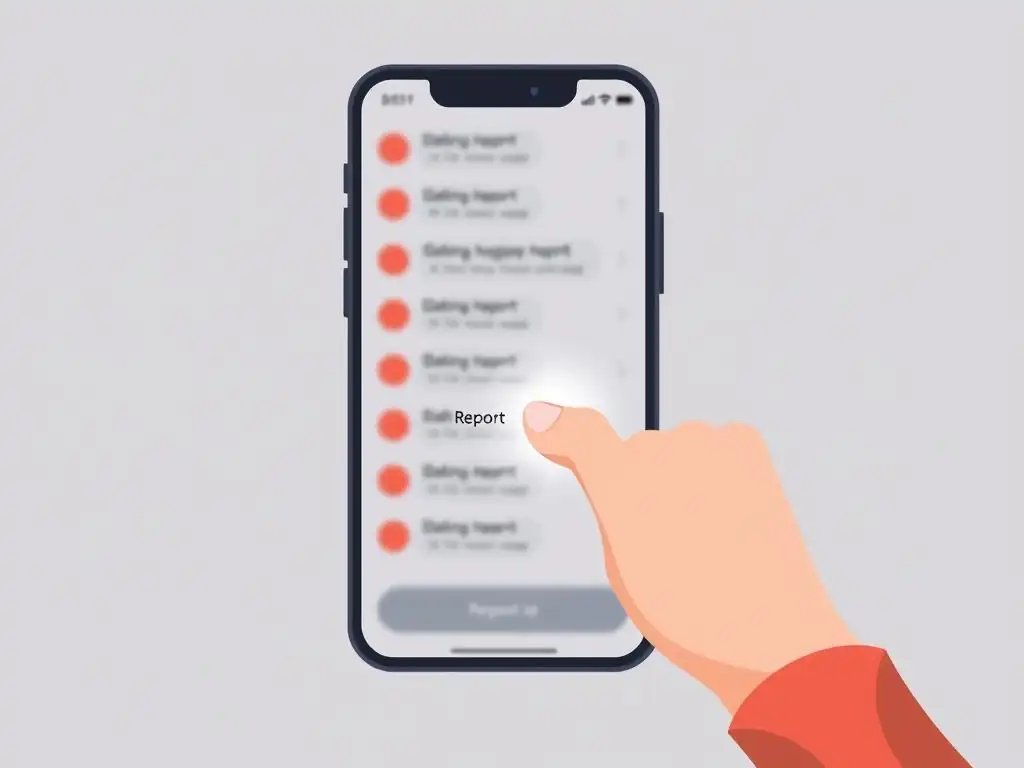
Online dating offers exciting possibilities, but it also presents risks. Knowing how to effectively report harassment is crucial for your safety and well-being. This section provides practical steps to ensure your reports are thorough and impactful, ultimately contributing to a safer online dating environment for everyone. Remember, reporting isn't just about protecting yourself; it's about helping to prevent others from experiencing similar situations. Taking action against dating app harassment is a collective responsibility.
Reporting Harassment on Popular Dating Apps: Tinder, Bumble, Hinge, etc.
Different dating apps have varying reporting mechanisms. While the core process—identifying the harassing behavior and reporting it—remains consistent, the specific steps and features vary. Let's look at some popular platforms:
- Tinder: Tinder generally provides a clear "Report" button within each user's profile or message thread. This typically leads to a menu allowing you to specify the type of harassment (e.g., offensive messages, inappropriate photos, threats). Often, you can provide additional context in a text box. Tinder's reporting system usually involves an automated review process, followed by potential account suspension or permanent bans for repeat offenders. The platform's emphasis on user safety is reflected in their robust reporting system.
- Bumble: Similar to Tinder, Bumble offers an in-app reporting system easily accessible from profiles and conversations. Bumble emphasizes its commitment to a respectful community and provides detailed instructions on reporting various forms of harassment, including catfishing, unsolicited explicit content, and abusive behavior. Their reporting process often includes the option to block the user, preventing further contact.
- Hinge: Hinge's reporting system is designed to be intuitive and efficient. Users can usually find the reporting option within the messaging interface or user profile. Hinge's process often includes a review of the reported content by human moderators, ensuring a more thorough assessment of the situation. They aim to create a supportive environment where users feel safe and empowered to report inappropriate behavior.
The key takeaway is to always familiarize yourself with the specific reporting procedures of each dating app you use. Look for the "Report," "Block," or "Flag" options within the app's interface. These options are usually clearly visible, but their exact location might slightly differ depending on the app's version and design.
Step-by-Step Guide: Reporting Procedures on Each Platform
While specifics vary, a general step-by-step guide for reporting dating app harassment usually follows this pattern:
- Identify the harassing behavior: Clearly define the actions that constitute harassment. This could include offensive messages, unwanted sexual advances, threats, stalking behavior, or sharing private information without consent. Be specific in your description.
- Locate the reporting mechanism: Find the "Report," "Block," or similar option within the app. This is usually found within the user's profile or the message thread.
- Select the appropriate category: Most apps provide categories to classify the type of harassment. Choose the one that best describes the situation.
- Provide detailed information: Be thorough in your description of the incident. Include dates, times, screenshots (if available), and any other relevant details.
- Submit the report: Once you've completed the form, submit your report. You might receive a confirmation message.
- Block the user (optional): Blocking the user prevents further contact and adds an extra layer of protection.
- Follow up (if necessary): If you haven't received a response within a reasonable timeframe, consider contacting the app's customer support directly.
Remember, your safety is paramount. Don't hesitate to report any behavior that makes you feel uncomfortable or unsafe.
Gathering Evidence: Screenshots, Messages, and Communication Logs
Strong evidence significantly increases the chances of a successful report and the subsequent action taken against the harasser. Here's how to gather crucial evidence:
- Screenshots: Take screenshots of all harassing messages, photos, or profile information. This provides irrefutable visual proof of the harassment. Time-stamped screenshots are particularly valuable.
- Messages: Save copies of all relevant messages, ideally including the date and time stamps. Some apps allow you to download conversation logs; utilize this feature if available.
- Communication Logs: If possible, try to maintain a record of all interactions with the harasser, including dates, times, and platforms used. This comprehensive record builds a strong case.
- Keep it organized: Organize your evidence systematically. Create a folder on your computer or phone to store all screenshots and logs. This makes it easier to access and submit the evidence during the reporting process.
Detailed and well-organized evidence significantly strengthens your report and increases the likelihood of a positive outcome. This proactive approach helps protect you and contributes to a safer online dating experience for everyone. Remember, reporting harassment is a crucial step in building a more respectful online community.
What Information to Include in Your Report: Detailed Account of the Incident
Providing a detailed account of the harassment incident is crucial for effective reporting. The more information you provide, the better equipped the dating platform's moderators will be to investigate and take appropriate action. Think of your report as a case file – the more evidence you can offer, the stronger your case becomes. This includes specific details about the harasser's profile, the nature of the harassment, and any supporting evidence you may have.
For example, instead of simply stating "This person was harassing me," describe the specific actions. Did they send abusive messages? Were the messages sexually suggestive or explicit? Did they repeatedly contact you despite your requests to stop? Did they threaten you in any way? Be precise in your description, noting the exact wording of offensive messages, the dates and times of contact, and the platform(s) where the harassment occurred.
Remember to quantify the frequency and severity of the harassment. One offensive message is different from a sustained campaign of abuse. If the harassment escalated over time, describe this progression clearly. Mentioning the emotional impact of the harassment is also important; explaining how their actions made you feel (e.g., anxious, threatened, violated) adds weight to your report and helps the platform understand the severity of the situation.
Don't hesitate to include screenshots of messages, profile information, or any other relevant evidence. This visual evidence significantly strengthens your report and allows the platform to verify your claims. Moreover, if you've blocked the user, mention this explicitly, as it's a clear indication of your attempts to stop the harassment independently.
Finally, if you reported the harassment through other channels (e.g., contacting law enforcement), mention this in your report as well, to provide a complete picture of the situation. The goal is to paint a clear, comprehensive picture of the incident, enabling the platform to take swift and effective action against the harasser and protect other users. The more thorough your account, the more likely a successful outcome.
Beyond the App: Reporting to Law Enforcement
This section focuses on escalating your report beyond the dating app itself. While reporting within the app is crucial for platform accountability, serious instances of harassment or scams require intervention from law enforcement. Understanding when and how to involve the police is vital for your safety and well-being. Remember, reporting dating app harassment to the appropriate authorities can be a powerful step in protecting yourself and potentially preventing future harm to others.
When to Contact the Police: Serious Threats and Criminal Activity
Contacting the police should be your next step if you've experienced serious threats, stalking, identity theft, financial fraud, or any other criminal activity related to your online dating experience. Don't hesitate; your safety is paramount. Here are some scenarios that warrant immediate police involvement:
- Direct threats of violence: Any communication explicitly threatening physical harm to you, your family, or your property requires immediate police action. Document everything – screenshots, emails, messages – and preserve the original evidence.
- Stalking: Persistent unwanted contact, including repeated messages, showing up at your home or work, or tracking your location, constitutes stalking and is a serious crime.
- Financial fraud: If someone has defrauded you of money under the guise of a romantic relationship, report it immediately to your local police and also to your bank or financial institution. Preserve all financial records related to the transaction.
- Identity theft: If the scammer has attempted to use your personal information (social security number, credit card details, etc. ), file a police report and contact credit bureaus to place fraud alerts on your accounts.
- Sharing of intimate images without consent (revenge porn): This is a serious crime and you should report it to the police immediately. Preserve the evidence and seek legal counsel.
Remember to provide the police with as much information as possible, including dates, times, screenshots of communications, and the scammer's profile information (if available). They may be able to trace the perpetrator through IP addresses or other digital means. Keep a copy of the police report for your records. Reporting dating app harassment in this manner can lead to investigations and potential prosecution of offenders.
Documenting Harassment for Legal Purposes: Preserving Evidence
Effective documentation is crucial if you choose to pursue legal action against a harasser or scammer. Preserving evidence carefully and methodically can significantly strengthen your case. This involves more than just taking screenshots; it requires a structured approach:
- Screenshots: Take screenshots of all relevant communications, including profile information, messages, and any evidence of threats or harassment. Annotate screenshots with dates and times if needed.
- Record Keeping: Maintain a detailed log of all interactions, including dates, times, methods of communication (e.g., text message, email, in-app messaging), and a summary of the content.
- Metadata: Be aware that metadata (data embedded within files) can be crucial. Avoid editing or altering the original files, as this can compromise the metadata and weaken your case.
- Third-Party Storage: Save all evidence in a secure, cloud-based storage solution that is separate from the dating app itself. This protects against data loss or accidental deletion.
- Witness Testimony: If you have any witnesses to the harassment or scam (friends, family, coworkers who have seen the communications), document their contact information.
This meticulous approach to preserving digital evidence is essential for building a strong case should you decide to pursue legal avenues to address your experience with dating app harassment. This thorough documentation can significantly improve the chances of a successful outcome.
Seeking Support and Resources: Help for Victims of Online Harassment
Experiencing online harassment can be deeply distressing and isolating. Remember that you are not alone and there are resources available to support you. Seeking help is a sign of strength, not weakness. These resources can offer crucial assistance during a difficult time:
- National Domestic Violence Hotline: This hotline provides confidential support and resources for victims of domestic violence, which can often include online harassment.
- Rape, Abuse & Incest National Network (RAINN): RAINN offers support for survivors of sexual violence, including online harassment that involves sexually explicit content.
- National Center for Victims of Crime: This organization provides a wide range of support services for victims of crime, including online harassment.
- Online Safety Resources: Many organizations offer online safety resources and tips for navigating online dating safely. These resources can help you learn how to protect yourself from future harassment.
Don't hesitate to reach out for help. These resources provide confidential support, guidance, and resources to help you heal and move forward. Remember, seeking help is a critical step in your recovery and empowerment. Reporting dating app harassment and seeking support are essential components of protecting your well-being.
Protecting Yourself from Future Harassment

Reporting harassment is a crucial step, but proactive measures are equally vital in preventing future incidents. This section focuses on strategies to minimize your vulnerability and cultivate a safer online dating experience. Effectively "reporting dating app harassment" is only one part of a comprehensive safety plan. Understanding how to protect yourself before, during, and after interactions is key to a positive experience.
Setting Boundaries and Managing Online Interactions: Safe Communication Practices
Establishing clear boundaries from the outset is paramount in deterring unwanted advances. This involves more than just saying "no"—it's about proactively shaping your interactions to discourage inappropriate behavior. For example, avoid sharing personal information too readily. Don't disclose your full address, workplace, or family details until you've established a significant level of trust. Remember, building trust takes time. Rushing the process increases your risk.
Furthermore, maintain control over the pace and nature of your conversations. If someone is persistently pushing boundaries or making you uncomfortable, politely but firmly end the conversation. Don't feel obligated to respond to every message or continue a conversation that feels unsafe. Practice assertive communication; your comfort and safety are paramount. Consider using pre-written responses for common scenarios to help you manage interactions more efficiently and confidently.
Another effective strategy is to limit the amount of personal information revealed in your profile. While some details are necessary to connect with others, avoid anything too specific that could easily be used to identify your location or daily routine. This proactive measure can significantly reduce your exposure to potential harassment.
Finally, always meet in public places for first dates, and inform a friend or family member of your plans, including the time, location, and the person you're meeting. Sharing your location in real-time with trusted contacts via location-sharing apps can also provide an additional layer of security.
Privacy Settings and Profile Management: Minimizing Exposure
Your online dating profile is your digital storefront. Carefully managing its privacy settings and the information you share directly impacts your safety and reduces the chance of experiencing harassment. Many dating apps offer granular control over who can see your profile, message you, or access your personal information. Take the time to understand these settings and adjust them to your comfort level.
For instance, you can often restrict visibility to only those who have mutual matches or limit who can initiate contact. Consider disabling location sharing altogether or restricting it to a broader radius, avoiding precise location pinpointing. Regularly review and update your privacy settings, as app policies and features can change.
Beyond privacy settings, review the information you've publicly shared on your profile. Is there anything that could be misused or misinterpreted? Avoid posting identifying information, such as your full name, work address, or children's names and ages. Remember, less is often more when it comes to online safety. A carefully curated profile reduces your risk exposure.
Utilizing Dating App Safety Features: Blocking and Reporting Tools
Most reputable dating apps provide built-in safety tools designed to protect users from harassment. Familiarize yourself with these features and don't hesitate to use them. These tools are your first line of defense. Learn how to block users who exhibit inappropriate behavior, and promptly report any instances of harassment, abuse, or suspicious activity.
Many apps allow you to report profiles or messages that violate their terms of service. Document all instances of harassment, including screenshots of messages or profile information. This documentation is invaluable if you need to escalate the issue or file a police report. Remember that reporting is not just about protecting yourself; it also helps the platform identify and remove harmful users, contributing to a safer environment for everyone.
The more users report, the better the platforms can manage and improve their safety measures. Take advantage of all available reporting options to contribute to a safer online dating community. Your actions directly impact the safety of others.
Building a Supportive Network: Sharing Your Experiences and Seeking Help
Experiencing harassment on a dating app can be incredibly isolating. It's crucial to remember you're not alone and that seeking support is a sign of strength, not weakness. Building a supportive network can significantly impact your ability to cope with and recover from online harassment. Sharing your experiences with trusted friends, family members, or a therapist can provide validation and emotional support. Talking about what happened can help process the emotions associated with the harassment, reducing feelings of shame, guilt, or helplessness. A supportive listener can offer a safe space to vent frustrations and strategize next steps.
Beyond personal connections, consider reaching out to support groups specifically designed for victims of online harassment. These groups provide a community where individuals can share their experiences, learn coping mechanisms, and receive advice from others who understand. The shared experience can be incredibly powerful, fostering a sense of belonging and reducing feelings of isolation. Many online forums and communities offer anonymity, allowing you to connect with others without revealing your identity if you feel uncomfortable doing so.
Remember that seeking professional help is also an option, and a valuable one. A therapist or counselor can provide guidance on managing emotional distress, developing healthy coping strategies, and building resilience against future harassment. They can offer tools and techniques to help navigate the aftermath of the experience and prevent similar situations from happening again. Don't hesitate to reach out to mental health professionals; their expertise can be invaluable in your healing process.
Prioritizing your mental well-being is a key step in moving forward after experiencing online harassment. Taking care of yourself is not selfish; it's essential for your recovery and future well-being. Building a strong support system, both personal and professional, is a crucial part of protecting yourself from future harassment and fostering emotional resilience.
Preventing Dating Scams: Safeguarding Your Finances and Personal Information
This section focuses on proactive measures you can take to protect yourself from financial and personal information scams prevalent in online dating. Remember, your safety and security are paramount. Never rush into anything, and always err on the side of caution. Reporting dating app harassment is crucial, but prevention is even better.
Avoiding Suspicious Requests for Money or Personal Details
One of the most common tactics employed by scammers is to solicit money or sensitive personal information under various pretexts. These requests often escalate gradually, starting with seemingly innocent inquiries before culminating in demands for financial assistance. Be wary of anyone who:
- Asks for money for any reason early in the relationship. This includes emergencies, travel expenses, medical bills, or business ventures. Legitimate relationships don't start with financial transactions.
- Pressures you to send money through untraceable methods like wire transfers or gift cards. Reputable financial institutions offer robust fraud protection mechanisms, which scammers actively try to avoid.
- Requests access to your bank accounts, credit card information, or social security number. Sharing this information with someone you've only met online is incredibly risky.
- Provides inconsistent or vague explanations for their financial needs. Legitimate requests usually come with clear details and supporting evidence.
Remember, a genuine connection shouldn't involve financial transactions in its early stages. If someone asks for money, it's a significant red flag. Report dating app harassment immediately if you encounter this behavior. It's better to be safe than sorry.
Verifying Profiles and Identities: Due Diligence in Online Dating
While not foolproof, taking steps to verify the identity of your online matches can significantly reduce your risk of encountering scammers. Consider these steps:
- Reverse image search: Use a reverse image search engine to check if the profile pictures are authentic and haven't been stolen from elsewhere. Inconsistencies or multiple matches across different profiles should raise concerns.
- Social media checks: Try to find your match on other social media platforms. A consistent online presence across various platforms can add credibility. However, remember that scammers can also create fake social media accounts.
- Cautious communication: Avoid sharing overly personal information until you've built a reasonable level of trust. This includes your full name, address, workplace, and financial details.
- Video calls: Propose a video call to verify the person's identity and appearance. This is a powerful tool in identifying potential deception. A scammer is less likely to agree to a video call.
Thorough profile verification doesn't guarantee safety, but it significantly reduces the chances of falling victim to a scam. Always exercise caution and report any suspicious activity promptly.
Educating Yourself on Common Scamming Tactics: Awareness is Key
Staying informed about common online dating scams is your best defense. Scammers continuously adapt their methods, so regular updates on prevalent tactics are essential. Familiarize yourself with these common schemes:
- Catfishing: Creating a fake online persona using stolen photos and fabricated information.
- Romance scams: Building a false sense of intimacy to manipulate victims into sending money or sharing personal information.
- Investment scams: Promising unrealistic returns on investments to lure victims into fraudulent schemes.
- Extortion scams: Threatening to reveal personal information unless money is paid.
Staying informed about these common scams empowers you to identify red flags and protect yourself. Regularly check for updates on scam tactics and report dating app harassment to help others avoid similar situations. Remember, knowledge is power in the fight against online dating scams. 🕵️♀️
Securing Your Financial Information: Protecting Against Fraud
Online dating presents unique financial risks. Scammers often employ elaborate schemes to trick unsuspecting individuals into sending money or sharing sensitive financial data. Protecting yourself requires vigilance and a proactive approach. Never share your bank account details, credit card numbers, or social security number with anyone you meet online, regardless of how well you believe you know them. Remember, legitimate dating platforms will never request this information.
One common tactic is the "emergency" scam, where a profile claims to be in a sudden crisis requiring urgent financial assistance. These situations are often fabricated, designed to prey on your empathy and generosity. Another prevalent method involves promising high returns on investments or requesting loans under false pretenses. These scams can range from relatively small amounts to significant financial losses. Always be suspicious of unsolicited requests for money, no matter how convincing the story may seem. If you're unsure, it's always best to err on the side of caution and refuse.
Before engaging in any financial transactions with someone you've met online, thoroughly research their claims. Reverse image search their profile pictures to verify their identity. Look for inconsistencies in their story or red flags that suggest deception. Consider using a secure payment method with buyer protection, if a transaction is absolutely necessary, but always proceed with extreme caution. Remember, true connection shouldn't involve financial risk.
If someone pressures you for money, it's a major red flag indicating a potential scam. Report such behavior immediately to the dating platform and the appropriate authorities. Protecting your financial well-being is paramount in the world of online dating. Your financial security is just as important as your emotional safety. Don't let scammers compromise either.
Frequently Asked Questions
What should I do if I experience harassment on a dating app?
If you experience harassment, immediately report the user to the dating app platform using their reporting tools. Save all evidence, such as screenshots and messages, and consider blocking the user. You can also report to law enforcement if necessary.
How do I report a scammer on a dating app?
Report suspicious behavior immediately to the dating app. Look for red flags like inconsistent stories, requests for money, or overly-personal information requests. Gather evidence before reporting.
What types of behavior constitute harassment on dating apps?
Harassment includes unwanted sexual advances, threats, abusive language, stalking, or sharing private information without consent. Persistent unwanted communication, even if not overtly abusive, can also be considered harassment.
Will reporting a user result in their account being banned?
While there's no guarantee, dating apps typically take reports seriously. The platform will review the evidence and may suspend or ban the offending user's account. The outcome depends on the severity of the violation and the evidence provided.
What if the dating app doesn't take action after I report harassment?
If the app fails to address your report, consider contacting their customer support again, escalating the issue. You may also report the issue to consumer protection agencies or law enforcement, depending on the severity of the harassment.
Final Reflection: The Power of Collective Action Against Online Harassment
The fight against harassment on dating platforms is far from over, but the tide is turning as more users understand the importance of reporting. Silence enables abusers; reporting empowers survivors and fosters safer online spaces for everyone. This collective action is not just about individual safety; it's about building a culture of accountability.
The pervasive nature of online harassment, particularly on dating apps, has profoundly impacted how we interact and connect digitally. It's a shadow cast over the potential for genuine connection, leaving many feeling vulnerable and hesitant to fully engage. The internet can be a powerful tool for connection, but it can also be a breeding ground for hate and harassment. We must work together to create a safer online environment for everyone.
This quote underscores the shared responsibility we all have in combating this issue. We must actively participate in creating a safer online dating experience for ourselves and others.
You have the power to make a difference. Don't let fear or apathy silence you. Report every instance of harassment you encounter, no matter how small it may seem. By reporting, you are not only protecting yourself but also contributing to a larger movement towards accountability and a safer online community. Take action today, and be a part of the solution.
Unlock Safer Dating: Take Control Now
Thank you for learning how to identify and report inappropriate behavior on dating platforms. You've gained valuable knowledge to protect yourself and others. Now, let's put that knowledge into action!
- Report suspicious profiles immediately: Don't hesitate to use the reporting features offered by dating platforms. Your report could help prevent others from becoming victims of scams or harassment.
- Share this article with your friends and family: Help spread awareness and empower others to navigate online dating safely.
- Share your experiences and tips for staying safe online in the comments below. What other strategies do you recommend for reporting and preventing harassment?
Ready to make a difference? What concrete step will you take today to create a safer online dating experience for everyone?