
How to Keep Your Personal Information Safe from Scammers: A Practical Guide

Welcome to OnlineDatingSuccess.org, your guide to navigating the exciting yet sometimes treacherous world of online dating. Are you ready to find genuine connections but concerned about your safety? Then you've come to the right place.
This site is dedicated to helping you build meaningful relationships, and we're starting with something crucial: Online dating safety tips. Learn how to protect yourself from scams and build a secure foundation for your online dating journey. Discover practical strategies to keep your personal information safe and avoid potential pitfalls – read on to unlock the secrets to a safer and more successful dating experience.
- Online Dating Safety Tips: Protecting Your Personal Data
- Securing Your Online Dating Profiles: Essential Safety Measures
- Avoiding Phishing Attempts and Malicious Links
- Reporting Suspicious Activity to Dating Platforms
- Protecting Your Financial Information During Online Dating
- Safe Communication Strategies: Protecting Your Privacy
- Recognizing and Reporting Scammers: A Step-by-Step Guide
- Resources and Further Information on Online Dating Safety
- Frequently Asked Questions
- Final Reflection: Securing Your Heart and Data in the Digital Age
- Unlock Your Online Safety: Take Control Now!
Online Dating Safety Tips: Protecting Your Personal Data
Navigating the world of online dating offers incredible opportunities to connect with others and potentially find meaningful relationships. However, this digital landscape also presents significant risks, particularly concerning the safety and security of your personal information. This comprehensive guide provides practical, empathetic advice to help you protect yourself from scammers and maintain your privacy while searching for love online.
We'll explore the various threats you might encounter, identify common scamming tactics, and equip you with the tools and strategies to build a safer and more positive online dating experience. Understanding these risks is the first step towards creating a secure and fulfilling online dating journey.
Remember, prioritizing your safety shouldn't compromise your chances of finding a genuine connection; rather, it enhances them by fostering trust and building healthy relationships. This guide focuses on providing actionable steps to mitigate risks associated with "online dating safety tips," empowering you to take control of your online safety.
Understanding the Risks of Sharing Information Online
The ease and convenience of online dating platforms often lead to unintentional oversharing of personal information. This seemingly harmless act can have severe consequences, making you vulnerable to various online threats. Scammers prey on individuals seeking connection, using deceptive tactics to gain access to sensitive data. The risks extend beyond financial loss; emotional distress and identity theft are also significant concerns.
Consider these examples: Sharing your full name and address could allow scammers to access your credit reports or even locate your home. Revealing your workplace might make you susceptible to targeted phishing attacks. Even seemingly innocuous details, like your favorite hobbies or travel plans, can be used to build a more convincing profile for future scams, making you a more likely target.
It's crucial to remember that not all profiles are genuine. Some individuals create fake profiles with malicious intent, aiming to extract money, personal data, or even exploit you emotionally. Therefore, a cautious approach to sharing information is paramount. Always err on the side of caution; avoid revealing anything you wouldn't comfortably share with a stranger in a public setting.
Identifying Common Scamming Tactics in Online Dating
Online dating scammers employ a range of manipulative tactics designed to gain your trust and extract information. Recognizing these techniques is crucial for staying safe. Common tactics include:
- Love bombing: Overwhelming you with affection and compliments early in the relationship to quickly build trust.
- Catfishing: Creating fake profiles using stolen photos and fabricated identities.
- Financial requests: Asking for money, gift cards, or loans under various pretexts (e.g., medical emergencies, travel expenses).
- Pressure tactics: Creating a sense of urgency to rush you into decisions or financial transactions.
- Sudden disappearance: The scammer abruptly disappears after obtaining your information or money.
These are just a few examples, and scammers constantly adapt their strategies. Be wary of anyone who seems too good to be true or who pushes you to move the relationship off the dating platform too quickly. Remember, genuine connections develop gradually, based on mutual trust and respect. Never feel pressured to share personal information or send money to someone you've only met online. A red flag should always trigger caution.
Safe Online Dating Practices: Protecting Your Personal Information
Protecting your personal information requires a proactive and cautious approach. Here are some practical steps you can take to enhance your online dating safety:
| Practice | Description |
|---|---|
| Use strong passwords | Create unique, complex passwords for each online dating account and avoid reusing passwords across different platforms. |
| Enable two-factor authentication | Add an extra layer of security to your accounts to prevent unauthorized access. |
| Verify profiles | Check profiles for inconsistencies and red flags; do some background research if you feel uneasy. |
| Meet in public places | Always meet for the first few dates in well-lit, public locations where you can easily leave if you feel uncomfortable. |
| Tell a friend or family member | Let someone know where you're going and who you're meeting. Share the person's profile and contact information. |
| Avoid sharing sensitive information | Don't reveal your full name, address, workplace, financial details, or other personal information until you've established trust and met in person. |
| Report suspicious activity | Report any suspicious profiles or messages to the dating platform immediately. |
| Trust your instincts | If something feels off, it probably is. Don't ignore your intuition. |
By following these guidelines and staying vigilant, you can significantly reduce your risk of becoming a victim of online dating scams. Remember, your safety and well-being are paramount. A cautious approach doesn't diminish the joy of online dating; it enhances it by allowing you to focus on building genuine connections with confidence.
Securing Your Online Dating Profiles: Essential Safety Measures
This section focuses on proactive steps you can take to minimize your vulnerability to online dating scams by securing your profiles. Remember, even with the best precautions, complete anonymity isn't possible online, but minimizing your risk is key. We'll cover crucial steps to safeguard your personal information and build a safer online dating experience. Understanding these measures is crucial for maintaining your online dating safety and peace of mind. This is a vital part of implementing effective online dating safety tips.
Choosing Strong and Unique Passwords for Dating Sites
Choosing strong, unique passwords is the cornerstone of online security, and online dating is no exception. Weak passwords are an open invitation to scammers. Instead of using easily guessable information like birthdays or pet names, employ these strategies:
- Length: Aim for at least 12 characters. Longer passwords are exponentially harder to crack.
- Complexity: Include a mix of uppercase and lowercase letters, numbers, and symbols (! @#$%^&*).
- Uniqueness: Never reuse the same password across multiple accounts. If one account is compromised, your other accounts remain safe. Consider using a password manager to generate and securely store unique passwords for each dating site and app.
- Regular Changes: While not always necessary, periodically changing your passwords, especially after any suspicious activity, is a good practice.
Think of it like this: a strong password is like a sturdy lock on your front door, while a weak password is like leaving the door unlocked. Prioritizing strong passwords is one of the most impactful online dating safety tips you can implement.
Enabling Two-Factor Authentication (2FA) for Enhanced Security
Two-Factor Authentication (2FA) adds an extra layer of security beyond just a password. Even if a scammer obtains your password, they'll still need access to your secondary authentication method (usually a code sent to your phone or email) to log in. This significantly reduces the risk of unauthorized access to your profile.
Most dating sites and apps offer 2FA; check your settings to enable it. It's often labeled as "two-step verification," "two-factor authentication," or a similar term. Enabling 2FA is a simple yet highly effective online dating safety tip that dramatically improves your account's security. Don't underestimate the power of this simple yet effective security measure – it’s a crucial part of protecting your personal information.
Reviewing Privacy Settings on Dating Apps and Websites
Dating apps and websites collect various pieces of information about their users. It's crucial to review your privacy settings regularly and adjust them to minimize the data shared publicly. Look for options to control:
- Profile Visibility: Determine who can see your profile (e.g., only matched users, everyone).
- Personal Information: Decide what information is displayed publicly (e.g., age, location, occupation). Be mindful of sharing overly specific details that could make you easily identifiable offline.
- Photo Sharing: Control who can see your photos and if they can download them.
- Location Services: Carefully manage location sharing; turning it off completely is often the safest approach, unless the app requires it for its core functionality. Consider the implications of sharing your location with strangers, especially when considering online dating safety tips.
Regularly reviewing and adjusting these settings is a crucial aspect of online dating safety. By carefully managing your privacy settings, you're actively reducing your exposure to potential risks and protecting your personal information. This proactive approach is a key component of effective online dating safety tips.
Avoiding Phishing Attempts and Malicious Links
Online dating safety tips often focus on direct interactions, but a significant threat lies in phishing attempts and malicious links. These are designed to steal your personal information, including login credentials, financial details, and even your address. Understanding how these attacks work is crucial for protecting yourself.
Recognizing Phishing Emails and Messages
Phishing attempts often masquerade as legitimate communications from dating platforms or even potential matches. They might use familiar logos and branding to appear authentic. However, there are several red flags to watch out for. Look for:
- Suspicious email addresses: Check the sender's email address carefully. Legitimate platforms rarely use free email services like Gmail or Yahoo for official communications. They typically use a dedicated domain specific to their platform (e.g., @onlinedatingsuccess.com — this is a hypothetical example). Look for misspellings or slight variations in the official domain name.
- Generic greetings: Legitimate messages usually address you by name. Emails starting with "Dear User" or "Valued Customer" are often a sign of a phishing attempt.
- Urgent or threatening language: Phishing emails often create a sense of urgency, pressuring you to act quickly without thinking. They might threaten account suspension or claim you've violated terms of service.
- Unusual requests: Legitimate platforms rarely ask for your password, credit card information, or other sensitive data via email. If you receive such a request, it’s almost certainly a scam.
- Short, poorly written messages: Legitimate communications are usually well-written and professional. Poor grammar, spelling errors, and awkward phrasing are common indicators of a phishing attempt.
Here's a table summarizing these key indicators:
| Indicator | Description | Example |
|---|---|---|
| Suspicious Email Address | Sender's email address doesn't match the platform's official domain. | support@onlinedatingsuccess.net instead of support@onlinedatingsuccess.com |
| Generic Greeting | Email starts with "Dear User" or a similar generic greeting. | "Dear User, your account has been compromised." |
| Urgent/Threatening Language | Email uses urgent or threatening language to pressure you into action. | "Your account will be suspended unless you verify your details immediately." |
| Unusual Requests | Email asks for your password, credit card details, or other sensitive information. | "Please update your payment information to avoid service interruption." |
| Poorly Written Message | Email contains grammatical errors, spelling mistakes, or awkward phrasing. | "Click here to claim your free prize!" |
Remember, when in doubt, it's always best to err on the side of caution. Never click on links in suspicious emails or messages. Instead, navigate directly to the dating platform's website using a trusted bookmark or by typing the address into your browser.
Reporting Suspicious Activity to Dating Platforms
If you encounter a suspicious email, message, or profile, report it to the dating platform immediately. Most reputable platforms have reporting mechanisms in place to help identify and remove fraudulent accounts and prevent others from falling victim to scams. Look for a "Report" button or link on the profile in question or within the messaging interface. Providing as much detail as possible—including screenshots—will help the platform's security team investigate effectively.
Proactive reporting is one of the most effective online dating safety tips. This helps keep the community safe for everyone. Remember, your vigilance is a valuable asset in combating online scams.
Verifying the Authenticity of Profiles and Communication
Before engaging with anyone online, take steps to verify their identity and the authenticity of their communication. This is crucial for your safety and well-being. While complete verification is impossible, you can significantly reduce your risk by following these guidelines:
- Reverse image search: If you're suspicious of a profile picture, perform a reverse image search using Google Images or a similar tool. This can reveal if the image has been used elsewhere online, potentially indicating a fake profile.
- Check for inconsistencies: Look for inconsistencies in the profile information. Do the details seem too good to be true? Are there gaps in the profile information or obvious contradictions?
- Slow and steady communication: Don't rush into a deep relationship online. Take your time to get to know someone before sharing personal information or meeting in person. Pay attention to red flags in their communication style, such as overly enthusiastic or demanding behavior.
- Video call: Once you've built some trust, consider a video call. This can help you verify the person's identity and assess their authenticity. This is a powerful tool, often overlooked, for online dating safety.
- Use common sense: Trust your instincts. If something feels off, it probably is. Don't be afraid to end communication if you feel uncomfortable or unsafe. Remember, your safety is paramount. These online dating safety tips are designed to empower you to make informed decisions and protect yourself from potential harm.
Protecting Your Financial Information During Online Dating
Protecting your financial information is paramount when navigating the world of online dating. Scammers often target dating platforms to exploit vulnerable individuals, so understanding how to safeguard your finances is crucial for a safe and positive online dating experience. This section focuses specifically on financial safety, offering practical strategies to help you avoid becoming a victim. Remember, your financial well-being is just as important as your emotional well-being in the online dating sphere. Prioritizing your safety should always be your top priority. This is a key aspect of effective online dating safety tips.
Avoiding Financial Transactions with Strangers Online
The most effective way to protect yourself from financial scams is to avoid any financial transactions with people you've only met online, especially in the early stages of online dating. This includes requests for money, gift cards, loans, or investments. No legitimate relationship should ever require you to send money to someone you haven't met in person and thoroughly vetted.
Never share your banking details, credit card information, or any other sensitive financial data with someone you've only connected with online. Legitimate businesses will never request such information through informal channels like dating apps. Be wary of anyone who pressures you into sending money or sharing financial details. This is a major red flag indicative of a potential scam. Remember, building trust takes time, and a genuine connection shouldn't involve financial transactions before meeting in person.
Recognizing Red Flags in Financial Requests
Scammers often employ deceptive tactics to manipulate their victims into sending money. Learning to recognize these red flags is crucial for your financial safety. Some common red flags include:
- Urgent requests for money: Scammers often create a sense of urgency, claiming they're in a dire situation and need immediate financial assistance. This is designed to bypass your rational thinking and encourage impulsive actions.
- Vague or inconsistent stories: Pay close attention to the details of their requests. Inconsistent or unclear explanations should raise concerns.
- Requests for unusual payment methods: Be wary of requests for payment via gift cards, wire transfers, or cryptocurrency. These methods are difficult to trace and make it harder to recover your money if you're scammed.
- Pressure and manipulation: Legitimate requests for help will not involve pressure or manipulation. If someone is aggressively pushing you to send them money, it's a strong indicator of a scam.
- Overly romantic gestures early on: Be cautious of individuals who profess intense love or affection very quickly and then proceed to ask for financial assistance. This is a classic tactic used by scammers.
Always take your time, verify information independently, and trust your instincts. If something feels off, it probably is. These online dating safety tips will help you navigate these potentially dangerous situations.
Secure Payment Methods for Online Interactions (if applicable)
While it's strongly advised to avoid any financial transactions until you've met someone in person, there might be extremely rare situations where a secure payment method is necessary for online interactions. For instance, you might be coordinating a shared expense for a pre-arranged meeting, such as splitting the cost of a restaurant reservation.
If you absolutely must use a secure payment method for an online interaction, consider using platforms with robust buyer/seller protection features. These platforms typically offer dispute resolution processes and chargeback options if something goes wrong. Always prioritize platforms with strong security measures and a proven track record. However, remember that even with these precautions, the risk of fraud still exists. Prioritizing in-person interactions before engaging in any financial transactions remains the safest approach. This approach is a cornerstone of effective online dating safety tips.
Remember, exercising caution and prioritizing your financial security is vital for a positive and safe online dating experience. These steps, while seemingly simple, can significantly reduce your risk of becoming a victim of online dating scams.
Safe Communication Strategies: Protecting Your Privacy
This section focuses on practical strategies for safe communication while online dating, minimizing your vulnerability to scammers and protecting your personal information. Remember, building trust takes time, and rushing the process can put you at risk. These online dating safety tips will help you navigate this crucial aspect of online dating.
The key to safe online dating communication is to reveal personal information gradually and cautiously. Don't divulge sensitive details like your full address, workplace, or financial information in your initial conversations. Scammers often try to quickly establish a sense of intimacy to gain your trust and manipulate you into revealing such information.
Instead, focus on building rapport through shared interests and engaging conversations. Start with general topics, and as you feel more comfortable and confident in the other person's authenticity, slowly share more personal details. Observe how they respond to your disclosures; a genuine connection will involve reciprocal sharing and a gradual deepening of trust. Consider this a process of "information triage," prioritizing less sensitive details initially.
For example, instead of immediately sharing your home address, you might initially mention your neighborhood or city. Instead of disclosing your exact workplace, you could share your profession or industry. This measured approach allows you to assess the person's intentions without immediately exposing yourself to potential risks. Remember, a genuine connection will develop organically over time, and rushing this process invites danger.
Avoiding Over-Sharing Personal Details Online
Over-sharing is a major vulnerability in online dating. Even seemingly innocuous details can be pieced together by scammers to create a comprehensive profile of you, increasing your risk of identity theft or other forms of exploitation. Avoid posting photos that reveal your location (like those taken outside your home or workplace), and be mindful of the information you share in your profile.
Consider these online dating safety tips: Avoid mentioning specific details about your daily routine, travel plans, or family members. Be wary of sharing too much information about your financial situation or possessions. Scammers can use this information to target you for financial scams, blackmail, or other malicious activities. Protecting your privacy online requires conscious effort and careful consideration of every detail you share. Remember, less is often more when it comes to online safety.
Using Secure Messaging Platforms for Communication
Once you begin communicating with someone, use secure messaging platforms whenever possible. Avoid sharing your phone number or email address too early in the process. Instead, leverage the built-in messaging systems of the dating app or website. Many platforms offer end-to-end encryption, which protects your conversations from unauthorized access. This is a crucial online dating safety tip.
If you do decide to exchange phone numbers or email addresses, be cautious about the information you share via these channels. Avoid sending sensitive personal data, and be wary of anyone who pressures you to move communication off the dating platform, especially if they seem overly eager or pushy. Remember, legitimate connections will respect your need for privacy and will not try to circumvent security measures. This proactive approach can significantly reduce your vulnerability to online scams and harassment. Prioritizing secure communication demonstrates a commitment to your safety and personal well-being.
Recognizing and Reporting Scammers: A Step-by-Step Guide
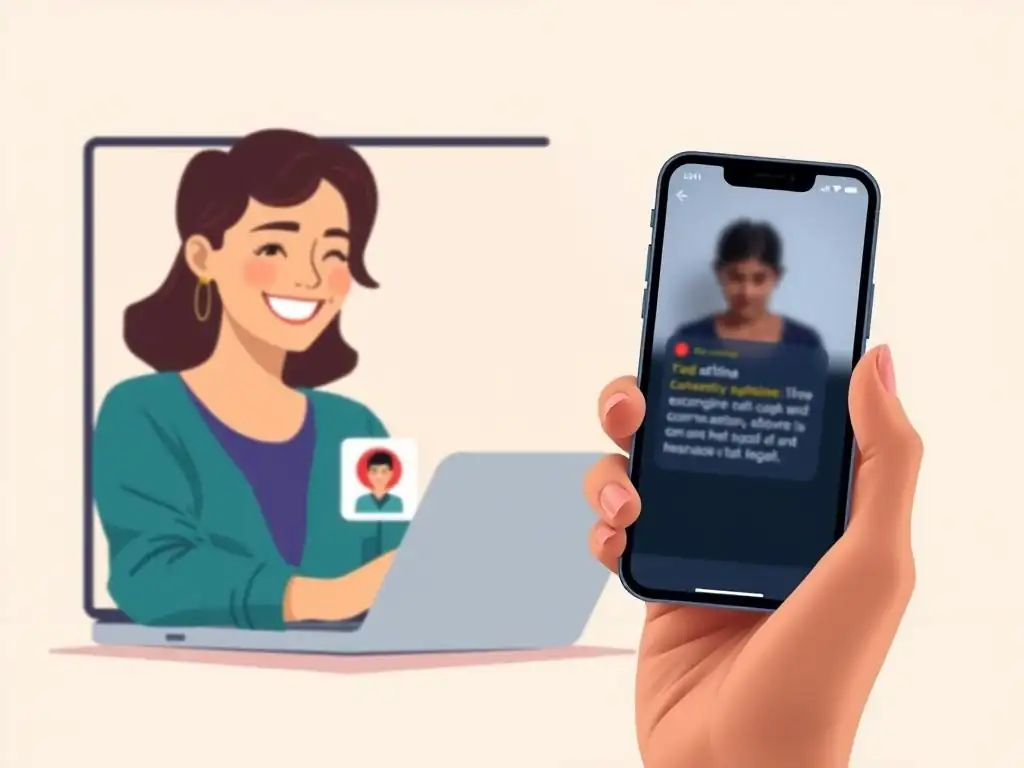
This section provides a practical, step-by-step guide to identifying and reporting online dating scammers. Protecting your personal information is paramount when navigating the world of online dating, and understanding how to recognize and respond to suspicious behavior is crucial for your safety and peace of mind. Remember, your safety is the top priority when using online dating platforms. These online dating safety tips will help you stay protected.
Identifying Scammer Behavior Patterns
Scammers employ various tactics to deceive their victims. Recognizing these patterns is the first step in protecting yourself. Common red flags include:
- Inconsistent or vague profiles: Be wary of profiles lacking details, using stock photos, or containing grammatical errors. A scammer may be less likely to invest time in crafting a realistic persona.
- Rapid escalation of intimacy: If someone expresses intense feelings or desires to meet offline very quickly, proceed with caution. Genuine connections take time to develop.
- Requests for money or financial assistance: This is a major red flag. Legitimate daters will not ask for money, gifts, or loans. Be especially wary of requests for help with supposed emergencies or financial difficulties.
- Pressure to move conversations off the platform: Scammers often try to move communication to less secure channels like email or text messaging to avoid platform monitoring and detection.
- Overly flattering language: Excessive compliments or promises are often used to manipulate and gain trust.
- Suspicious links or attachments: Never click on links or open attachments from unknown senders. These could contain malware or lead to phishing websites designed to steal your information.
- Lack of video calls: A scammer may avoid video calls to conceal their true identity. Suggesting a video call can be an effective way to verify someone's identity and authenticity.
Gathering Evidence of Suspicious Activity
If you suspect you're interacting with a scammer, it's crucial to gather evidence to support your report. This evidence will strengthen your case and help authorities or dating platforms take appropriate action. This is a vital aspect of online dating safety.
Here's what you should collect:
- Screenshots: Capture screenshots of all communication, including messages, profile information, and any suspicious links. Document everything, including the date and time.
- Profile information: Note the scammer's profile details, including their username, photos, and any other identifying information.
- Transaction records: If money was involved, keep records of any transactions, including payment methods and amounts.
- IP address (if possible): While this may require technical expertise, obtaining the IP address of the scammer can be helpful in investigations. This is generally more relevant for advanced cases.
Reporting suspected scammers is crucial for protecting yourself and others from similar scams. Here’s how:
- Report to the dating platform: Most dating sites have reporting mechanisms. Use them! Provide all the evidence you've gathered.
- Report to law enforcement: If you've been financially defrauded or experienced significant emotional distress, contact your local law enforcement agency or the Federal Trade Commission (FTC).
- Monitor your accounts: After reporting, keep a close eye on your bank accounts and credit reports for any unauthorized activity. Consider freezing your credit if you suspect identity theft.
Remember, reporting scams is not only about protecting yourself; it helps prevent others from becoming victims. By following these online dating safety tips and actively reporting suspicious activity, you contribute to a safer online dating environment for everyone. Staying vigilant and informed is key to a positive and safe online dating experience.
Resources and Further Information on Online Dating Safety
This section provides valuable resources to further enhance your understanding of online dating safety and protect yourself from potential scams. We understand that navigating the world of online dating can feel overwhelming, and having access to reliable information is crucial. This information complements the practical advice given earlier and offers avenues for continued learning and support. Remember, your safety is paramount.
Helpful Websites and Organizations Dedicated to Online Safety
Staying safe online isn't just about online dating; it's about protecting your digital footprint across all platforms. Several organizations and websites offer comprehensive resources on online safety best practices, many of which are directly applicable to online dating. These resources often provide in-depth guides, FAQs, and even offer direct support in case of incidents. Familiarizing yourself with these resources can equip you with the knowledge to handle various online safety challenges proactively.
Here's a breakdown of the types of information you can expect to find:
- Government Agencies: Many governments have agencies dedicated to consumer protection and online safety. These agencies often provide information on reporting scams, identifying fraudulent activities, and understanding your rights as an online user. They offer valuable insight into legal protections available to victims of online fraud. Look for agencies focused on consumer protection or cybersecurity within your country or region.
- Non-profit Organizations: Numerous non-profit organizations are dedicated to raising awareness about online safety and providing support to victims of online scams. These organizations often offer educational materials, workshops, and hotlines for immediate assistance. Their focus is often broader than just dating sites, covering various aspects of online safety.
- Cybersecurity Firms: While their primary focus is often on corporate security, many cybersecurity firms offer free resources and guides on protecting yourself online. These resources can provide valuable technical insights into how to safeguard your personal information, such as using strong passwords and recognizing phishing attempts.
Online Dating Safety Guides and Articles
Beyond general online safety resources, there are numerous guides and articles specifically addressing online dating safety. These resources often delve into the unique challenges and risks associated with online dating, offering tailored advice and strategies. This specialized information can help you navigate the complexities of online dating while minimizing your risk of encountering scams or harmful individuals.
Consider exploring resources that focus on:
- Profile Creation: Learn how to create a profile that protects your privacy while still showcasing your personality. Many articles offer advice on what information to include and exclude, as well as how to present yourself safely and effectively.
- Communication Strategies: Understand how to communicate safely with potential matches. This includes recognizing red flags, avoiding sharing sensitive information too early, and knowing when to disengage from potentially dangerous interactions.
- Verification and Background Checks: Explore the options available for verifying the identities of potential matches. While not foolproof, these methods can provide an extra layer of security.
- Meeting in Person: Learn about safe practices for meeting someone you've met online in person. This includes choosing public places, informing friends and family of your plans, and being mindful of your surroundings.
Remember to always approach online dating with caution and prioritize your safety. The resources mentioned above can provide valuable support and guidance on your journey to finding meaningful connections online. By staying informed and proactive, you can significantly reduce your risk of becoming a victim of online dating scams and enjoy a safer and more positive online dating experience.
Frequently Asked Questions
How can I protect my personal information on online dating sites?
Never share sensitive information like your full address, workplace, or financial details early on. Use a separate email address and be cautious about sharing photos that reveal your location. Verify the profiles of those you interact with.
What are some red flags to watch out for in online dating?
Be wary of profiles with limited information, inconsistent details, or excessive flattery. Avoid anyone who pressures you to meet offline quickly or asks for financial assistance. Report suspicious activity to the dating site immediately.
How can I verify the identity of someone I meet online?
Use reverse image searches to check if their photos are authentic. Try to video chat before meeting in person to confirm their identity and appearance. Don't be afraid to ask for additional information to verify their claims.
What should I do if I suspect I'm being scammed?
Stop all communication immediately. Report the user to the dating platform and consider blocking them. If you've already shared personal information or sent money, contact the appropriate authorities and your bank.
Where can I find more information on online dating safety?
OnlineDatingSuccess.org provides comprehensive guides and resources on staying safe while online dating. You can also find helpful information from reputable organizations focusing on online safety and security. Always prioritize your safety and well-being.
Final Reflection: Securing Your Heart and Data in the Digital Age
The rise of online dating has brought unprecedented opportunities for connection, but it's also created a fertile ground for scammers preying on vulnerable hearts and personal information. Protecting yourself online isn't just about avoiding financial loss; it's about safeguarding your emotional well-being and maintaining your digital sovereignty. The threat is real, and the consequences can be devastating.
The pervasiveness of online scams targeting daters underscores a larger societal shift—the increasing blurring of lines between our online and offline lives. We share intimate details with relative strangers, often with little understanding of the potential risks. This vulnerability is not a weakness, but a testament to our inherent desire for connection. The greatest risk is not taking any risk... In a world that's changing really quickly, the only strategy that is guaranteed to fail is not taking risks.
- Mark Zuckerberg. This quote, while seemingly unrelated to dating safety, highlights the importance of calculated risk assessment and proactive protection in navigating the digital landscape. We must embrace technology's potential while acknowledging its inherent dangers.
You now possess the knowledge to navigate the world of online dating with greater confidence and security. Take the time to review the practical steps outlined in this guide, and remember that your safety is paramount. Don't hesitate to be cautious, to verify information, and to trust your instincts. By actively protecting your personal information, you're not just securing your data—you're investing in your peace of mind and empowering yourself to build genuine connections in a safe and responsible manner. Embrace the possibilities of online dating, but always prioritize your well-being.
Unlock Your Online Safety: Take Control Now!
Thank you for taking the time to learn how to protect yourself from online scammers! You now have the knowledge to navigate the digital world with greater confidence. Let's put that knowledge into action.
- Prioritize: Immediately review your online profiles. Check your privacy settings on all social media and dating sites, ensuring you only share information you're comfortable with.
- Strengthen your passwords across all your accounts and consider using a password manager for added security.
- Share this guide with a friend or family member – online safety is a shared responsibility!
Ready to take the next step in securing your online identity? What small change can you make today to improve your online safety?